Northeastern Nevada – Ruby Valley & Beyond
On this trip, one day I ventured into the beautiful Ruby Valley region and surrounding areas of Elko County. From historic ranches and stage stations to early military posts and mountain scenery, this route offered a wonderful mix of ranching history, pioneer stories, and remote Nevada landscapes.
On the way home, I followed the Eureka & Palisade Railroad. Many of the old stations and sidings are now private ranches, but I photographed what I could from the road. When the railroad closed in 1938, ranching kept the area alive.
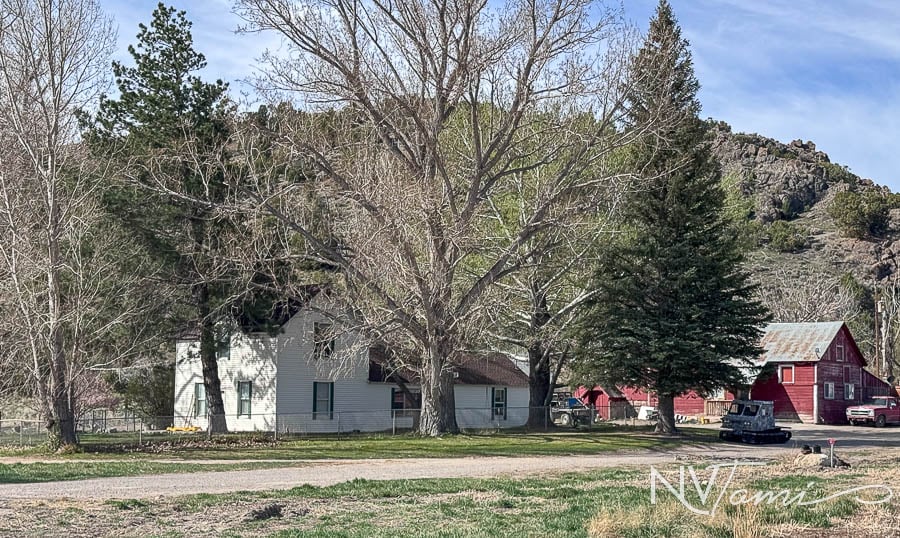
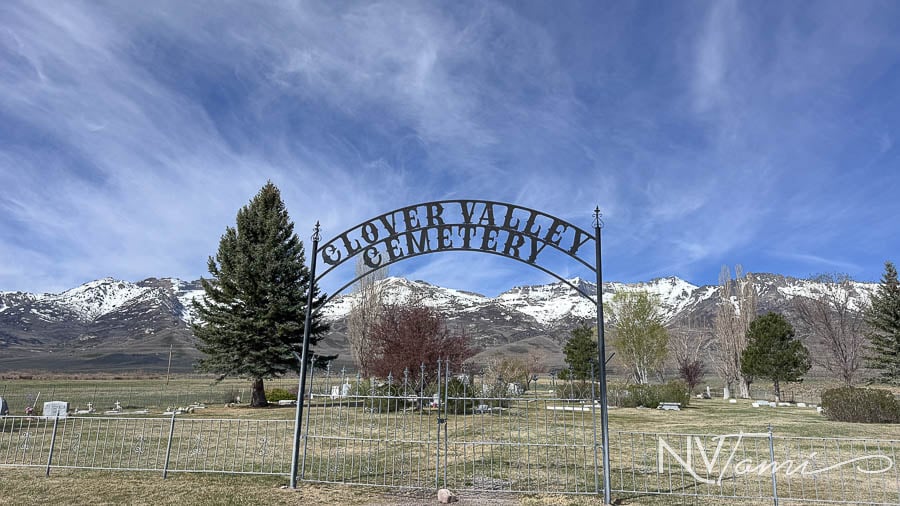
Clover Valley
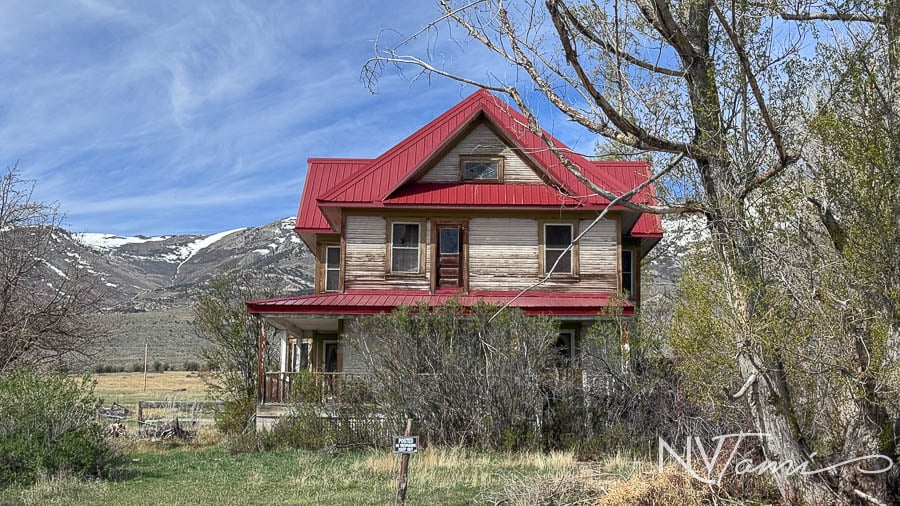
Clover Valley is a scenic, green valley known for its ranching heritage. The area supported early settlers with good water and grazing land. The first permanent settlement was in 1864. The Western Pacific Railroad had a station in the valley between Ventosa and Wells.
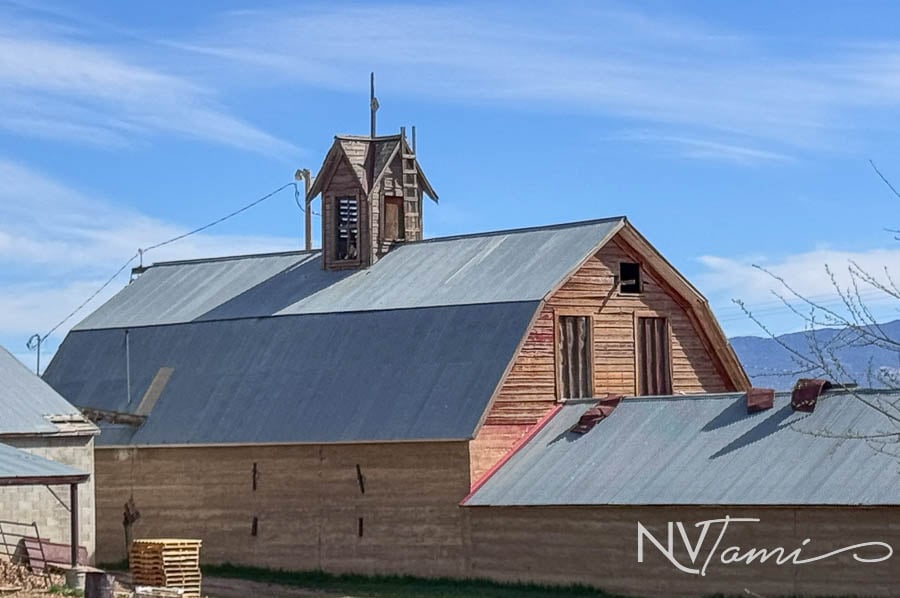
Today it remains a quiet agricultural valley with historic ranch buildings and beautiful views of the surrounding mountains.
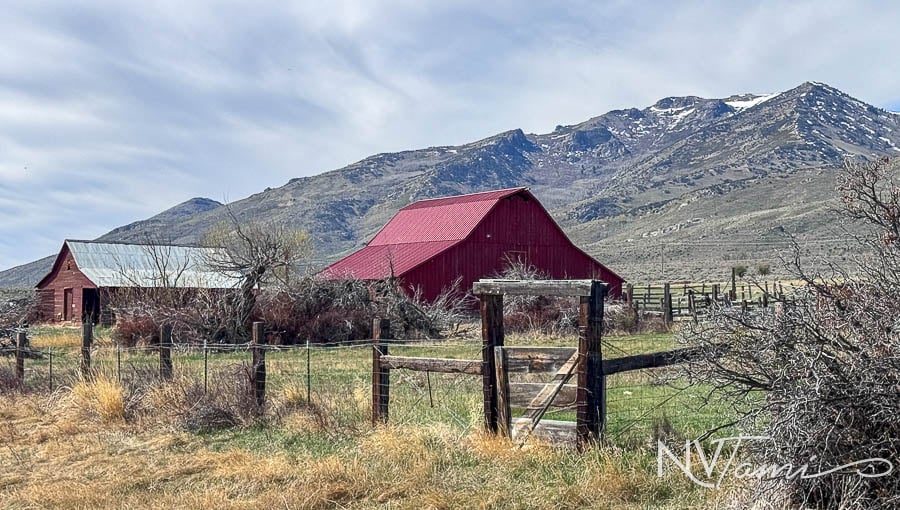
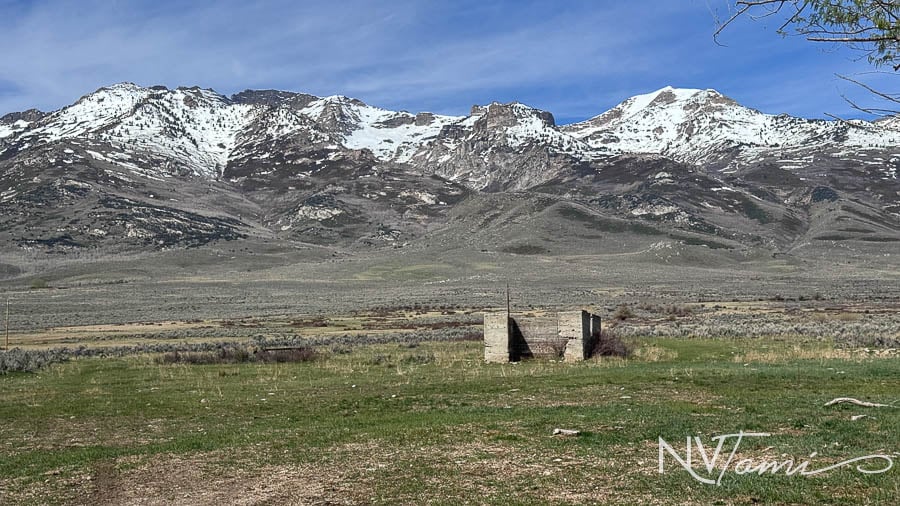
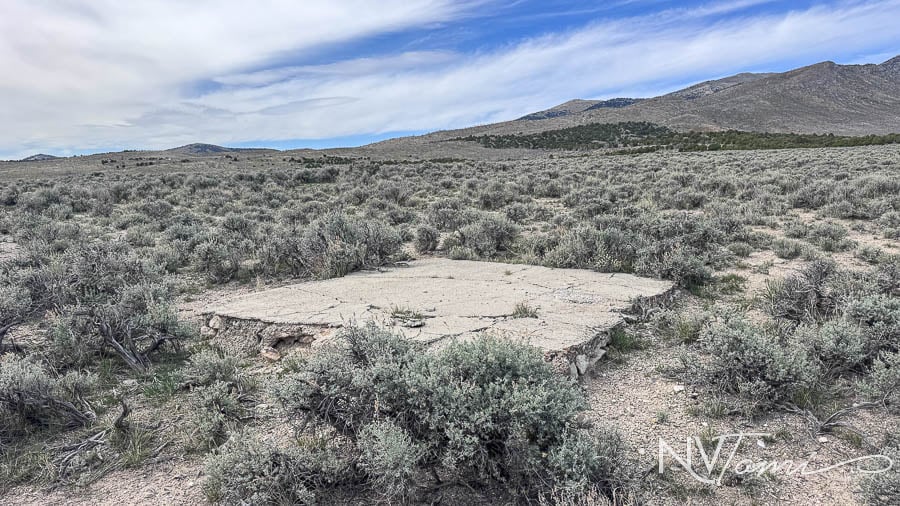
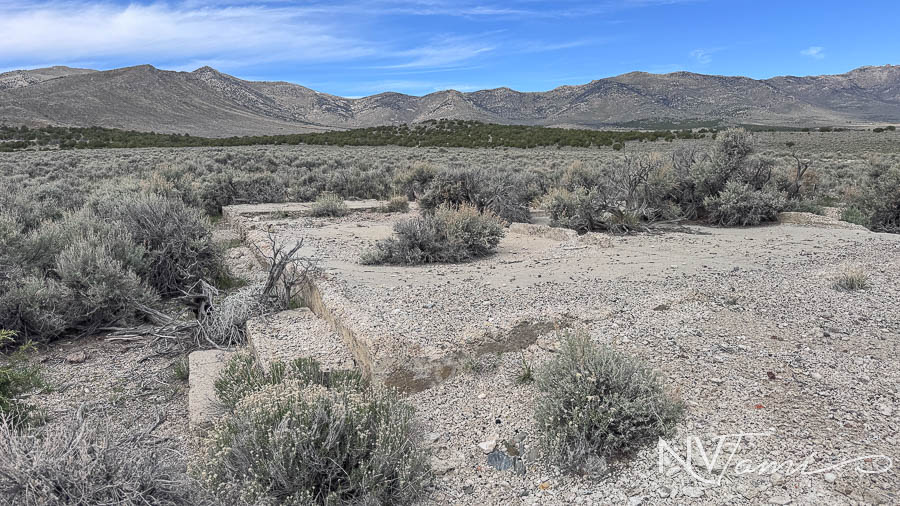
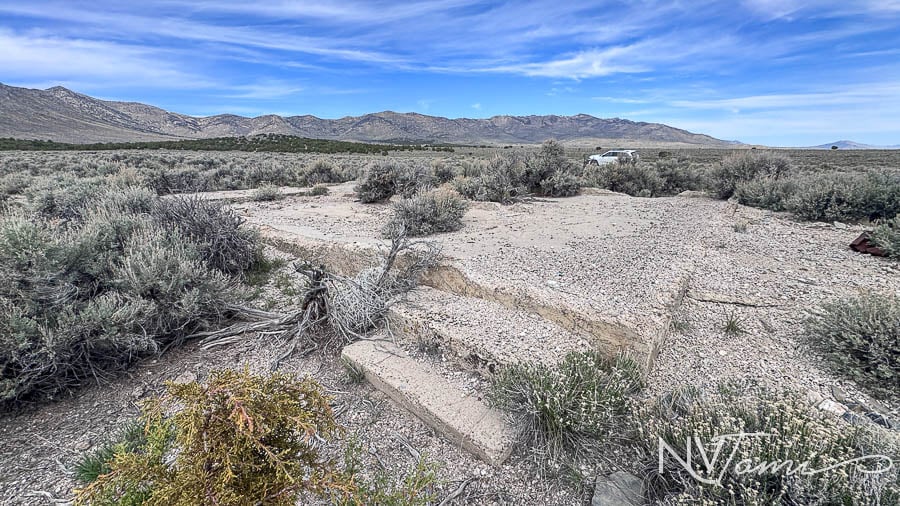
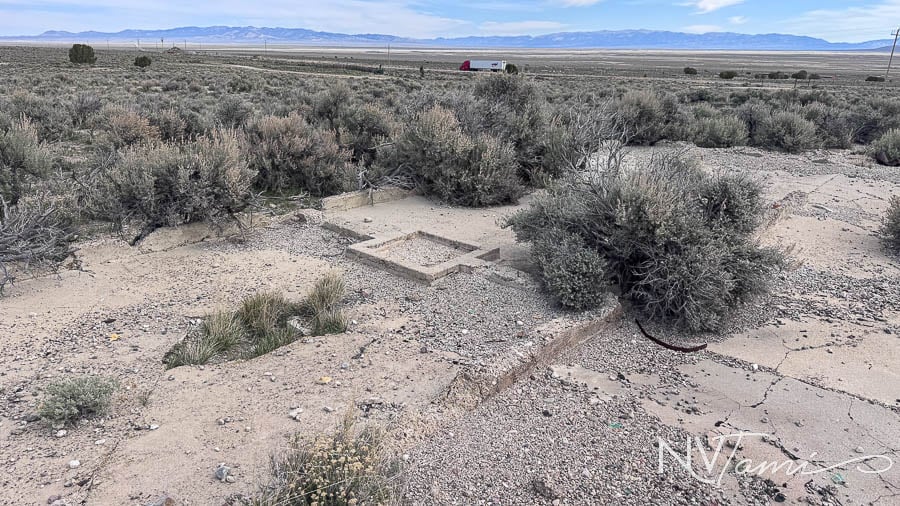
CCC Camp?
This site may be a Civilian Conservation Corps (CCC) camp from the 1930s. Like many CCC locations, it provided work and infrastructure improvements during the Great Depression. Remnants help tell the story of New Deal-era projects in rural Nevada.
Ruby Valley
Ruby Valley is a stunning, broad valley flanked by the Ruby Mountains. Long a center for ranching and wildlife, it offers some of the most picturesque scenery in northeastern Nevada. Historic ranches and lush meadows make it a favorite for those who love open-country drives.
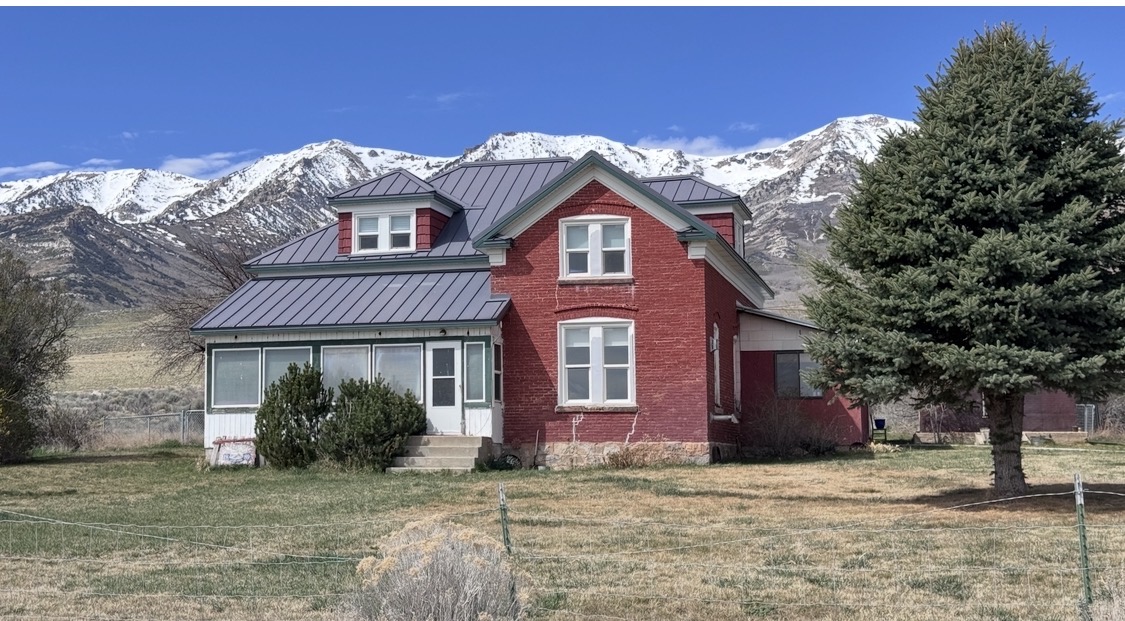
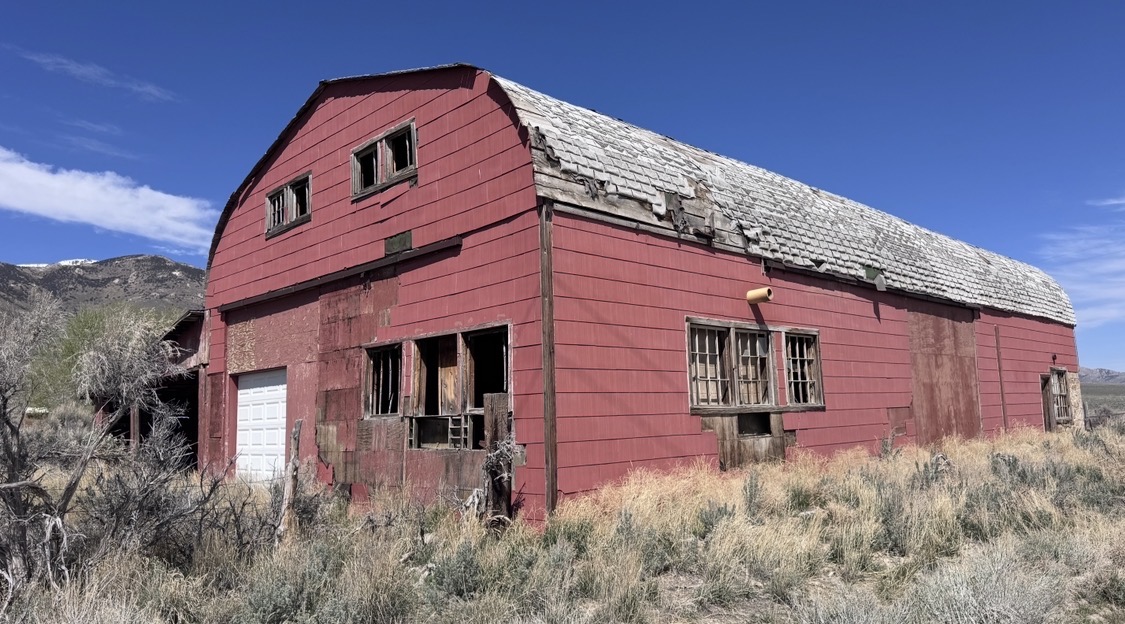
Bressman Cabin
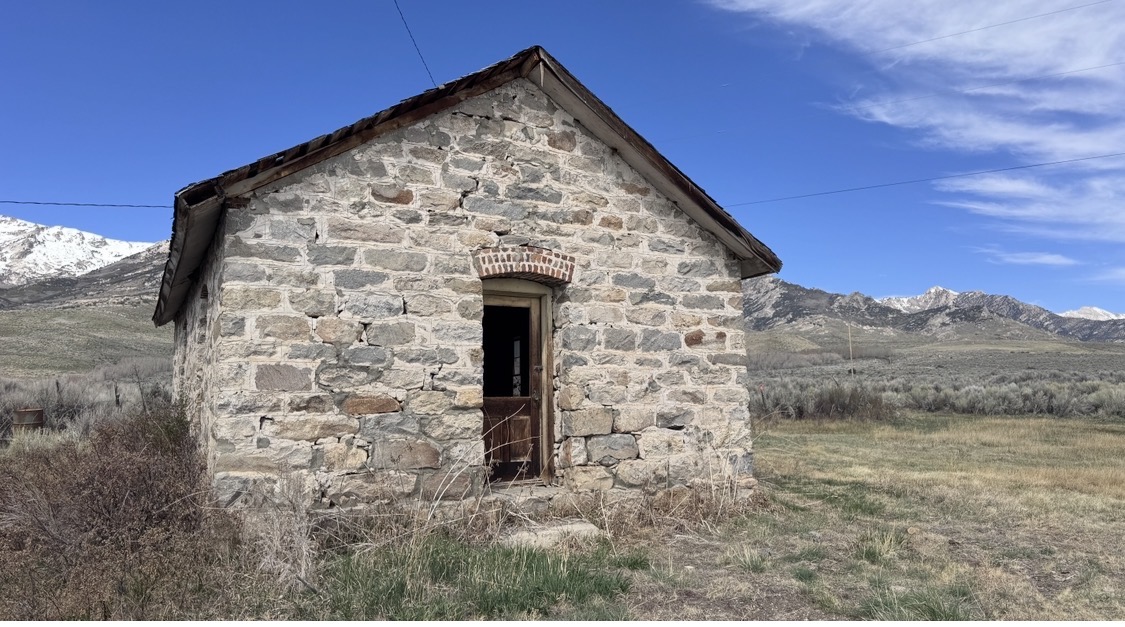
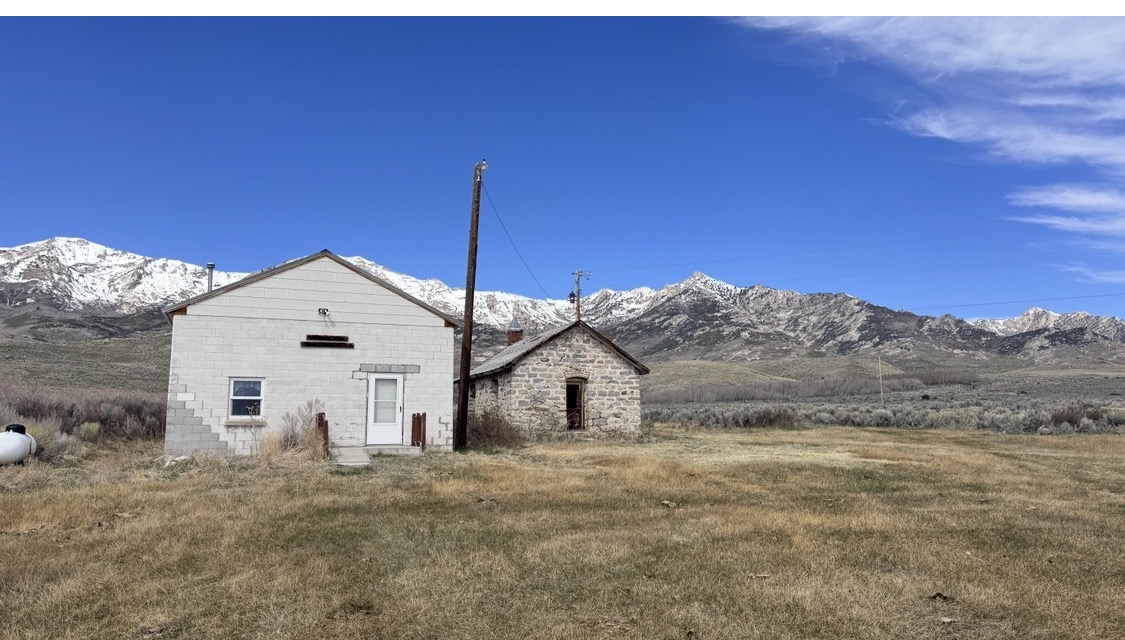
Mining supported Cave Creek for a time, but that soon ended. The town of Cave Creek became Cave Creek Ranch. In 1872, Thomas Short purchased the Cave Creek Ranch from George Williamson. Short sold the ranch to Jacob Bressman in 1882, then moved farther north into Ruby Valley. Bressman, along with his daughter Deby and her husband Lew (Lou) Benson, settled in Ruby Valley in 1880, a mile and a half south of Cave Creek. They had relocated from Eureka County, where they ran a freight business.
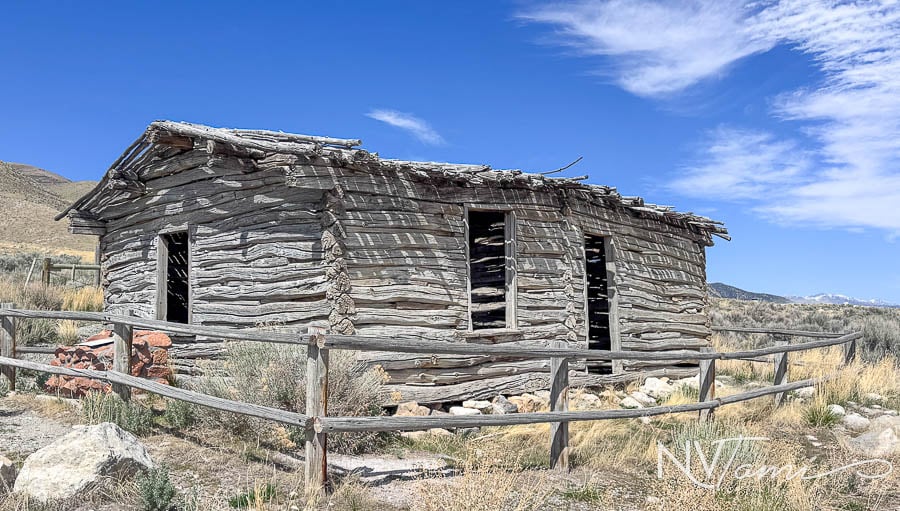
The Cave Creek post office opened at Bressman’s ranch on November 5, 1887. Lew Benson assumed the ranch following his father-in-law’s death in 1896. Following Benson’s death in 1927, Albert Hankins assumed ownership. The Cave Creek post office operated until April 30, 1929, when service was transferred to Ruby Valley.
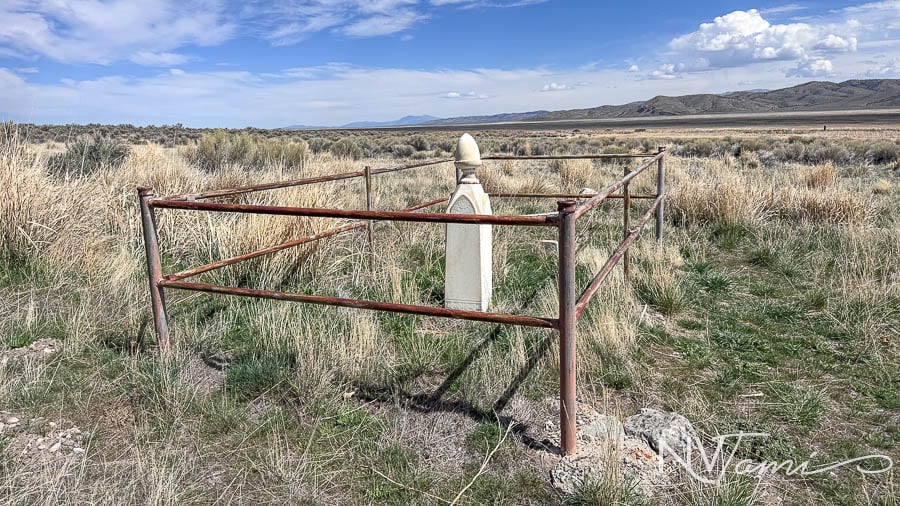
Cave Creek & the Fort Ruby Drownings
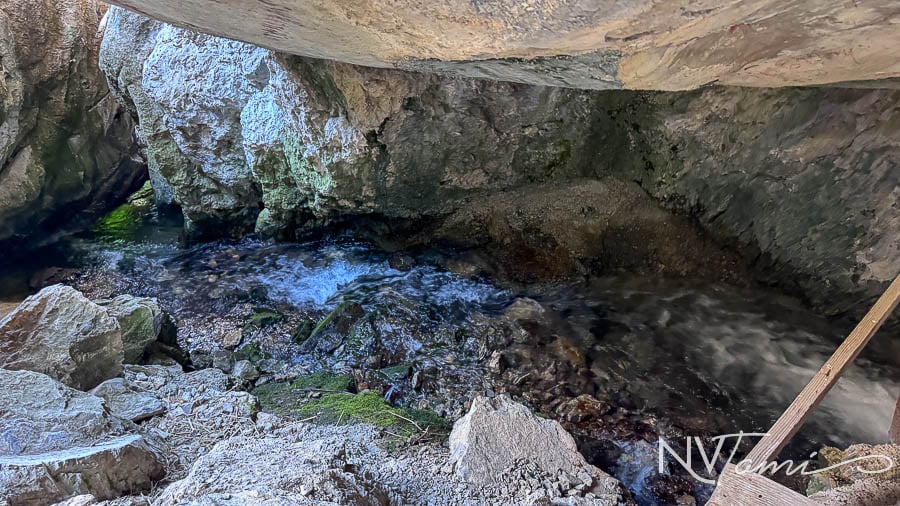
Nestled at the southern edge of Nevada’s remote Ruby Valley, Cave Creek is one of the Silver State’s lesser-known ghost towns. It was born from military necessity and sustained by whiskey and silver.
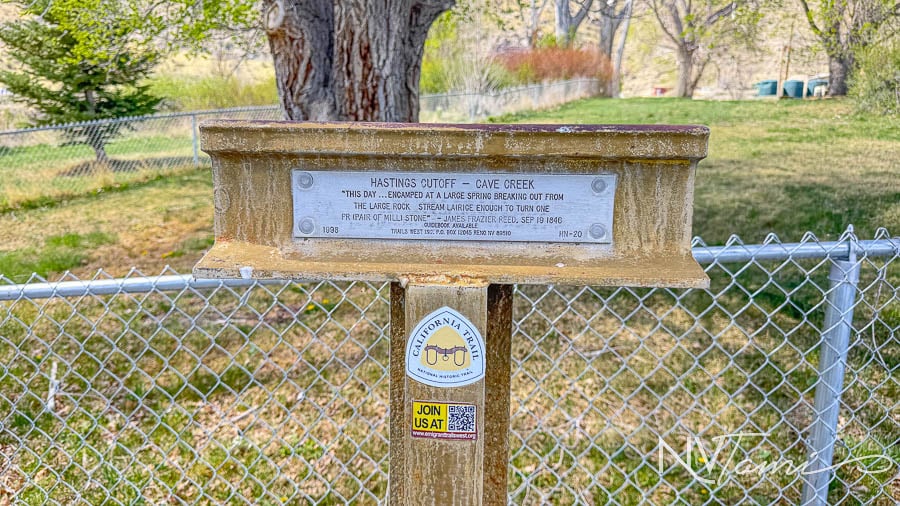
What began as a rough settlement to serve soldiers at isolated Fort Ruby quickly developed its own colorful character, complete with a popular distillery known as “Old Commissary,” a short-lived mining boom, and a persistent local legend of soldiers who mysteriously drowned inside a mountain cave.
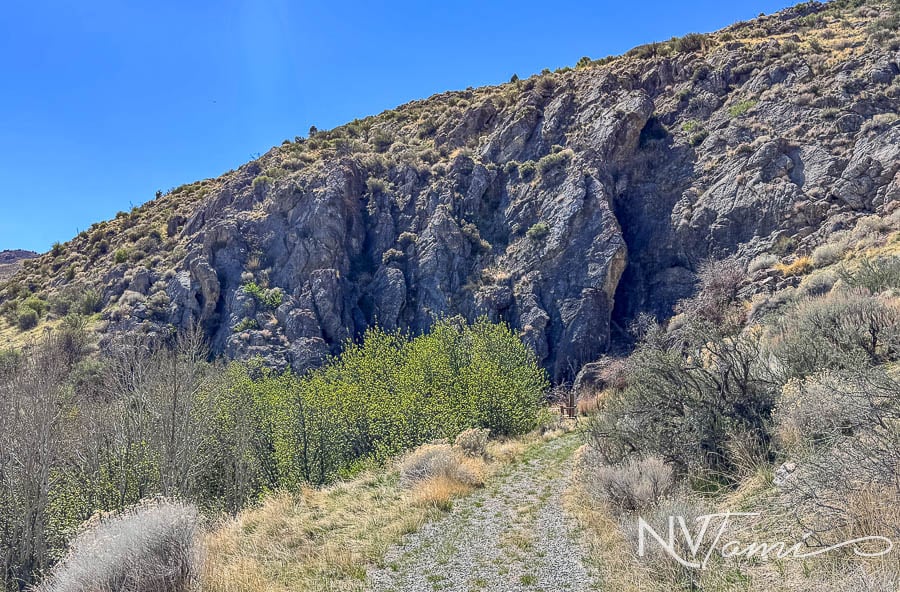
Today, little remains of the original town, yet its story weaves together threads of the Pony Express, frontier military life, mining, and the area’s later transformation into the Ruby Lake National Wildlife Refuge. Was the drowning tale simply frontier folklore, or did tragedy really strike in the depths of that crystal-clear spring? Even after extensive research, the mystery endures.
Learn more about Cave Creek and the mystery of the Fort Ruby Drownings.
Hobson
Next to the site of Fort Ruby in Ruby Valley, a small ranching community known as Hobson developed. It served local ranching, freighting, and residual Overland stage traffic in the decades after the fort’s abandonment in 1869.
A post office opened on August 7, 1902, and operated until November 30, 1914, providing a brief period of official recognition for the scattered ranches and families in the area. Like many high-desert outposts, Hobson gradually faded as the region remained remote and sparsely populated. Today it is a true ghost town with little remaining, best known for its close association with the Fort Ruby National Historic Landmark.
Learn more about Hobson.
Ruby Valley Station
Tucked away in the rugged high desert of northeastern Nevada, the Ruby Valley Pony Express Station was a powerful testament to one of the most daring chapters in American westward expansion. Originally established in the remote Ruby Valley and later relocated to Elko, where it now rests outside the Northeastern Nevada Museum, this weathered structure is one of only two surviving Pony Express stations in the state.
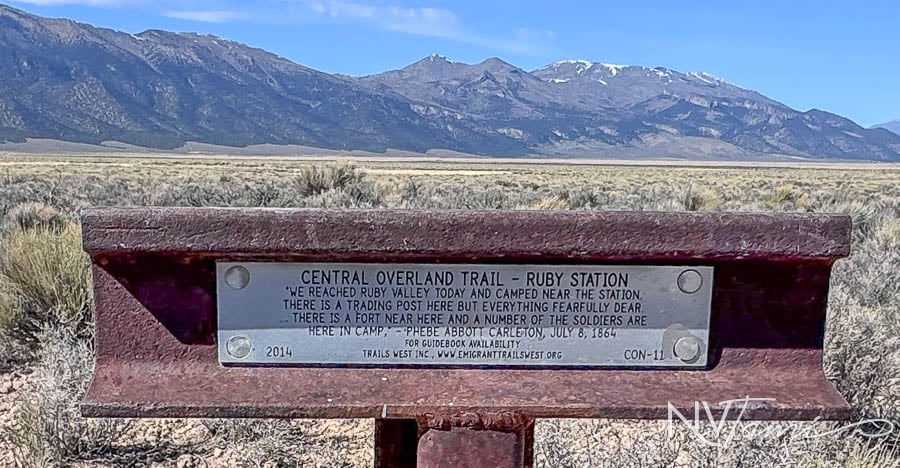
From its humble beginnings as a trading post built by William “Uncle Billy” Rogers, the site evolved from a Jackass Express mule stop into a vital Pony Express relay, an Overland Stage station, and even a productive farm that fed remote outposts across the territory. Here, brave riders like William Frederick Fisher made legendary runs.
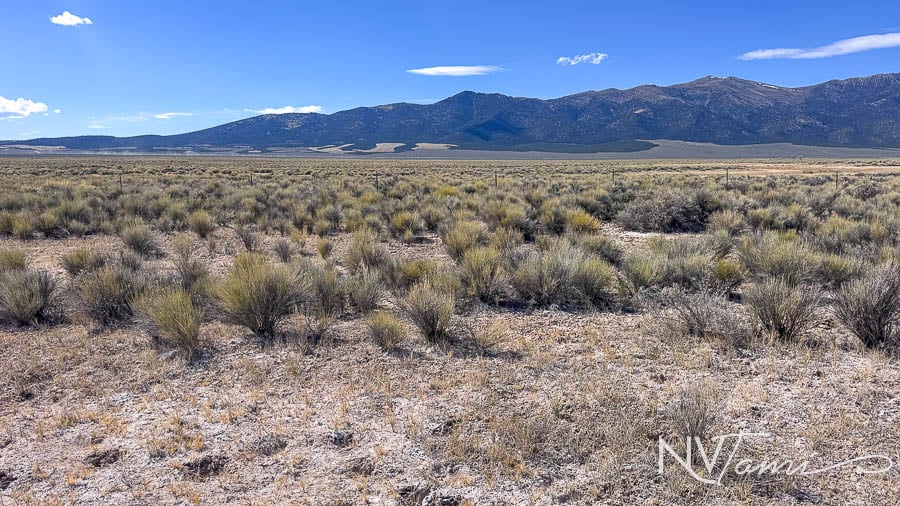
Today, the station offers a tangible link to the courage, hardship, and ambition that helped stitch a young nation together. This is the story of Ruby Valley: a place where mail flew on horseback, conflict flared between cultures, and the American West came alive.
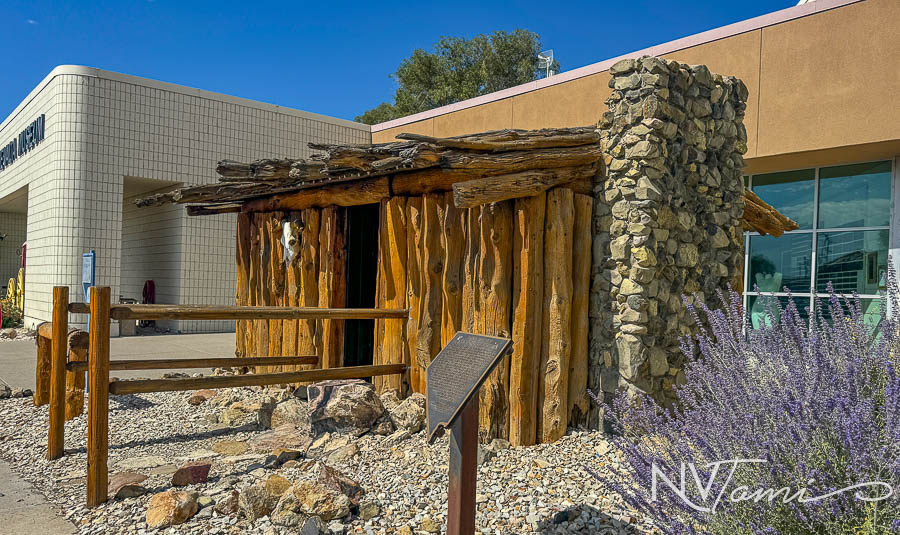
Learn more about Ruby Valley Station.
Fort Ruby
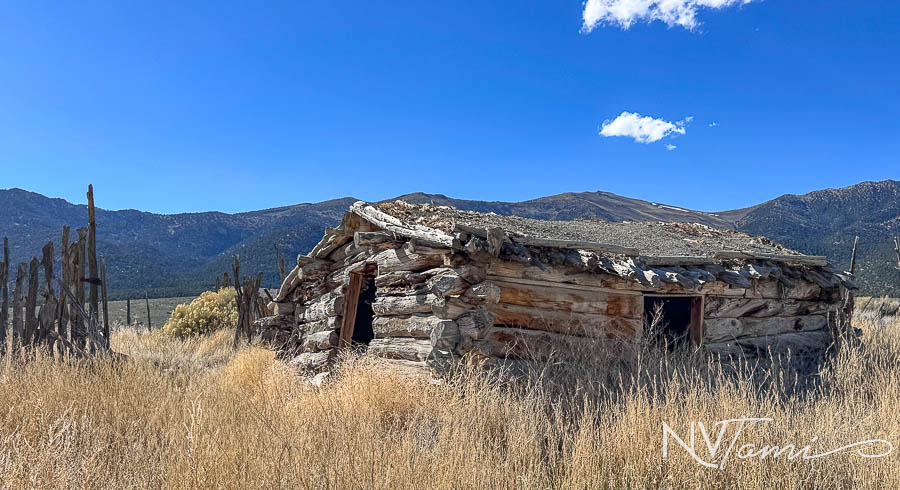
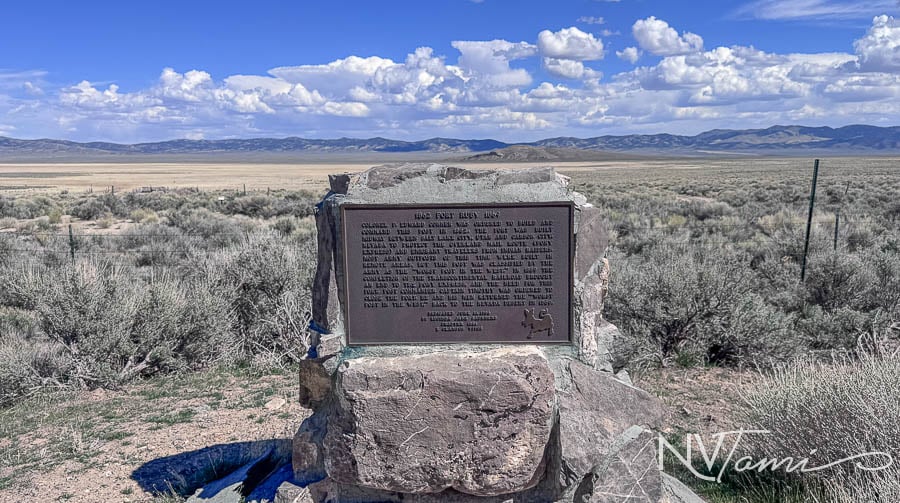
Fort Ruby was established in 1862 by the U.S. Army to protect the Overland Mail route and settlers during the Indian Wars. The fort operated for several years before being abandoned. Interpretive signs and earthworks mark the site today.
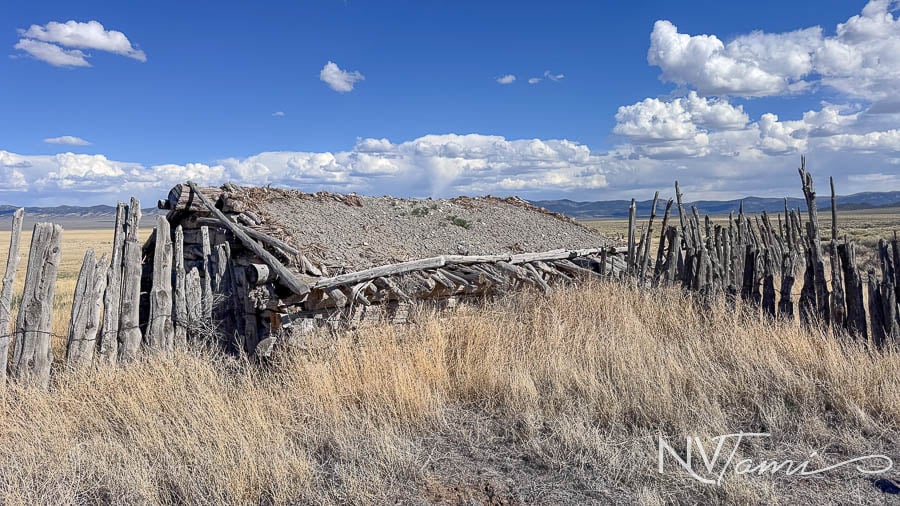
In the remote high desert of northeastern Nevada, Ruby Valley holds one of the state’s most evocative frontier stories. Long before ranches dotted the landscape, the Western Shoshone called the valley home. It served as a vital corridor for the Pony Express, Overland Stage, and emigrant trails. Yet it was also a place of tension, where cultures collided and the U.S. Army established Fort Ruby in 1862 to protect travelers and mail routes during the Civil War era.
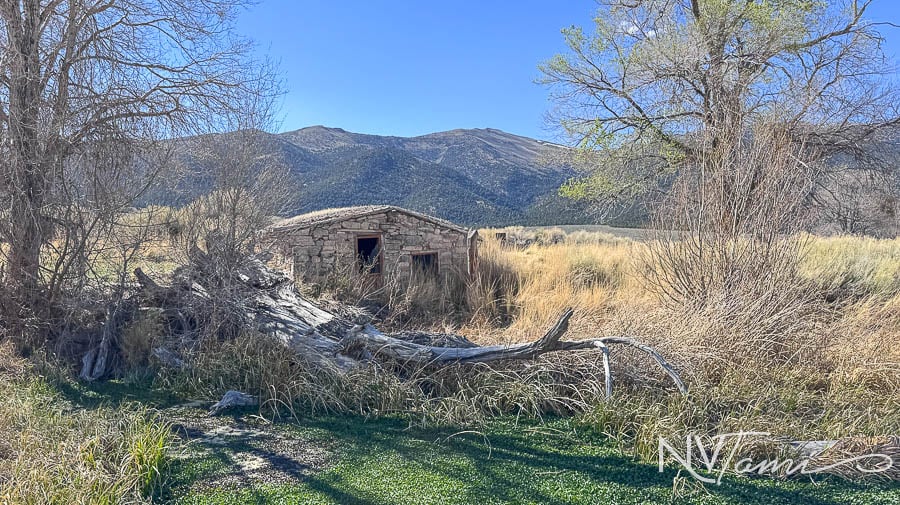
Soldiers endured “the worst post in the West,” treaties were signed and broken, and ordinary people tried to carve out a living in a harsh and beautiful land.
Learn more about Fort Ruby: The Worst Post in the West.
Jacobs Well
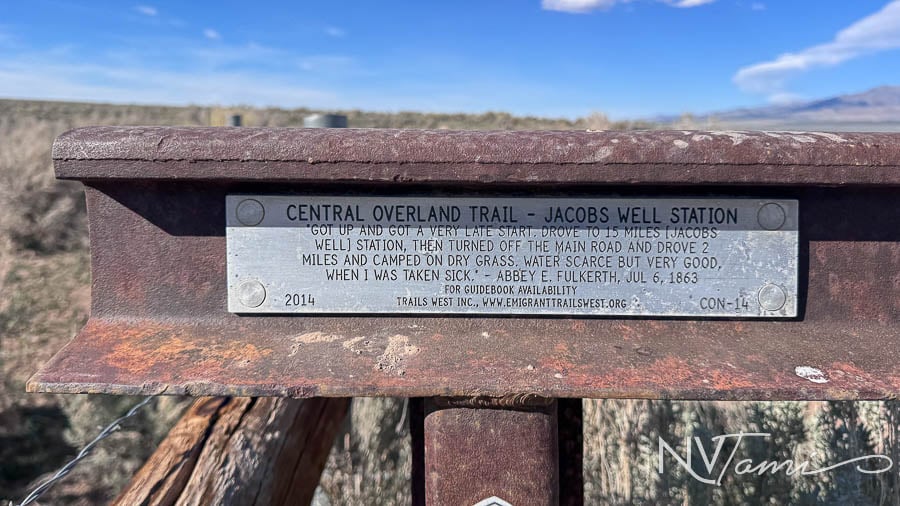
Jacobs Well was a reliable water source and stop for travelers in this arid region. Such wells and springs were lifelines along pioneer trails and stage routes. The site remains a quiet reminder of how critical water was to survival and travel in Nevada.
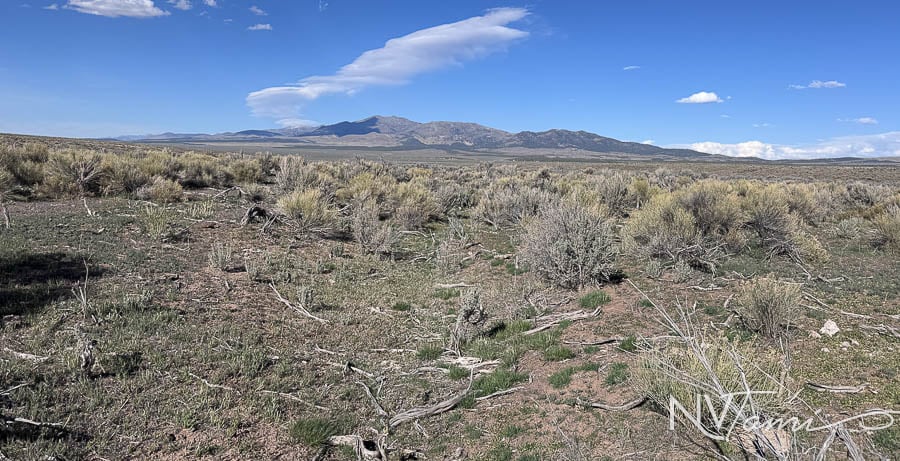
Sadler Ranch
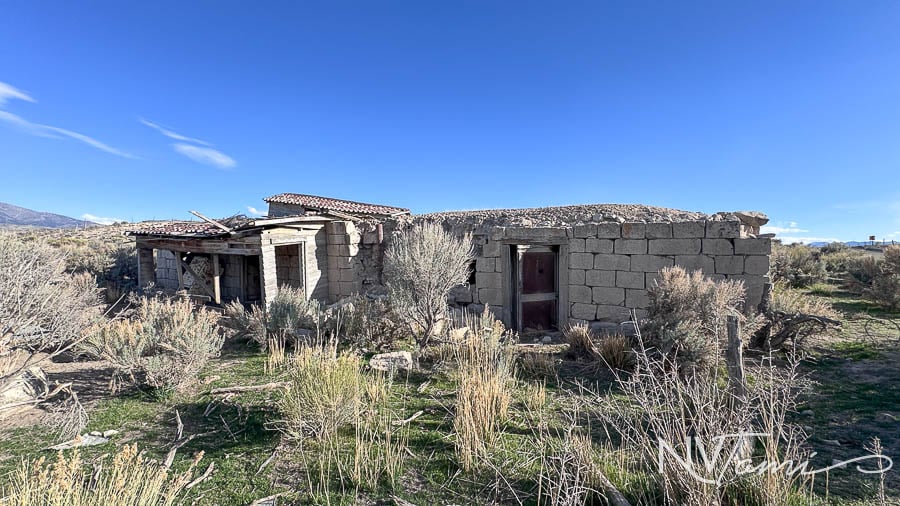
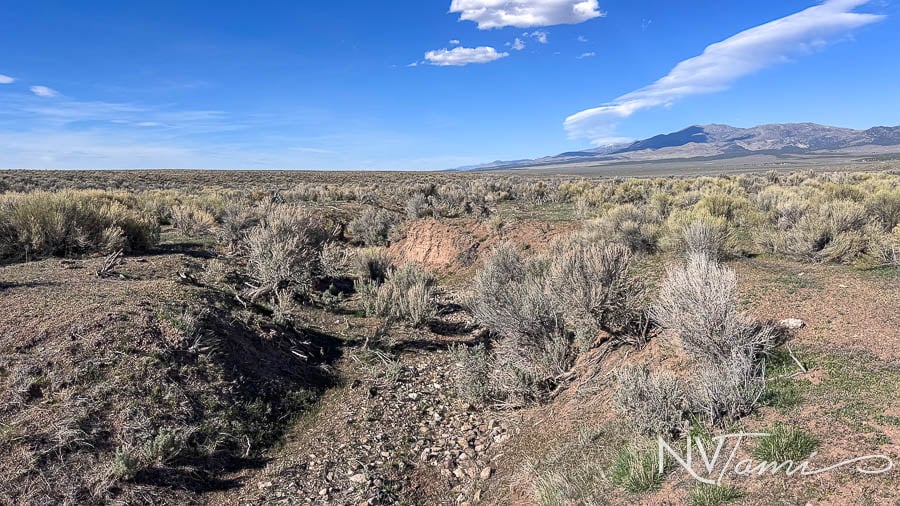
Huntington Valley was settled in the 1860s primarily for ranching. Into the early 1870s, stage routes through the valley linked. With the establishment of stage routes, multiple stage stations were established. A post office opened in 1873. In 1884, a small school opened. The post office closed in 1931, but the ranches continued to operate.
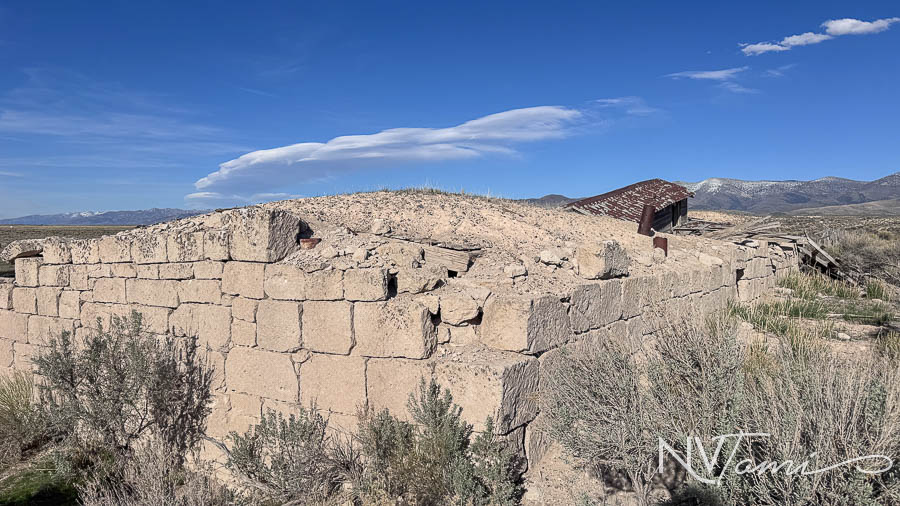
Nevada Governor Reinhold Sadler owned the Sadler Ranch, and later his son did. It was on the crossroads of Beachey’s and Shepherd’s roads.
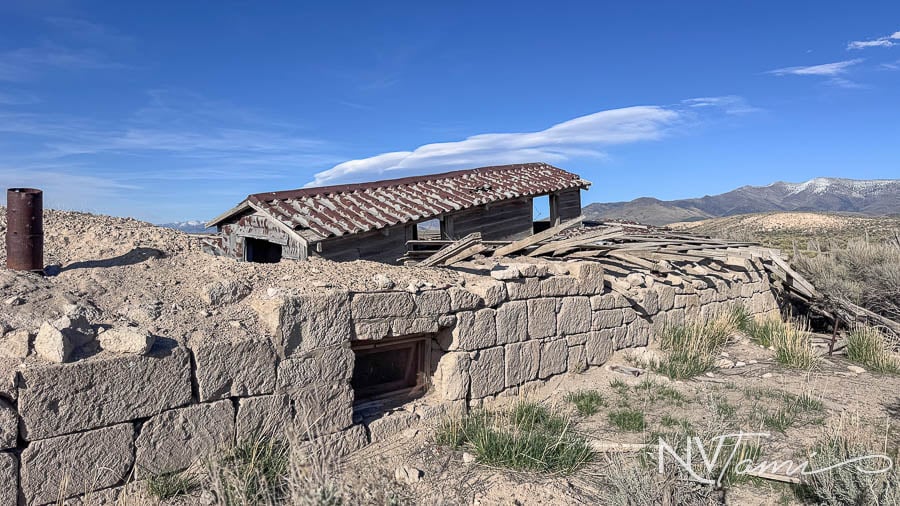
Huntington / Brown Ranch
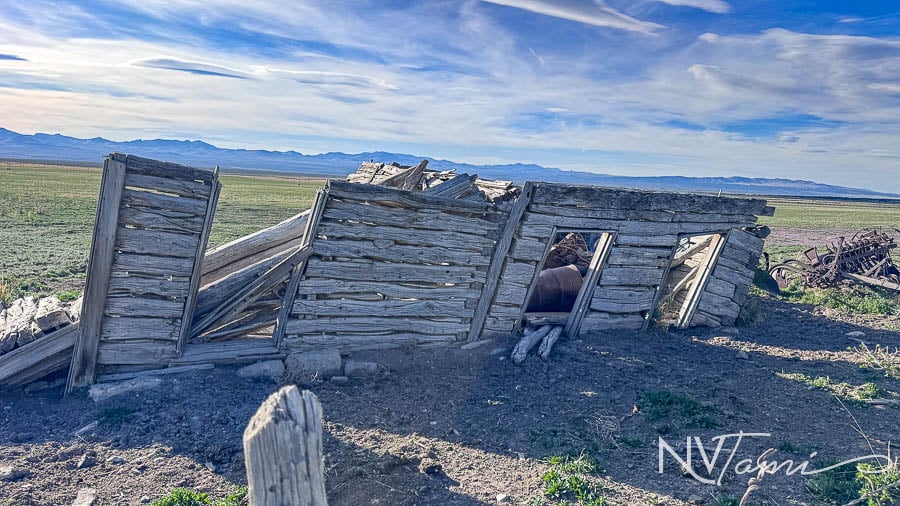
The Huntington/Brown Ranch represents the long history of cattle ranching in the area. Like many valley ranches, it has been operated by the same families for generations and features classic ranch buildings set against the dramatic Ruby Mountains backdrop.
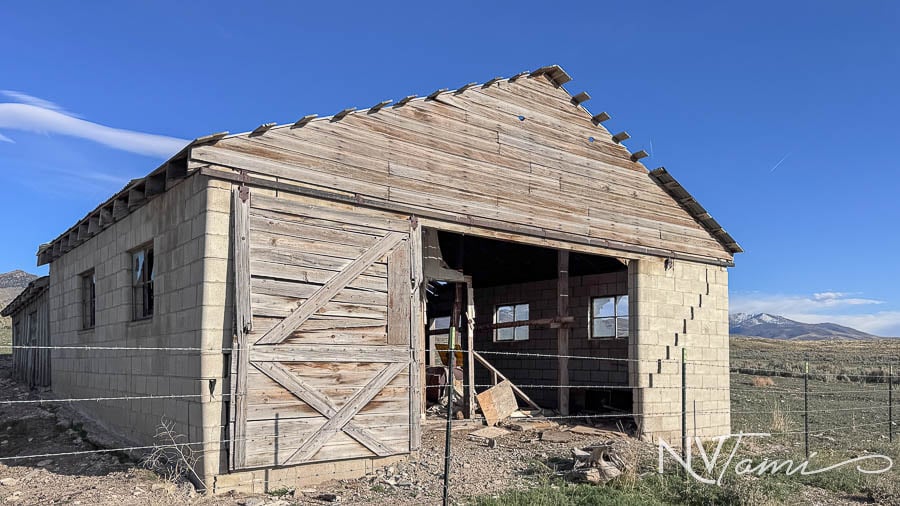
Augustine Brown owned the ranch. While the post office was at his ranch, he was the postmaster and also the justice of the peace.
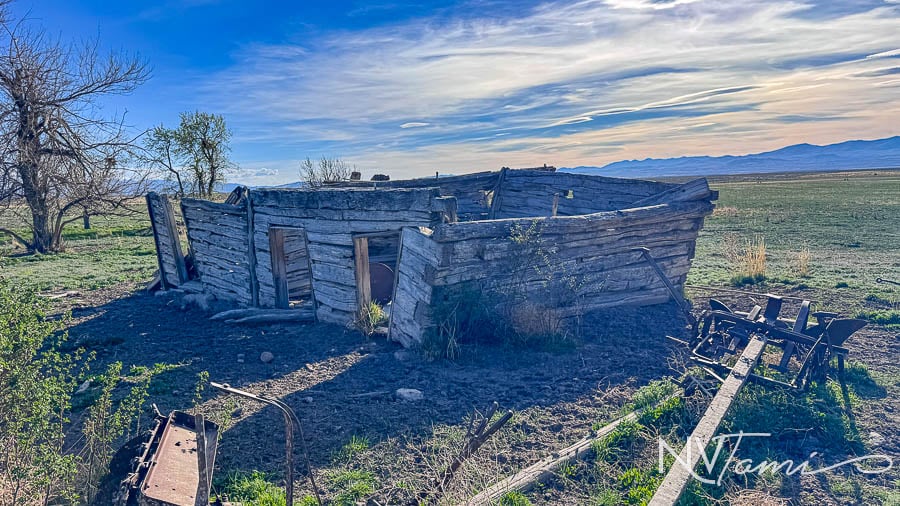
Sestanovich Ranch
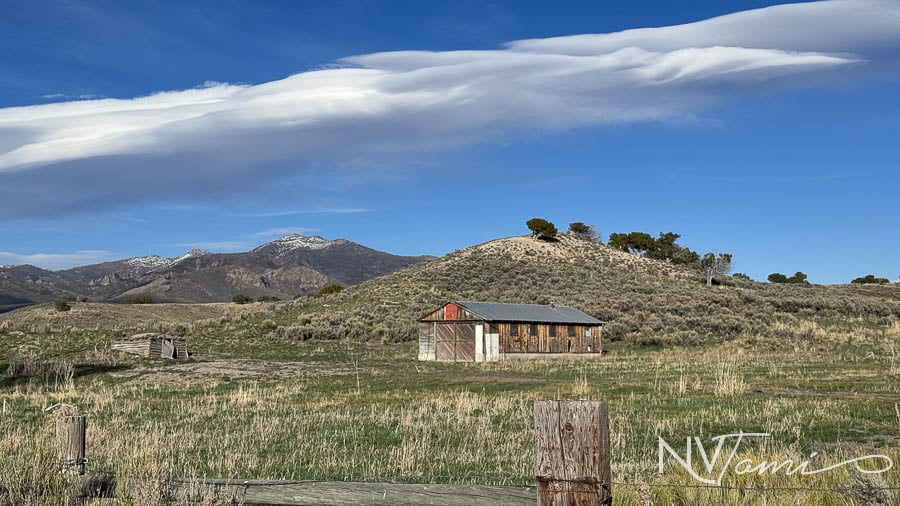
Sestanovich Ranch is another longtime family operation in Ruby Valley. These ranches illustrate the Basque and other immigrant influences that helped build Nevada’s livestock industry.
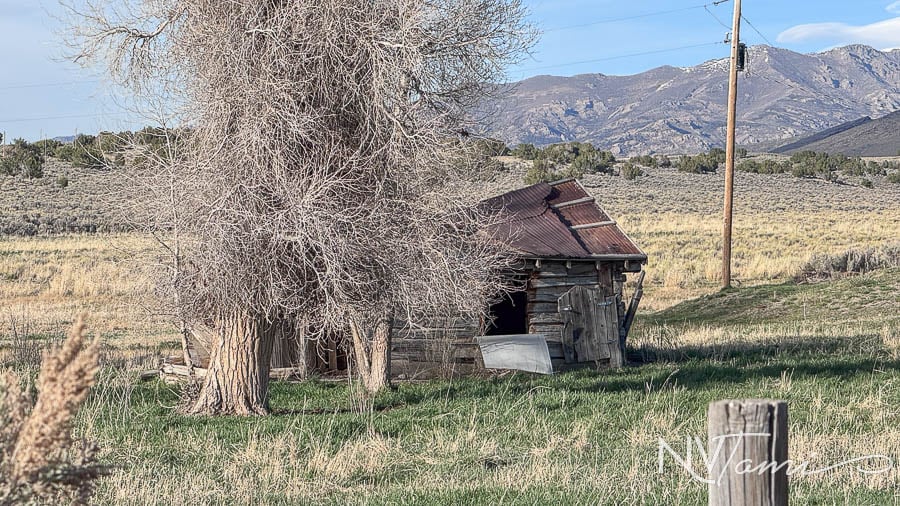
Over one hundred people were living in Huntington Valley by 1880. The school moved around a few times, then finally to the Sestanovich Ranch. It closed in 1932.
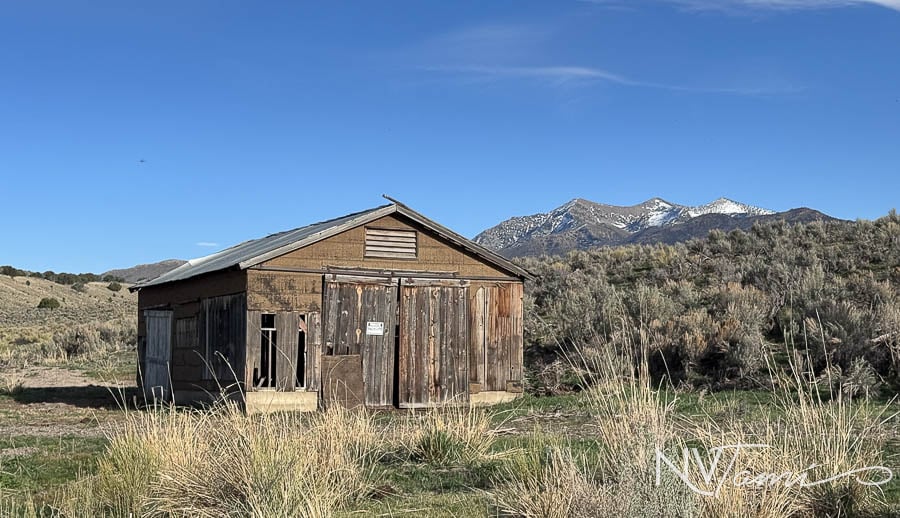
Jiggs
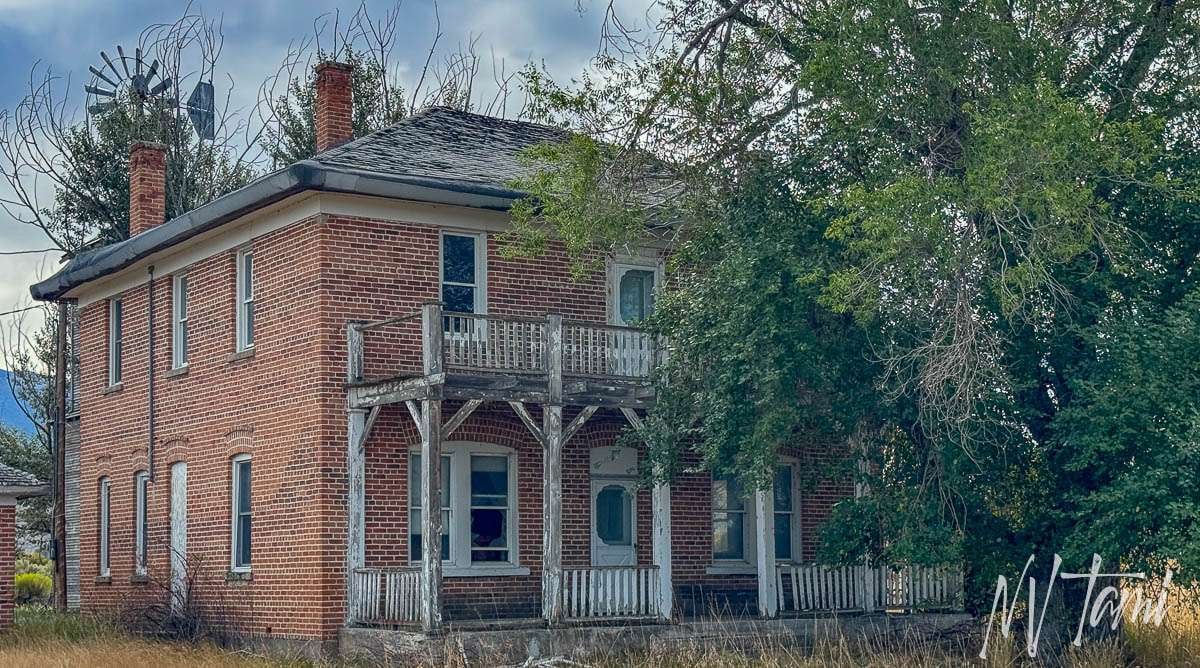
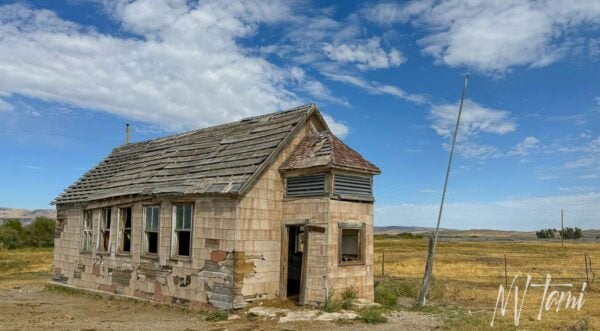
Native Americans settled at this spot to gather pine nuts year-round. Between 1841 and 1851, emigrant wagon trains used the route to reach the South Humboldt River. The site became a supply center for the local ranches.
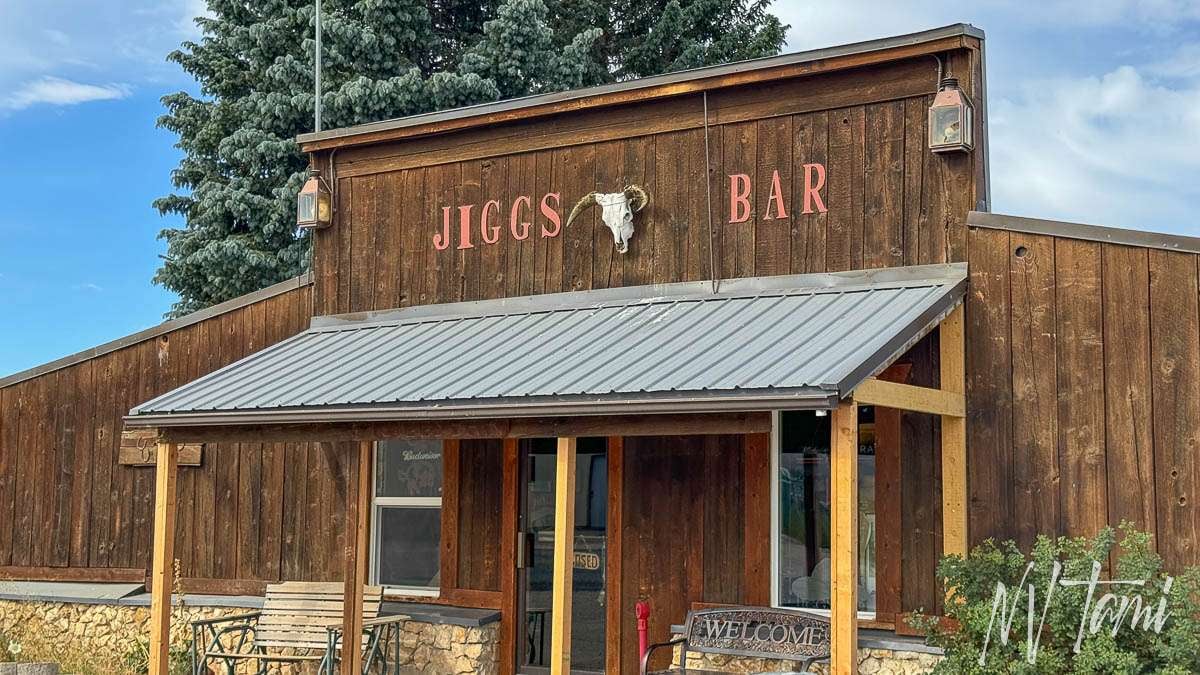
Jiggs was named after a comic strip character in “Bringing Up Father.” Prior, it went by other names, including Cottonwood, Dry Creek, Mound Valley, Skelton, and Hylton.
Eureka & Palisade Railroad
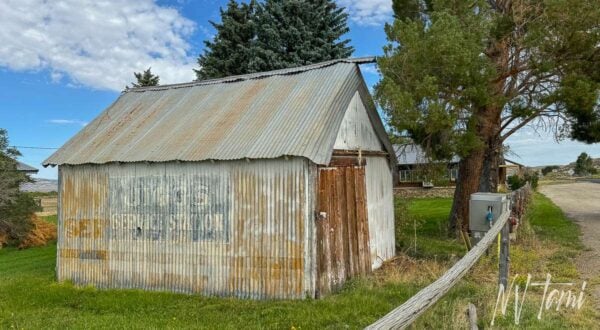
On the way home, we followed much of the Eureka & Palisade Railroad. Many of the old stations and sidings are now private ranches, but I photographed what I could from the road. When the railroad closed in 1938, ranching kept the area alive.
Evans / Tomera Ranch
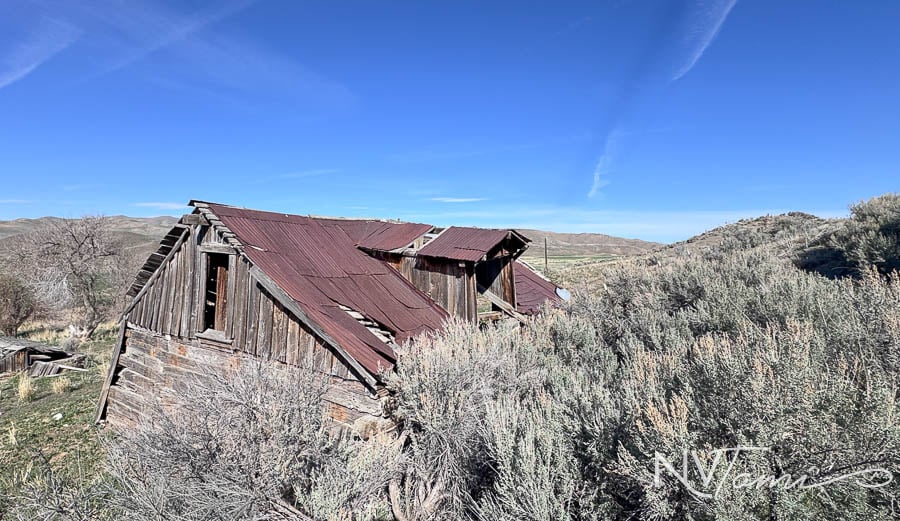
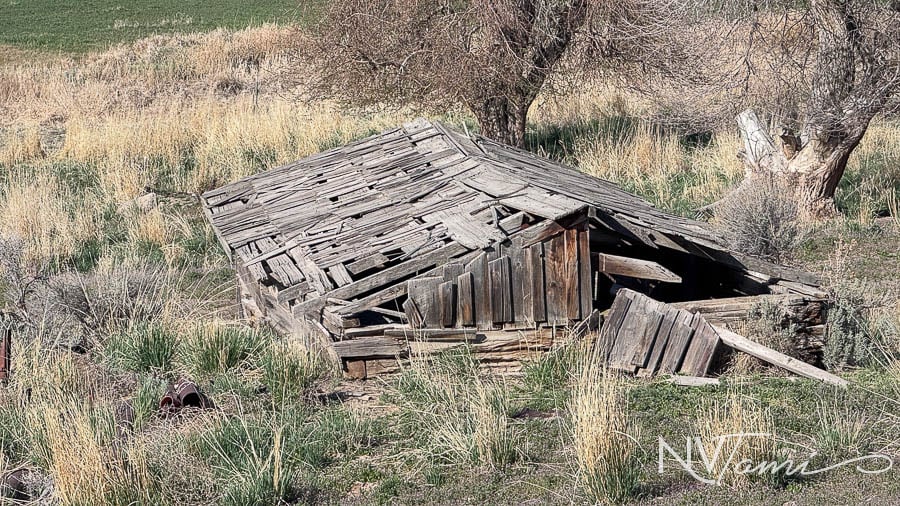
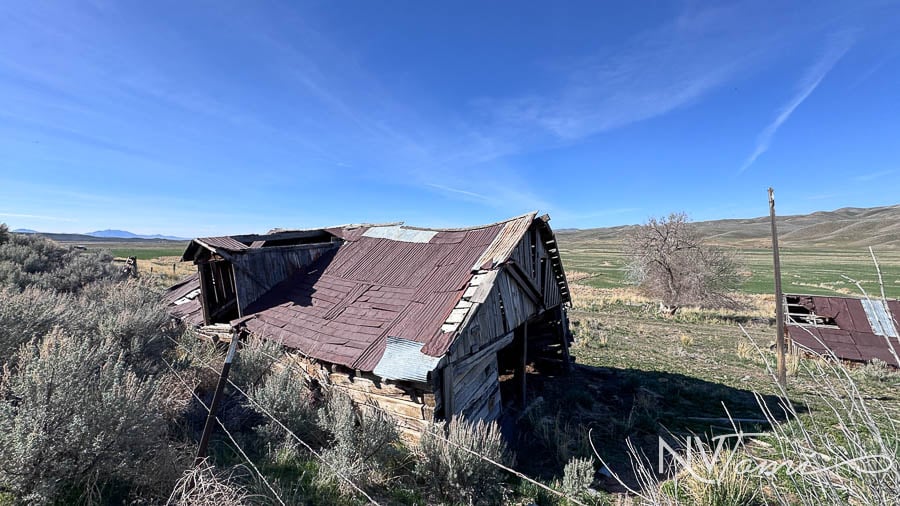
The Evans/Tomera Ranch is part of the network of historic ranches that made Ruby Valley one of Nevada’s important agricultural regions. The site includes older ranch structures that reflect generations of hard work on the land.
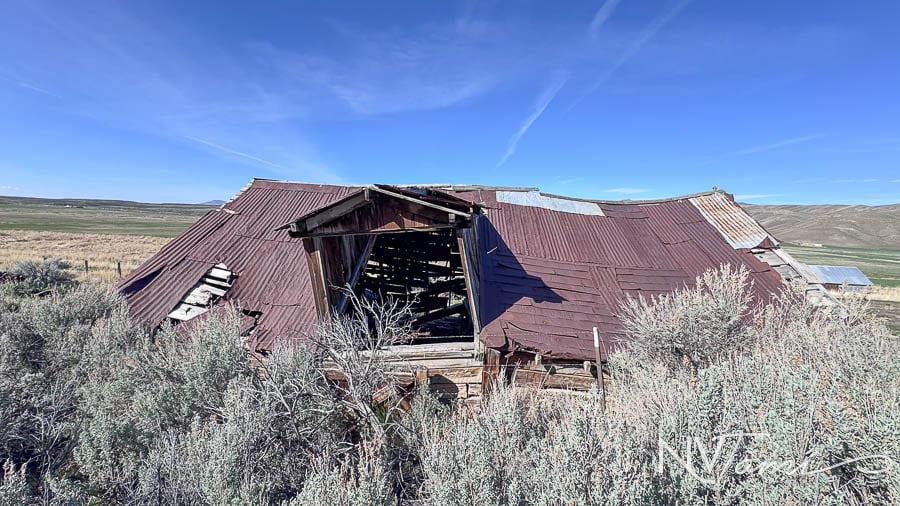
J.V. Evans owned the ranch. Local ranchers used a siding near the ranch to ship their stock and receive goods. Twenty-five people lived in Evans, but it was never large enough for a post office.
White/Bailey Ranch
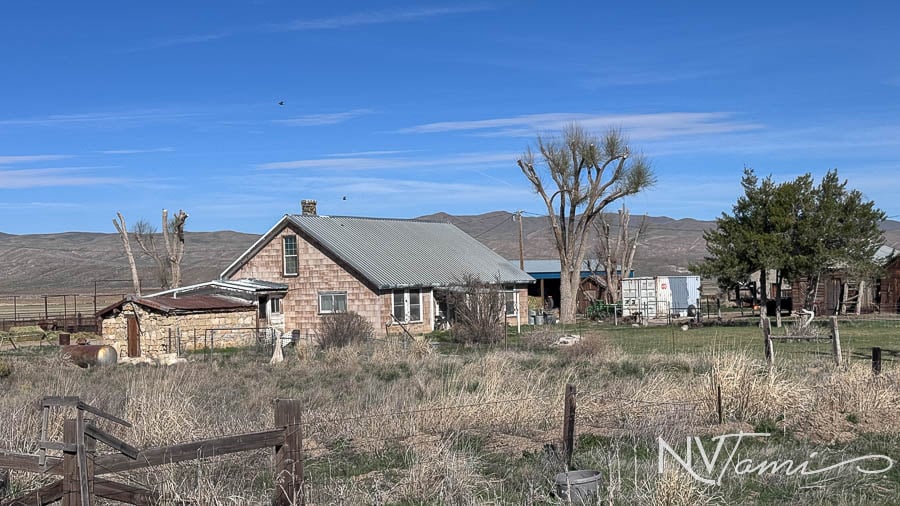
Bailey Ranch is another longstanding family ranch in the valley. These operations have sustained communities through good times and bad while preserving open spaces and Nevada’s ranching heritage.
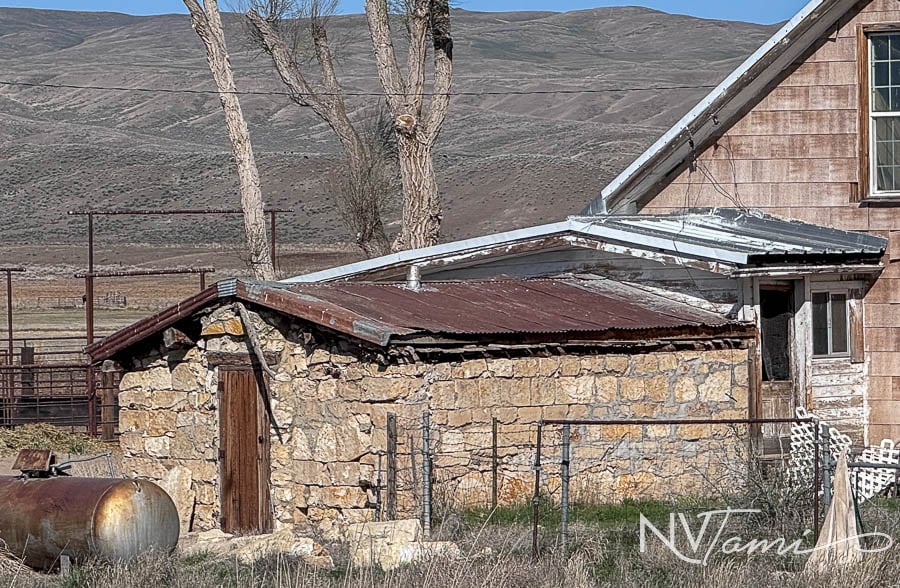
The settlement formed in the 1880s and was known as White, after James White. Even with only a population of 15, a post office opened in 1890. Robert Bailey purchased the ranch in 1899. Not wanting the post office, it closed, but was reopened two years later at the Romano Ranch.
Hay Ranch
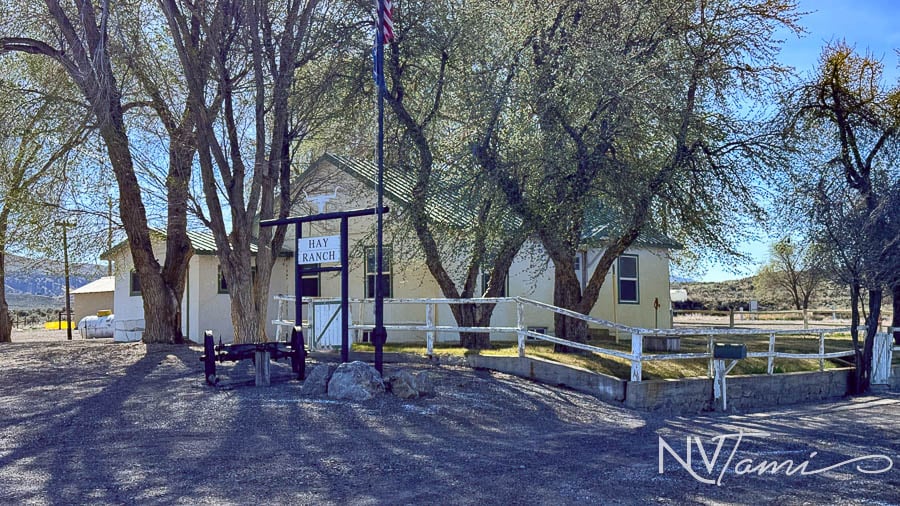
The Hay Ranch grew 1,000 tons of hay a year. It was a stage station in the 1860s, which included a boarding house and restaurant. With the arrival of the E&P, about 25 people lived here.
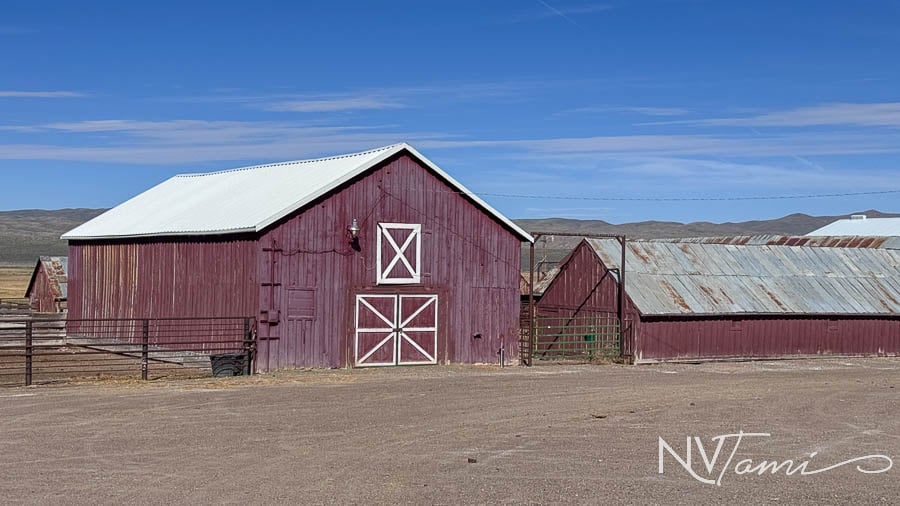
Bruffey Station
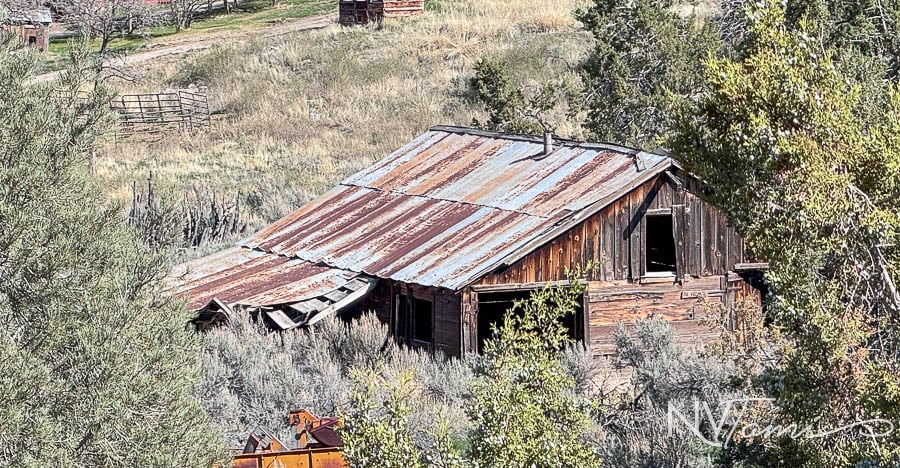
Bruffey Station was a stage and freight stop that served travelers moving through the region between Mineral Hill and Union. Its location made it a key waypoint in the days before automobiles.
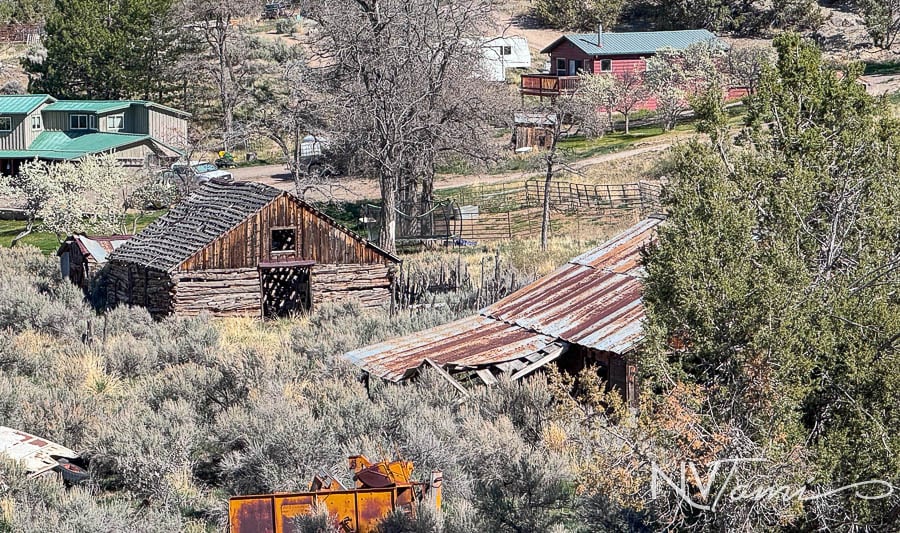
Union / Sherwood
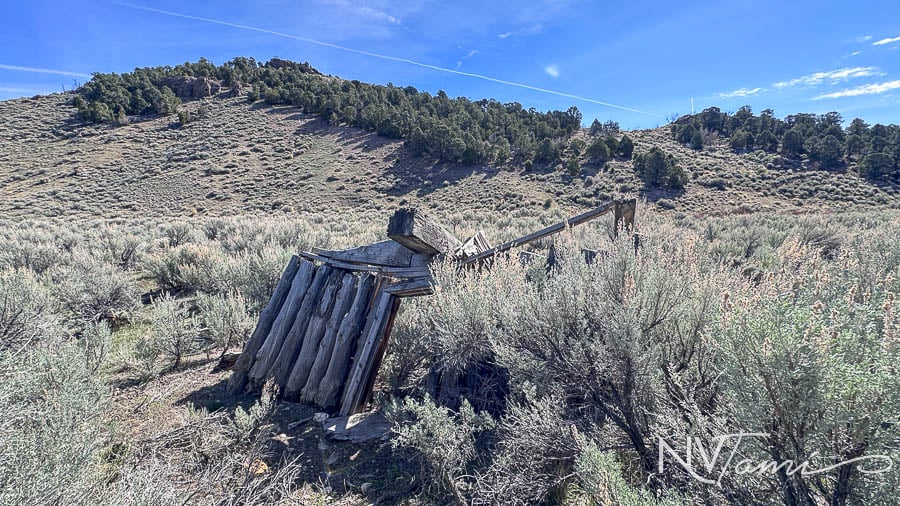
Union (also associated with Sherwood) was a small settlement or station area. These modest outposts played important supporting roles in the larger transportation and ranching network.
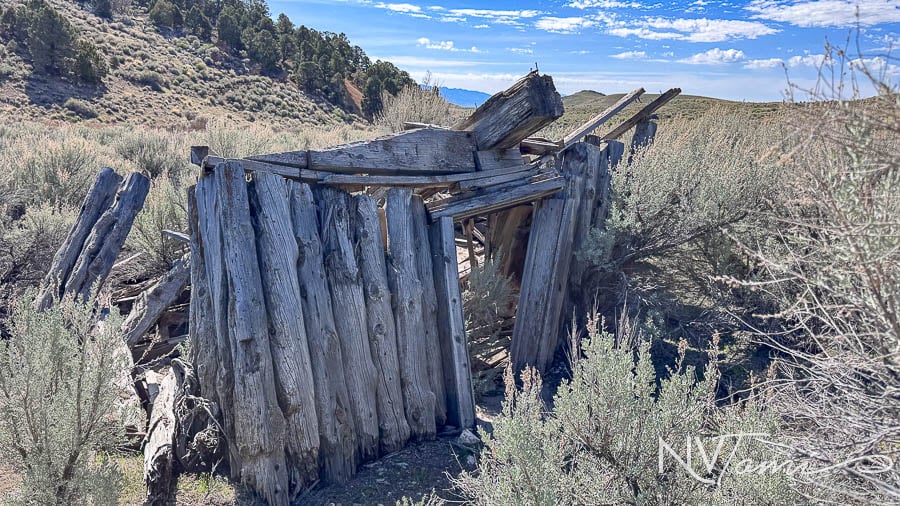
Lead-silver was discovered in 1879. Soon, Union had a population of 75 with three stores and two saloons. Mining stopped by the end of the year, but was revived in 1886, when a smelter was built and claims re-worked.
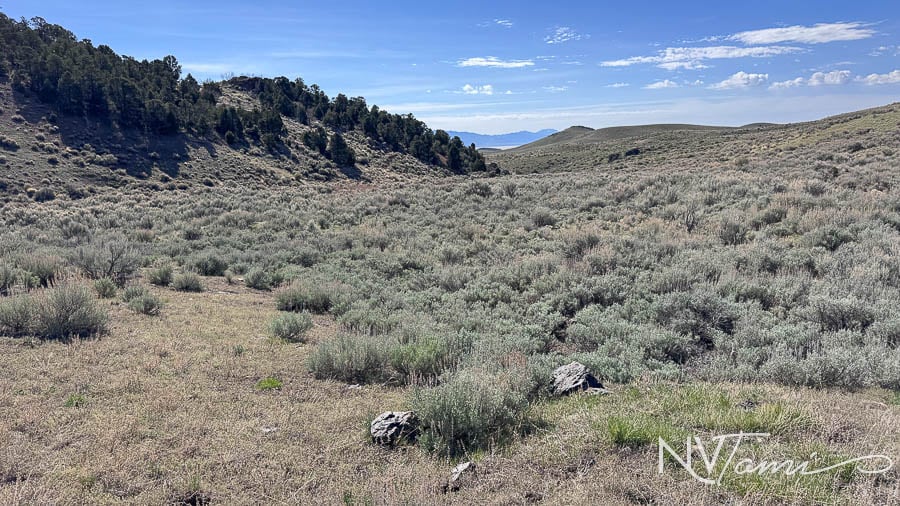
In 1915, the Union Mines Company worked the claims and had a bunkhouse. A post office opened in 1916. The company closed by 1918, and the town faded.
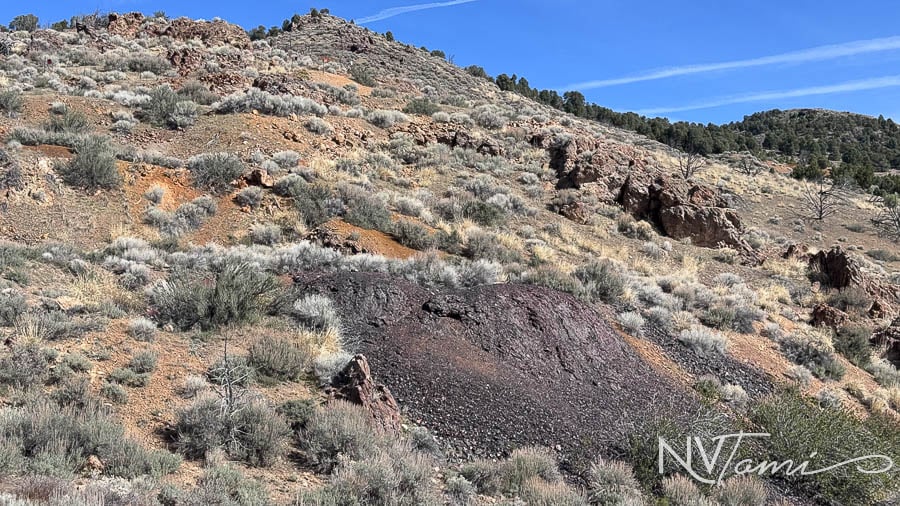
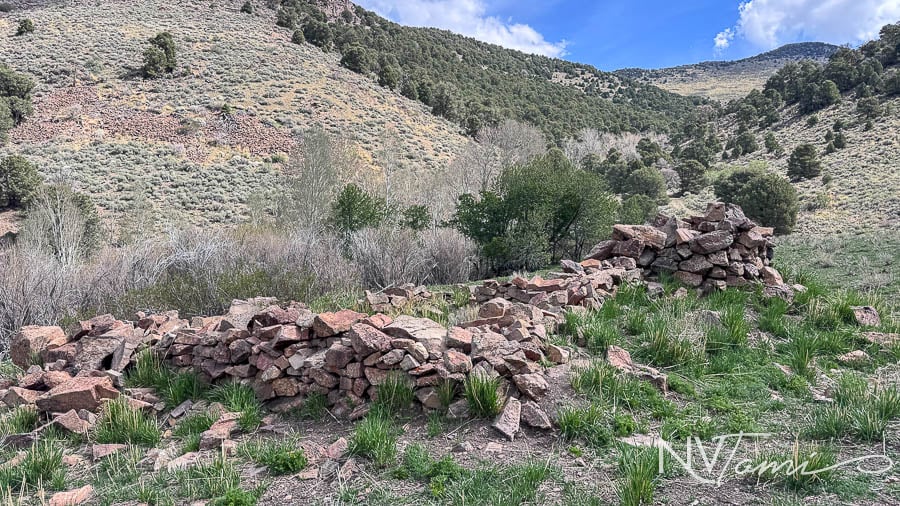
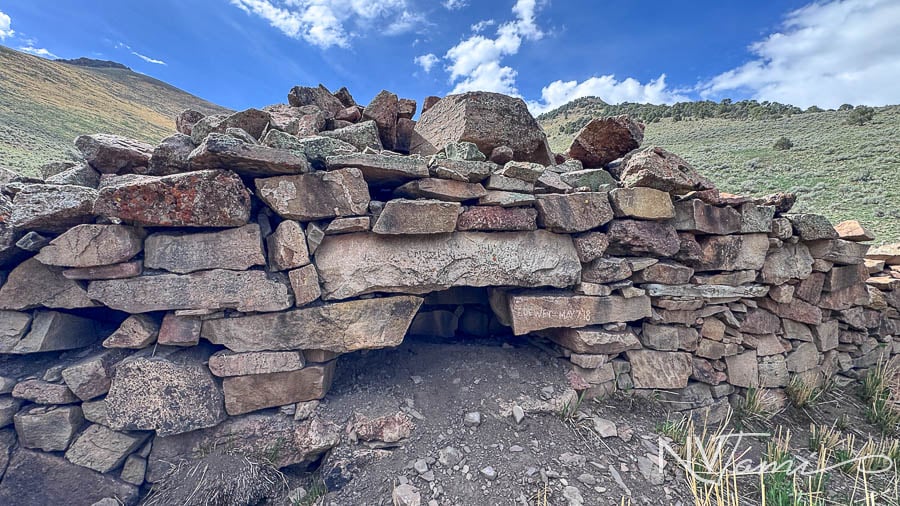
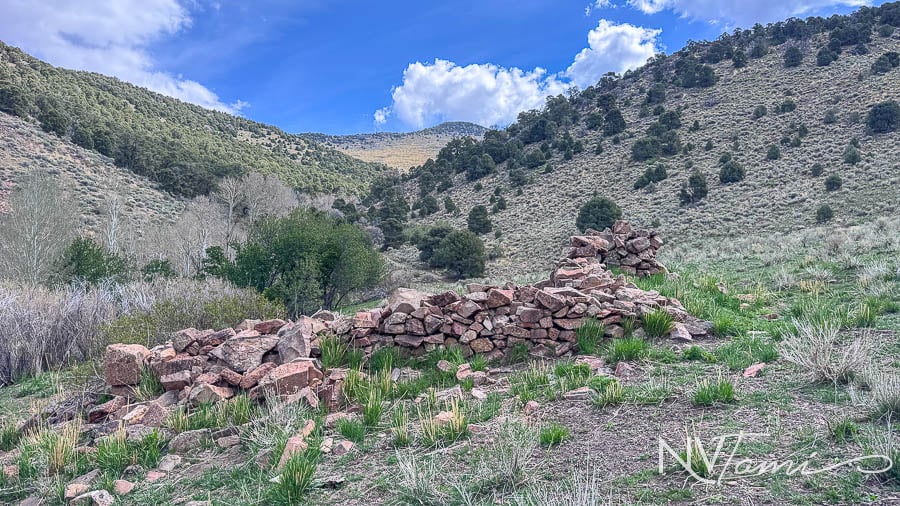
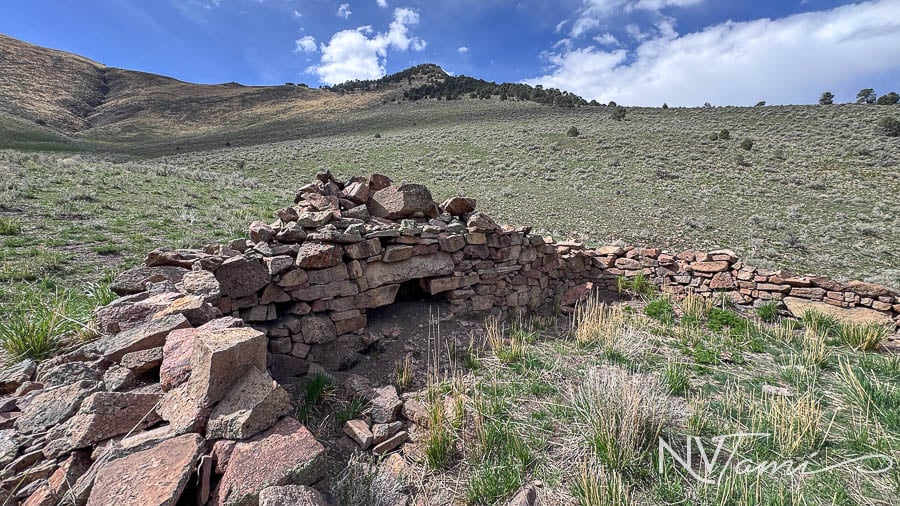
Concord
It will take some digging to find information on this site.
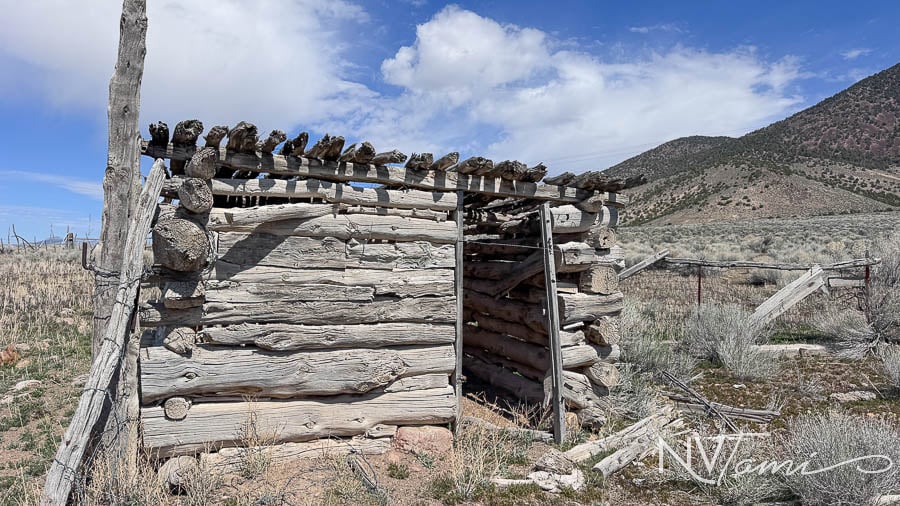
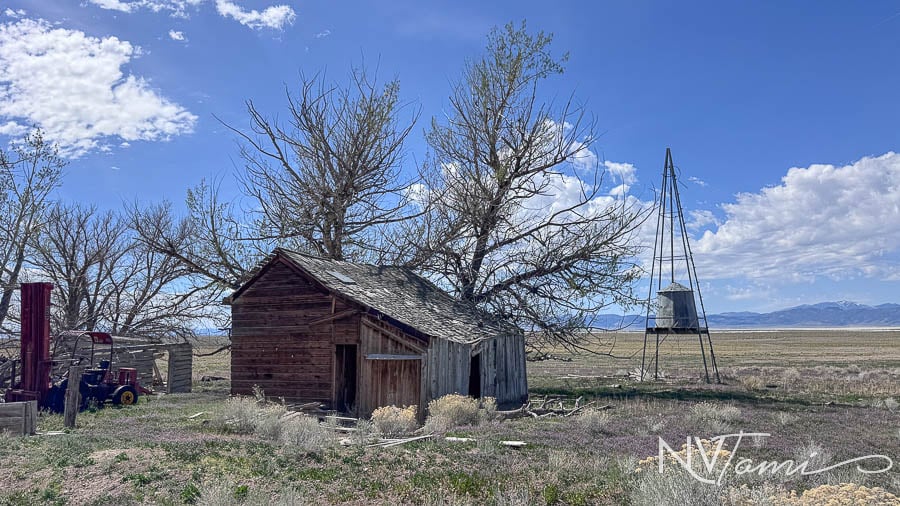
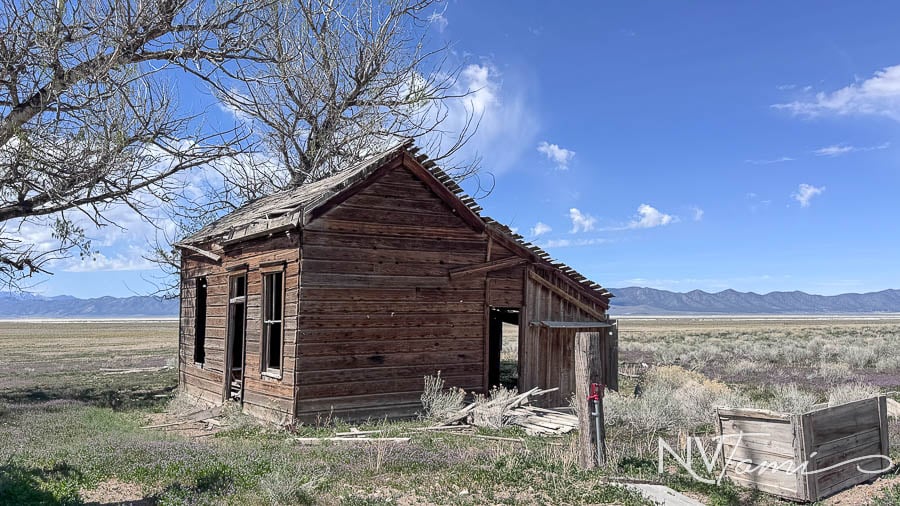
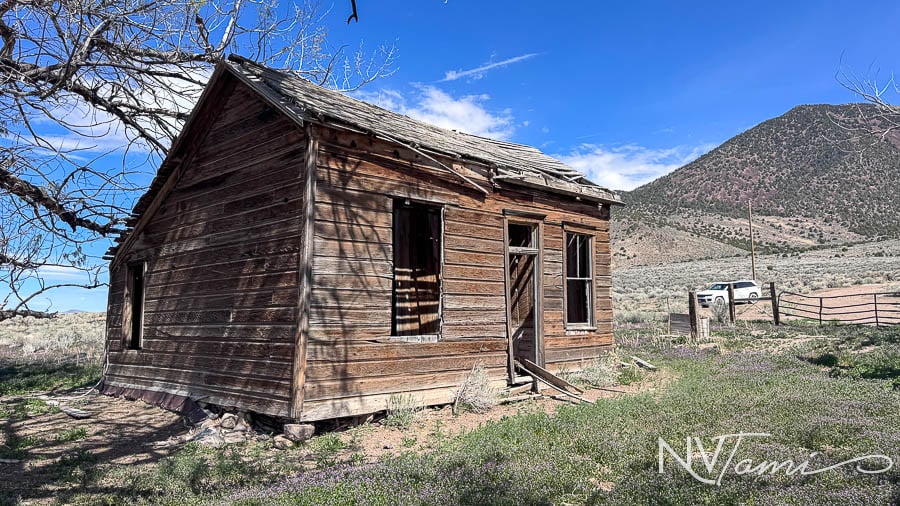
Birch
James Birch settled this location. He was an early-stage driver in the area. It served as a station for stages from Elko to Eureka and Hamilton. In later years, it served automobiles. A post office operated from 1901 to 1926.
Diamond Springs Station
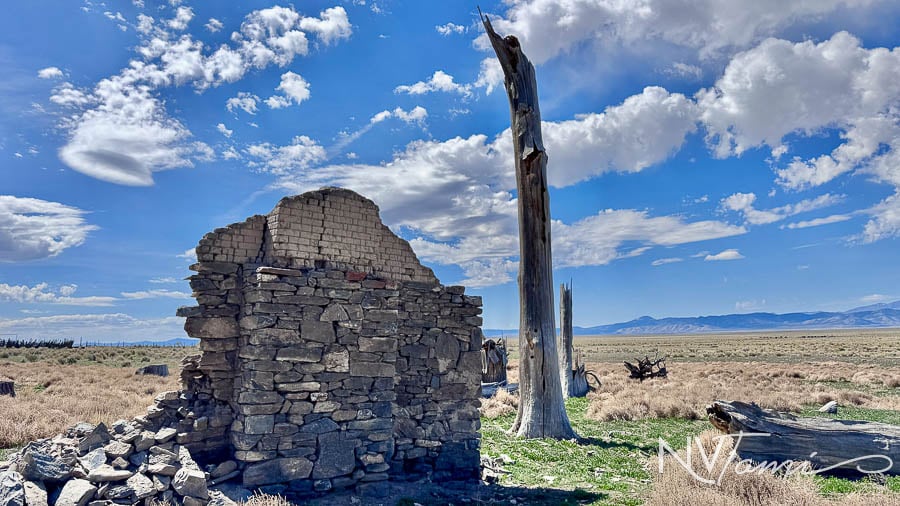
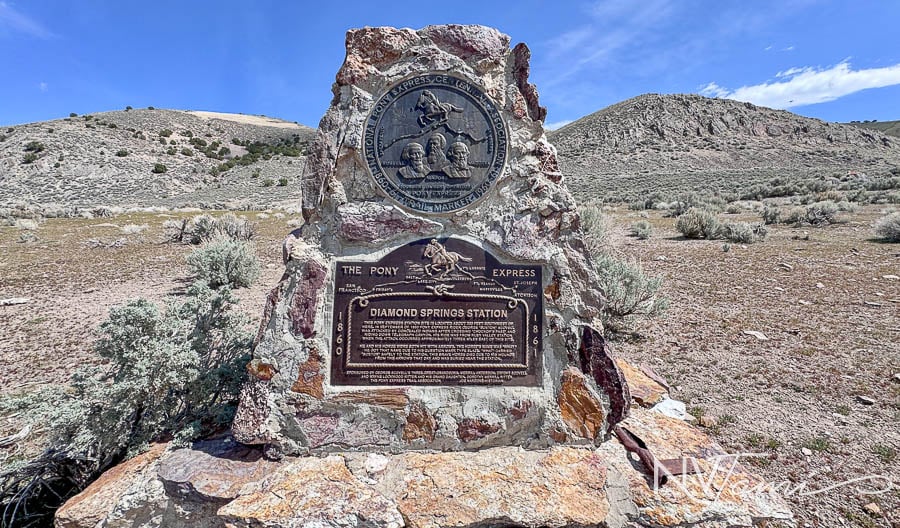
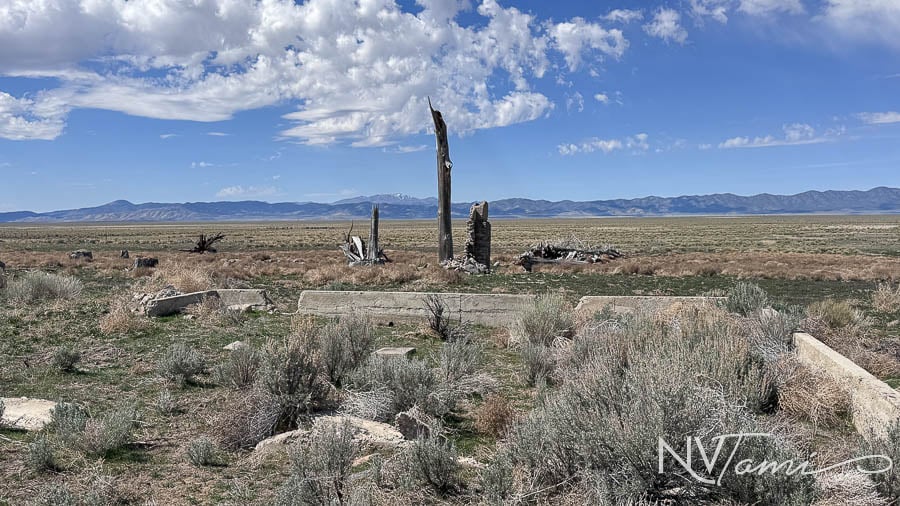
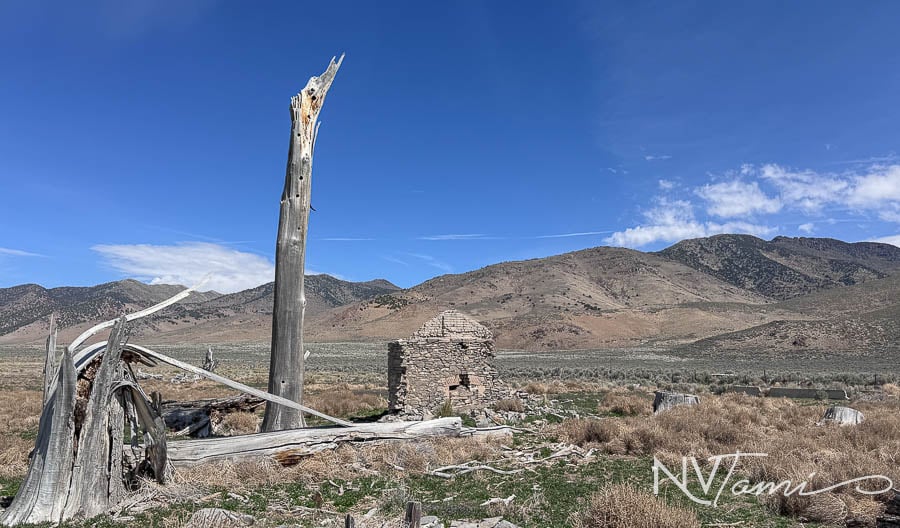
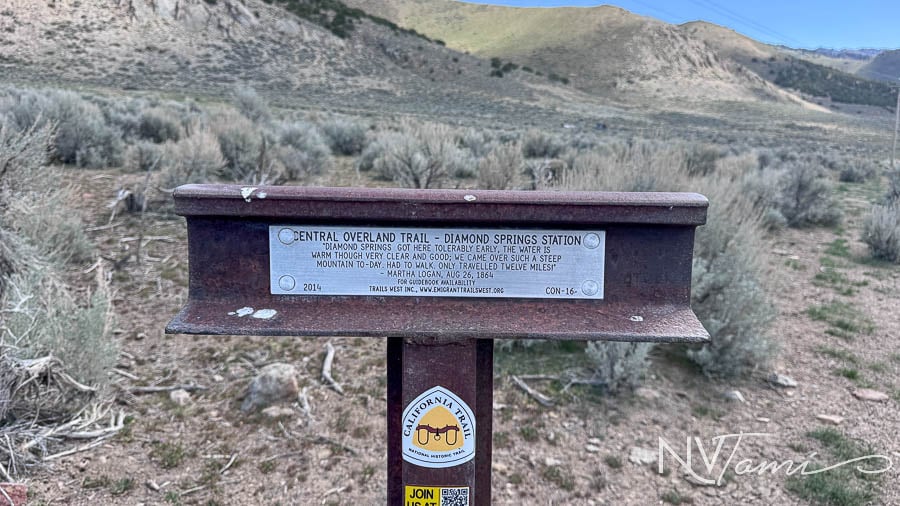
Diamond Springs Station was an important water stop and stage station. Reliable springs like this one were essential for both people and animals crossing the vast interior of Nevada. The Pony Express used it, and later the Overland Stage and Telegraph. Sir. Richard Burton wrote that an unfriendly Mormon couple ran it.
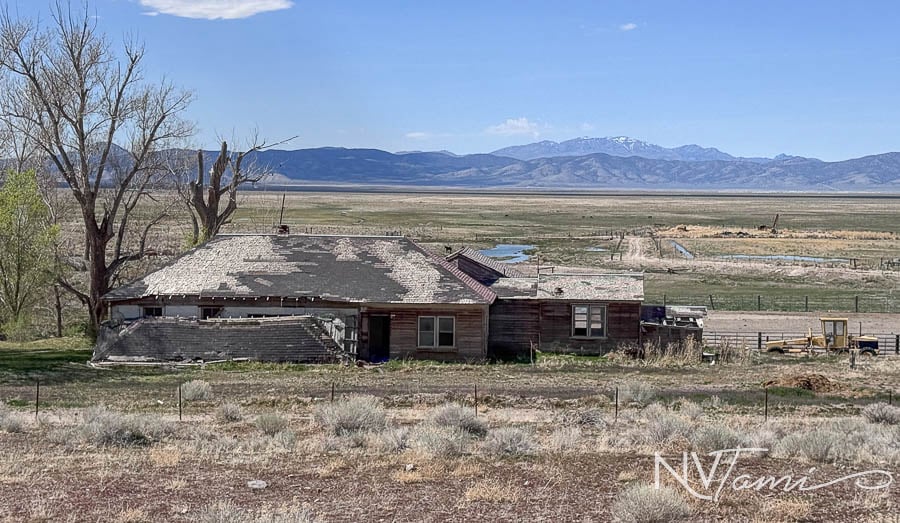
There is some confusion over the location; author and historian Shawn Hall has the stone building as Diamond Springs Station. The Pony Express marker is south about a mile.
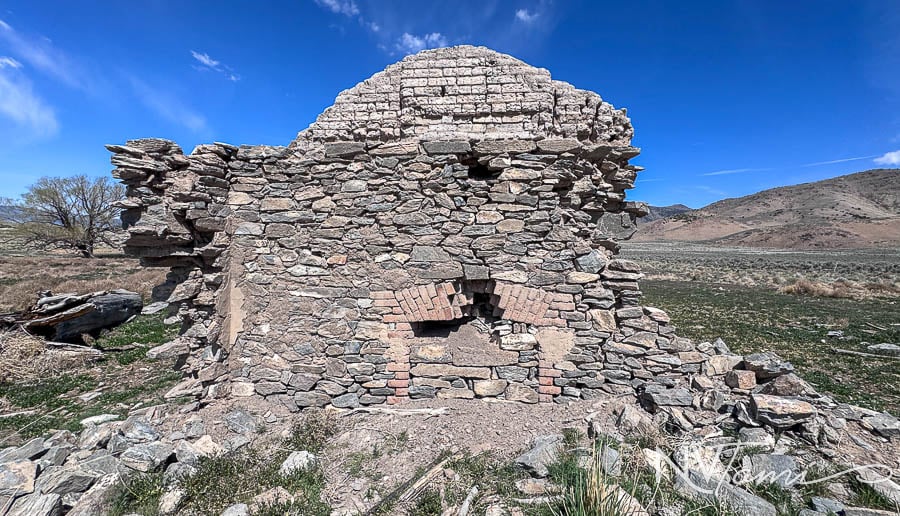
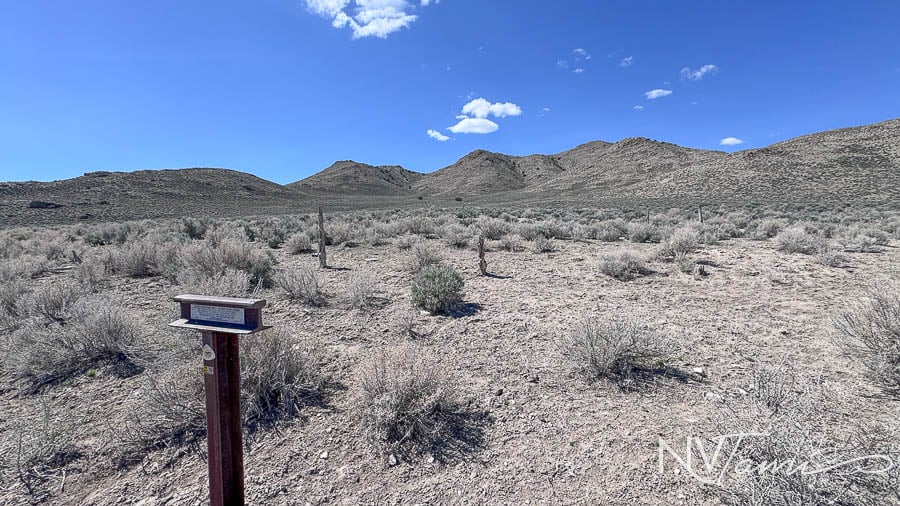
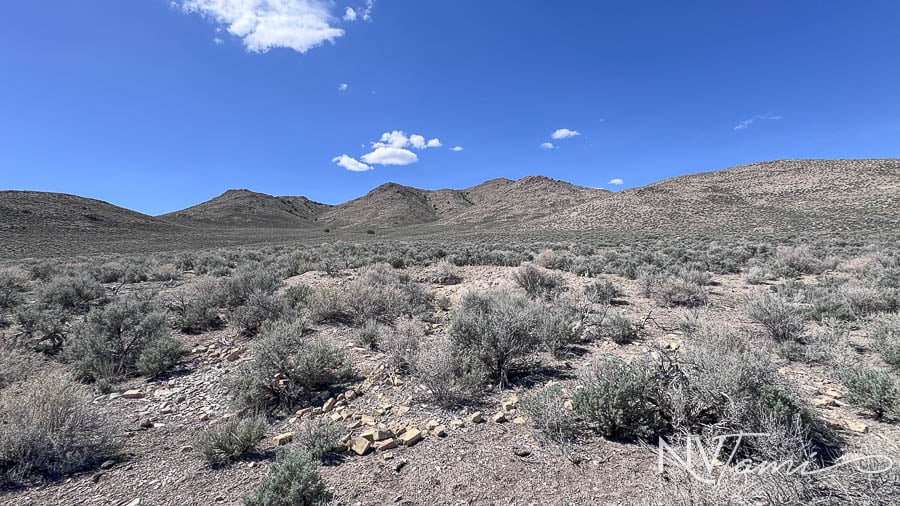
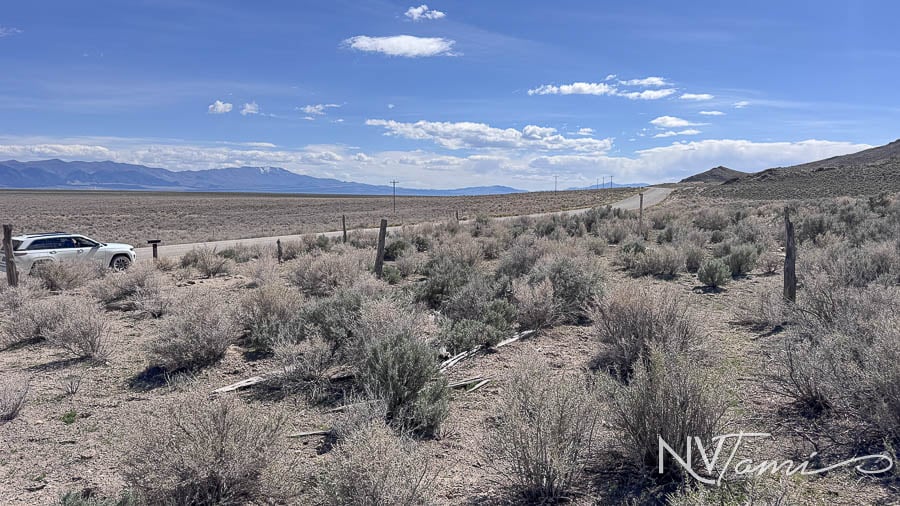
Sulfur Spring Station
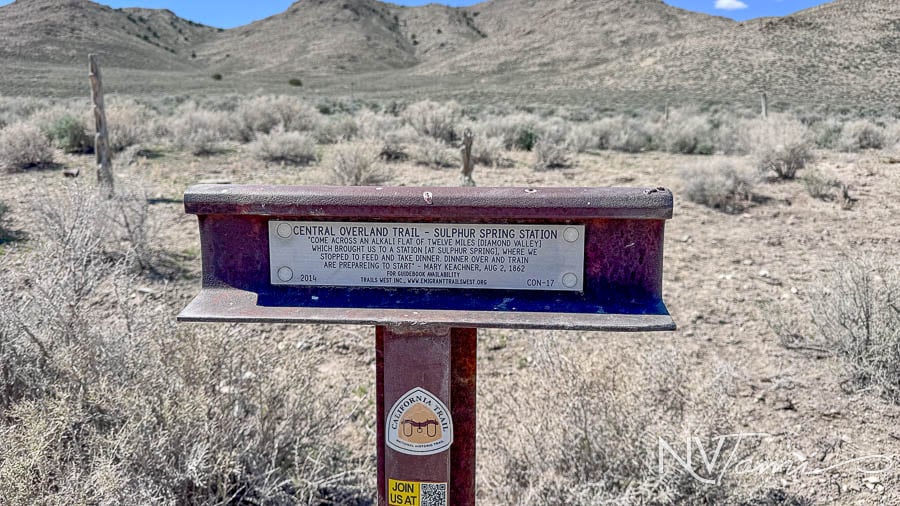
Sulfur Spring Station utilized a mineral spring as a key water source for travelers and livestock. Such stops were crucial along the long desert routes of 19th-century Nevada. The Pony Express used it—debris and a dugout mark the site.
Clifton
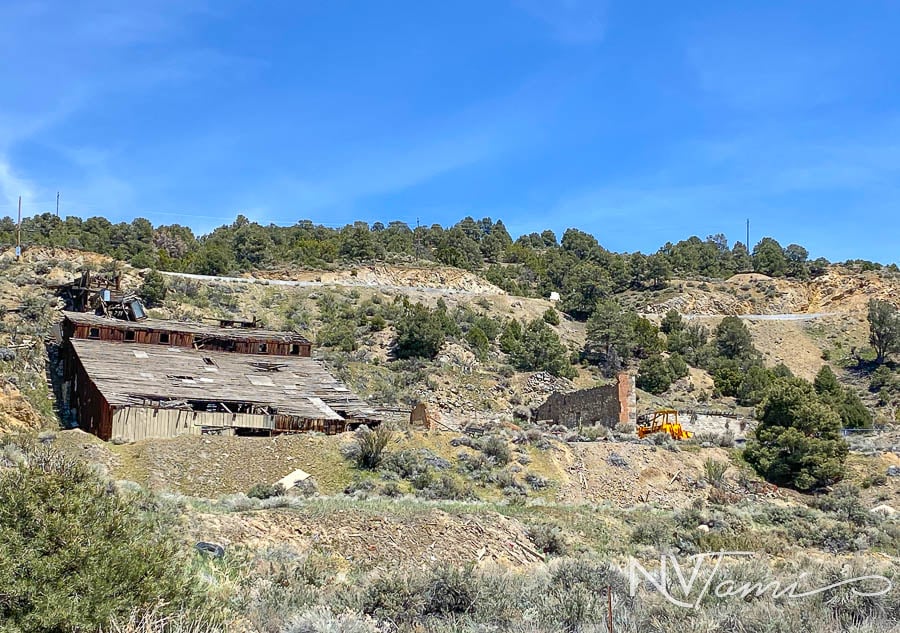
Clifton was a small mining or settlement site in the region. Its remnants contribute to the broader story of prospecting and early development around the Ruby Mountains.
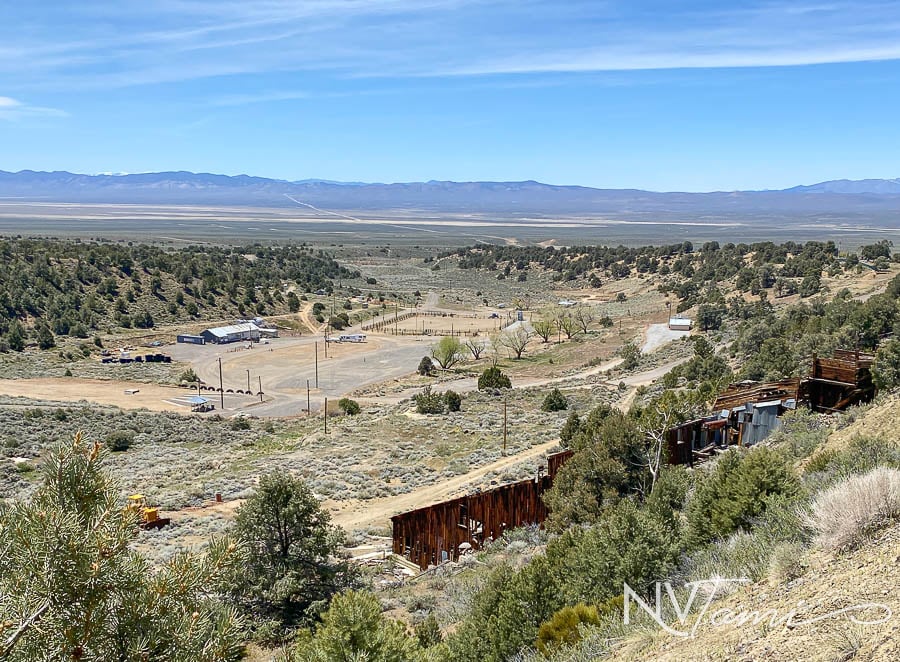
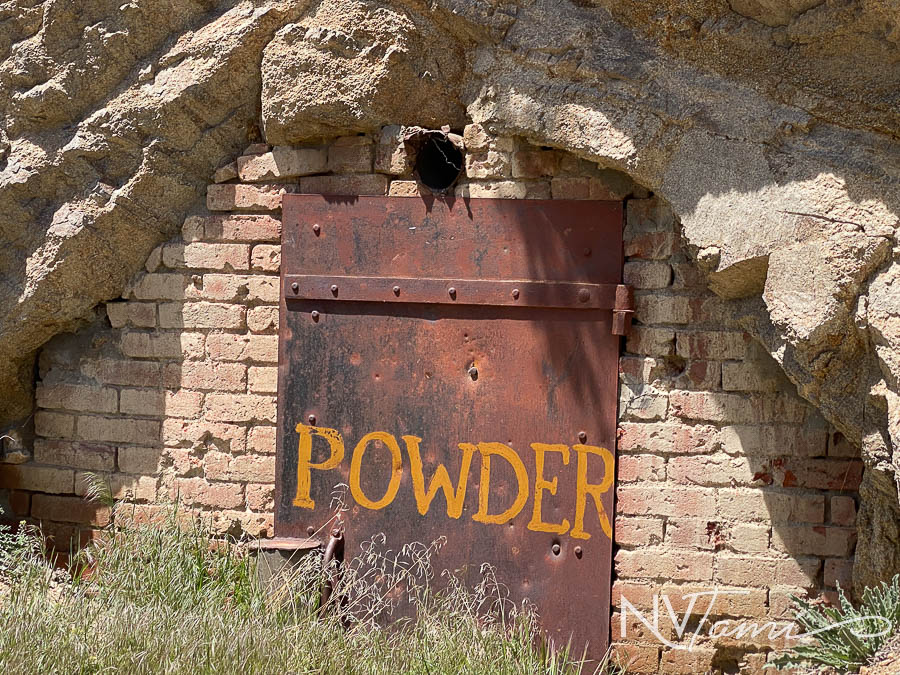
Following the discovery of silver outside of Austin, Clifton was founded in 1863. The town grew to 500 residents and had services, including a Wells Fargo office, boarding houses, hotels, restaurants, and stores.
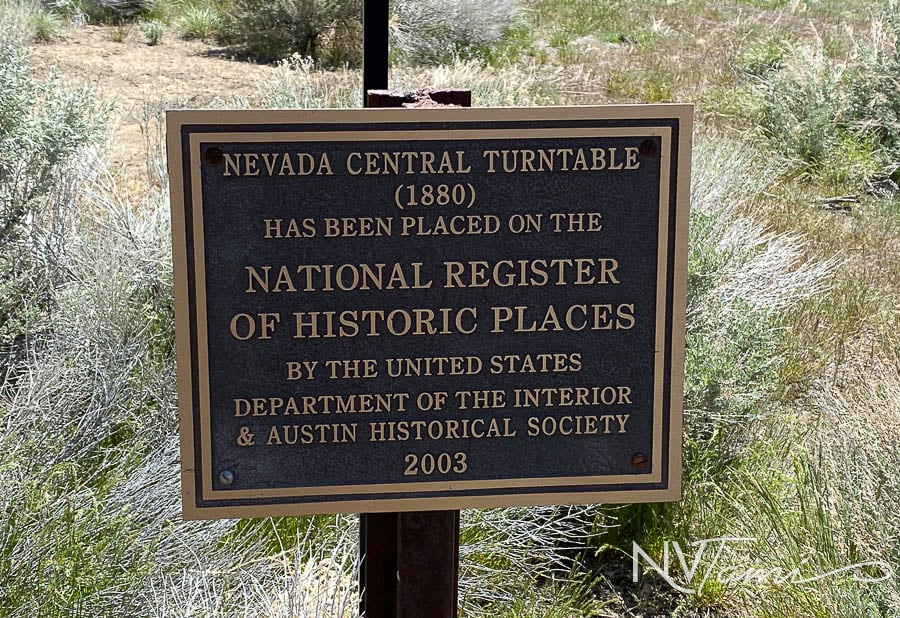
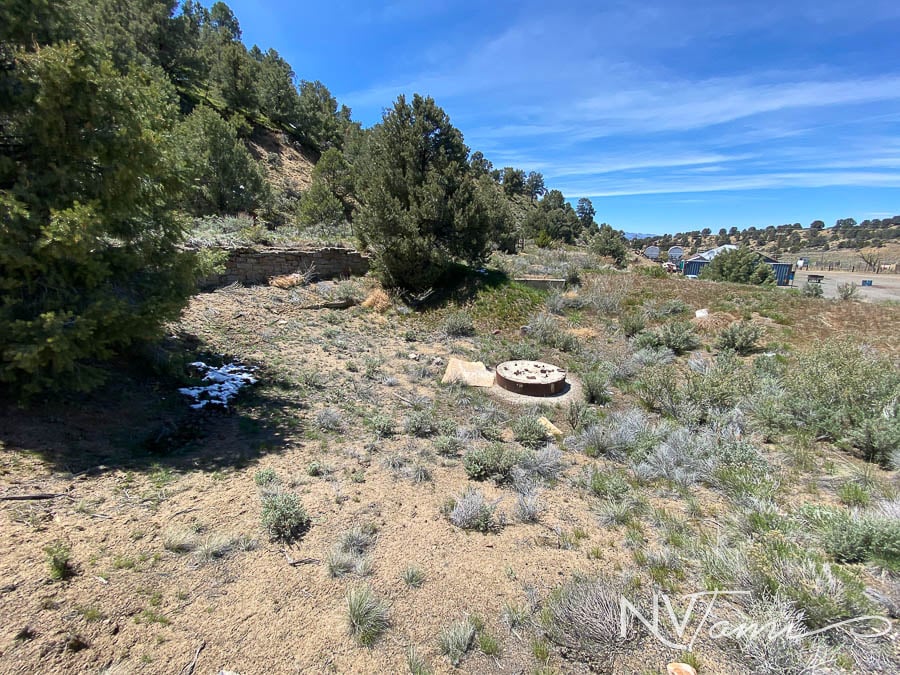
In 1880, Clifton became the terminus for the Nevada Central Railway, and a turntable was installed. The railroad operated into the 1930s. A 40-stamp mill overlooks the turntable—a freight road connected to nearby Austin.
A note from Tami
This trip report was compiled with the help of AI, drawing from my own website content (NVTami.com), notes, and reliable public sources. I’m still recovering from cancer treatment and working to catch up on writing and posting after a challenging period. These summaries are intended to share the journeys quickly so I can get back to hands-on research, photography, and writing new in-depth articles. Thank you for your understanding and continued support — I’m looking forward to getting back in full swing soon!
Follow me on social media:


Anonymous says
You have gone to so many amazing places. You should publish a book with all those great pictures. I wish you well
Tami says
Thank you. I do have 2 books out on the Eastern Sierra, including Nevada. A third will be out in the next few months.
I’m glad I worked on that area first so I can figure out how I want the books. I’ve thought of how to do a series for Nevada, but haven’t decided which way to go yet.