Santa Clara is one of Nevada’s lesser-known ghost towns. Its short lifespan and remoteness have helped preserve the ruins — multiple sturdy rock foundations still stand against the elements.
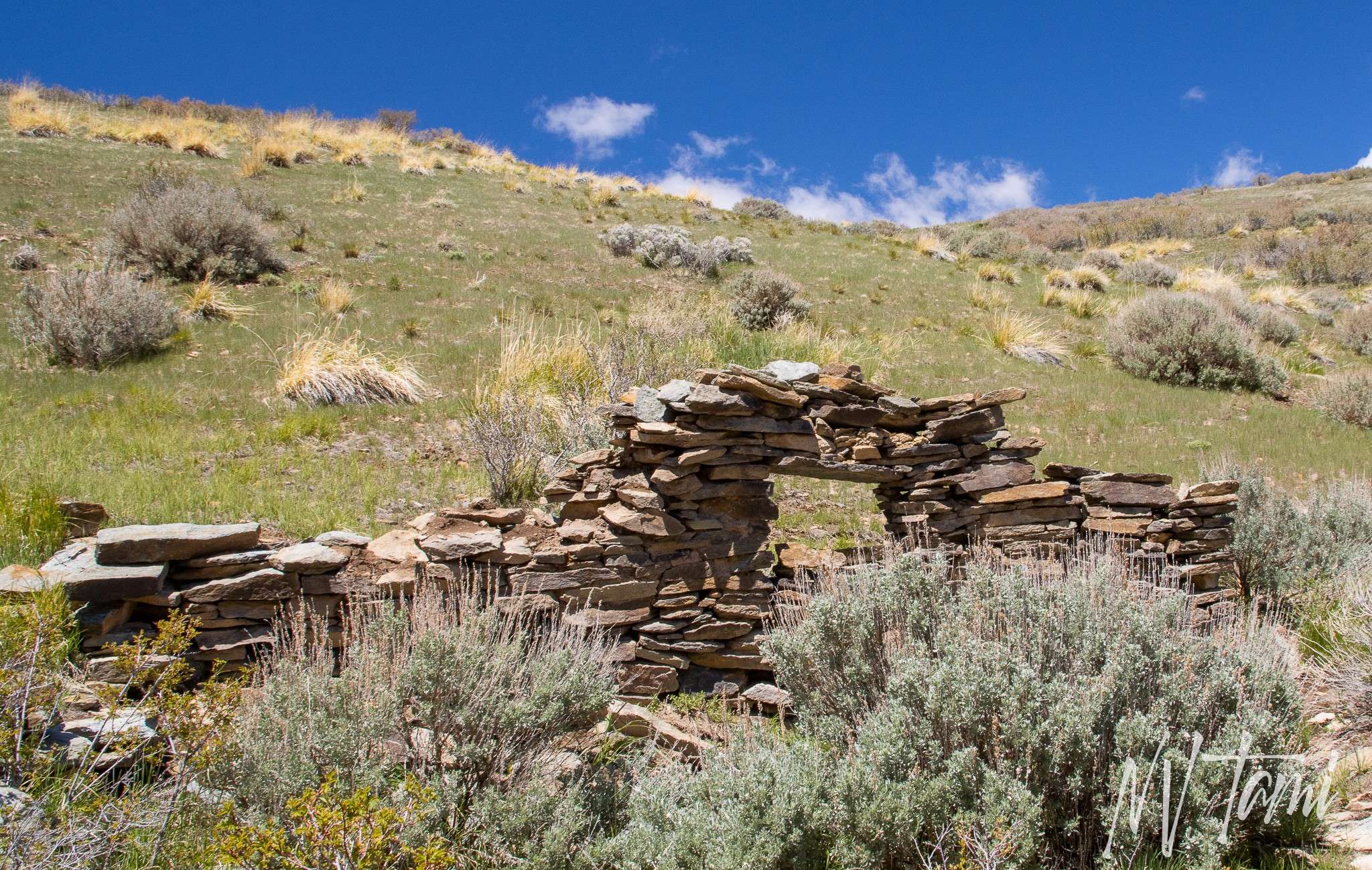
Reaching Santa Clara requires a dedicated ghost-towner willing to brave elevation gain, scramble over rocks, push through wild rose thickets, avoid poison hemlock, and contend with the infamous Mormon crickets.

Santa Clara Mining District
The Star Mining District (sometimes locally called the Santa Clara district) was established in 1861 at the north end of the Humboldt Range. The main operation was the Union Tunneling Company. After delinquent taxes led to its sale, the company and camp were abandoned within just a few years. Limited production continued into the early 1870s before the ore played out. Most residents moved on to more promising strikes, often in Winnemucca, Austin, or other Lander County districts.

Santa Clara
The town of Santa Clara developed around the mines in 1862. By 1864, nearly 200 people called the narrow canyon home, living in simple rock and adobe dwellings. The settlement may have been named after Saint Clare of Assisi, a figure popular among Catholic miners in the American West.
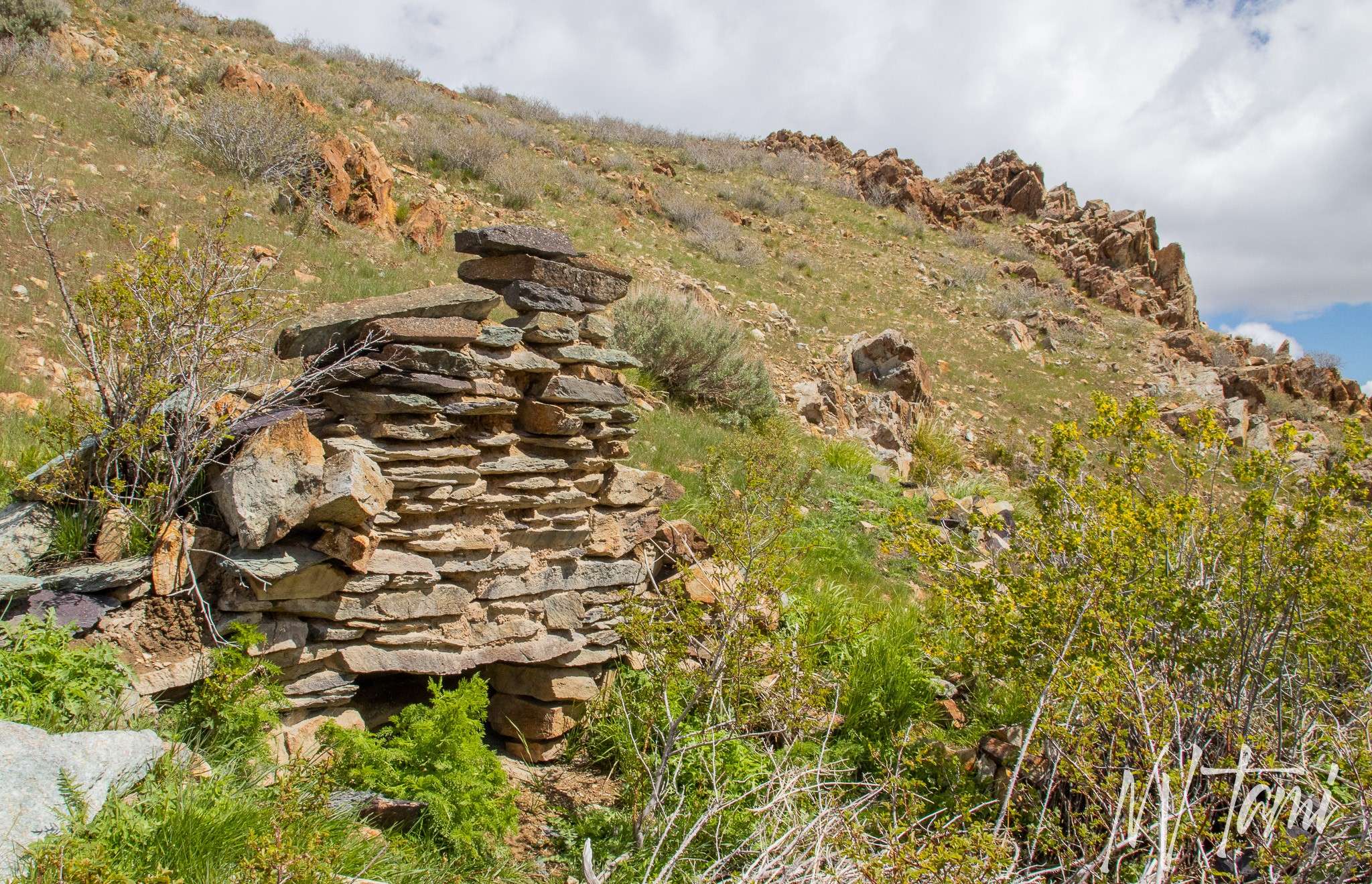
A stage arrived twice weekly, bringing freight and news from the outside world. Santa Clara was too small and remote for its own post office; mail came through nearby Star City. It never had a newspaper either, but the Humboldt Register in Unionville kept residents informed. Owned by William Forbes and Charles Perkins, the paper hauled its printing press over the Sierra by oxen team. Its first issue appeared on May 2, 1863, celebrated with a 30-gun salute.
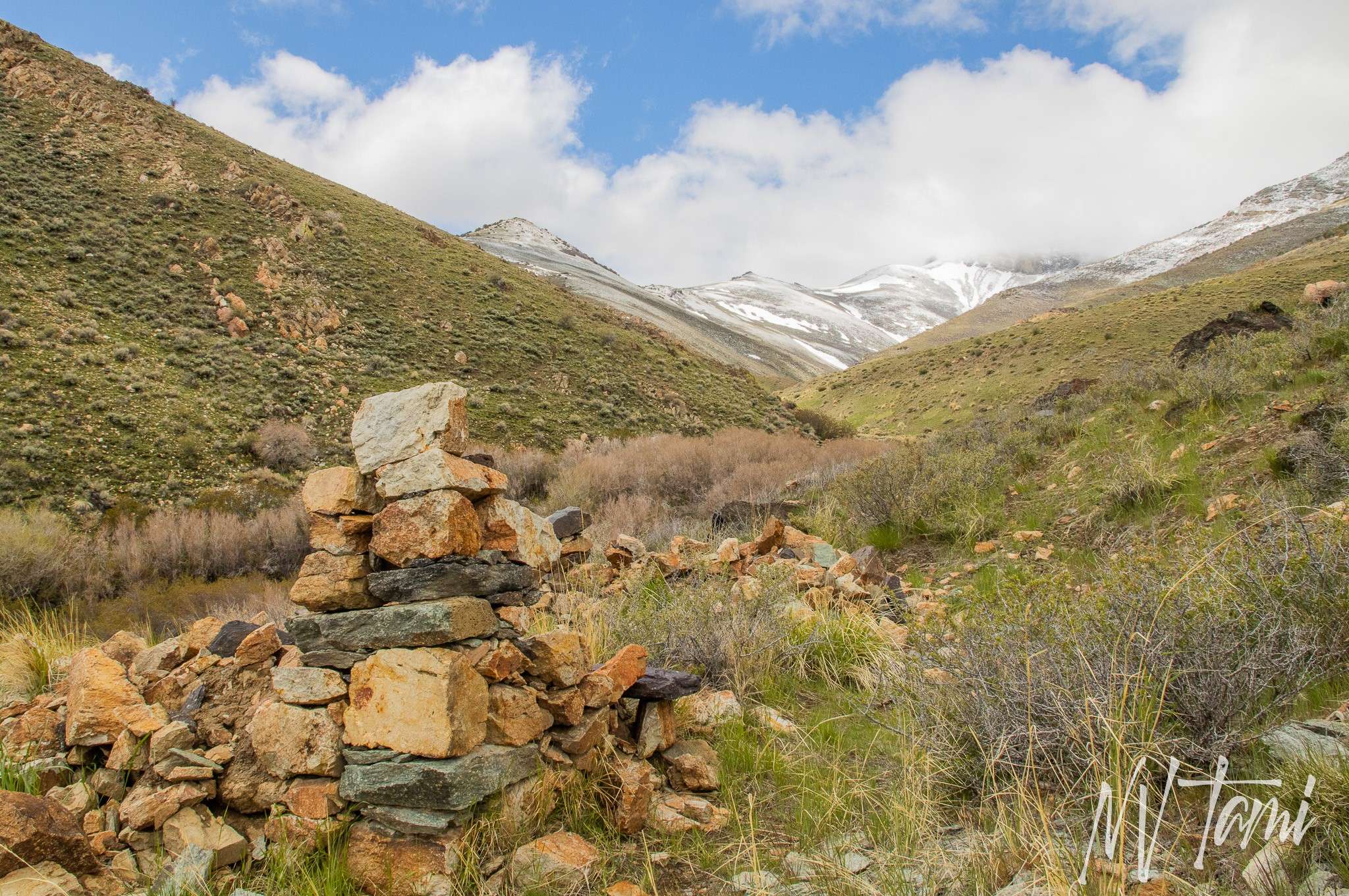
Some of the Register’s editorials offered colorful glimpses of local life. One piece described Santa Clara’s “Roughs and Amazon Maids.” According to the story, the Roughs invited the Amazons to a leap-year dance, only to be rebuffed — the women supposedly declared they wouldn’t “mate with scrubs lacking thoroughbred blood” and preferred men from nearby Unionville.
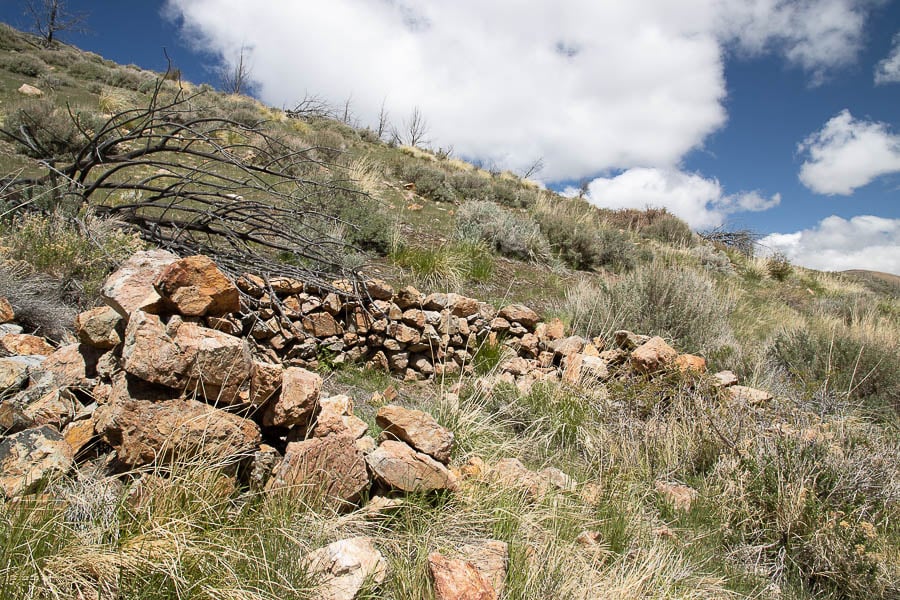
By 1866, with the mines largely closed, Santa Clara had become a ghost town.
Want more ghost towns?
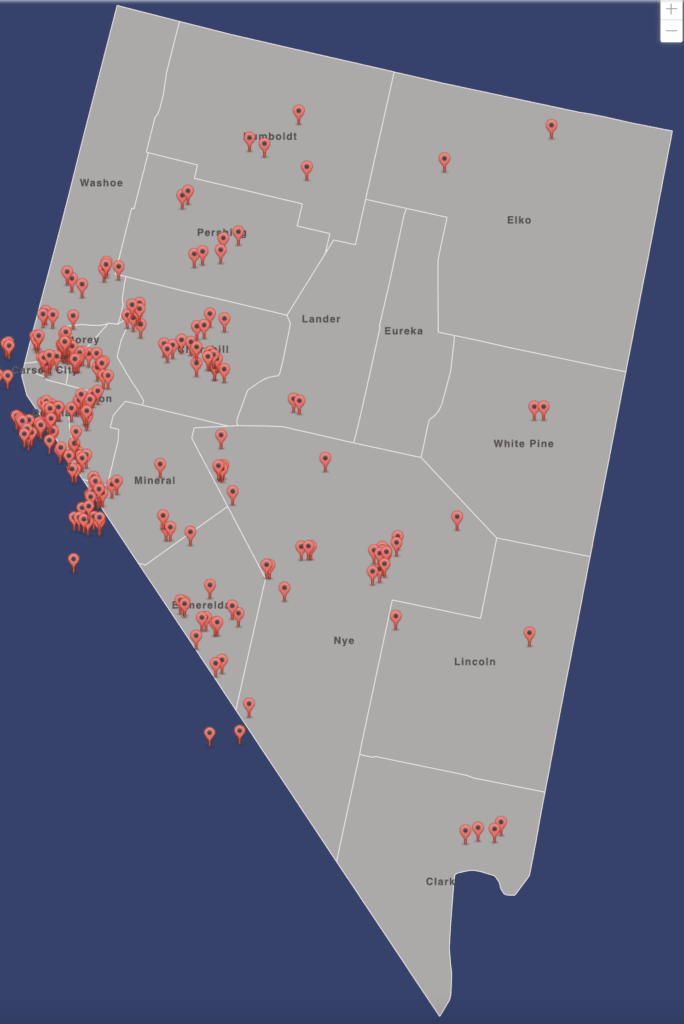
For information on more than three hundred ghost towns in Nevada, visit the Nevada Ghost Towns Map or a list of Nevada ghost towns.
References
- Basso, Dave. Ghosts of the Humboldt Region: A glimpse into Pershing County’s Past. Dave Basso, 1970.
- Basso, Dave. Nevada Historical Marker Guidebook. Nevada Publications, 1986. Marker 231.
- Carlson, Helen S. Nevada Place Names: A Geographical Dictionary. University of Nevada Press, 1974. Page 210.
- The Diggins: Santa Clara Mine
- Gamett, James and Stan Paher. Nevada Post Offices: An Illustrated History. Nevada Publications, 1983.
- Hall, Shawn. Preserving the Glory Days: Ghost towns and mining camps of Nye County, Nevada. University of Nevada Press. 1981. Pages 97, 108.
- Lincoln, Francis Church. Mining Districts and Mineral Resources of Nevada. Stanley Paher, 1982. Pages 219.
- Paher, Stanley. Nevada Ghost Towns and Desert Atlas. Nevada Publications, 2009. Page 35, 37.
- Paher, Stanley. Nevada Ghost Towns and Mining Camps. Nevada Publications, 1970. Page 135-136.
- Shamberger, Hugh A. Rochester: Early History, Development, Water Supply. Nevada Department of Conservation and Natural Resources, 1973. Pages 2,
- Vanderburg, William O. Mines of Humboldt and Pershing Counties. Stanley Paher, 1988. Pages 114-115.


Gorgo Hapless says
Hi Tami.
Considering you never write back anyway, ket us try again. What do you know about Gene’s Valmy, NV and Golconda Summit. Thankd
Tami says
I try and respond to every email, message or comment I receive. However, I do occasionally miss some, especially on Facebook if it isn’t on my page which means I don’t necessarily see it. I’m unsure how you were trying to send me messages. I do have a note on my contact page that it might not work and you can use my email.
I have been past Valmy and explored the area, but haven’t done research on it.