Memorial Day Weekend – Winnemucca Area Explorations
Over Memorial Day weekend, I based myself in Winnemucca and spent several days exploring Humboldt County and the surrounding region. From old tungsten and gold mines to historic ranches, cemeteries, and stage stops, this trip highlighted the rich mining and ranching heritage of northern Nevada.
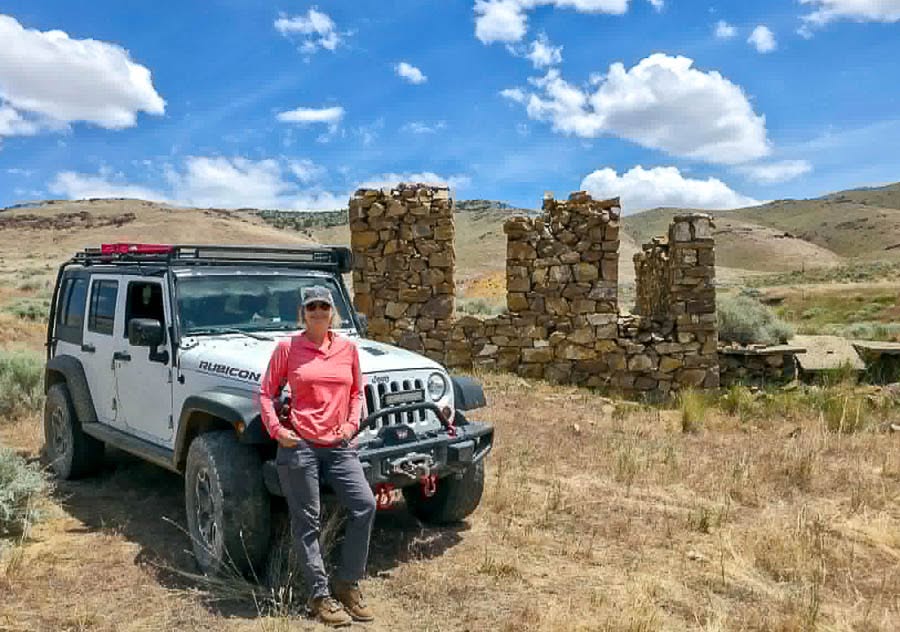
We visited 33 sites! The goal was ghost towns and mines, but we also followed emigrant trails, railroad stops, and a military fort.
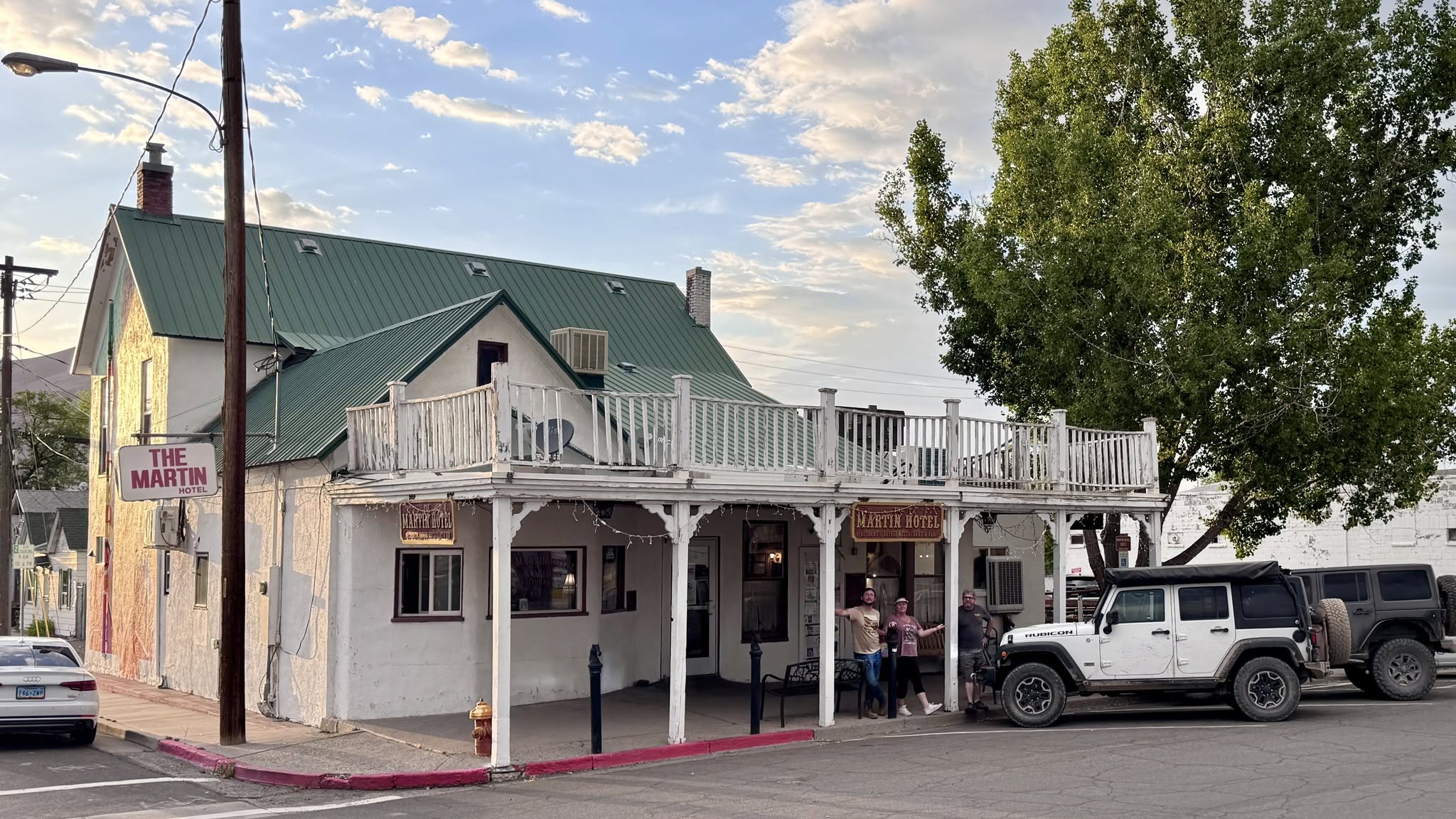
Nevada Expeditions mom, Katy, and step-dad, Dave, joined for part of the trip. It was fun exploring with them and giving them some off-road experience in their new Jeep.
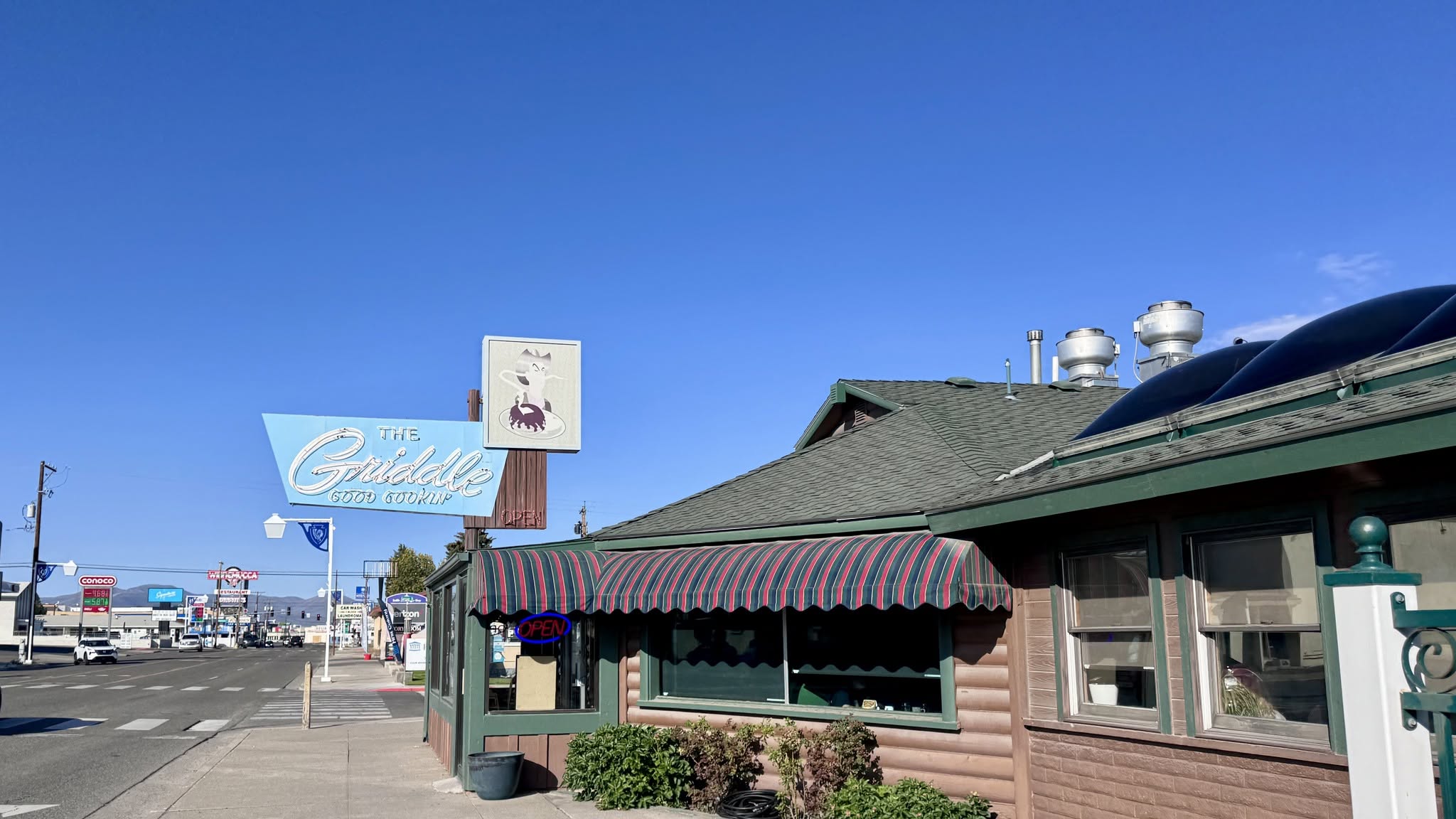
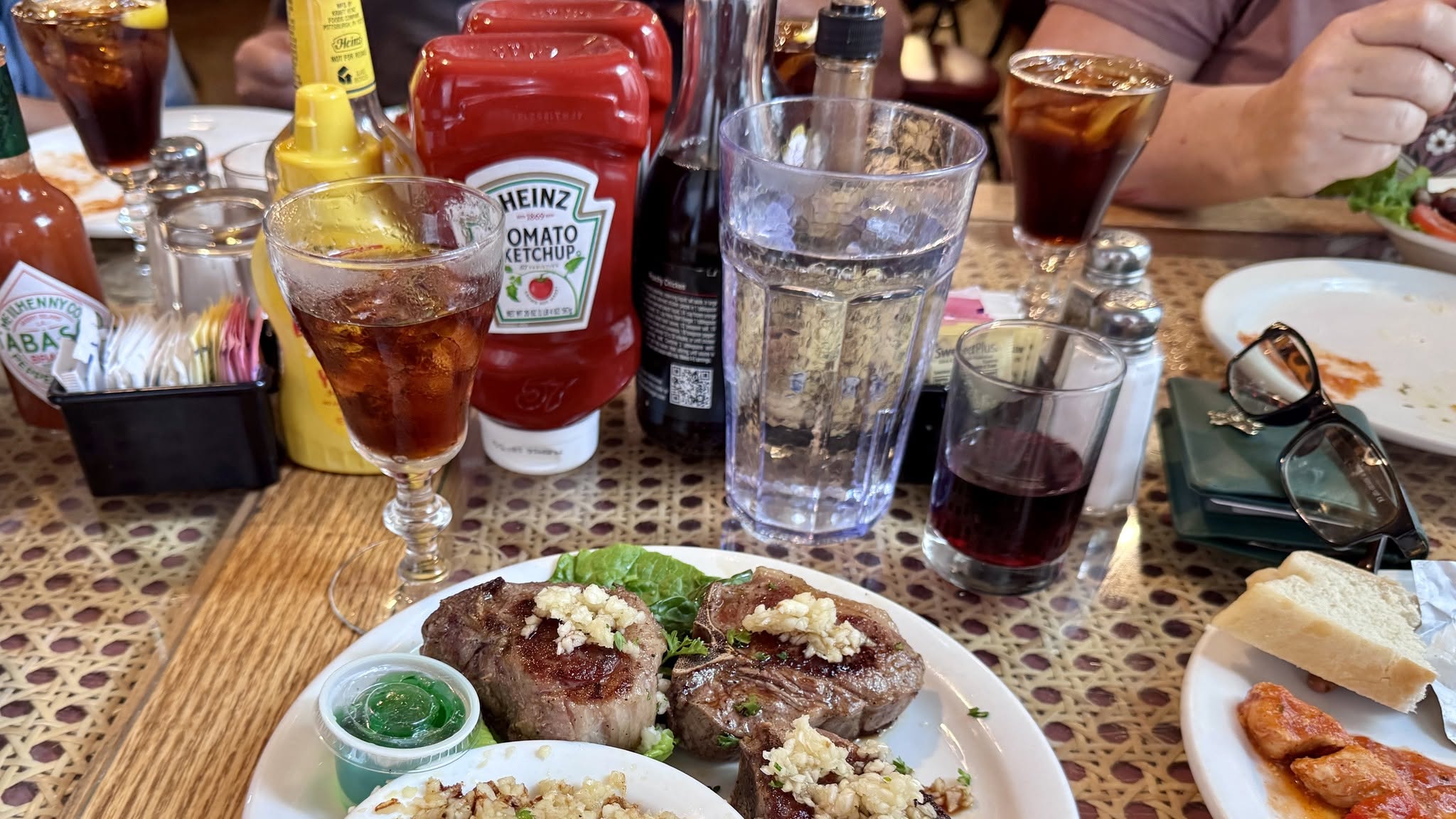
Staying in Winnemucca, we had great food! Basque food for two nights, with Korean in the middle. Of course, every breakfast was at The Griddle!
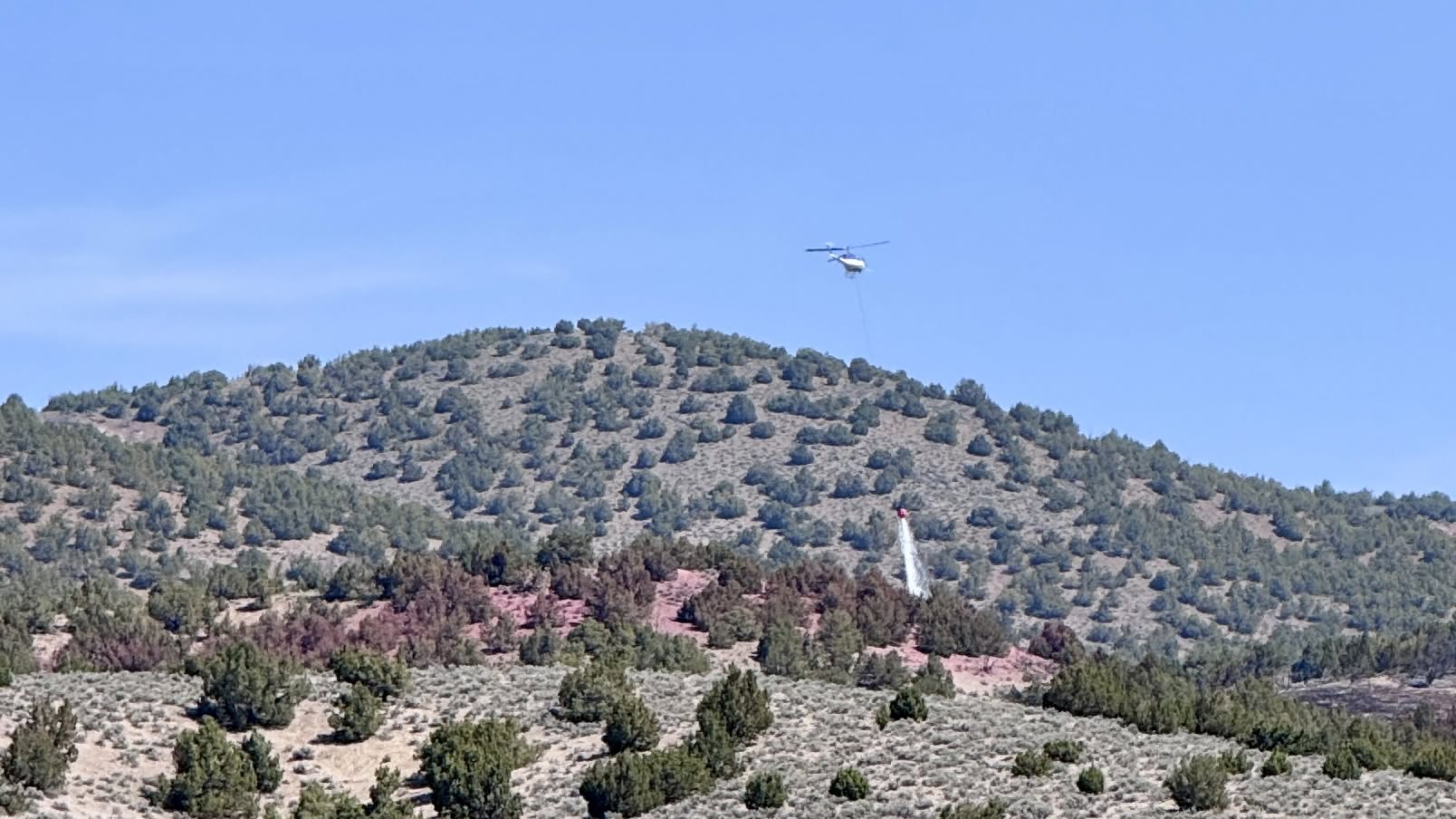
The only kink in our plan was Sunday morning, when we headed up to a forgotten ghost town. The area burned last year, so we didn’t think much of the charred earth. Then we popped over a hill to fresh burns, fire crews, borate, and a helicopter dropping water on hot spots. It turned out that a fire had started the night before and wasn’t showing up on our maps yet. Where we were headed was in the center of the fire, so those plans got scrapped. Once the area opens, we will try again and see what survived.
Tungsten
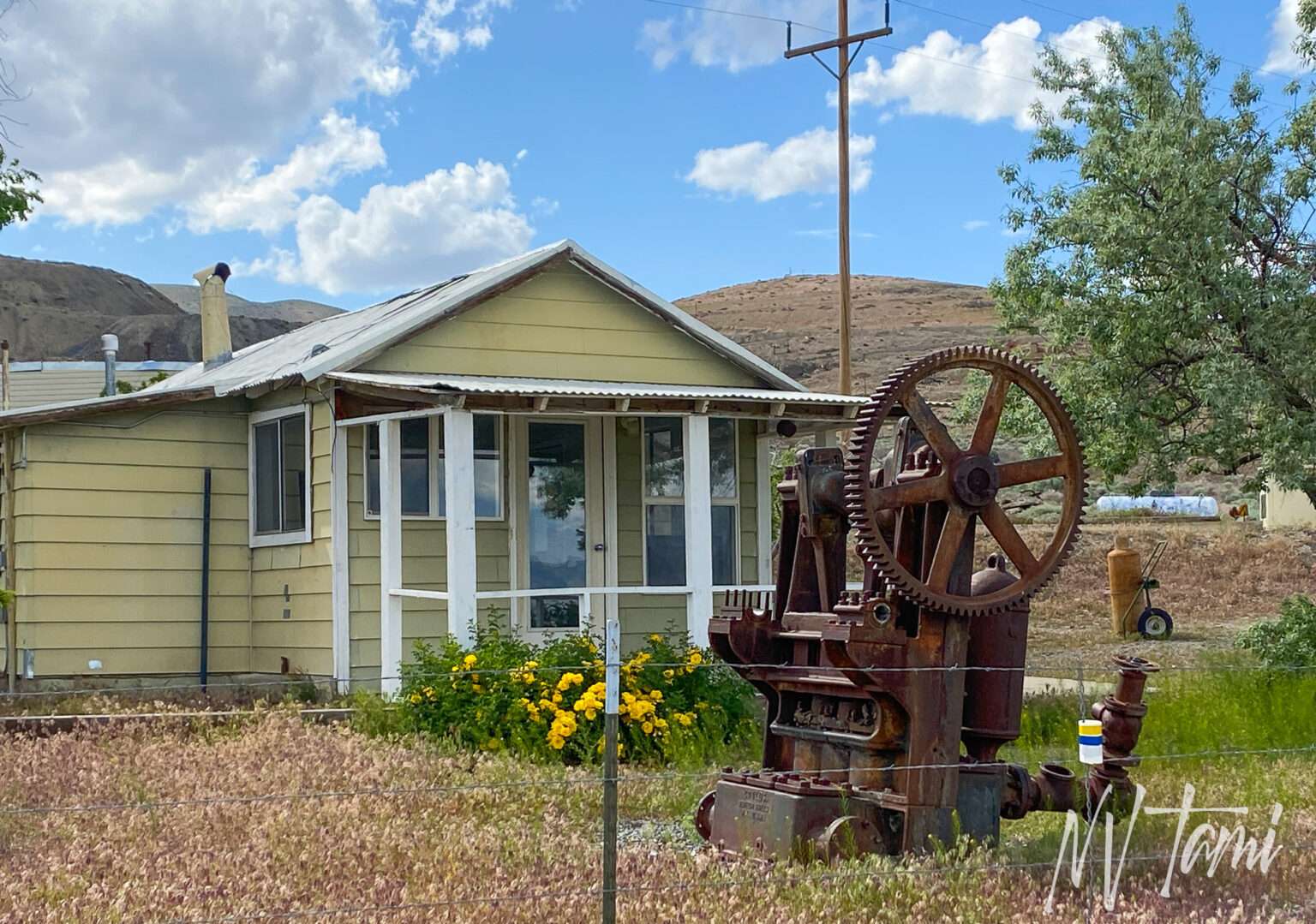
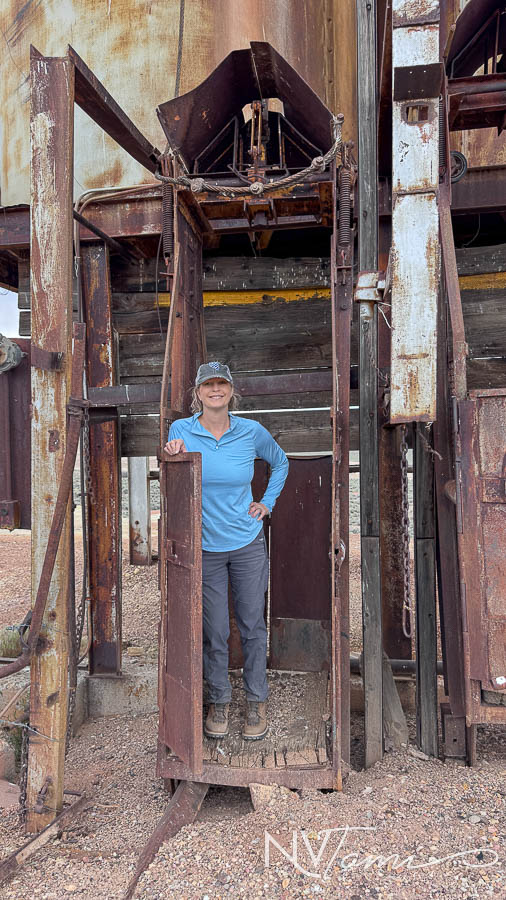
Tungsten was a mining town that boomed in the early to mid-20th century, when tungsten became a strategic mineral. The site includes mine ruins and remnants of the town that once supported hundreds of workers. It’s a classic example of Nevada’s later-era mining history tied to industrial demand.
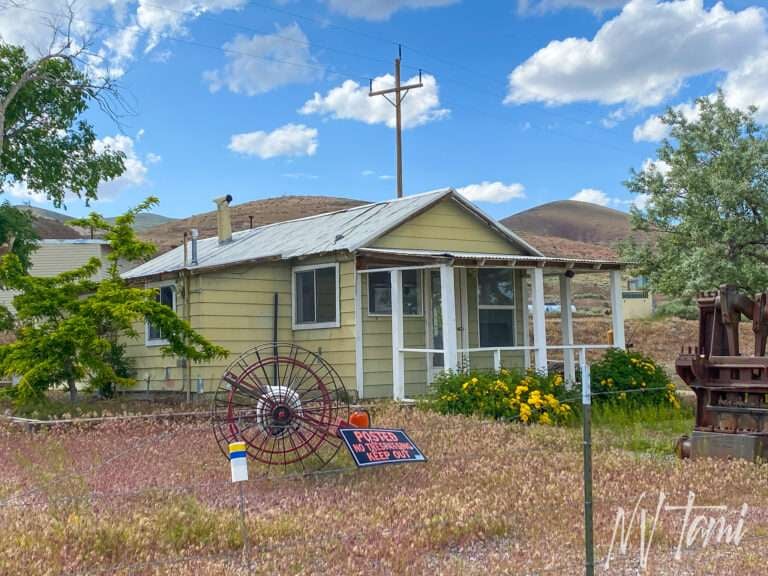
Miners discovered tungsten in 1916 or 1917 and erected a concentrator. By 1919, a small camp formed, although it was not awarded a post office until 1944. Production continued for thirty years and Tungsten became one of the nation’s largest producers.
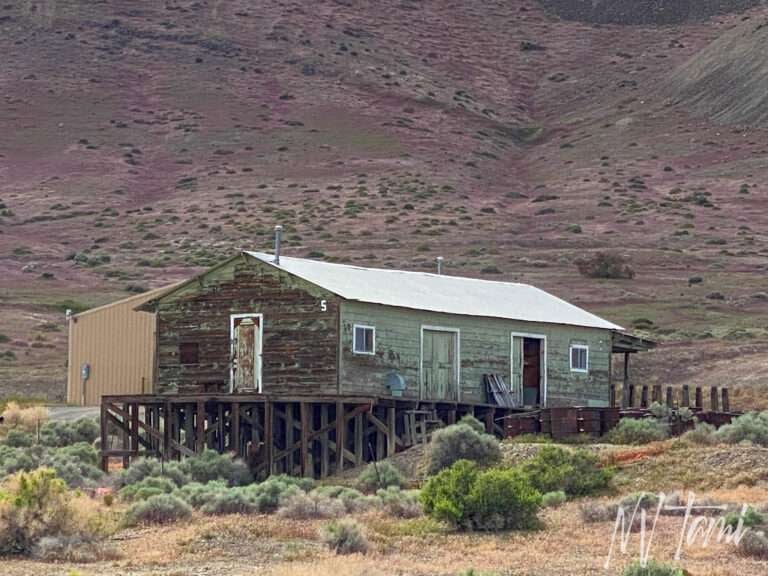
In 1958, the federal government stopped purchasing tungsten, marking the beginning of the end of the settlement. The post office operated until 1962, when the company sold the town’s buildings and the mine’s equipment. Today, the former town sits at the edge of modern mining.
Keystone Mine
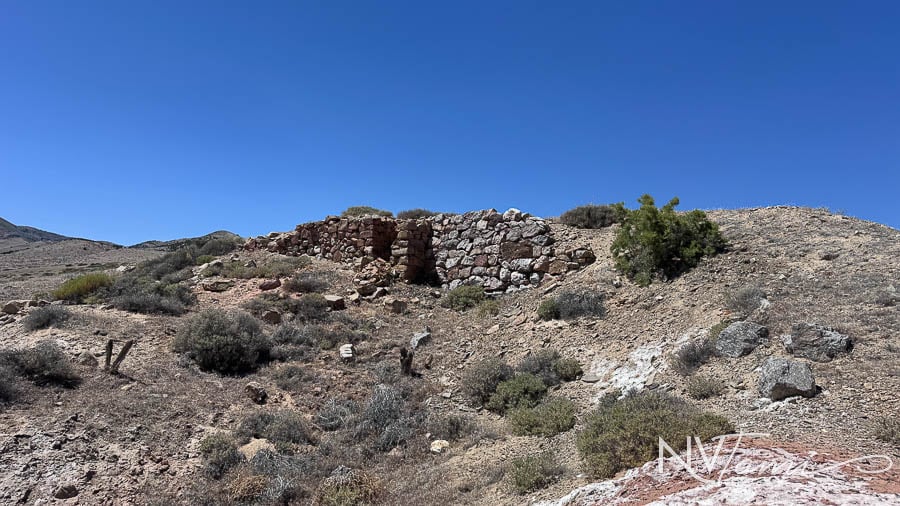
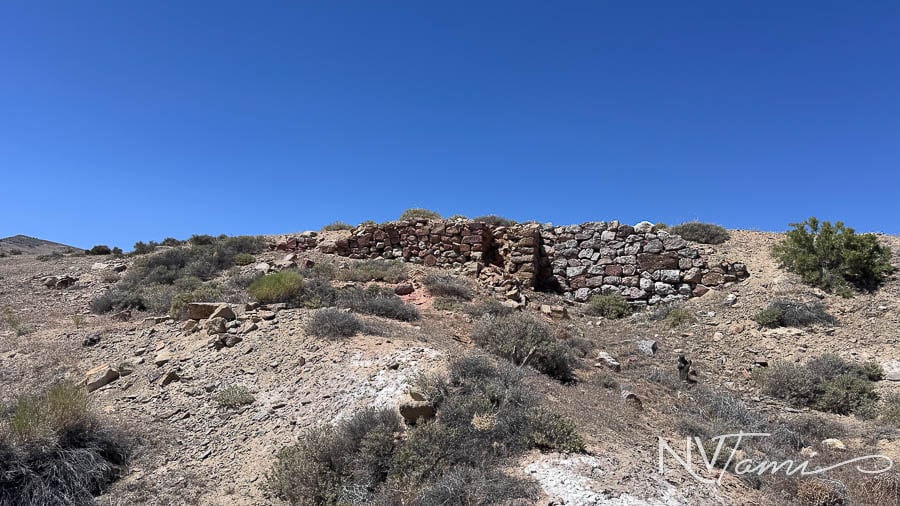
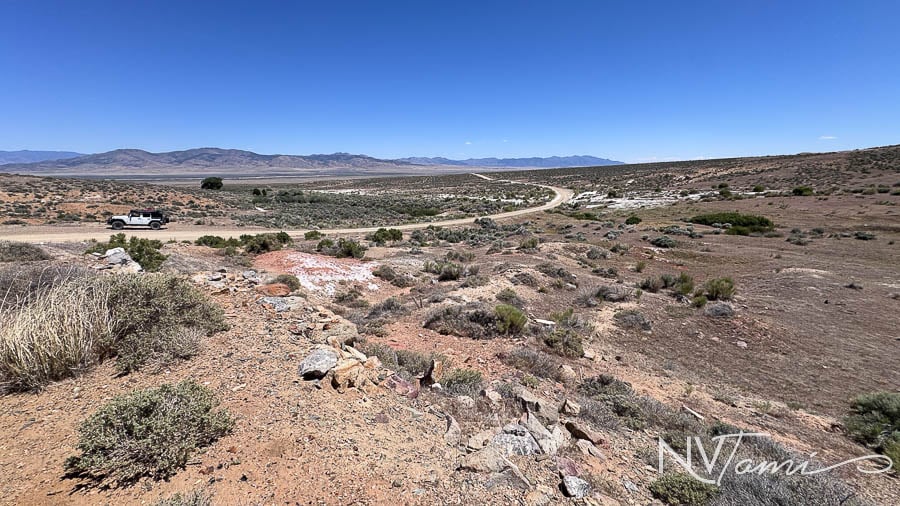
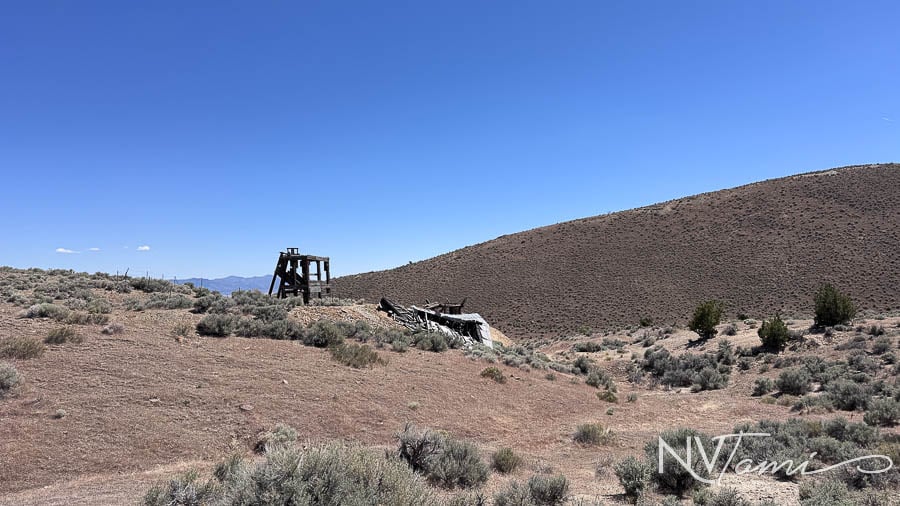
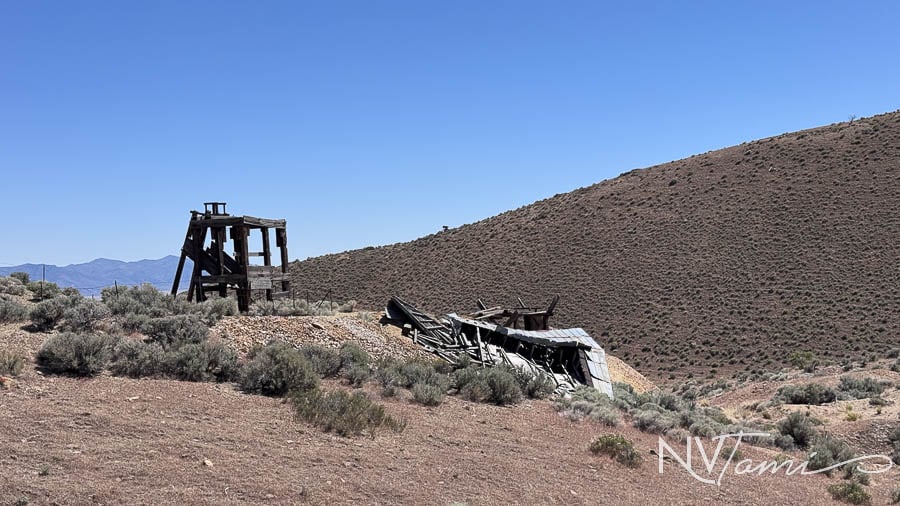
The Keystone Mine was one of several productive operations in the tungsten and gold districts near Winnemucca. Visible workings and tailings give a good sense of the scale of hard-rock mining that took place in these hills.
Republican Mine
The Republican Mine operated in the same general area, producing gold and other minerals. Like many mines in the region, it had periods of activity and inactivity depending on metal prices and technology.
Coppins Dude Gold Mine
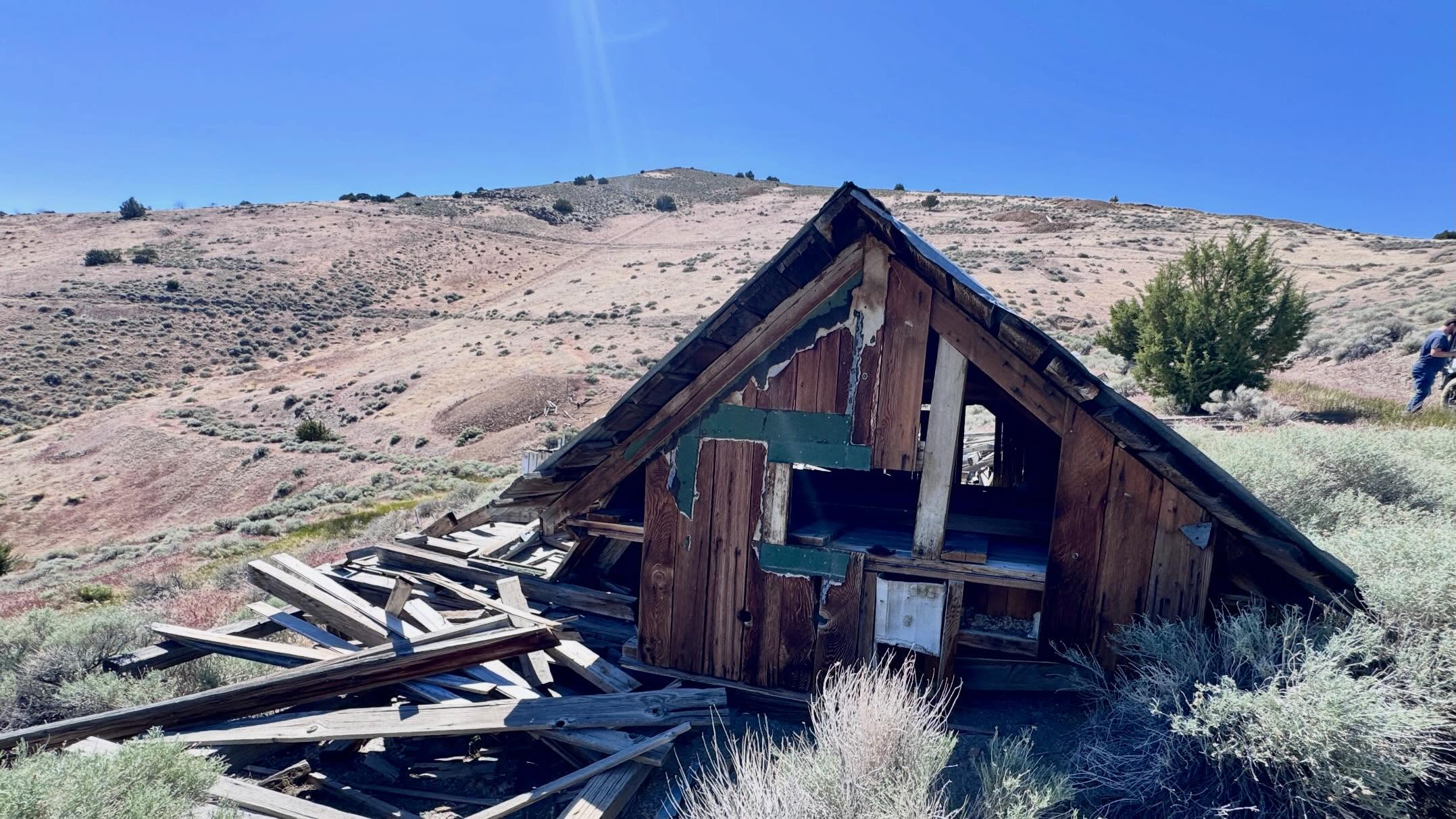
This smaller gold mine reflects the independent prospecting and small-scale operations that continued long after the big booms. The site offers a more intimate look at individual mining efforts in the Winnemucca area. Coppins was also known as the Blackbird Mine or Camp Shangri-La.
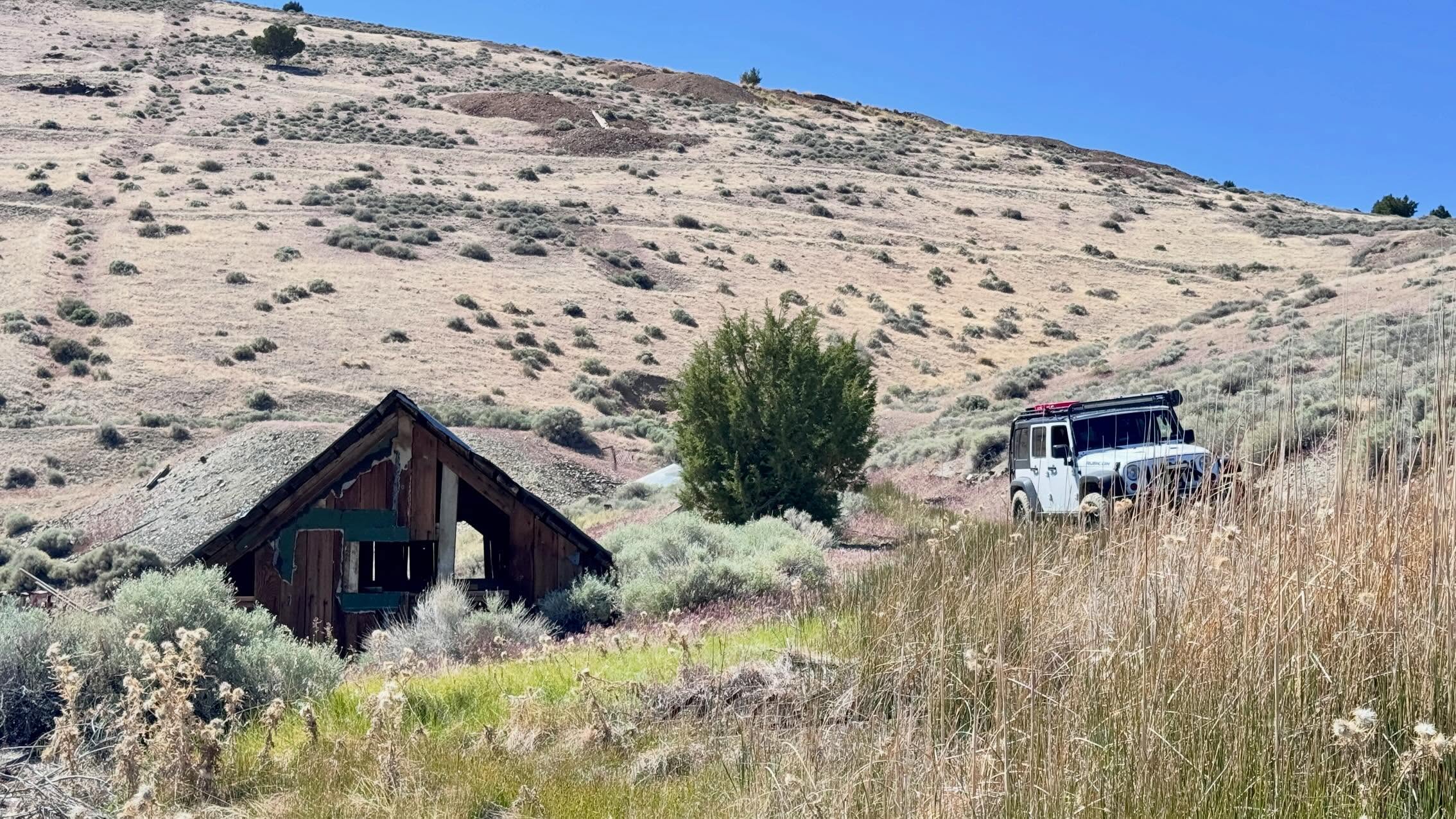
In the 1940s, it became a Dude Mine. Similar to a Dude Ranch, people would stay and work at the mine to experience the life of a gold miner.
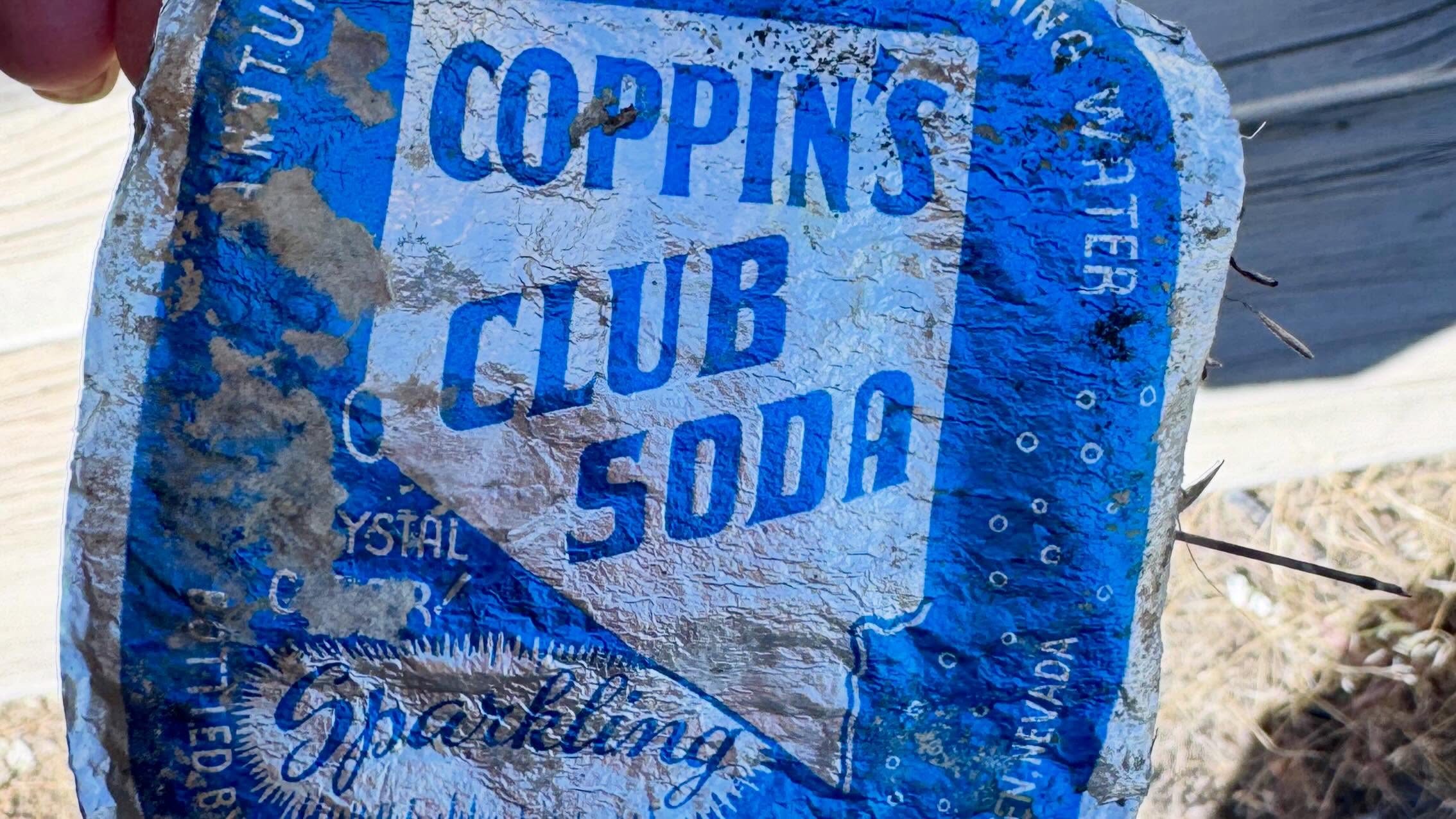
A spring in the mine was used to bottle Coppin’s Club soda for a time.
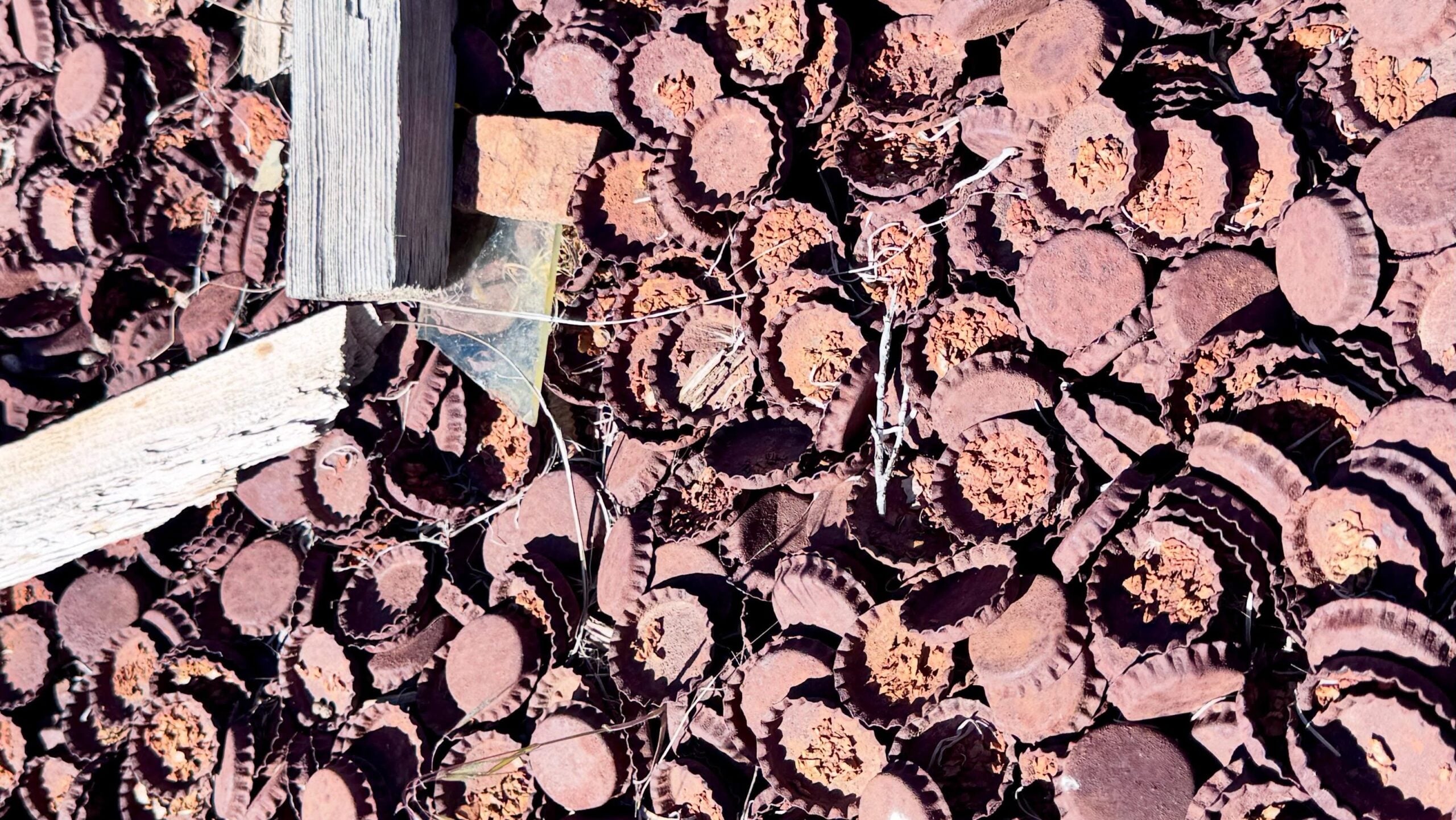
Wheelbarrow Mine
The Wheelbarrow Mine is another historic gold prospect in the district. Its name hints at the more modest, hands-on nature of some of the smaller operations that dotted the landscape.
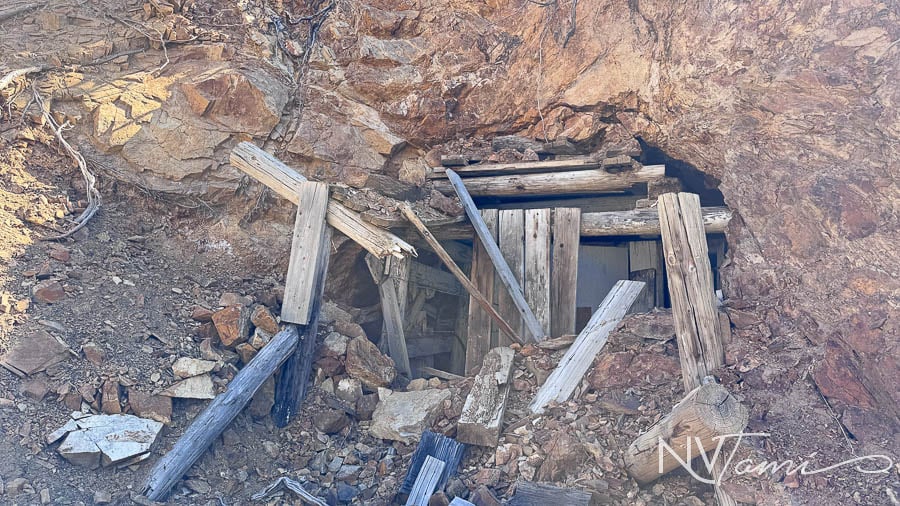
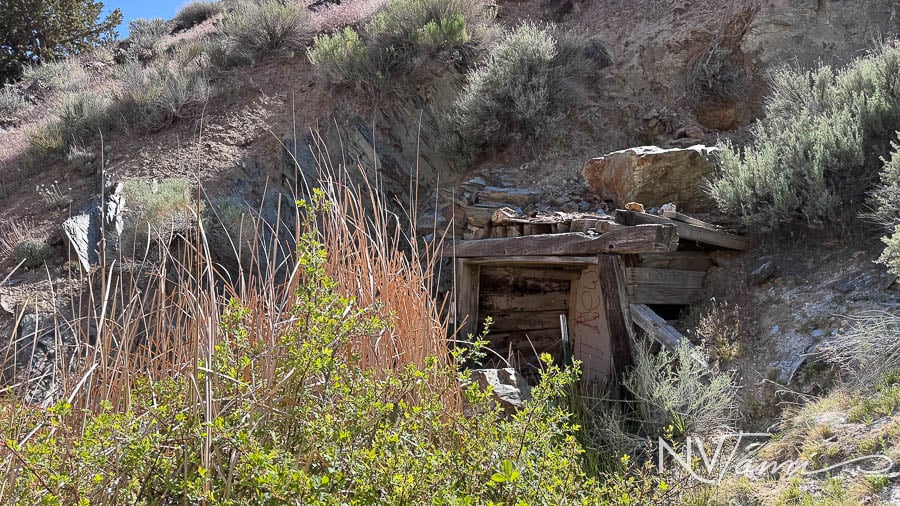
Pronto
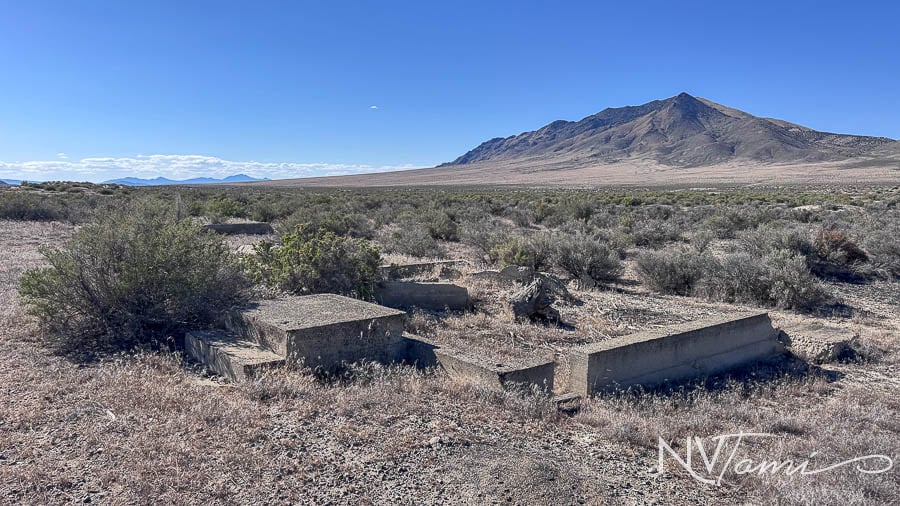
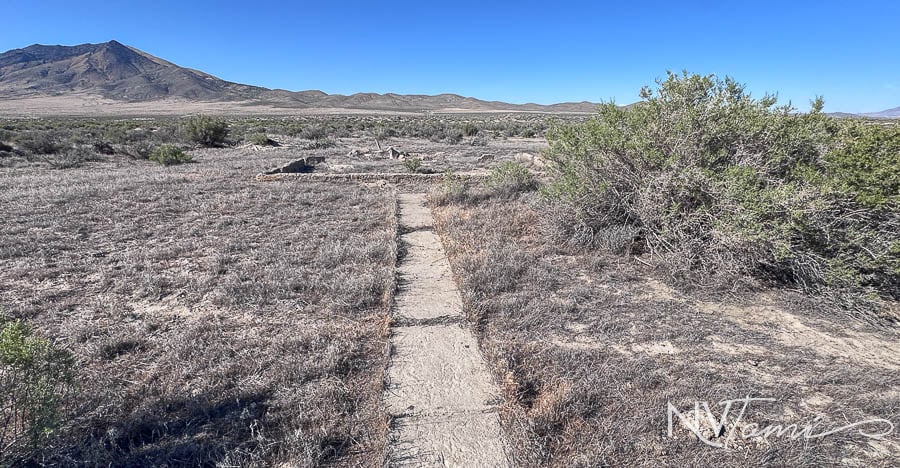
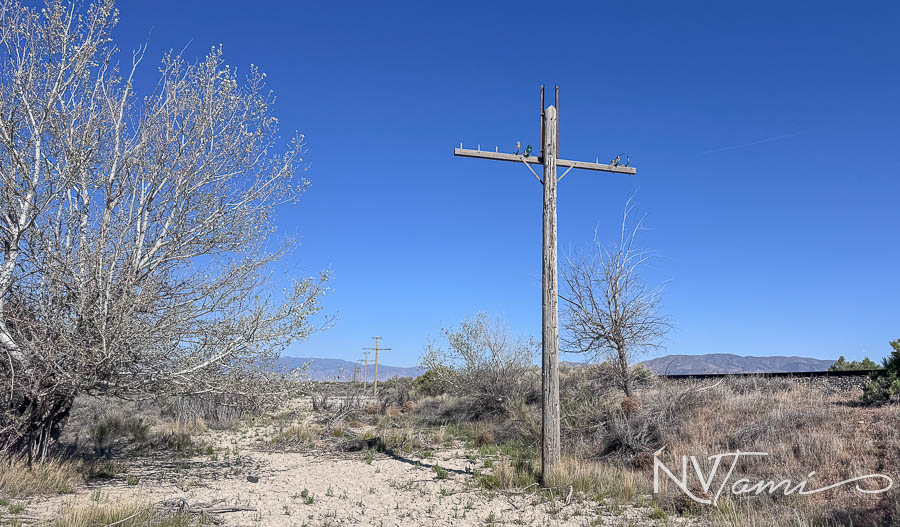
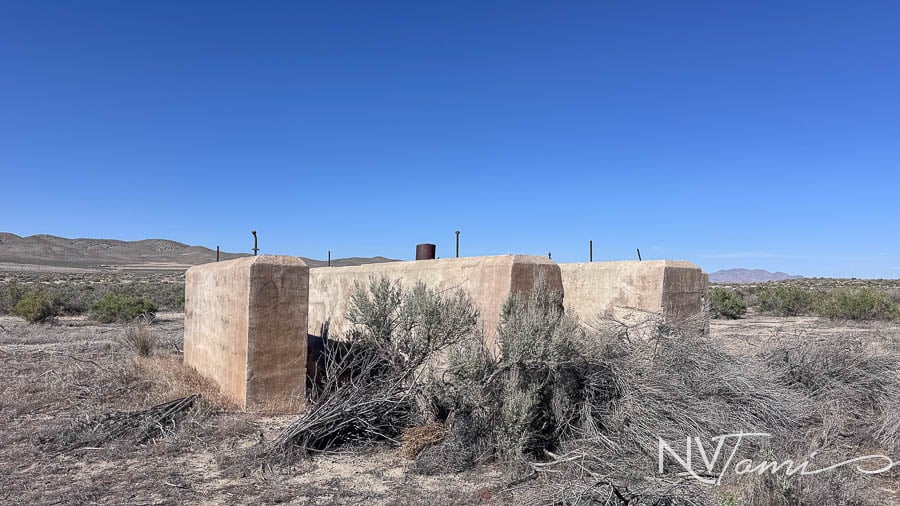
Pronto was a small mining camp associated with the regional mineral activity. Limited ruins remain, but it adds another layer to the story of prospectors chasing riches across northern Nevada.
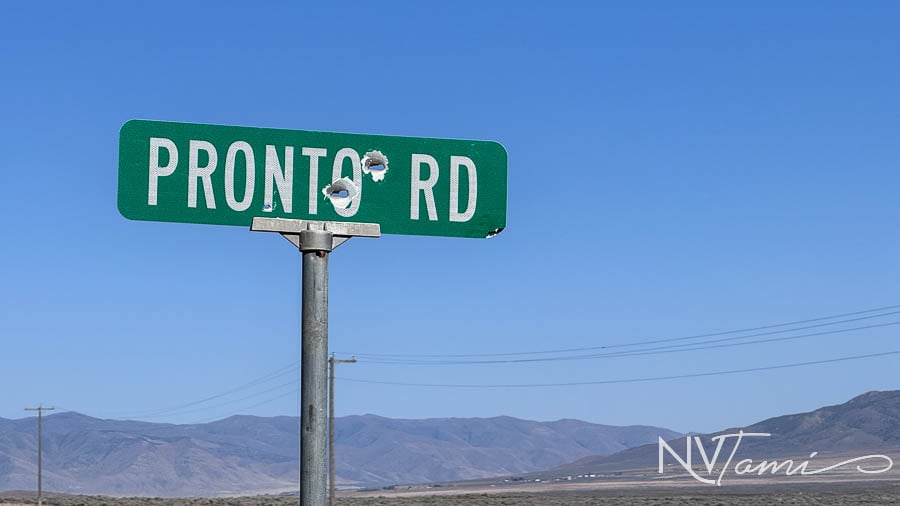
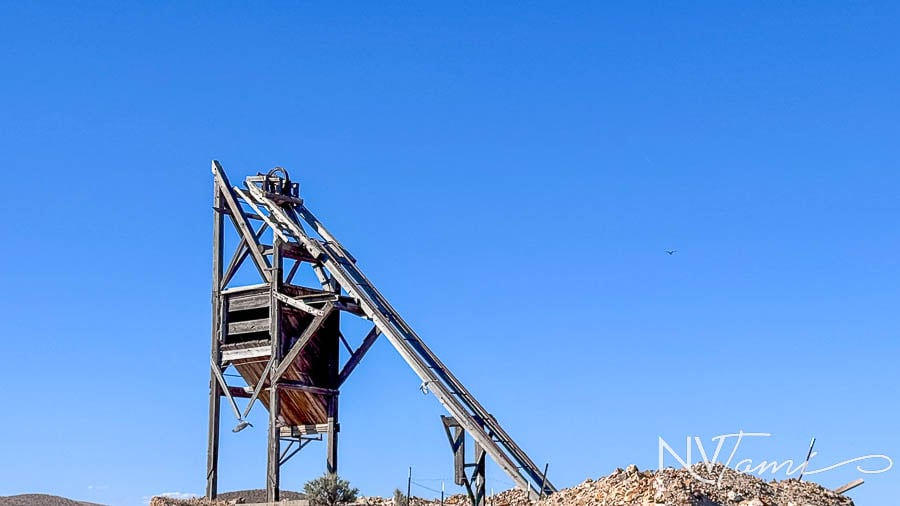
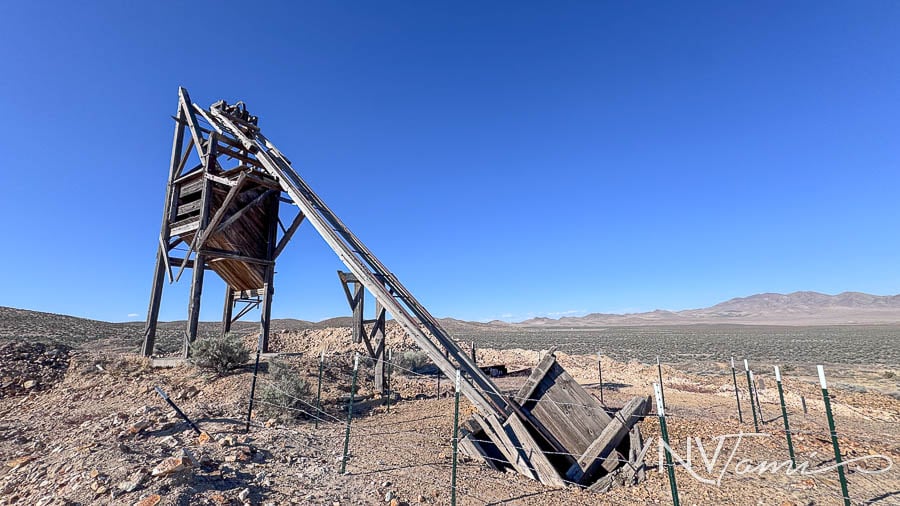
Tenmile Mine
The Tenmile Mine area features mine workings and remnants from the district’s productive years. The surrounding terrain is typical of the high desert mining country around Winnemucca.
Laurel
Laurel was a small settlement or mining-related site. Like many others in the area, it had a modest presence tied to Humboldt County’s larger mining economy. It had a post office from 1911 to 1913.
Dyke
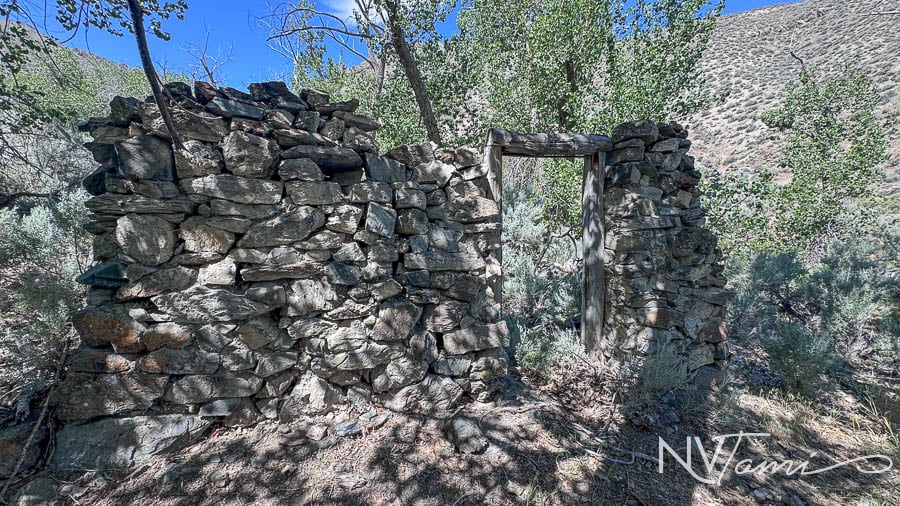
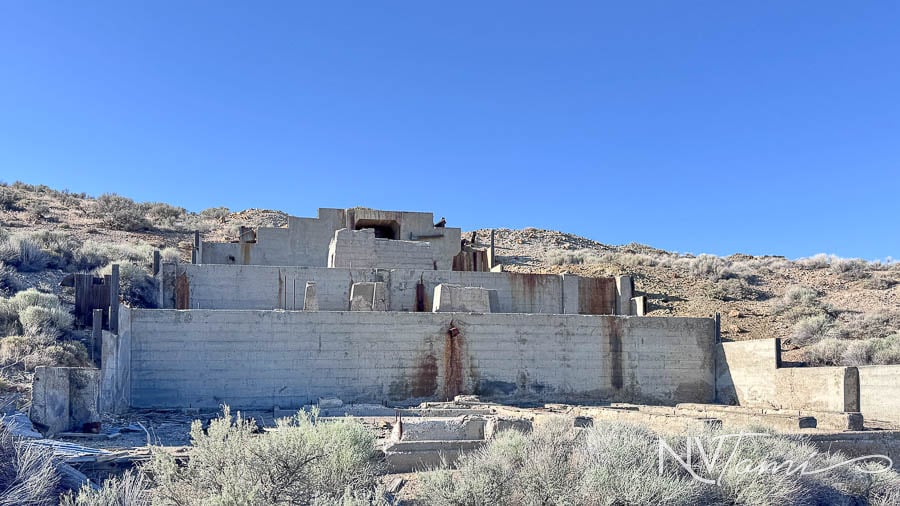
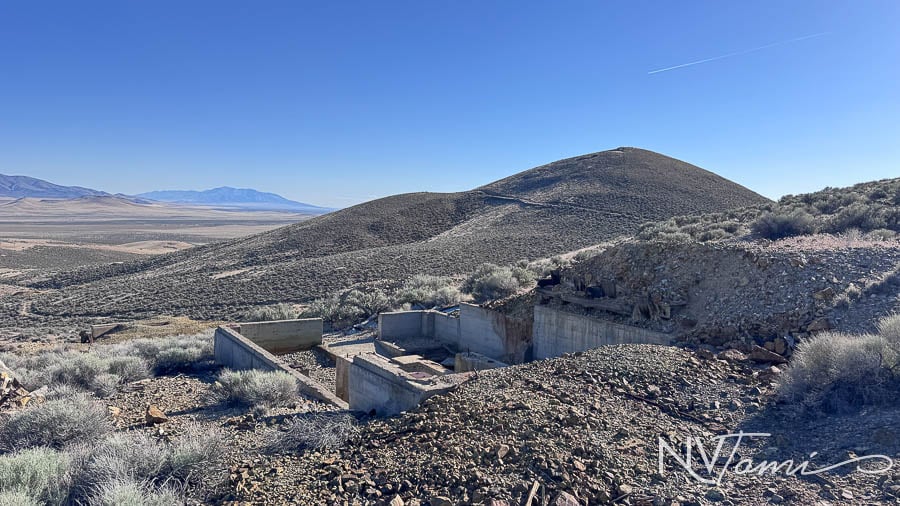
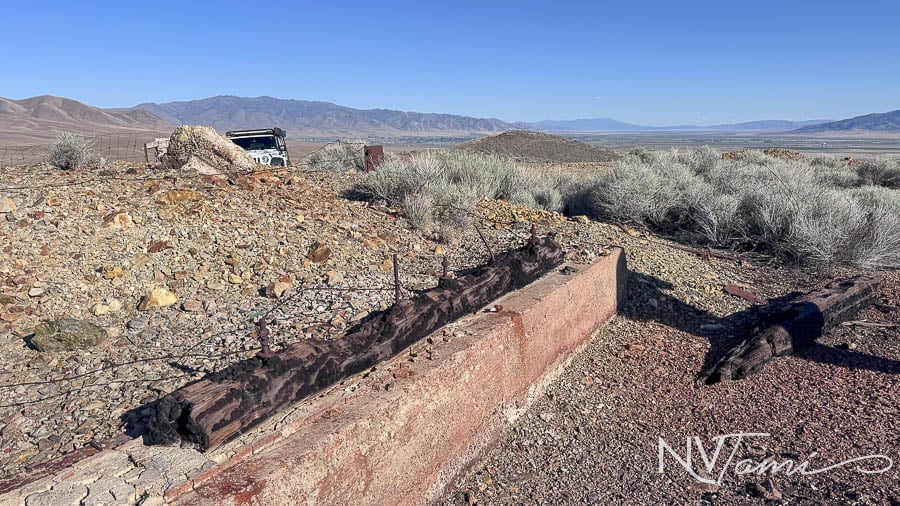
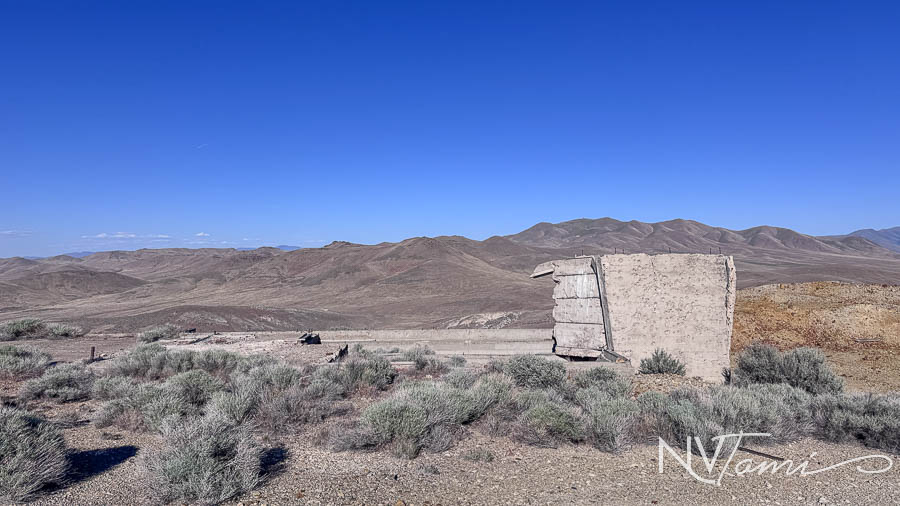
Dyke is a historic mining location with scattered remains. It contributes to the broader picture of the many small camps that sprang up during various mineral rushes.
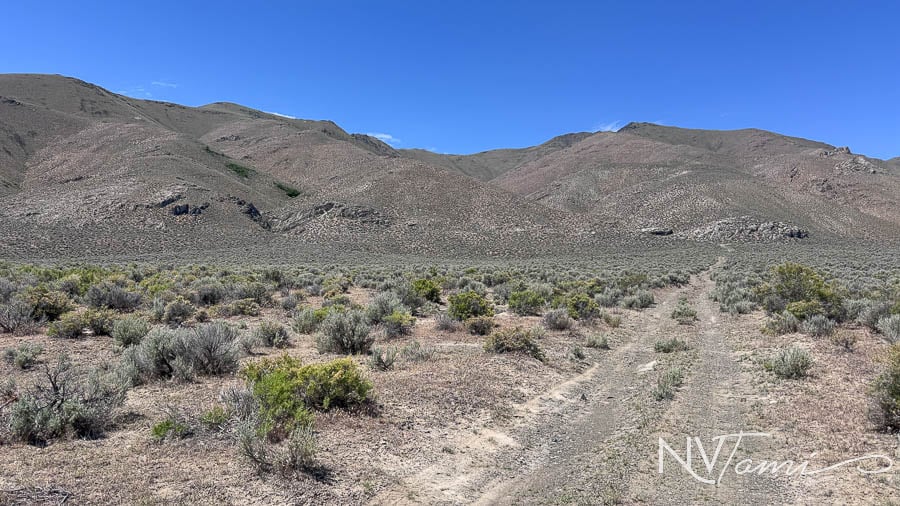
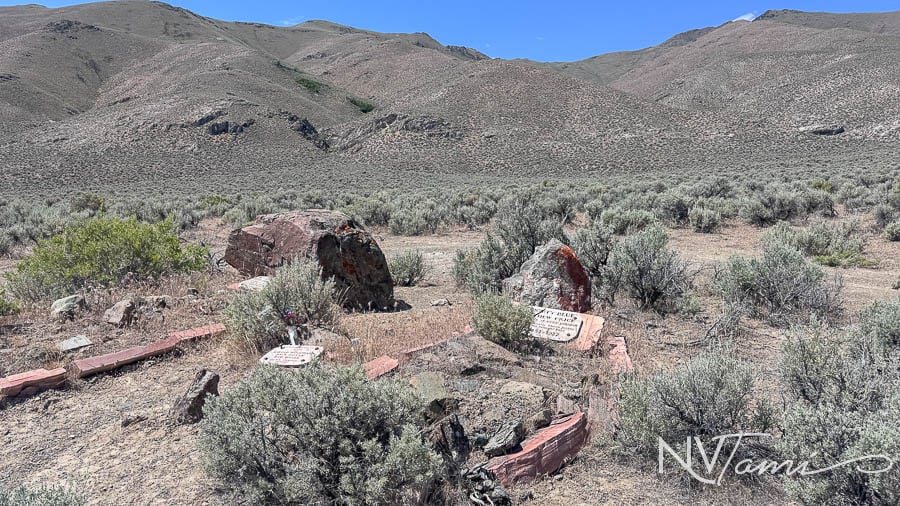
The area had some mining and cattle ranching in the 1870s, but the rush started in 1906. The population reached around 200. The mining camp had a store, two saloons and a stage connecting to Quinn River Crossing.
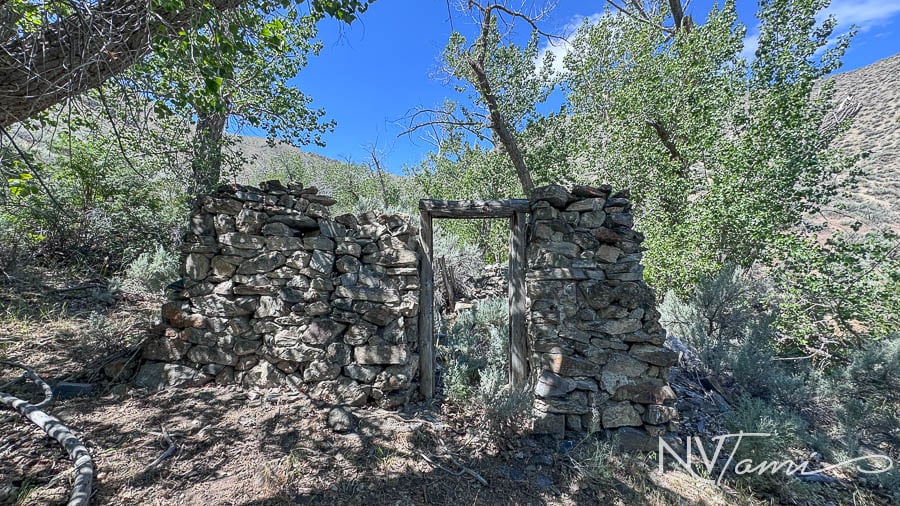
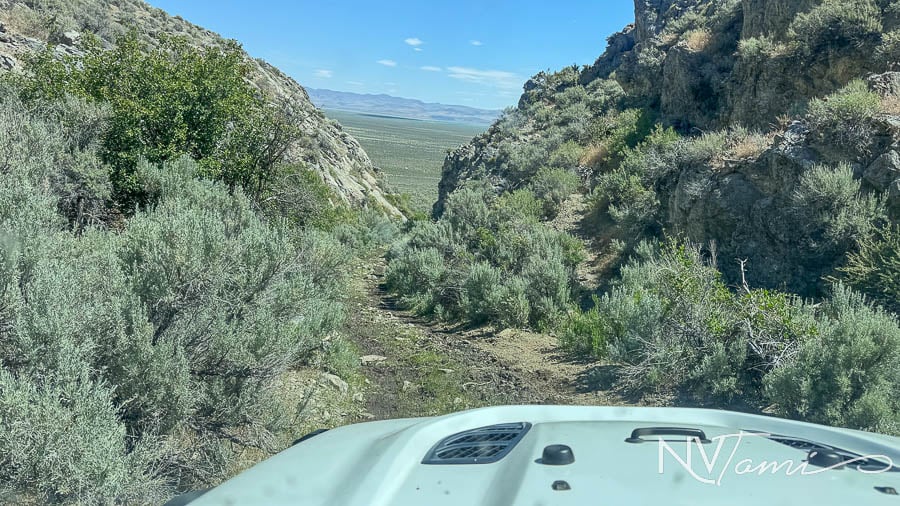
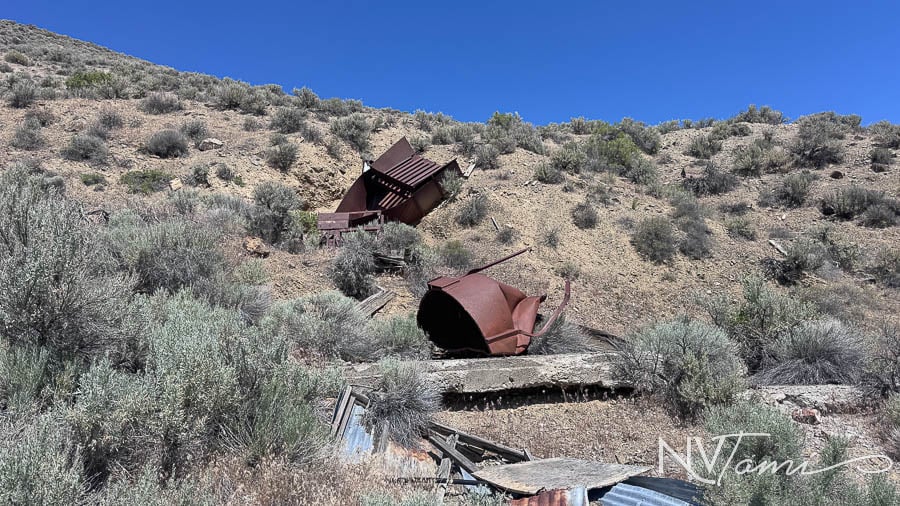
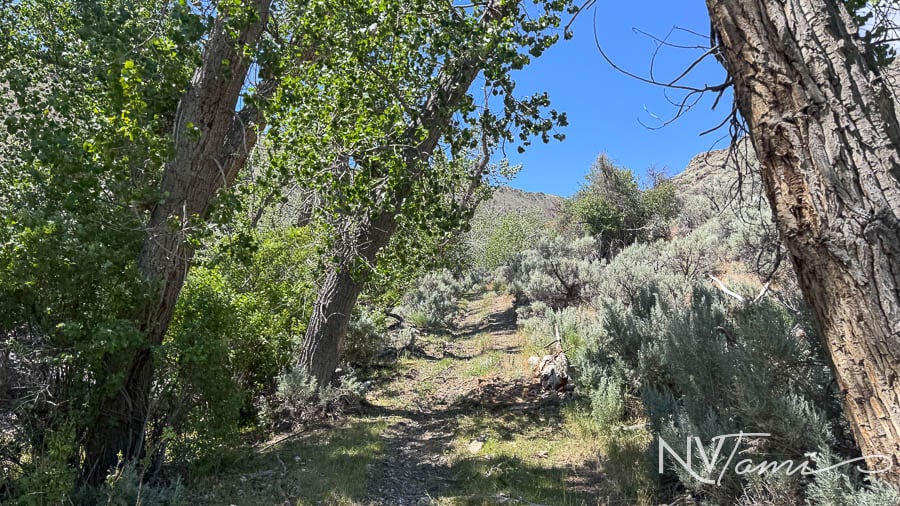
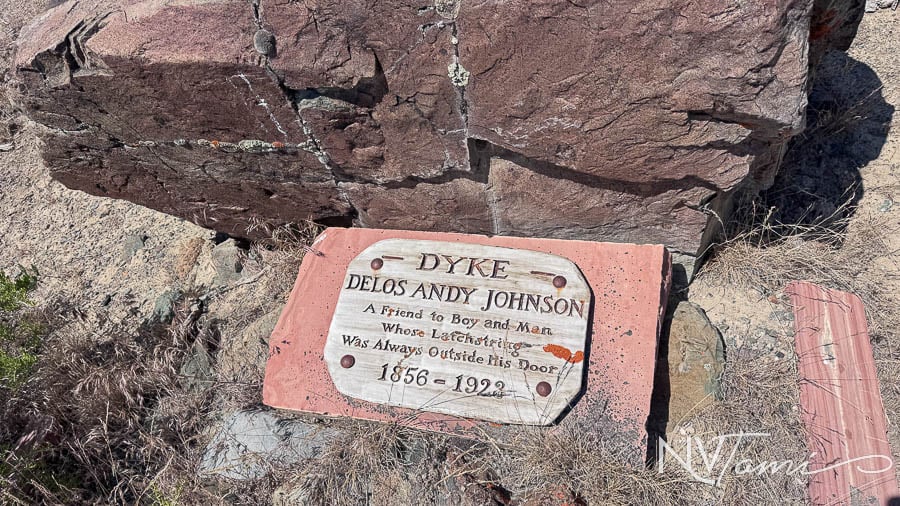
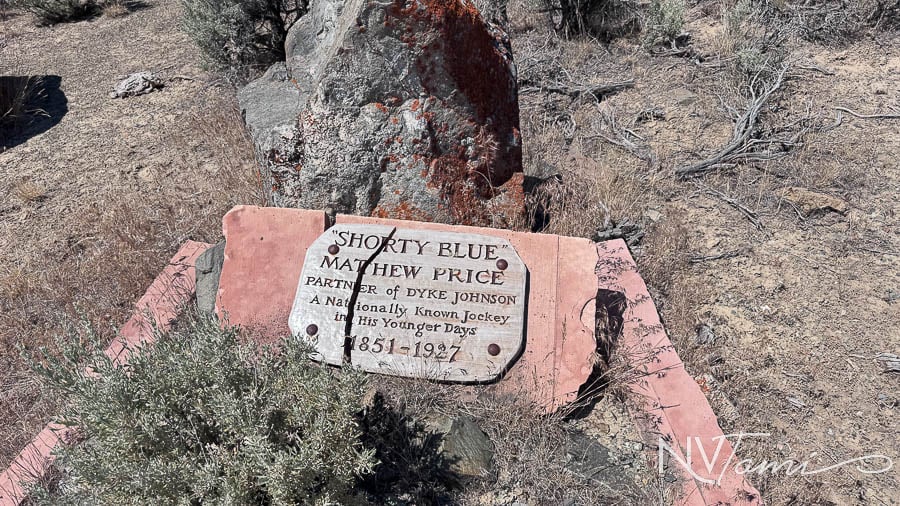
The settlement was likely named after Andy “Dyke” Johnson, who had claims and a saloon. He built a stone house in the canyon. Following his death in 1923, he was buried alongside his partner, “Shorty Blue” Mahtew Price. It is rumored that the Tiller brothers mined the canyon in the 1930s and were bootleggers during Prohibition.
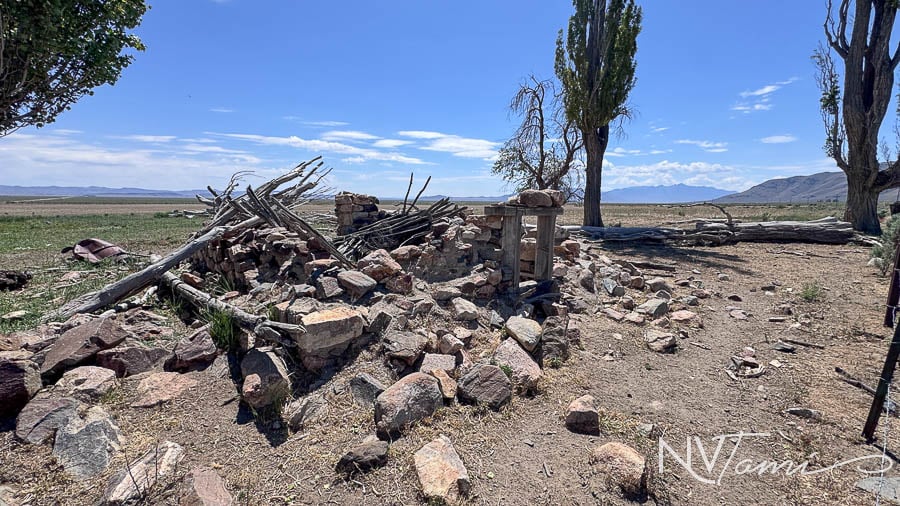
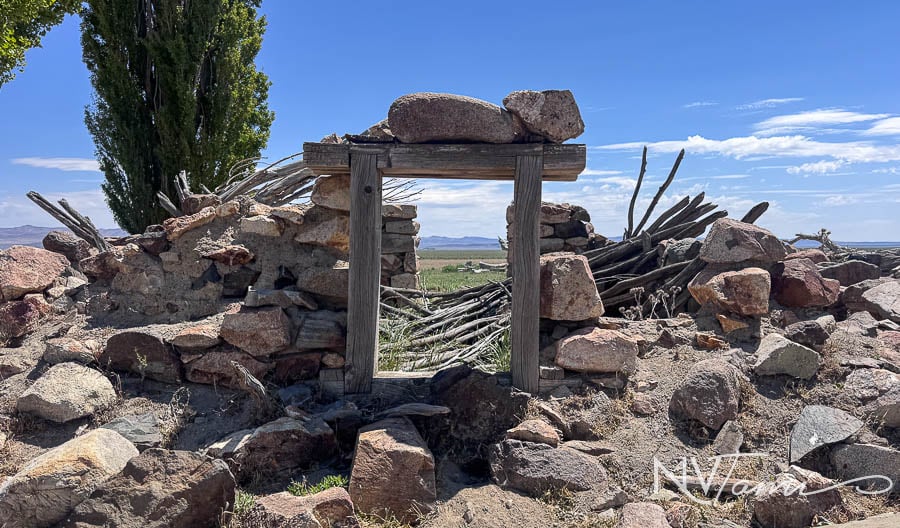
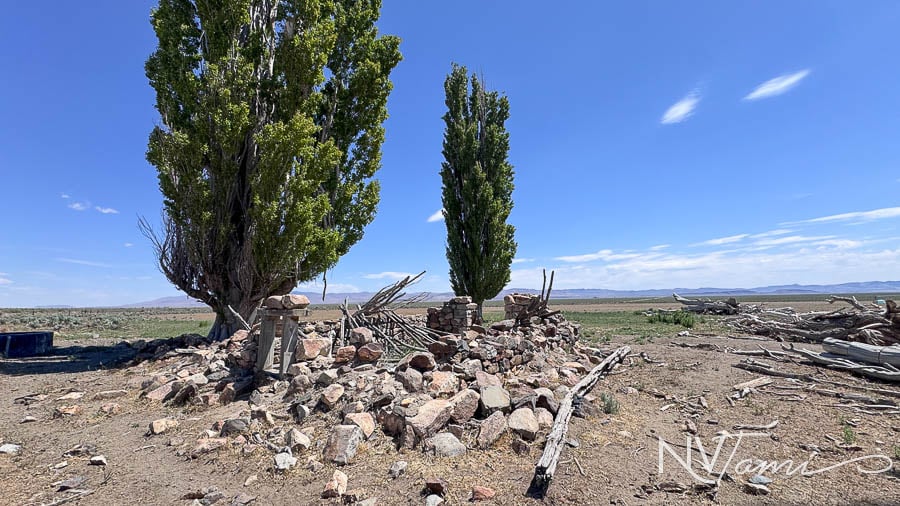
Upper Woodward Ranch?
This may be the Upper Woodward Ranch.
Pearl Camp
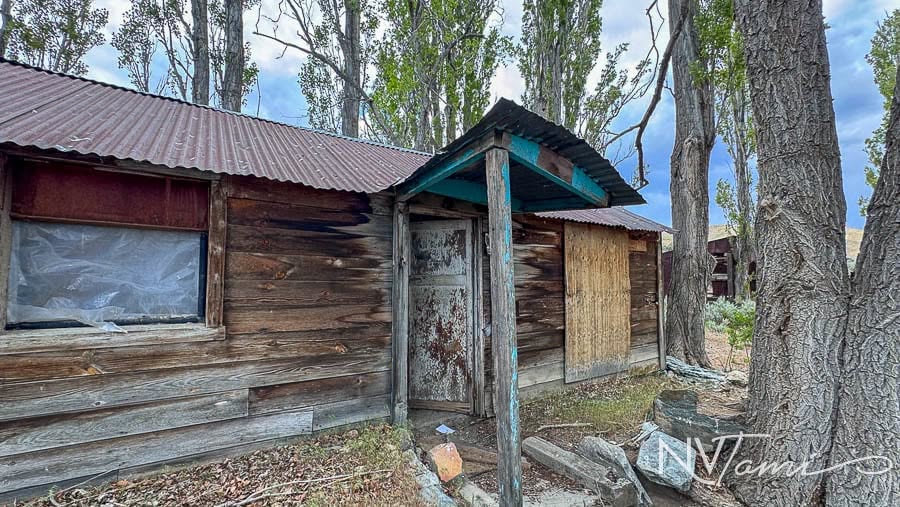
Pearl Camp was a small mining camp in the area. Its remains are modest but help illustrate the network of satellite camps that supported the larger mining towns.
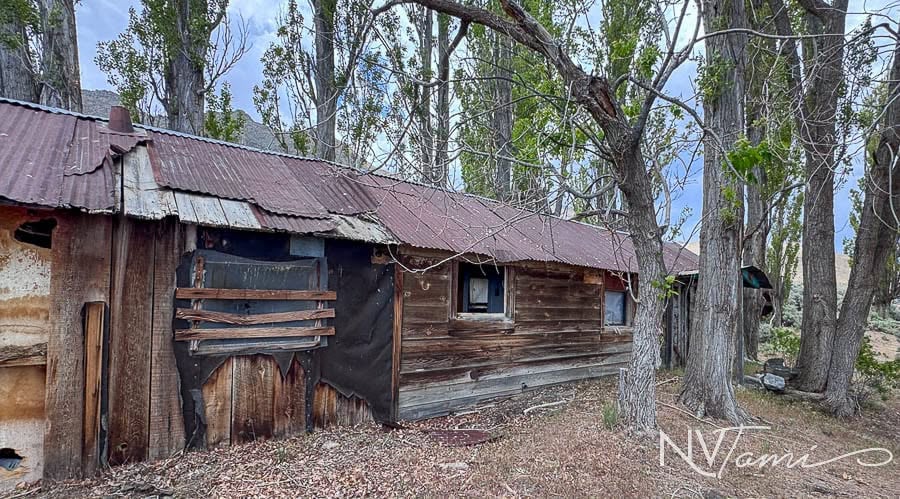
Married to a mining engineer, Josie followed her husband from mining camp to mining camp, eventually landing in Goldfield in 1904. Following her husband’s death in 1922, she moved around Nevada until she settled outside the Black Rock Desert.
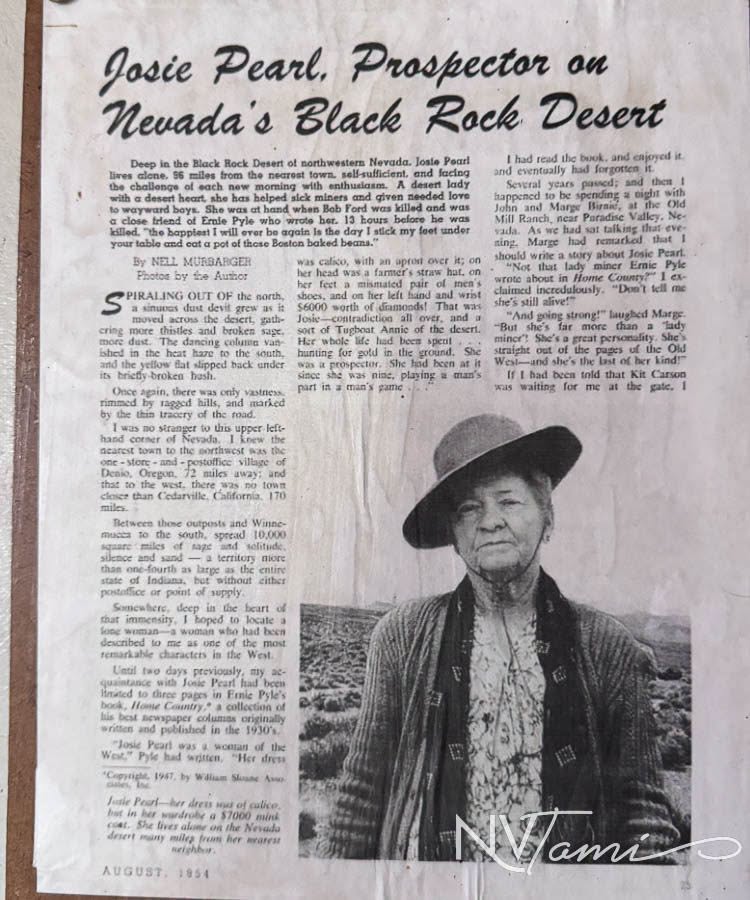
She created her first permanent home and worked the claims for four decades. She never struck it big, but earned enough to make a living. Female miners are rare, especially one who mined for so many years by herself. I look forward to her story!
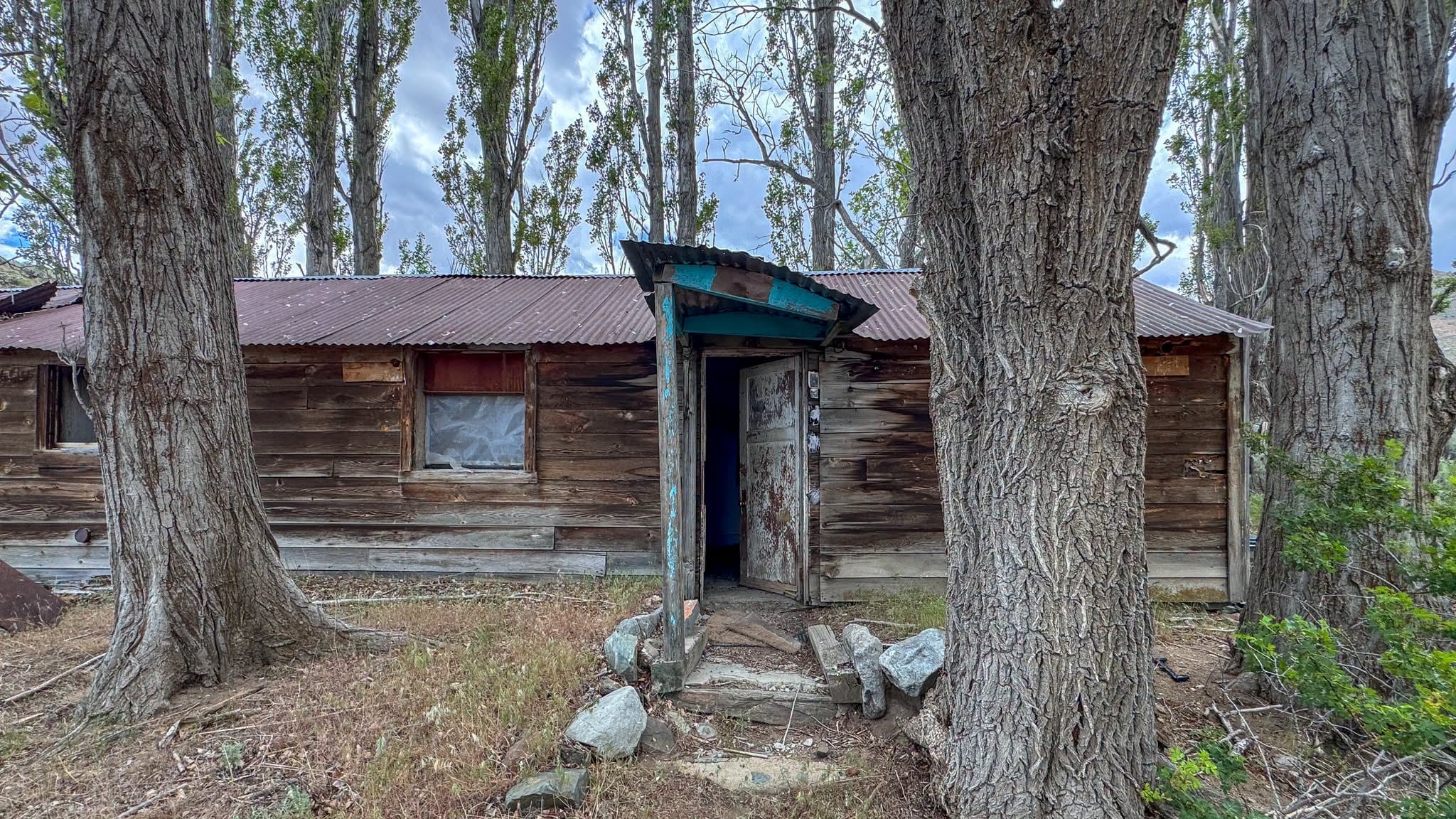
Of the places I’ve visited, this is at the top of my list to write about. I was afraid it was destroyed by fire last summer, but thankfully it survived.
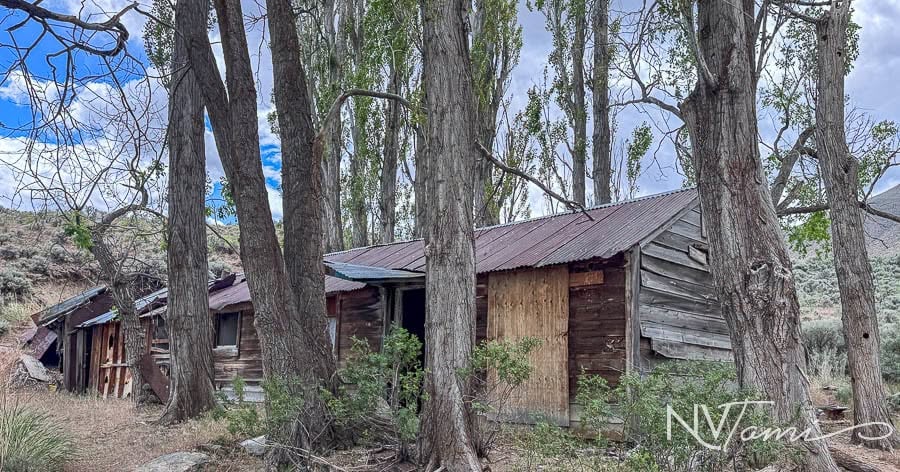
Cove Camp
Cove Camp is another lesser-known site with limited but interesting remnants. While mining was active in the area, ranching was also a primary industry. These out-of-the-way spots are favorites for dedicated ghost town explorers.
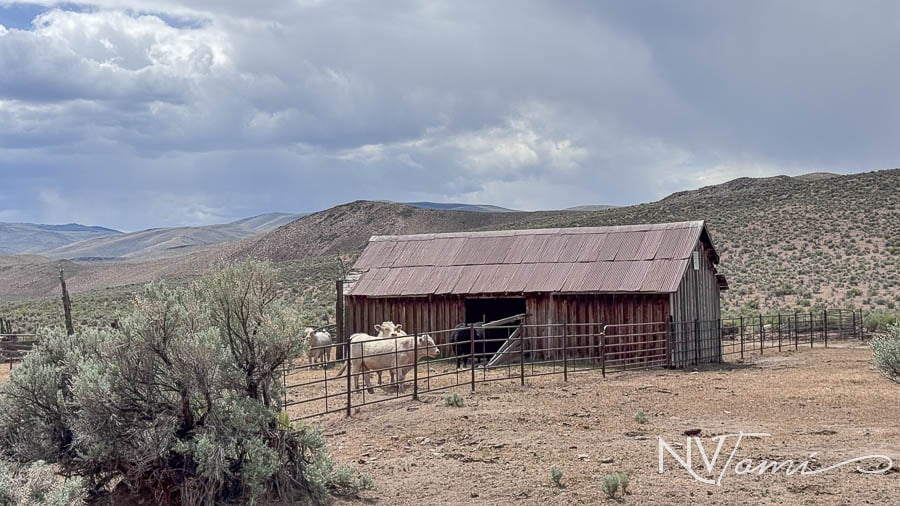
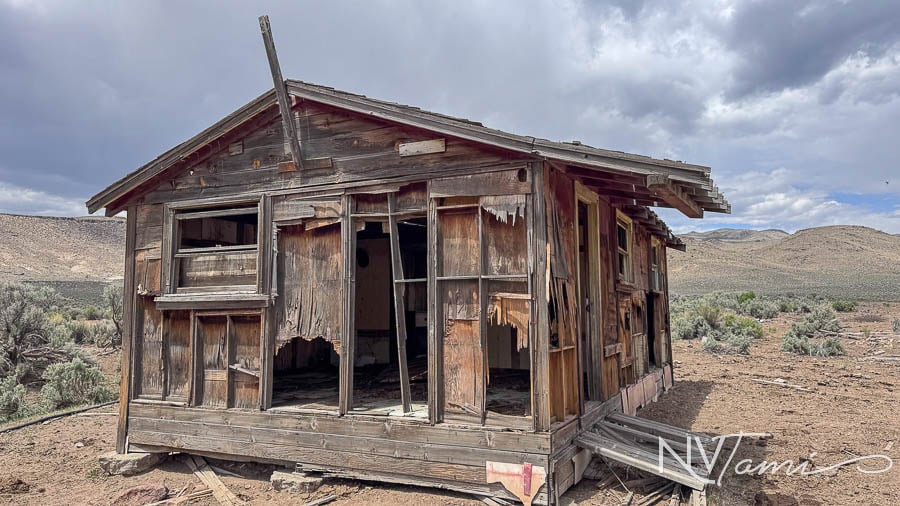
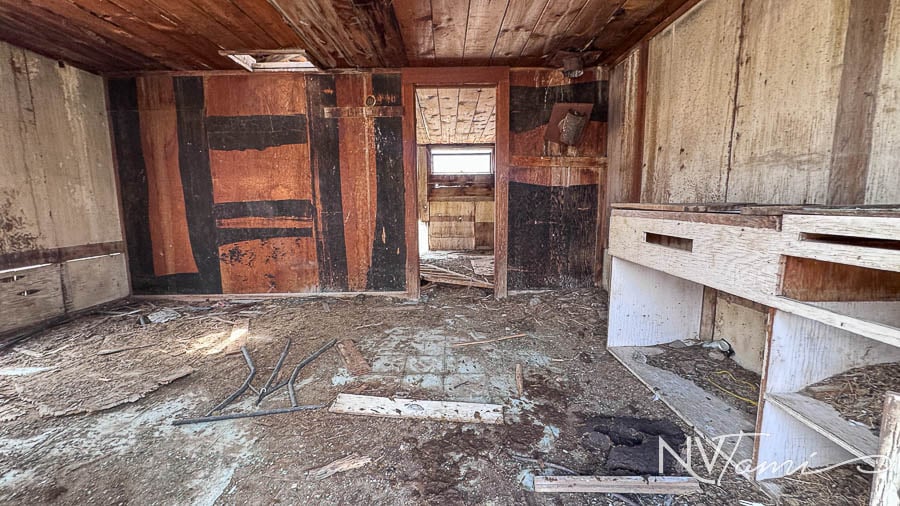
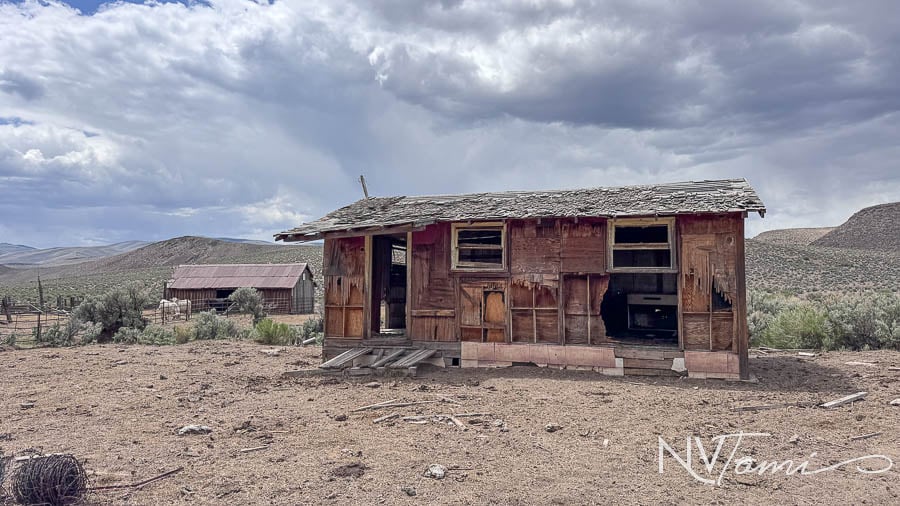
Knott Creek Ranch
Knott Creek Ranch is a historic working ranch in the region. These family operations have deep roots and continue to define the economy and culture of northern Nevada’s high desert. The ranch is still actively worked.
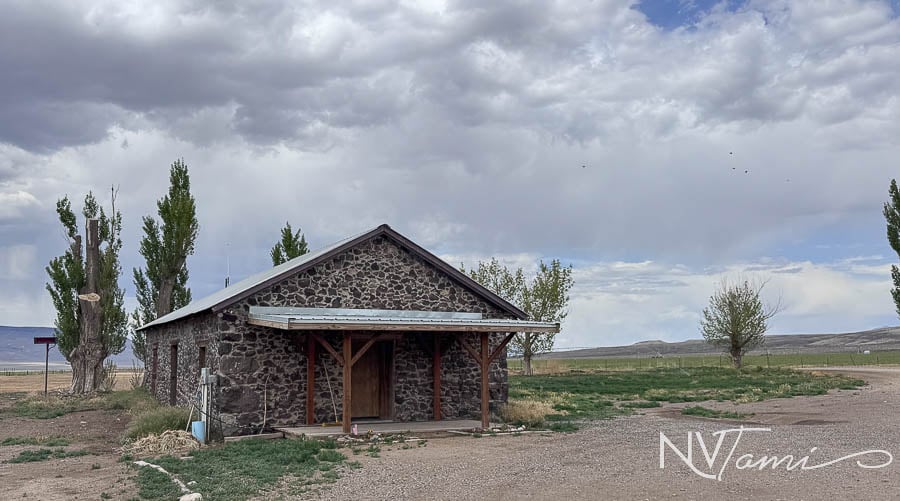
Fort McDermitt
Fort McDermitt was a U.S. Army post established in the 1860s to protect the area during the Indian Wars. It later became an important reservation and community center for the Paiute people.
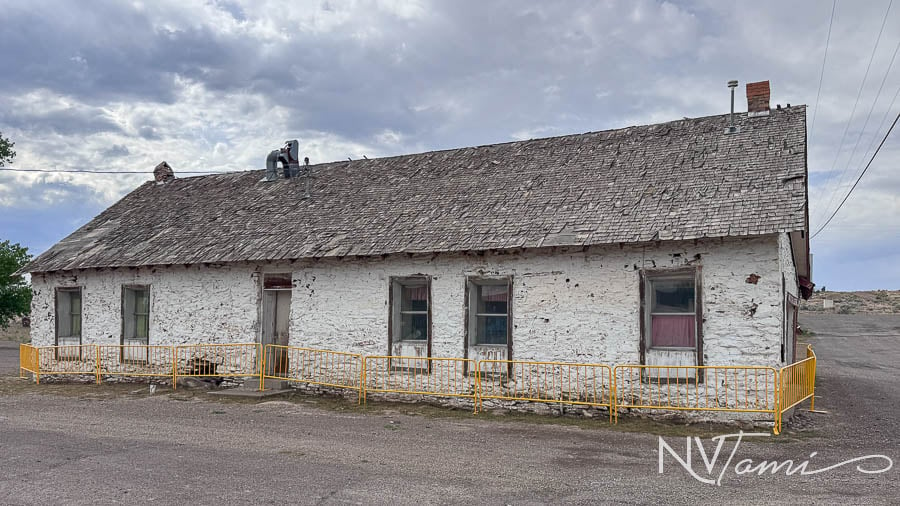
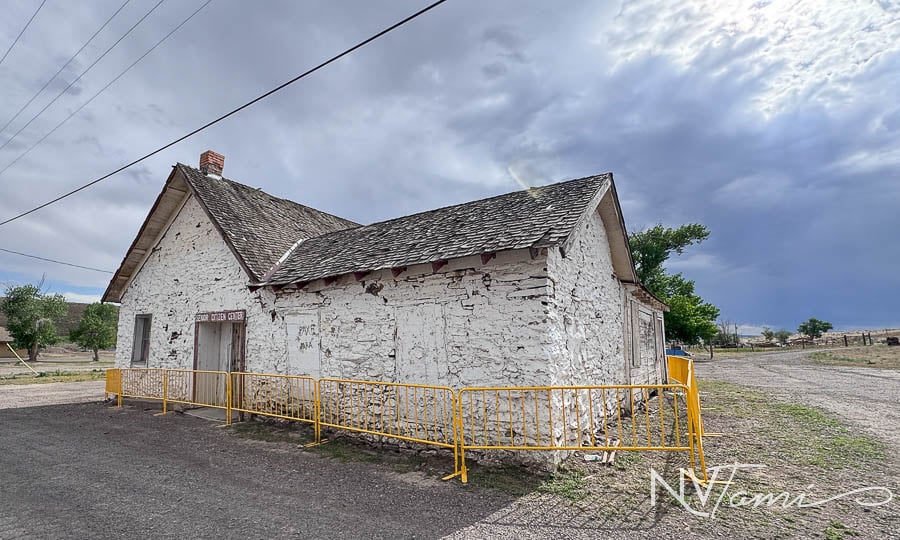
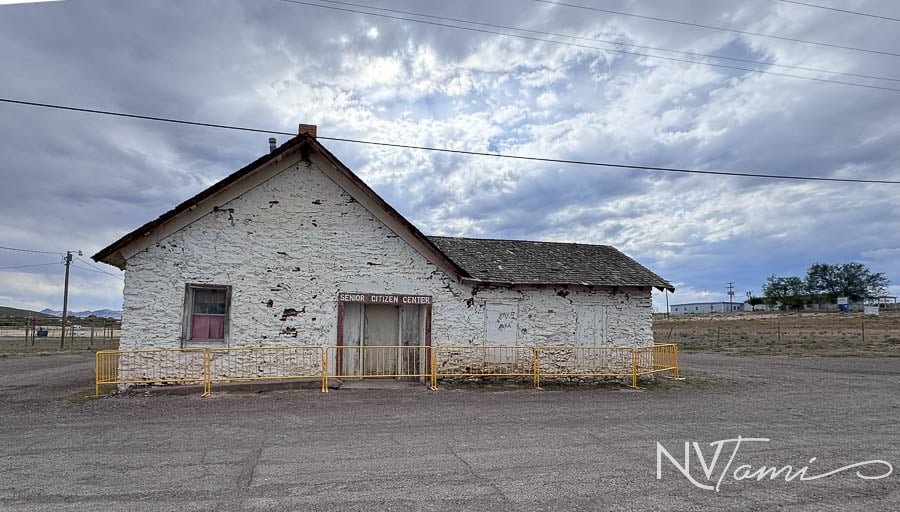
Fort McDermitt was established in 1865 to protect the area during the Indian Wars. It included adobe, stone, and wood buildings arranged around a rectangular parade ground. It was the longest-serving U.S. Army fort in Nevada when it closed in 1889. The grounds became the Fort McDermitt Reservation. Two original structures remain, a building and the jail.
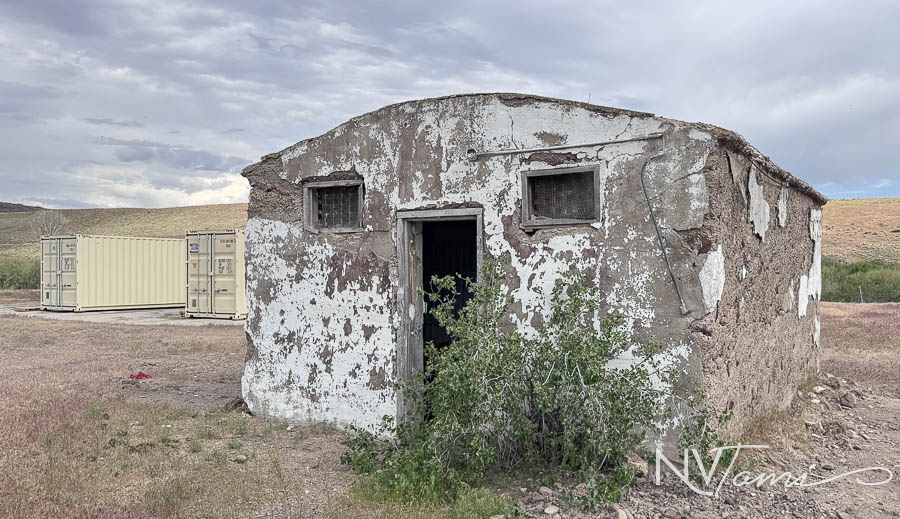
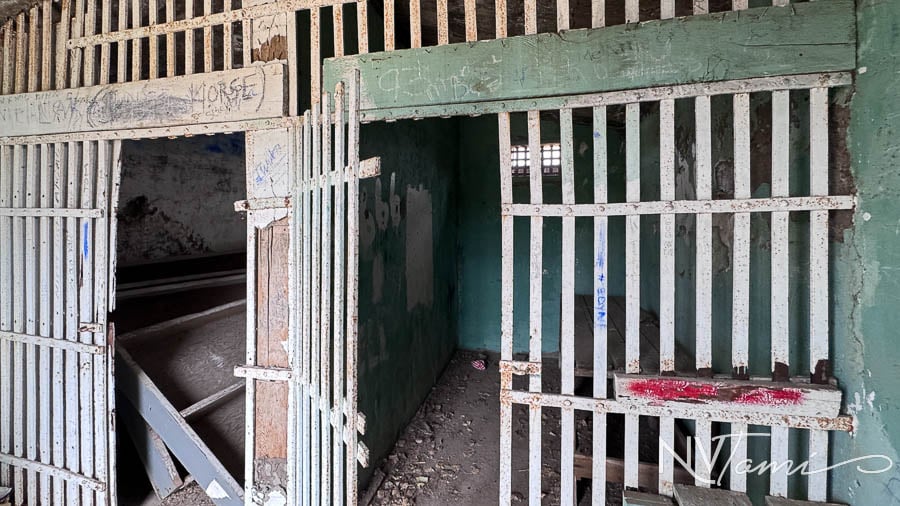
McDermitt
McDermitt is a small community near the Oregon border with a long history tied to mining, ranching, and the military. The area is known for its cinnabar (mercury) deposits and continues to reflect the region’s frontier character. Growing up, I’m unsure how many times I drove through McDermitt without realizing the cool history and buildings and wooden sidewalk.
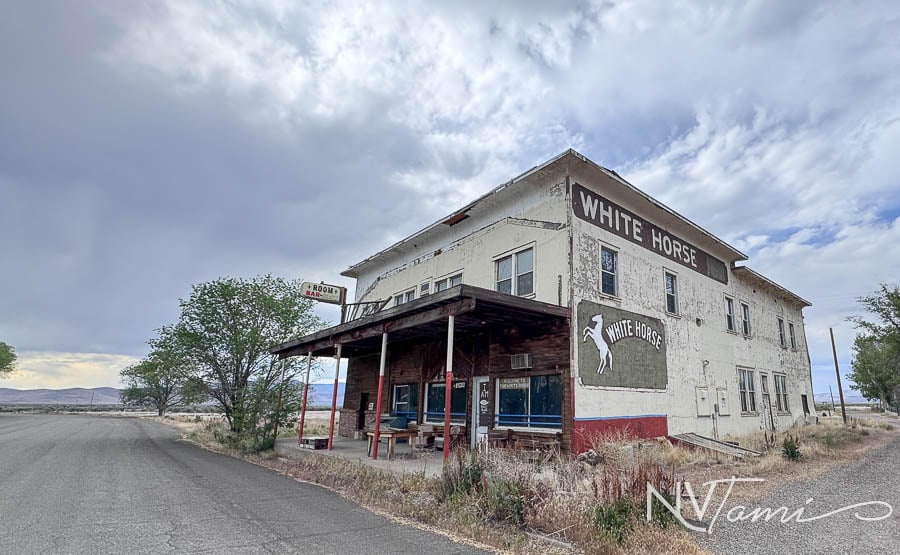
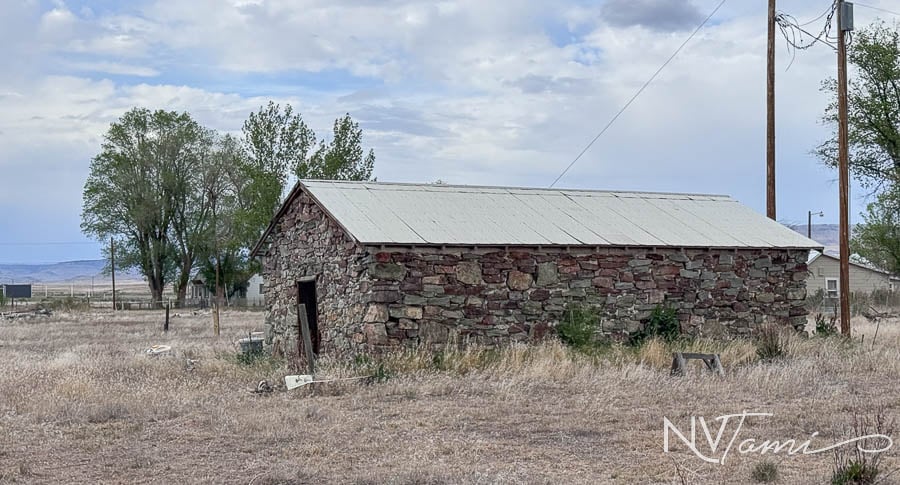
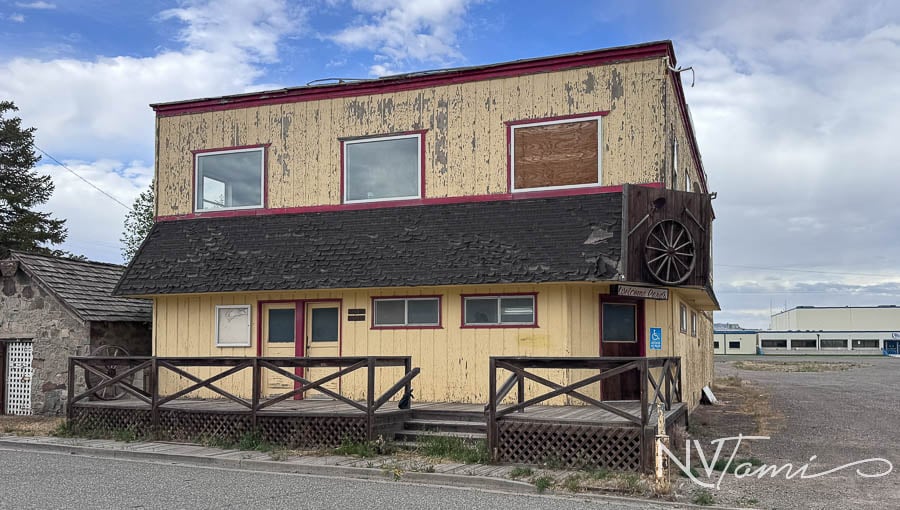
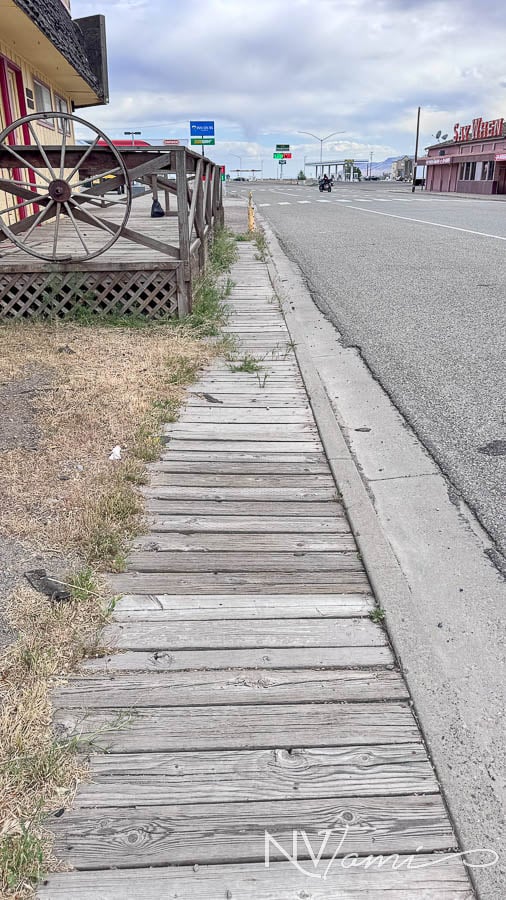
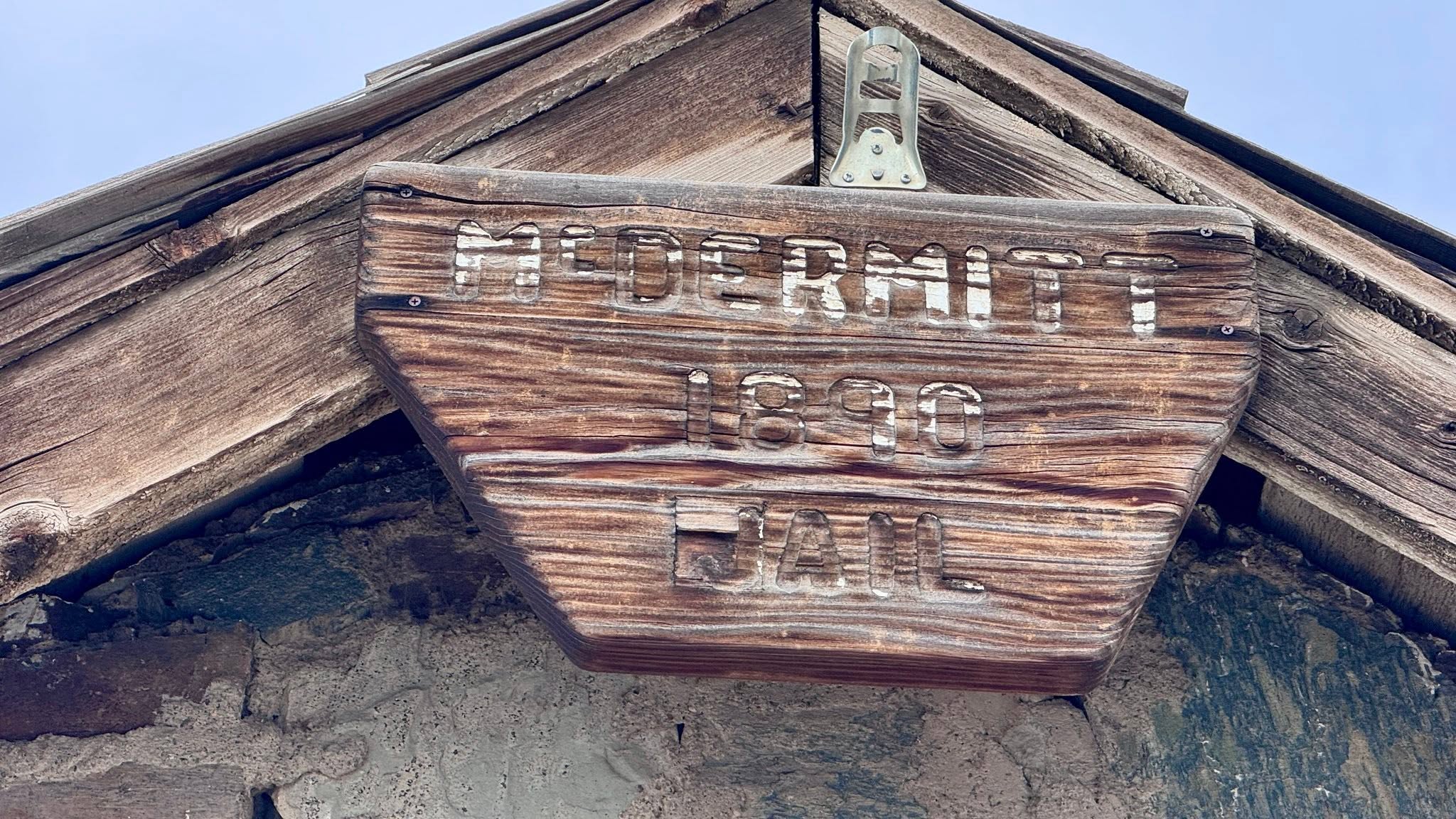
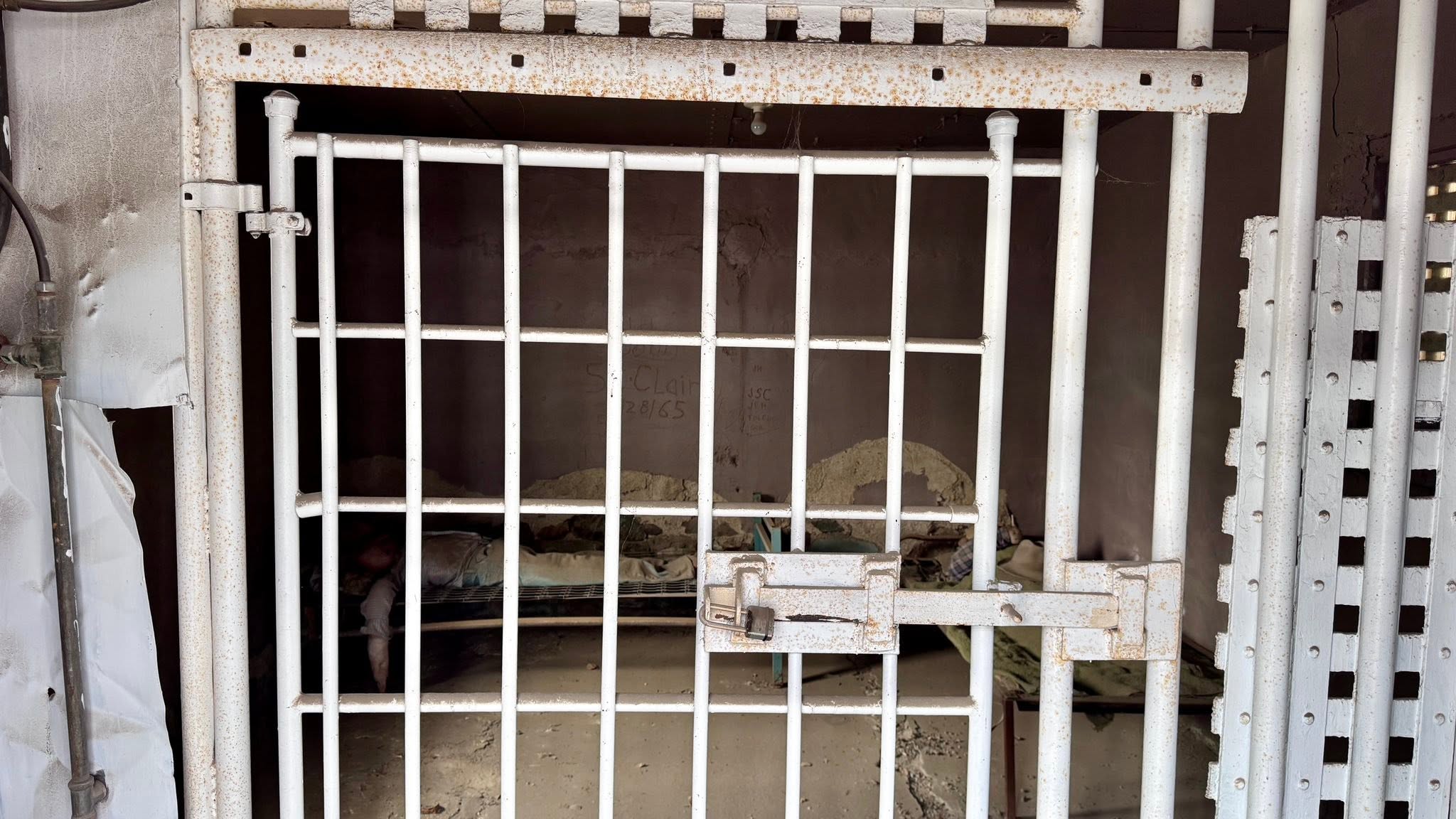
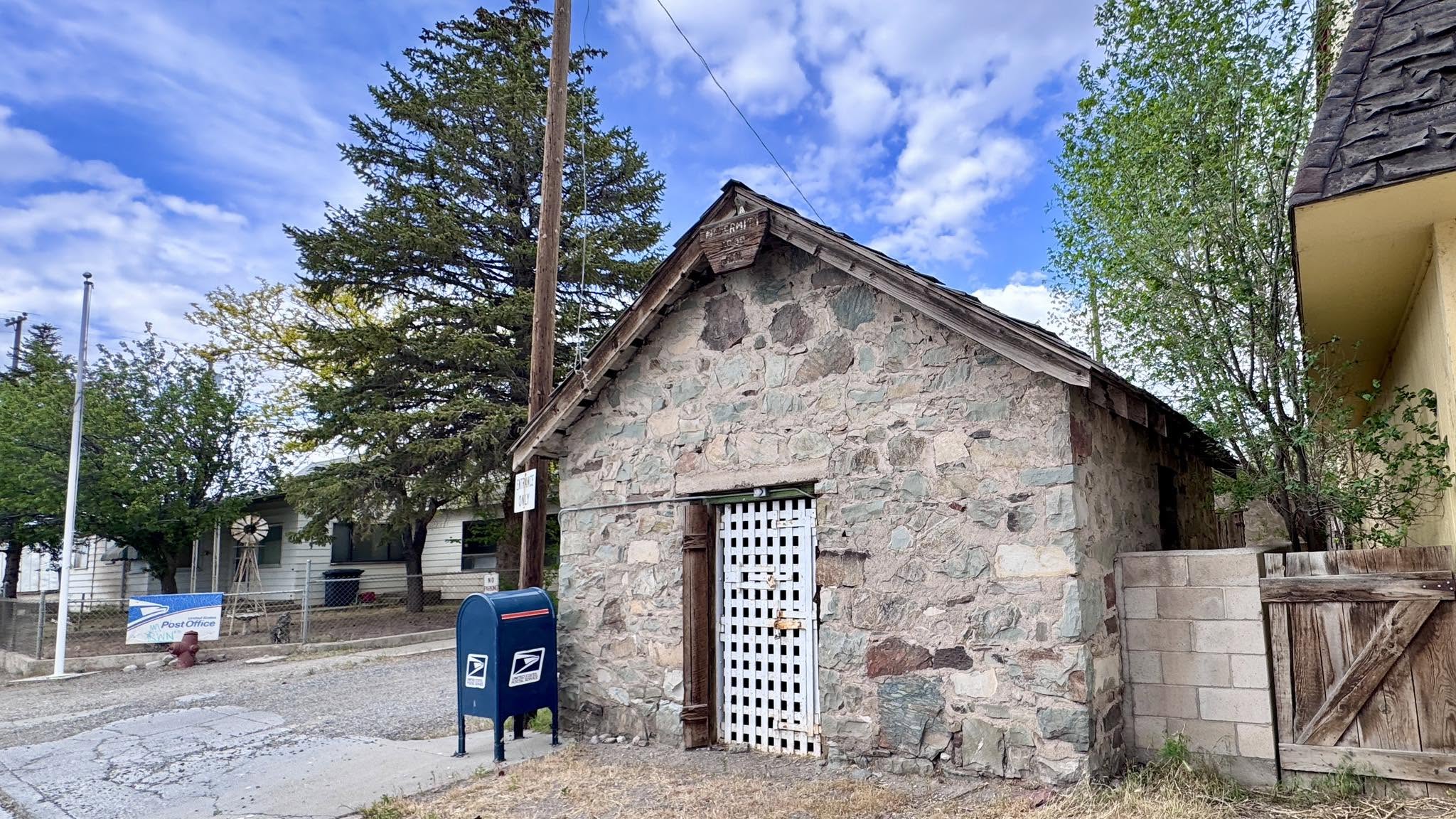
The coolest is the McDermitt Jail, built in 1890. They open it for special events. You can take a picture inside the cell… and they promise if they put you in jail, they will let you back out
Cordero
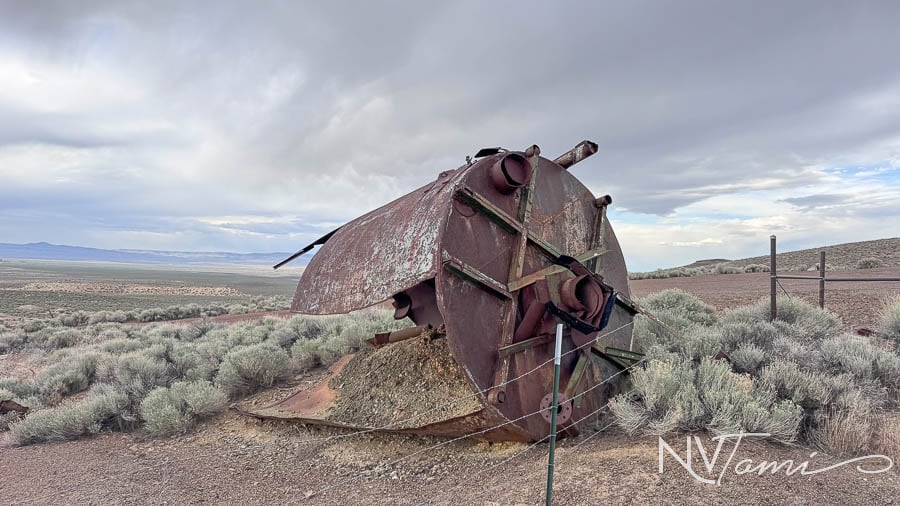
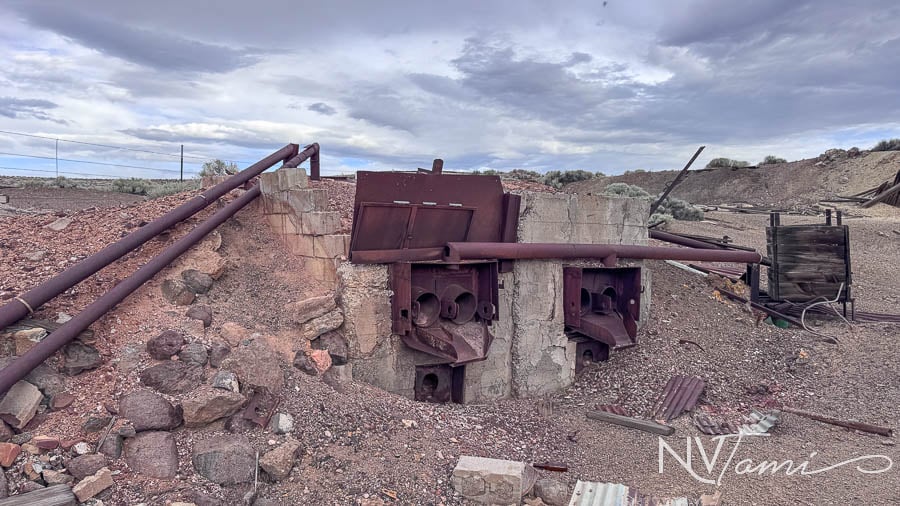
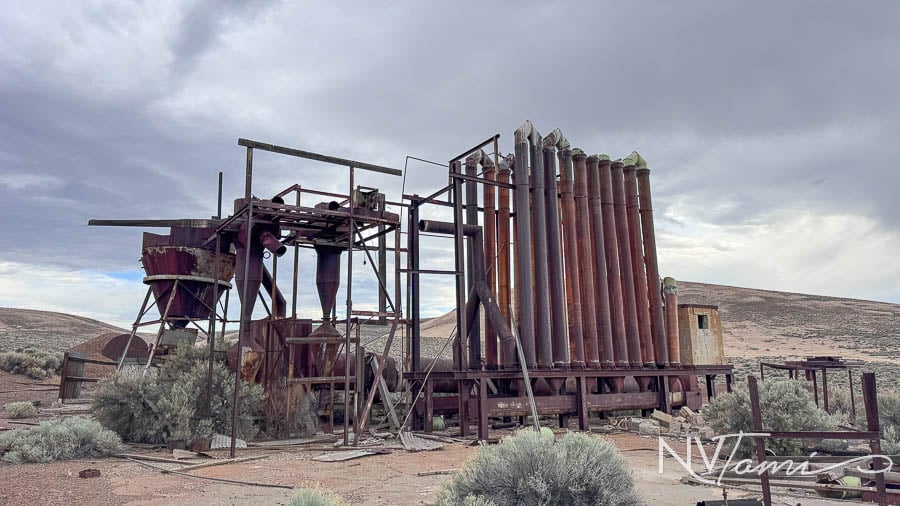
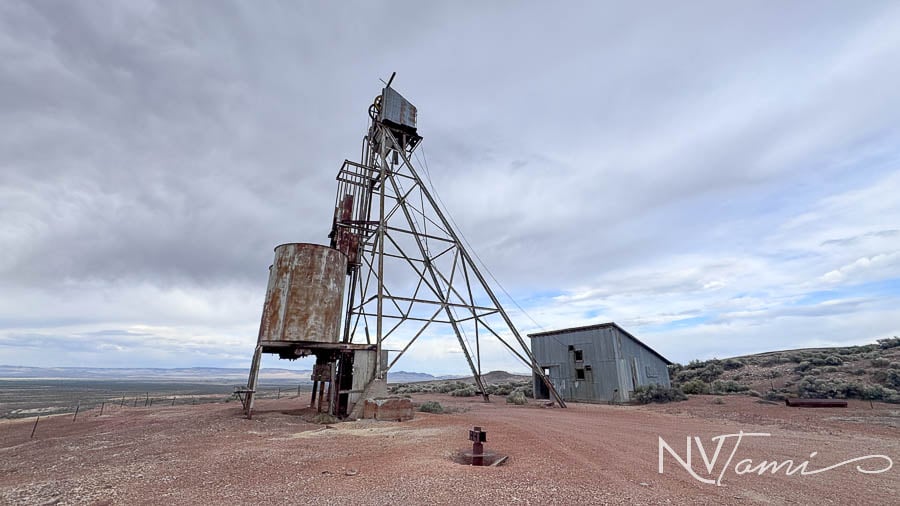
Cordero was associated with mercury mining operations. The site reflects Nevada’s important role in producing mercury, which was critical for gold and silver processing.
Orovada
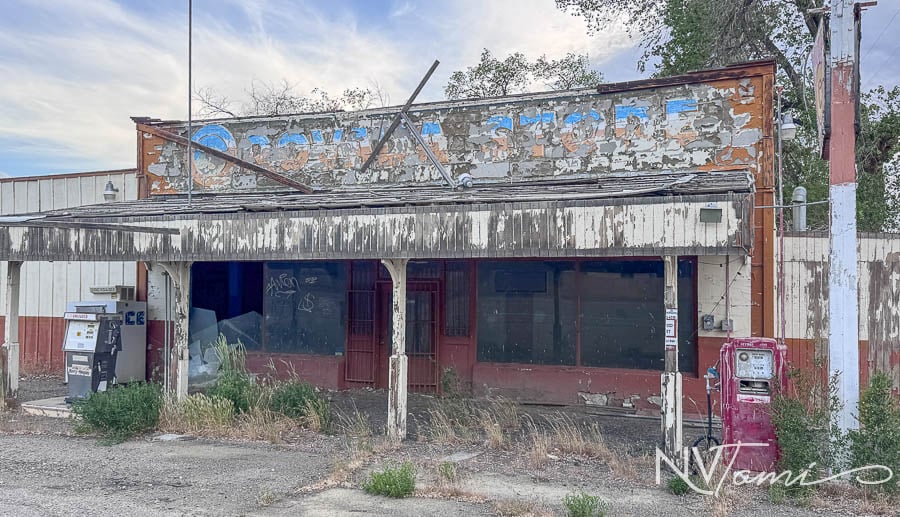
Orovada is a small agricultural and ranching community north of Winnemucca. It offers a glimpse into modern rural life in Humboldt County while retaining historic roots. It is another little town I’ve driven past too many times to count and never stopped.
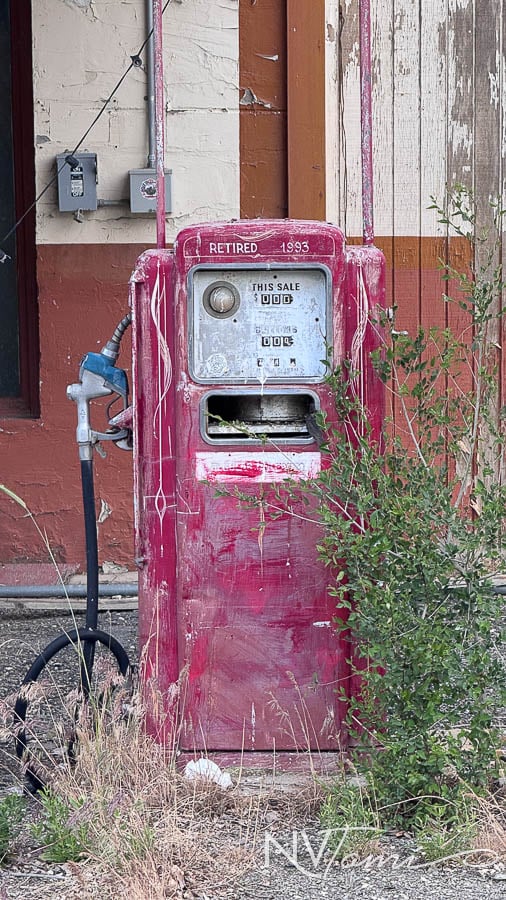
Cosgrave
Cosgrave was a railroad and mining-related stop along the old Western Pacific line. It started as Raspberry Creek Station, where engines could get water for their boilers. Remnants tell the story of transportation’s role in opening up northern Nevada.
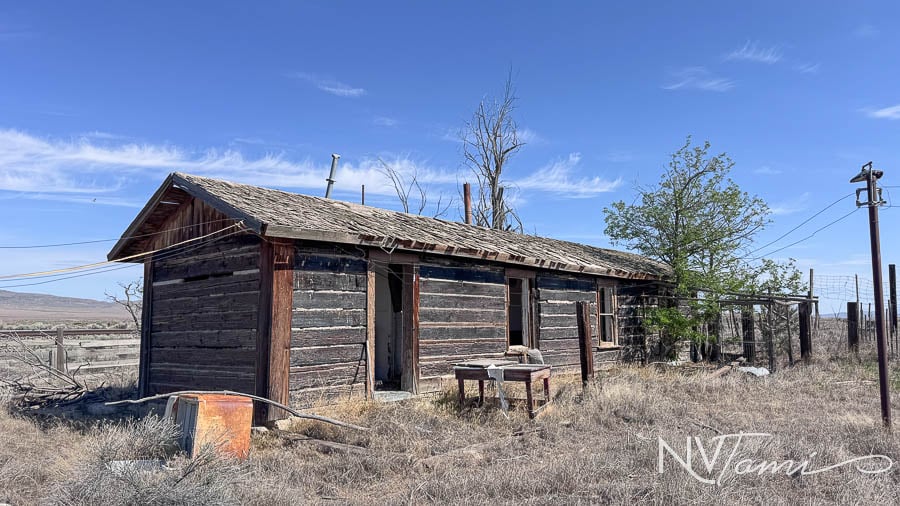
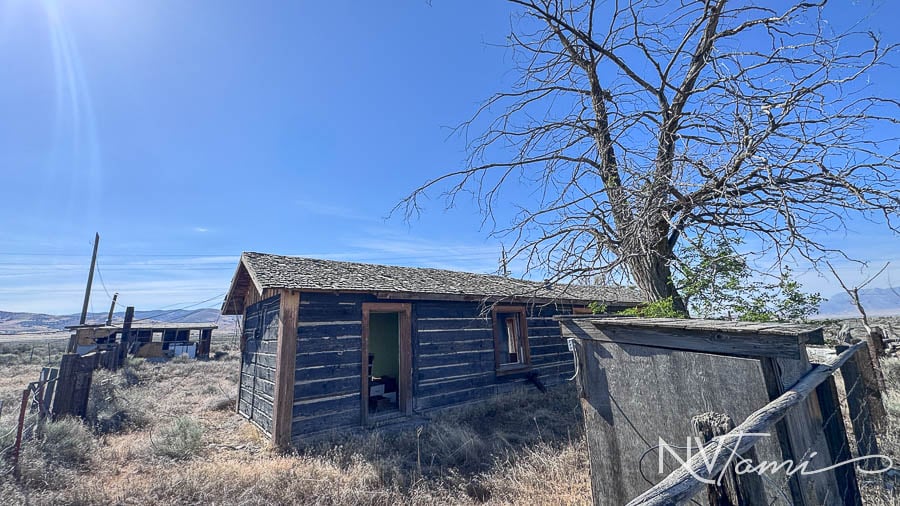
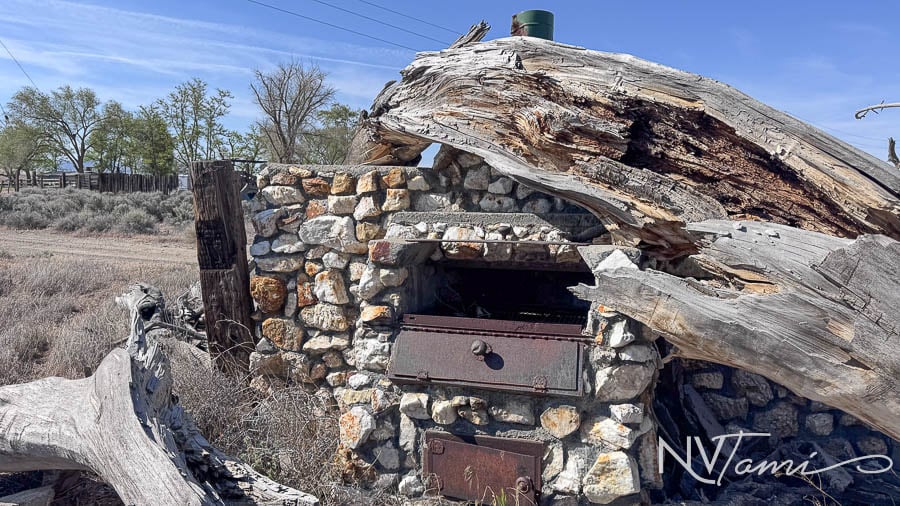
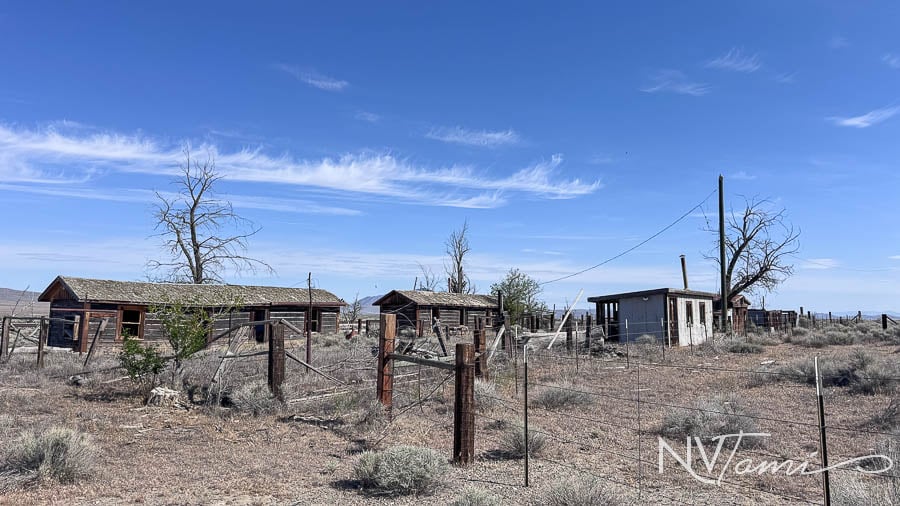
Dun Glen Cemetery
The Dun Glen Cemetery is a quiet, windswept site containing graves from the town’s active mining days. It serves as a poignant reminder of the people who lived, worked, and died in these remote camps.
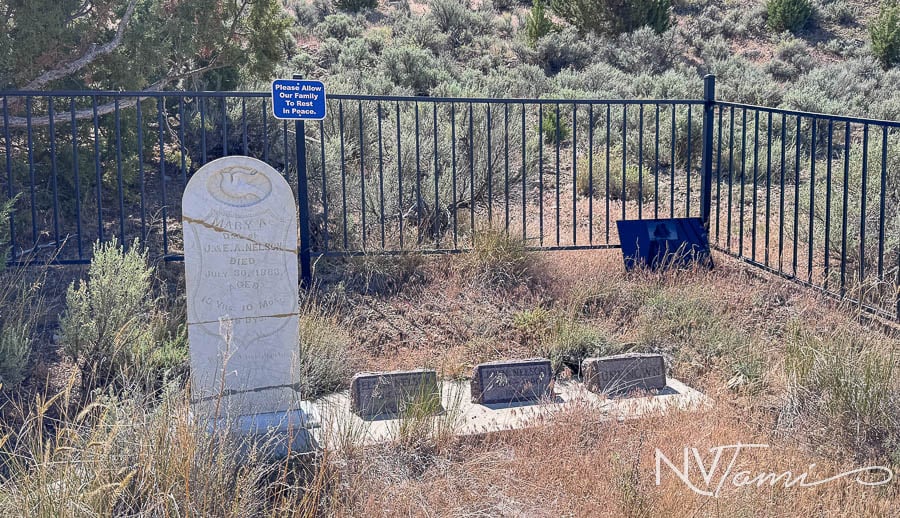
The ghost town of Dun Glen was one of the largest towns in Northern Nevada. In addition to mining, the town was a regional supply center. Conflict is a way of life, and Dun Glen had its share, including thefts, fights and hostilities with Native Americans.
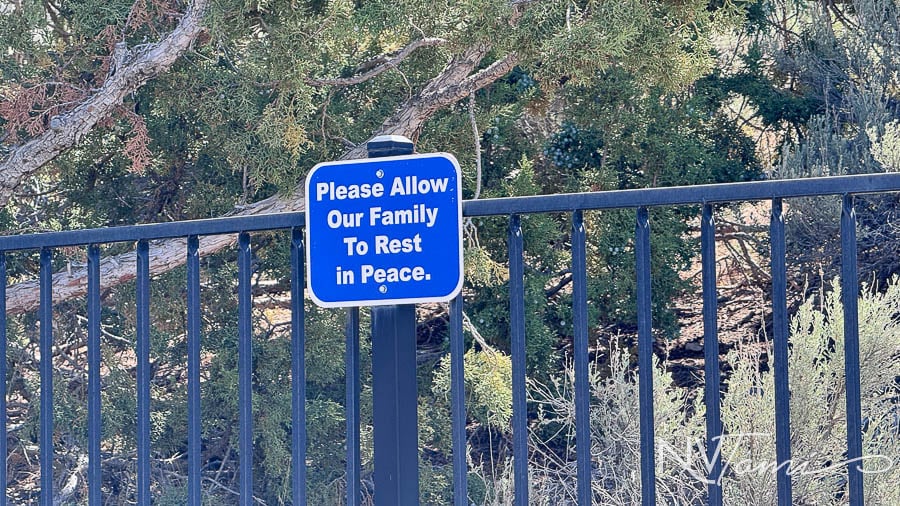
Sadly, Dun Glen will be remembered for a conflict between modern mining and history… leaving a family’s final resting place less than final. Read here about Dun Glen and the not-so-final, final resting place.
Barberville
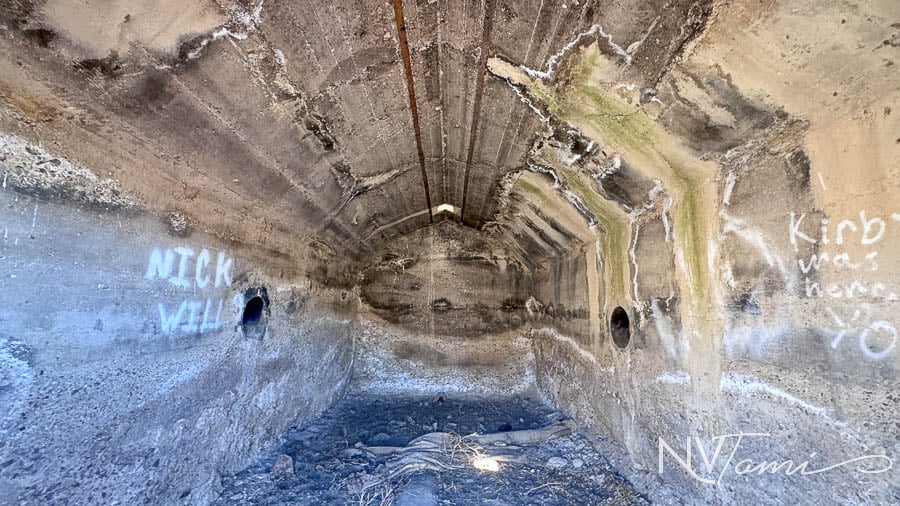
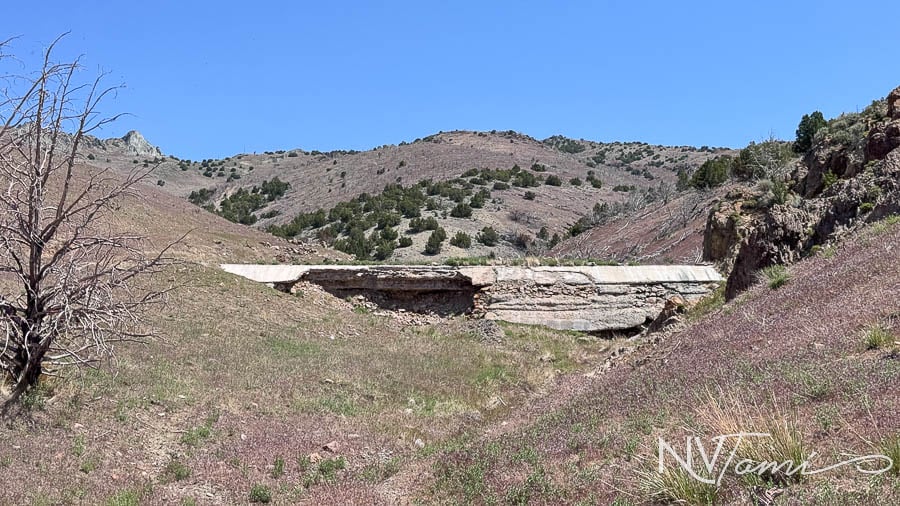
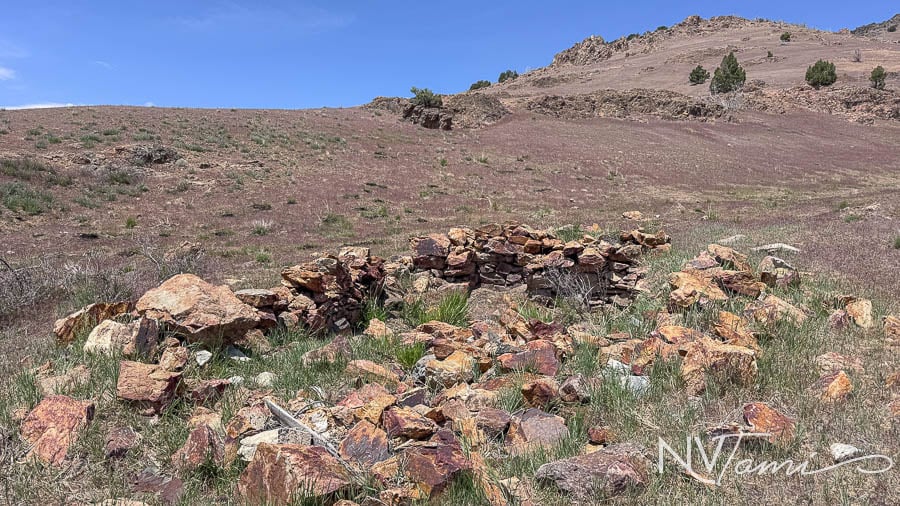
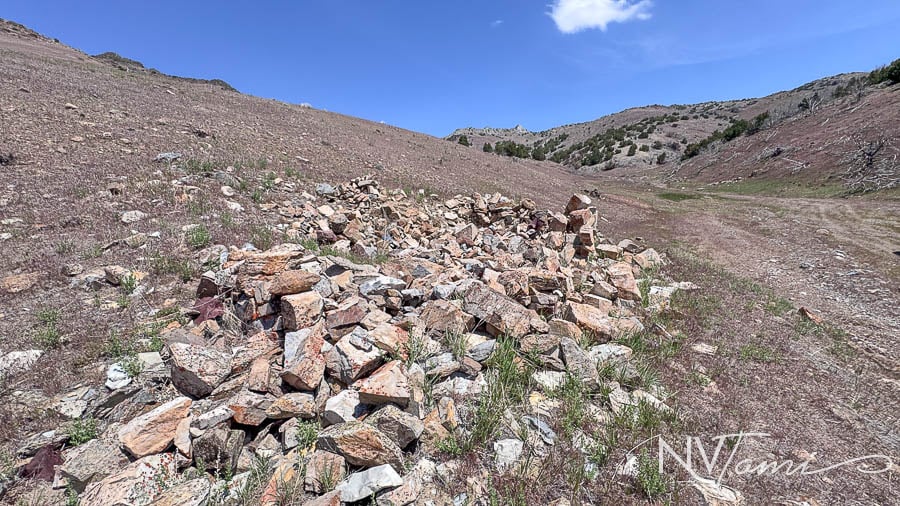
Barberville was a small settlement beginning in 1864. Its limited remains add to the collection of historic waypoints along old travel routes. Charley Barber headquartered here while mining in surrounding areas. The settlement was a supply center for the area.
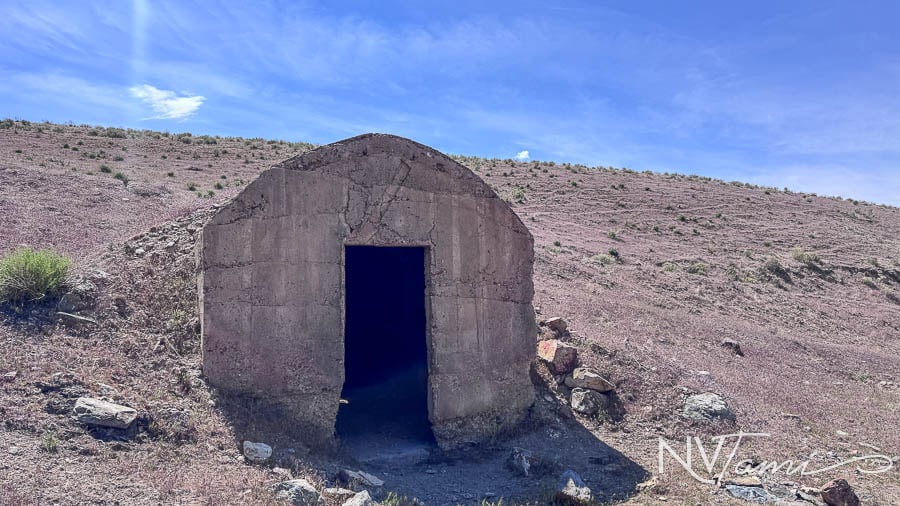
Straub / Natchez City
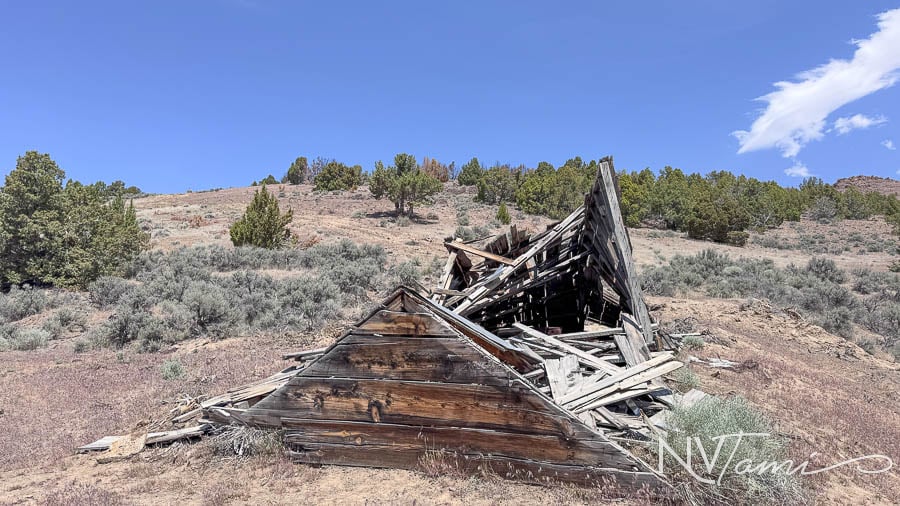
Straub (sometimes associated with Natchez City) was a short-lived mining camp. Like many, it had high hopes but a relatively brief existence. The site is now private.
Bonnie Briar
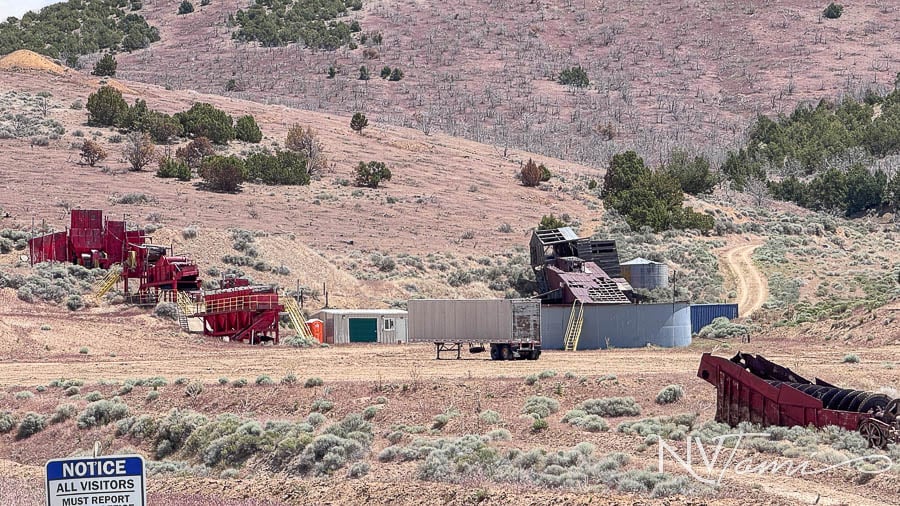
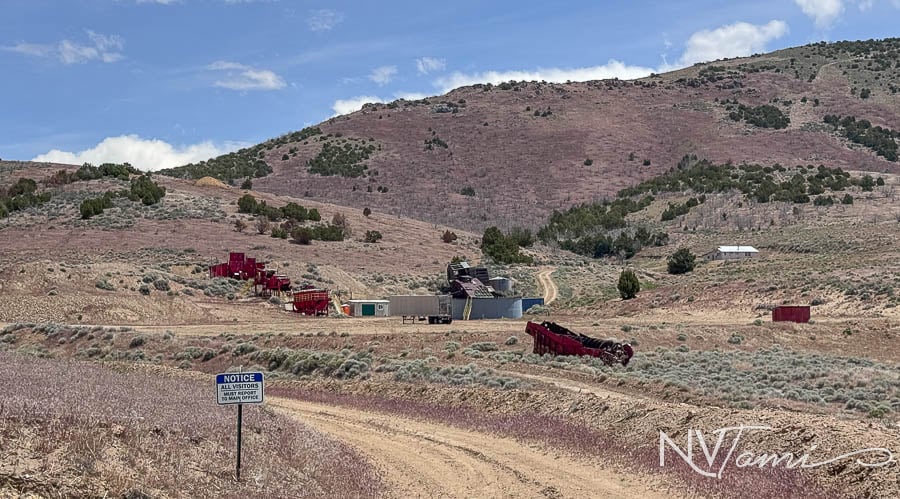
Bonnie Briar was another small mining location in the Winnemucca district. Its remnants are subtle but meaningful to those tracing the area’s mineral history. Bonnie Bryer is in the Sierra Mining District, established in 1863. By 1870, the district had three stamp mills. During that time, the Sierra District was one of the most productive districts in Nevada, and an estimated $4 million in gold and silver was extracted. Many of the miners in the district were from China.
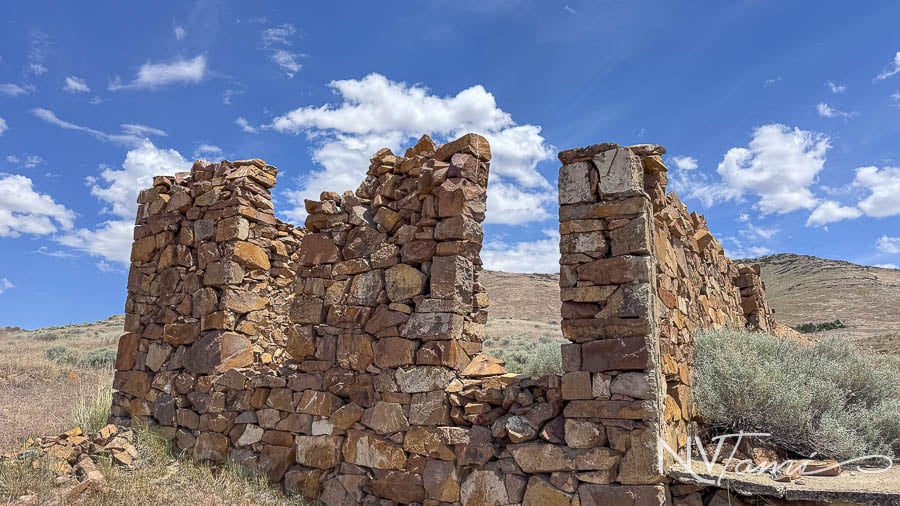
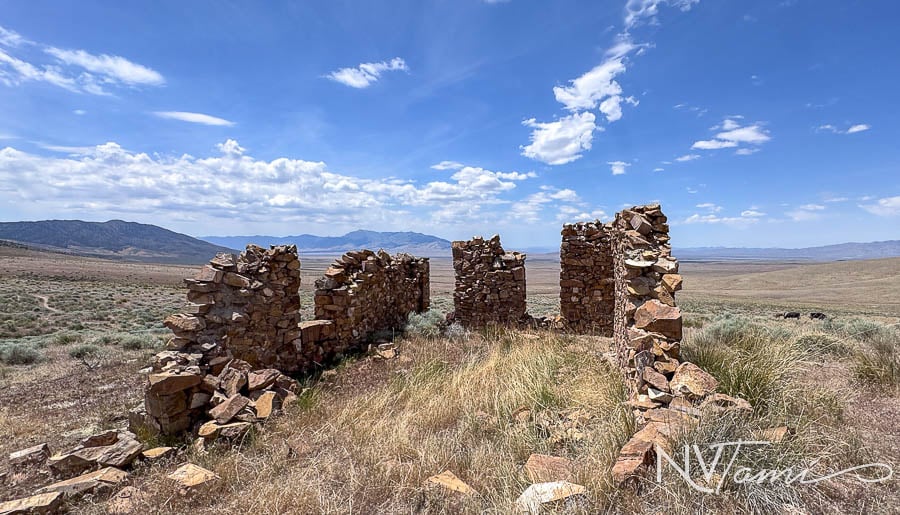
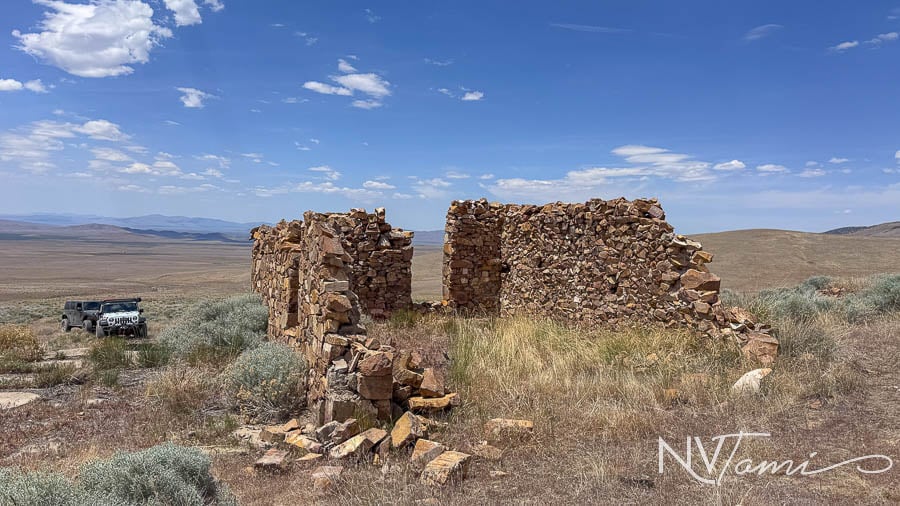
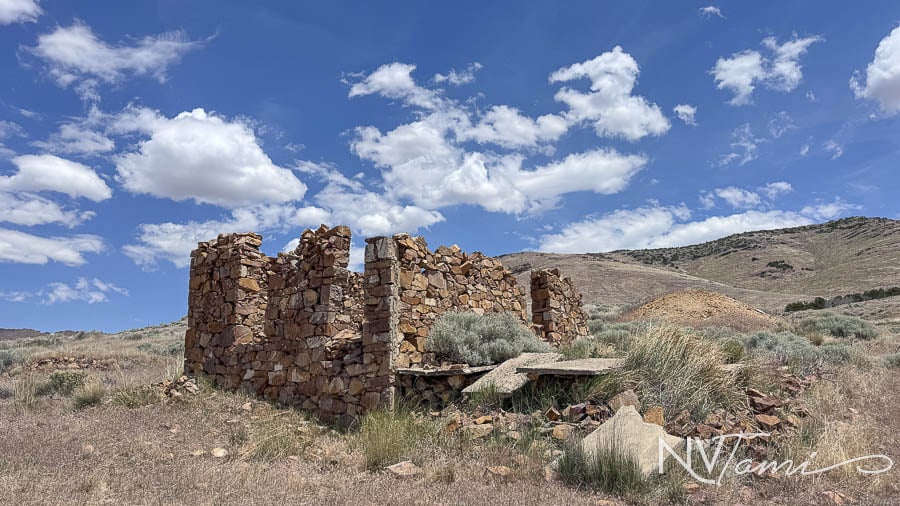
This was my second attempt at Bonnie Briar; on the first visit, the roads were washed out. You can see that trip and surrounding ghost towns here.
Little Jupiter Mine
The Little Jupiter Mine is a gold prospect with visible workings. It represents the smaller-scale mining that persisted in the hills around Winnemucca.
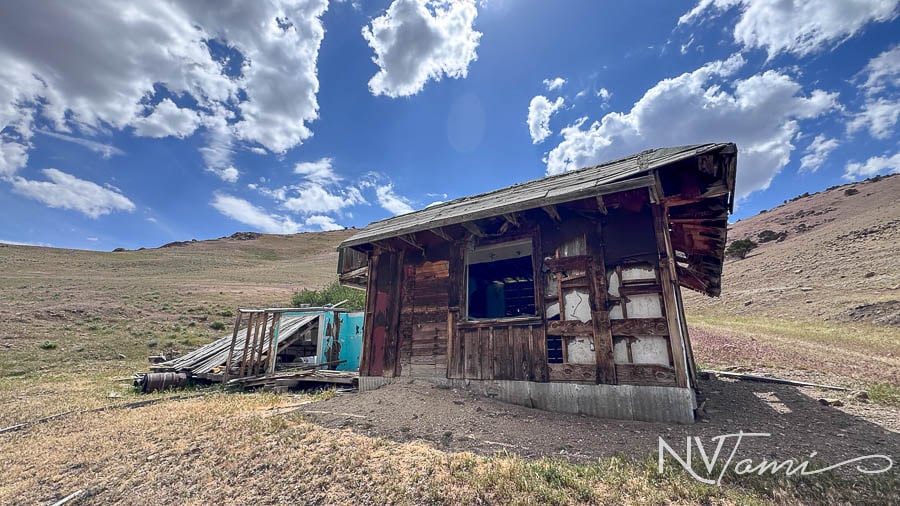
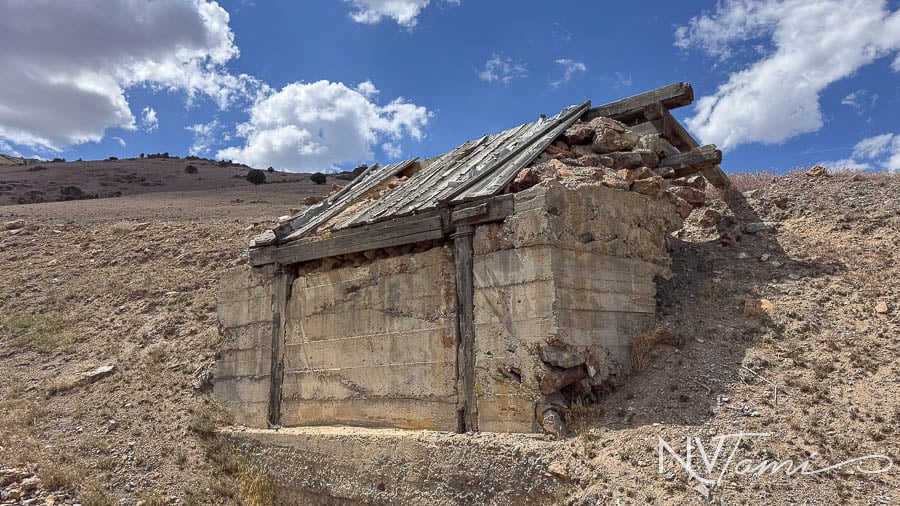
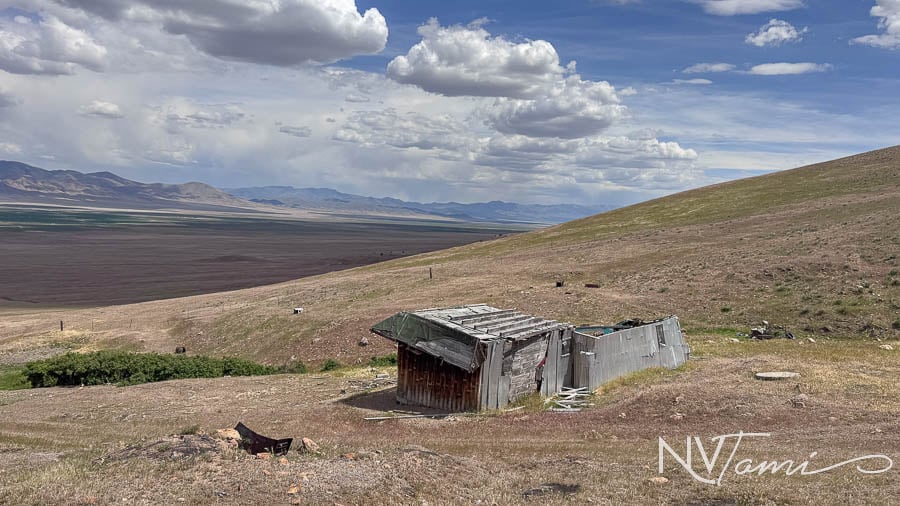
Gem City / Gemville
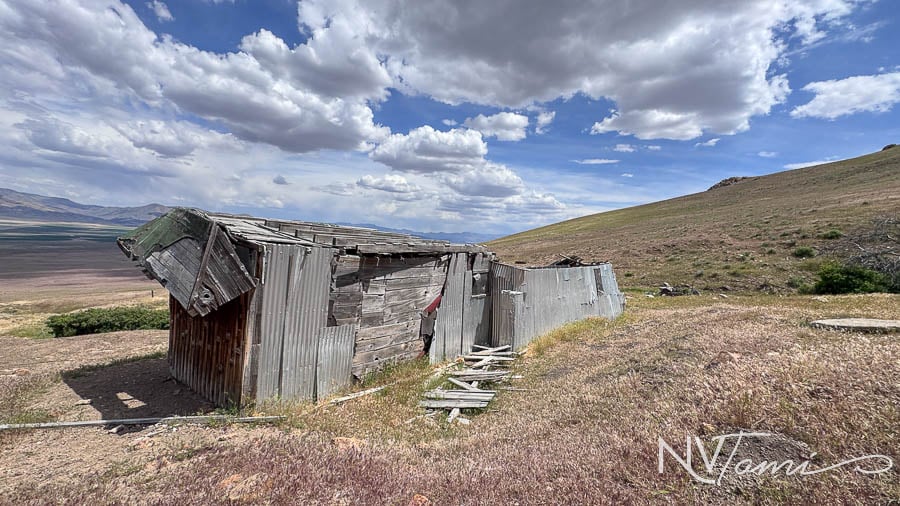
Gem City (or Gemville) was optimistically named during a mining boom. The site includes ruins that reflect the typical rise-and-fall pattern of many Nevada mining camps. Gem City existed around the same time as Barbersville. It was named after the Gem Mine.
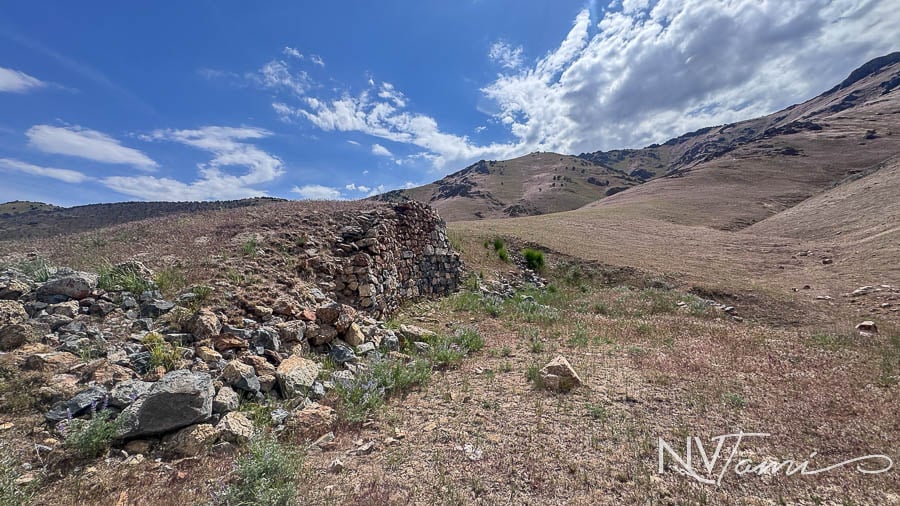
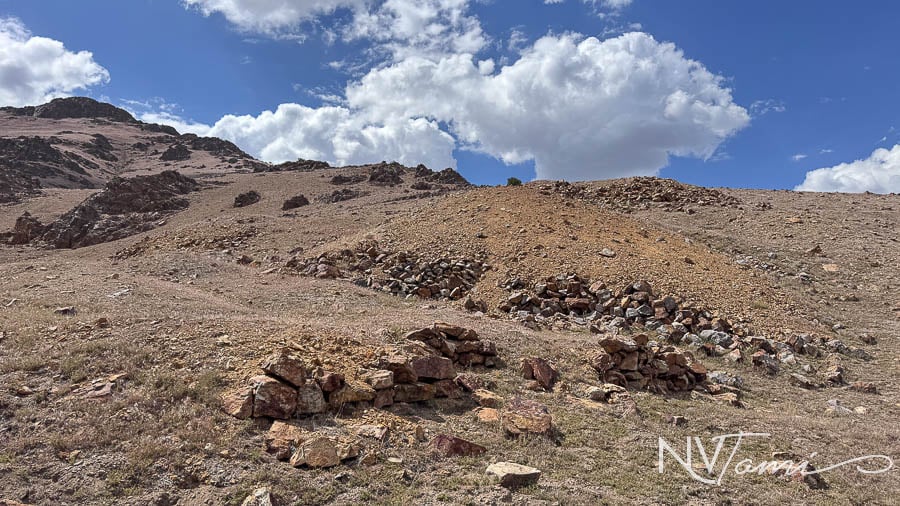
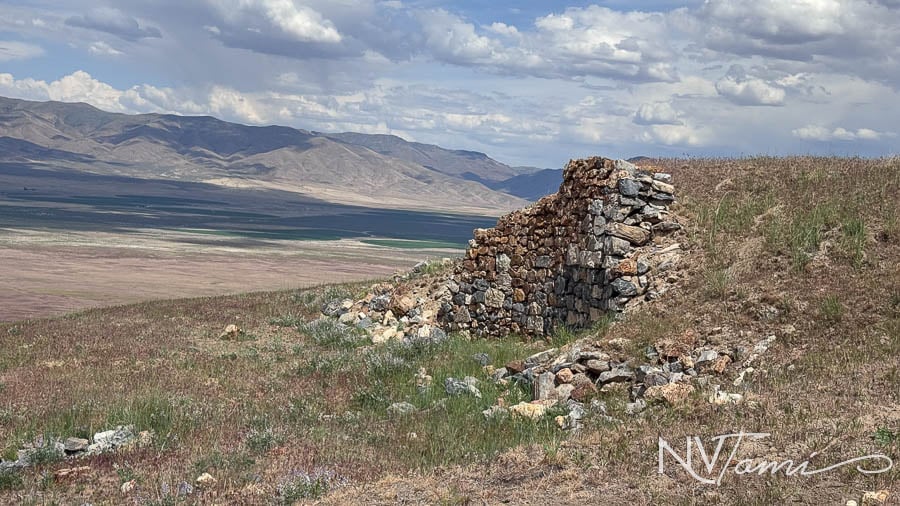
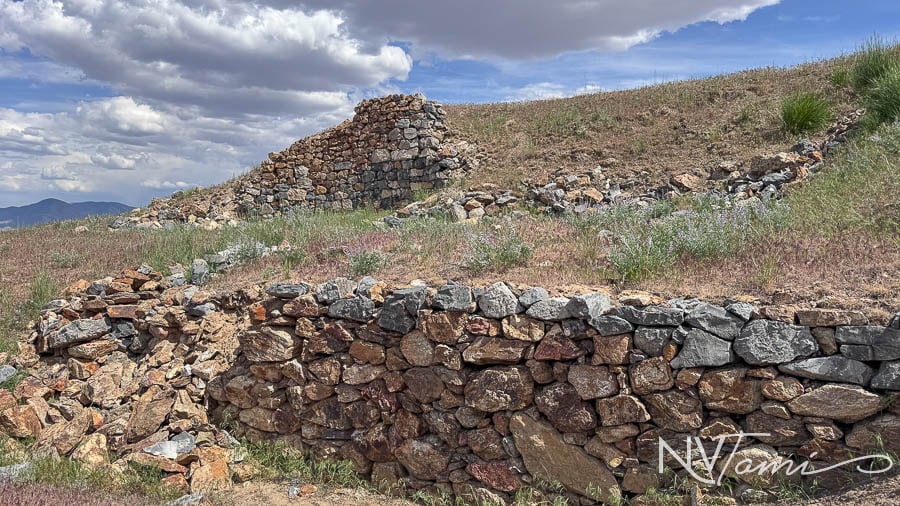
(Dolly) Hayden Ranch
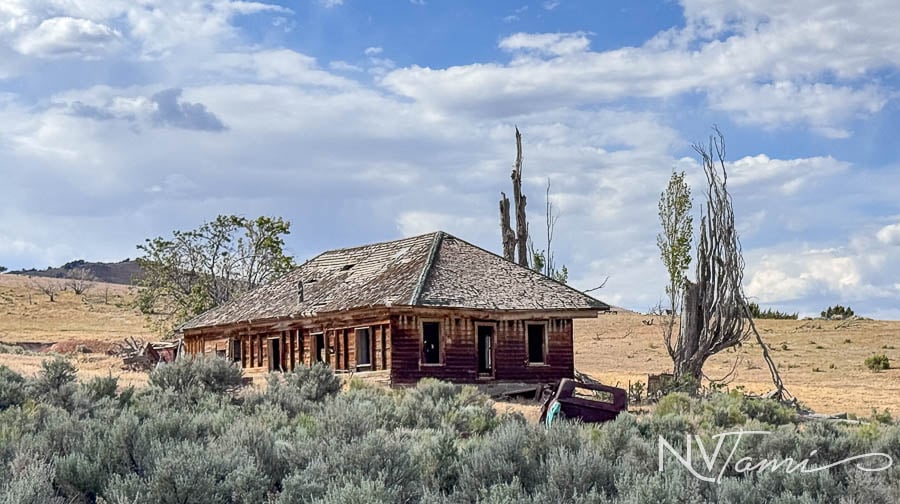
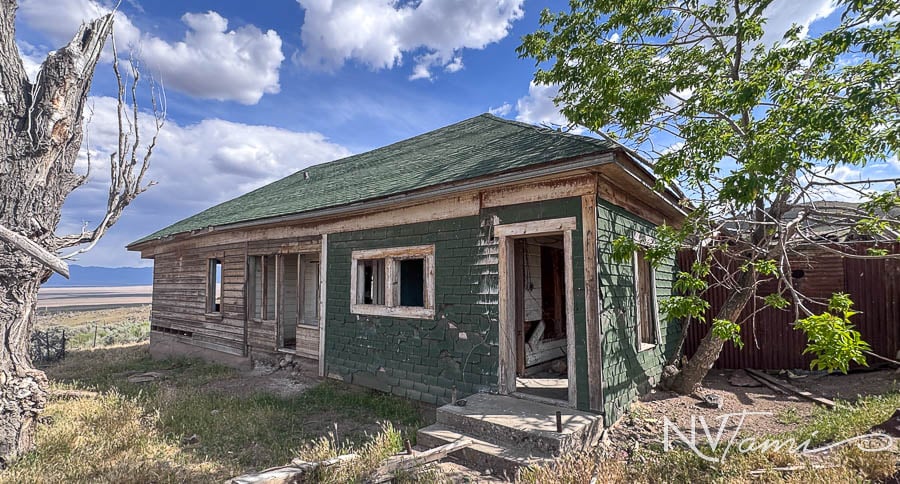
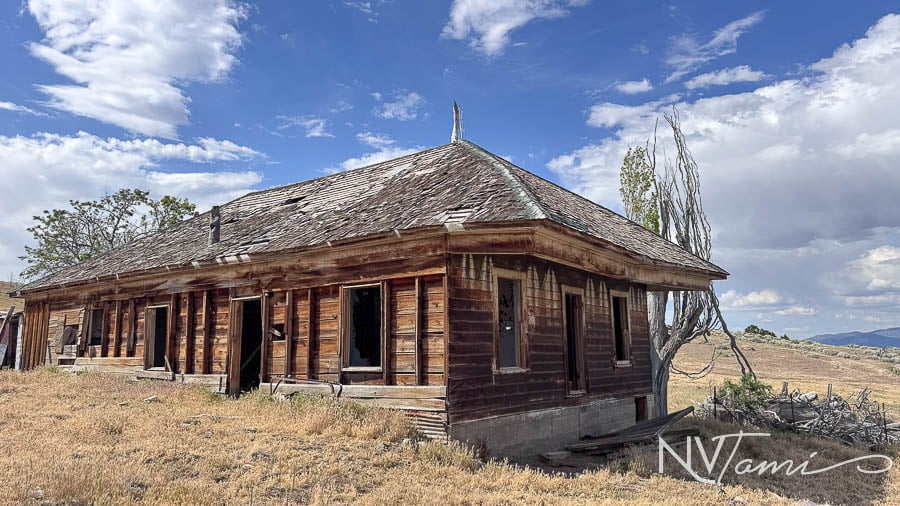
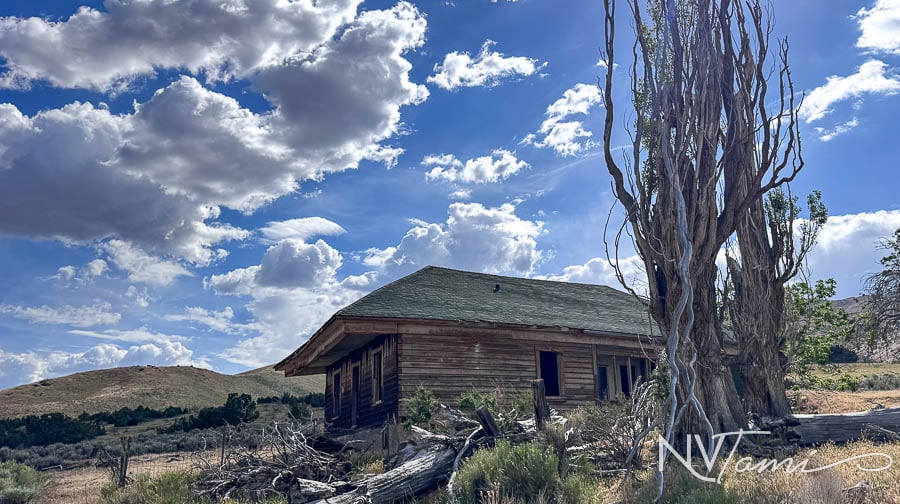
The Hayden Ranch (associated with Dolly Hayden) is a historic ranch property. It highlights the important role of women and families in sustaining ranching operations in northern Nevada. I look forward to learning about Dolly.
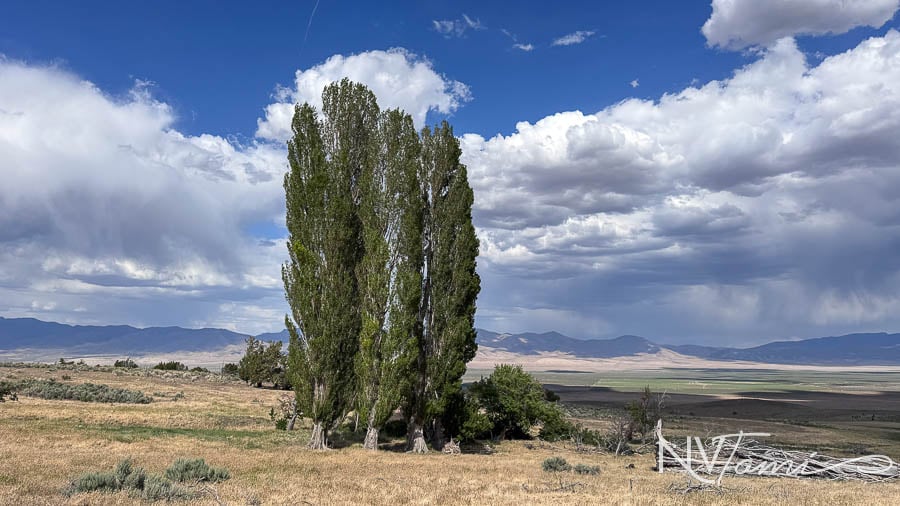
Lassen Meadows
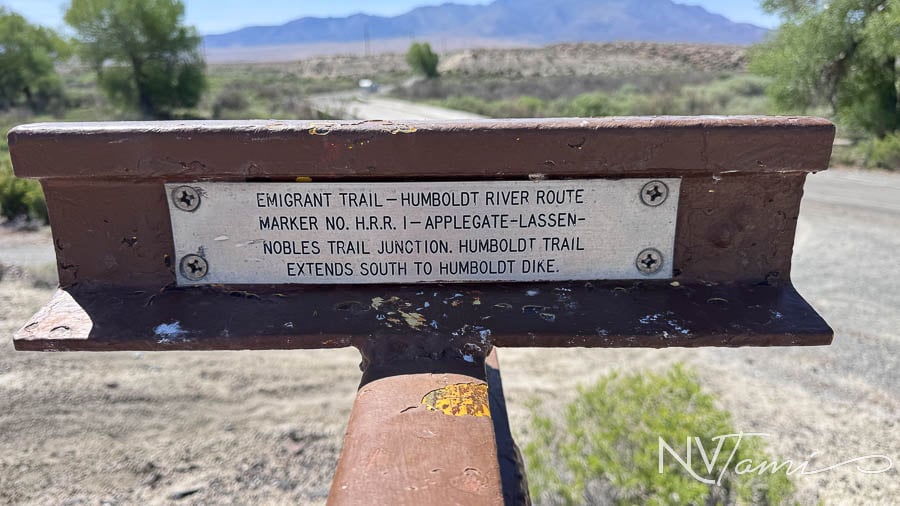
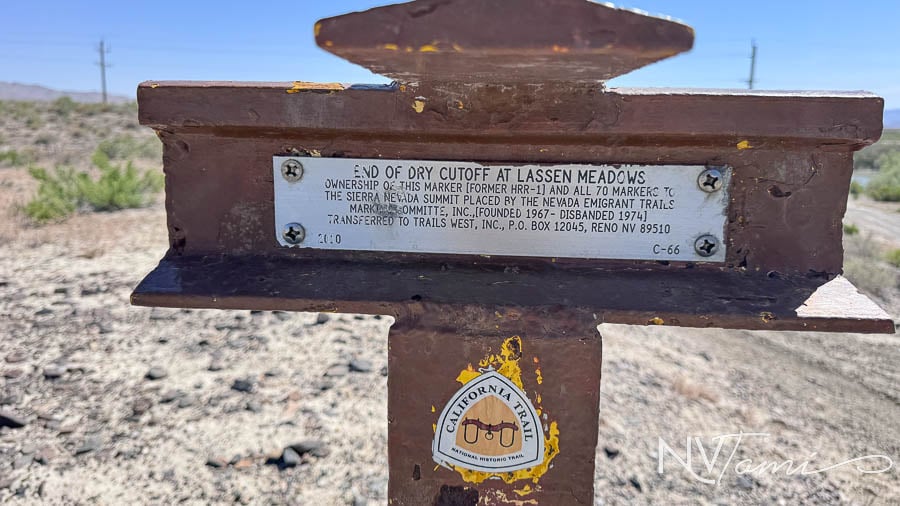
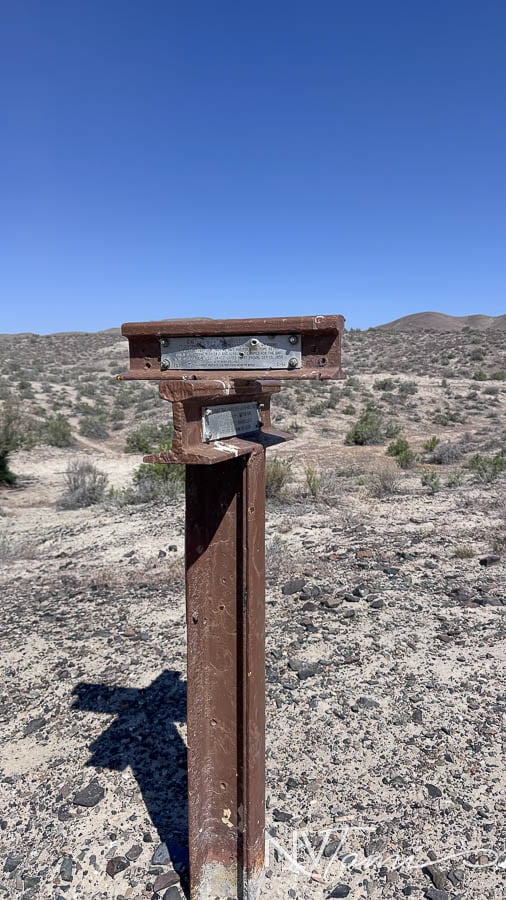
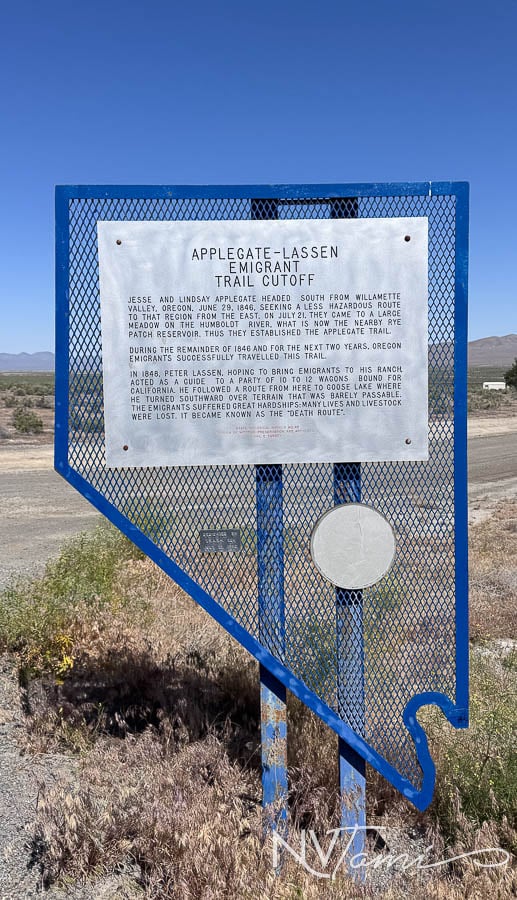
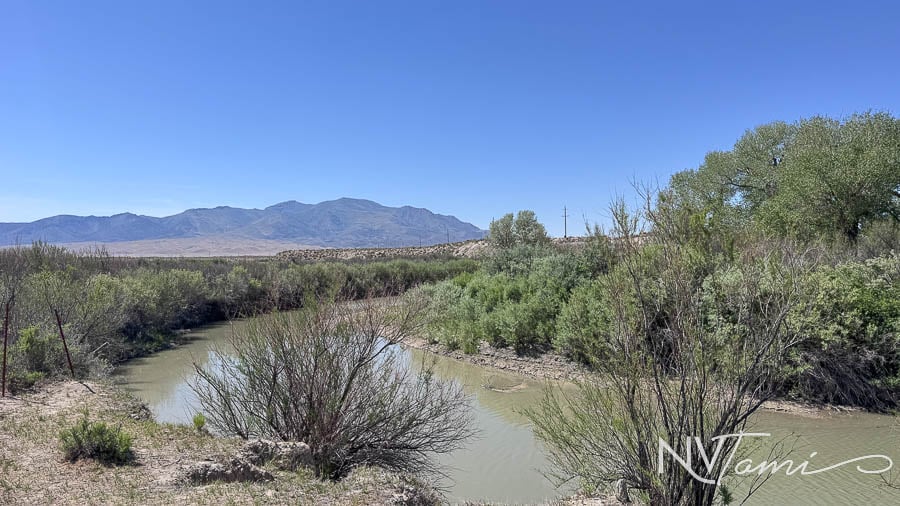
Lassen Meadows was an important emigrant trail campsite and watering stop along the California Trail. Thousands of pioneers passed through this area during the westward migration.
St. Mary’s
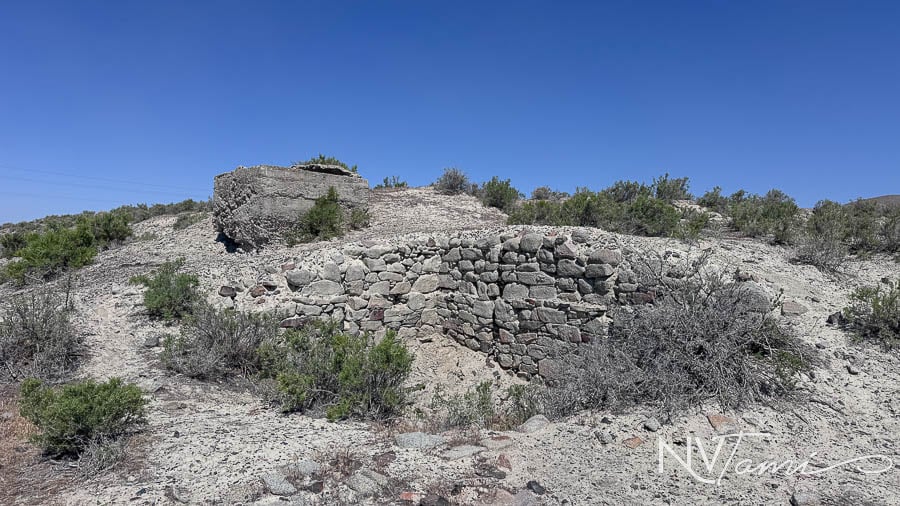
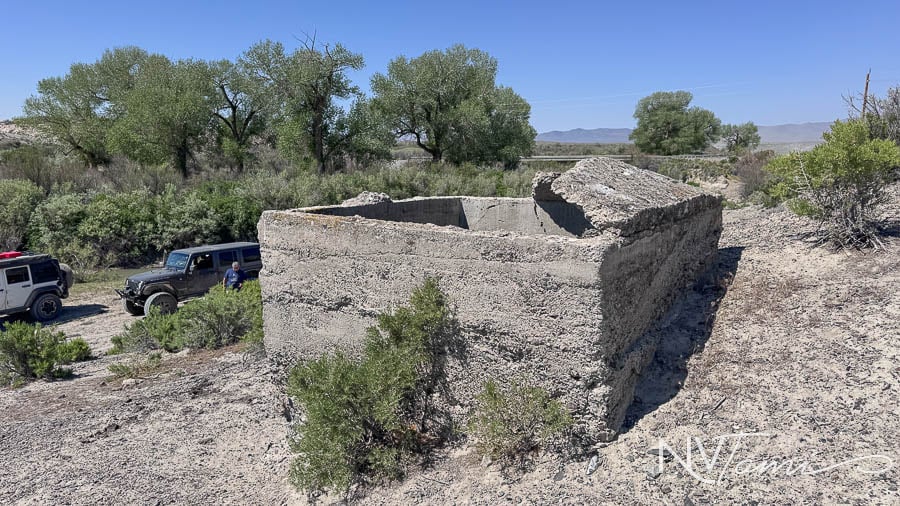
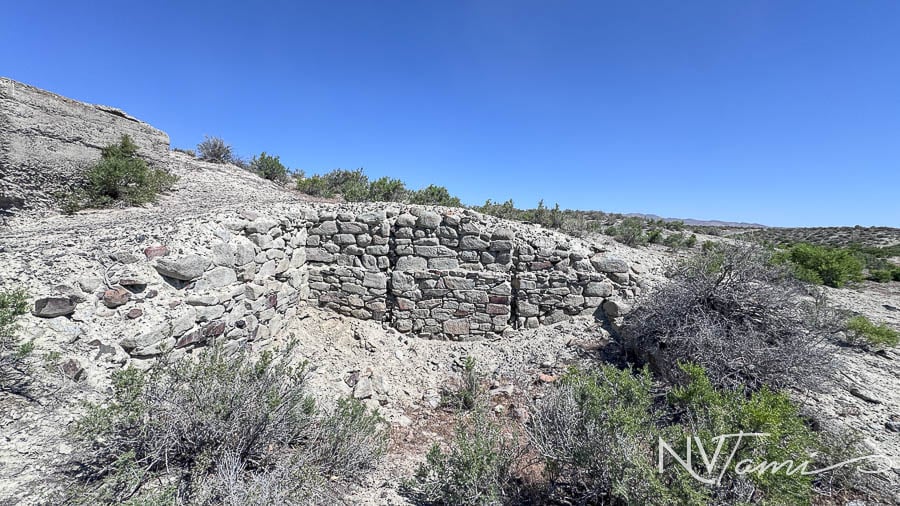
St. Mary’s began as a ferry crossing for the Lassen Trail. By 1863, the town had a store, hotel, and businesses. The St. Mary Hotel advertised they provided a well-appointed hotel. When a planned canal failed, the town faltered, but some remained on.
Majuba / Last Chance Mine
The Majuba / Last Chance Mine area features interesting mine ruins and prospects. The Majuba district had periods of activity for various minerals. Sadly, Majuba is best known for the Majuba Mountain Murders. Learn more about the Majuba Murders.
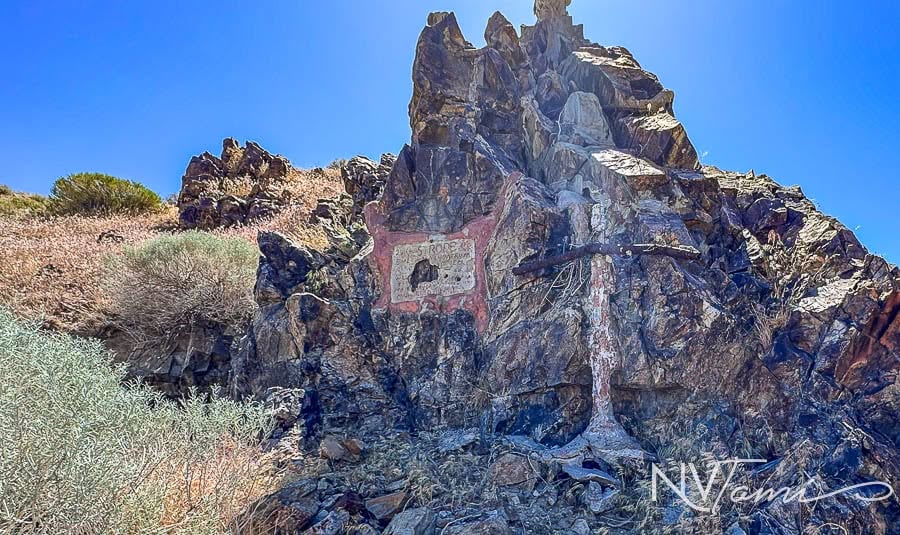
Antelope Springs Graves
These remote graves near Antelope Springs mark the final resting places of early travelers or settlers. Lone desert graves like these are powerful, quiet reminders of the hardships faced by those who came before us.
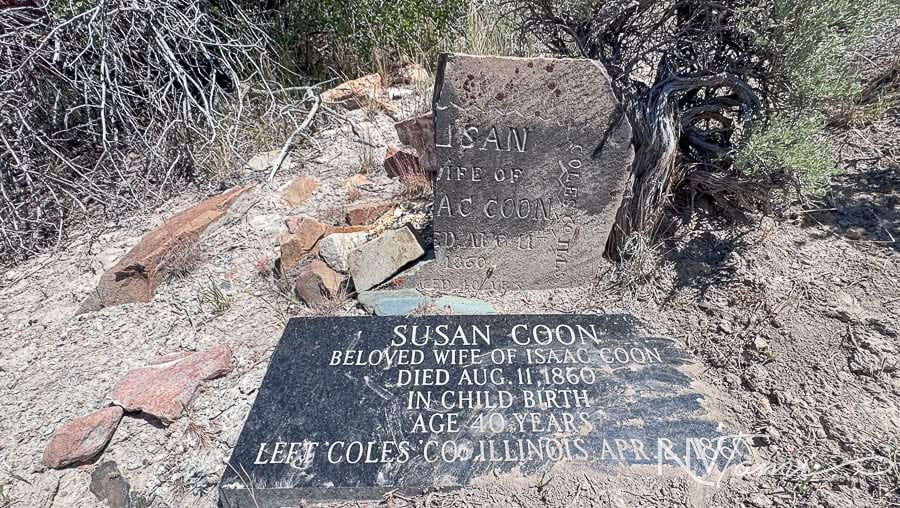
Susan’s grave has been on my radar for several years. I knew it was a long, remote drive along the old emigrant trail — a real commitment. So it stayed in the back of my mind. Monday, we headed out to the Antelope Springs Graves to document two men killed while transporting freight between the Humboldt County mines and California. I was stunned to find Susan’s grave right there beside them.
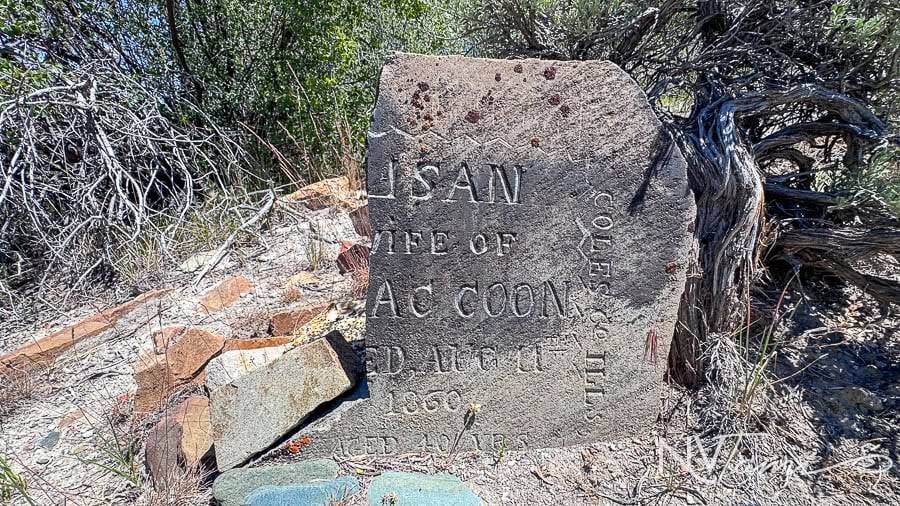
Today, Susan’s headstone is one of the few original emigrant markers still standing along the California Trail. Its exact location was lost for over 70 years until descendants rediscovered it. The family later placed a newer marker below the original.
Learn more about Susan Coon and the baby who survived.
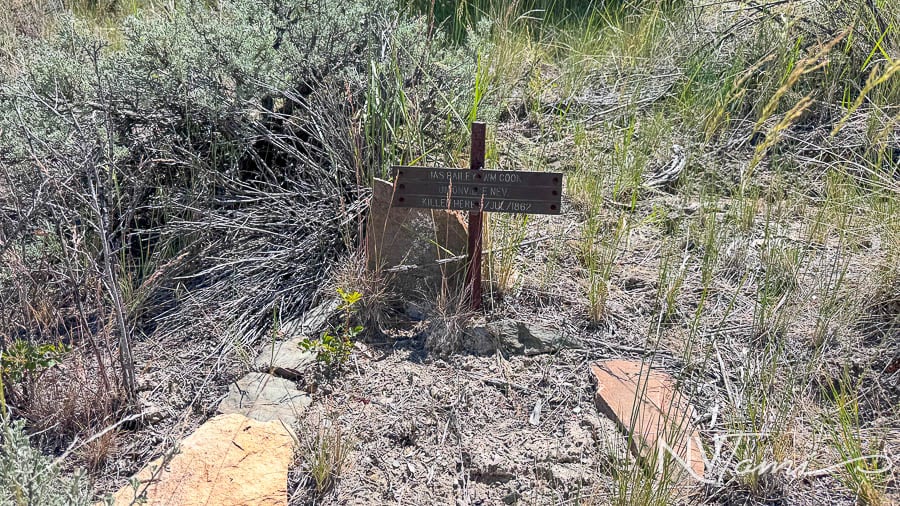
Antelope Springs Graves. The grave is for two men killed while transporting freight between the Humboldt County mines and California.
Scossa
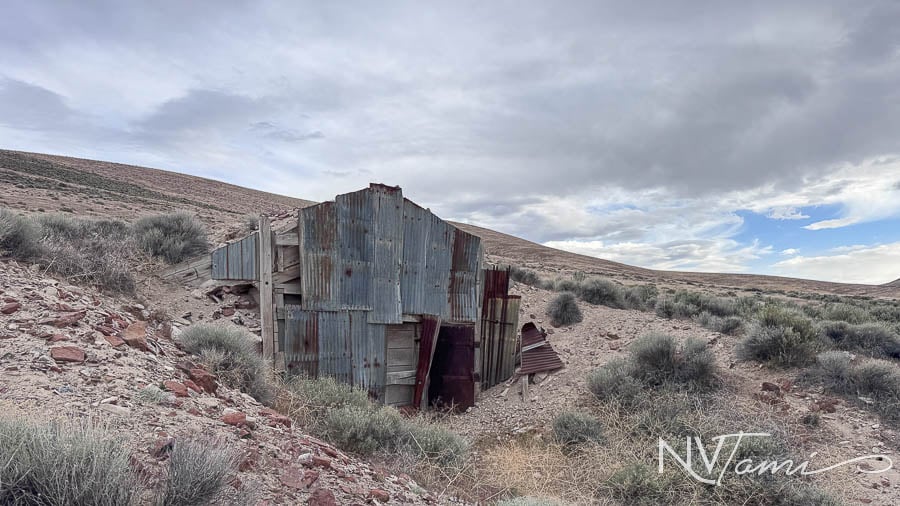
Scossa was a small mining camp in the area. Its scattered remains are typical of the many modest prospects that once dotted the landscape around Winnemucca.
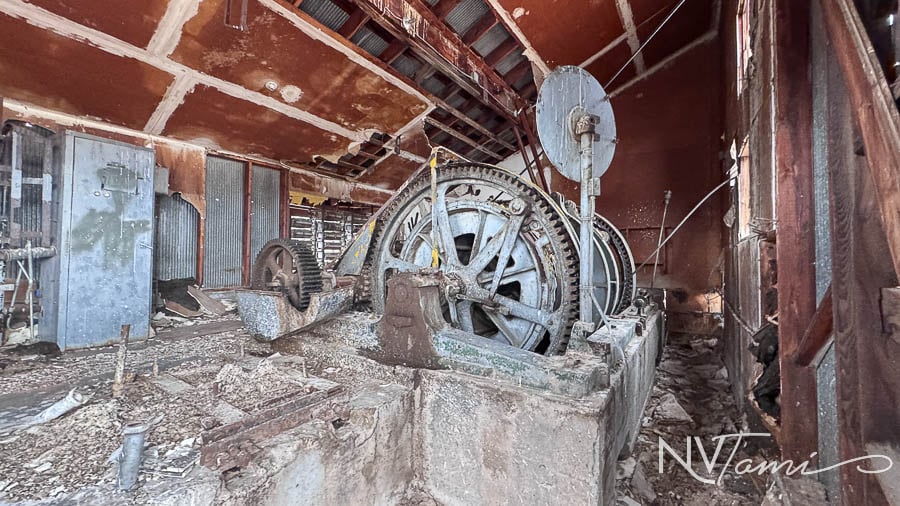
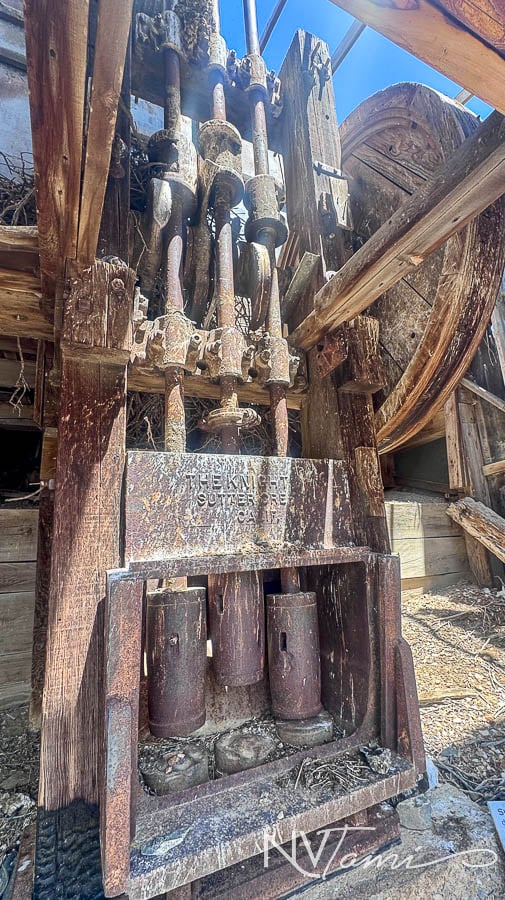
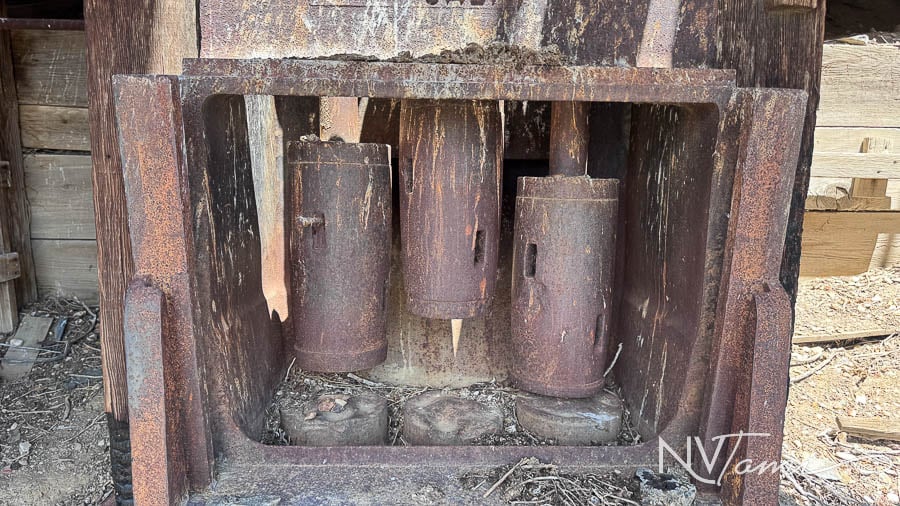
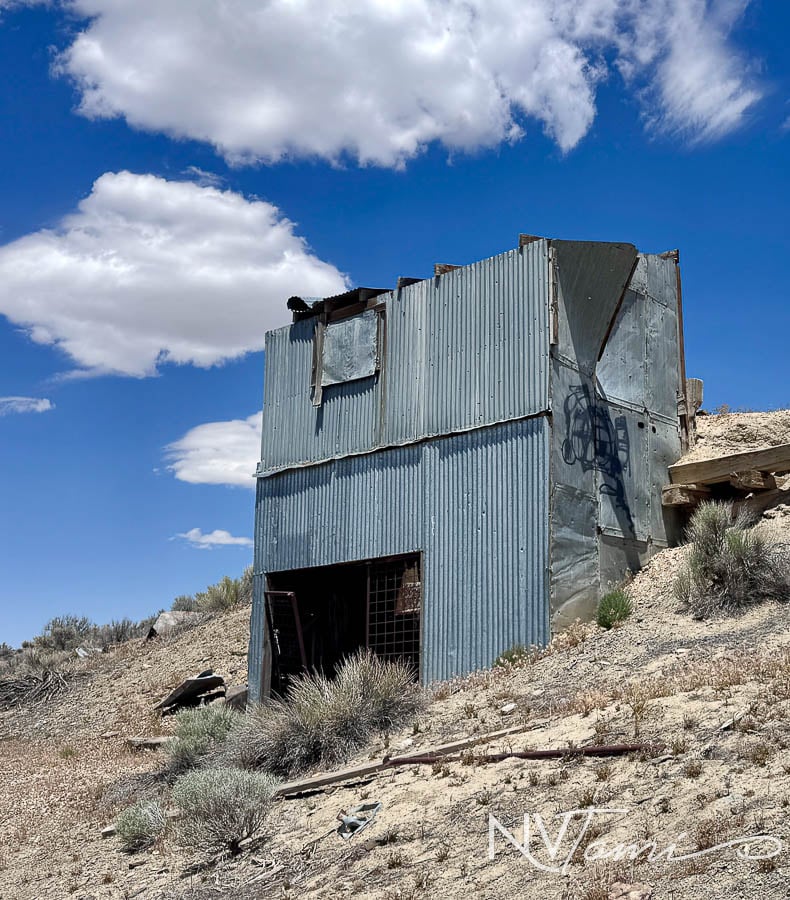
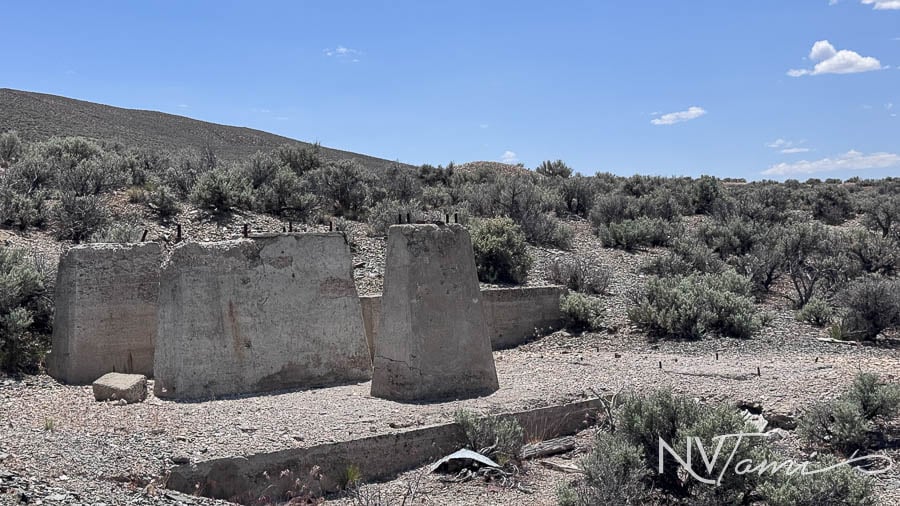
Big surprise treasure! Searching for a mill, I was disappointed when I first saw the metal building. Boy, was I surprised when I looked inside and found a rare Knight 3-stamp mill! The mill operated from 1931 until the start of WWII. $17,000 of gold and silver was produced in the decade of operation. Can you imagine how loud it was in the tiny building with the mill running?
The Knight Foundry opened in 1873 and still operates in Sutter Creek today. I guess I need a field trip.
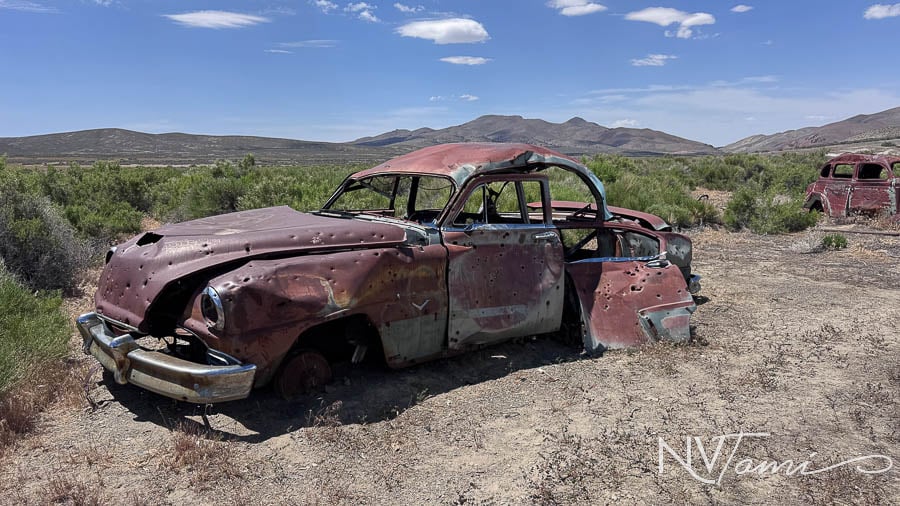
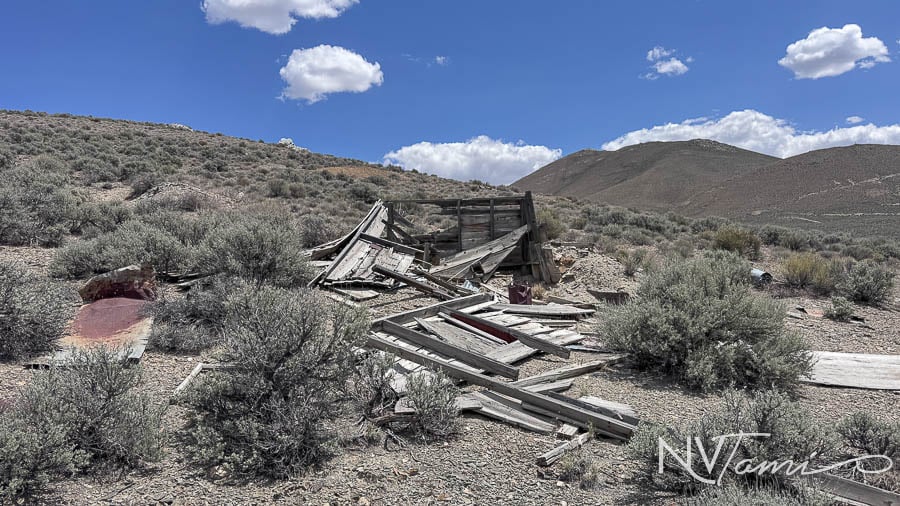
There wasn’t much remaining at this ghost town, but the stamp mill alone was worth the trip.
Placerites
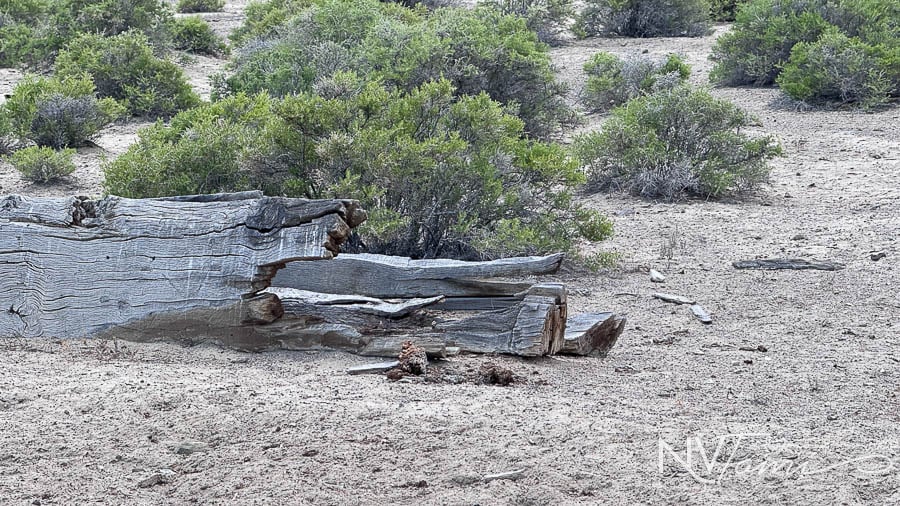
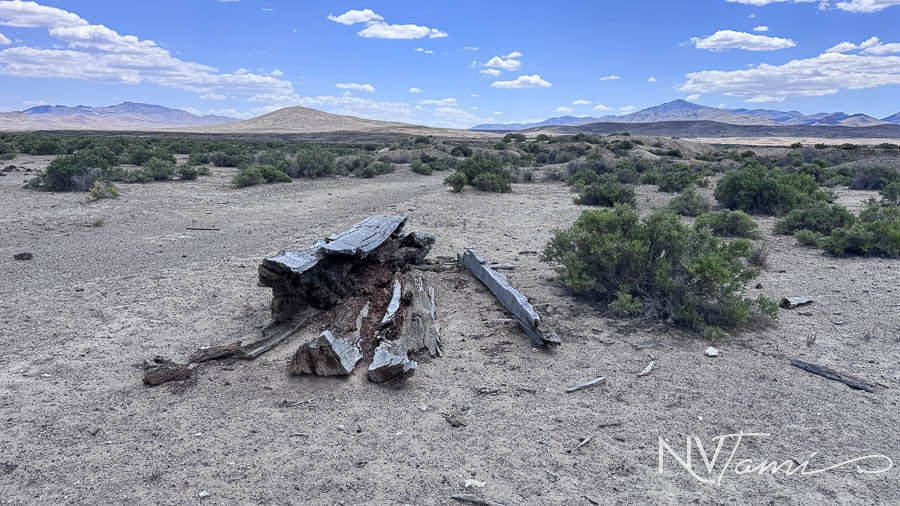
Placerites reflect placer mining activity in various drainages. It’s a good example of the different mining methods used across the region. Placerites had rich gold-bearing ore. Work started in the 1870s and was sporadic until the 1930s, when a renewed effort to mine. As with much of Nevada, water was an inhibiting factor to development.
Lovelock Chinese Cemetery
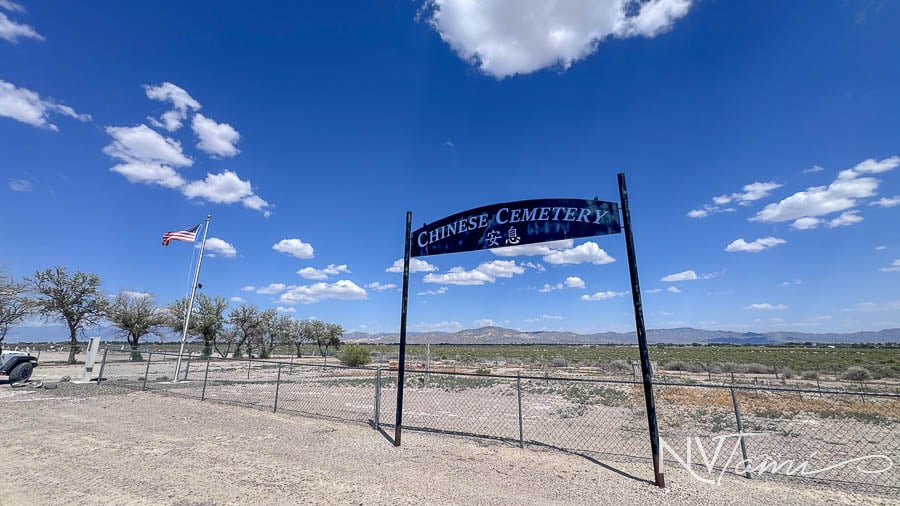
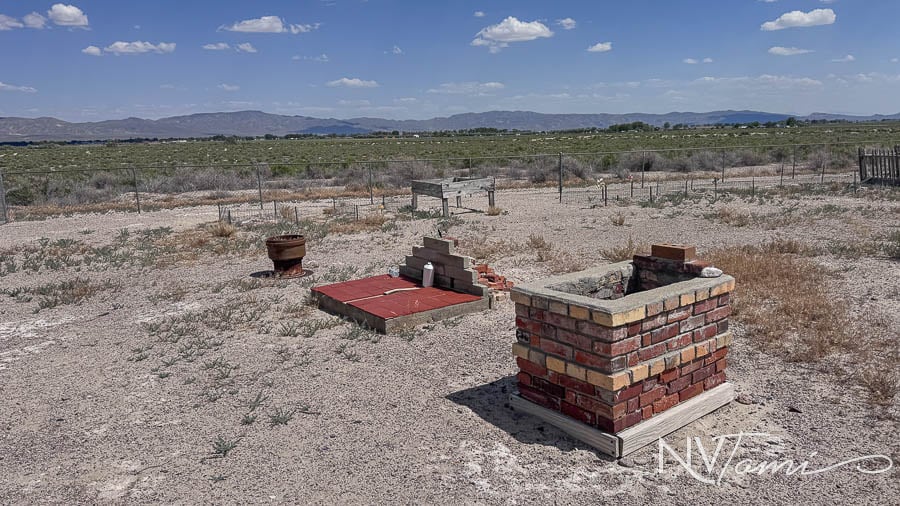
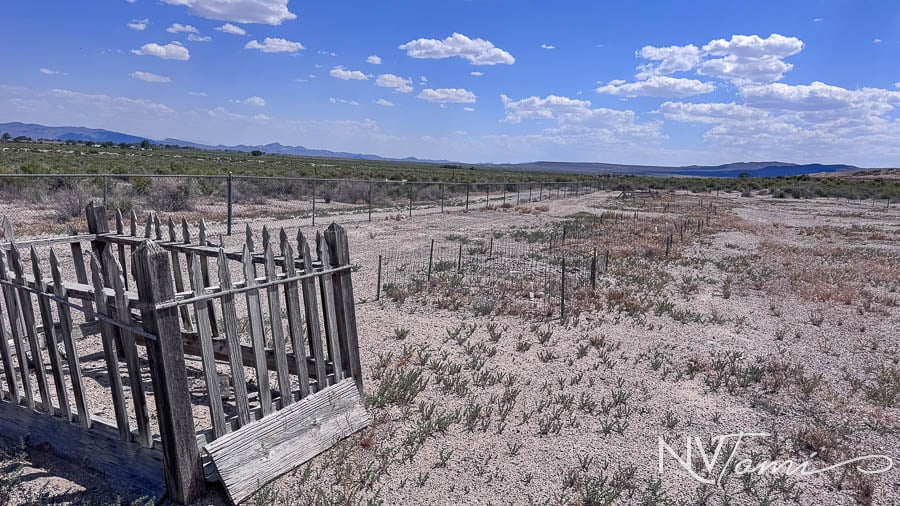
The Lovelock Chinese Cemetery is a historic site honoring the Chinese immigrants who worked on the railroads and in mining. The graves and markers provide a moving look at the area’s diverse cultural history. I’ve been working on a story near Lovelock about Chinese miners, so this was a great end to the trip.
A note from Tami
This trip report was compiled with the help of AI, drawing from my own website content (NVTami.com), notes, and reliable public sources. I’m still recovering from cancer treatment and working to catch up on writing and posting after a challenging period. These summaries are intended to share the journeys quickly so I can get back to hands-on research, photography, and writing new in-depth articles. Thank you for your understanding and continued support — I’m looking forward to getting back in full swing soon!
Follow me on social media:


Clyde Johnson says
In the late 90s, traveling from CA to SD, I pent a night in Lovelock.
The tiny telephone directory in my room listed a brothel museum, which I had no time to visit.
A couple of years later, the wife & I stopped specifically to visit it, but it was sadly defunct by then.
Tami says
Darn, that sounds really interesting! Pendleton, Oregon, has an underground tour that includes the brothel upstairs. It was so interesting!