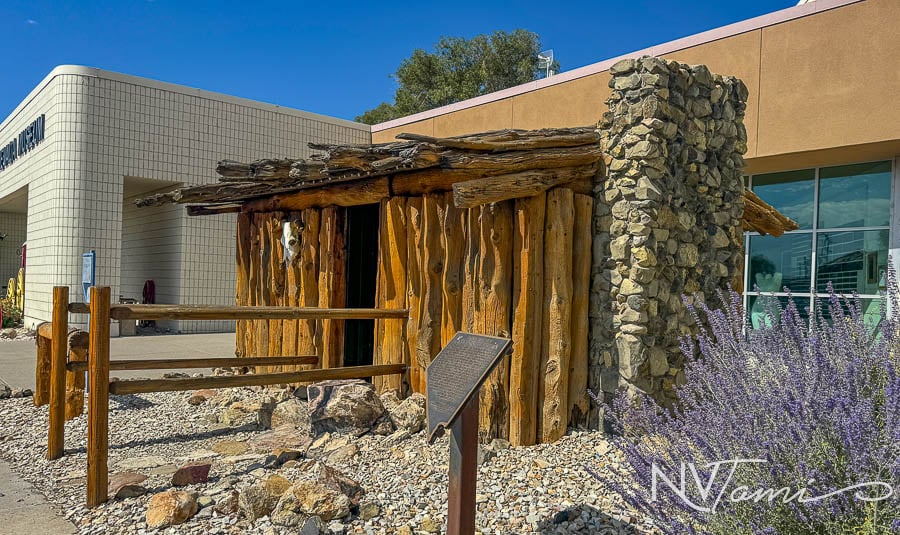
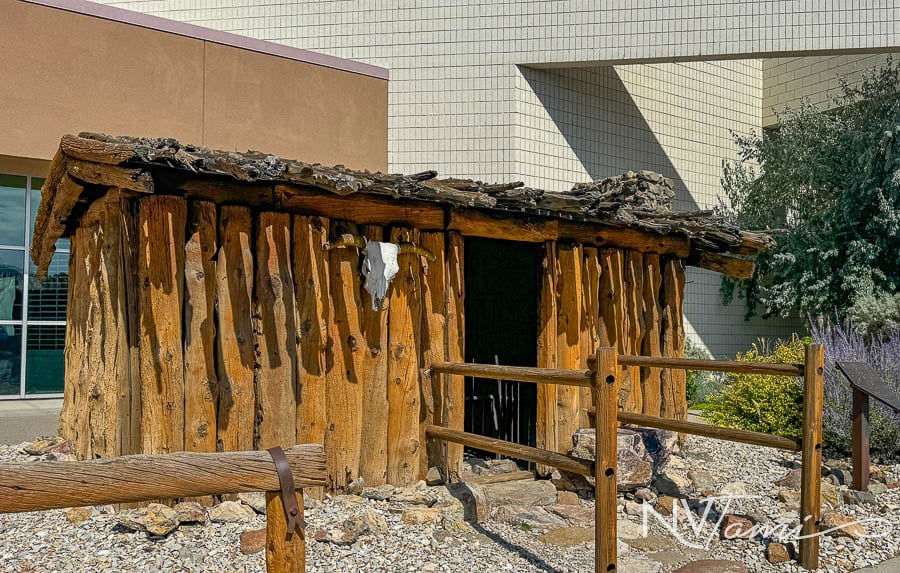
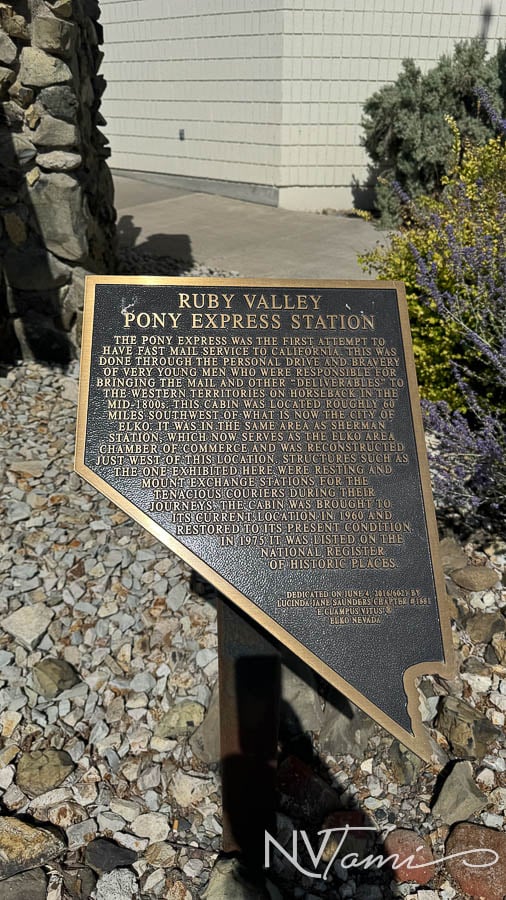
Tucked away in the rugged high desert of northeastern Nevada, the Ruby Valley Pony Express Station was a powerful testament to one of the most daring chapters in American westward expansion. Originally established in the remote Ruby Valley and later relocated to Elko, where it now rests outside the Northeastern Nevada Museum, this weathered structure is one of only two surviving Pony Express stations in the state.
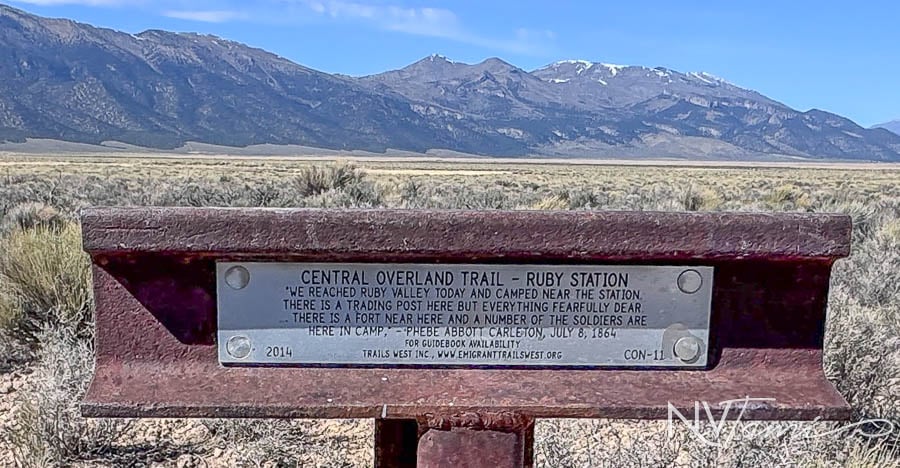
From its humble beginnings as a trading post built by William “Uncle Billy” Rogers, the site evolved from a Jackass Express mule stop into a vital Pony Express relay, an Overland Stage station, and even a productive farm that fed remote outposts across the territory. Here, brave riders like William Frederick Fisher made legendary runs.
Today, the station offers a tangible link to the courage, hardship, and ambition that helped stitch a young nation together. This is the story of Ruby Valley: a place where mail flew on horseback, conflict flared between cultures, and the American West came alive.
Ruby Valley
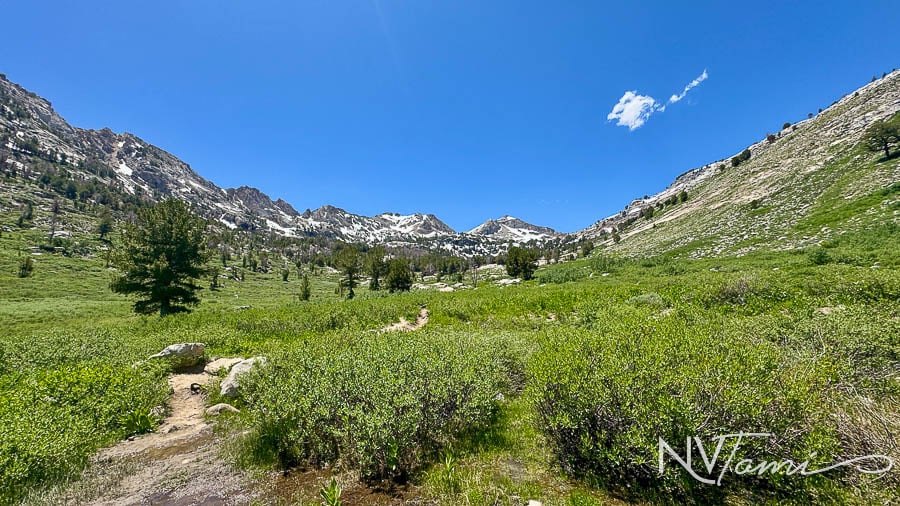
The Shoshone were the first to call Ruby Valley home. They called the range Duka Doya, meaning “Snowcapped.” The mountains run 80 miles, north to south, and are 11 miles wide. Ruby Dome, the highest peak, is 11,387 feet above sea level. East of the range is Ruby Valley. The Shoshone used the valley for hunting, gathering pine nuts, and wintering.
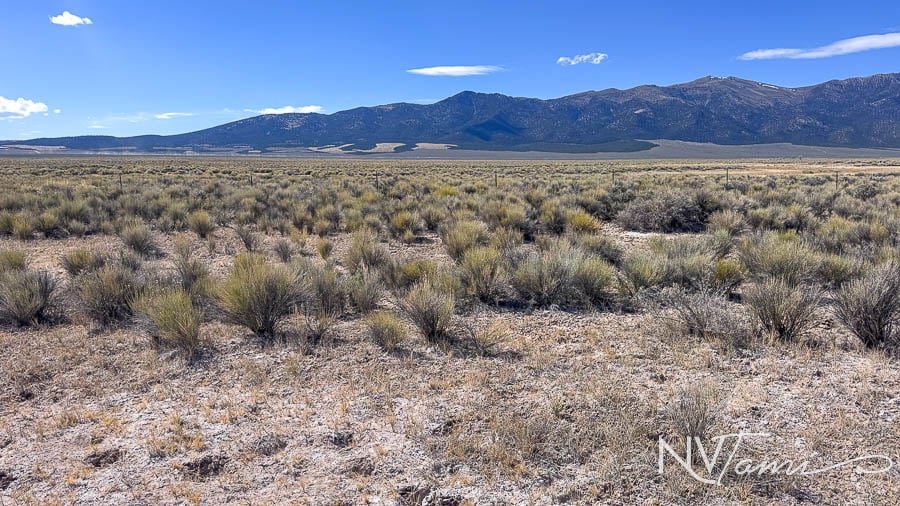
An Army expedition first laid eyes on the range in 1854 while scouting alternative western routes. One member, Davis, panned for gold at the base of the mountains. He discovered what he thought were rubies. Although the gems turned out to be red garnets, the name Ruby stuck.
Jackass Express Station Stop
The first non-Native to settle in Ruby Valley was William “Uncle Billy” Rogers. Former sheriff of El Dorado County, California, he was appointed as the assistant Indian Agent and tasked with locating a site for a reservation. His wife and children, one boy and two girls, remained at Frogtown, now Angels Camp, California.
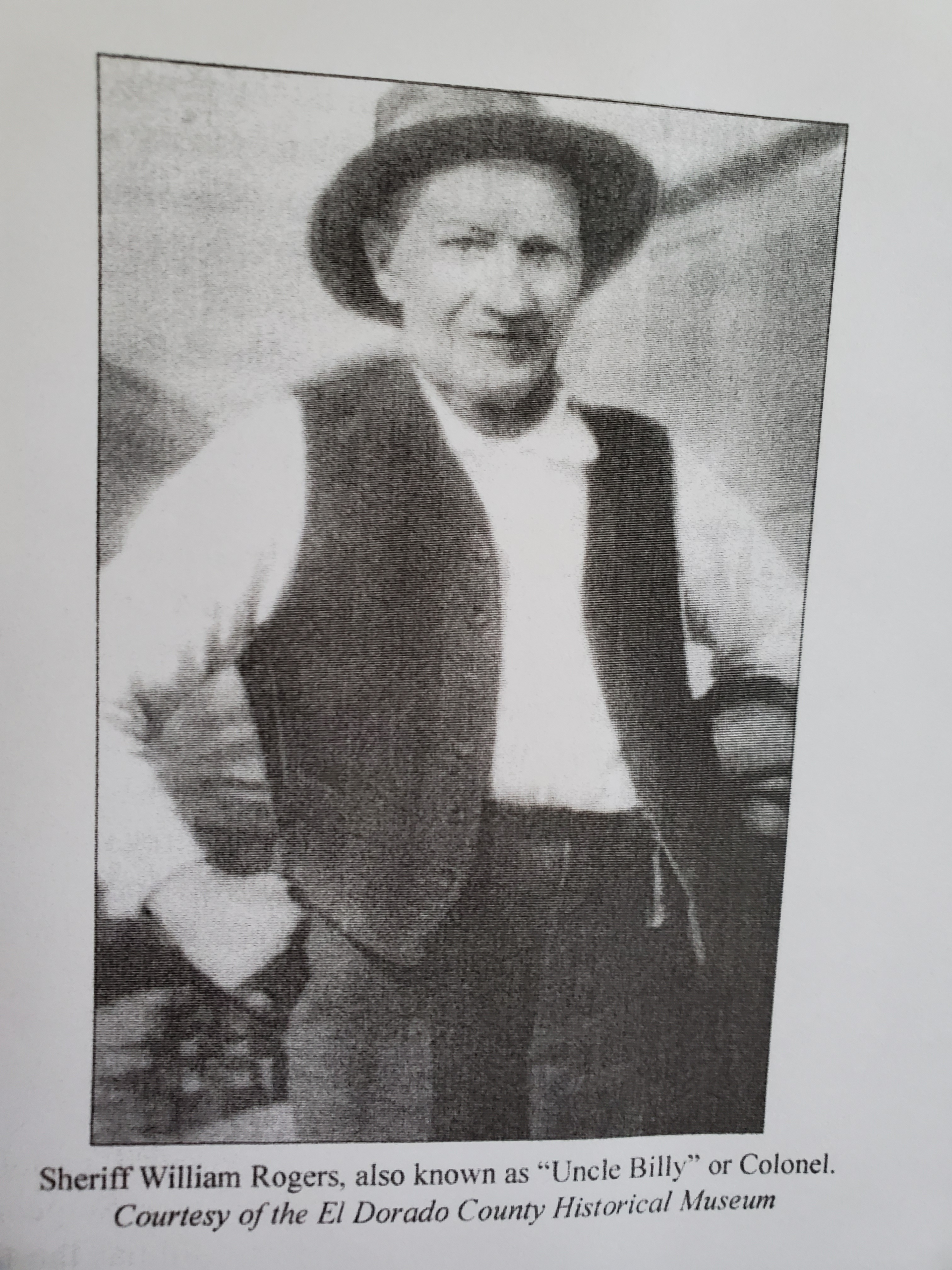
(Photo credit: El Dorado County Historical Museum)
While the US Government decided against a reservation in Ruby Valley, the location was well situated along travel routes. Rogers built a house, planted a garden, and started a trading post. He supplemented his income by trapping and skinning a variety of animals, including wolves, minks, badgers, antelopes, and deer. Eventually, he was assisted by Frederick William Hurst.
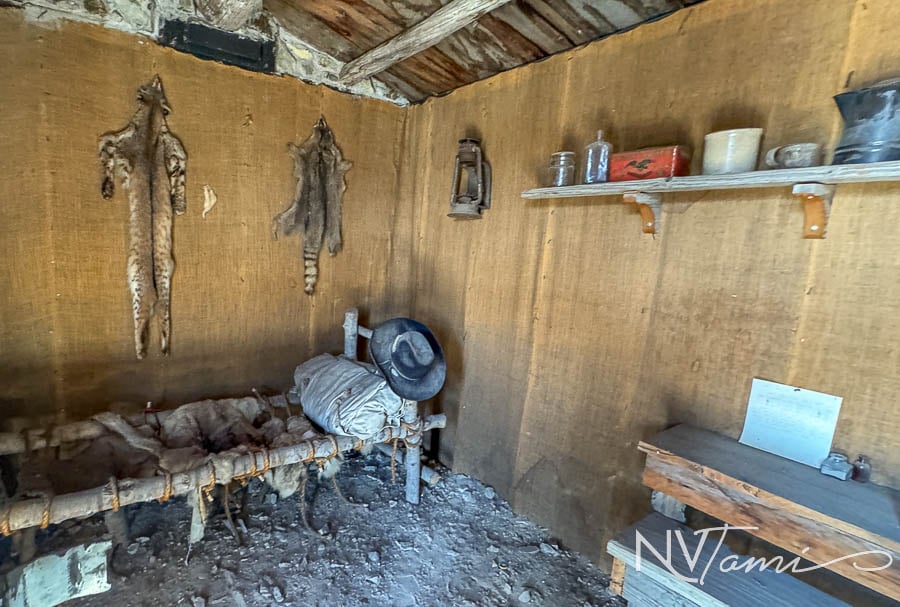
(now in Elko)
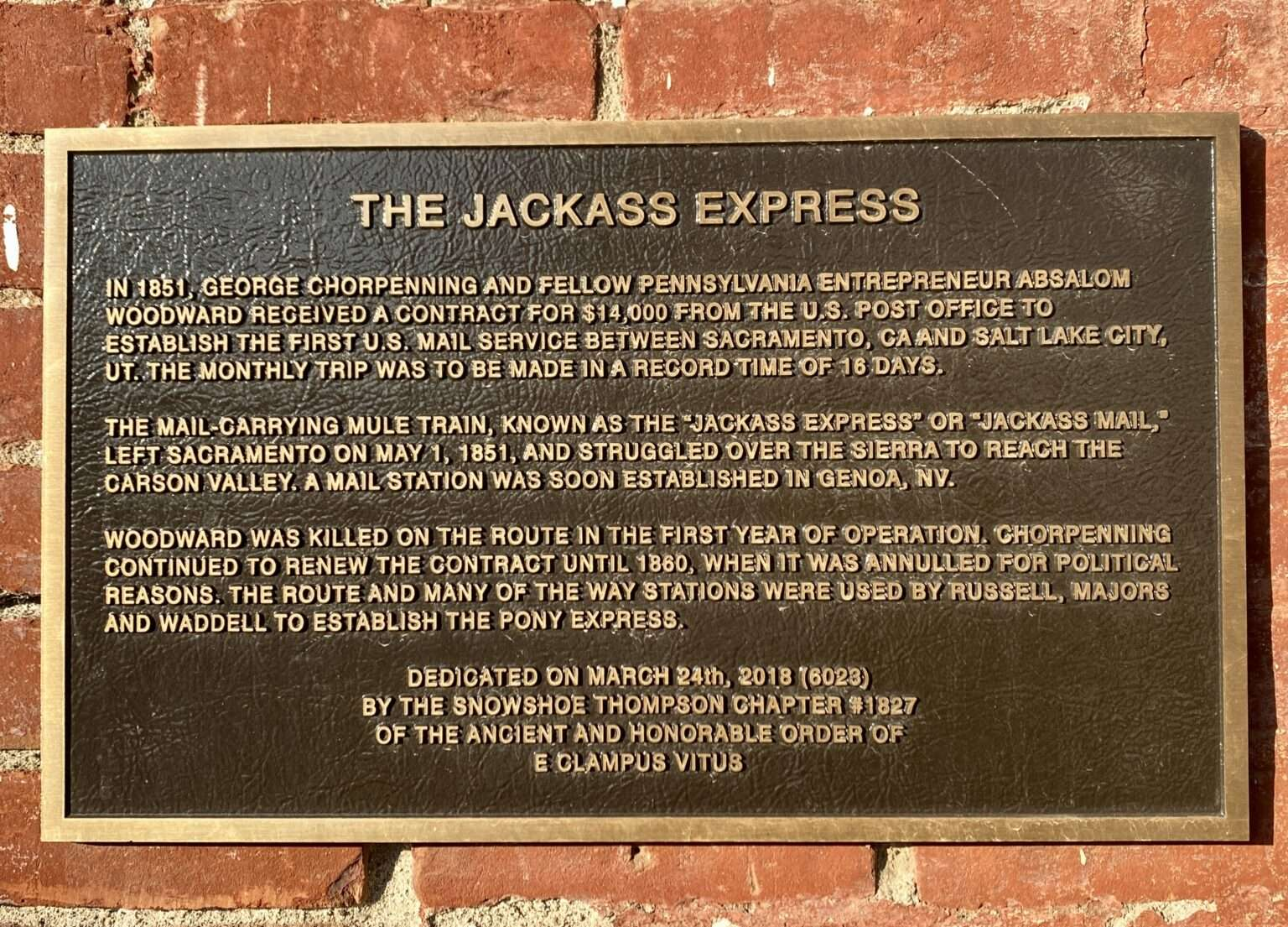
Ruby Valley Station became a stop on George Chorpenning’s mail service, known as the “Jackass Express.” Started in 1851, the line had 14 stations along its route from Salt Lake City, Utah, to Sacramento, California. The nickname derived from their use of mules, or jackasses.
Ruby Valley Pony Express station
The Jackass Express lasted a decade. The Pony Express assumed much of the route and stations used by the Jackass Express. Instead of the slower mules, they switched to horses, significantly cutting the travel time.
The Pony Express chose Rogers as a station stop, naming it Ruby Valley. In March of 1860, in anticipation of the first ride, Pony Express agent W.W. Finney arrived at Ruby Valley Station with mules, horses, tack, clothing, food, and feed. Noticing the shipment, several members of the local tribe stole the best supplies. Rogers unholstered his firearm and fired, injuring one of the thieves. The Native Americans fired back. Fighting continued until Hurst joined the battle and injured another Native American. In retaliation, the warriors set fire to several nearby stations.
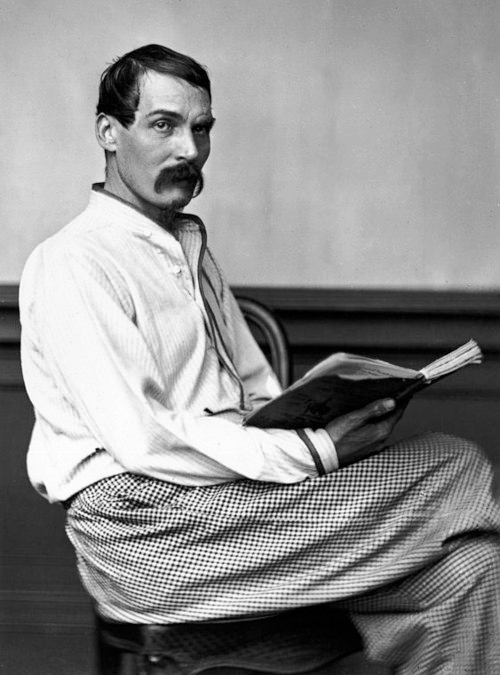
(four years after visiting Ruby Valley Station)
Sir Richard Burton visited Ruby Valley Station in 1860. He wrote of Rogers…
We shook hands cordially with Uncle Billy, whose generosity – a virtue highly prized by those who rarely practicing expect it to be practiced upon them – has won for him the sobriquet of the “Bighearted hearted Father.”
The City of the Saints
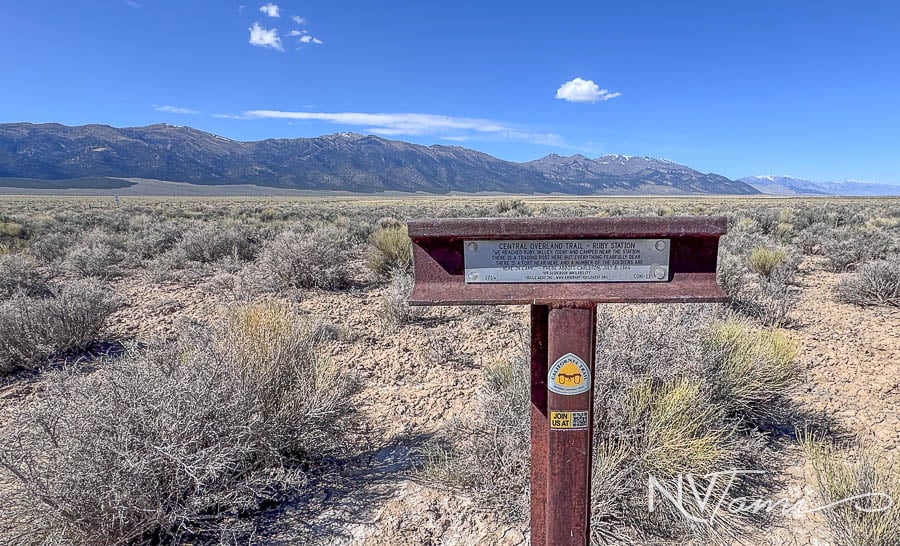
Overland Farm
On October 24, 1861, the transcontinental telegraph made its final connection between the East and the West Coast, making the Pony Express obsolete. Ruby Valley served as a telegraph station and as a stop on the Overland Mail Company’s stage route.
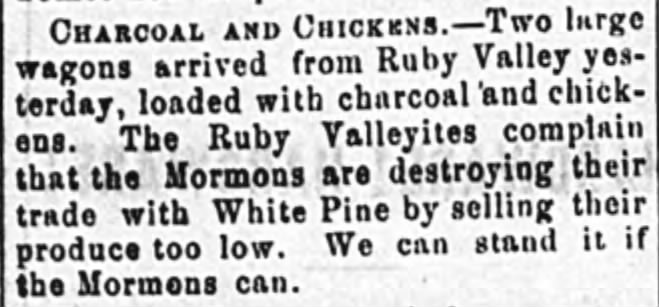
Gold Hill, Nevada • Tue, Apr 20, 1869
Supplying the remote stations was expensive. Much of the food and feed came from Mormon farmers and was considered overpriced. Ruby Valley had fertile ground and water, and became the site of the Overland Farm. Consisting of 1,000 acres, the farm raised grain. The Overland Farm supplied all the company’s needs until its closure in 1869, when the transcontinental railroad was completed.
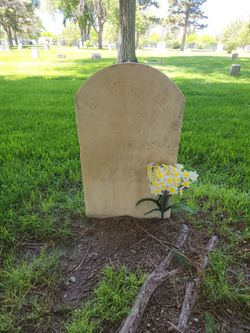
(Photo credit: Find a Grave)
Uncle Billy Rogers remained in Ruby Valley, where he died on September 5, 1876, at the age of 84. He was buried in the Ruby Valley Cemetery.
Pony Express Riders
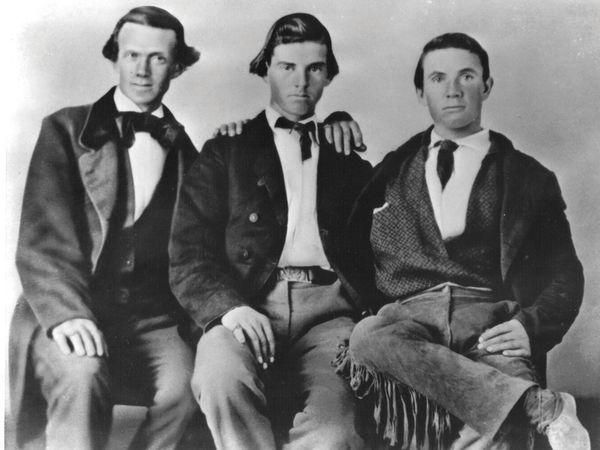
William Frederick Fisher was one of the Pony Express riders at Ruby Valley. His route was to Egan Canyon, a distance of 55 miles in 5 hours. On April 6, Fisher received his first mochila, which arrived from Robert’s Creek, and passed it to Bill Dennis at Egan Canyon. With the onset of the Pyramid Indian War, 4 Pony Express riders were killed, and several stations were burned. Fisher carried his satchel from Ruby Valley to Salt Lake City, a distance of 300 miles in 34 hours.
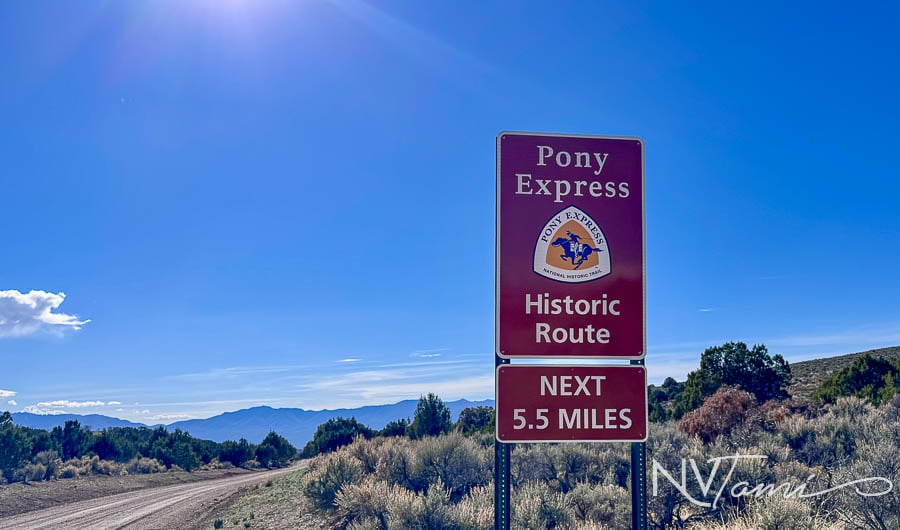
Pony Express on the move
In 1960, during the centennial of the Pony Express, the Ruby Valley station was relocated to Elko. It remains one of only two original Pony Express stations in Nevada.
WANT MORE GHOST TOWNS?
For information on more than five hundred ghost towns in Nevada & California, visit the Nevada Ghost Towns Map or a list of Nevada ghost towns.
Learn about how to visit ghost towns safely.

References
- Bloss, Roy S. Pony Express: The Great Gamble. Howell North, Berkeley, California, 1959.
- Carlson, Helen S. Nevada Place Names: A Geographical Dictionary. University of Nevada Press, Reno and Las Vegas. 1974.
- DiCerto, Joseph J. The Sage of the Pony Express. Mountain Press, Missoula, Montana. 2002.
- Gamett, James and Stanley W. Paher. Nevada Post Offices: An illustrated History. Nevada Publications. Las Vegas. 1983.
- Hall, Shawn. Connecting the West: Historic Railroad stops and stage stations in Elko County, Nevada. University Press, 2002.
- Hall, Shawn. Old Heart of Nevada: Ghost towns and mining camps of Elko County. University of Nevada Press, 1998.
- Hill, William E. Pony Express Trail: Yesterday and Today. Canton Press, Caldwell, Idaho. 2010.
- Nevada Bureau of Land Management. The Pony Express in Nevada. Nevada State Museum, 1996.
- Nevin, David. The Old West: Soldiers. Time Life Books, Alexandria, Virginia. 1974.
Paher, Stanley. Nevada Ghost Towns & Mining Camps. Nevada Publications, 1970. - Roberts, Robert B. Encyclopedia of Historic Forts: The military, pioneer, and trading posts of the United States. MacMillan Publishing Company, New York. 1988.
- Thompson, Thomas H and Albert Augstus West. History of Nevada, 1881. Introduction by David F. Myrick. Howell-North, 1958.


Leslie says
Is this the same as the Fort Ruby pony express station? Thanks.
Tami says
Some people call it Fort Ruby Station. Fort Ruby wasn’t started till 1862, a full year after the Pony Express ended. I’m working on an article about Fort Ruby, and nearby Cave Creek.
Leslie says
My grandfather was born at Fort Ruby on the Joe Tognini ranch. I always said thought it had been a pony express stop, but may have been a post office. I do have an old photo of the buildings where his family lived if you are interested. Probably was taken before 1900.
Tami says
I would love to see it! My email is Tami@NVTami.com
I basically finished Cave Creek which was known as Cave Creek Ranch, the Short Ranch and Bressman’s. There are other ranches in the area, though.
I’m finding a lot of confusion in Ruby Valley, likely due to the name. The town of Ruby Valley was much farther north than the fort and it appears the post office moved around a lot.
Fort Ruby (the actual fort) could have served the Overland Mail. It doesn’t appear that the fort had a post office, although they processed their own mail as a military installation. Some references said it was a Pony Express station, but that isn’t possible, as the Pony Express didn’t exist until a year after it ended. The order for the fort didn’t even happen until 6 months after the last ride.
Get me your grandfather’s name and I’ll see if it is in my references. I found a few articles in old newspapers that Joe Tognini’s ranch was known as Fort Ruby Ranch. One dated to 1887. I’m partway through researching Fort Ruby.
Gorgo Happles says
Glad you are healthy and back to doing something you love, then share.
Tami says
Thank you, it gives me motivation to keep going.
Gorgo Happles says
Moderation? What, you’re going to edit a short quote? Well it’s your website do what you want with it. Glad you’re back anyway
Tami says
Sir Richard Burton wrote a fair bit about Ruby Valley. I took the section that I felt best fit with that section of my article.