March 2026 – Ridgecrest & Eastern Kern County Explorations
In March 2026 I was in Ridgecrest to give a presentation on Eastern Sierra Ghost Towns at the wonderful Maturango Museum. I stayed a few extra days to explore the rich mining and desert history of eastern Kern County and the surrounding Mojave. Here are some of the highlights from that trip:
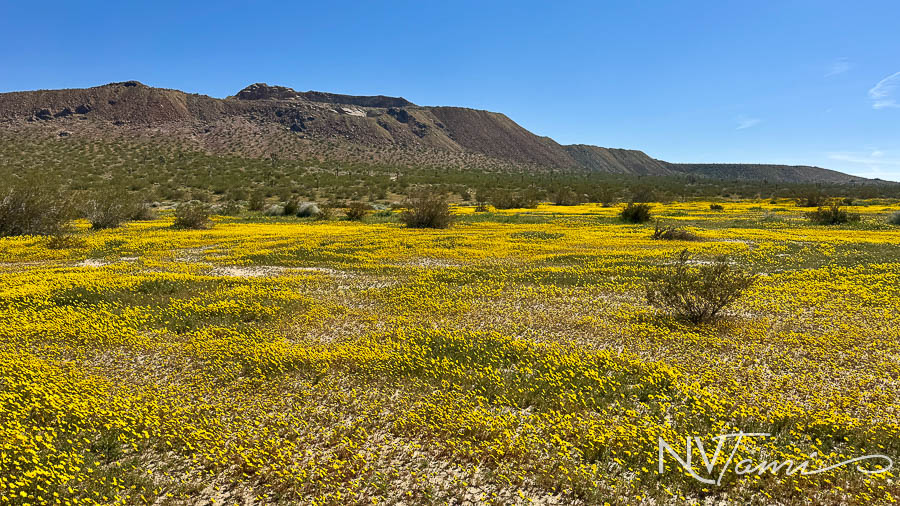
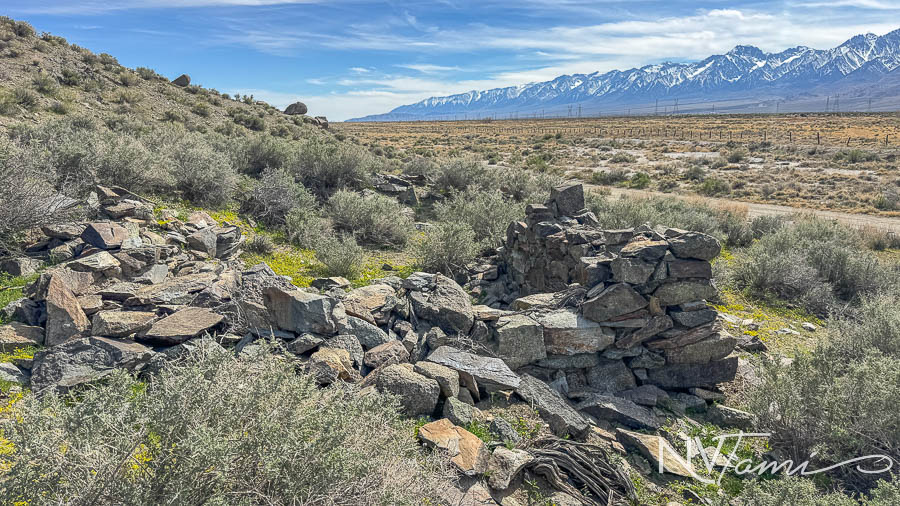
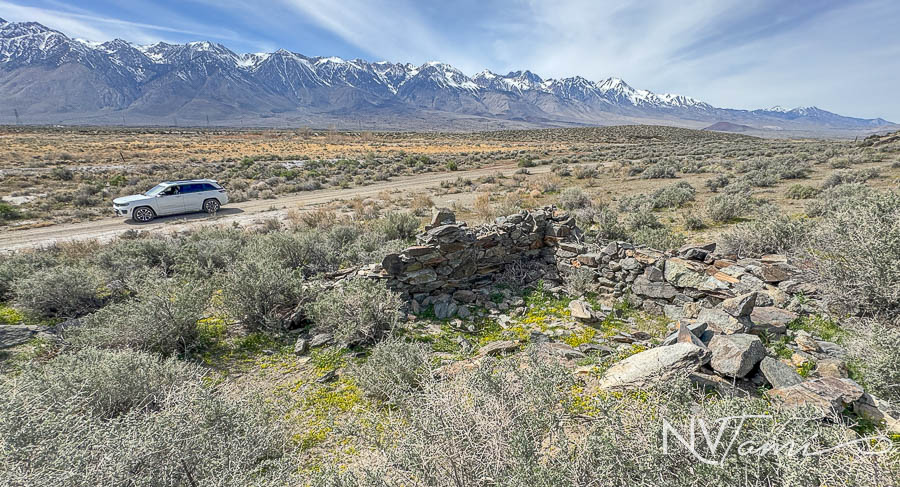
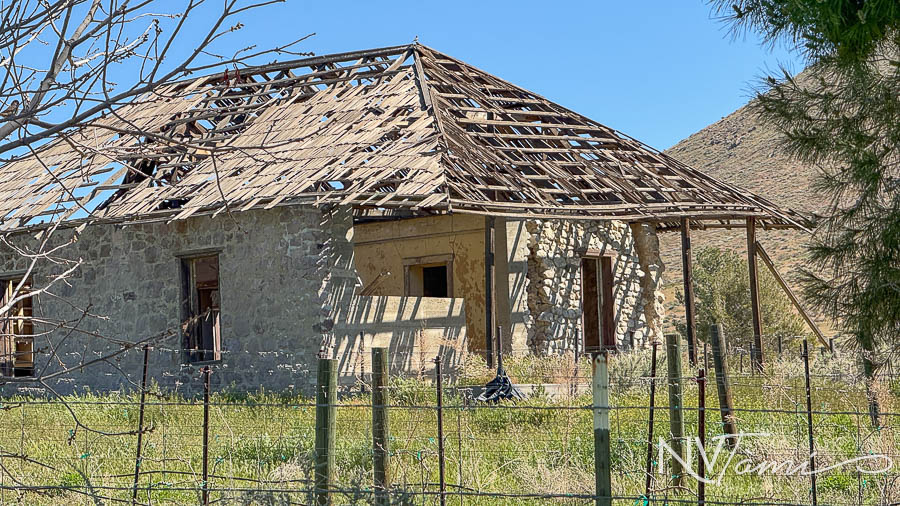
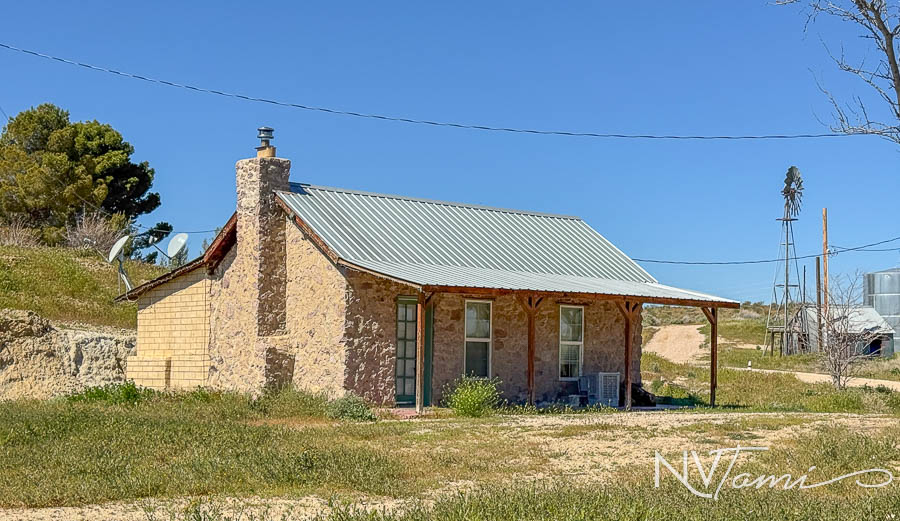
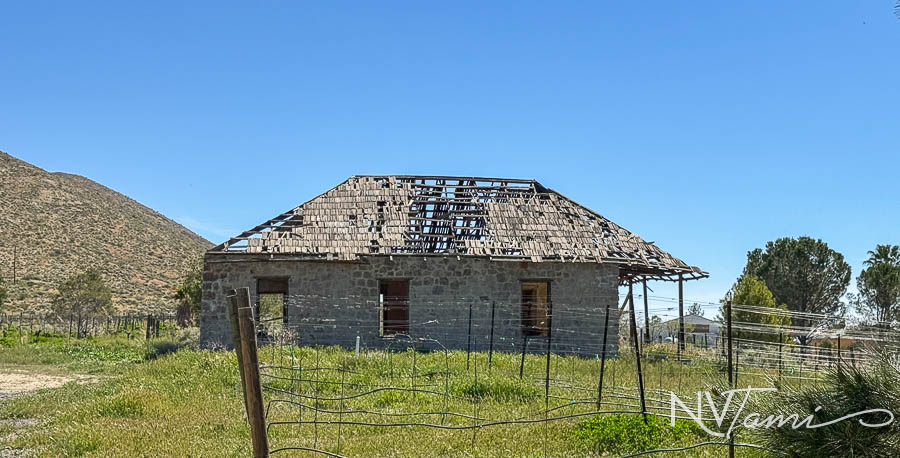
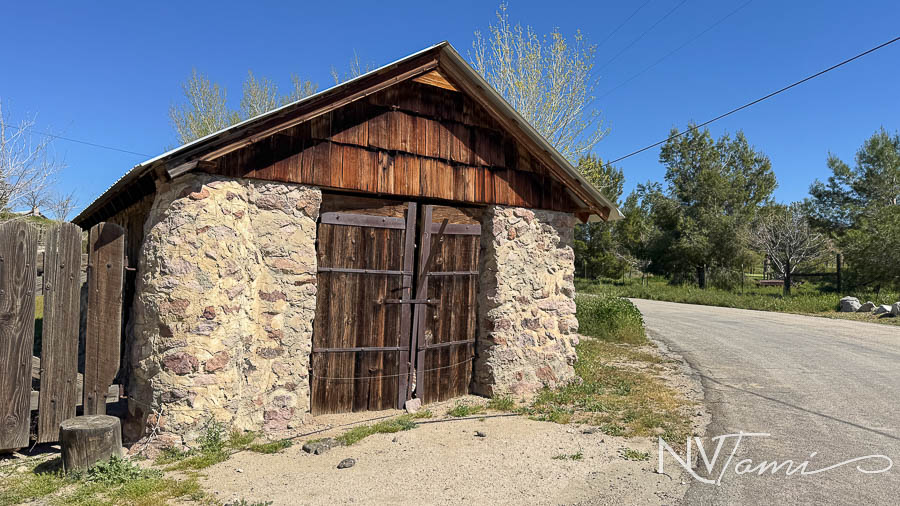
Bishop Unknown Cabin No information on this stone cabin. I was driving past and happened to spot it.
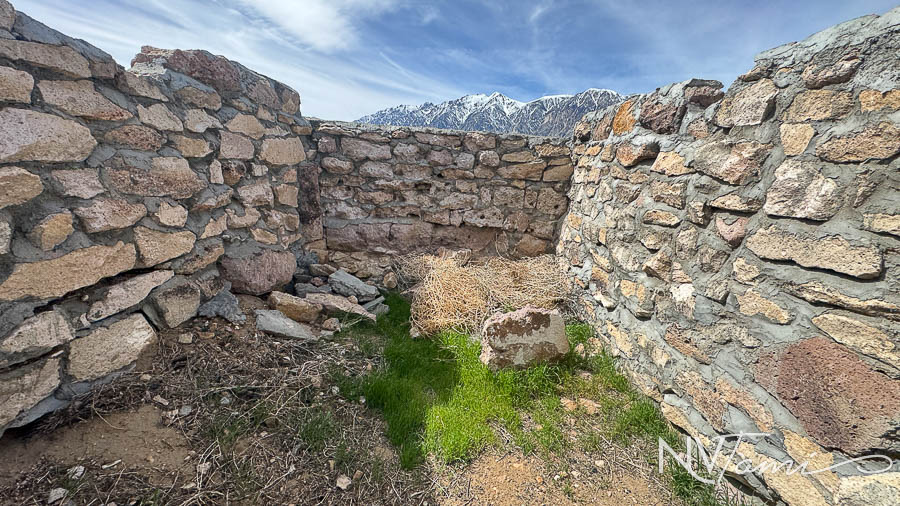


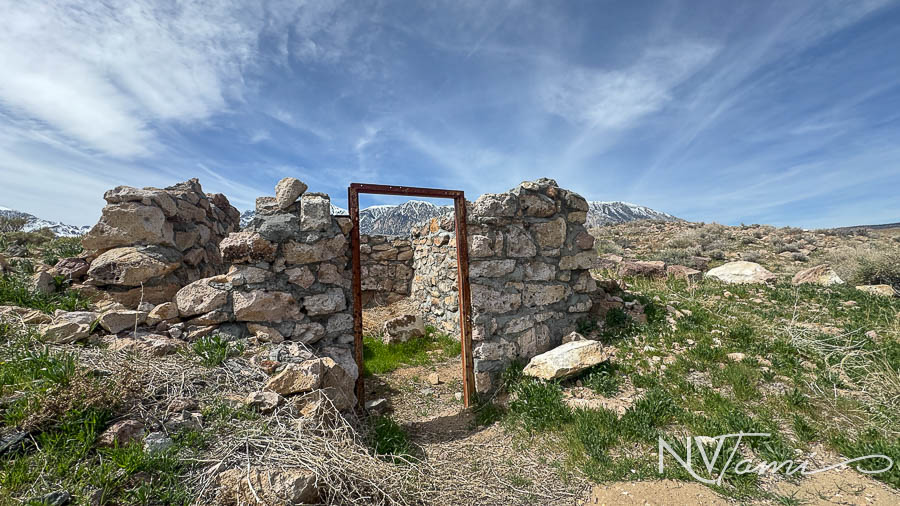
Chrysopolis Chrysopolis was a short-lived mining camp in the El Paso Mountains. Established in the 1890s during a gold rush, it never developed into a major town. Today little remains except scattered foundations and mining debris, but the remote desert setting and views make it an interesting stop for those chasing lesser-known sites.

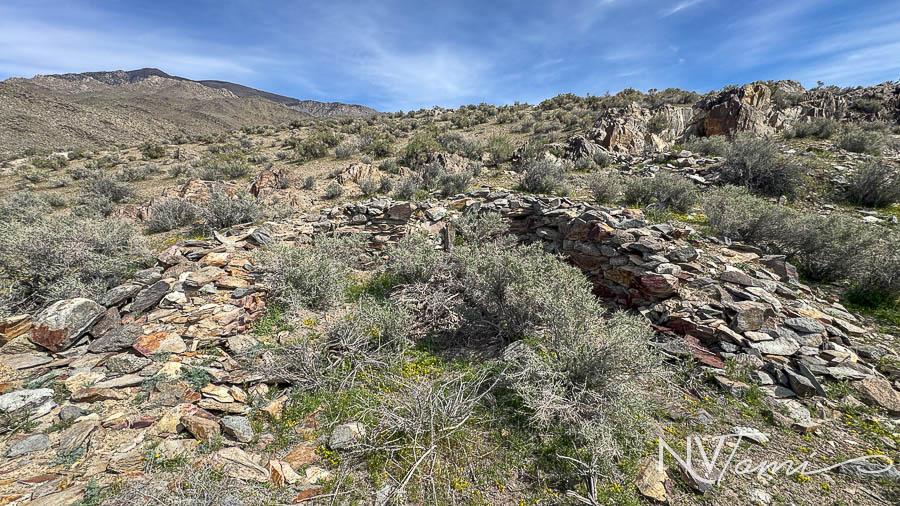
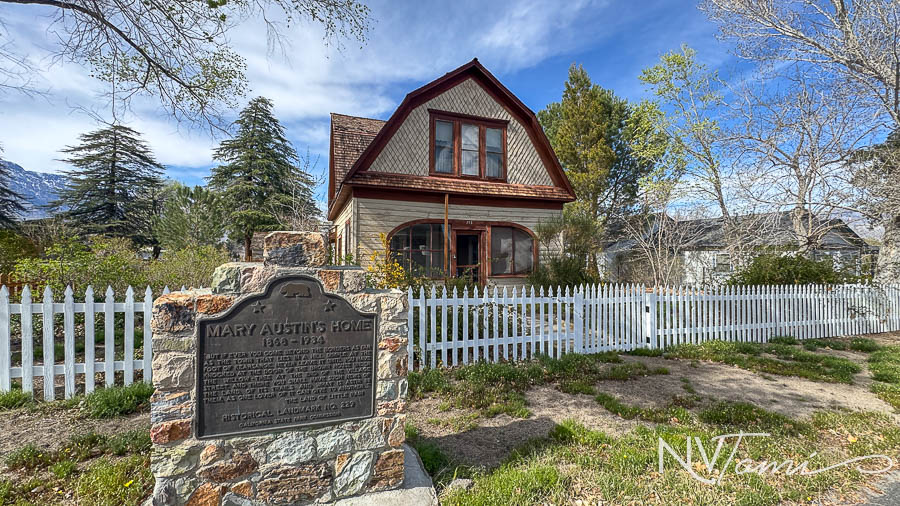
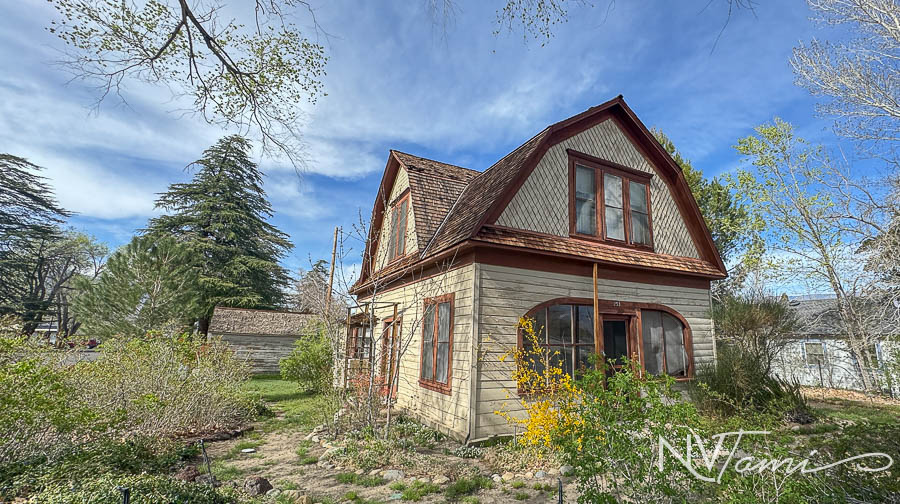
Mary Austin’s House Mary Austin was an author, feminist and environmentalist. She wrote The Land of Little Rain, she lived in Independence, California, in the late 1890s and early 1900s.
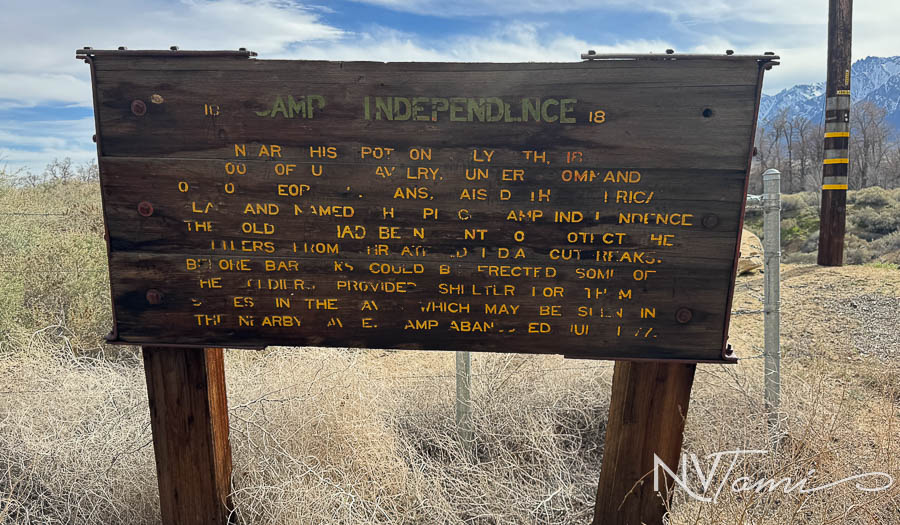
Fort Independence Fort Independence was a U.S. Army post established in 1862 to protect settlers and miners during conflicts with local Paiute groups. It operated for only a few years before being abandoned. The site offers interpretive signs and a quiet, windswept location that gives a tangible sense of frontier military life in the Owens Valley region.


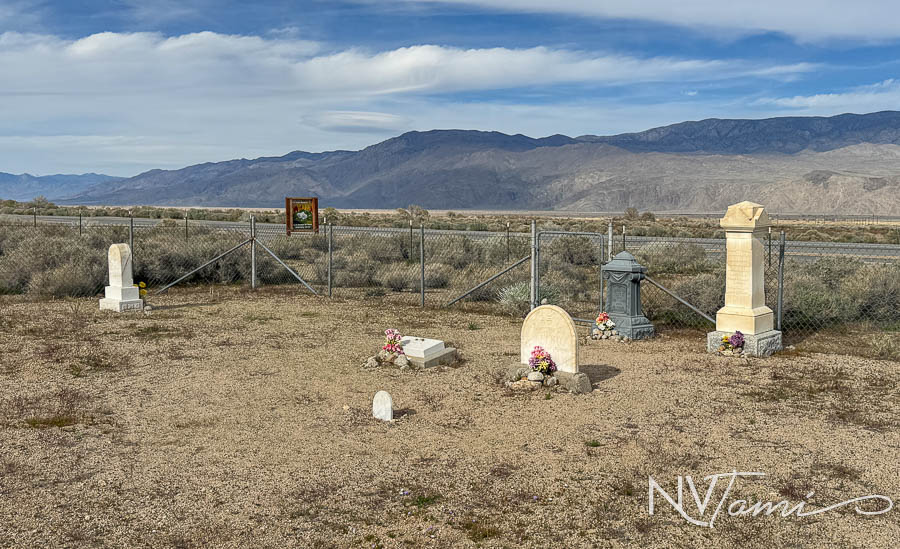
Independence Jewish Cemetery This small, historic Jewish cemetery near Independence, California, contains graves dating back to the late 19th century. It stands as a poignant reminder of the diverse immigrant communities that came to the Eastern Sierra in search of opportunity during the mining booms. Well-maintained and peaceful, it’s a moving stop for history buffs.
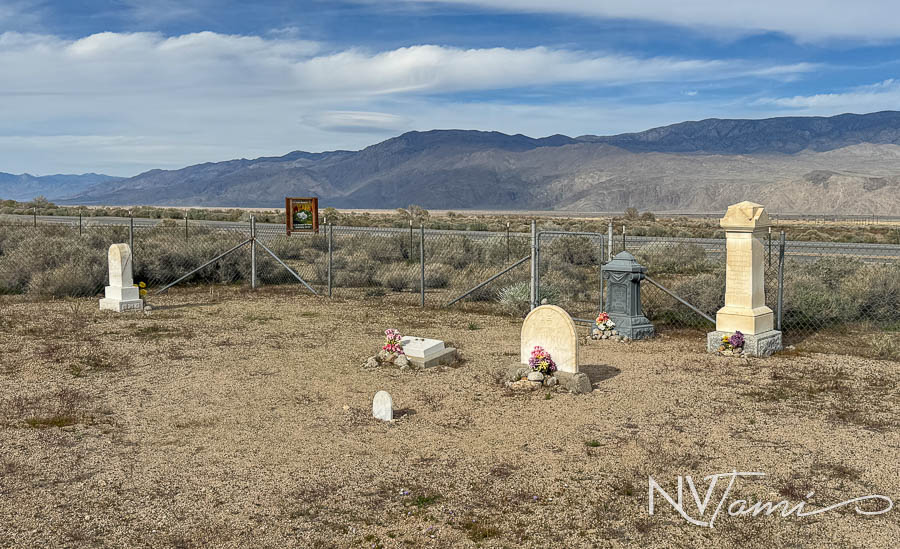
Permanente Permanente was a small settlement associated with early mining and later cement plant operations in the area. The site includes remnants of industrial activity and housing. It reflects the shift from pure mining to resource processing that helped sustain communities in the high desert.
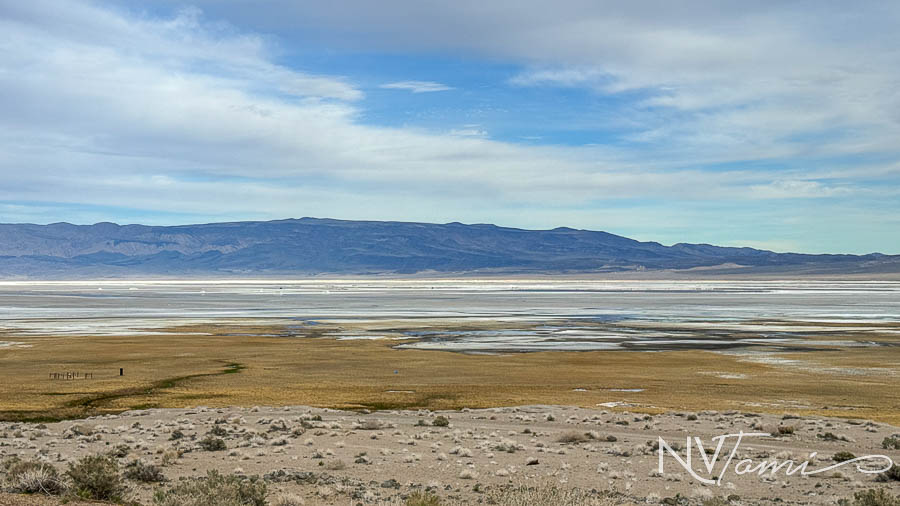
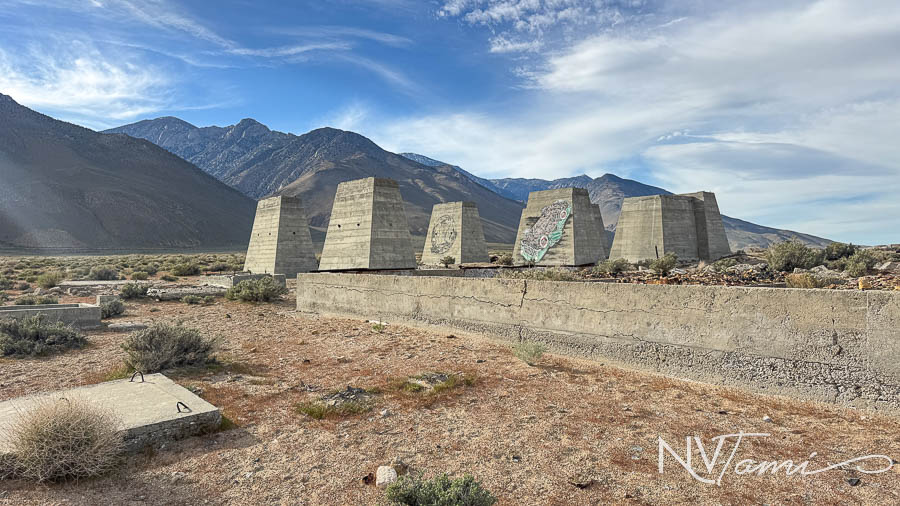
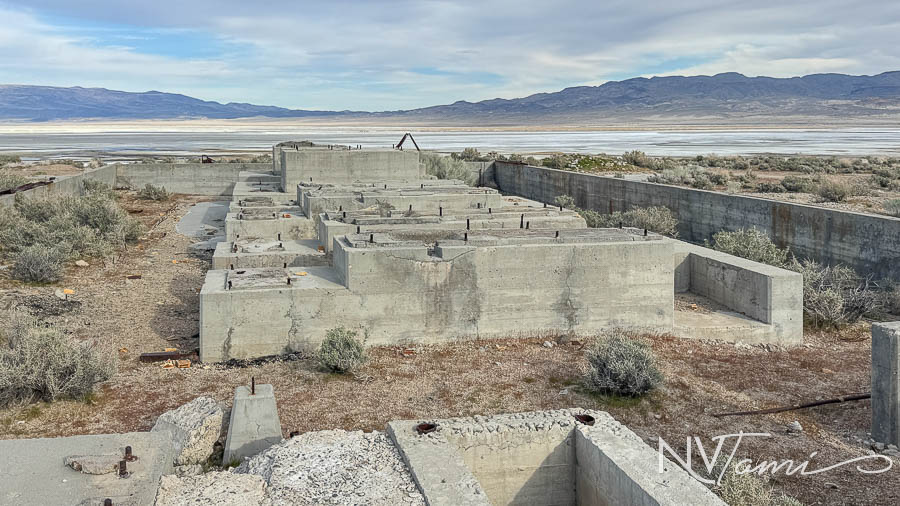
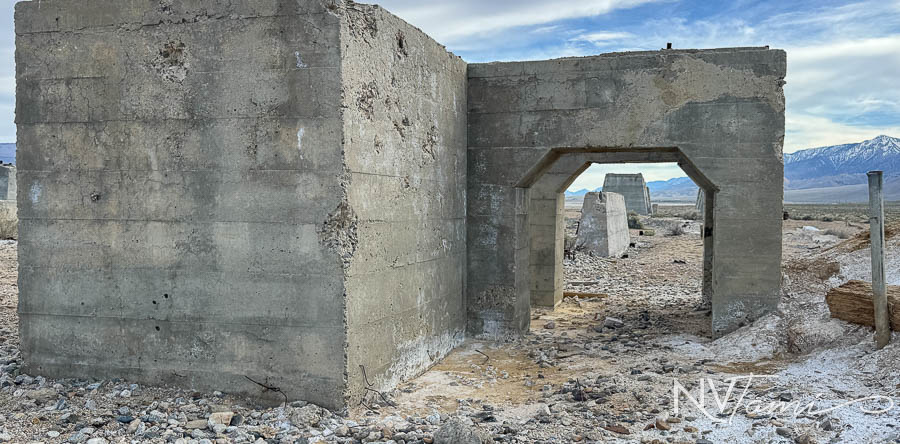
Freeman Junction Freeman Junction served as an important crossroads and stage stop along historic routes through the Mojave. Named after early settler Freeman, the site has ruins and markers that highlight its role in transportation before modern highways. A quick stop with good views of the surrounding desert landscape. Saldy, the historical marker was damaged.
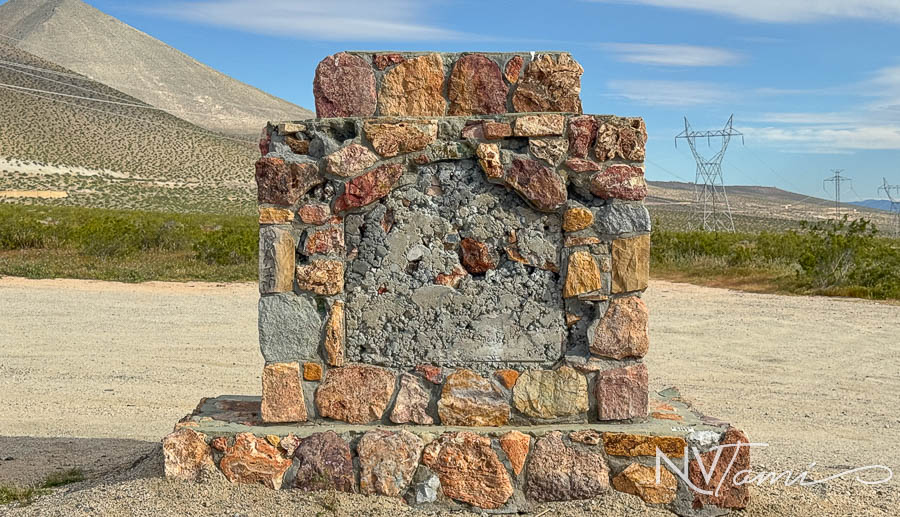
Gold Town / Standard Hill Gold Town (also known as Standard Hill) was part of the Rand Mining District gold boom. Active in the late 1890s and early 1900s, it produced significant ore. Today visitors can see mine ruins, tailings, and remnants of the camp spread across the hills — a classic Mojave mining landscape.
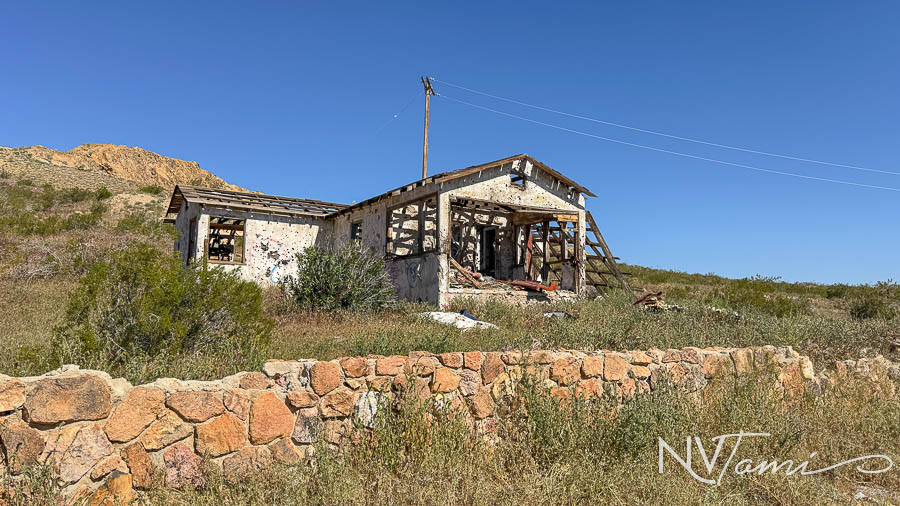

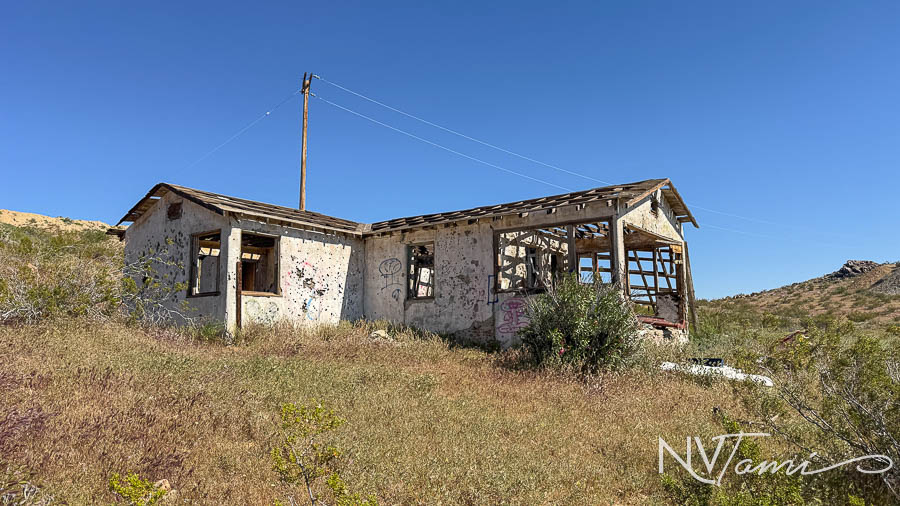
Whitmore Mine The Whitmore Mine is one of the many gold operations in the Rand area. It operated intermittently into the 20th century. The site features mine workings and equipment remnants that give insight into the hard-rock mining that defined this region.
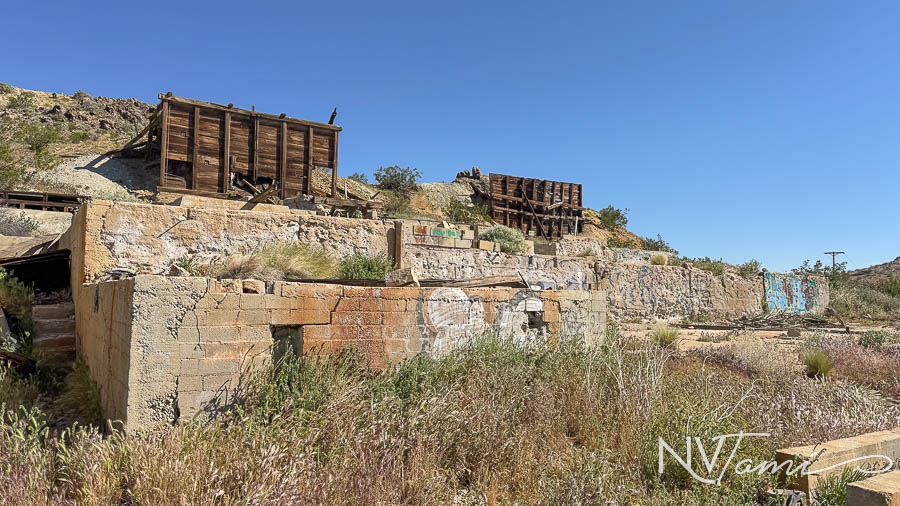
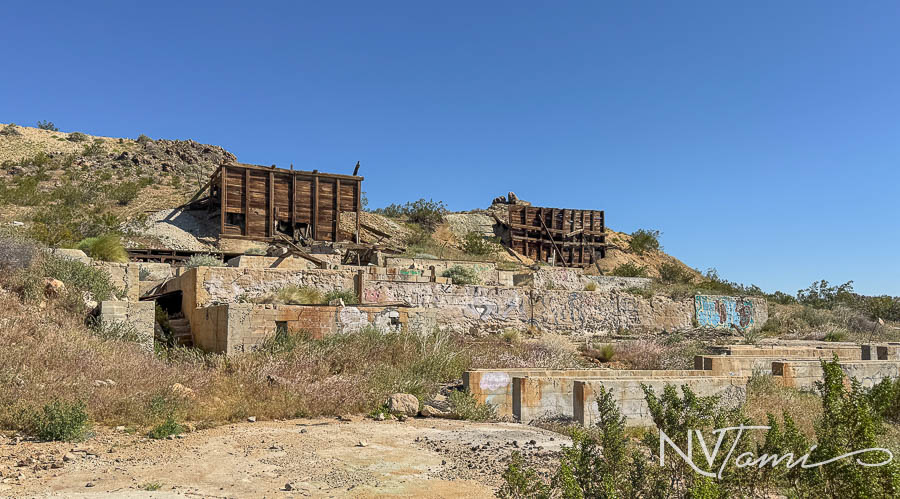
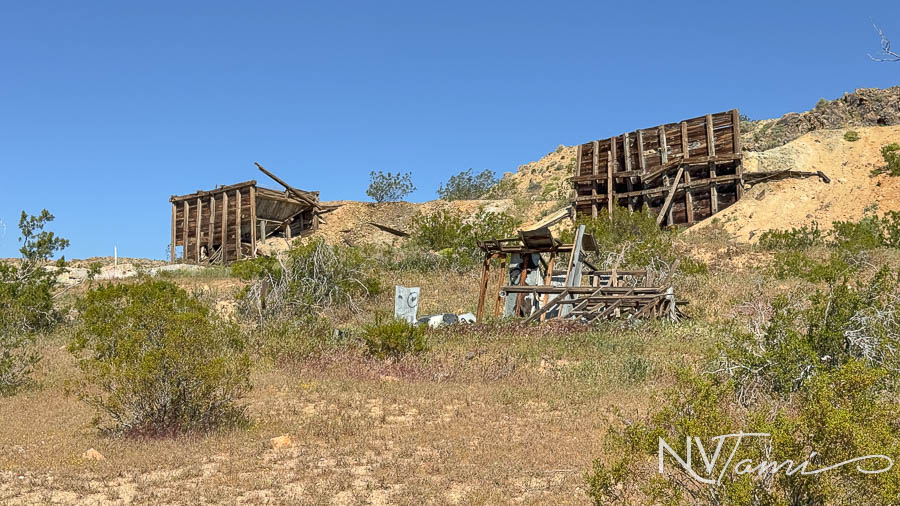
Reefer City Reefer City was a small mining camp tied to the broader gold excitement around Randsburg. Like many satellite camps, it had a brief life and left behind scattered ruins. It’s a quiet spot that rewards those willing to venture a bit further into the backcountry.
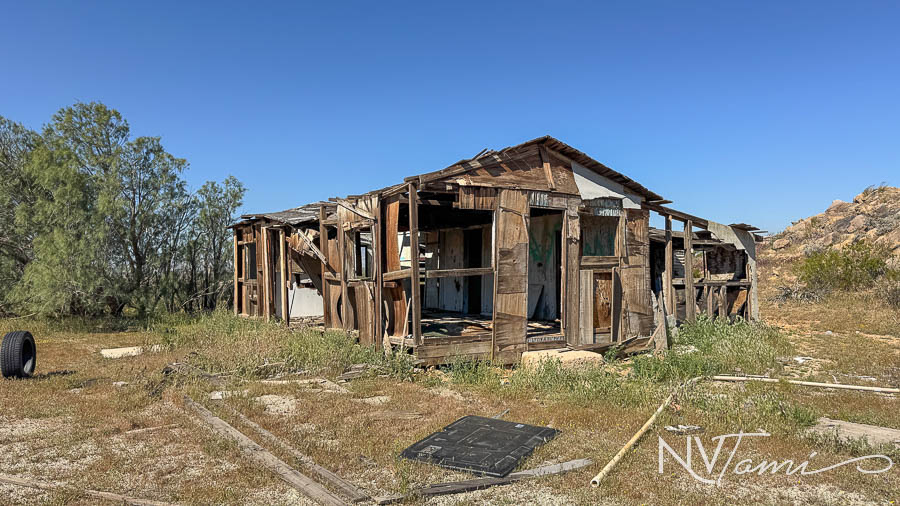
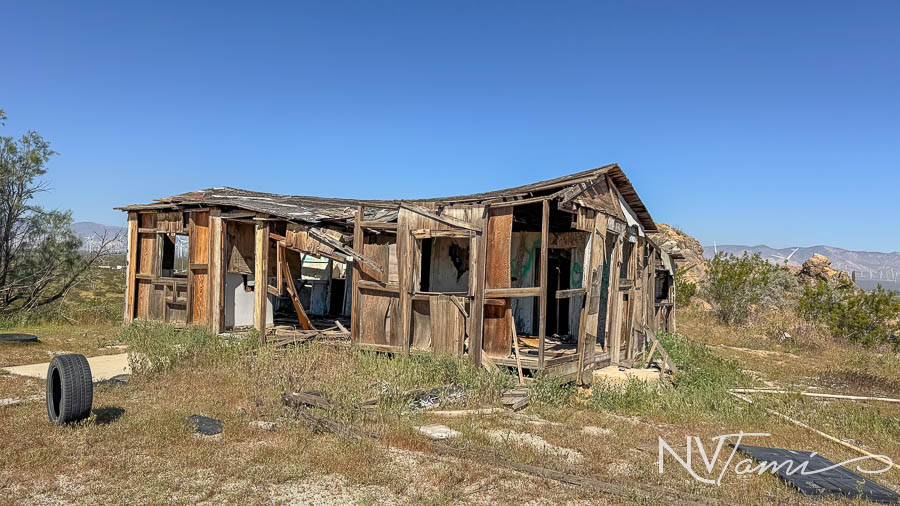
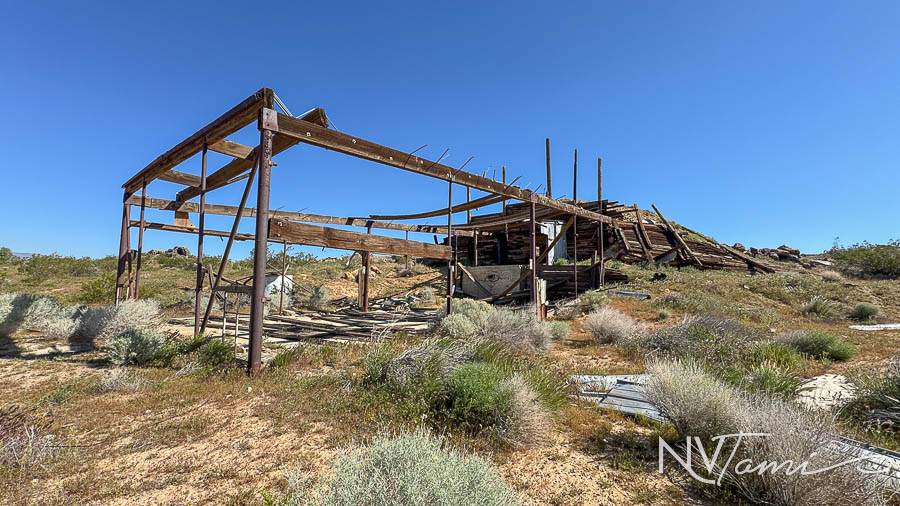
Willow Springs Willow Springs was a vital water source and stage station in the Mojave Desert. The reliable spring supported travelers and miners for decades. Today the area includes historic structures and markers, offering a cool contrast to the dry surroundings.
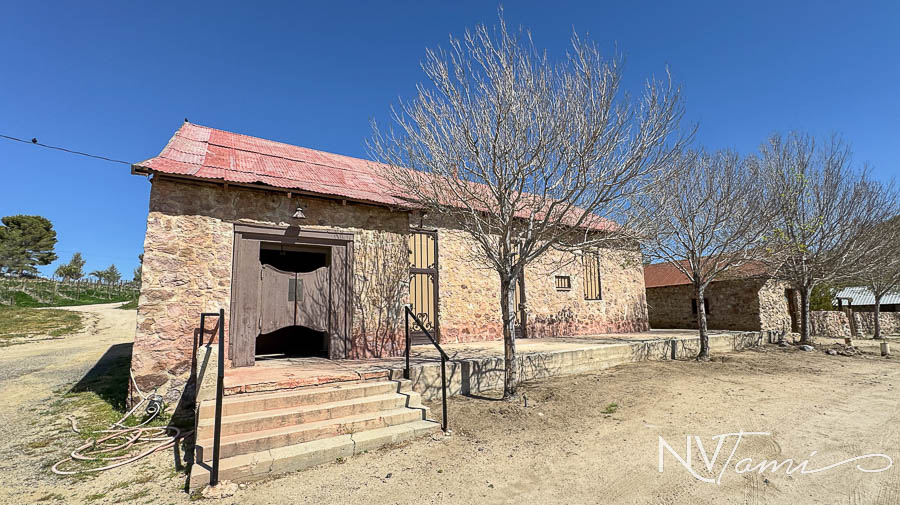
Tropico Tropico (also known as Tropico Mine) was a gold mining operation that later became a tourist attraction with guided tours. The site preserves mining buildings and equipment. It’s one of the more accessible and interpretive mining sites in the area.
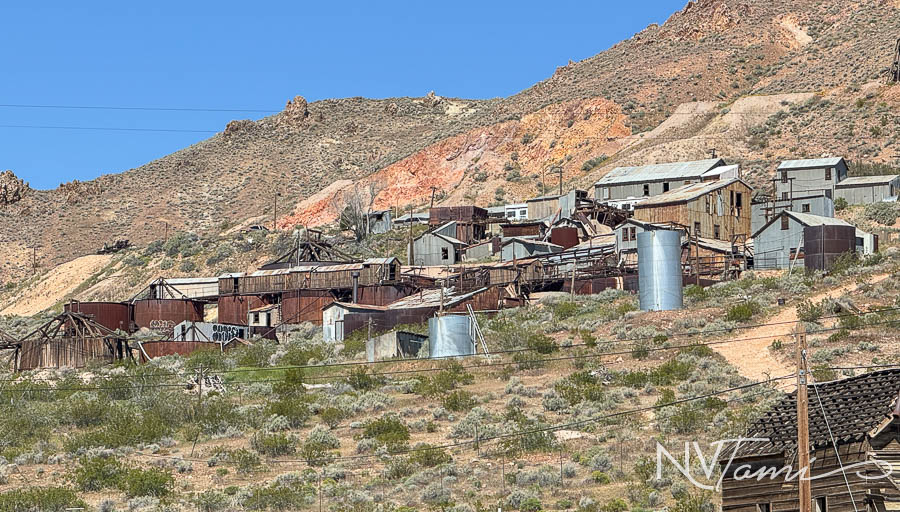
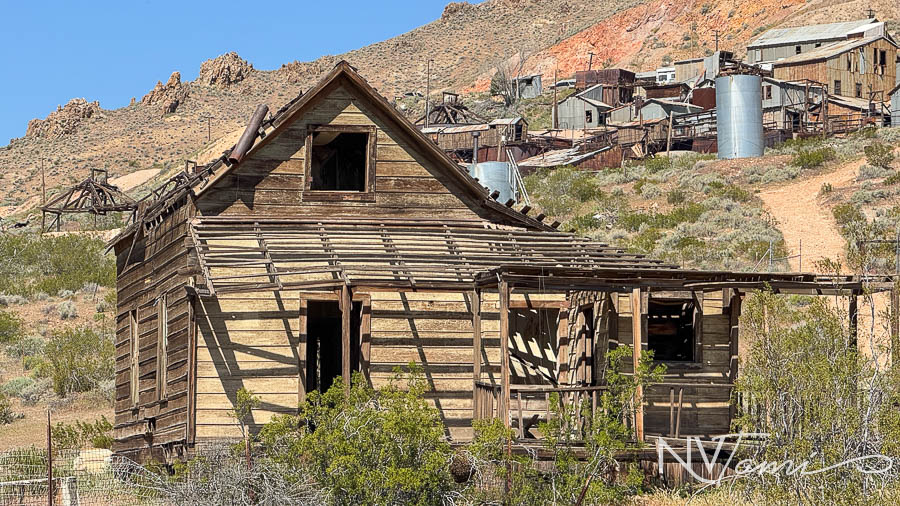
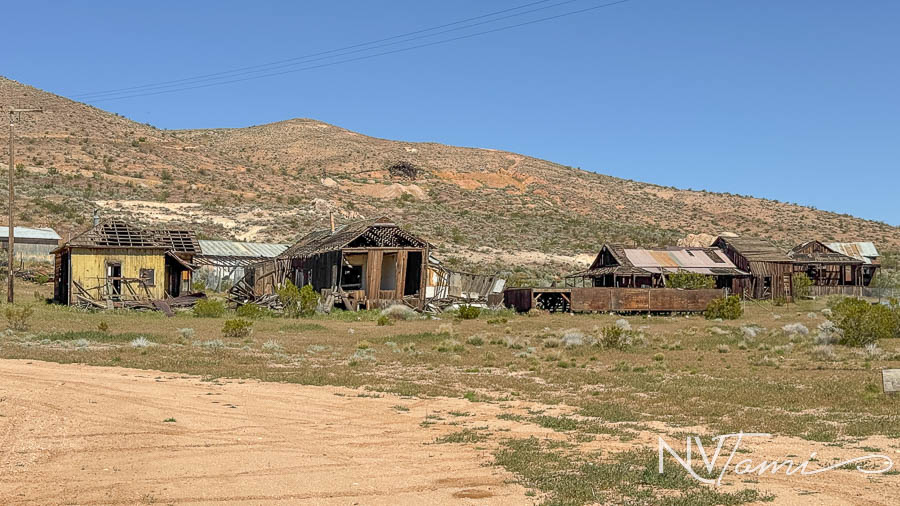
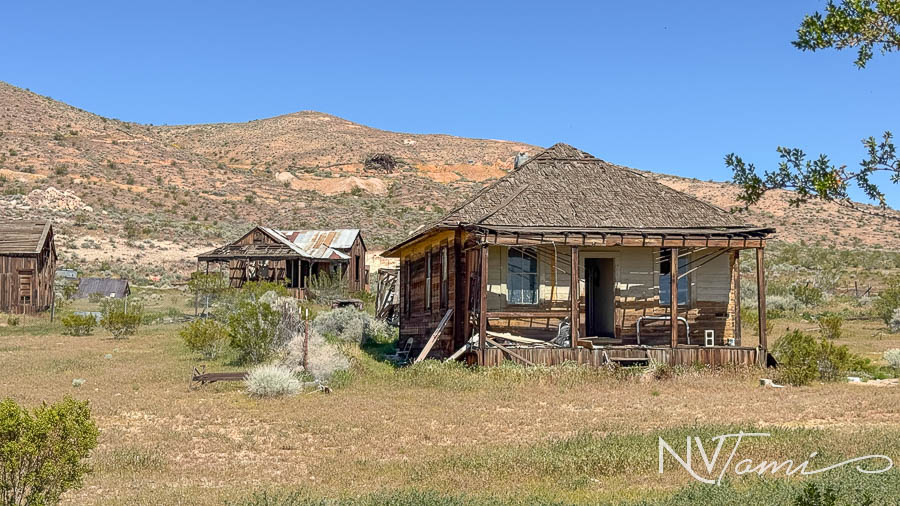
Church Ruins These atmospheric church ruins (location varies by exact site) stand as silent witnesses to the faith and community life of early desert settlers. The weathered walls and desert backdrop create a hauntingly beautiful scene often photographed by explorers.
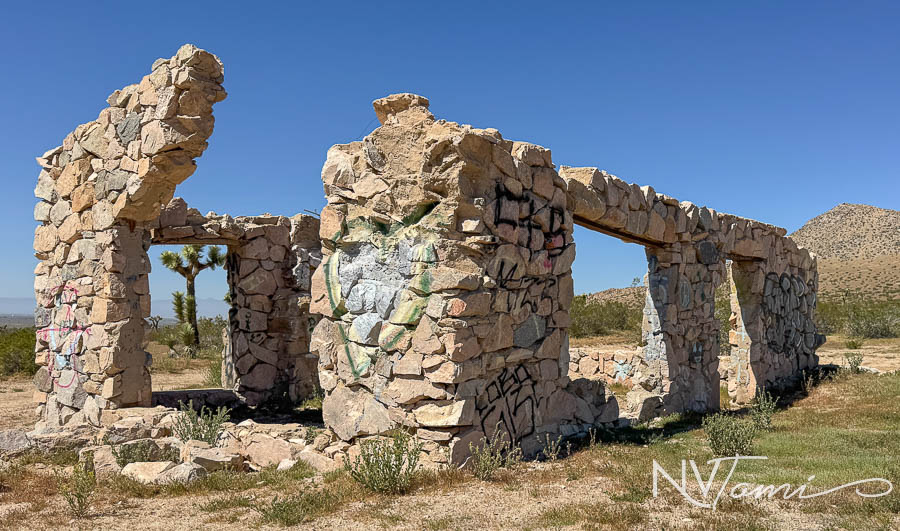
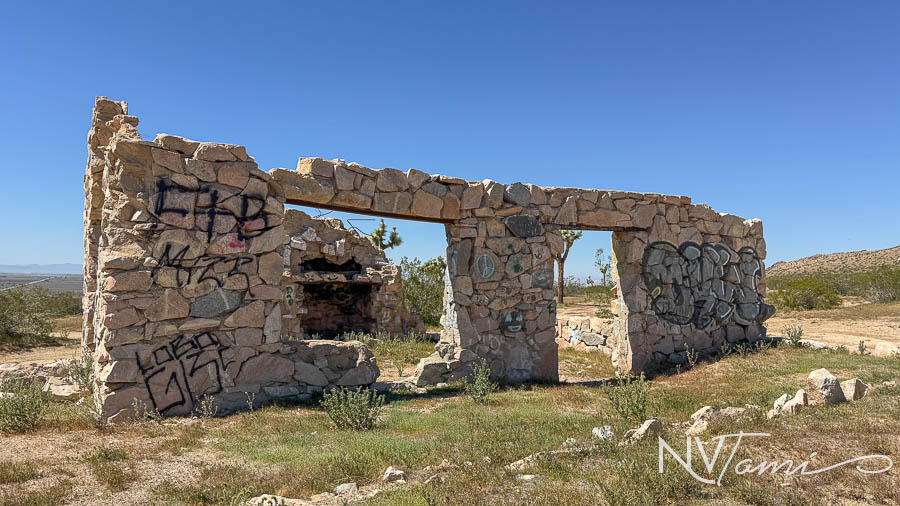
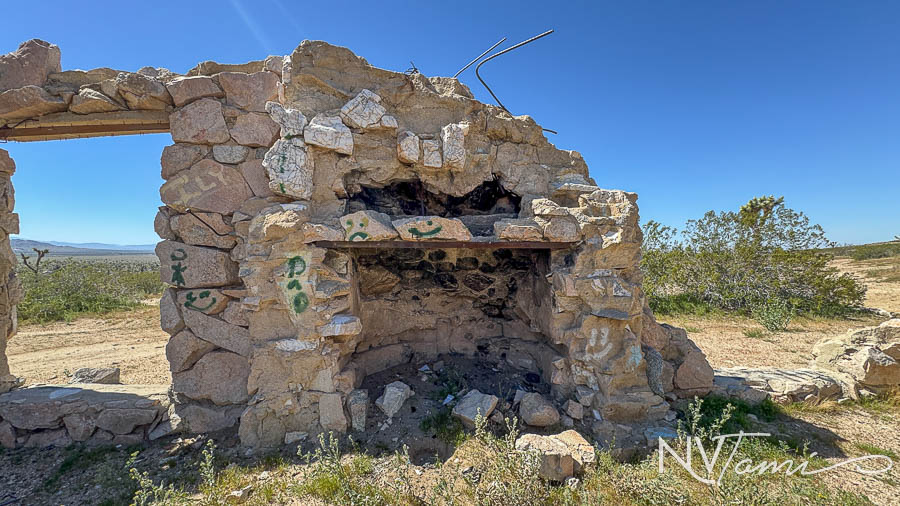
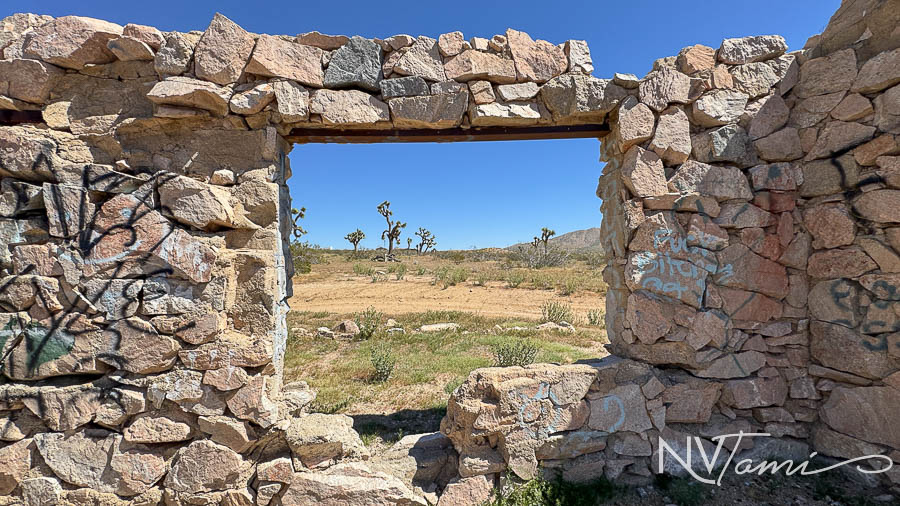
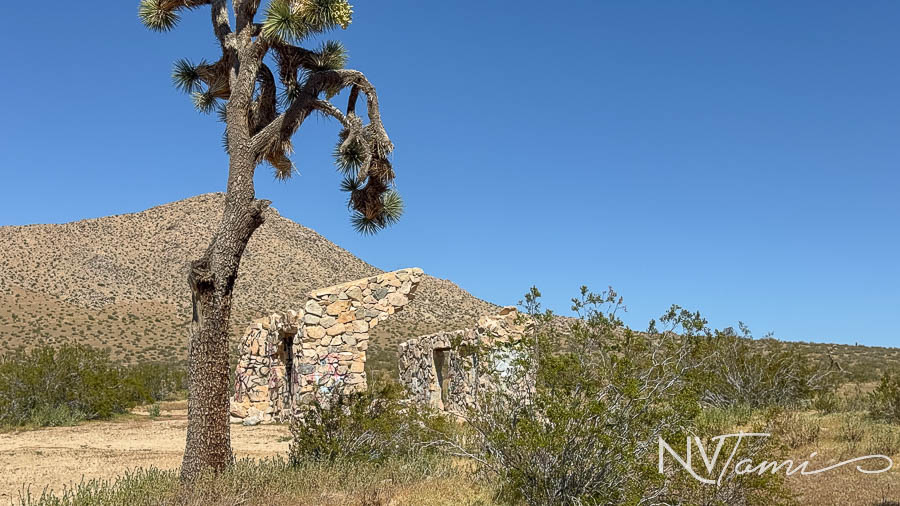
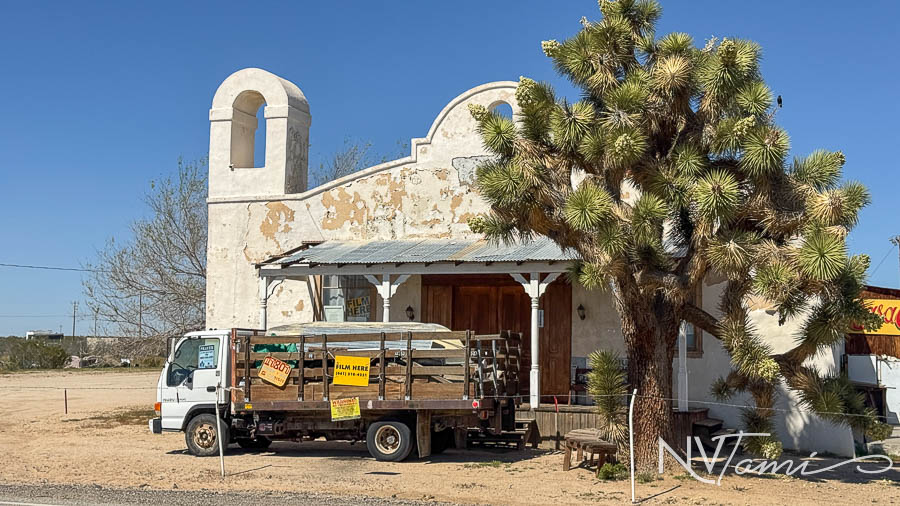
Hi Vista Hi Vista is a remote desert community and former settlement area with scattered ruins. It offers wide-open views and a sense of isolation that captures the true character of Mojave backroads travel. Hi Vista is best known for the church, used in the filming of Kill Bill.
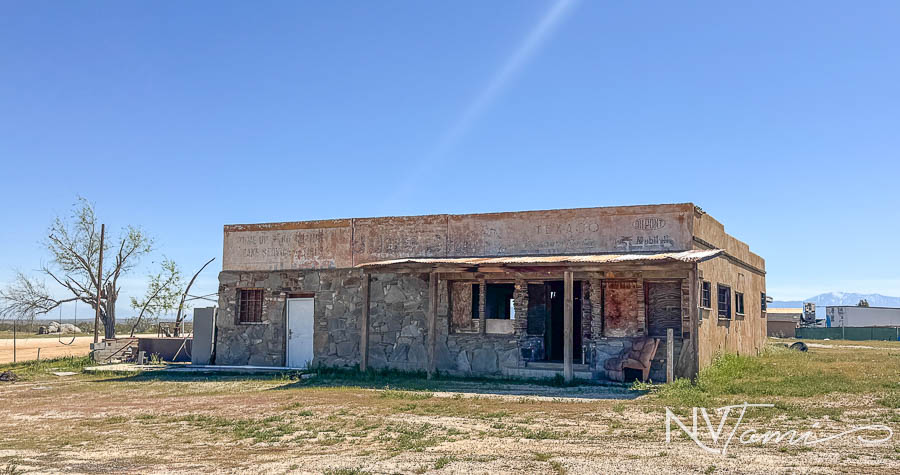
Rock House (Mount Mesa Sanitarium?) The Rock House, sometimes associated with the Mount Mesa Sanitarium era, is a unique stone structure built in the desert. Its solid construction and history as a health or residential facility make it an intriguing architectural oddity in the high desert.
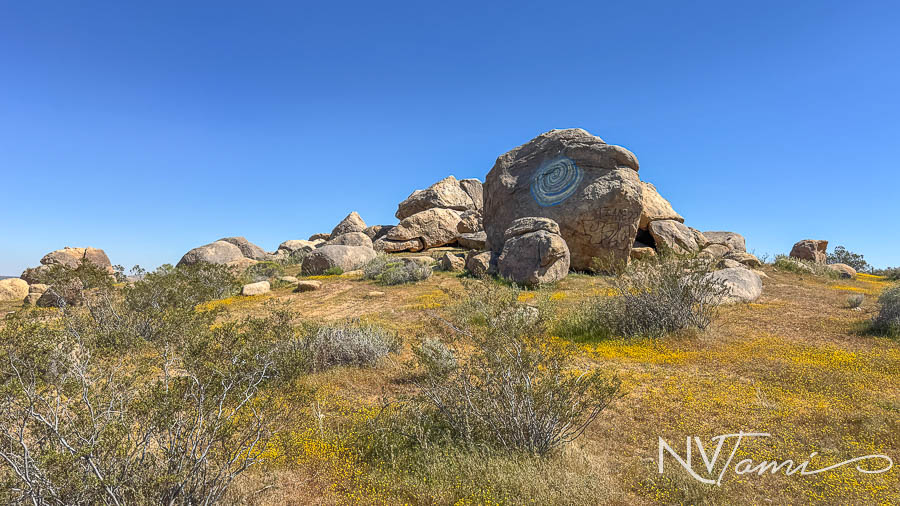

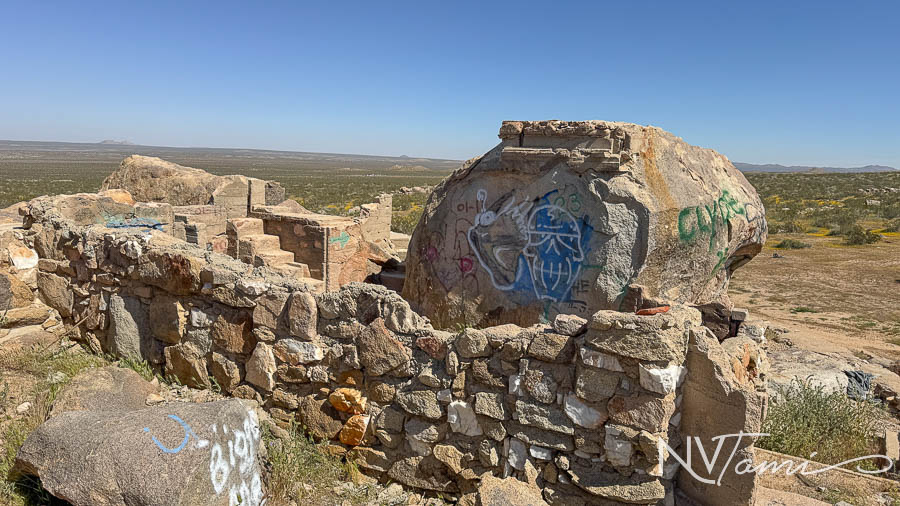
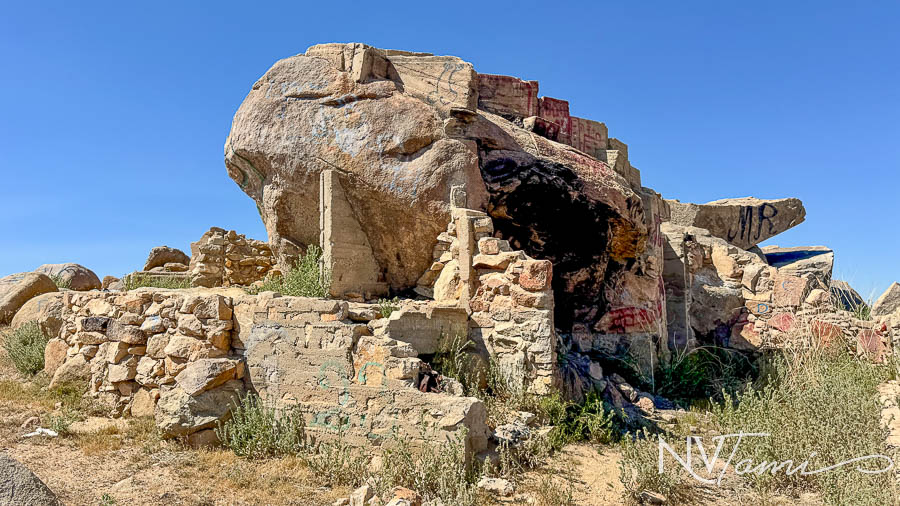
Pig Spa This curiously named site (sometimes referred to locally as Pig Spa) features natural or developed springs and rudimentary facilities once used for animals or recreation. It’s an offbeat stop that adds character to any desert loop.
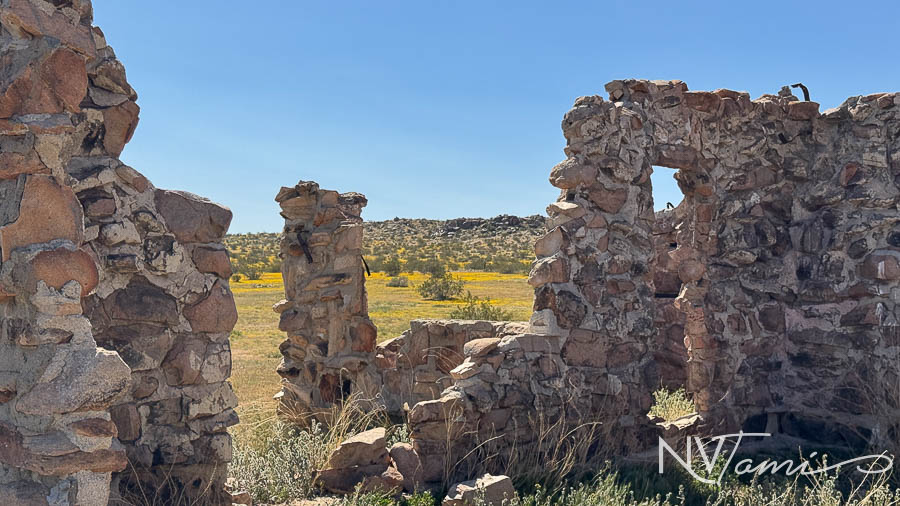
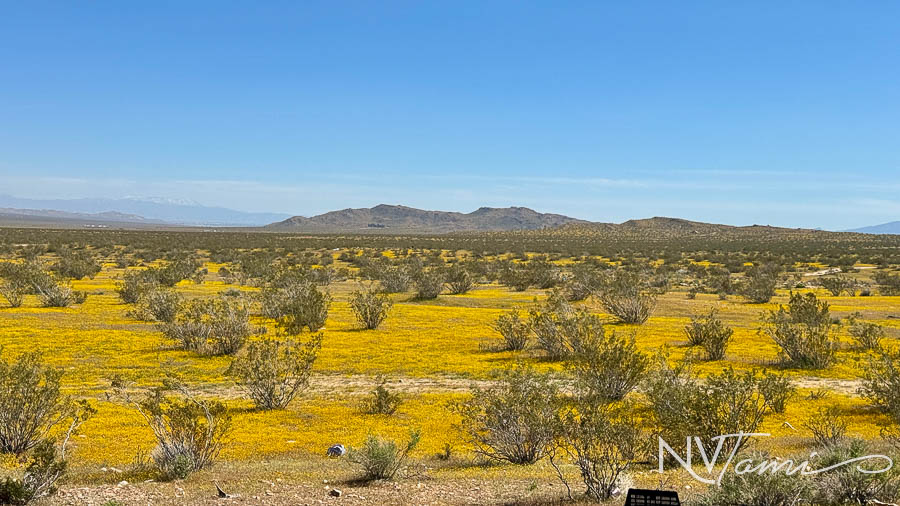
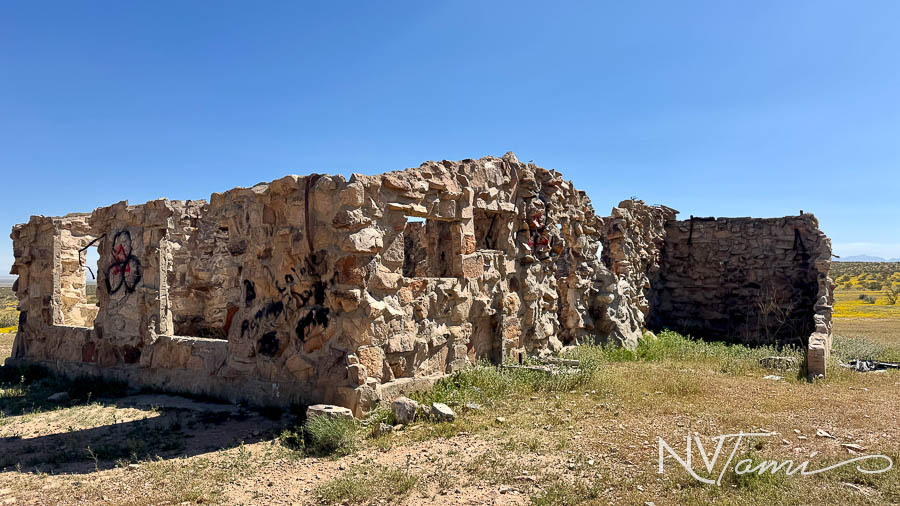

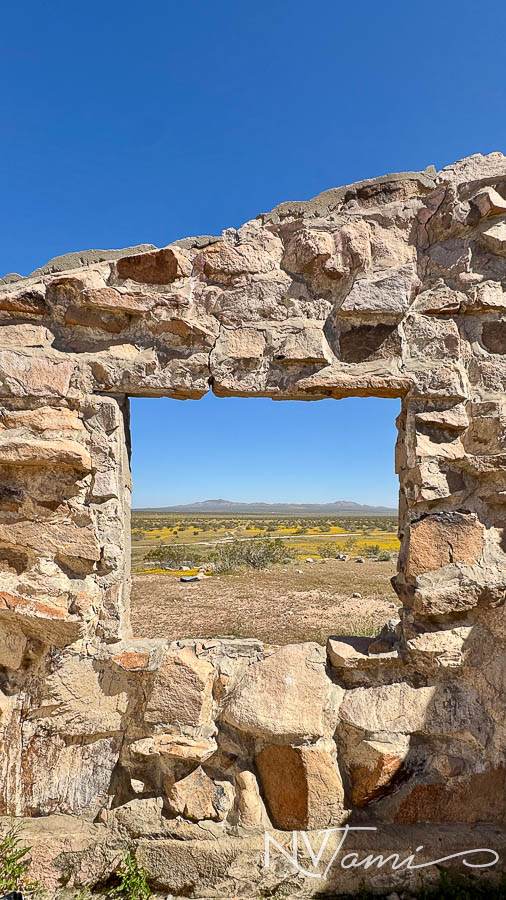
Llano del Rio Llano del Rio was a short-lived socialist utopian colony founded in 1914 by Job Harriman. The ambitious experiment included plans for a self-sustaining community but failed due to water issues and internal challenges. Concrete ruins of buildings and the aqueduct remain as fascinating remnants of early 20th-century idealism.

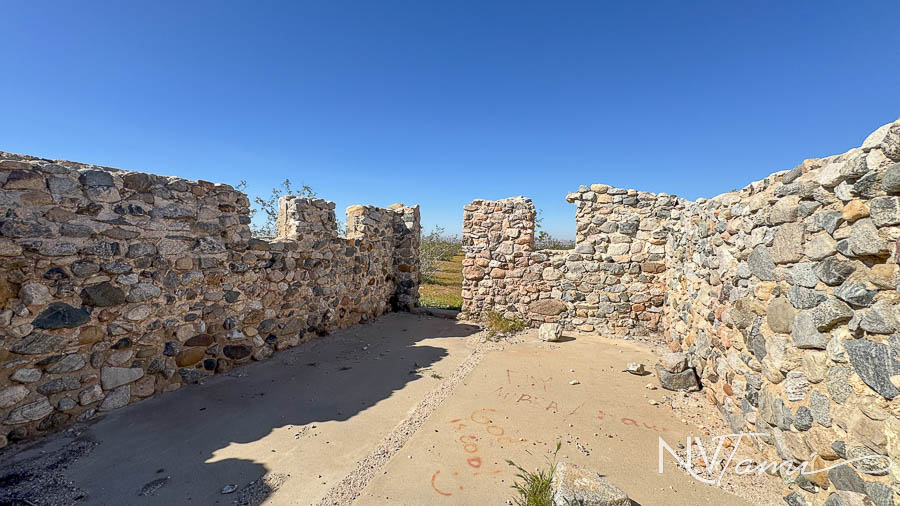
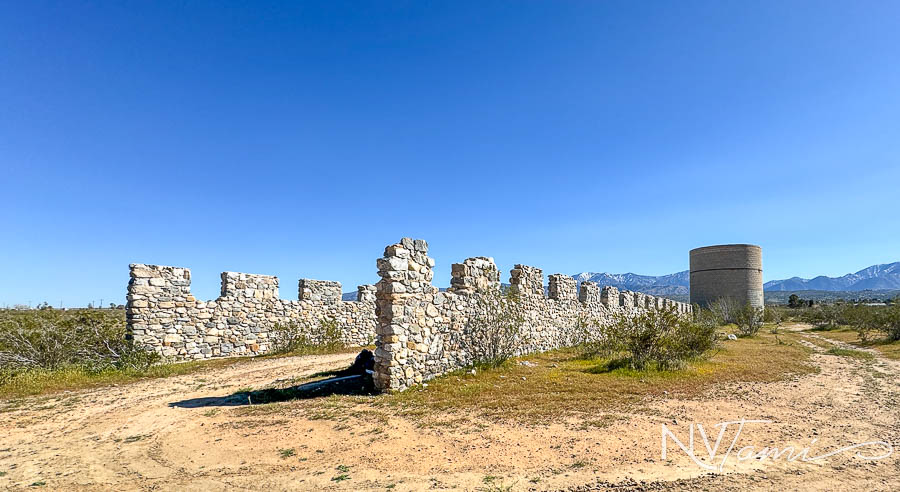
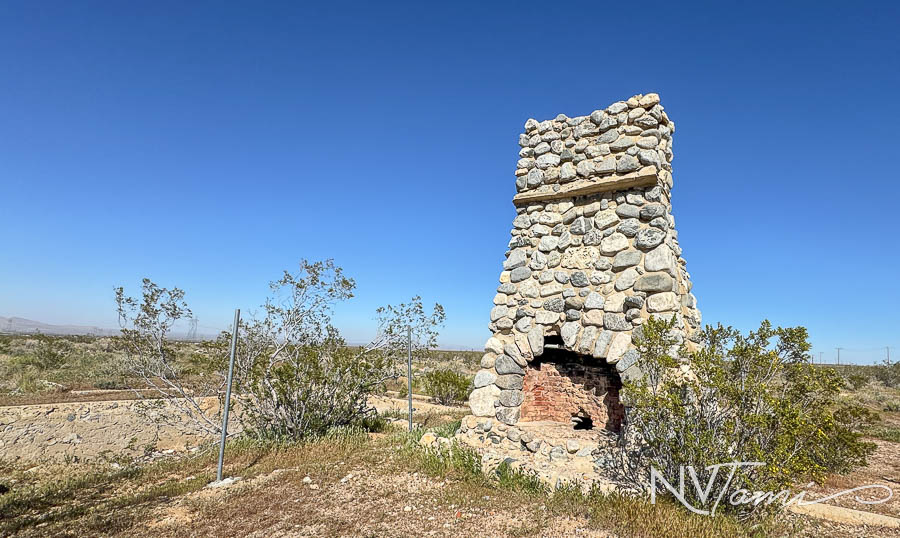
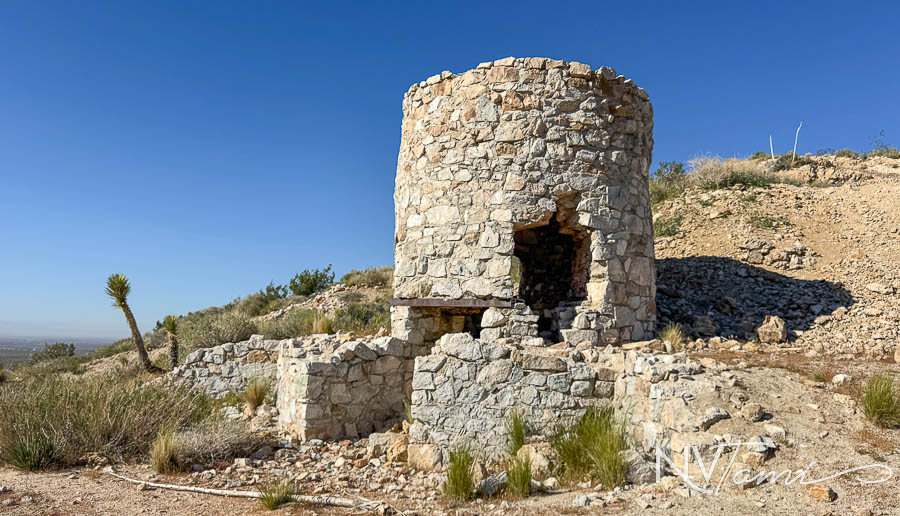
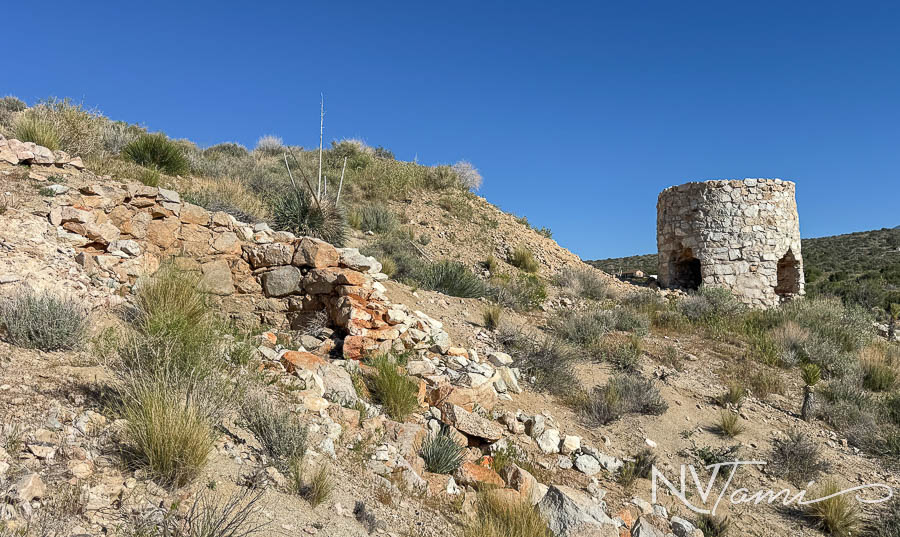
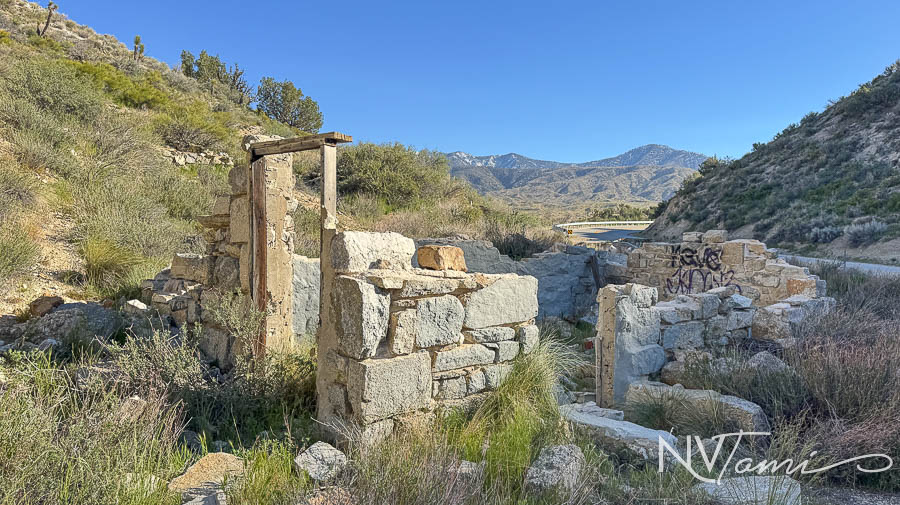
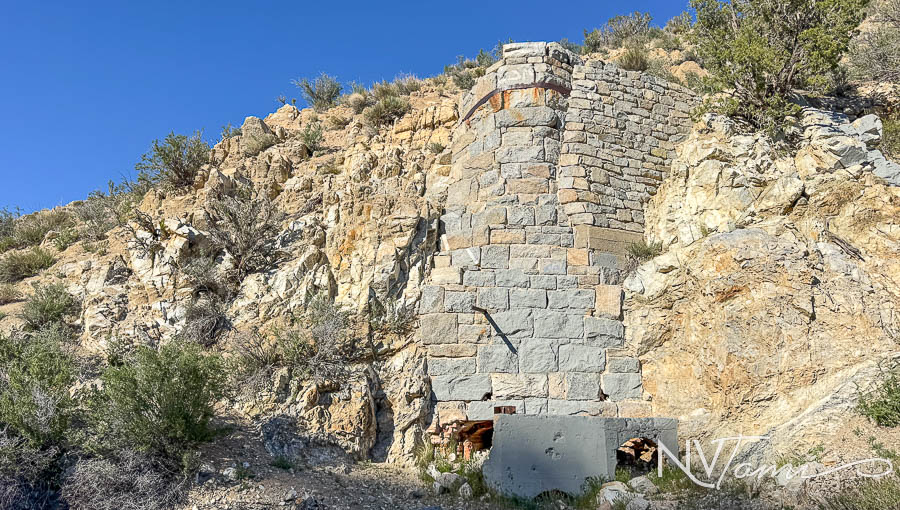
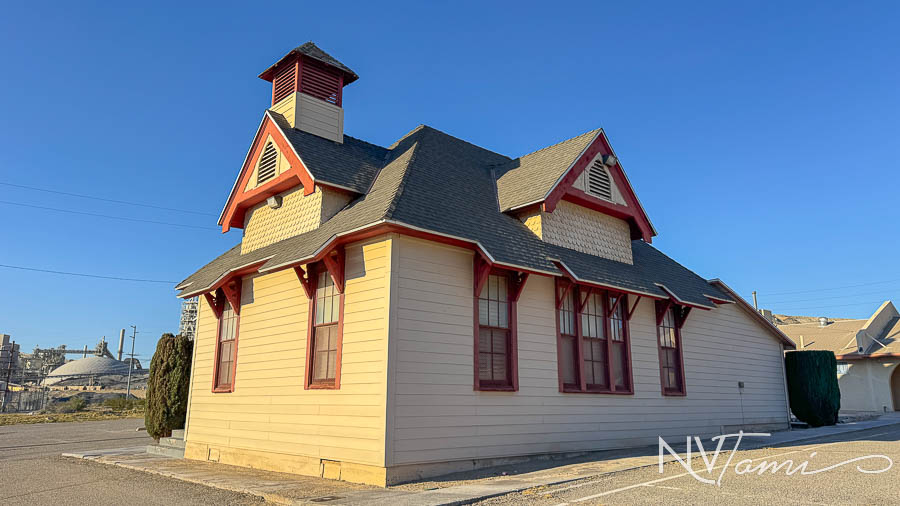
Oro Grande Oro Grande grew around cement production and mining in the early 20th century. The town still has a small population and visible historic structures, including remnants of the cement plant operations that once dominated the local economy.

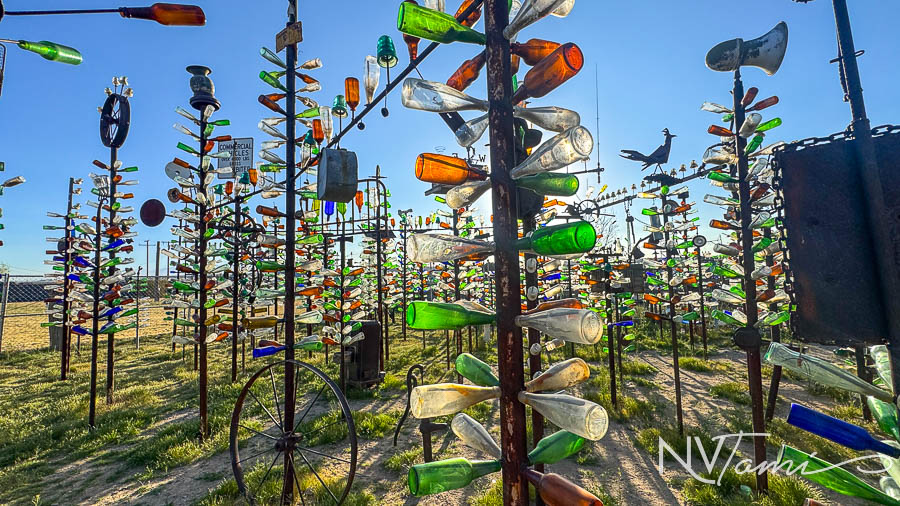
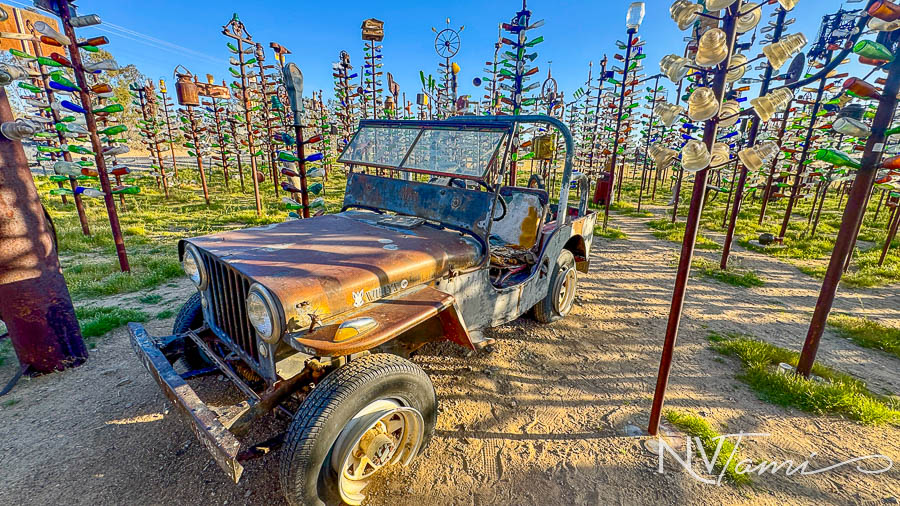
Elmer’s Bottle Tree Farm Elmer’s Bottle Tree Farm is a whimsical, folk-art roadside attraction where thousands of colored bottles decorate trees and structures. A fun, colorful contrast to the historic mining sites — perfect for a smile and some unique photos during a desert drive.
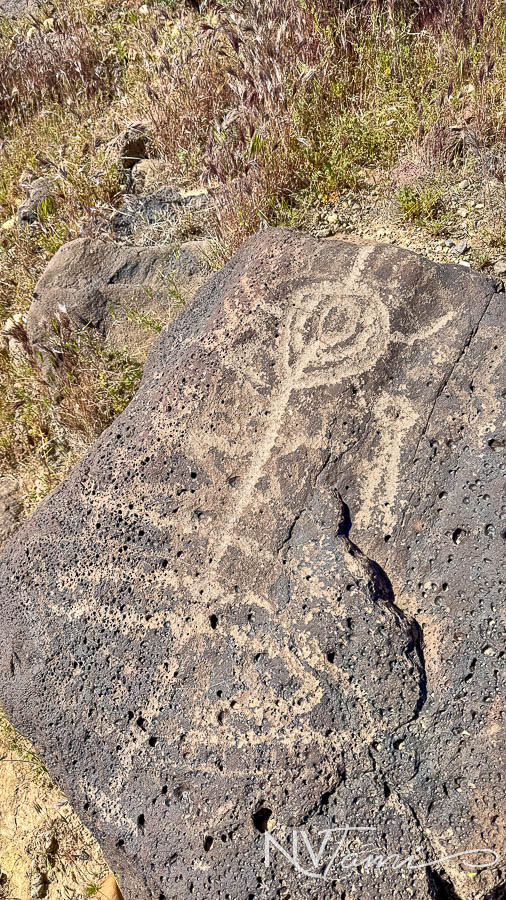
Sheep Spring Petroglyphs The Sheep Spring Petroglyphs are an important Native American rock art site. The ancient carvings on the rocks provide a glimpse into the long history of indigenous peoples in the Mojave Desert long before mining booms arrived.
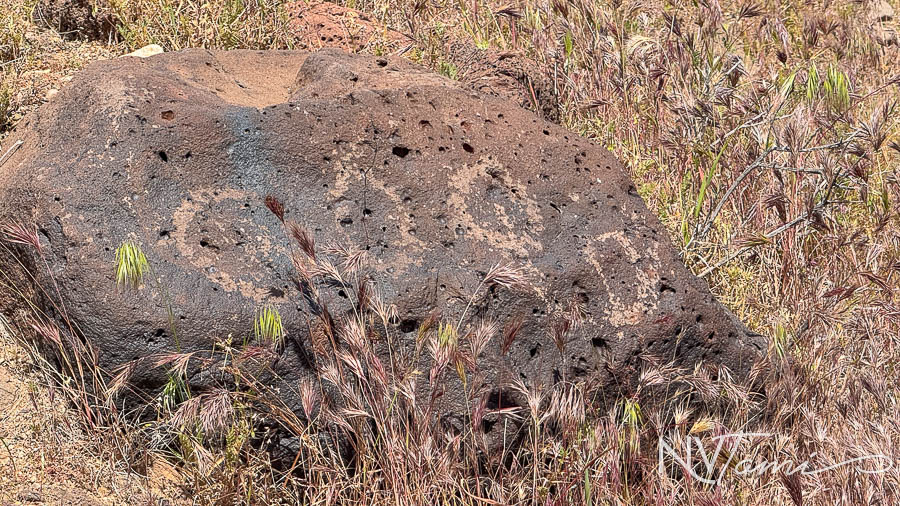
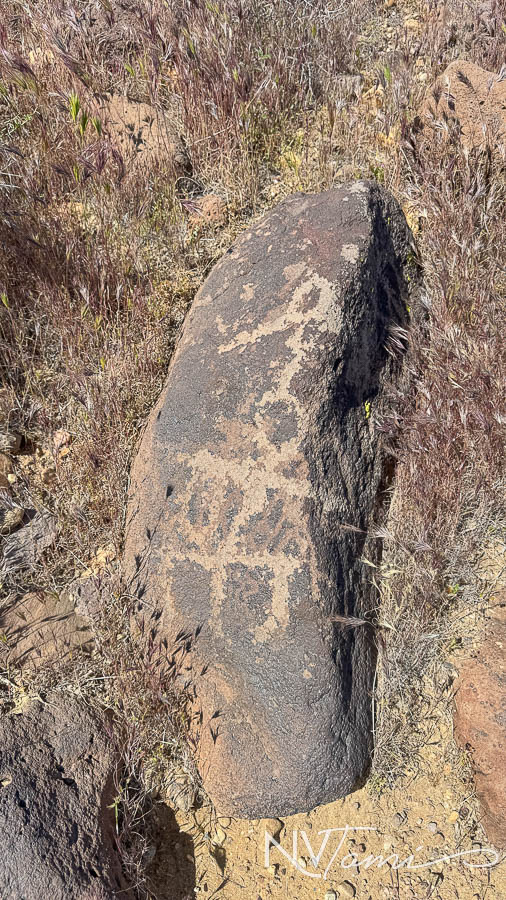
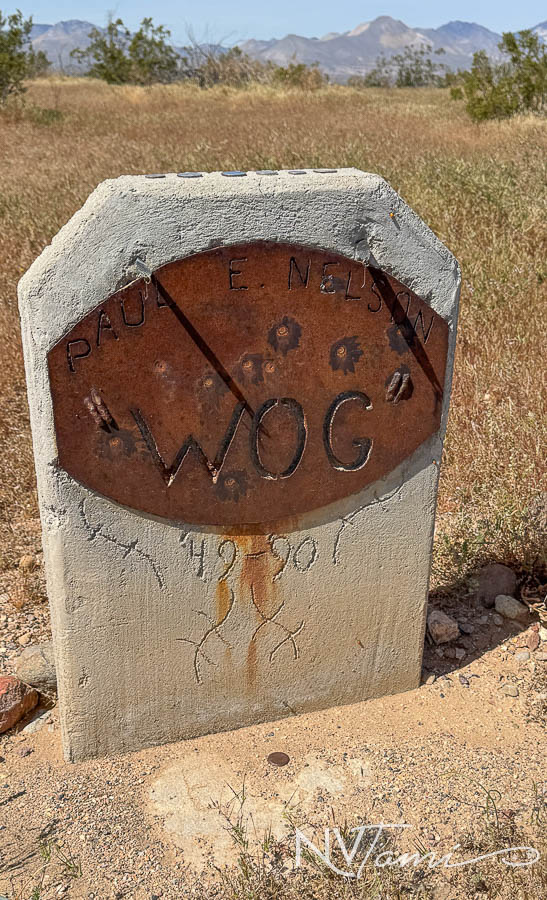
Nelson Grave The Nelson Grave is a solitary or small cemetery marker in the desert, commemorating early settlers or miners. These lone graves scattered across the landscape serve as quiet, personal reminders of the individuals who lived and died in this rugged country.
A note from Tami
This trip report was compiled with the help of AI, drawing from my own website content (NVTami.com), notes, and reliable public sources. I’m still recovering from cancer treatment and working to catch up on writing and posting after a challenging period. These summaries are intended to share the journeys quickly so I can get back to hands-on research, photography, and writing new in-depth articles. Thank you for your understanding and continued support — I’m looking forward to getting back in full swing soon!
Follow me on social media:


Leave a Reply