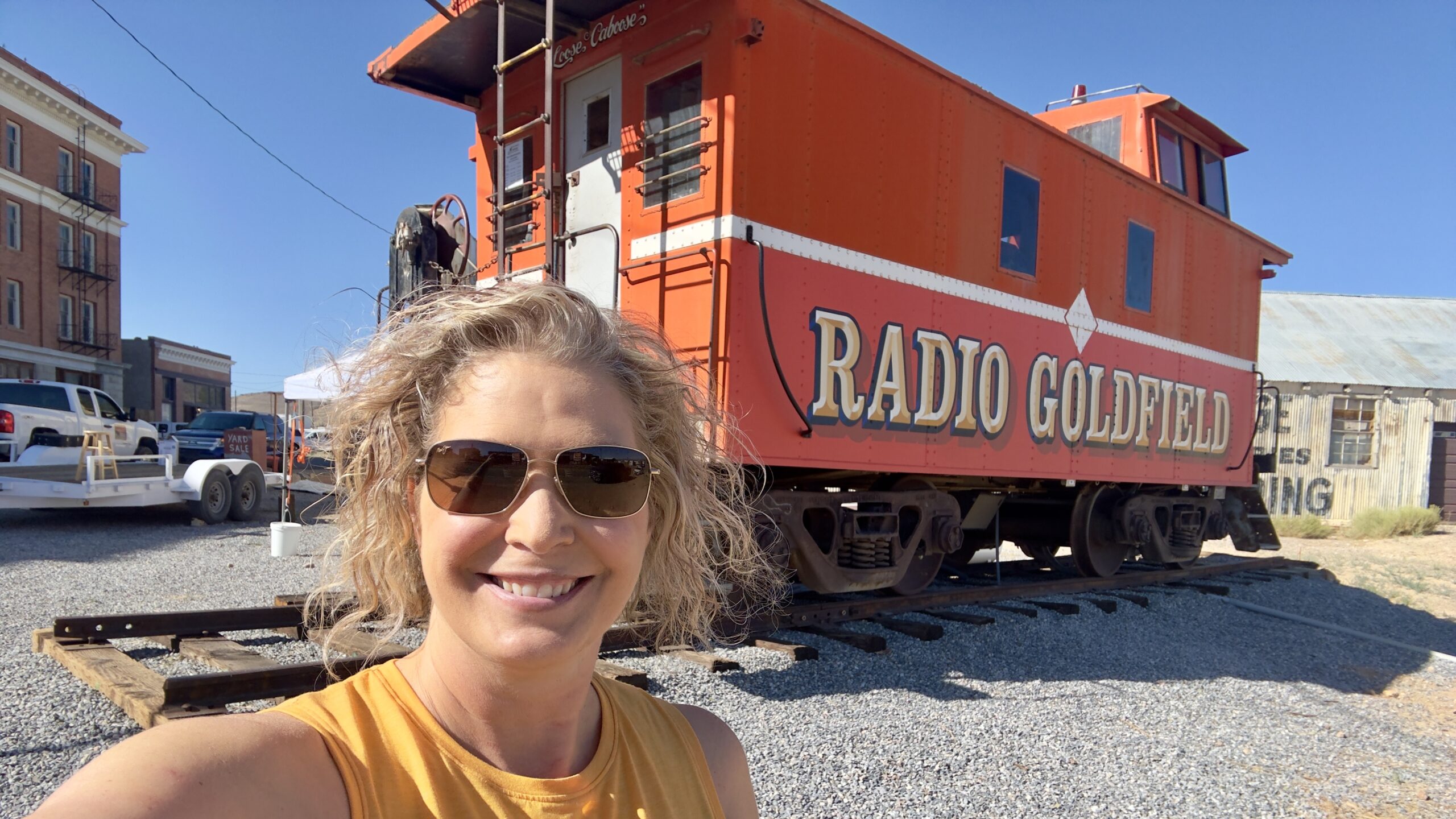
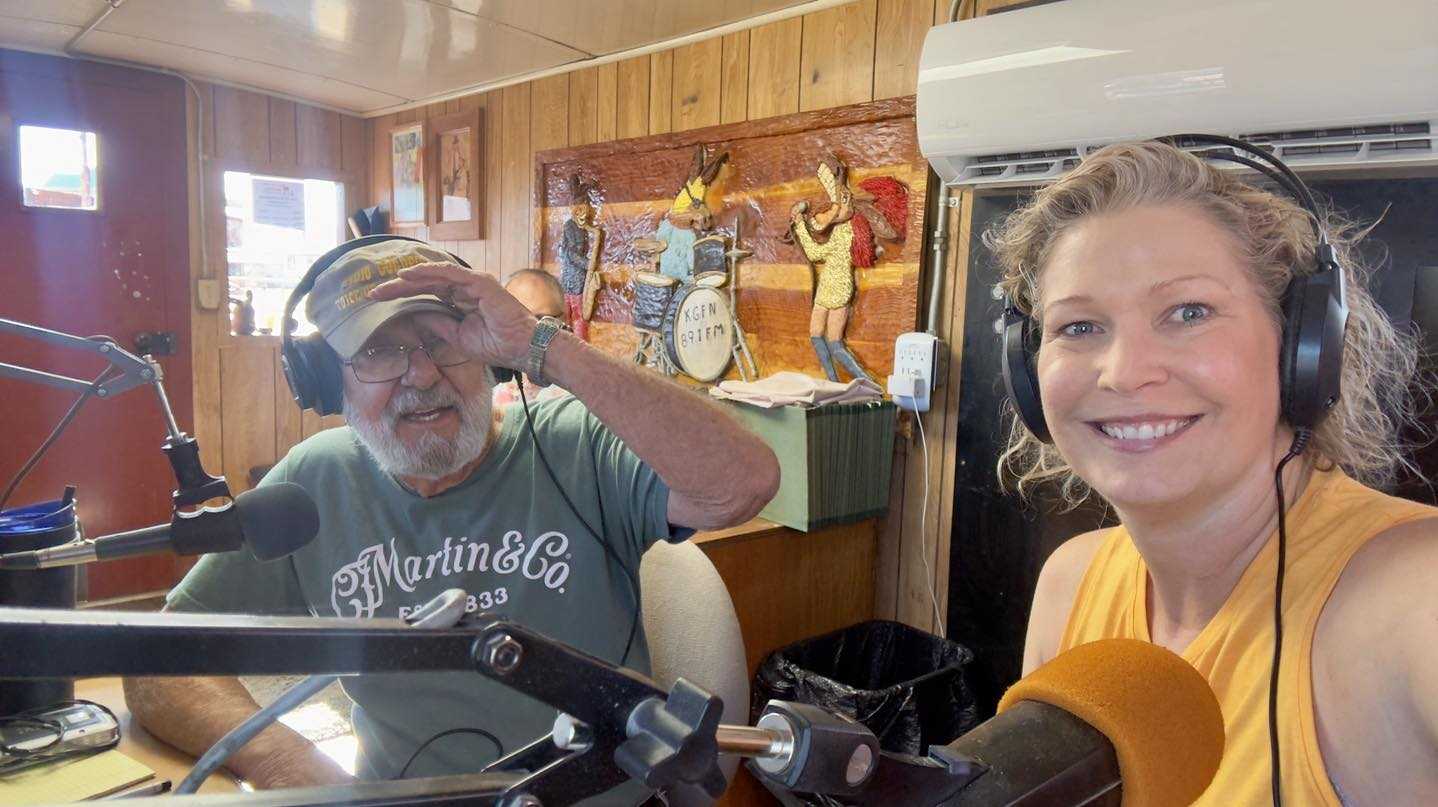
In August of 2025, I headed to Goldfield Days for a live broadcast on Radio Goldfield. I have a show on ghost towns that runs several times a week. You can stream it over the internet.
I stayed at my second home in Tonopah, the Mizpah.
Since I was in the area, I decided to explore a few days with Austin of Nevada Expeditions. We didn’t have a ton of time, but fit a lot into a day and a half!
Indian Springs Canyon
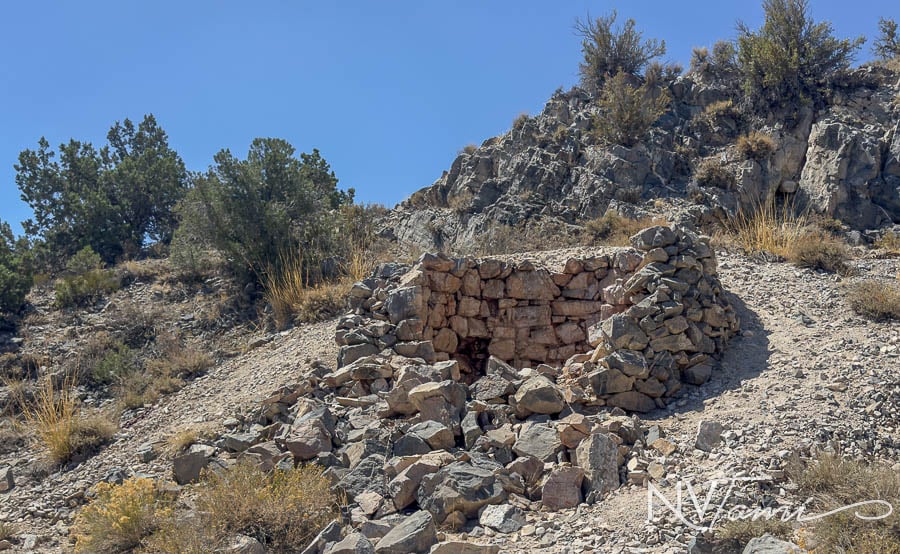
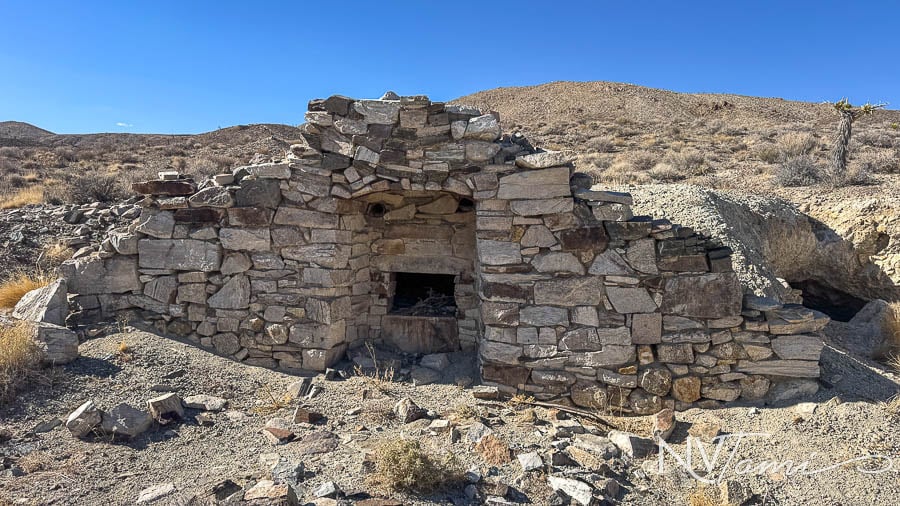
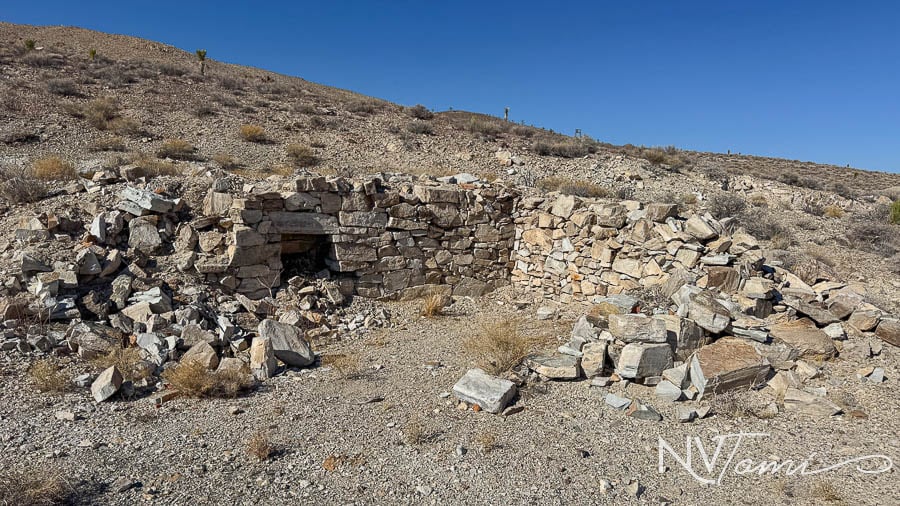
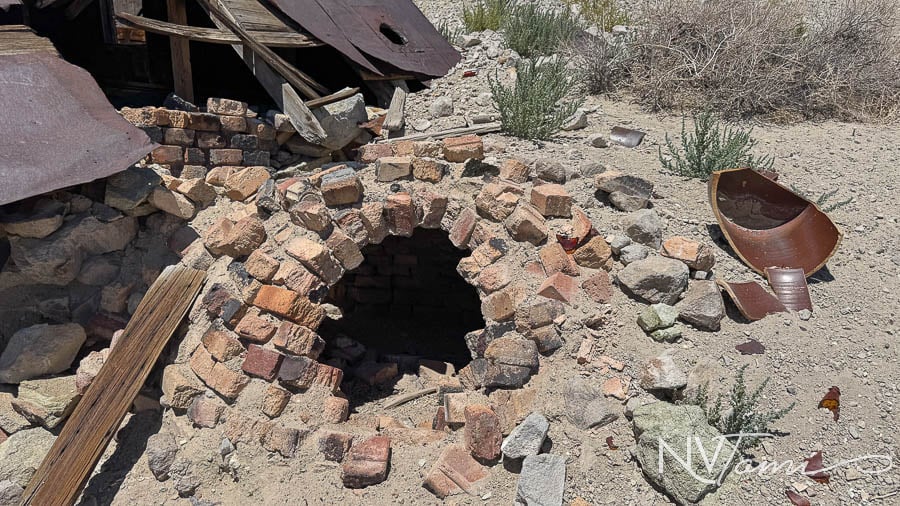
The kilns dotting Indian Springs Canyon might have been built to support nearby Montezuma in the 1860s and 1870s. They appear to be lime kilns. Travertine (a type of limestone) was burned to produce lime. This was used in paint, mortar, and most importantly, to stabilize the pH during cyanide processing of gold.
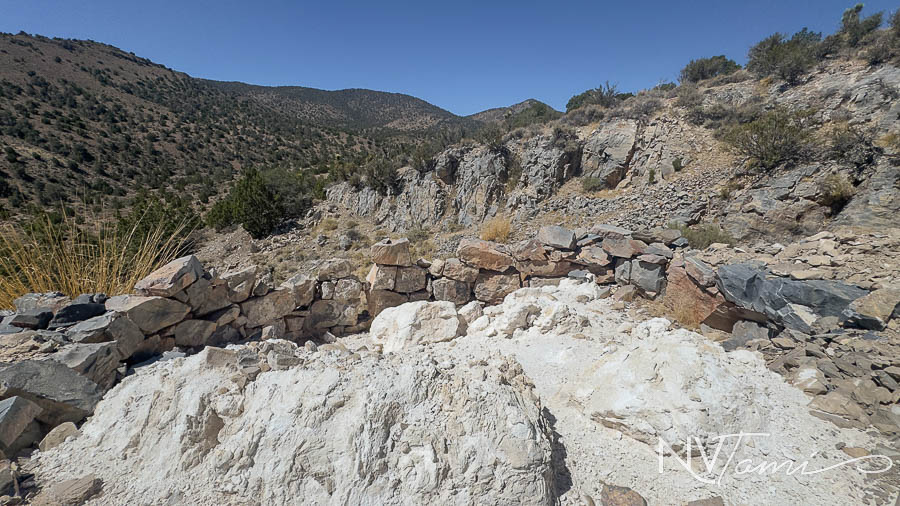
Brown’s Hope
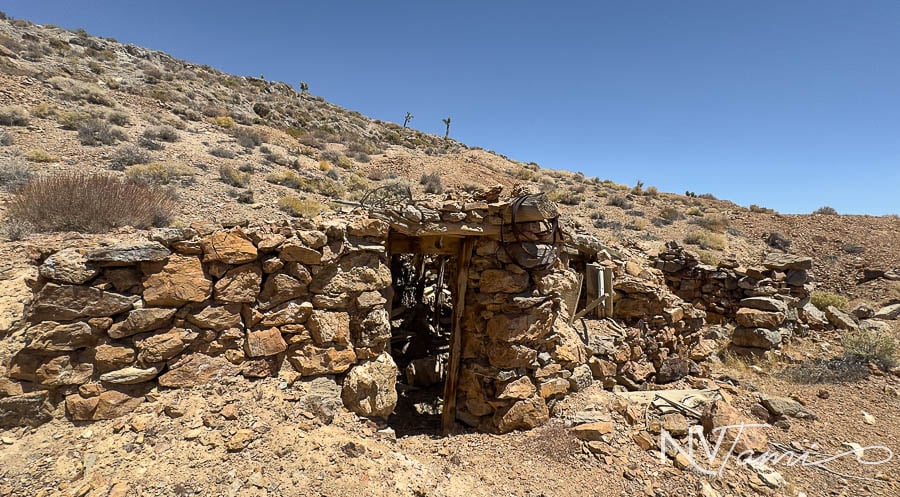
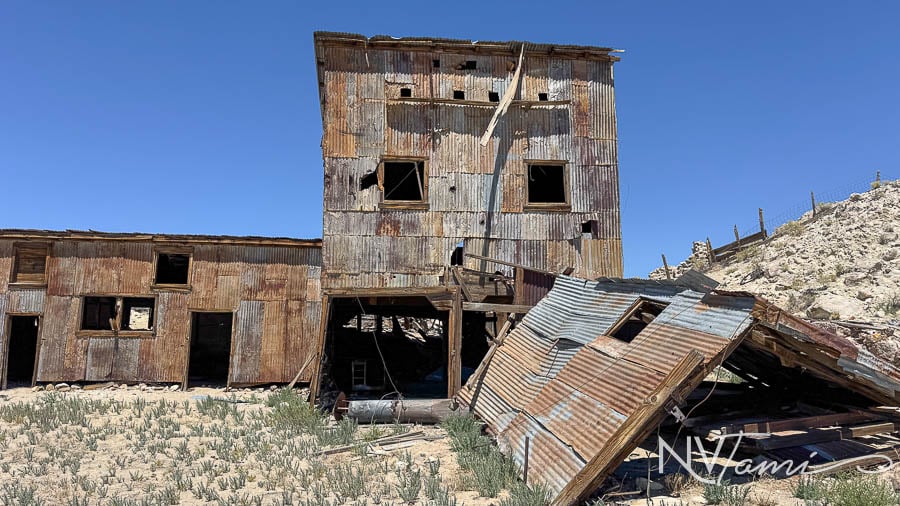
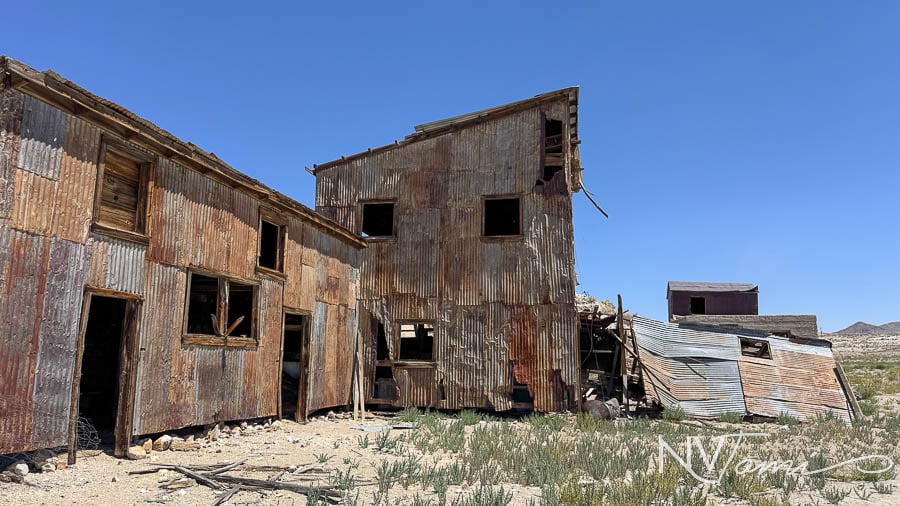
W.J. Brown discovered silver in 1872 and named the mine Brown’s Hope. He soon sold to Hiskey & Walker, who relocated their mill from Mountain City, California to Nevada. Lessees sporadically processed ore for two decades.
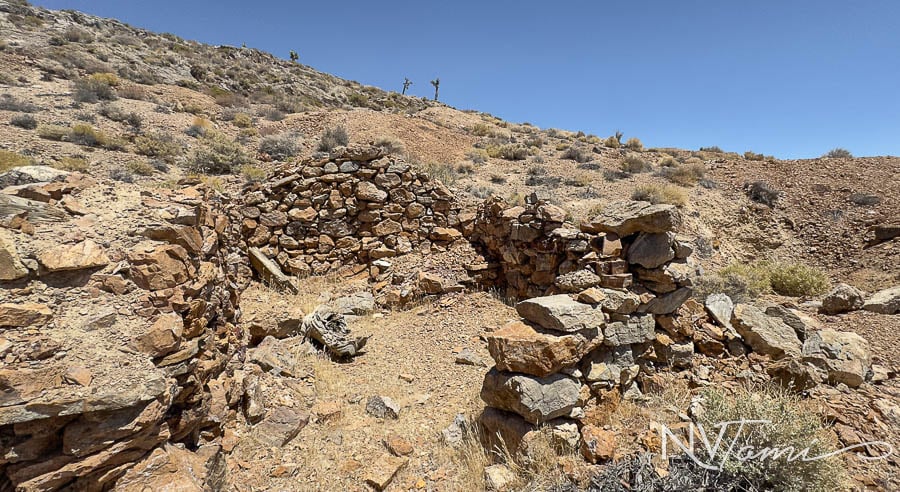
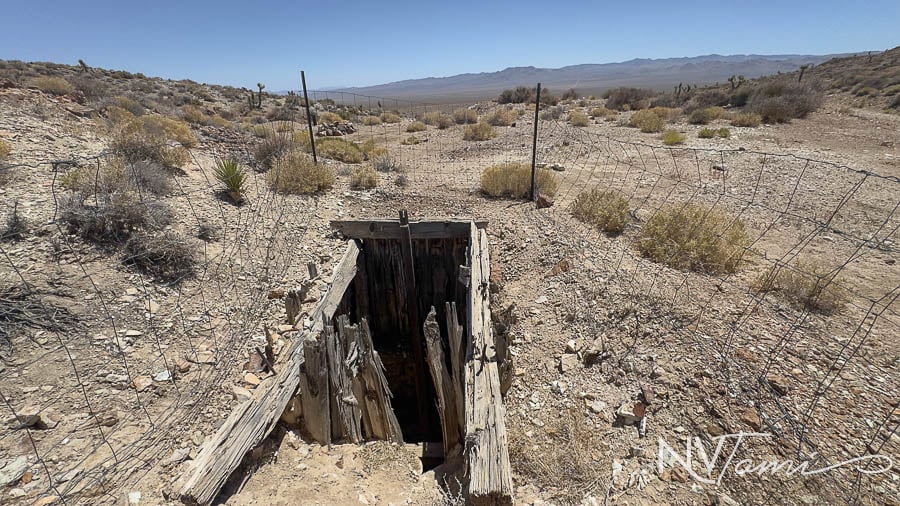
Robert H. Stewart purchased the mine in 1887. He processed the ore at his nearby mill, aptly named Stewart’s Mill.
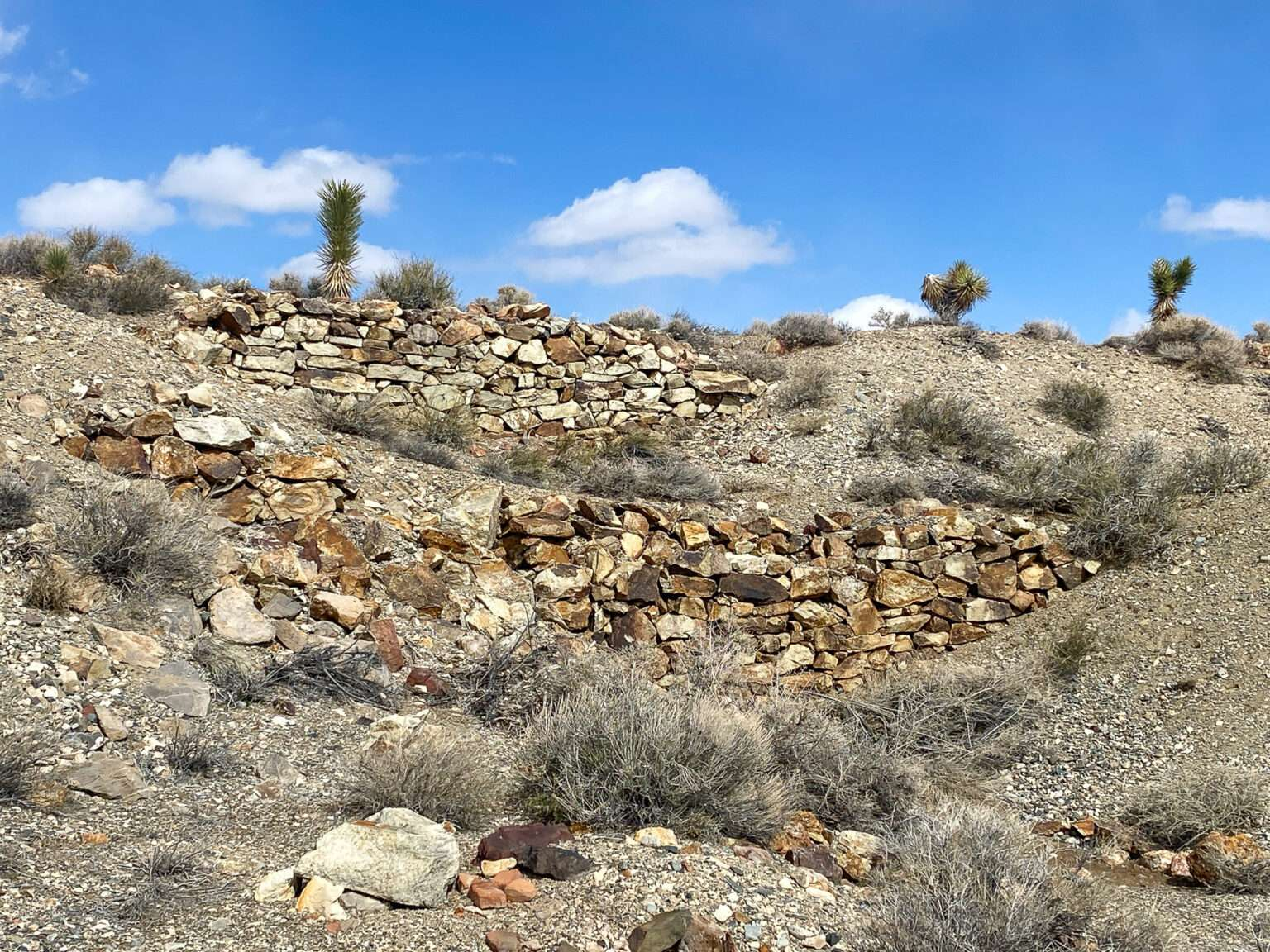
The Brown-Hope Mining Company was organized in 1905. Legal issues affected production. D.M. Boyle obtained the mill through a lawsuit. It wasn’t open long and closed when Boyle was arrested for bank robbery in Sparks.
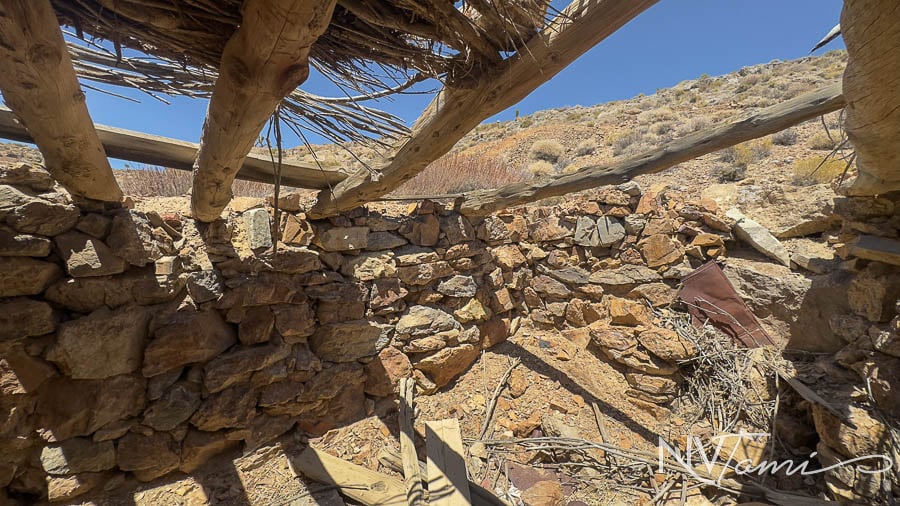
Lida
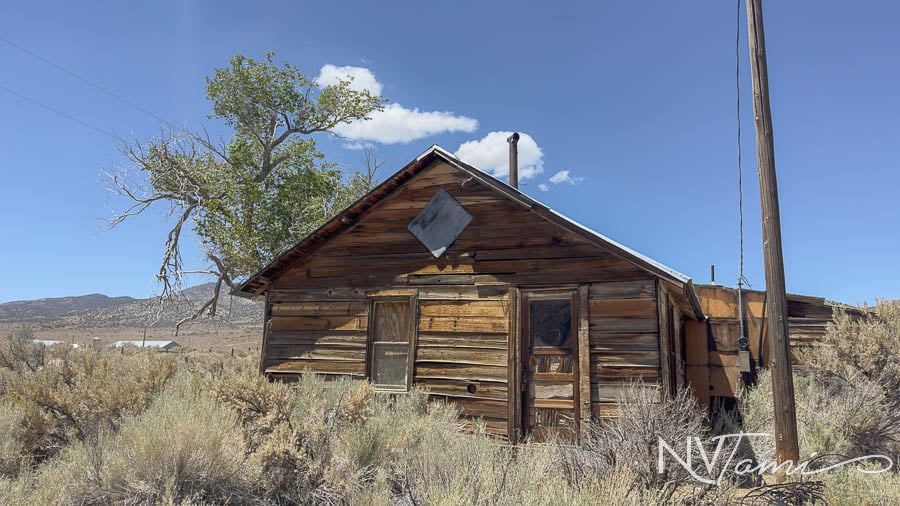
Lida started in 1867. It was named after the wife of prospector David Buel. Lida’s boom was with silver, but that ran out by 1880. Following the rush to Goldfield, Lida experienced a revival in 1905, but it lasted only 2 years.
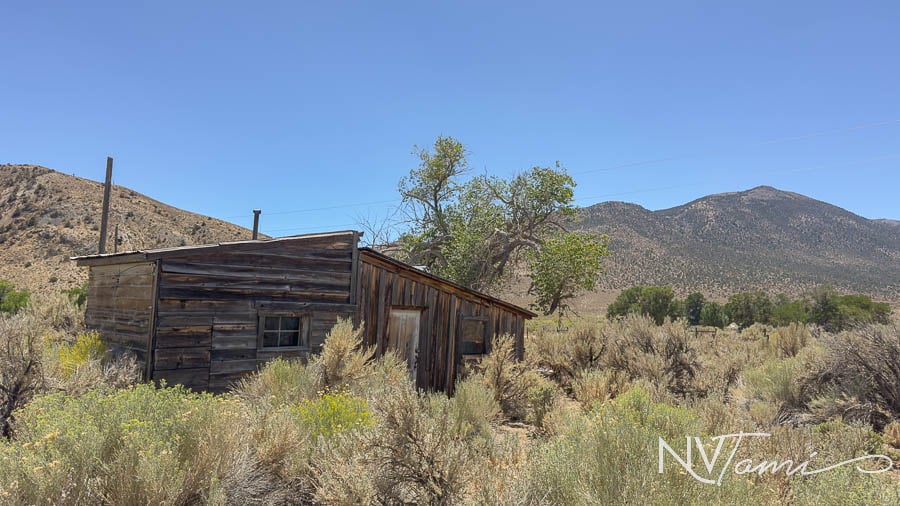
The Roosevelt Midland Trail, an early transcontinental road, was routed through Lida in 1913. The Arrowhead Trail won out over the Roosevelt Trail, and Lida once again faded.
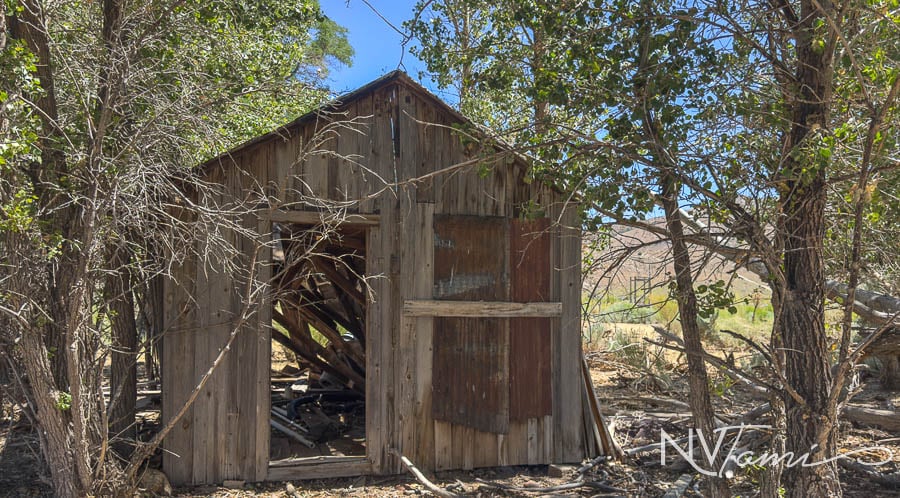
At the peak, 300 called Lida home. A post office operated between 1873 and 1932. A handful of residents remain at Lida.
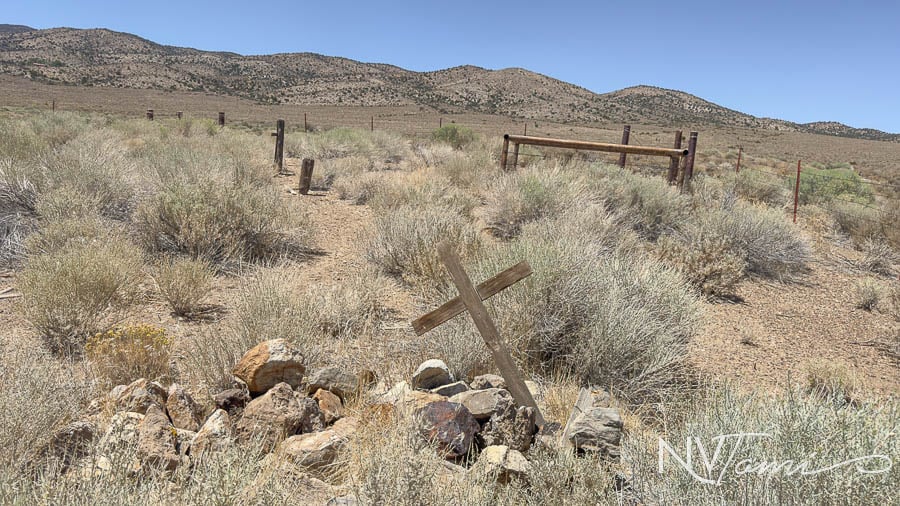
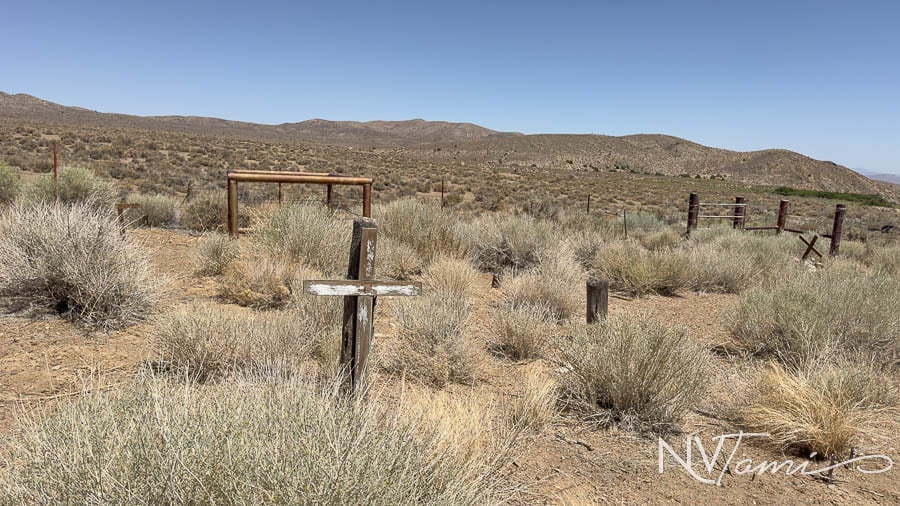
Lida has two cemeteries above town. As much of the town is not private, it took some routing to figure out how to reach them. Many of the graves have been marked with crosses, but most names are lost to history.
Heart Grave
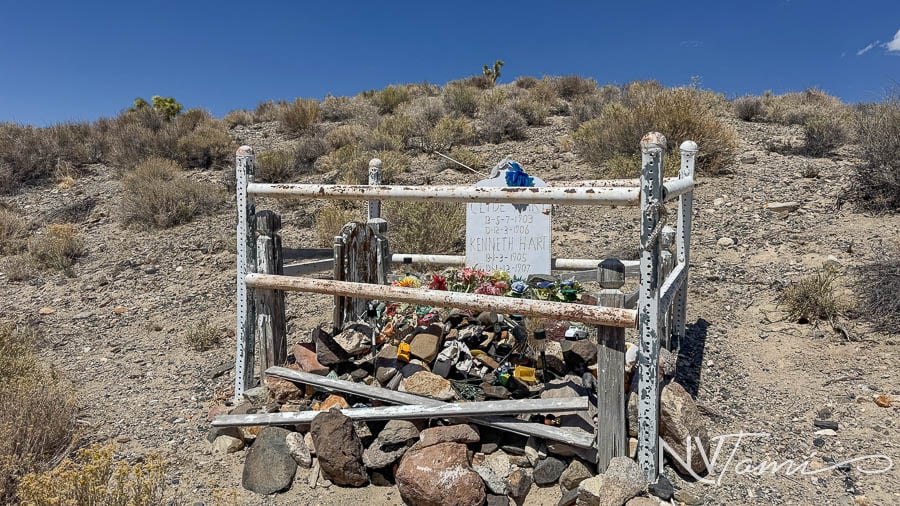
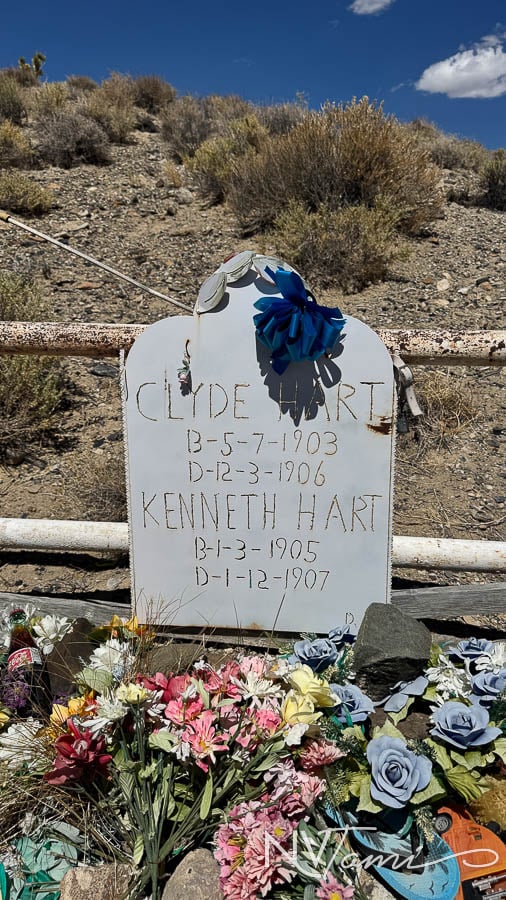
Alongside the highway is a small fenced grave. The name on the original wood headstone is Clyde Hart. The new headstone also lists Clyde’s brother, Kenneth, who is likely buried at the site as well. Clyde, age 3, died of diphtheria on Dec 3, 1906. Kenneth, age 2, died Jan 12, 1907. Their parents moved from Santa Rosa, California, to Palmetto soon after Kenneth’s birth.
Pigeon Springs
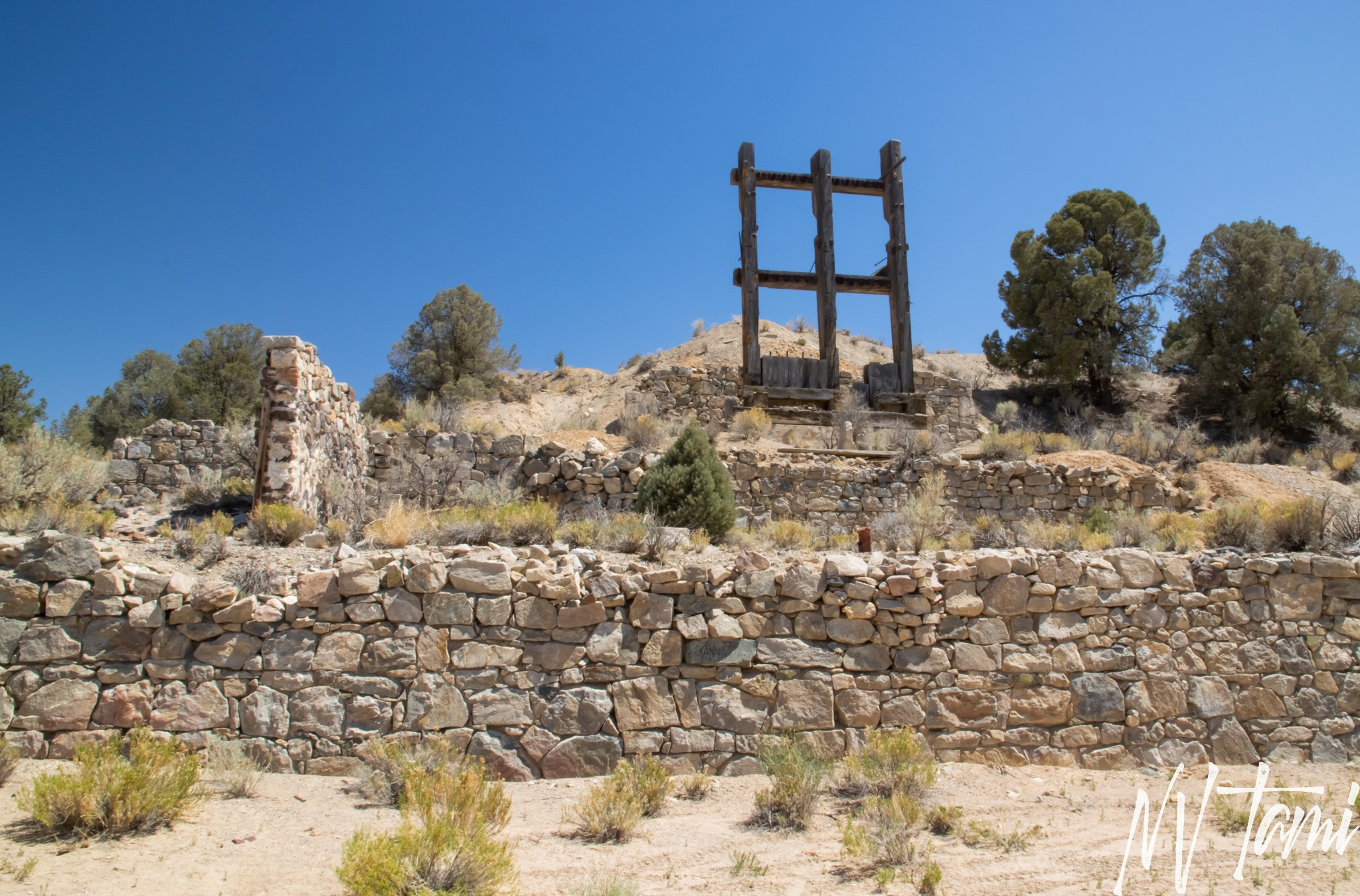
Pigeon Spring Mill is visible from Highway 266, east of Palmetto. A few travelers stop and visit the mill, but many don’t realize the ghost town of Pigeon Spring is several miles past the ranch down a beautiful valley.
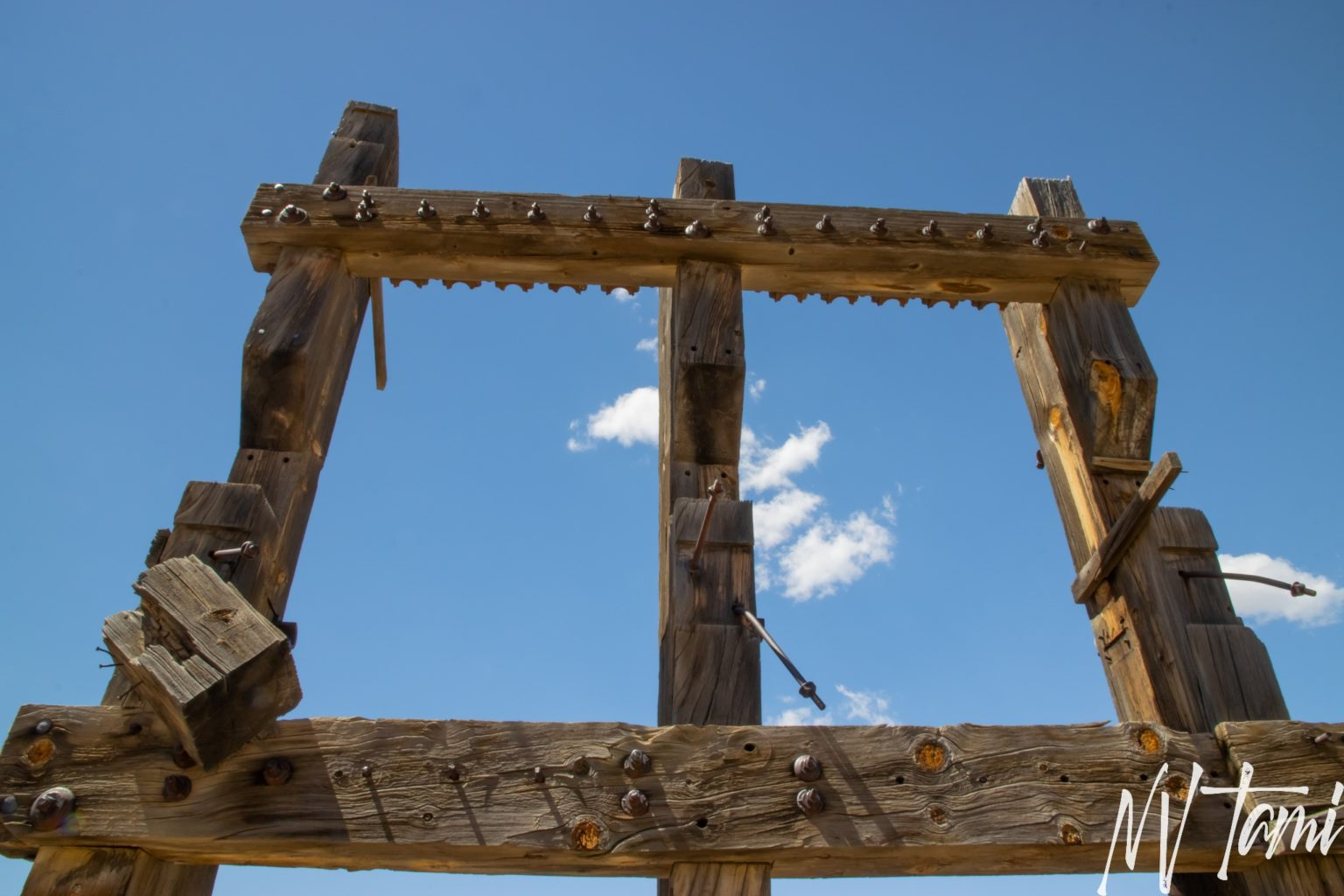
Due to the proximity to mines and, of equal importance, adequate water which is required in the milling process, a 10-stamp mill was erected at Pigeon Springs in 1890. A small settlement grew a few miles from the noisy stamp mill and contained houses, a general store, and a roadhouse. The new town applied for a post office on July 1, 1899, but their application was denied on December 12, 1899.
Learn more about Pigeon Springs
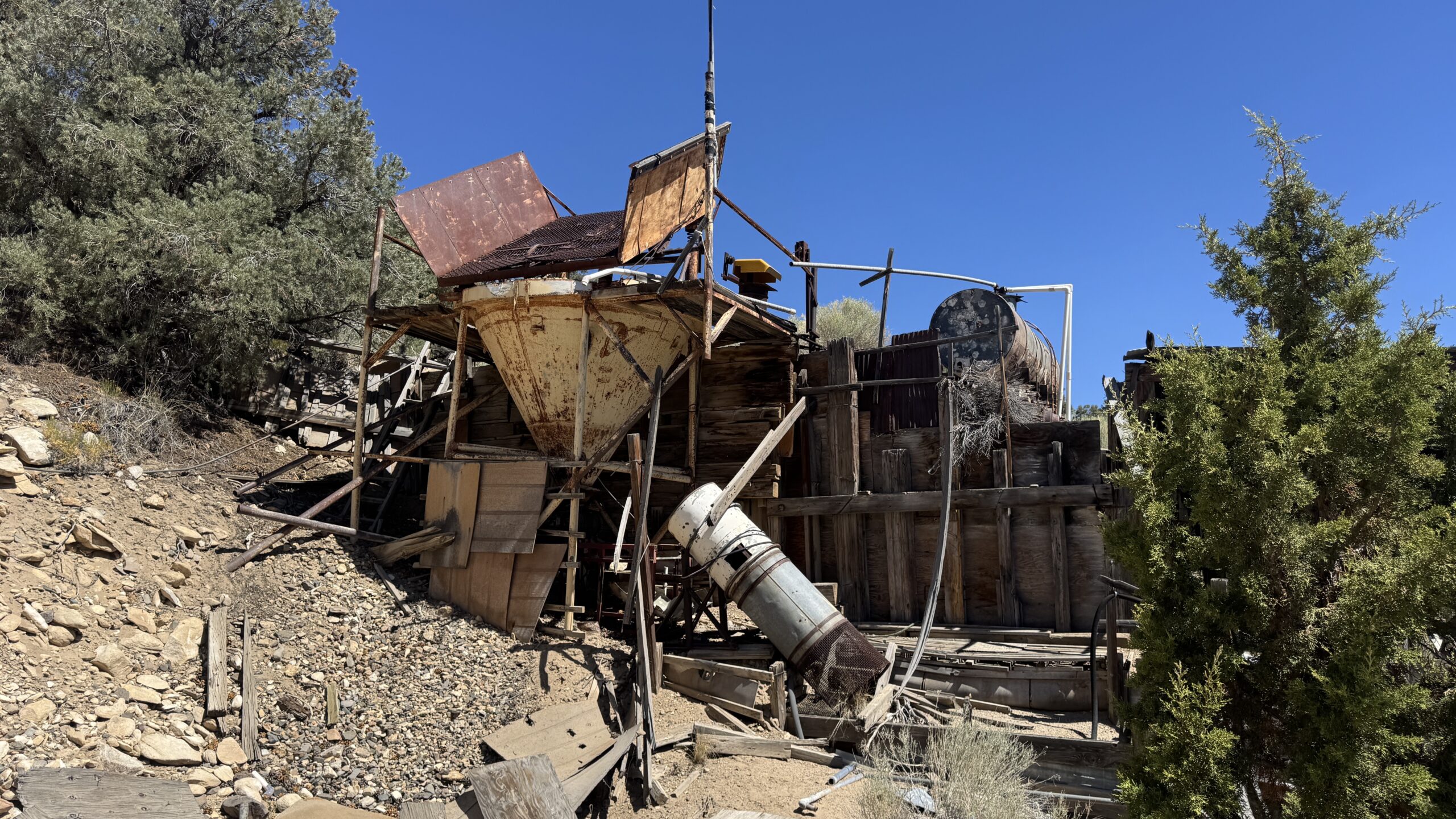
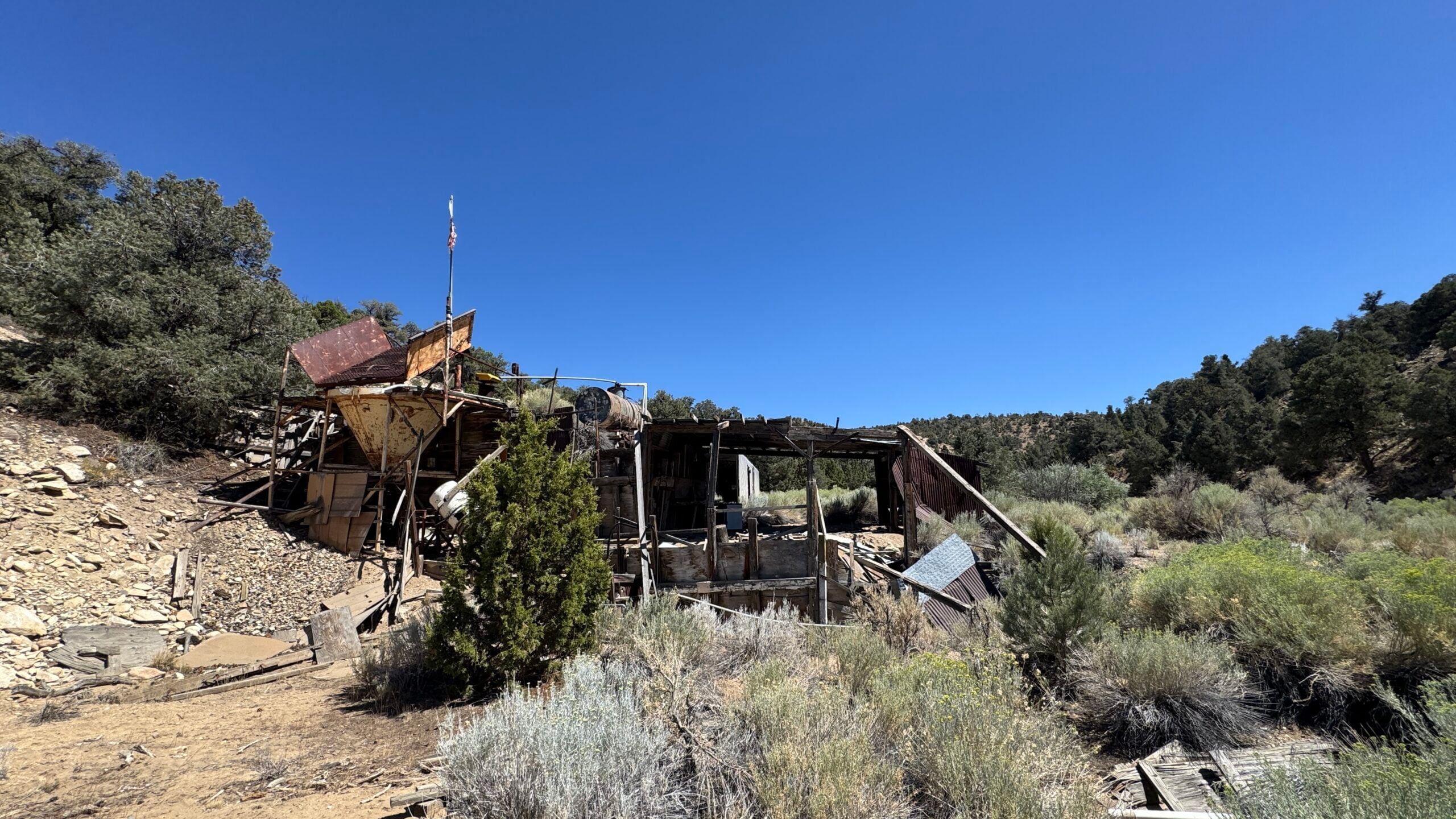
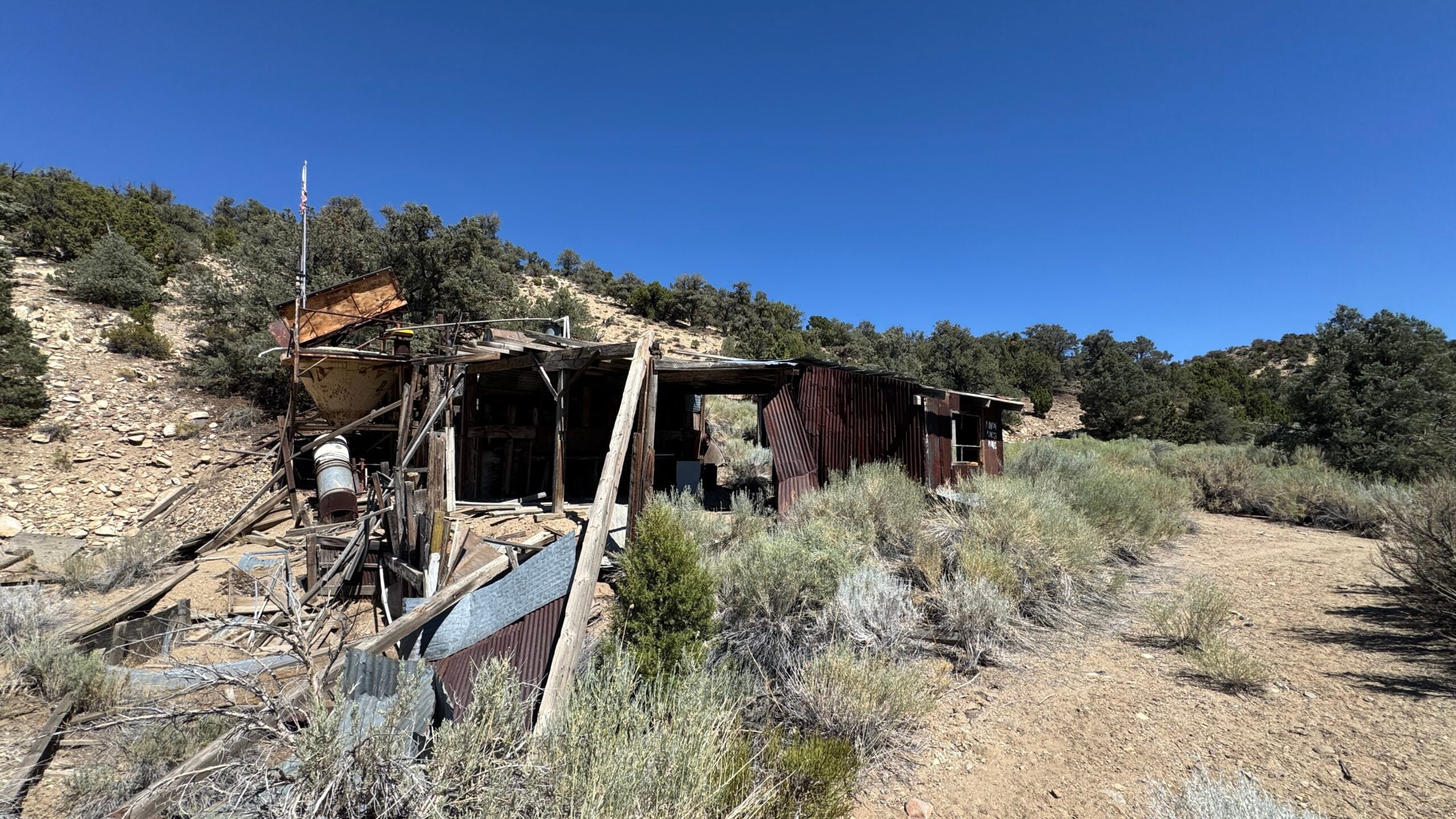
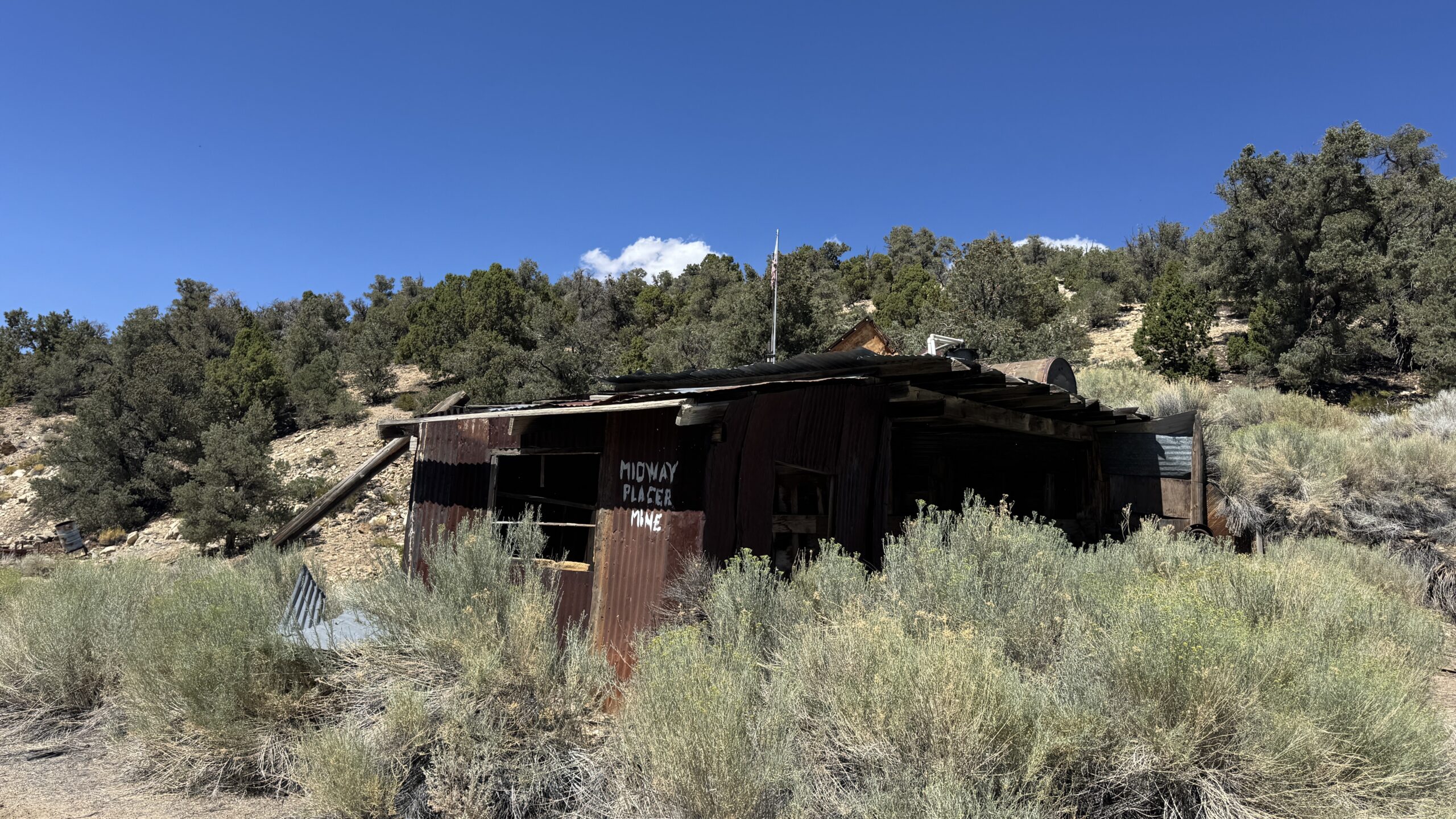
Midway Placer Mine
The Midway Mines are a collection of small gold mines.
Del Bondido
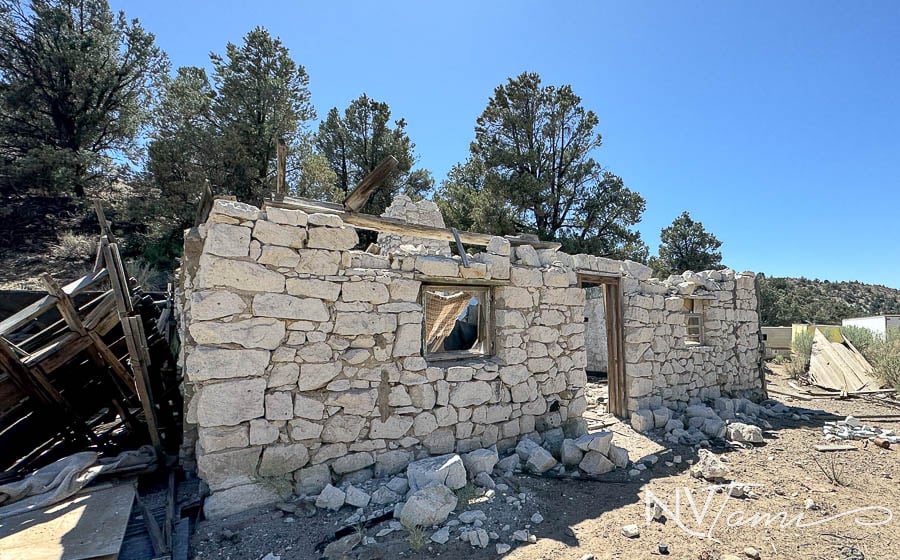
Believing mining in the area would be productive, attorney Charles Del Bondido started a new settlement named Camp Del Bondido. Previously from Reno, he relocated to Rhyolite during the Bullfrog boom. Despite promising outcroppings, good water, and plenty of wood, Del Bondido never soon faded.
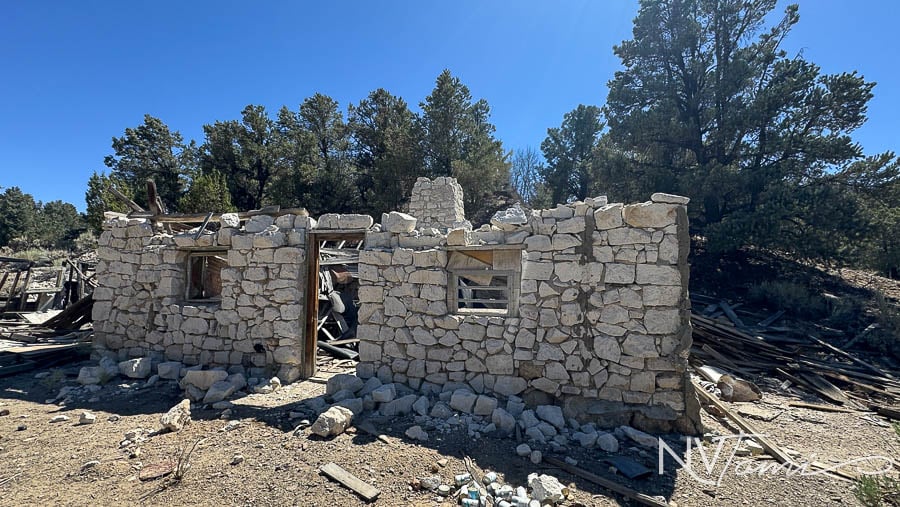
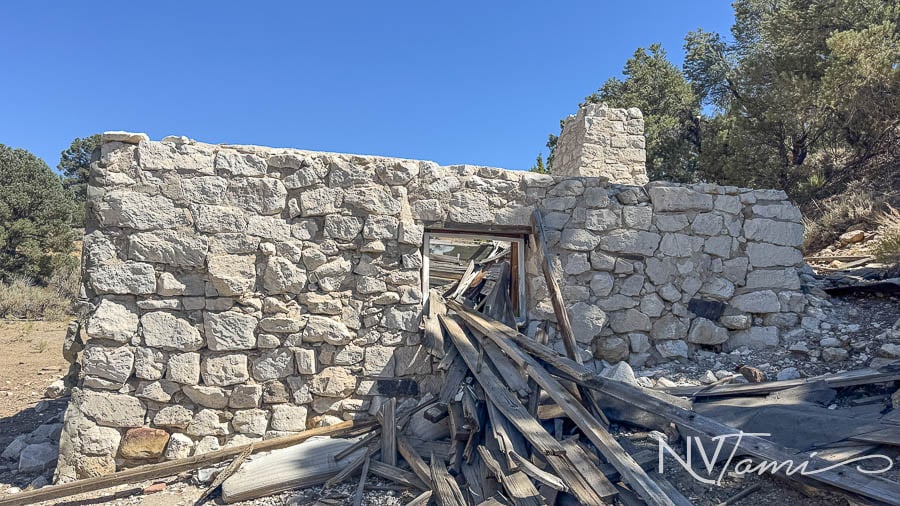
Rachford’s Stage Stop
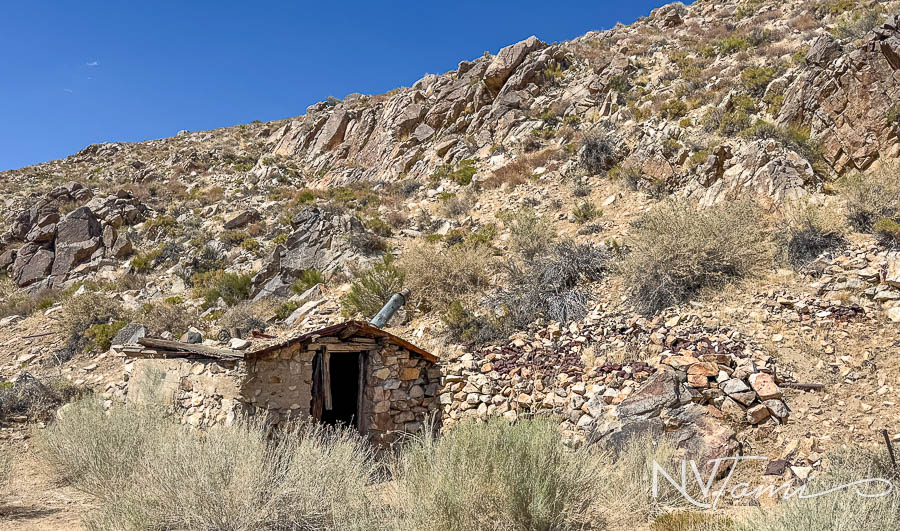
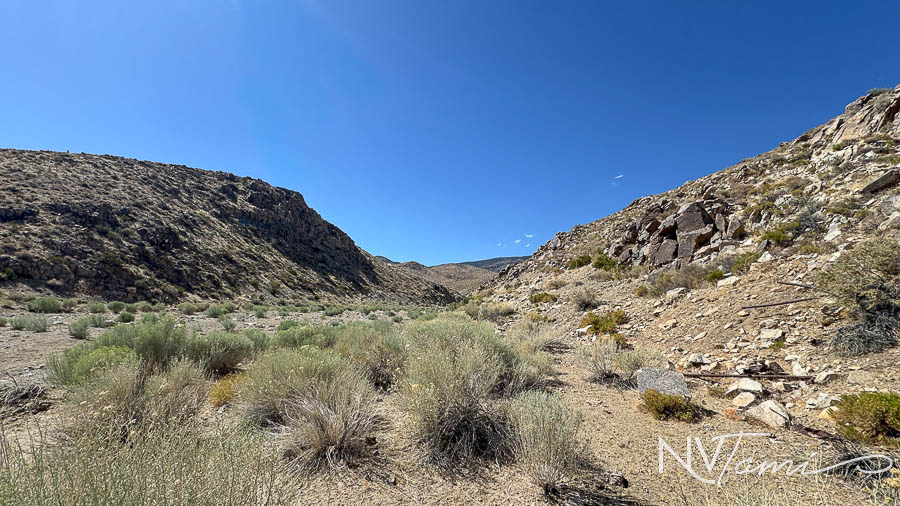
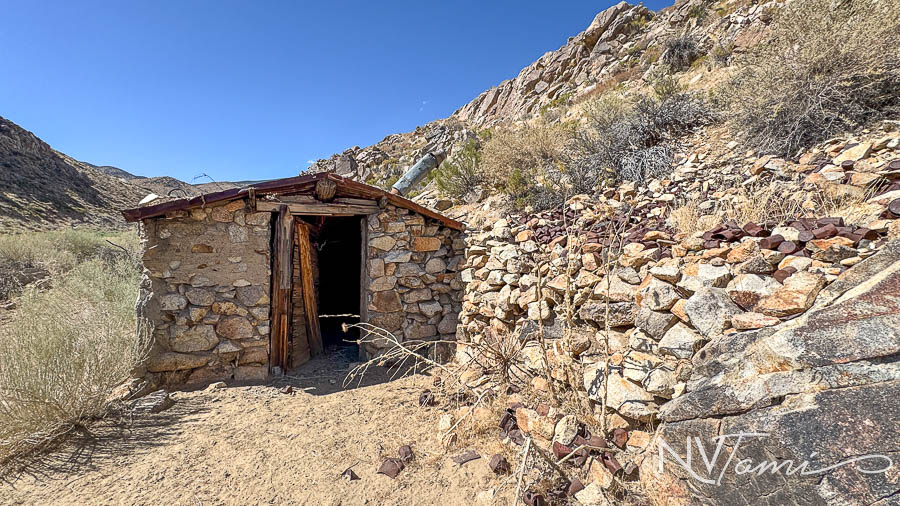
I’m not finding much information on this site, other than that it was a stage stop for travelers passing through Tule Canyon.
Stateline/GolD mountain
First discovered in 1864, the claims were abandoned for two years until a group of prospectors relocated the gold veins. Moderate work continued through the 1870s, and in 1880, it was thought that the mines were among the best in Nevada. The following year, a 10-stamp mill was erected.
The town named Gold Mountain grew to include a boarding house, stores, a post office, and five saloons. Water was from a pipeline from Tule Canyon. Activity continued until 1890, with small revivals in 1905 and 1930, when another mill was constructed.
I visited Stateline on my first Nevada ghost town trip in 2002. We were running short on time and decided the ghost town is so large that it deserves a dedicated trip when we can fully explore it.
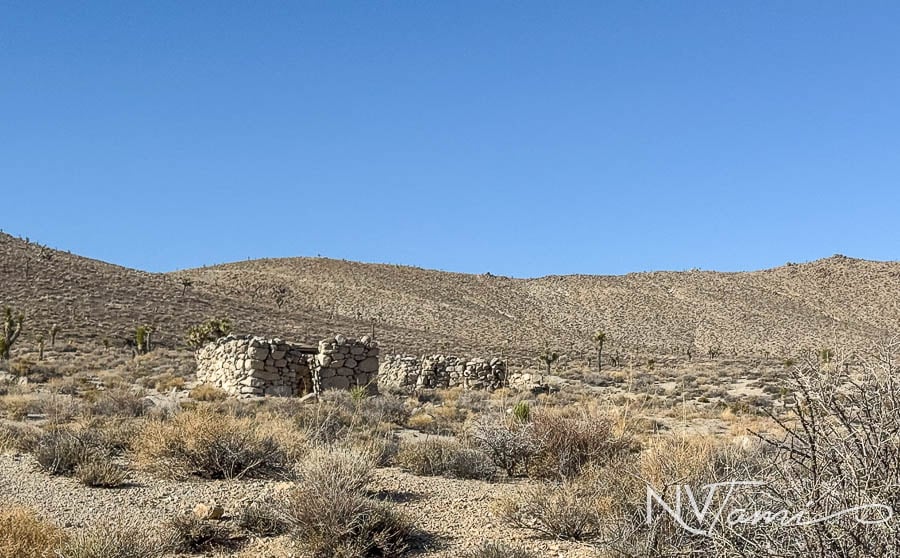
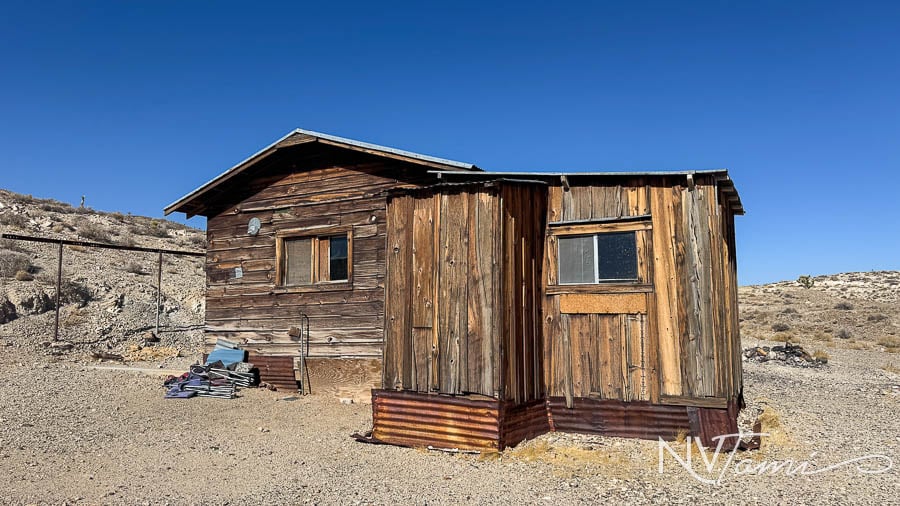
Old Camp/Oriental
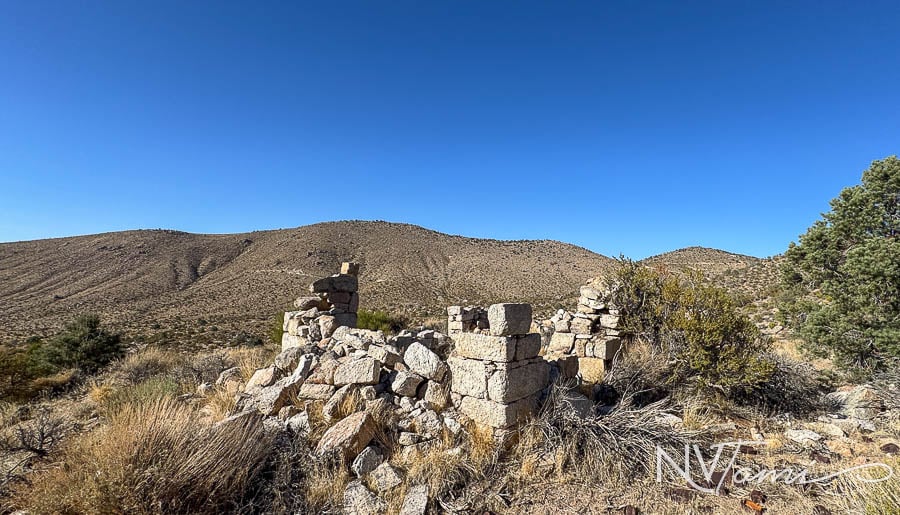
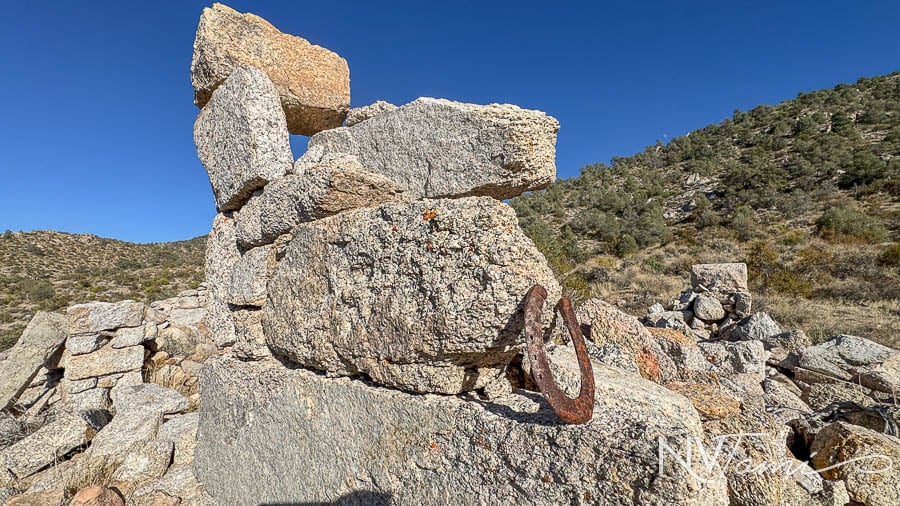
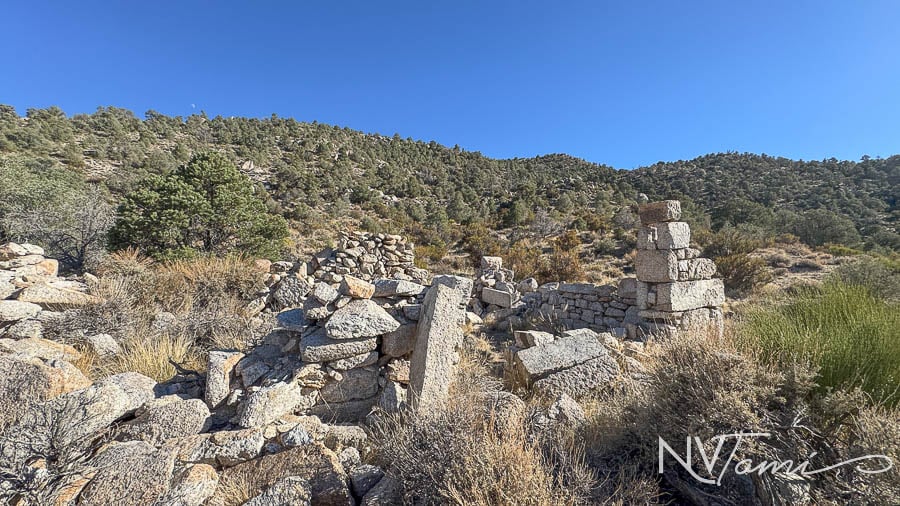
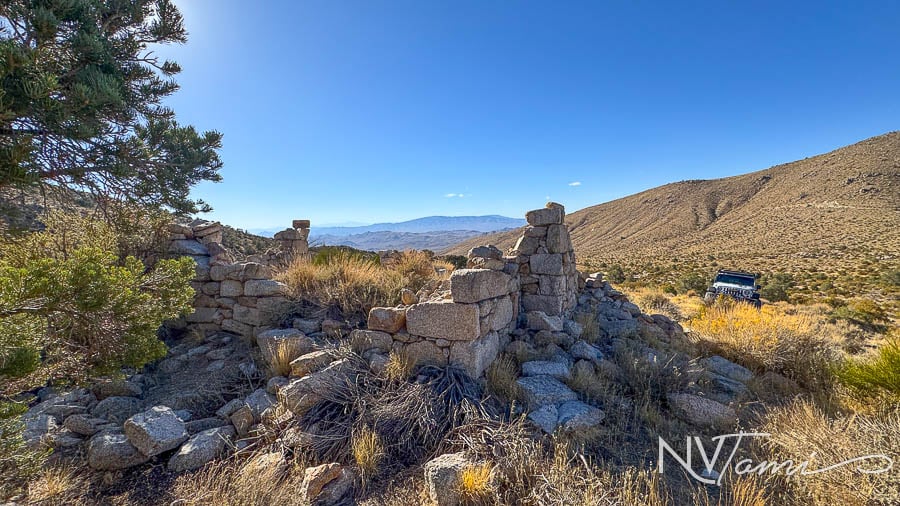
In 1865, three prospectors from Austin discovered gold. They assayed the samples, but never returned to work the claim. As the location had access to water, Thomas Shaw built an arrastra around 1871 to process ore from his Stateline Mine. A small settlement of Gold Mountain grew, including a saloon and restaurant.
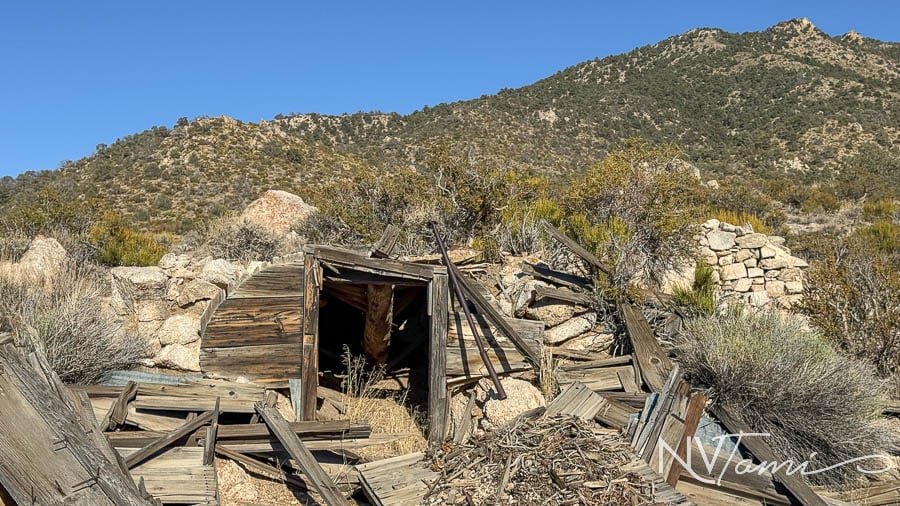
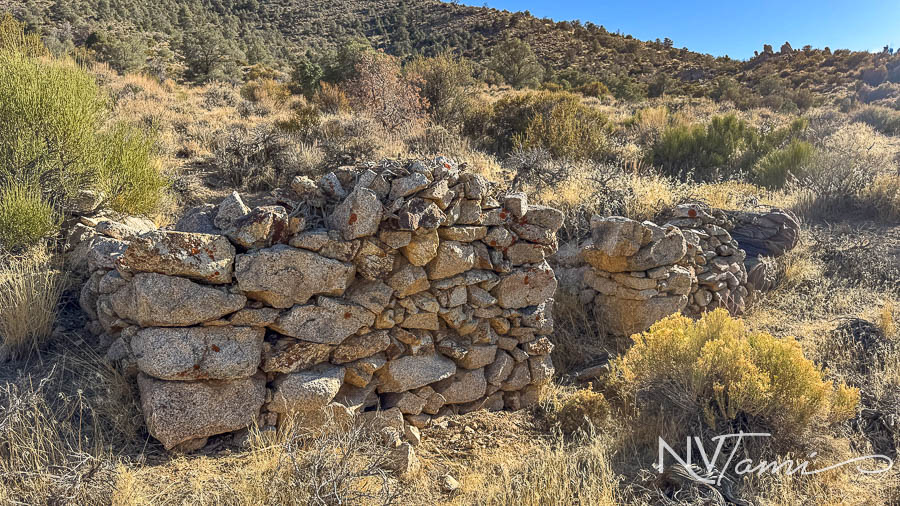
Prospectors spread out; George Ayers located his gold in 1872, named Oriental. It assayed at $64,000 per ton, but within a few years it was only $40 per ton. By the late 1870s, development shifted to Stateline, which was renamed Gold Mountain. The original Gold Mountain became known as “Old Camp.” Some continued to live and work in the vicinity, and in 1887 a post office opened under the name of Oriental. Service lasted until 1900 when the post office closed. Henry Tesch, “The Hermit of Gold Mountain,” was the last resident, dying in 1908.
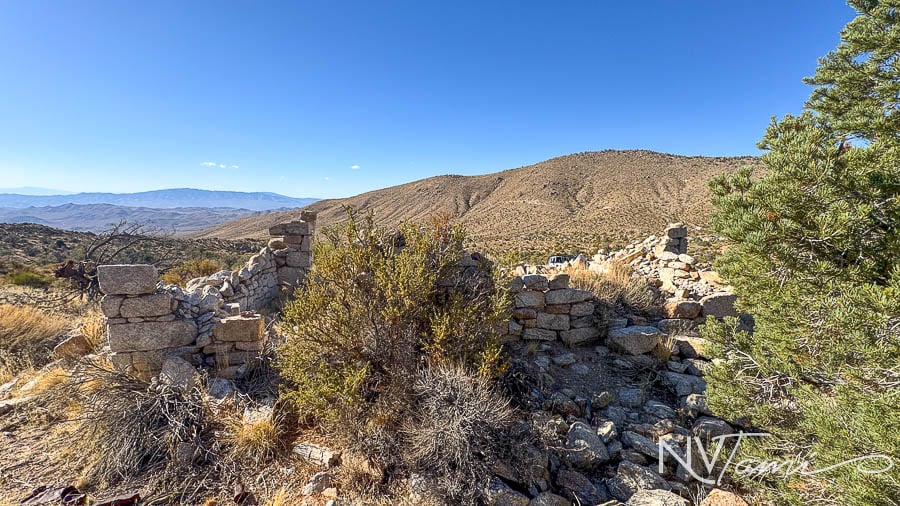
Tokop
In September 1902, Robert Stewart discovered new claims on the mountain. Stewart died shortly after, but a small camp named Tokop grew, named after the Shoshone for ‘snow’.The boom in Goldfield drew most away, and Tokop died by 1908.
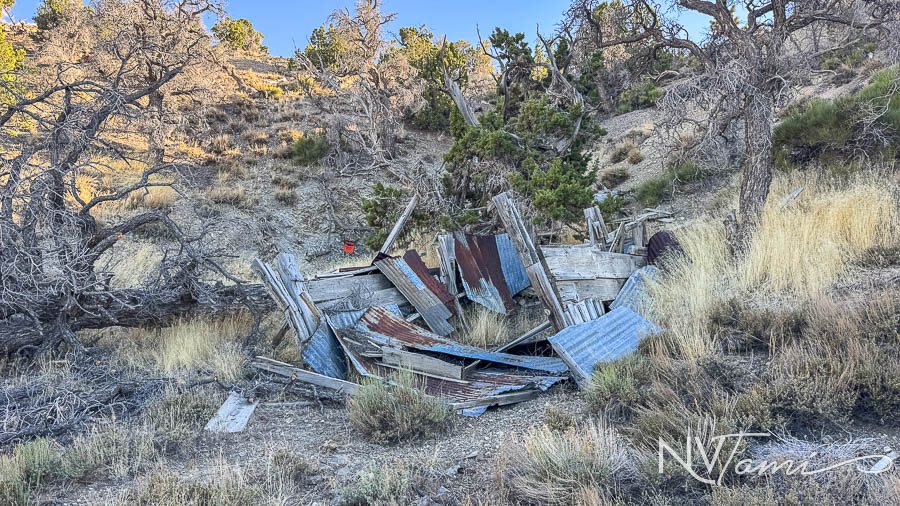
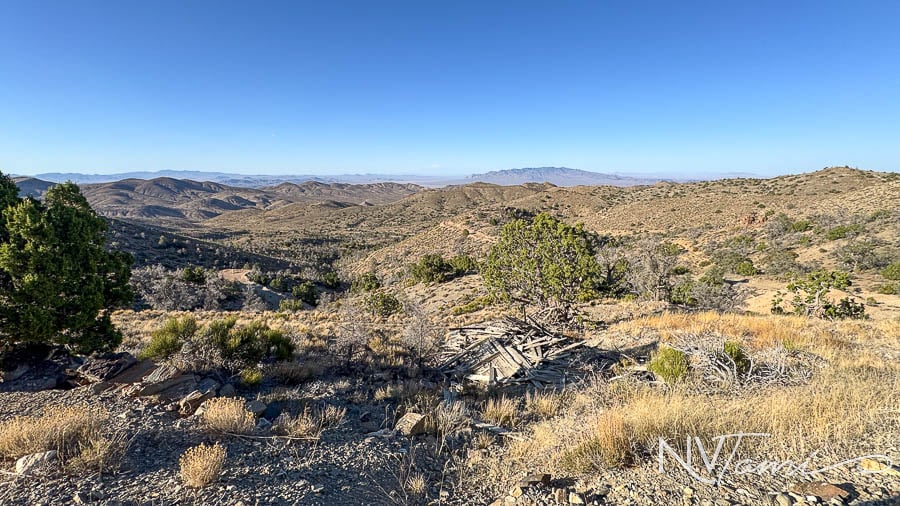
Klondyke
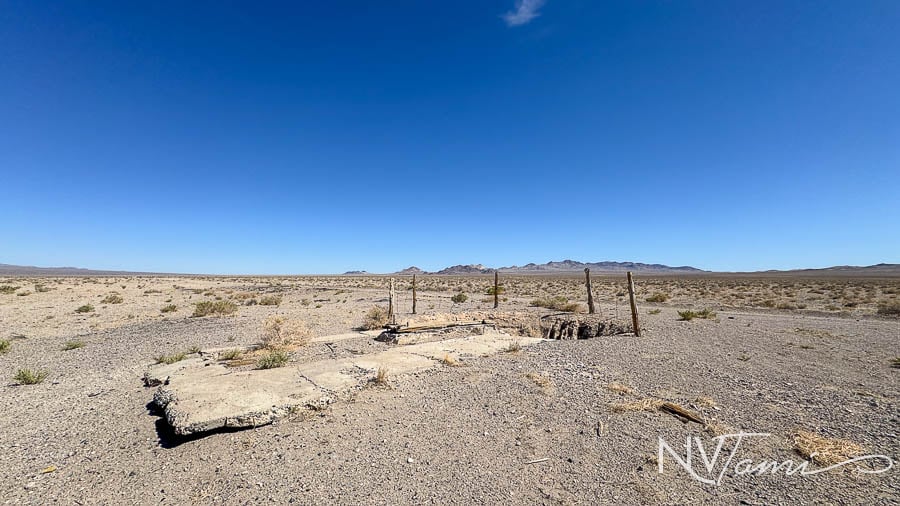
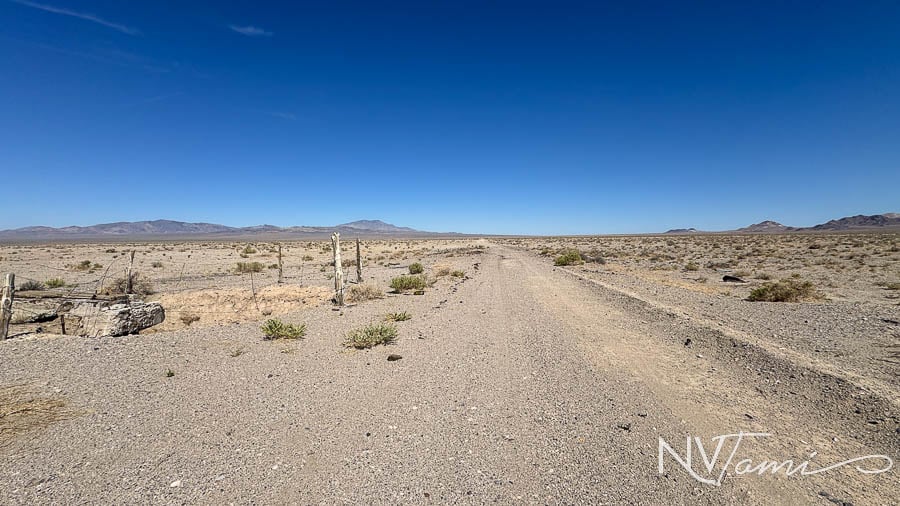
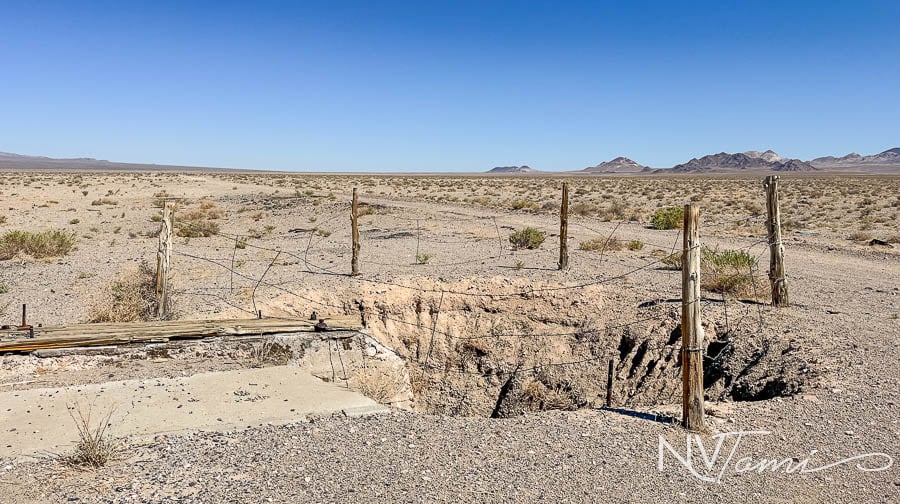
A well at Klondyke was used by mines including the Southern Klondike. With the arrival of the Tonopah & Goldfield Railroad, Klondyke was used as a water stop and station. In 1919, fire destroyed Klondyke except for the water tower. The station was rebuilt and used until 1946 when the line ceased operations.
Southern Klondike
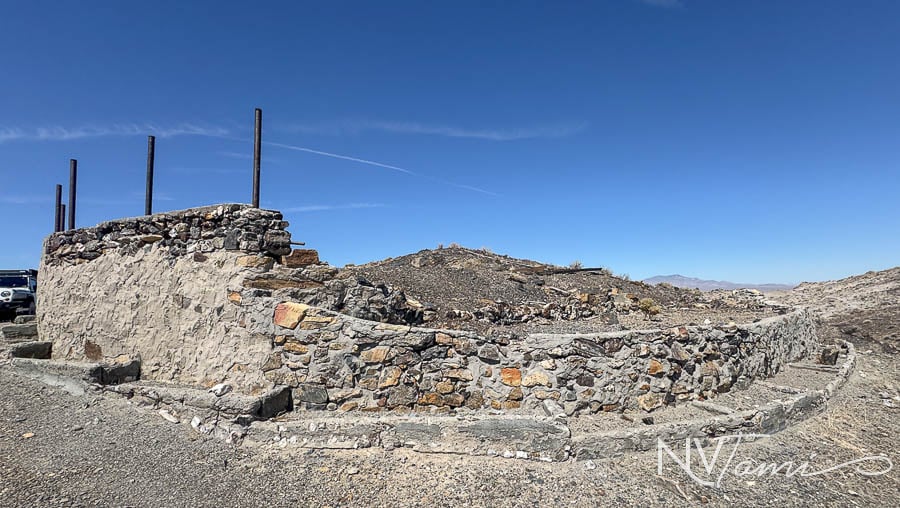
On the mountain between Tonopah and Goldfield, prospectors discovered gold and silver in 1899. Water was brought from the Klondyke Well in the flats below. It was named after the Klondike rush in Alaska.
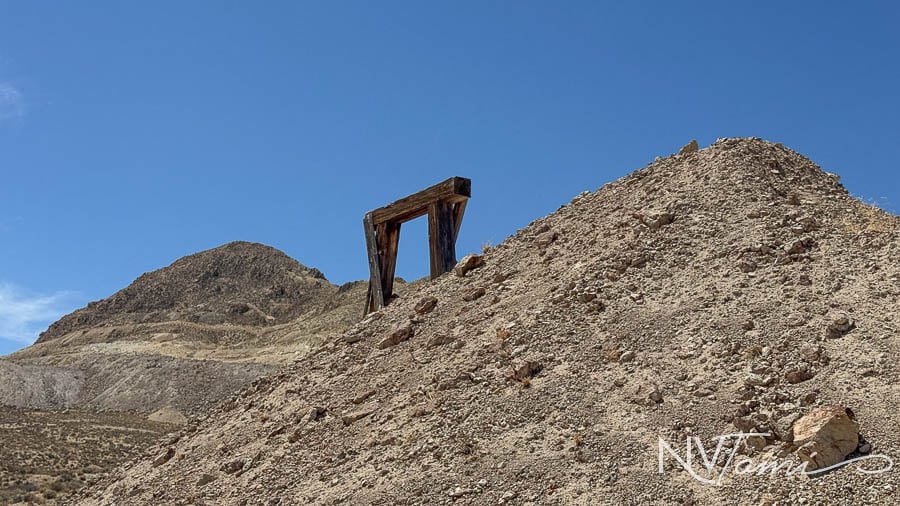
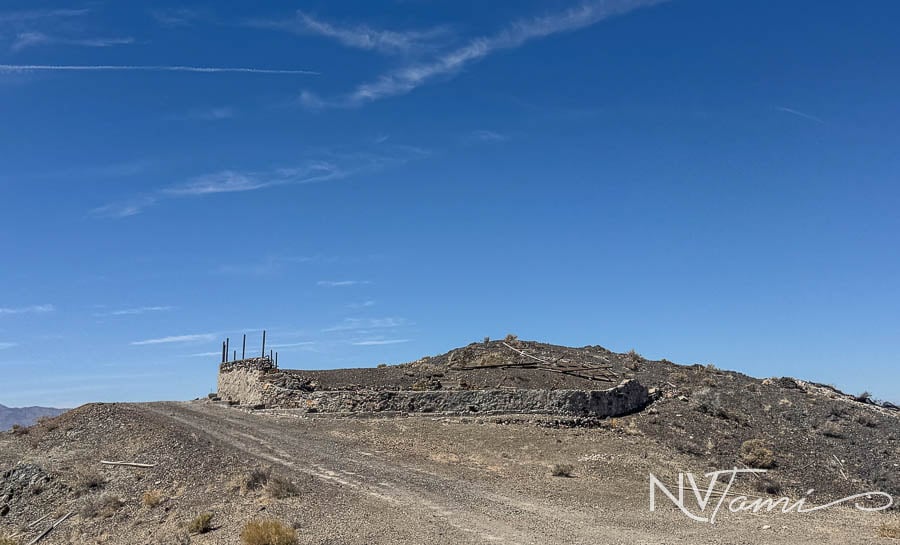
On the way to Klondike, Jim Butler discovered what he believed to be silver. He brought a sample to the assayer in the Klondike; the assayer said it was worthless. It wasn’t until Butler took it to Austin that it was found to be rich silver, starting the rush to Tonopah.
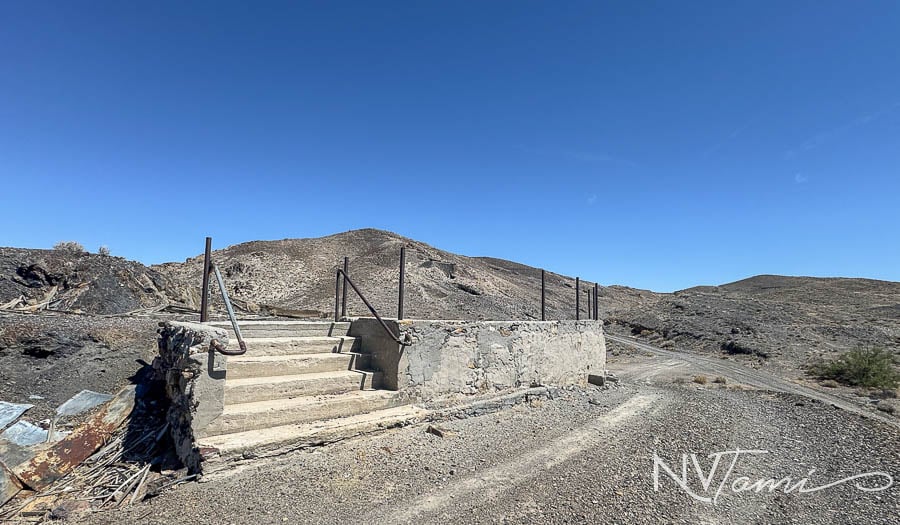
The boom in Tonopah overshadowed Klondike, but a small settlement hung on. With a population around 50, a post office was only open for two years.
Divide
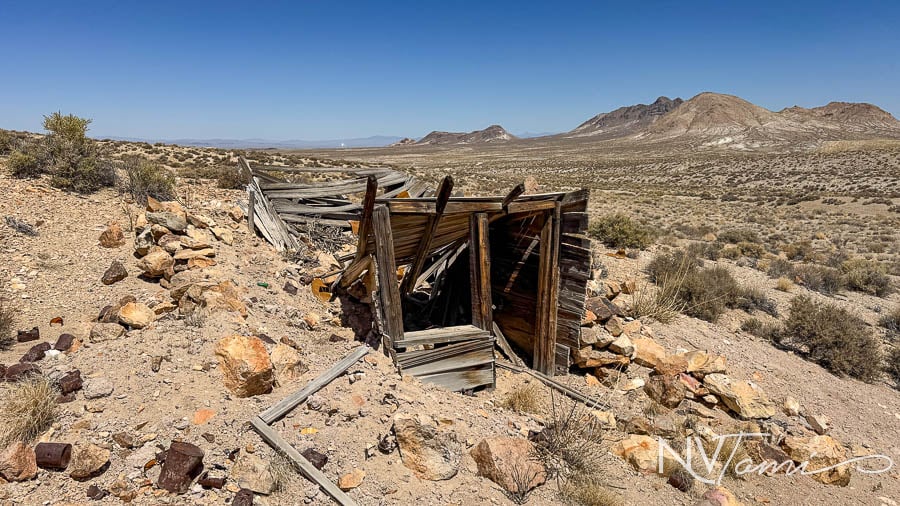
In 1912, famed investor George Wingfield and a partner reorganized the mining district between Goldfield and Tonopah, naming it Divide. The area was established in 1901 under the name Gold Mountain, with a boarding house, store, and saloon, but the booms in Tonopah and Goldfield drew people away.
New gold veins were discovered, bringing a new rush to Divide in 1917. The town formed along the road between Tonopah and Goldfield. A post office opened in 1918 under the name Sigold, as the post office declined the name Divide. Unlike most mining towns, Divide didn’t have a saloon as the town was established during Prohibition.
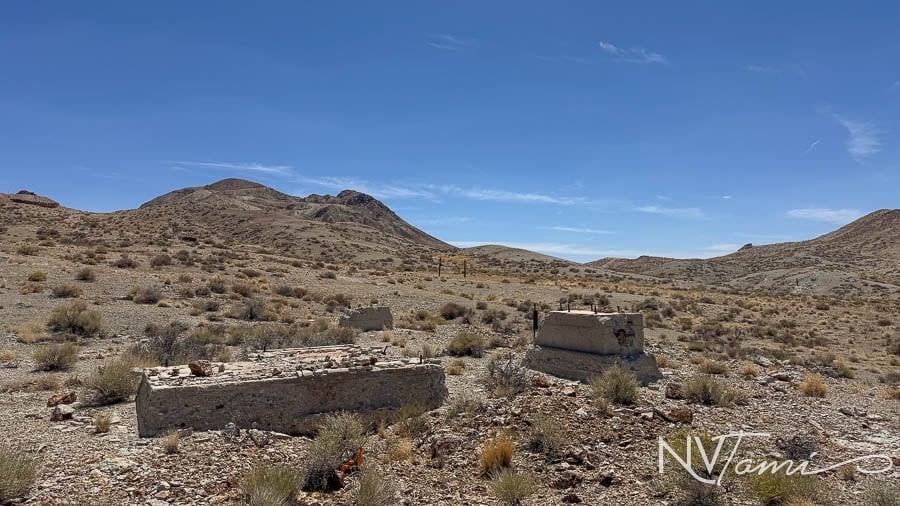
Divide only lasted a year before being hit with mining decline and a fire. The final nail in the coffin was in 1920, when the highway was relocated to the flats below, bypassing Divide. Today, you can still drive the old highway past Divide; just watch out for potholes!
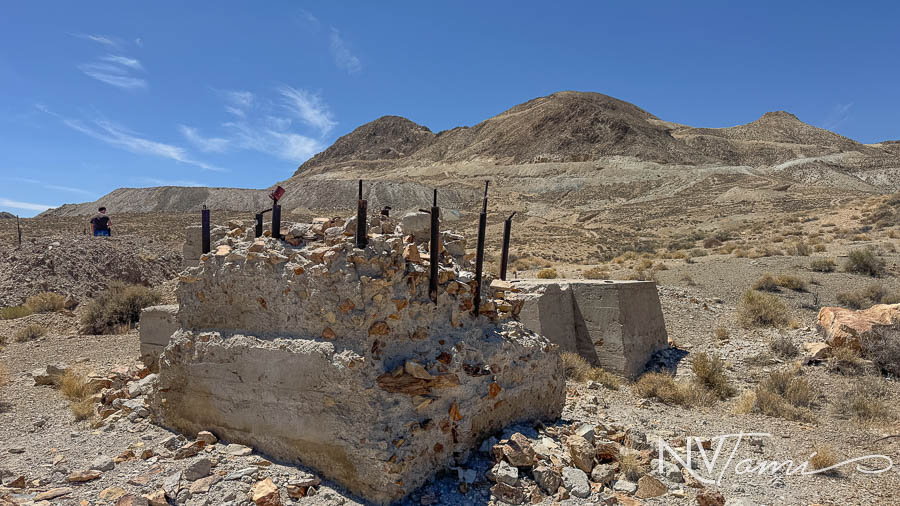
Lambertucci-Roma Ranch
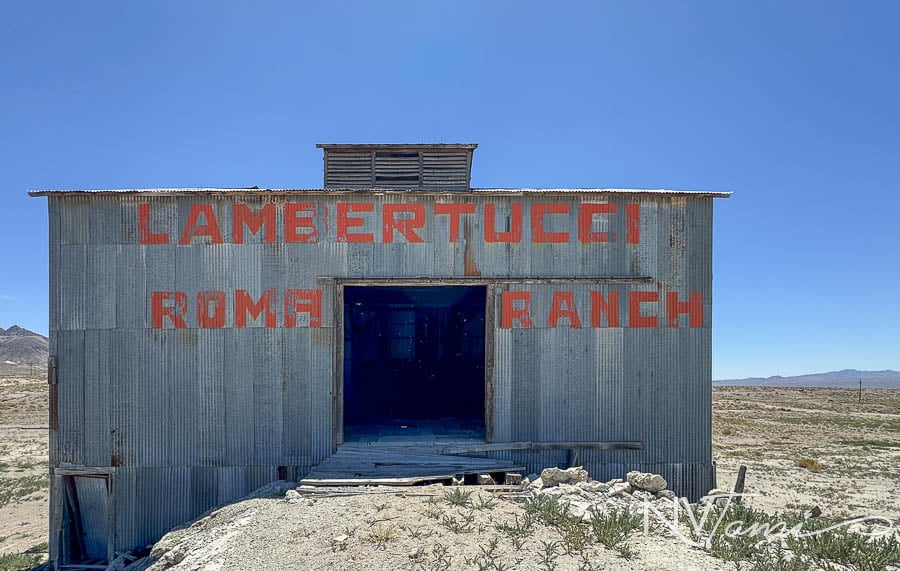
Vincenzo Lambertucci purchased a ranch outside of Tonopah in 1911. The property included a three-room house, barns, outbuildings, and nine chicken coops and hog pens.
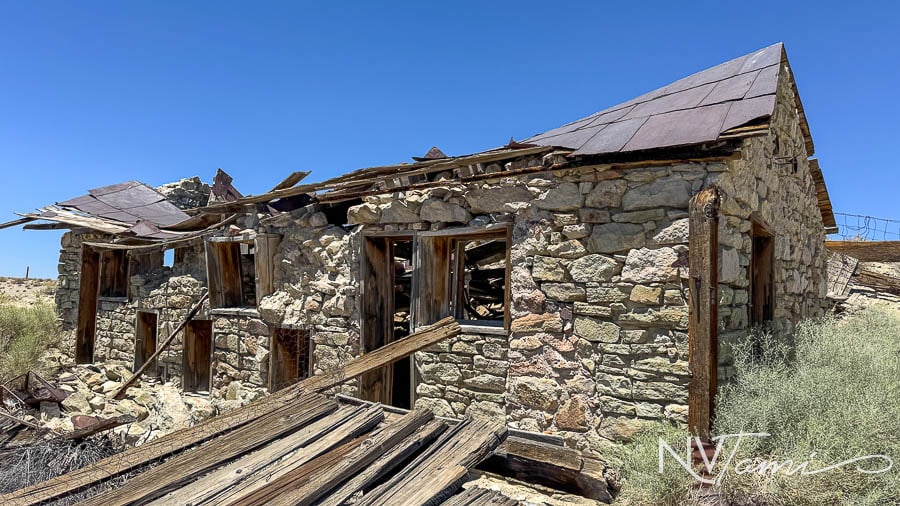
Starting in 1915, the ranch received water pumped from the Victor and McKane shafts.
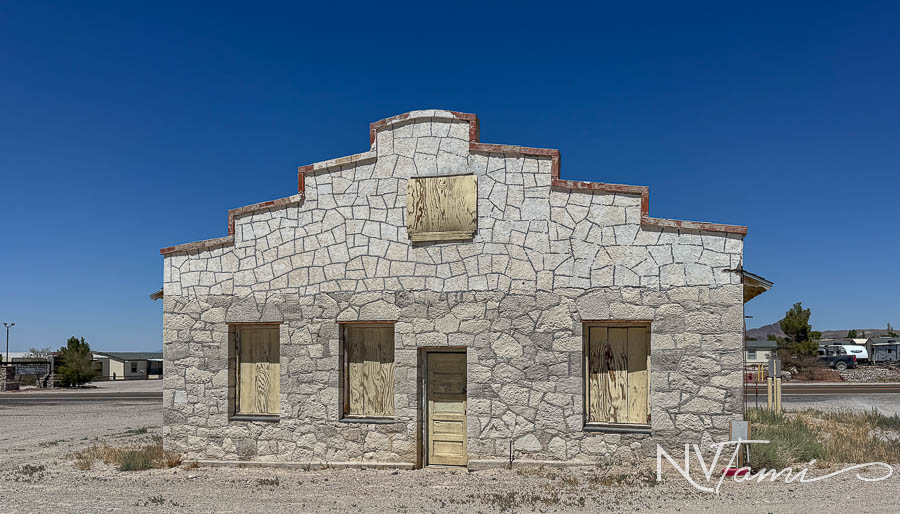
The family operated a gas station alongside the highway.


Alan Drew says
What a trip -great photos -thanks for sharing
Keith Kwiecien says
As usual fantastic pics and a great story. Always learn a lot from what i thought i already knew. You add so much and I’m always yearning to learn at 78.
I have always been interested in the Lida area especially Nugget Gulch tributary of Tule canyon but only made it up there once.
Keep up the good work and stay healthy
Anonymous says
Really
Bob Hansen says
Thank you Tami for another great article!