July 4th 2026 – Ely Area Camping Adventure
Over the July 4th weekend in 2026, I based myself in Ely and enjoyed a relaxed camping trip exploring the beautiful mountains and historic mining districts of White Pine County. From ghost towns and old smelters to hot springs and scenic backroads, this area delivered spectacular scenery and plenty of Nevada history.
Yankee Blade
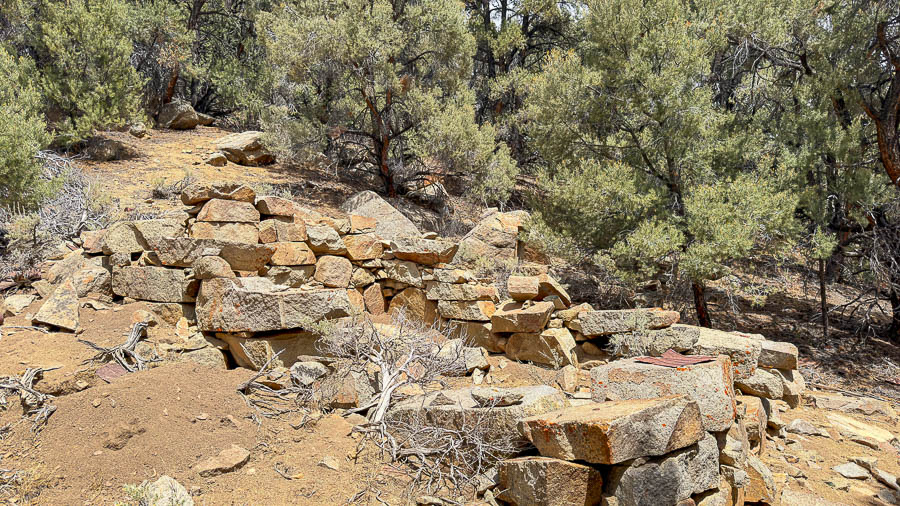
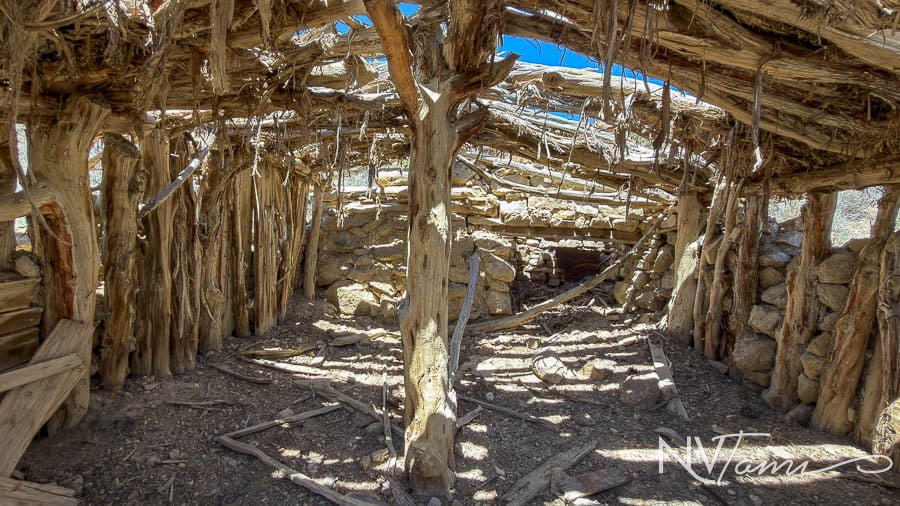
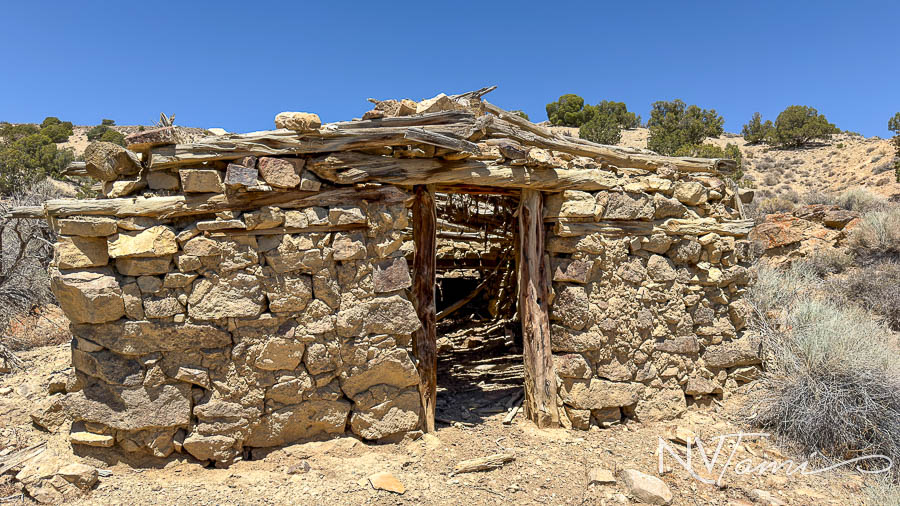
We explored some of the cabins at Yankee Blade. I hope to return later this summer and explore the mill.
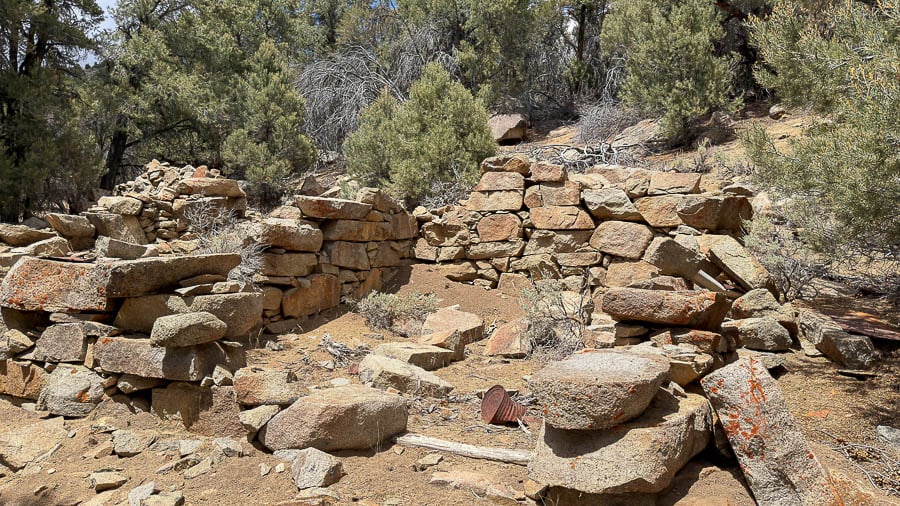
Yankee Blade was a small mining camp in the Ely area with a colorful name typical of the era. It had a brief period of activity during the regional silver and gold excitement. Today, scattered ruins and mine remnants remain in a scenic mountain setting.
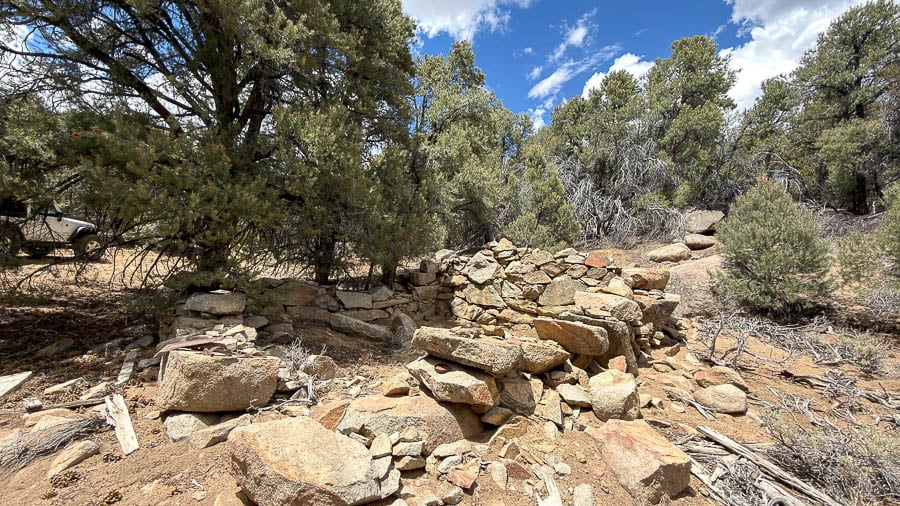
First named Yandleville, then later Yankee Blade, the settlement started in 1863. The following year, the town had around thirty stone cabins and a stage to Austin. The mill was built in 1864. In July 1867, work was stopped due to water in the mines, and the mill was moved to La Plata.
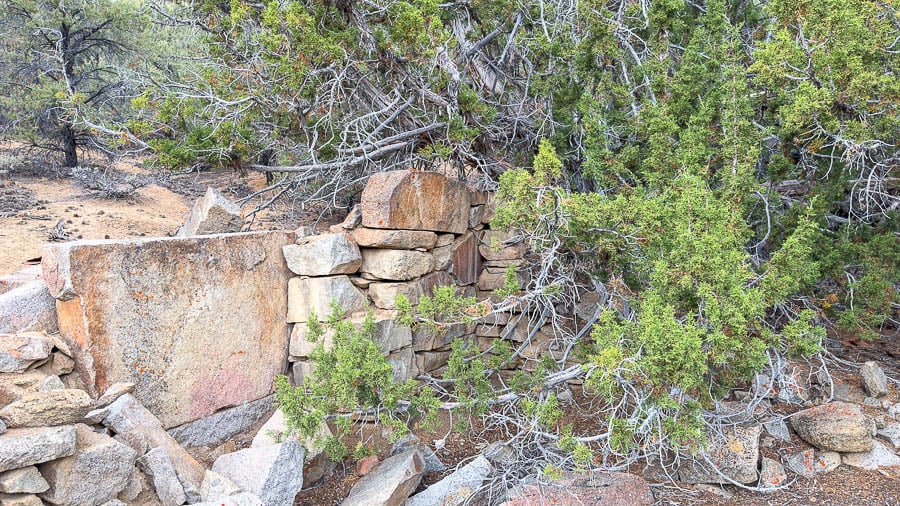
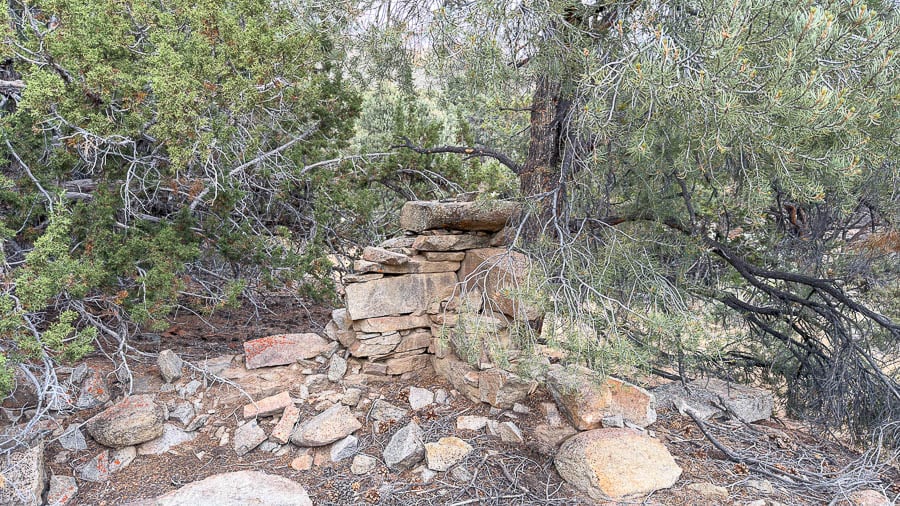
Mason’s Tavern
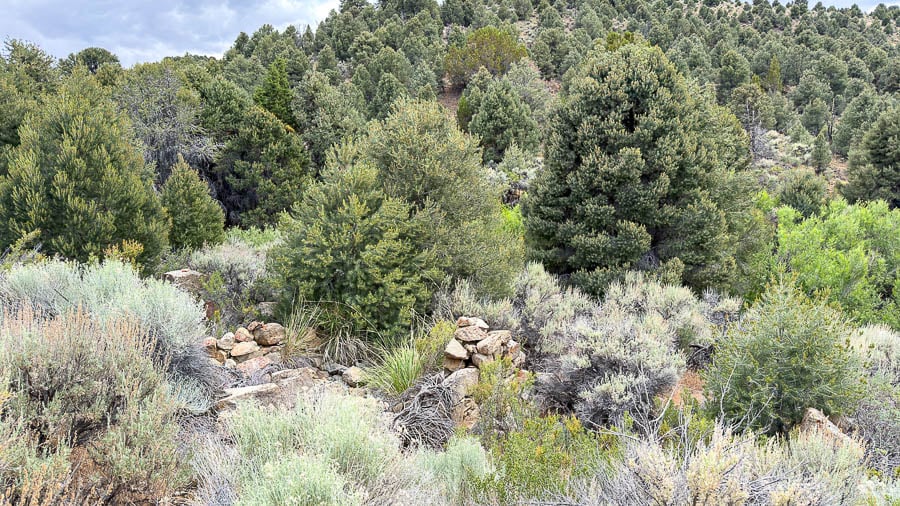
Mason’s Tavern was a historic watering hole and gathering place that served miners and travelers. These establishments were social hubs in remote mining districts, and the remnants offer a glimpse into daily life during the boom years.
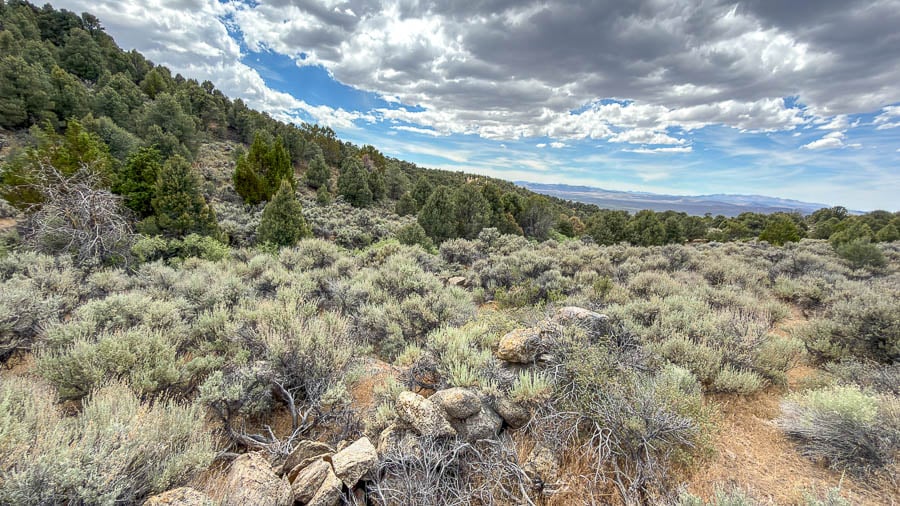
In 1863, Captain George Mason opened a tavern on the Overland Trail in Overland or Telegraph Canyon. In addition to beverages, he served fresh produce from his large garden. He sold to the New York & Reese River Mining Company in 1864, when the new road to Austin opened, likely decreasing traffic. The new owners used the water to power their Midas Mill.
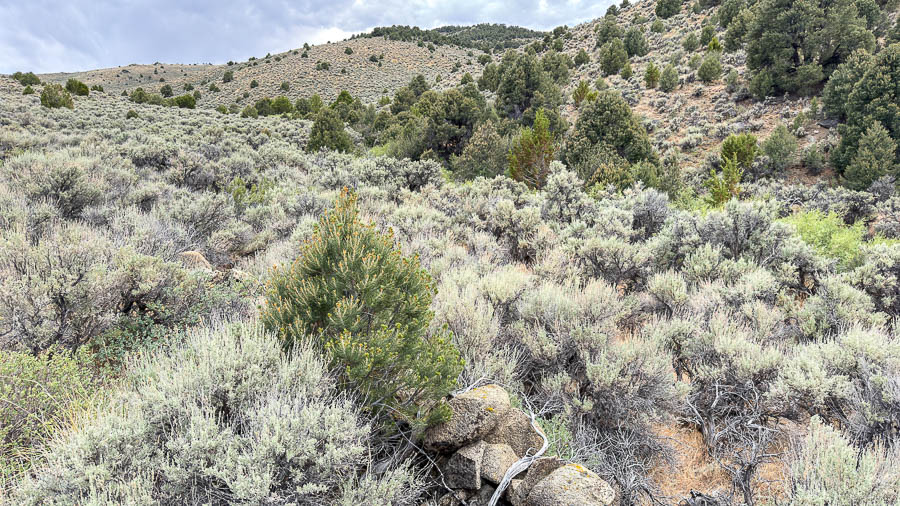
Ruby Hill / Rubyville
The trip started with a bang, literally. Ruby Hill, or Rubyville, was spectacular. So was the thunder that hit right as we got there! It was by far the longest thunderclap I had ever heard. We had a few sprinkles, but otherwise the weather was beautiful.
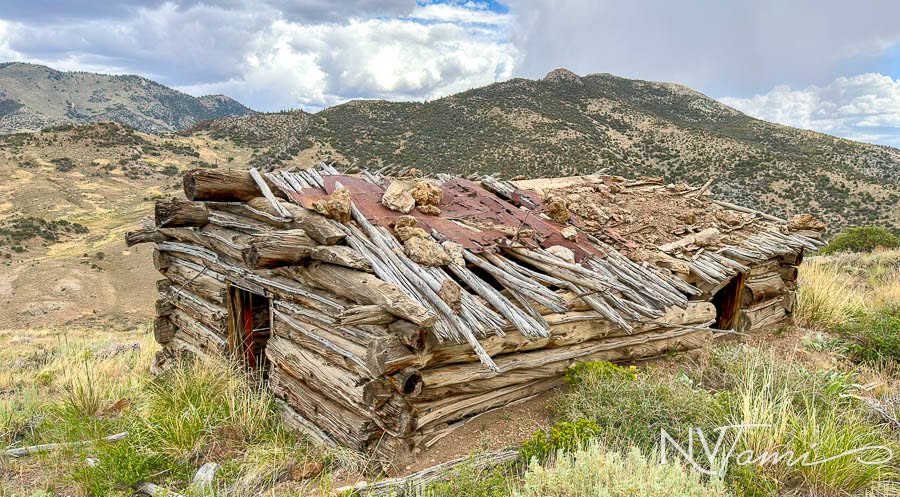
Prospectors discovered silver in 1871 and established the Ruby Hill Mining District. Between 1871 and 1873, 300 people lived in the area. Claims dotted the area, but the town of Rubyville grew to include stores, restaurants, and a boarding house.
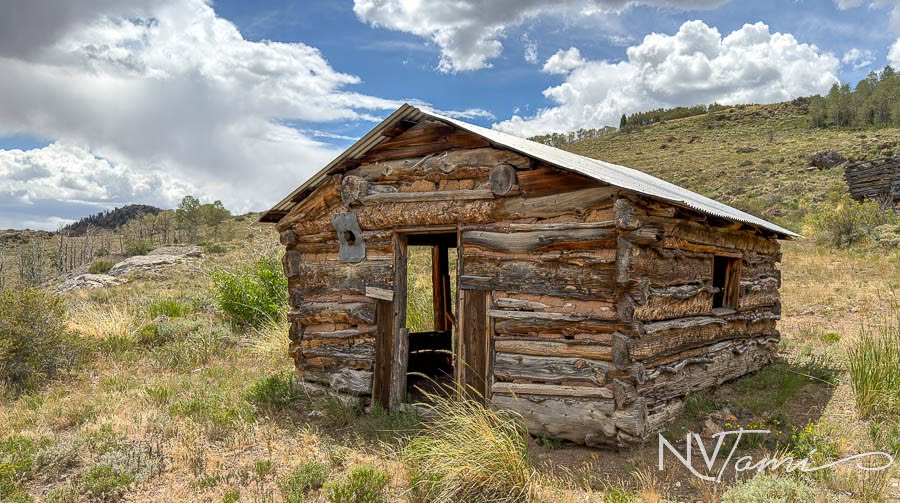
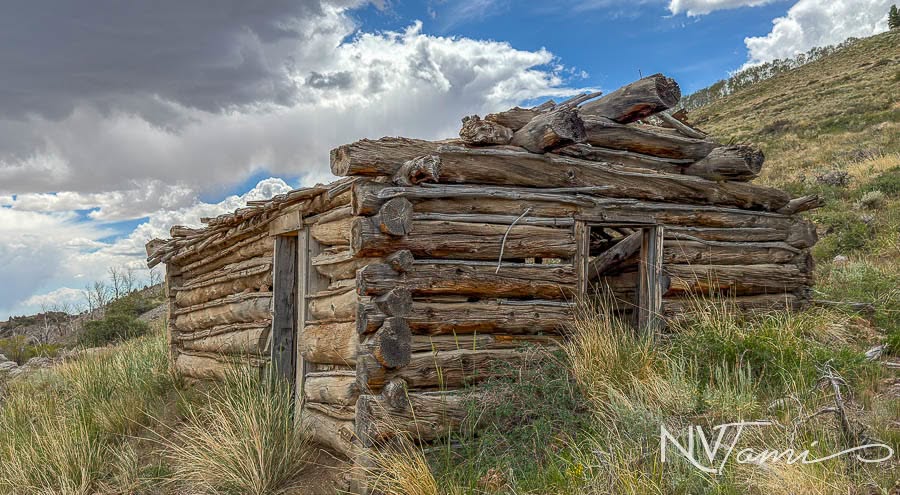
Several ruins and foundations still stand, making it one of the more interesting ghost towns in the Ely area.
Rock Springs
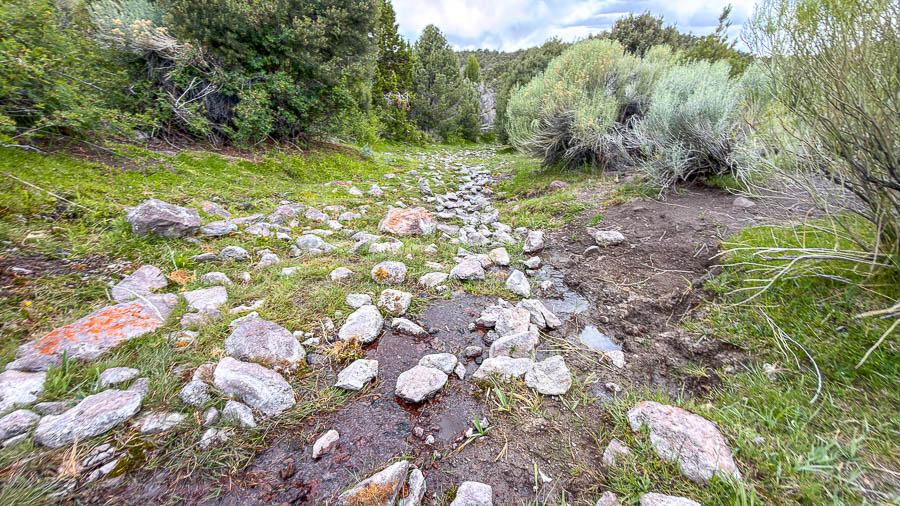
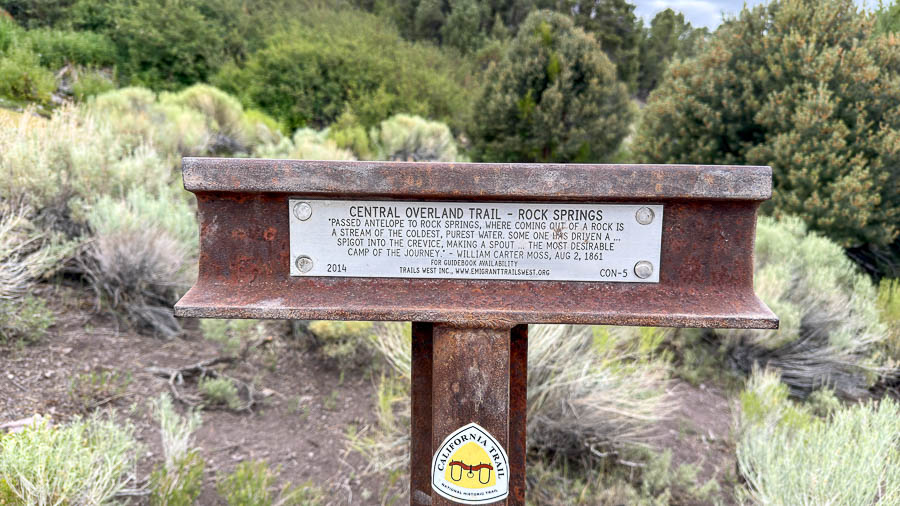
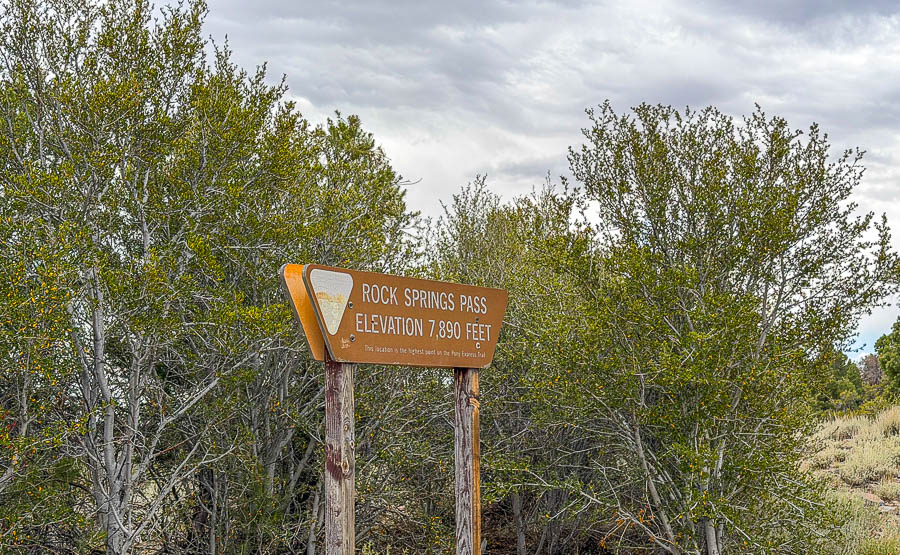
Rock Springs provided a reliable water source for travelers and miners. Like many springs in the region, it was a vital stop along old trails and stage routes through the high desert and mountains and was used by the Central Overland Trail.
Blue Mass Scenic Area
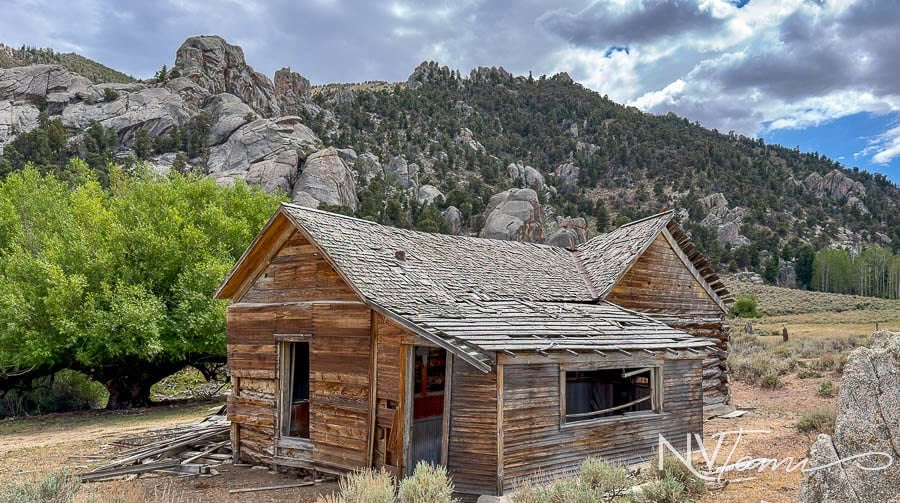
Have you heard of the Blue Mass Scenic Area?
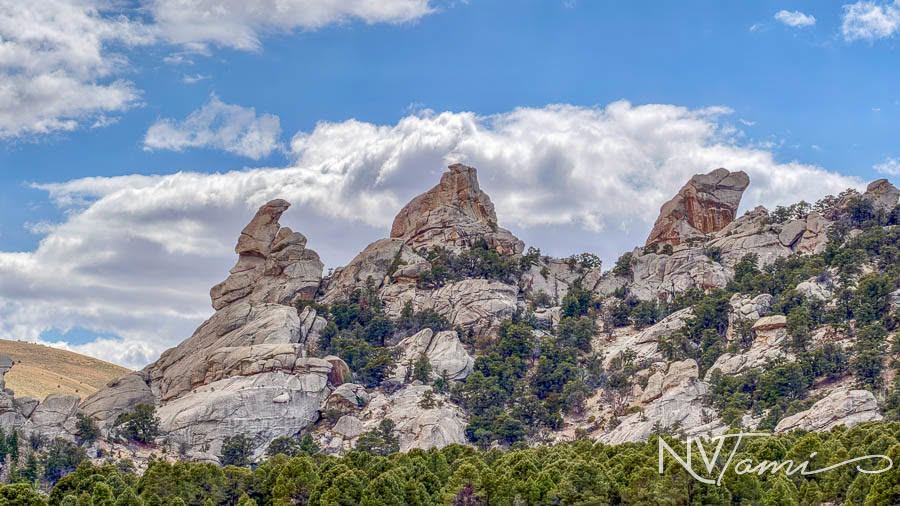
I’ll admit, I was a little dubious at first. Tucked in the Kern Mountains near the Utah border, this BLM gem did not disappoint! Granite boulders, cliffs, and pinnacles rise dramatically from the pinyon-juniper woodland. The scenery and geology alone are worth the trip.
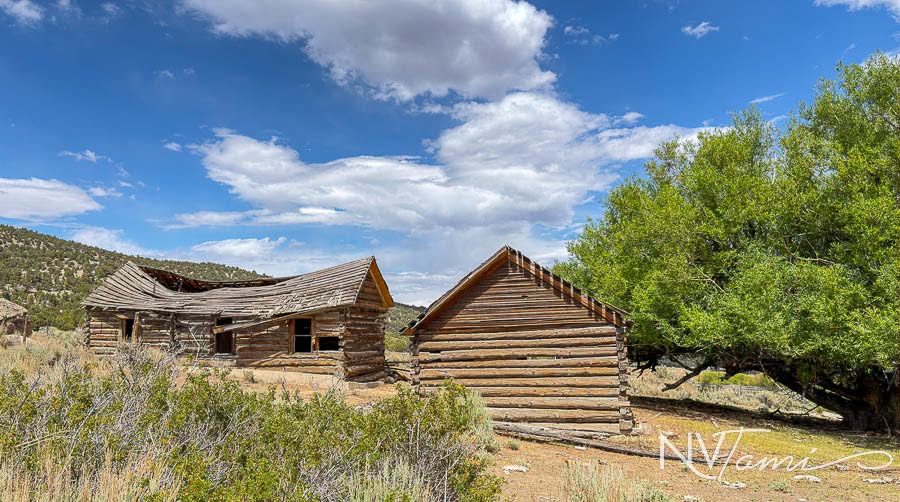
Historic ranches and old buildings scattered throughout add that classic Nevada pioneer feel. I’d love to camp back here someday, but it’s wonderfully remote.
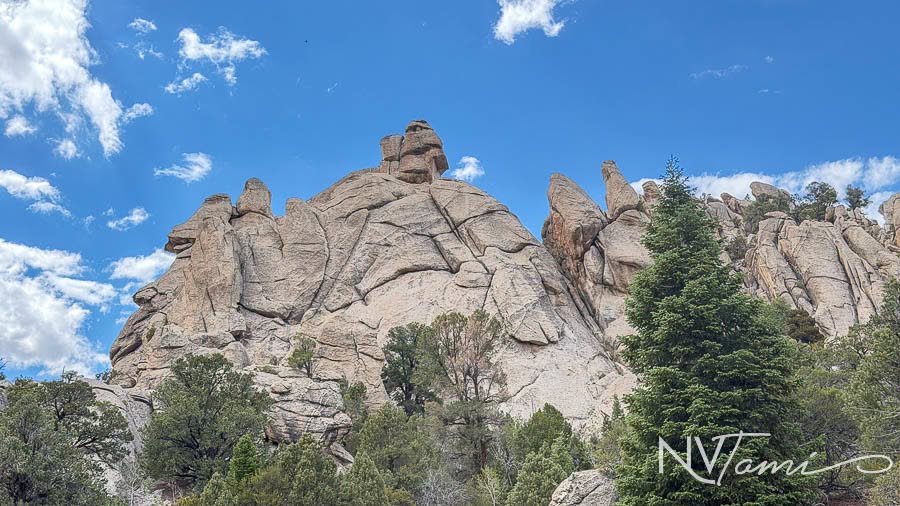
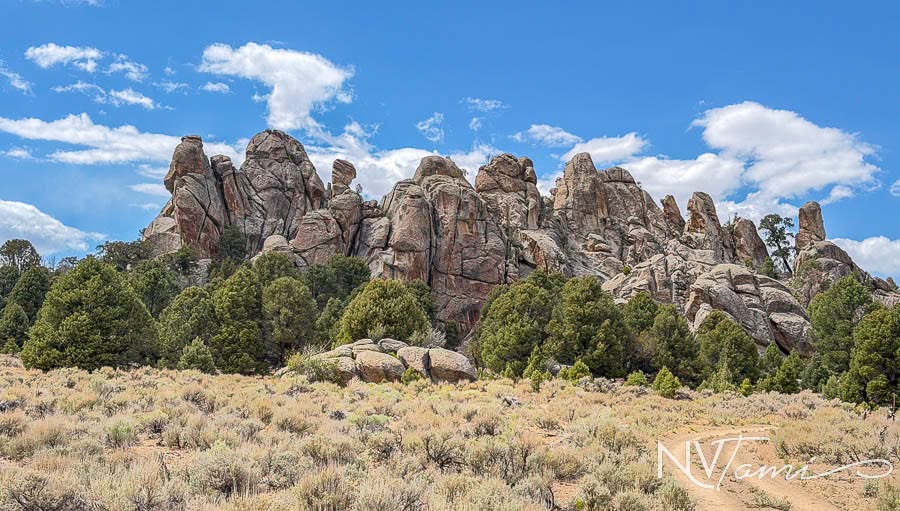
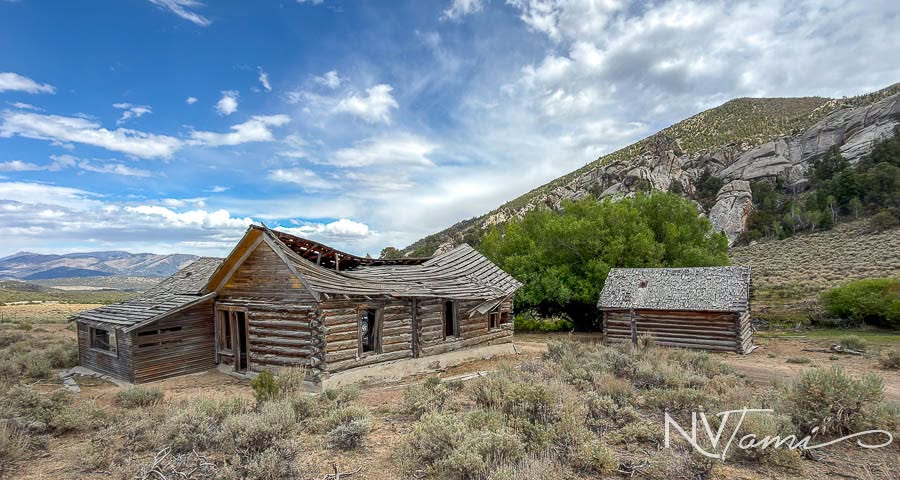
Lottie Henriod Cabin
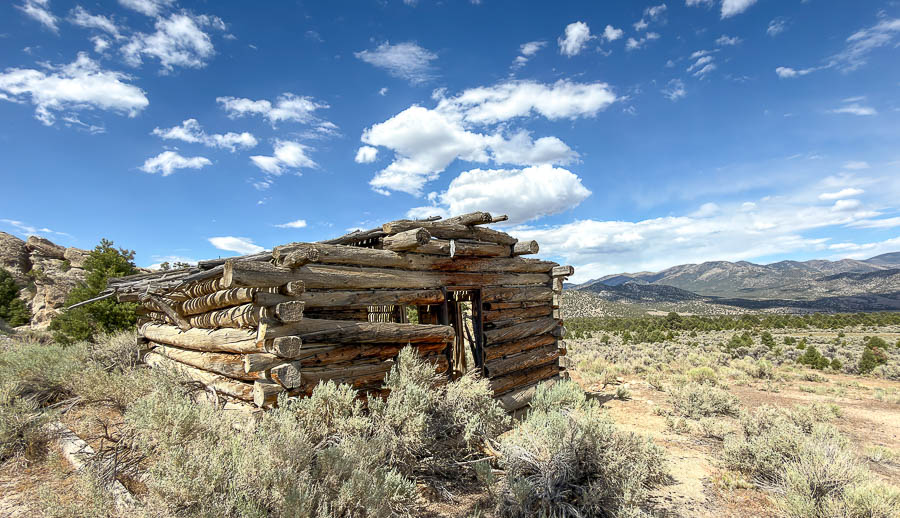
The Lottie Henriod Cabin is a well-preserved example of early homesteader or miner housing. It stands as a quiet tribute to the women and families who made lives in these remote mountain districts.
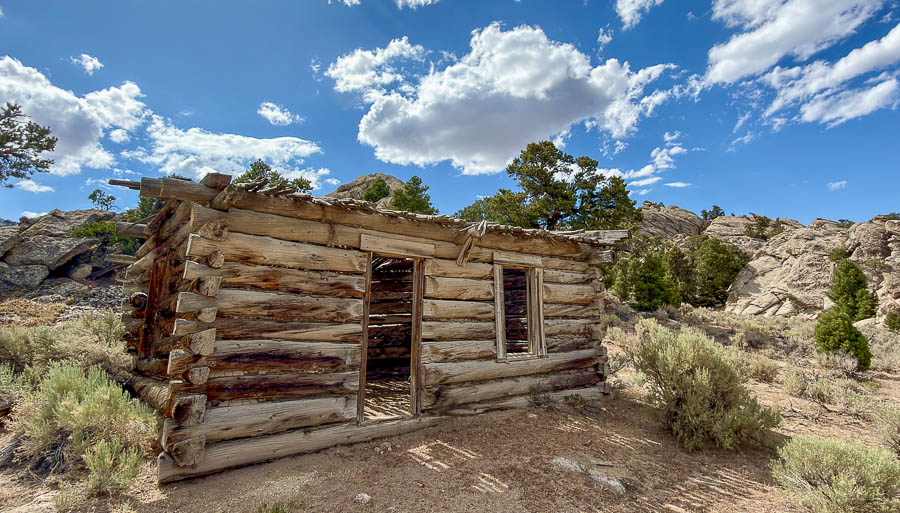
The Henirod brothers ran many of the ranches in Pleasant Valley along with the Blackjack claims.
Uvada
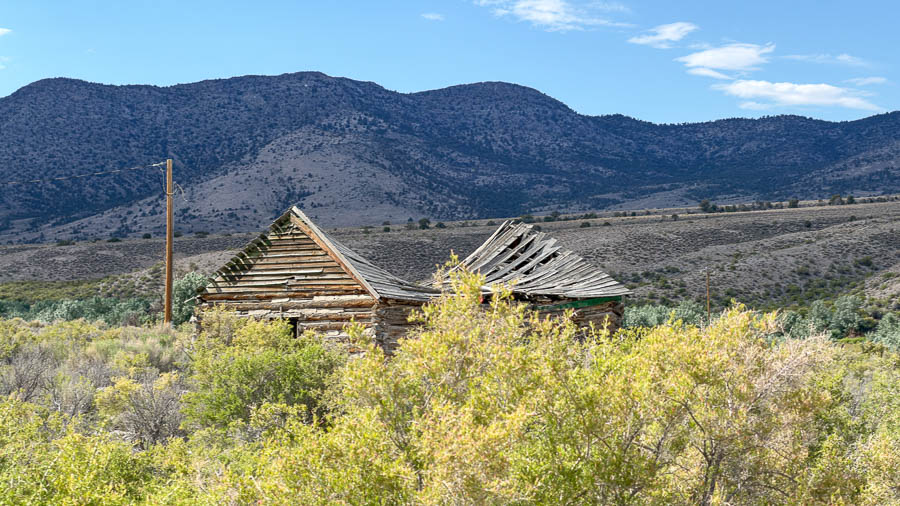
Ranching in Pleasant Valley started in the 1890s. A post office opened in 1892, named Pleasant Valley, but was discontinued in 1894 when mail transferred to Aurum. The post office opened at the Parker Ranch in 1910 and ran until 1927. It moved once again in 1928, this time to Uvada, where it operated until 1944. Uvada is now a private ranch, so I only got a few pictures from the road.
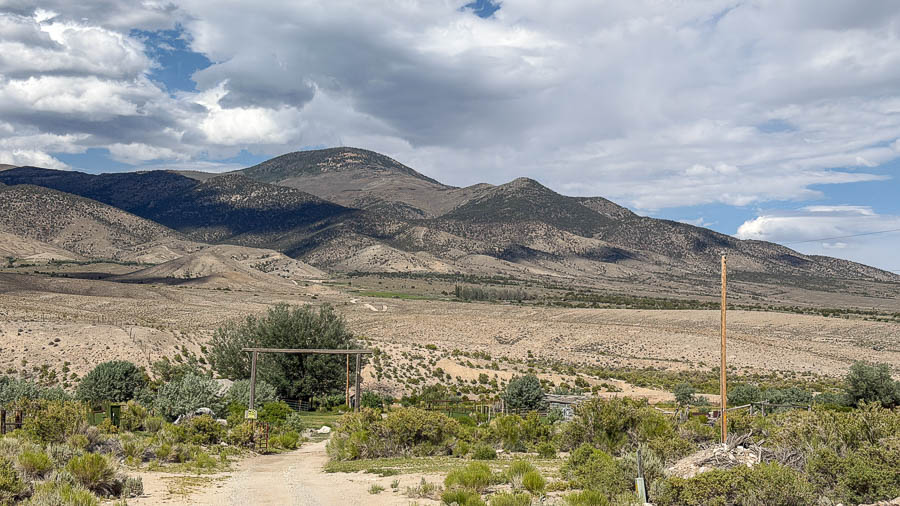
Uvada sits on the Utah border, leading to the blending of Utah and Nevada for the name.
Tungstonia
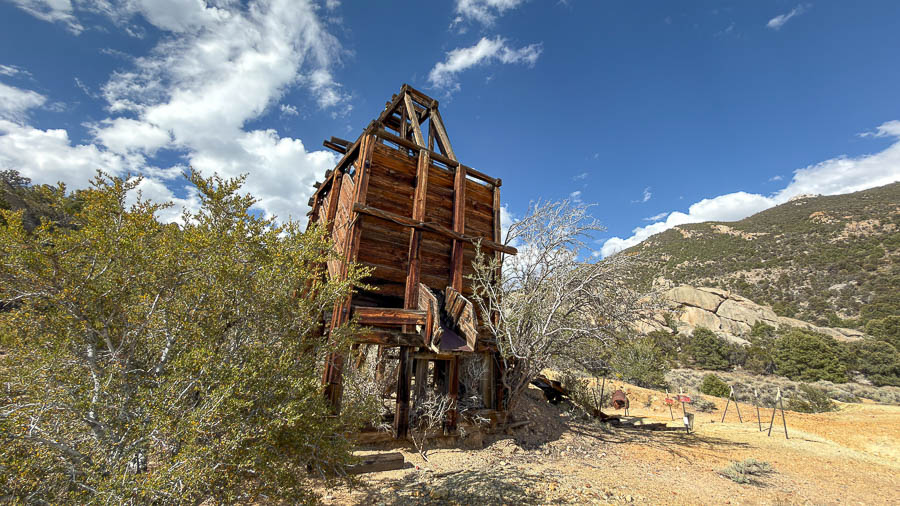
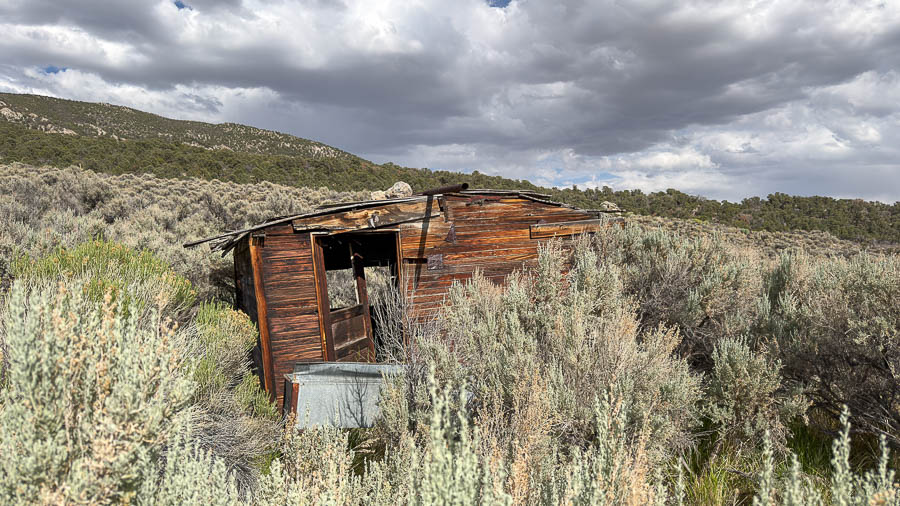
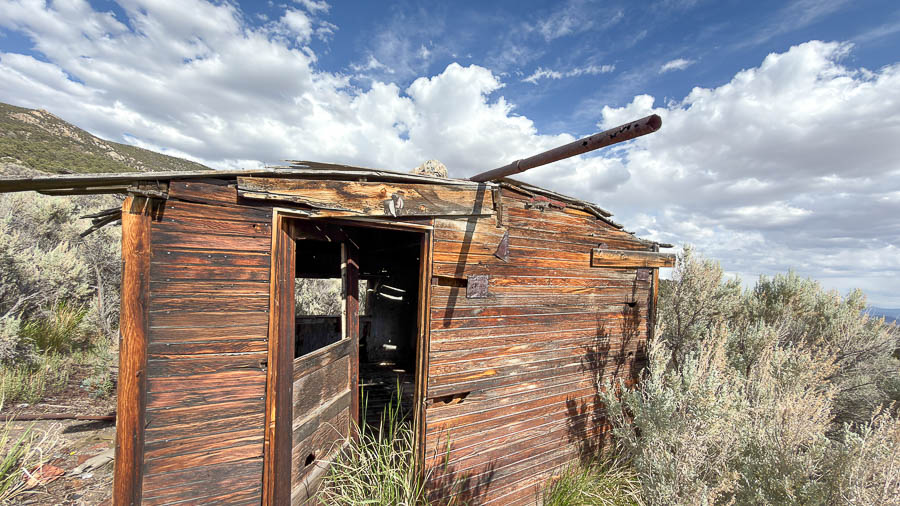
Tungsten was discovered in 1910, but the mine wasn’t worked consistently until 1914. Mills were built the following year. That same year, 25 people lived in Tungstonia. A post office opened in 1917, but closed after only a few months. In 1918, the mill closed, and most moved on.
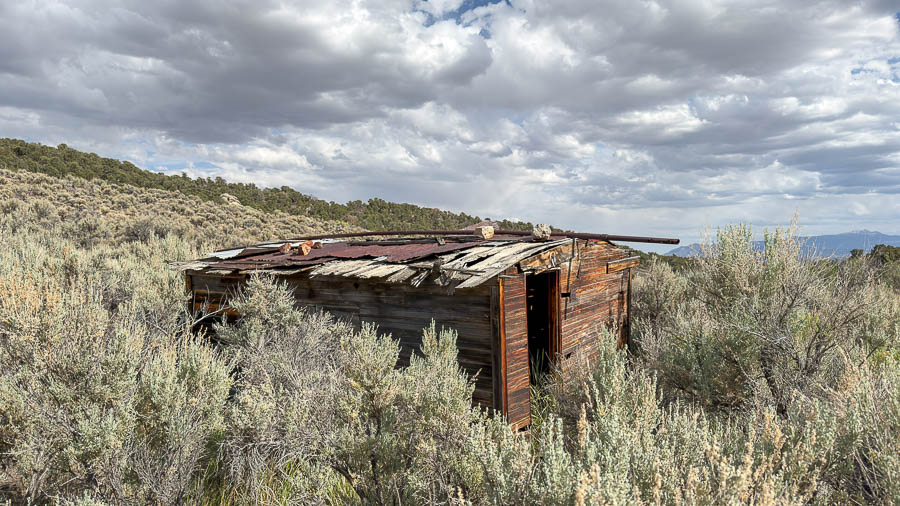
In 1938, the area was once again active with a 36-ton mill. It was worked until 1942.
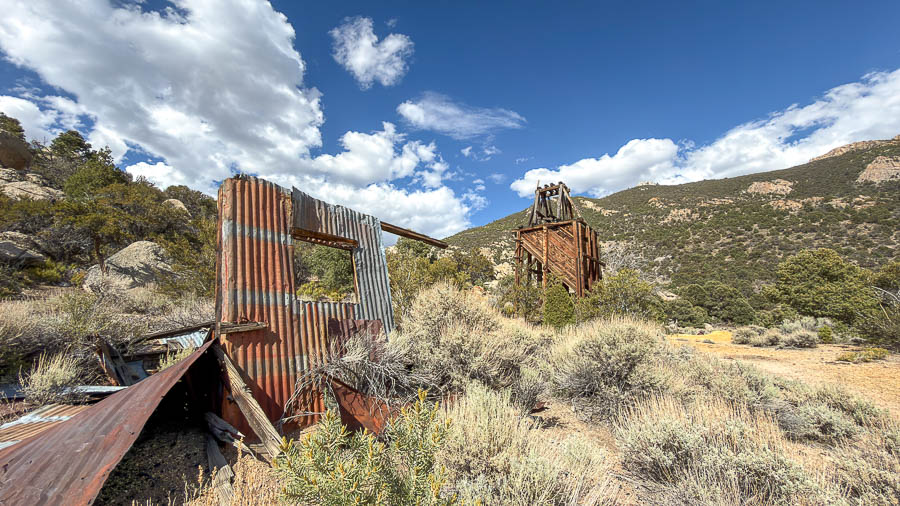
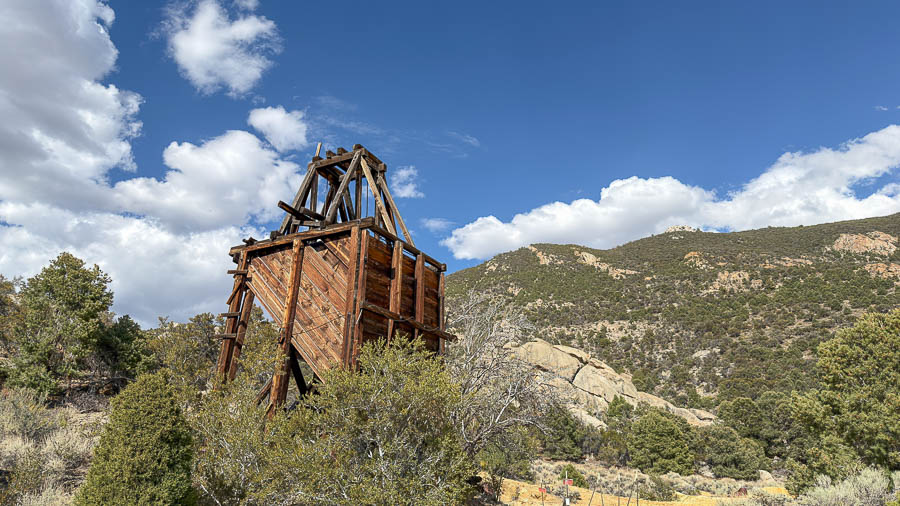
Tungstonia was a tungsten mining camp that saw activity in the early 20th century. Like other specialized mineral towns, its fortunes rose and fell with industrial demand for the metal.
Mike Springs
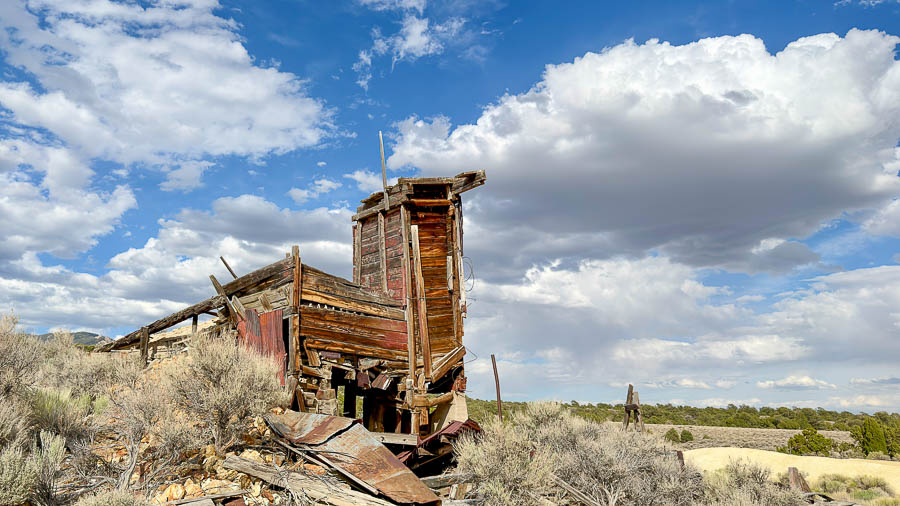
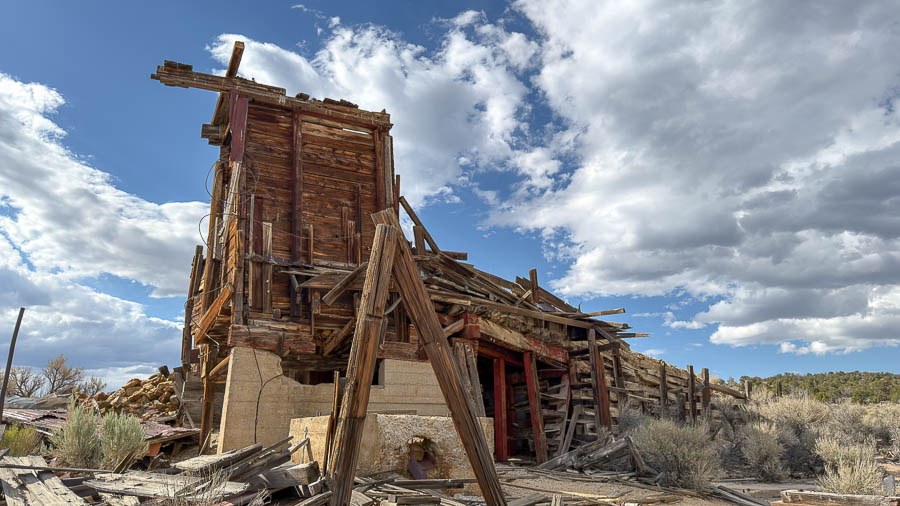
Mike Springs was another important water source and small settlement area. These springs were lifelines in the arid high country around Ely. I’ll have to dig into the history of the mill.
Glencoe
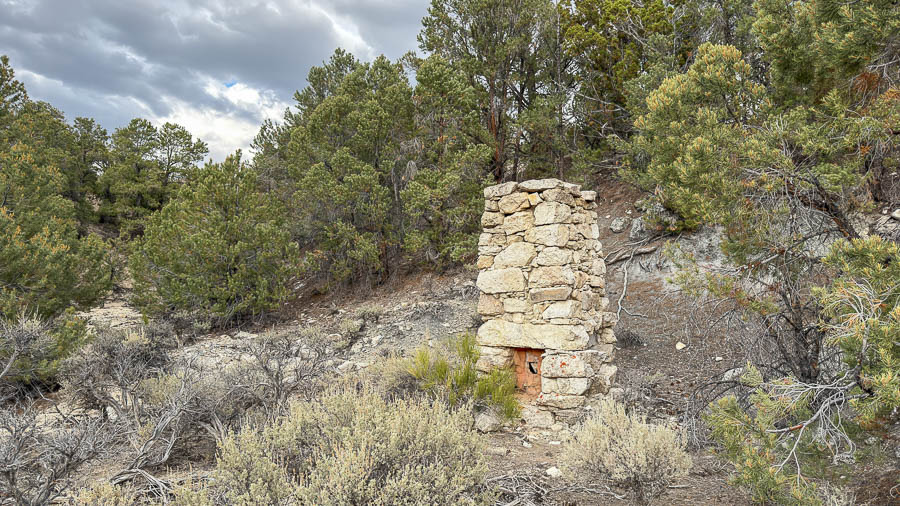
Glencoe was a modest mining camp with scattered ruins. It reflects the many smaller operations that complemented the larger districts in the region.
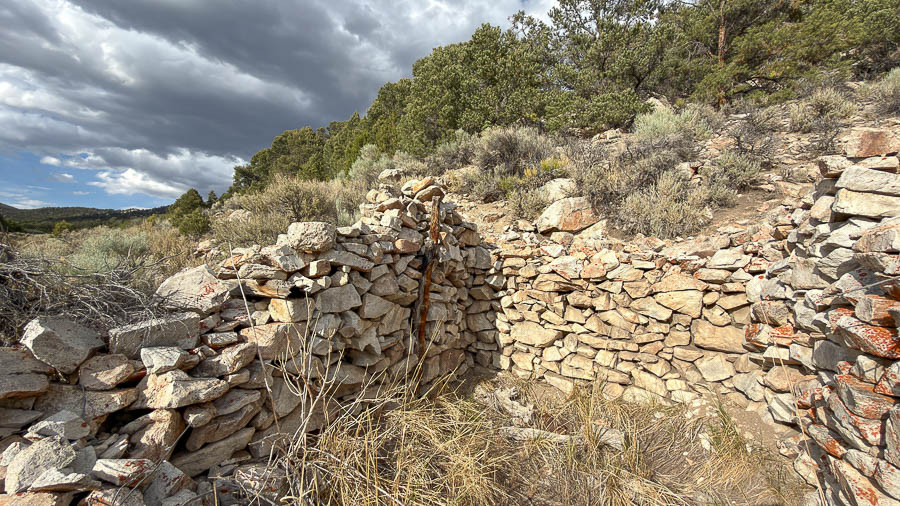
Development started in 1867 by workers from the Overland Stage Company. The settlement grew in 1869, primarily with men from Kern County, California. John Tippett was one of the residents. He and his partner were offered $100,000 for their mine, which they declined, sadly, as the mine never produced much.
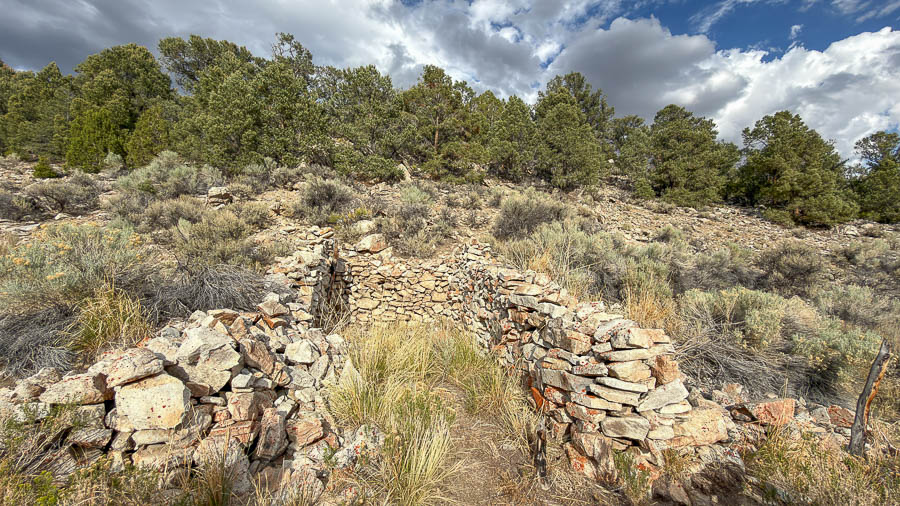
Activity declined in the 1870s and 1880s, but around 30 men remained. A post office opened in 1891, with Tippett as the post master. Glenco reached the highest population of 75 in 1892. The mines played out by 1894, and the post office was transferred to Aurum.
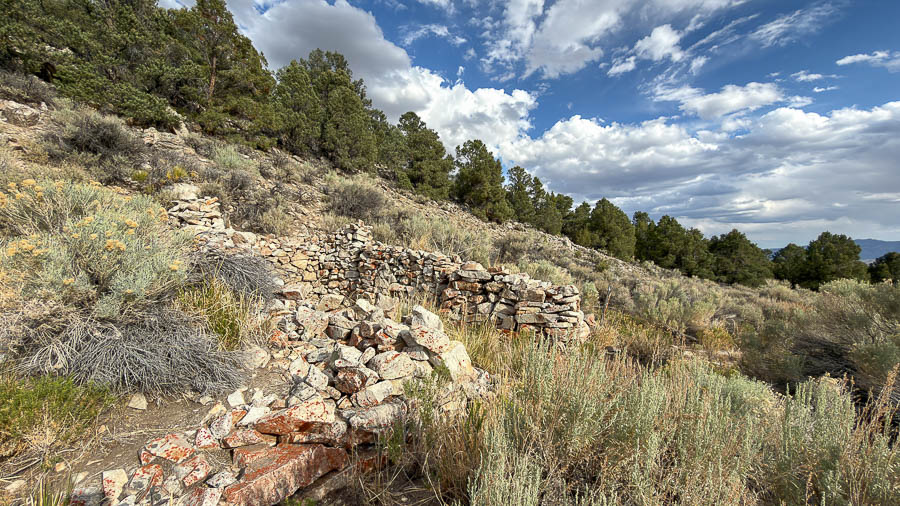
Smelterville: one of McGill’s “Sin Cities”
Company towns provided employees with housing, food, shopping, recreation, and even hospitals. Many did not allow activities they viewed as immoral or, more importantly, would interfere with a productive labor force. Outside of company towns, “Sin towns” developed. These settlements provided miners with what the company towns didn’t: booze, gambling, and women.
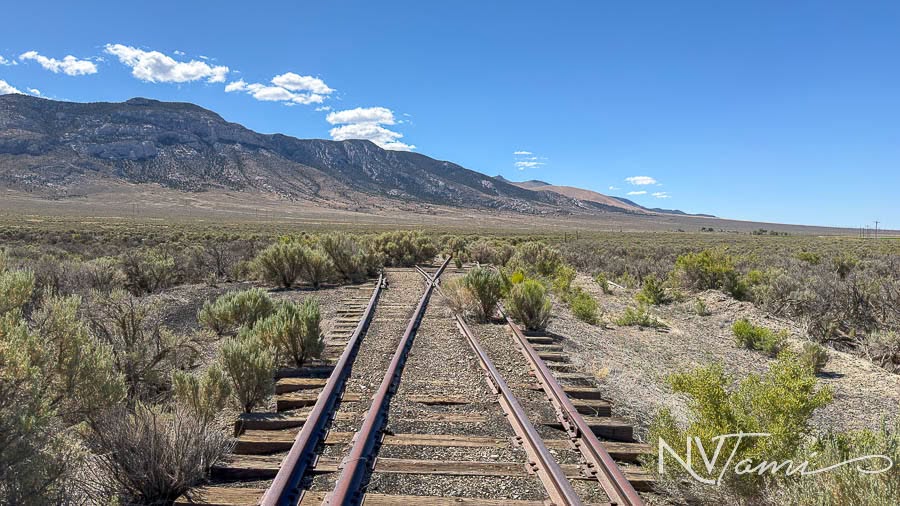
McGill had not just one but three sin towns: Steptoe City, Smelterville, and Ragdump. The popular settlements offered saloons, gambling halls, dance halls, and cribs where prostitutes flaunted their offerings.
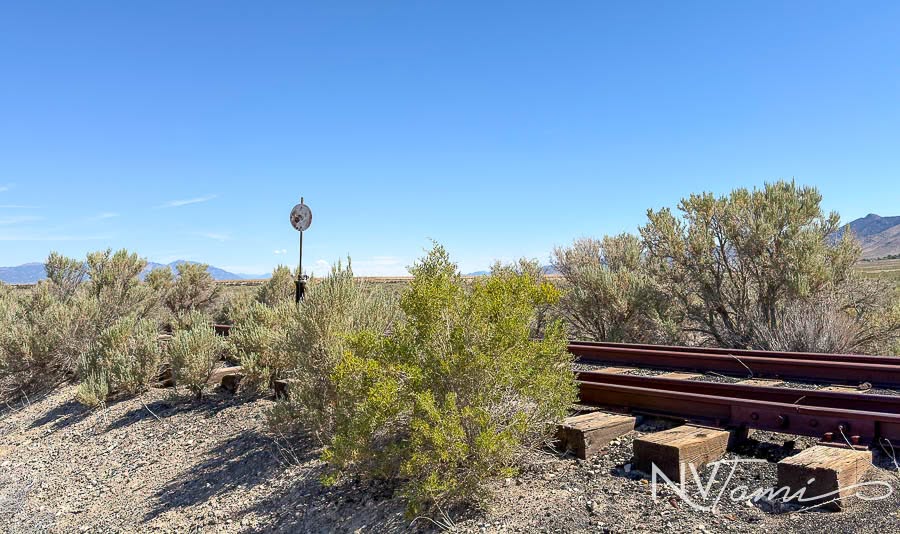
Smelterville and Ragdump didn’t grow past their dubious beginnings. Following public disapproval of the town’s immoral activities, they shut down in 1914. I thought Smelterville was covered in mine tailings, but Nevada Expeditions found the site!
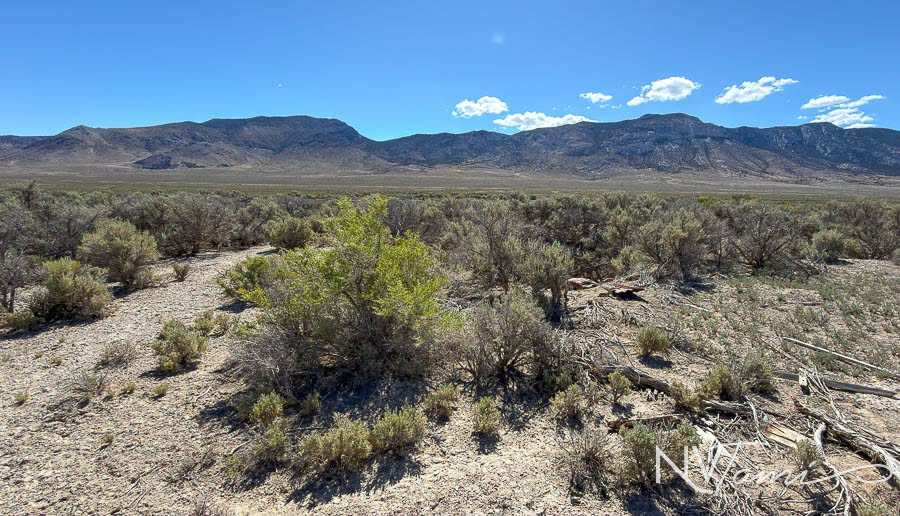
Learn more about Smelterville and Steptoe City & the lost buried treasure.
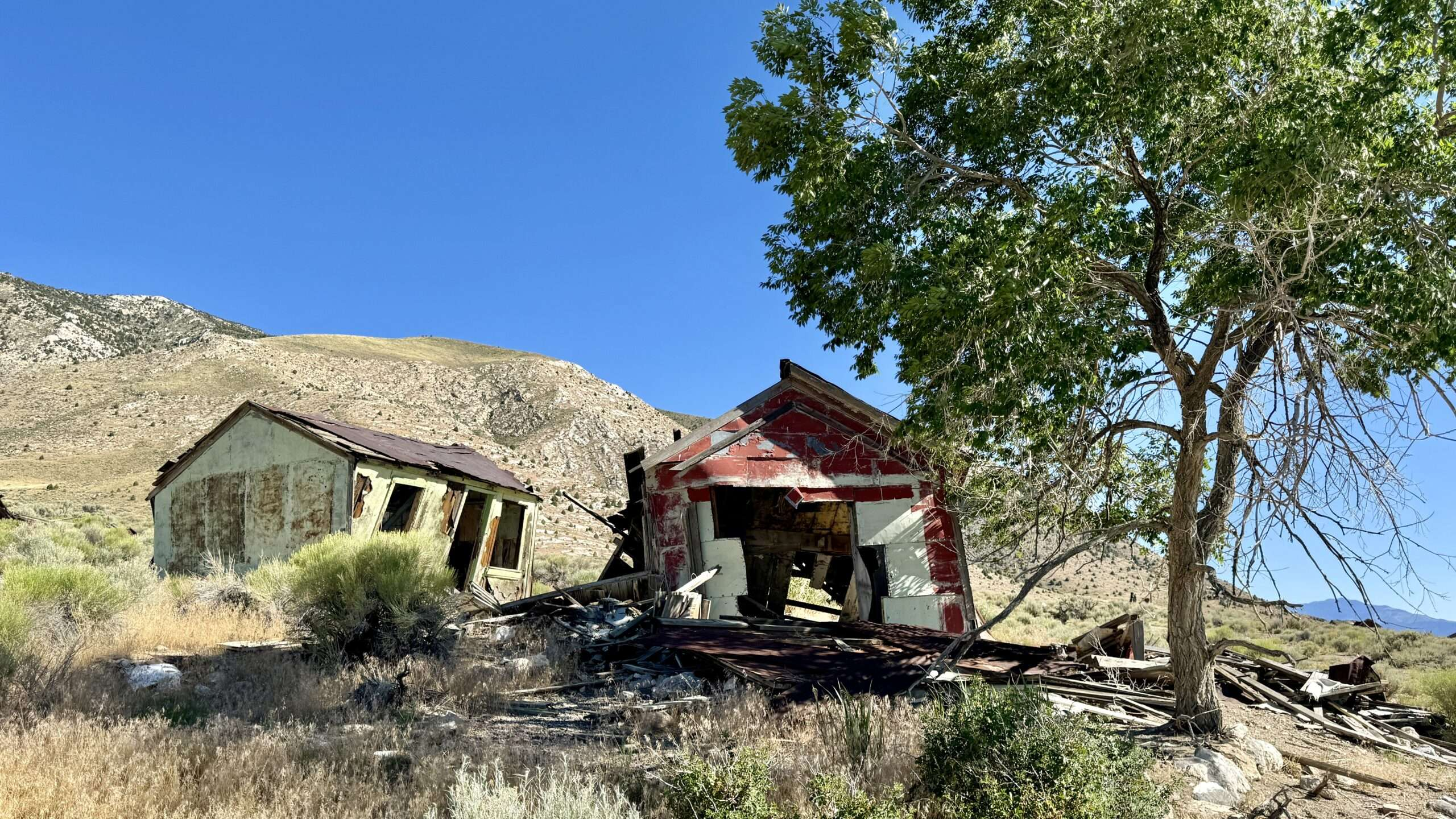
Monte Neva Hot Springs
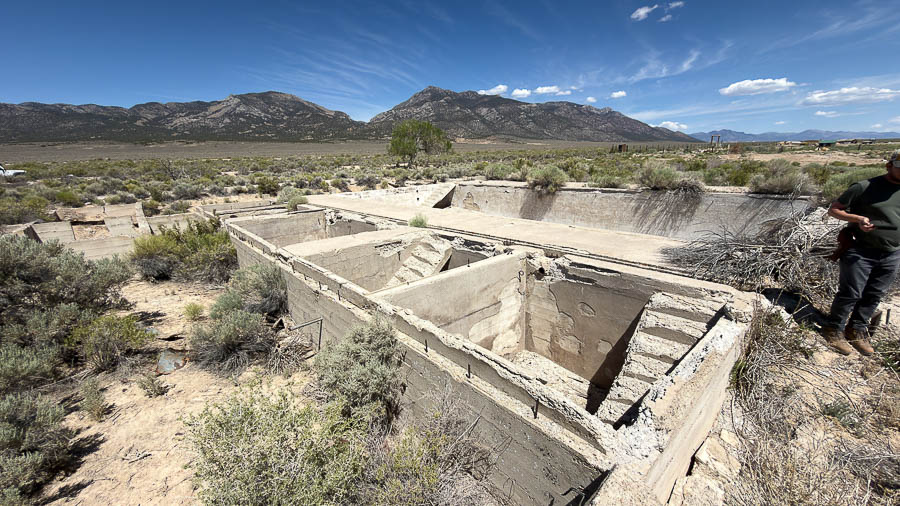
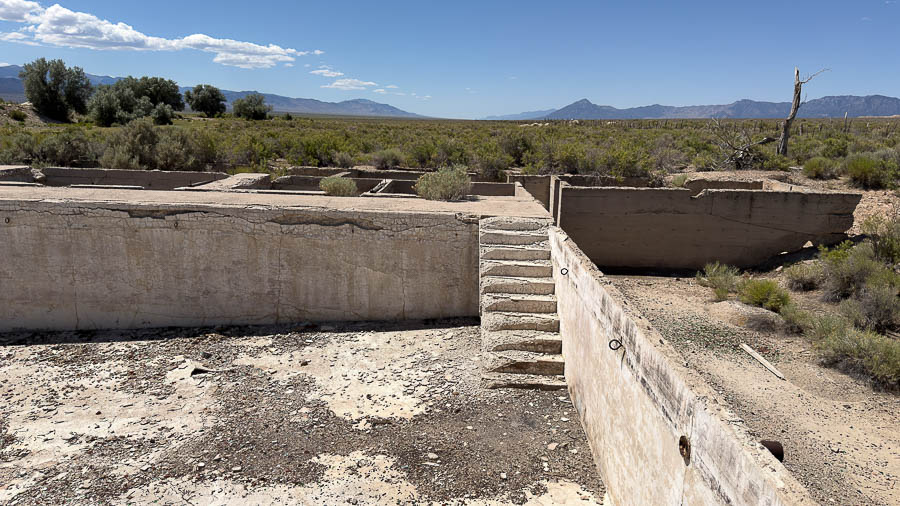
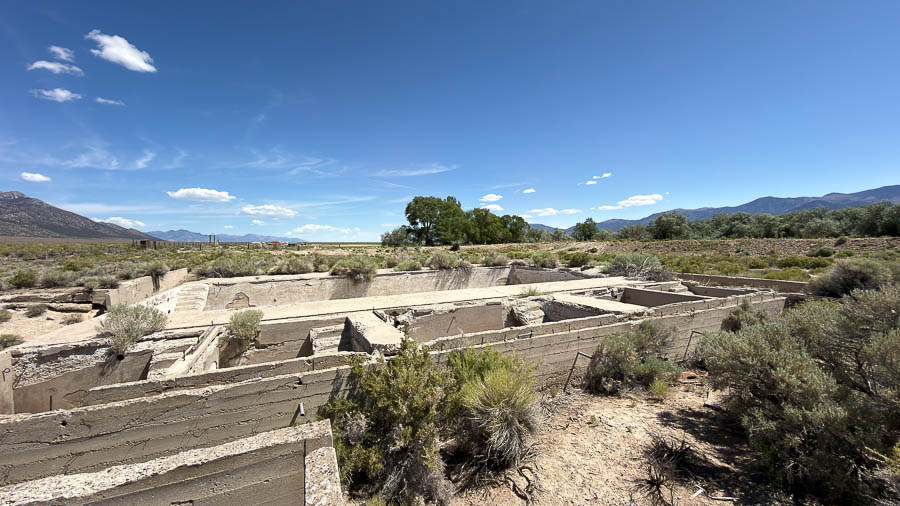
The hot springs resort operated in the 1920s. It has a large pool plus private ones. The owner filed for bankruptcy during the Great Depression.
Siegel
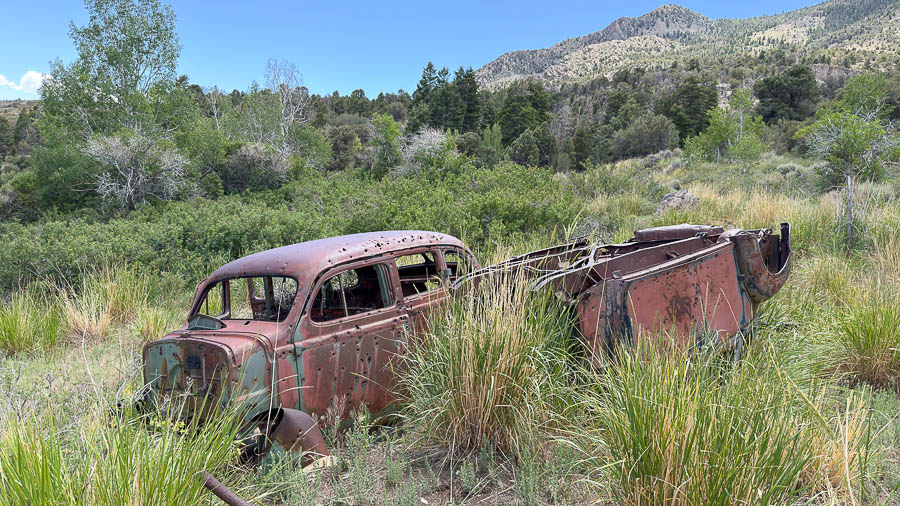
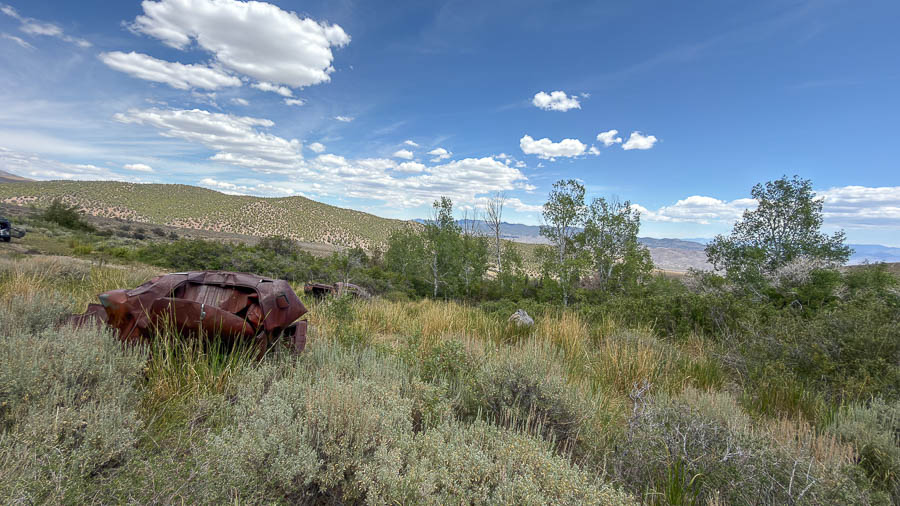
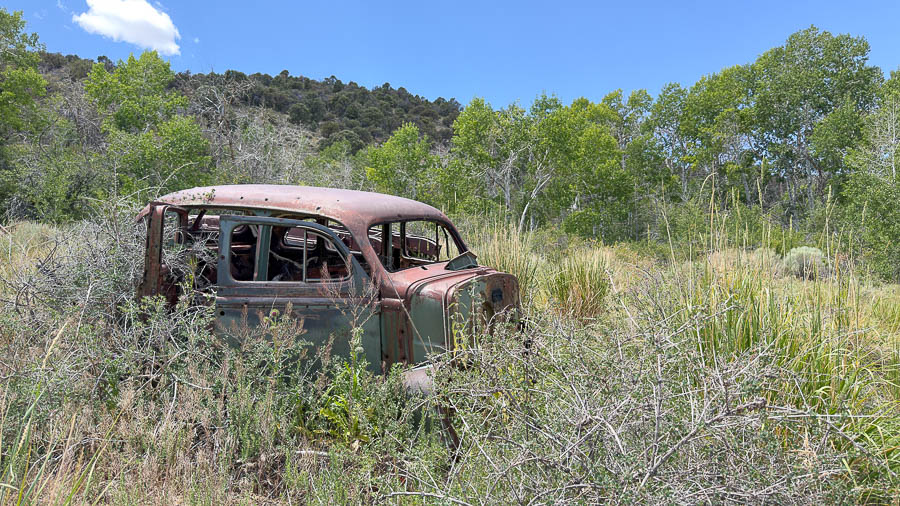
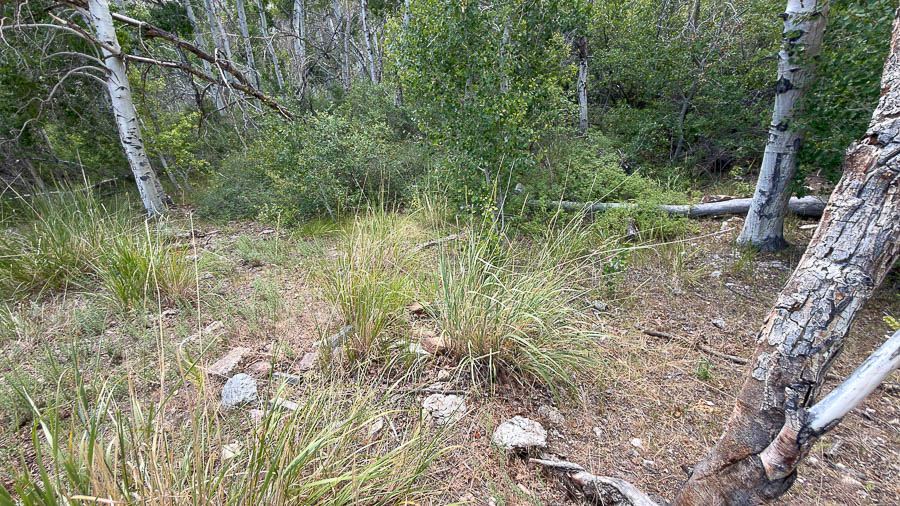
Siegel was a small mining camp in the district with limited but interesting ruins. It contributes to the rich tapestry of ghost towns around Ely. Siegel was revived in 1903. A post office opened in 1907 but was only open for a year. A.L. Siegel worked the claims until 1908.
Centerville
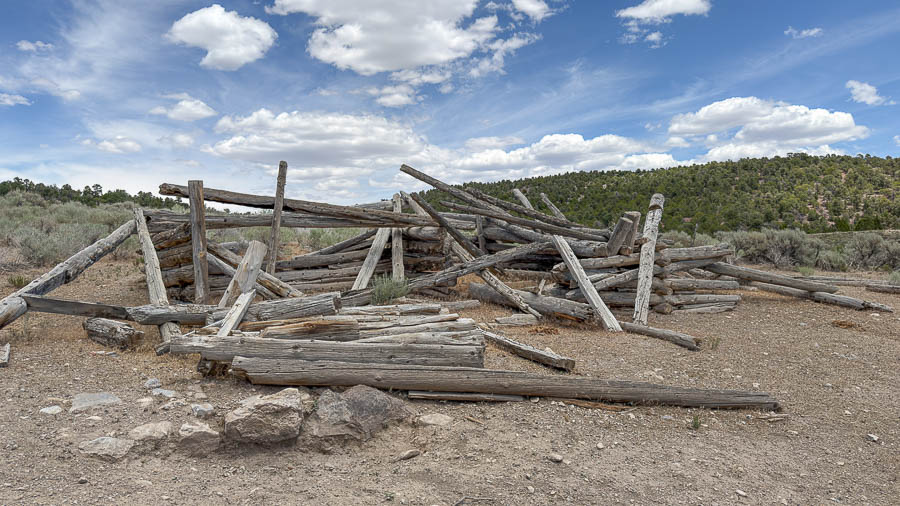
Centerville was another short-lived settlement tied to the regional mining boom. Its remnants are typical of the many hopeful towns that appeared across White Pine County.
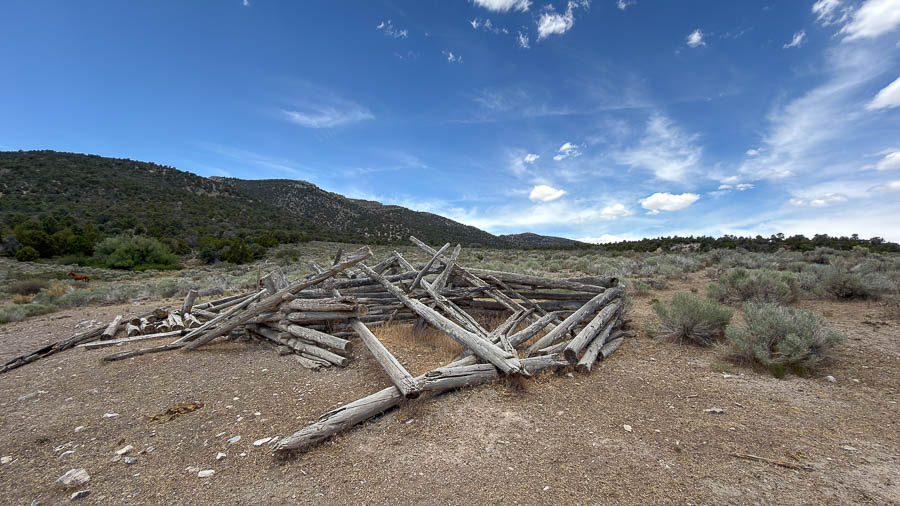
Discovered in 1872, the town formed the following year. With a peak population of 75, the site was abandoned by 1874.
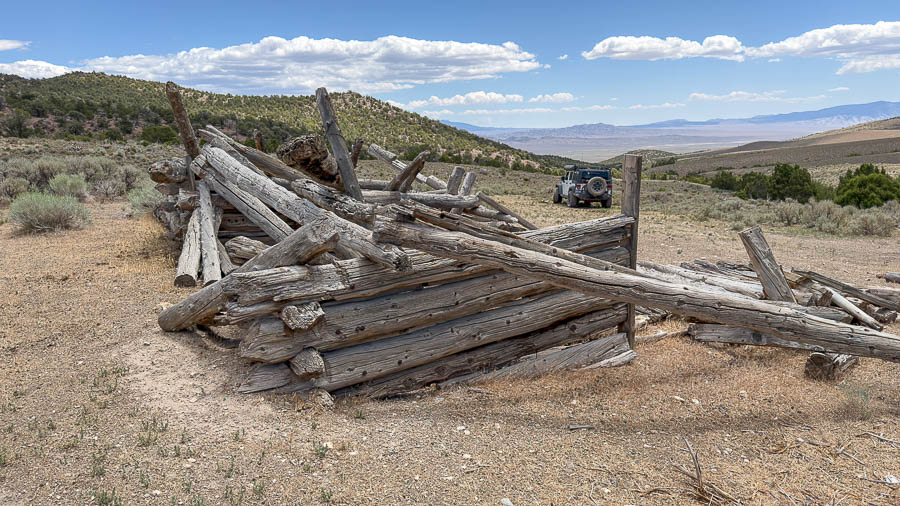
An 1881 revival breathed new life back into Centerville, and a 5-stamp mill operated but didn’t amount to much. The final revival was in 1903 when Seigel purchased the claims.
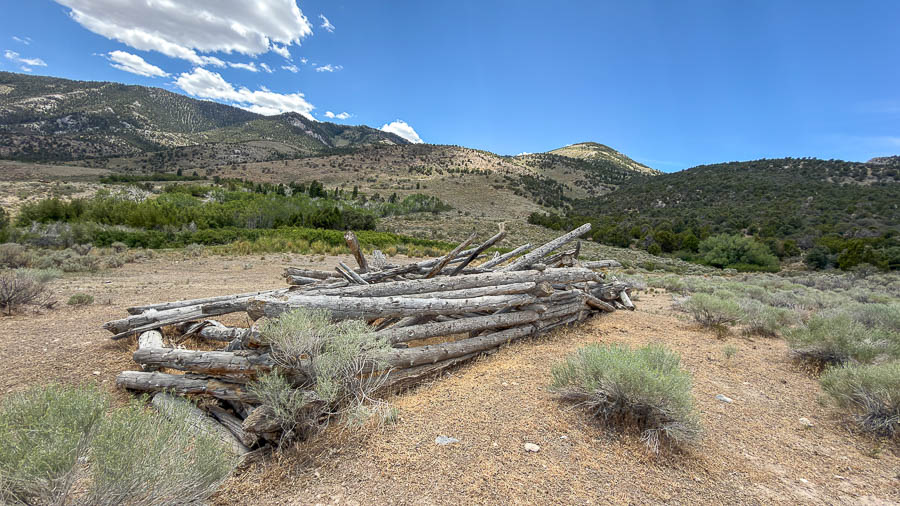
Sadly, all but one of the buildings was removed by the USFS during the 1930s. I want to look into 1882, when Senator Spencer of Alabama hid out after mail fraud.
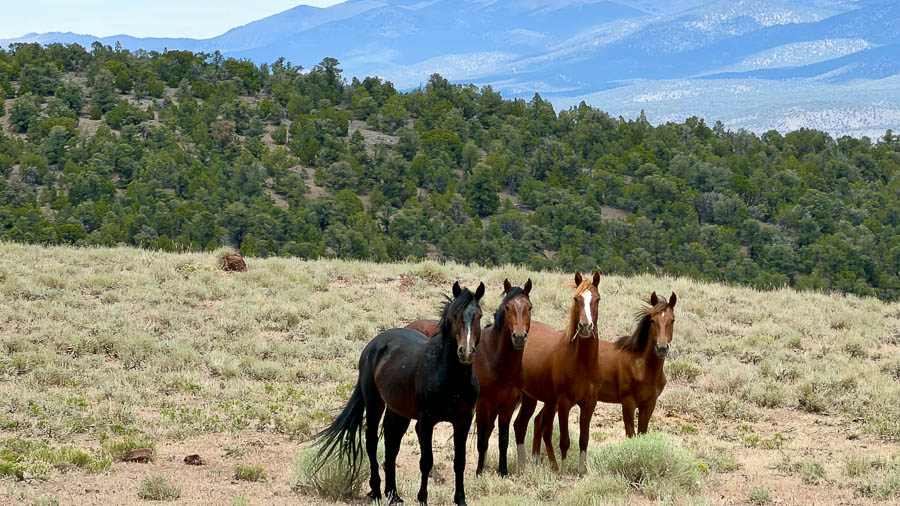
Aurum
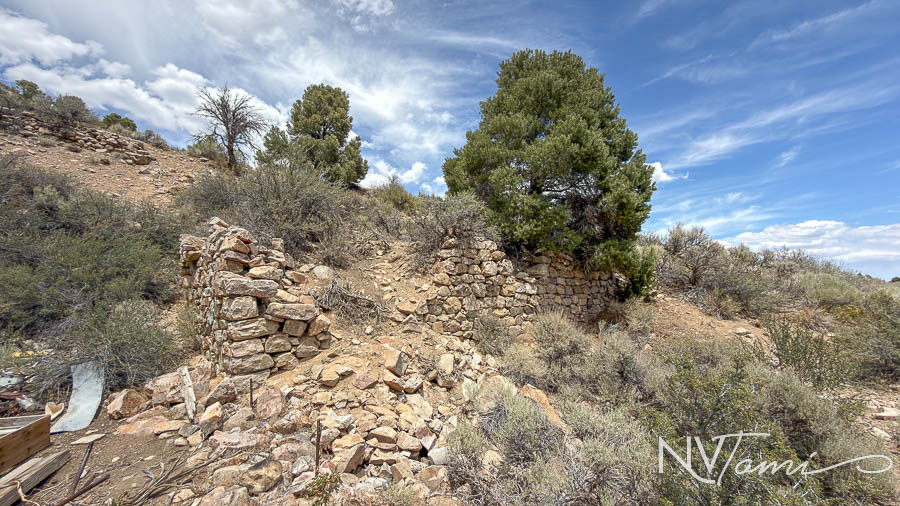
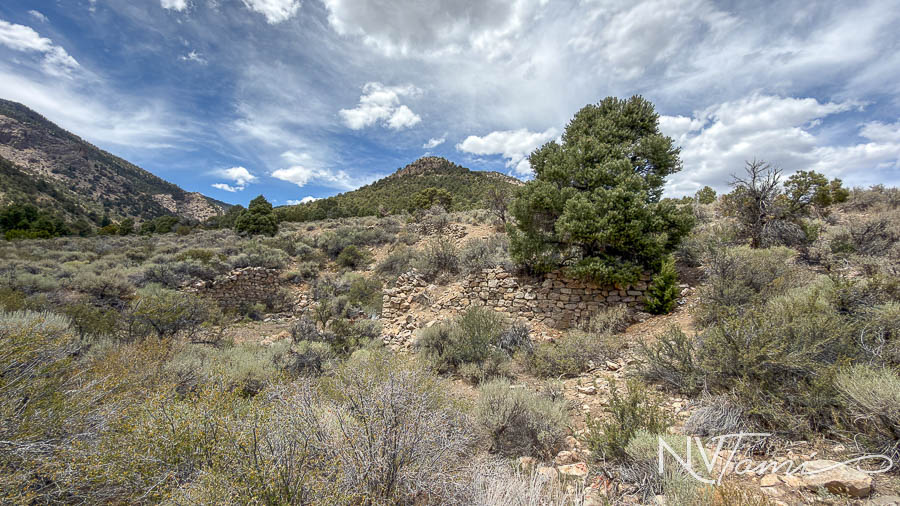
Aurum (“Gold” in Latin) was optimistically named during a gold rush period. The site features mine ruins and scattered foundations in a scenic canyon setting.
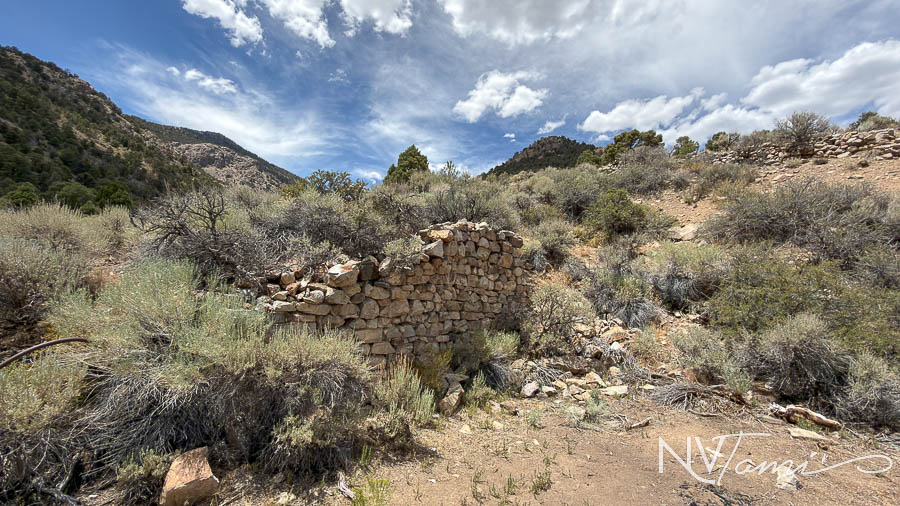
Aurum was settled in 1878. By 1881, the town had grown into a lively settlement complete with a post office, school, saloons, and boarding houses. Only a handful remained by 1882. A revival in 1887 breathed new life into Aurum, once again growing to a population of around 50 souls.
Aurum cemetery
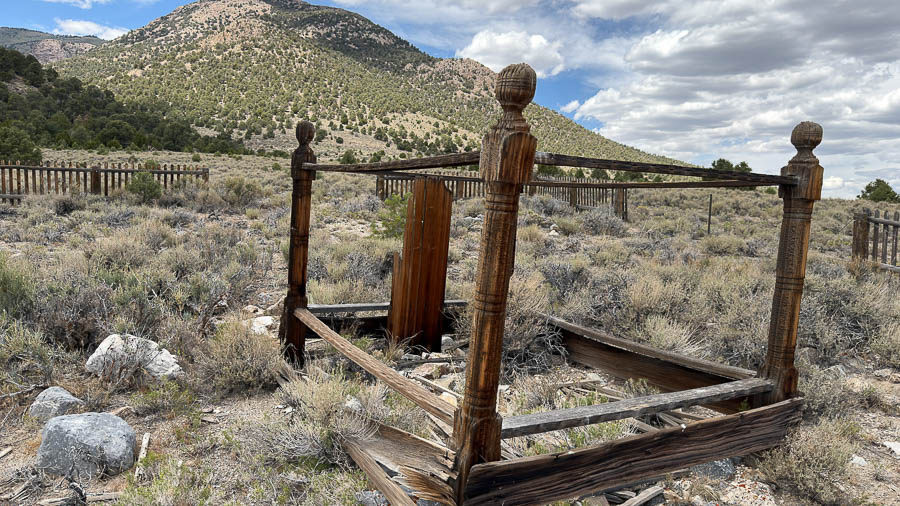
To honor the brave men and women who helped build this great country and our beloved state, I placed American flags on the graves at the historic Aurum cemetery. For the United States 250th birthday, it seemed fitting to remember those early settlers whose courage, hard work, and perseverance laid the foundations of our communities.
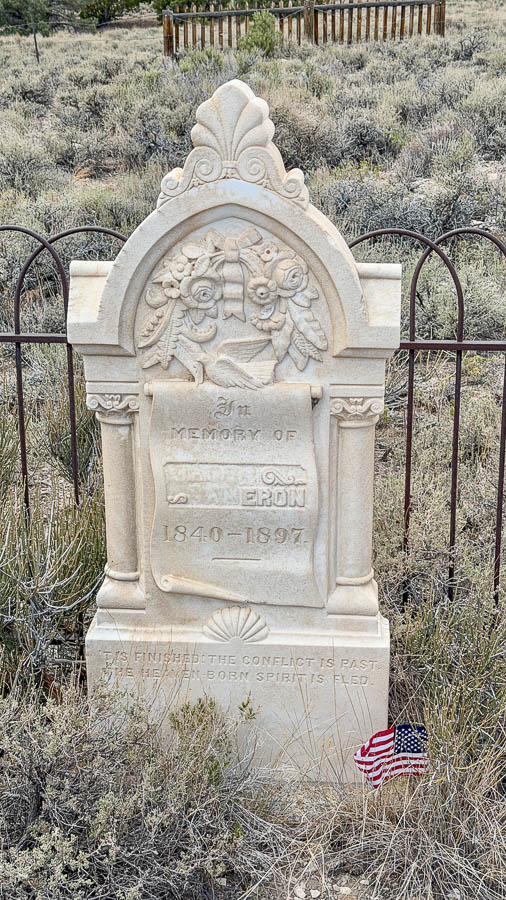
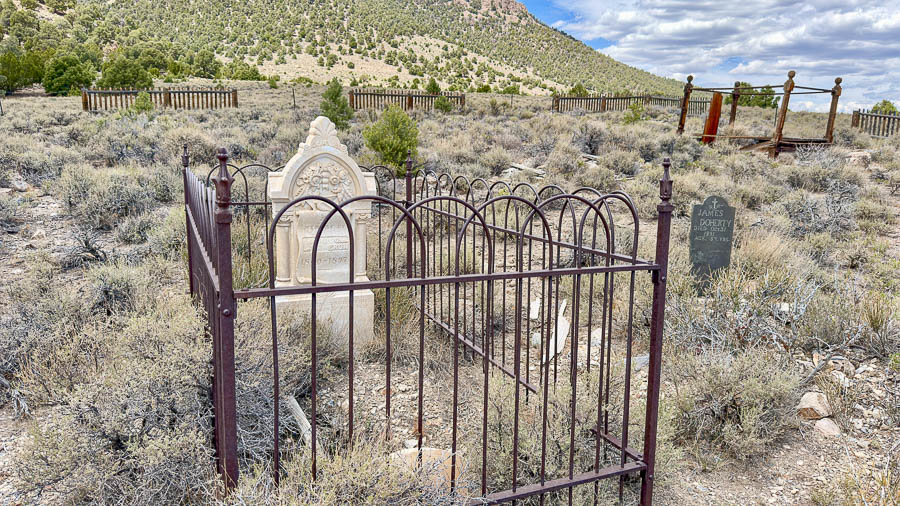
These pioneers faced immense challenges with resilience and hope. Today, their resting place stands as a quiet testament to the enduring American spirit they embodied. May their memory continue to inspire us as we celebrate our nation’s remarkable journey. 
Sunkist
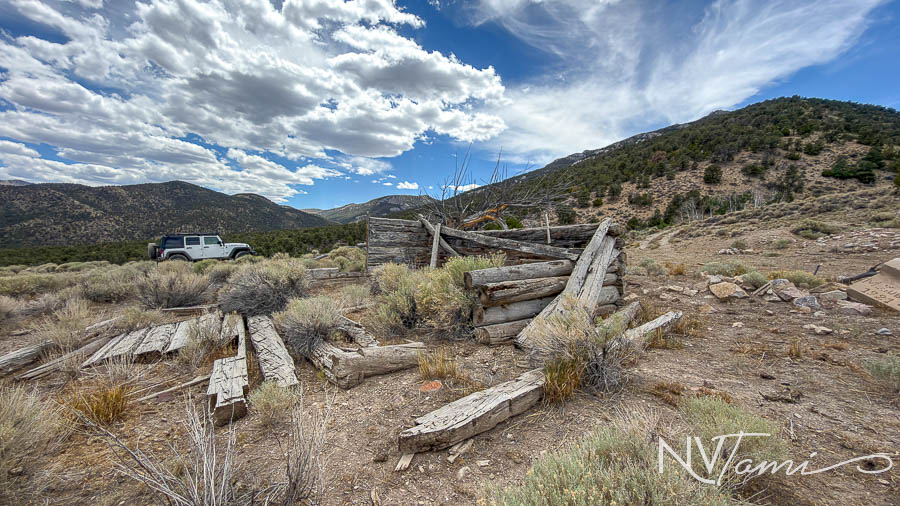
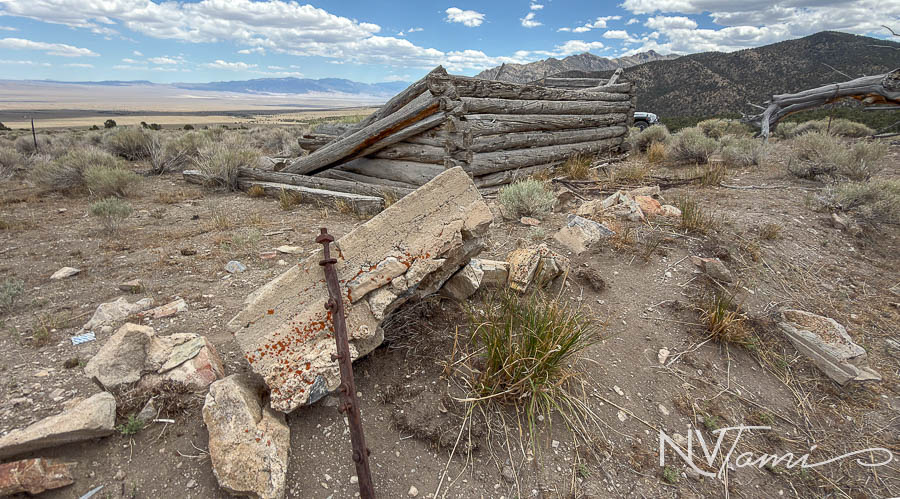
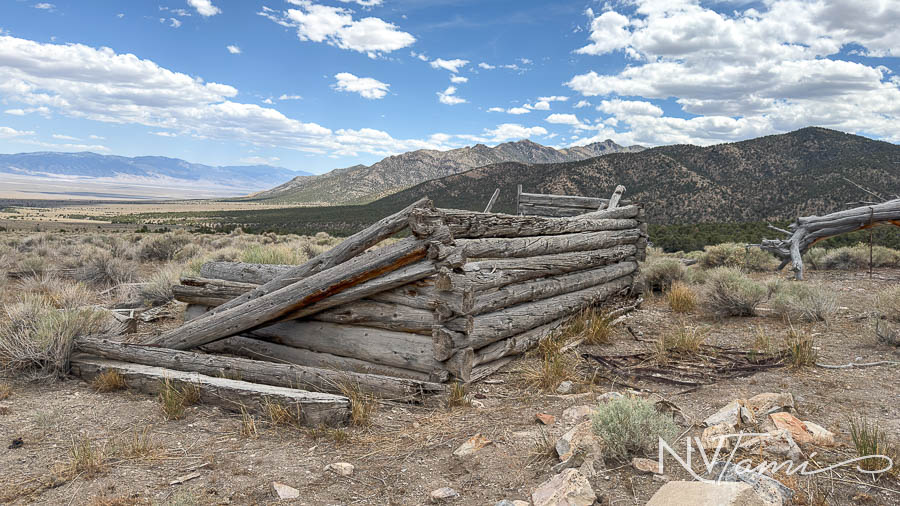
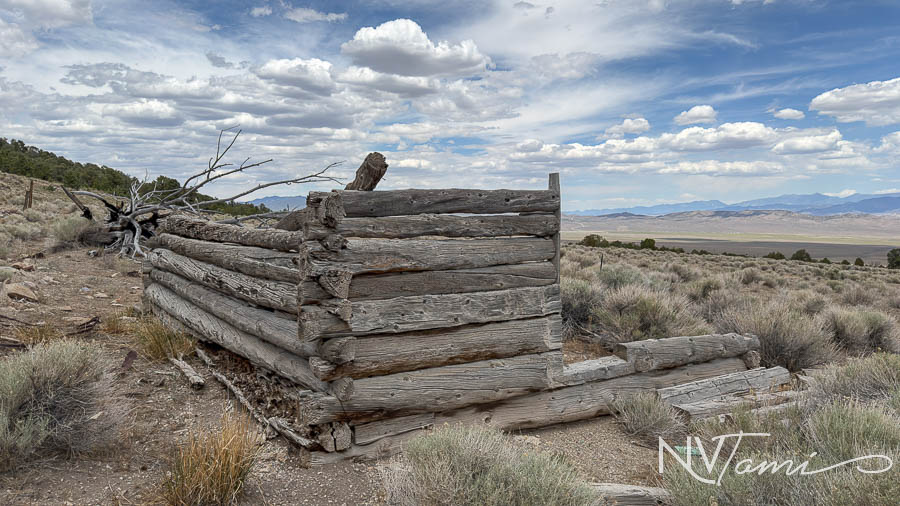
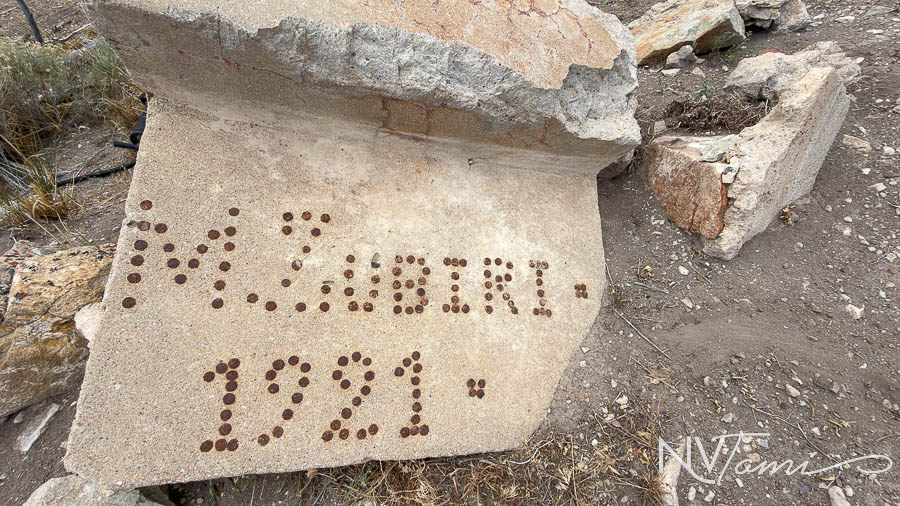
This small ranch was likely established by J.H. Dolan and Michael McHugh in 1912. McHugh sold in 1918 to Miguel Zubiri, from Spain, who raised sheep.
Grand Deposit
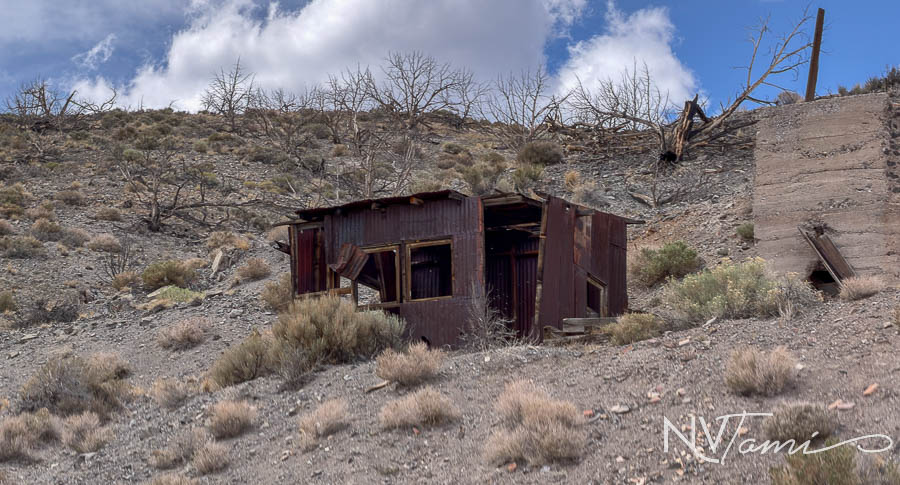
The Grand Deposit mine was one of the more significant operations in the district. Mine workings and tailings give a sense of the scale of some of the greater efforts around Ely.
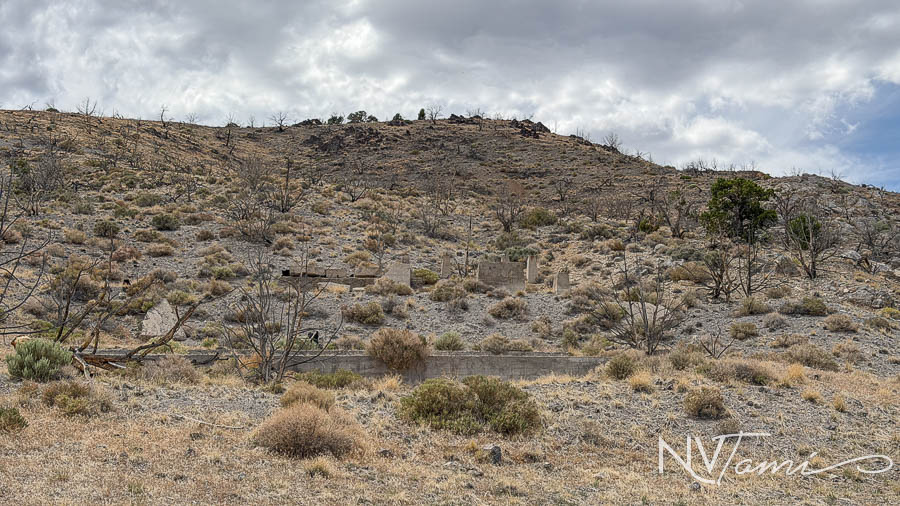
N.C. Noe and Frank Bassett planted an orchard in the early 1860s. Noe began prospecting and discovered multiple claims, including Grand Deposit. Grand Deposit became one of the largest mines of Muncy. Noe and Bassett discovered new claims and laid out the town of Defiance. They planned a town with a courthouse, fountains, and a pavilion and a depot for the expected Salt Lake and Los Angeles Railroad. By late summer, the townsite was abandoned.
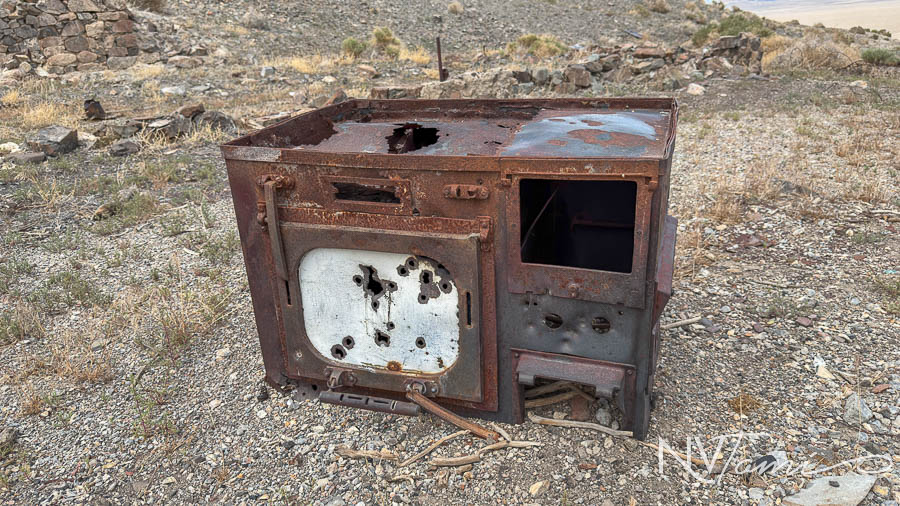
Muncy became the main town in the area, and a post office opened in 1882. Muncy declined, and the post office closed in 1898. A revival occurred in 1908, and the post office opened the following year. This time it operated for only two years when the company went bankrupt, and the property was sold at auction.
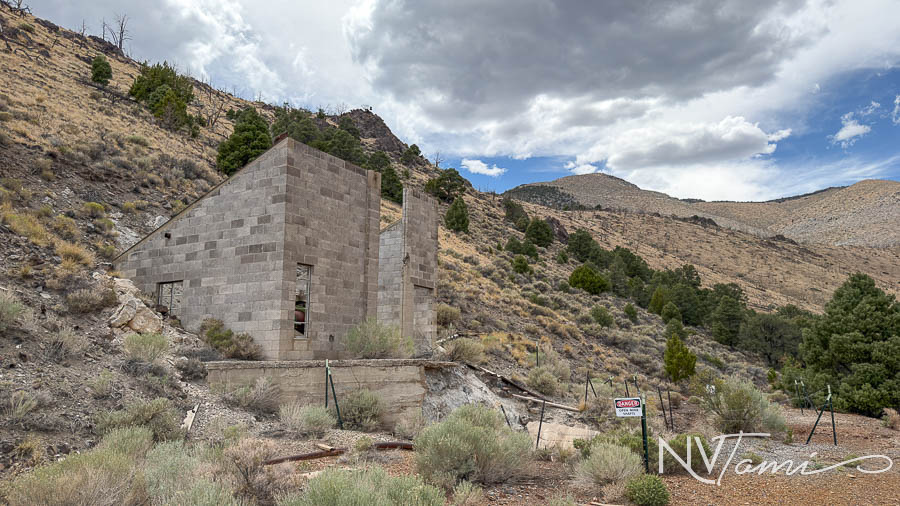
The final revival for Grand Deposit was in 1919. The following year, a 25-ton mill was built and put into operation, with 10 workers. By 1923, the work was complete.
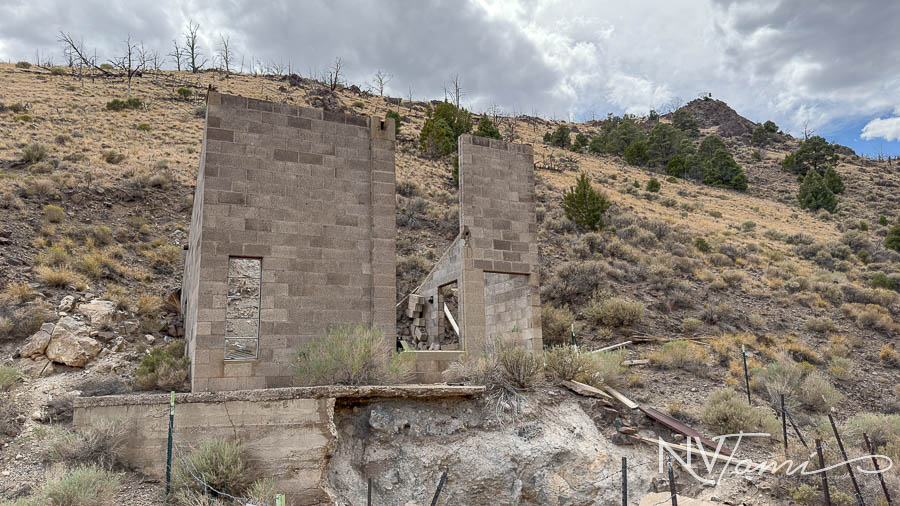
Unfortunately, a fire destroyed much of the site at Grand Deposit. The Muncy site was inaccessible due to current mining.
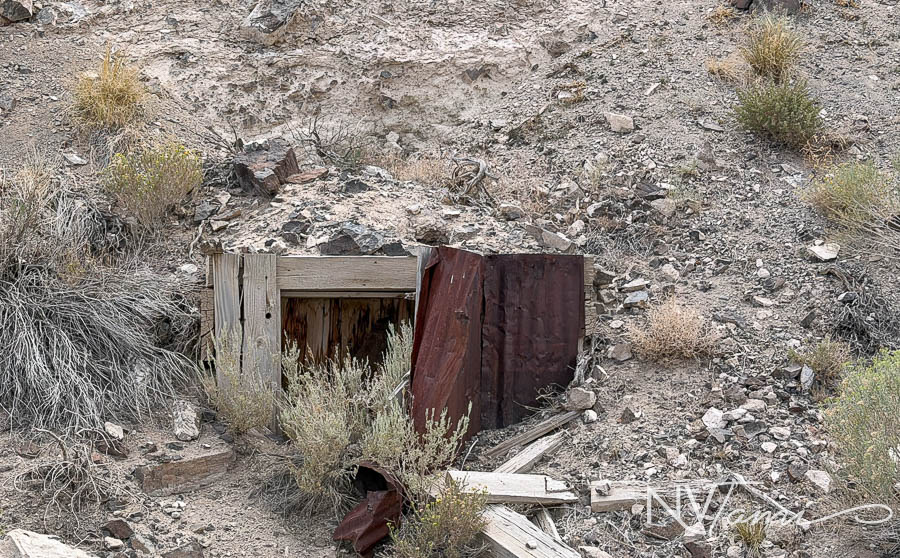
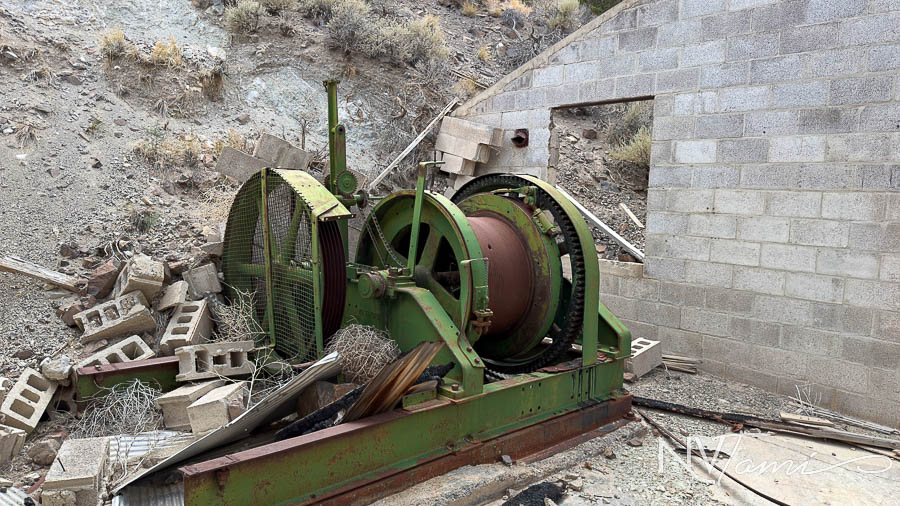
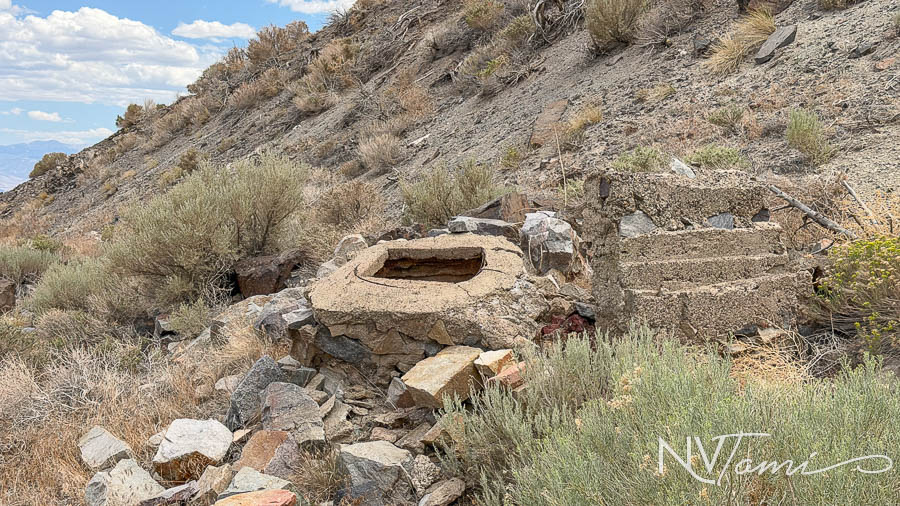
Piermont
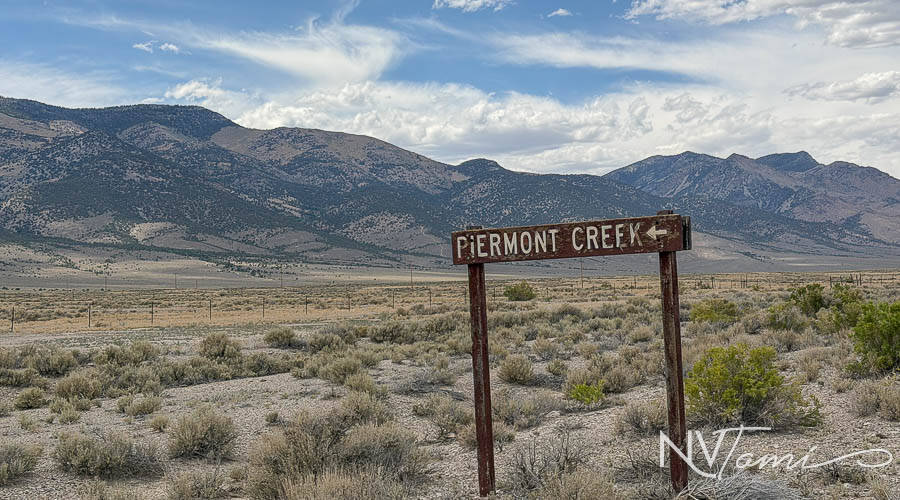
Piermont was a small mining town with a handful of historic structures and ruins. The scenic mountain location makes it a pleasant stop.
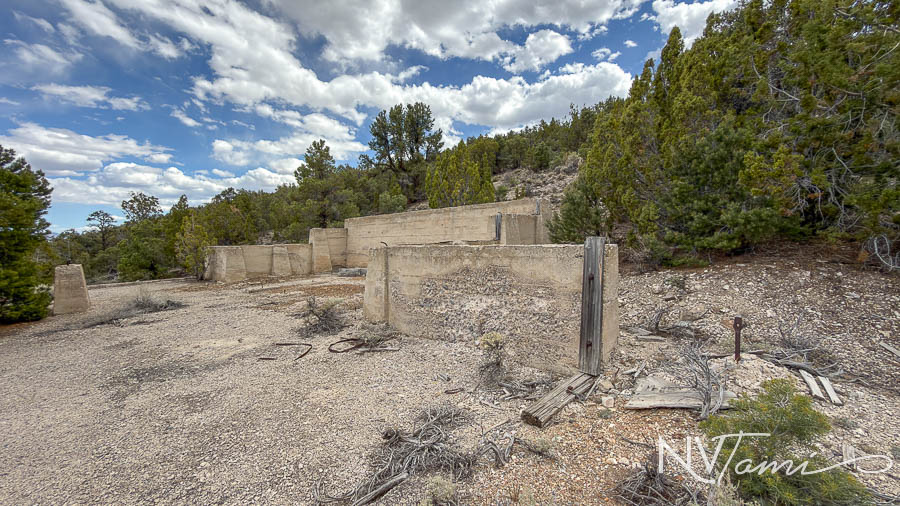
The Piermont district was discovered in 1869, but production didn’t begin until the following year. Additional silver veins and ore were shipped to the Big Smoky Mine. The owners sold the mine to the Piermont Mining and Milling Company. They had thirty workers and built a 10-stamp mill.
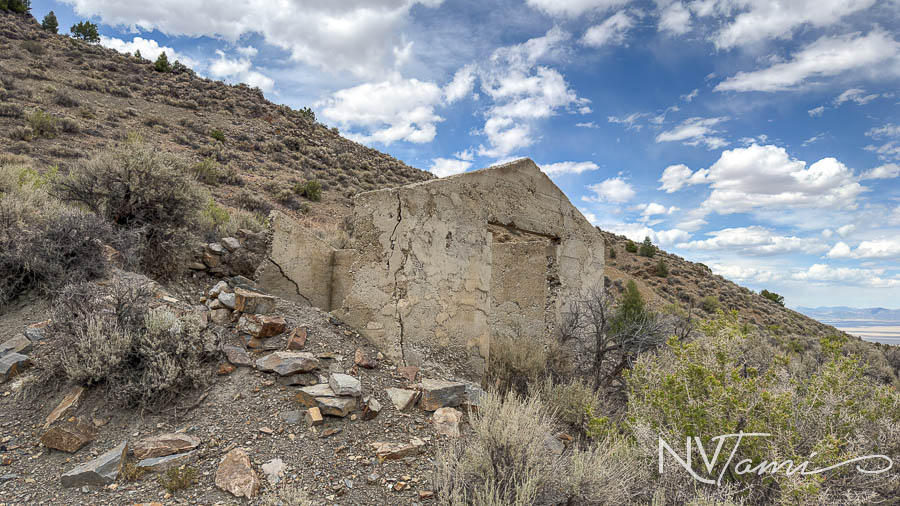
A rush occurred, and soon 400 people were living in the canyon. In 1873 ore ran out, the mill closed, and many moved on to brighter prospects.
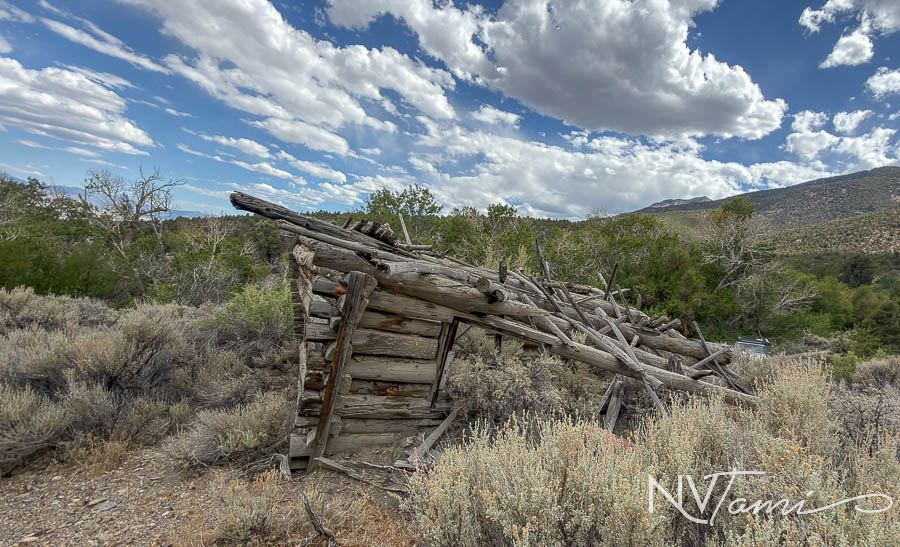
Mining kicked off again in 1920, and the nill from Cocomongo in Egan Canyn was moved to Piermont. Tramsportation costs were decreased as the Northern Nevada Railway was only 27 miles east.
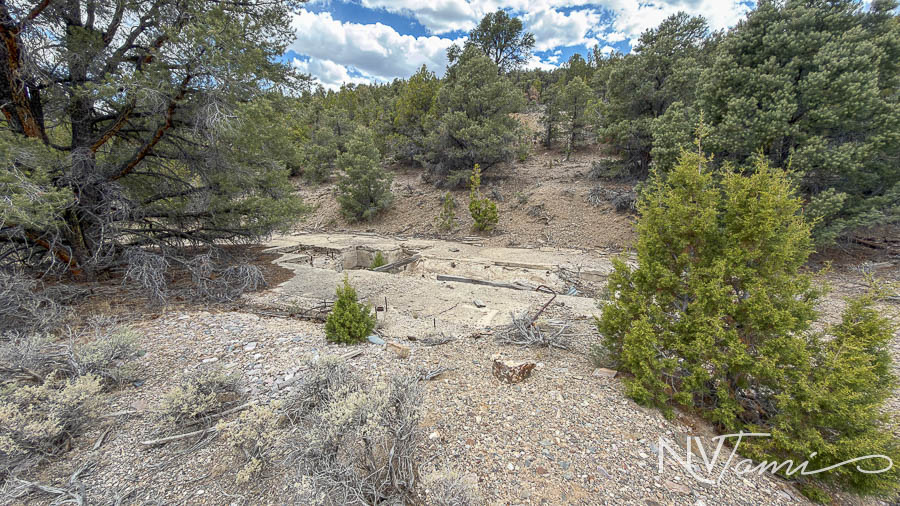
A workforce of more than 100 lived at Piermont. The camp consisted of a refinished wood cabin from the 1870s, eight homes, two bunkhouses, and a boarding house. Mining declined in the 1930s.
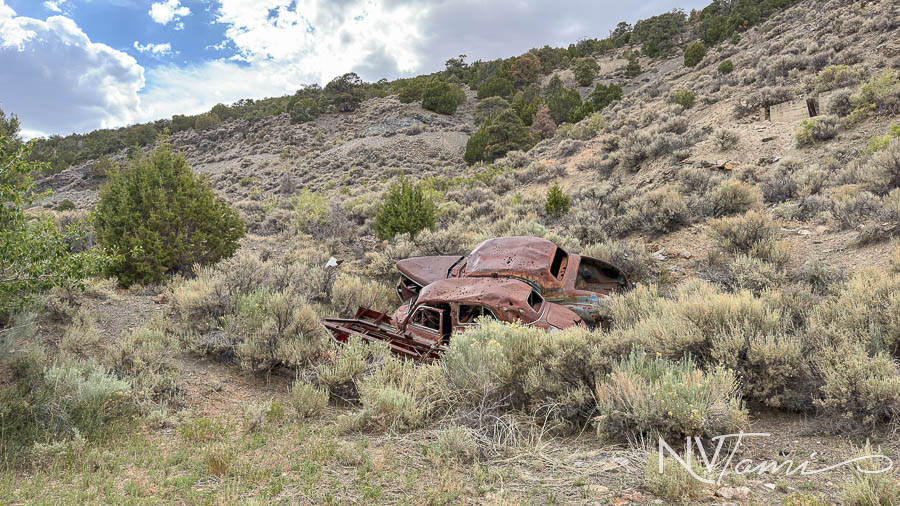
Piermont Cemetery
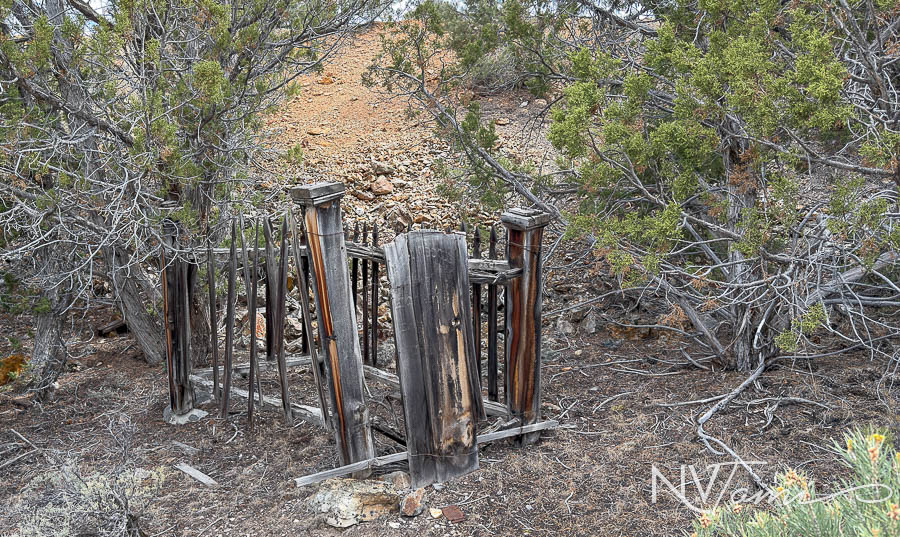
The original Piermont cemetery was below the mill. The mill wanted to dump tailings on the hallowed ground, but old-timers disagreed. The company relocated the graves to the base of an ore dump, but covered the burial sites with tailings.
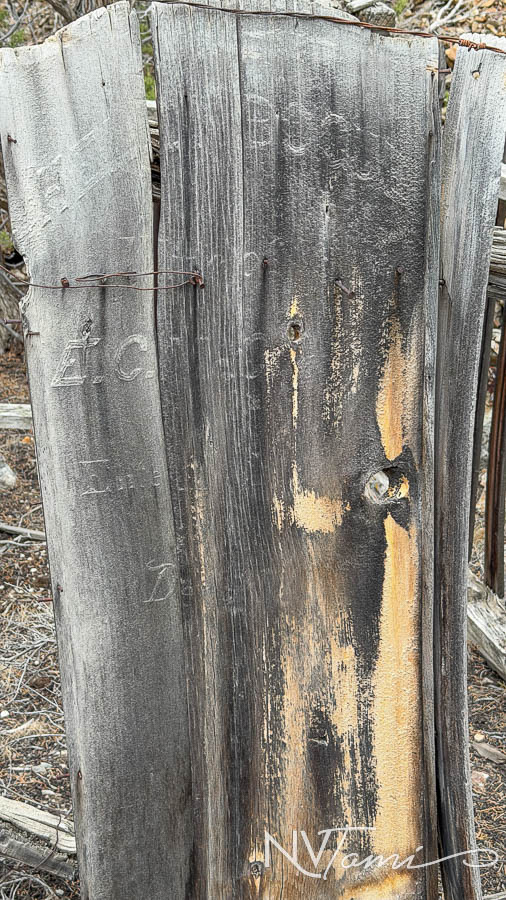
There were multiple wood headstones, but I only found one remaining.
McCoy
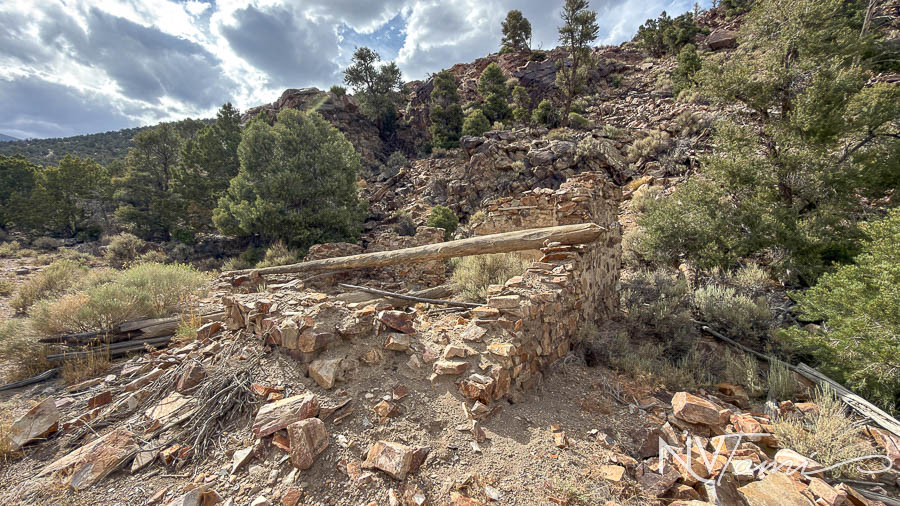
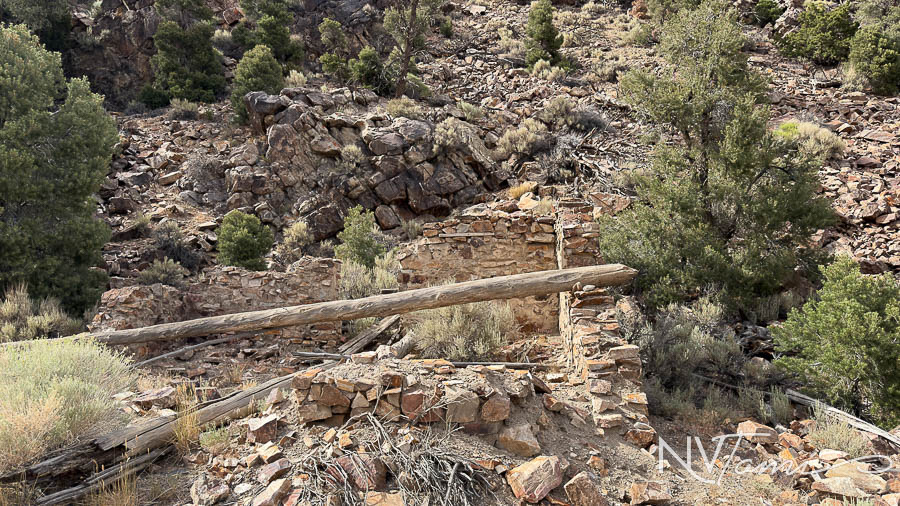
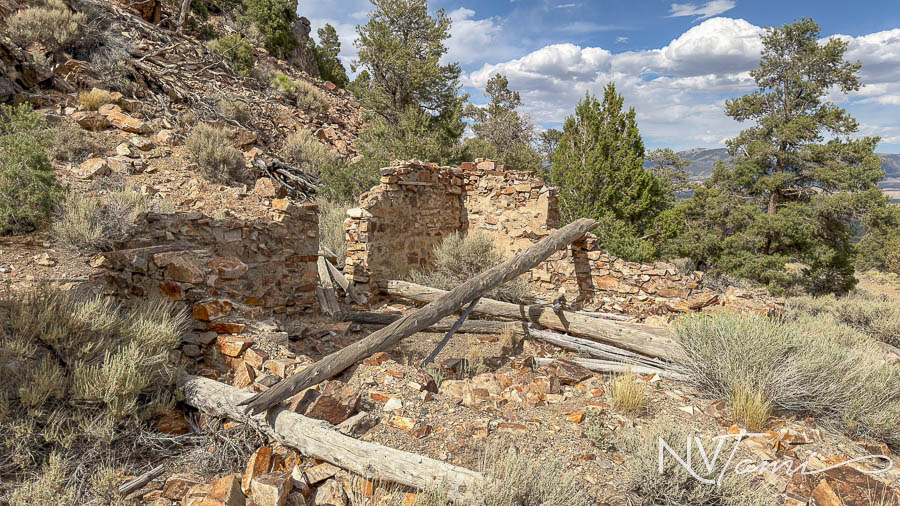
McCoy was part of the network of mining camps in the Ely region. Its remnants help tell the broader story of mineral exploration in eastern Nevada. It is a mystery.
Cleve Creek
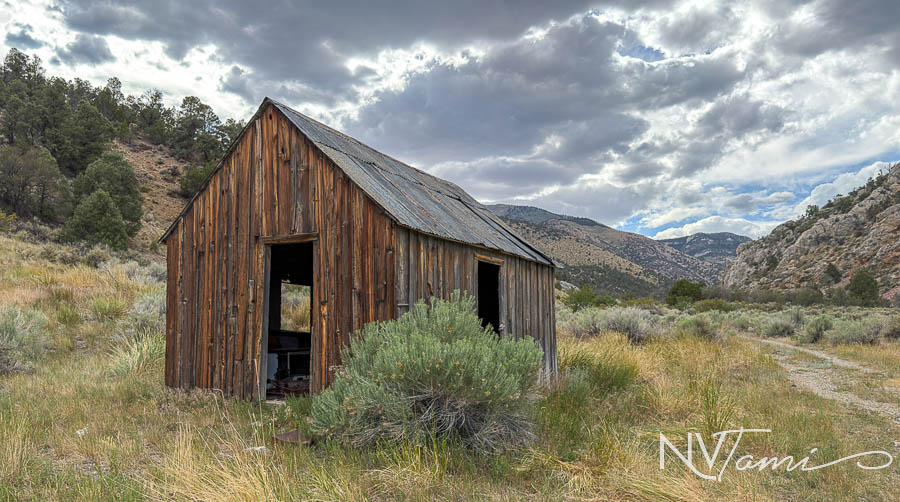
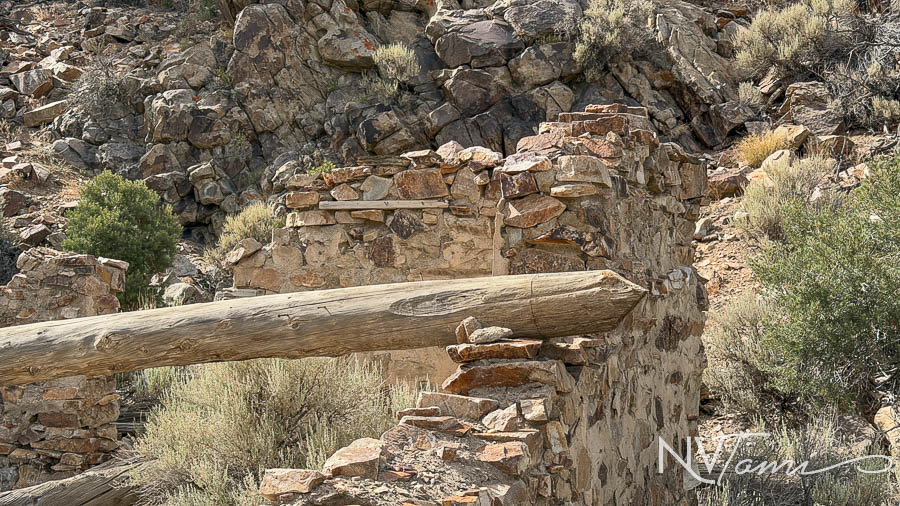
Cleve Creek offers a beautiful riparian area and canyon with ranching and mining history. The creek and surrounding greenery provide a refreshing contrast to the higher desert terrain. It was a small mining camp following discoveries in 1923. The mine continued for a handful of years. In 1951, Cleve Creek had a revival with gold and tungsten.
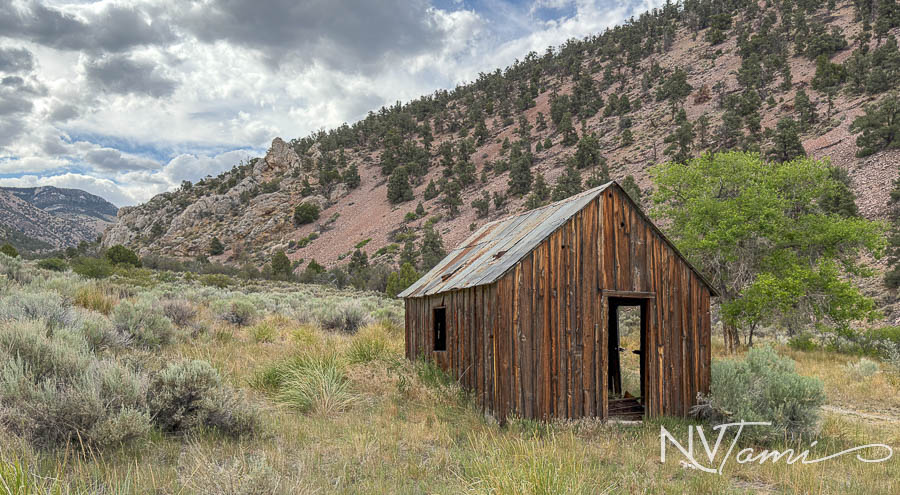
Cooper
Cooper was a small settlement or mining-related site. Its limited remains add another layer to the historic landscape around Ely. It is another mystery with little known.
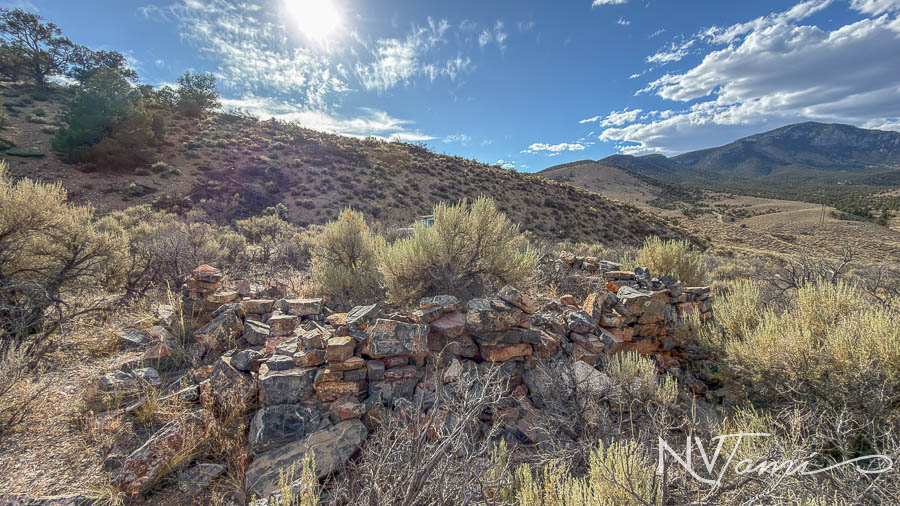
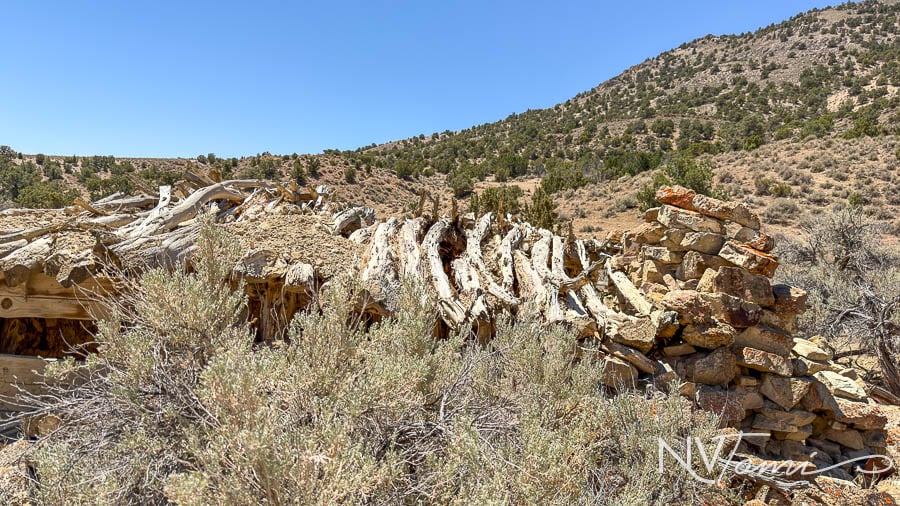
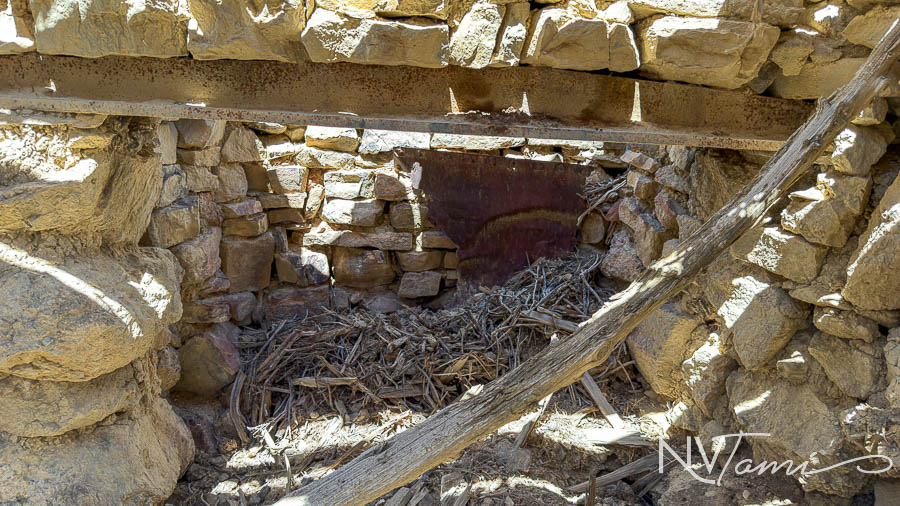
Pancake Coal Mine
The Pancake Coal Mine supplied local fuel needs during the mining booms. Coal operations like this one were important for powering smelters and providing warmth in the cold mountain winters.
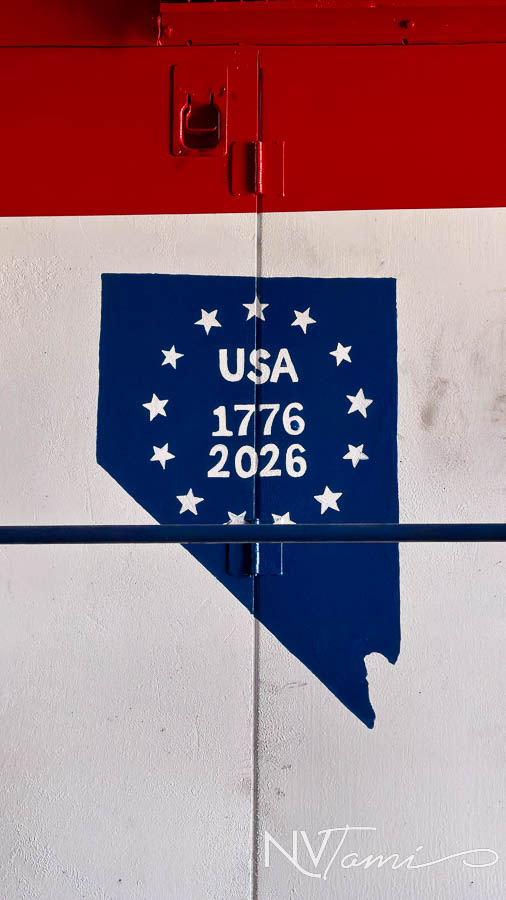
Happy 250th birthday USA!
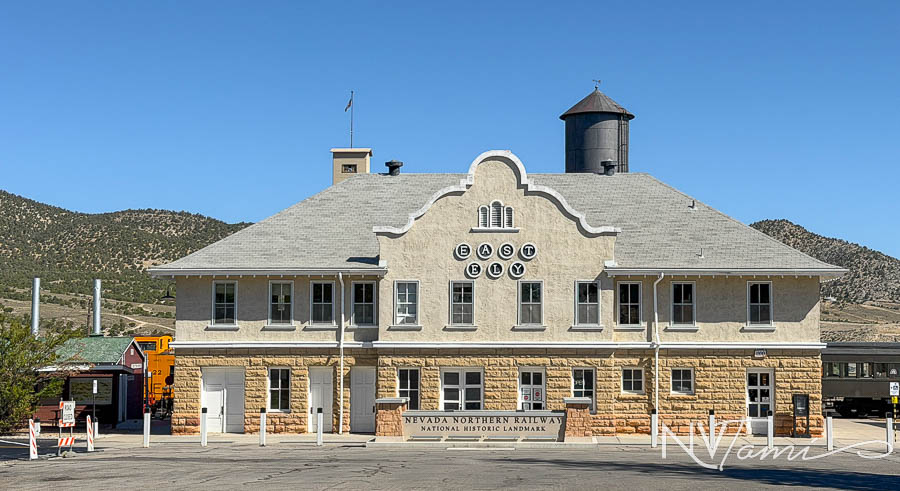
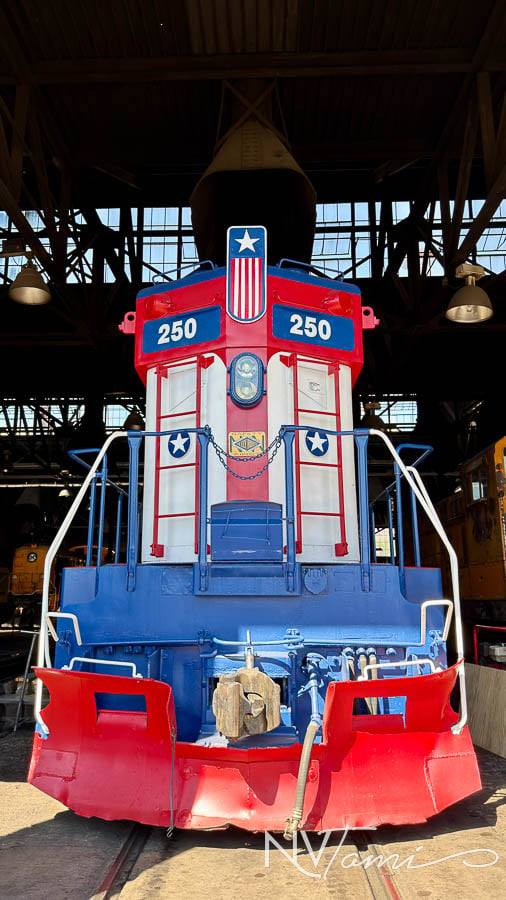
Engine 250 is getting a bath before the day’s festivities at the Northern Nevada Railroad Museum. If you are in the area, make sure to stop by and see the special paint job before it is changed.
A note from Tami
This trip report was compiled with the help of AI, drawing from my own website content (NVTami.com), notes, and reliable public sources. I’m still recovering from cancer treatment and working to catch up on writing and posting after a challenging period. These summaries are intended to share the journeys quickly so I can get back to hands-on research, photography, and writing new in-depth articles. Thank you for your understanding and continued support — I’m looking forward to getting back in full swing soon!
Follow me on social media:


Leave a Reply