You know about the Pony Express. But what about the mule train that carried the mail first?
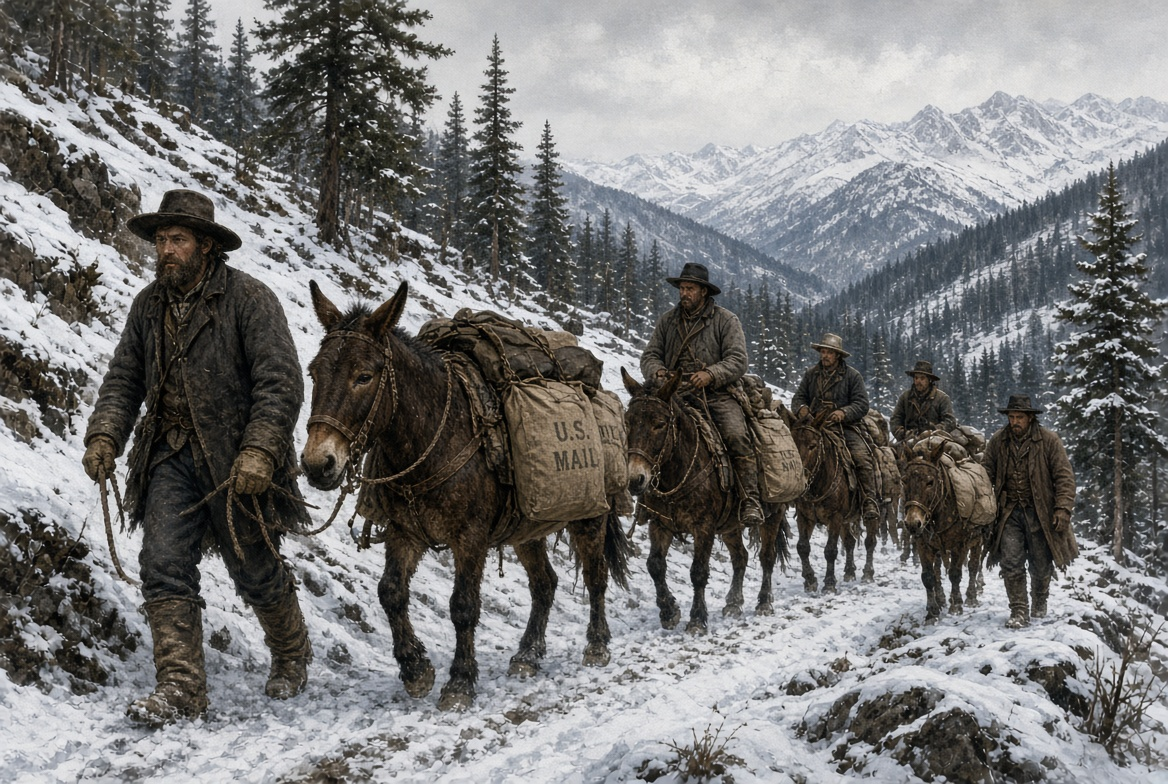
(AI Image)
In Genoa, at Mormon Station, the Jackass Express once stopped. This was the first regular U.S. mail across the Sierra and the Great Basin. They called it the Jackass Express because the mail rode on mules. It ran for nearly a decade before the Pony Express took over much of the same trail.
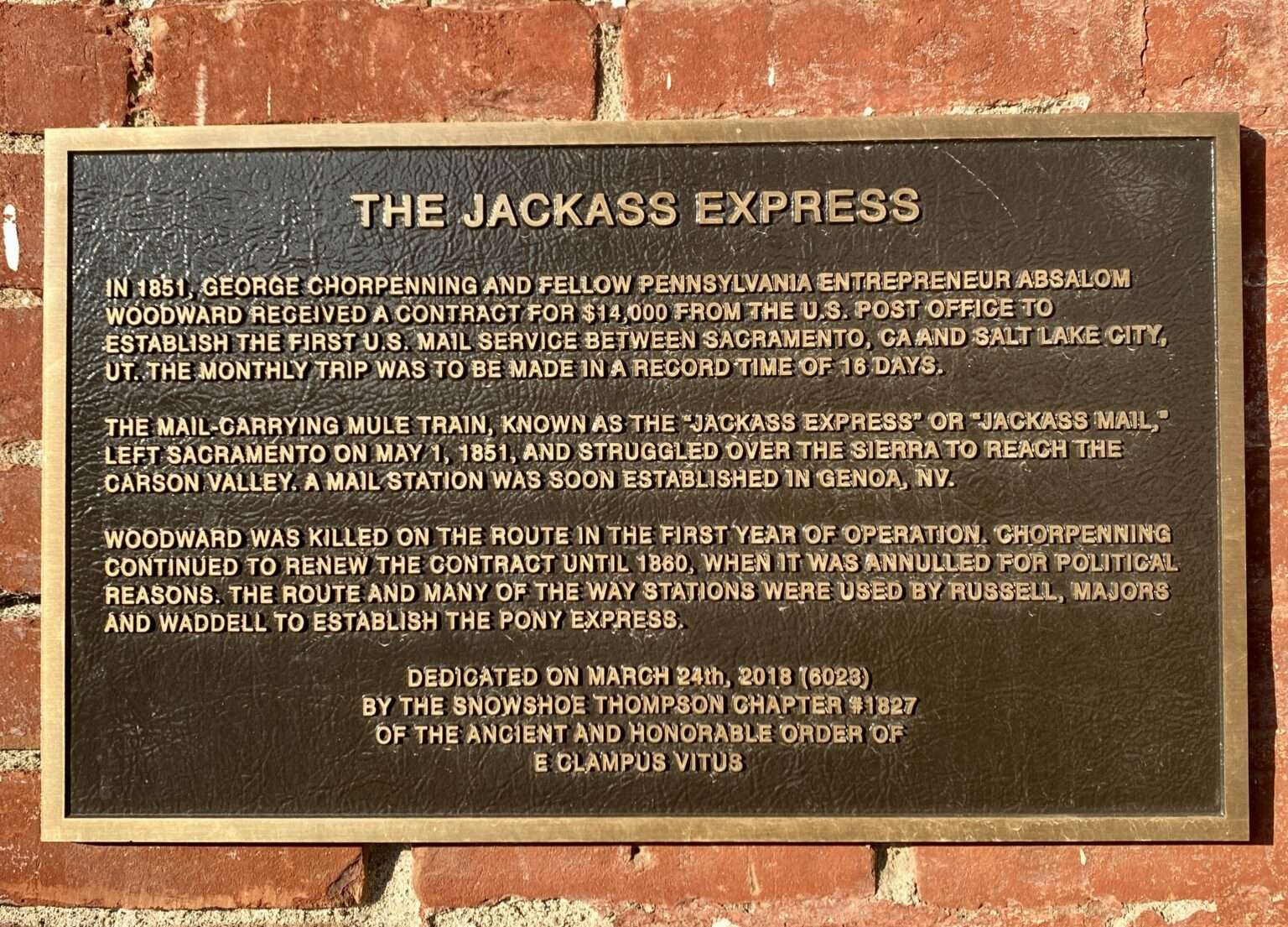
This is the story of that mail route, the riders and mules, and a doctor who never made it home from Nevada.
The Contract
In 1851 George Chorpenning and Absalom Woodward, both from Pennsylvania, won a U.S. Post Office contract. They would receive $14,000 a year to carry the mail once a month between Sacramento and Salt Lake City. The journey was expected to take sixteen days each way.
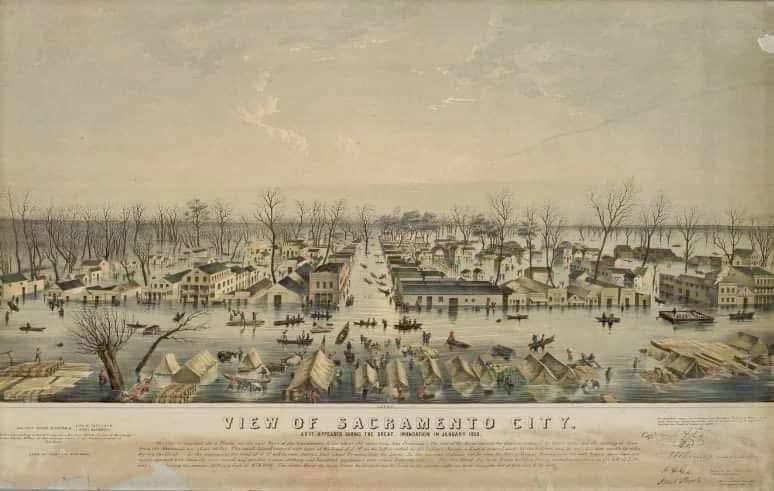
(Photo credit: Library of Congress)
The first trip left Sacramento on May 1, 1851. Mules, men, and the mail. They fought deep snow over the Sierra and came down into Carson Valley. On that first eastbound run, Chorpenning stopped here and established a supply post. That post became Genoa, the only real station on the western end of the line for a long stretch.
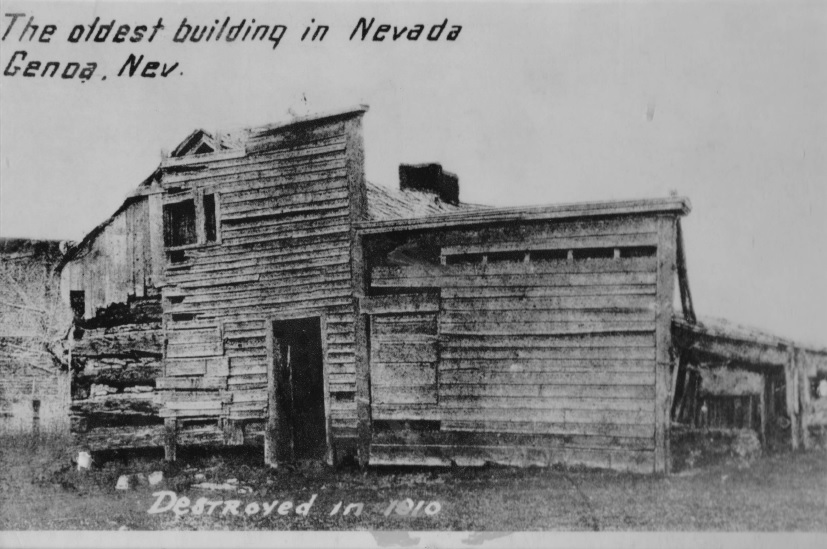
(Photo credit: Nevada State Parks)
The Sacramento-to-Genoa leg was the most difficult of the first overland mail. No military posts. No towns. Just snow-covered mountains, the dry desert, and whoever else was on the trail.
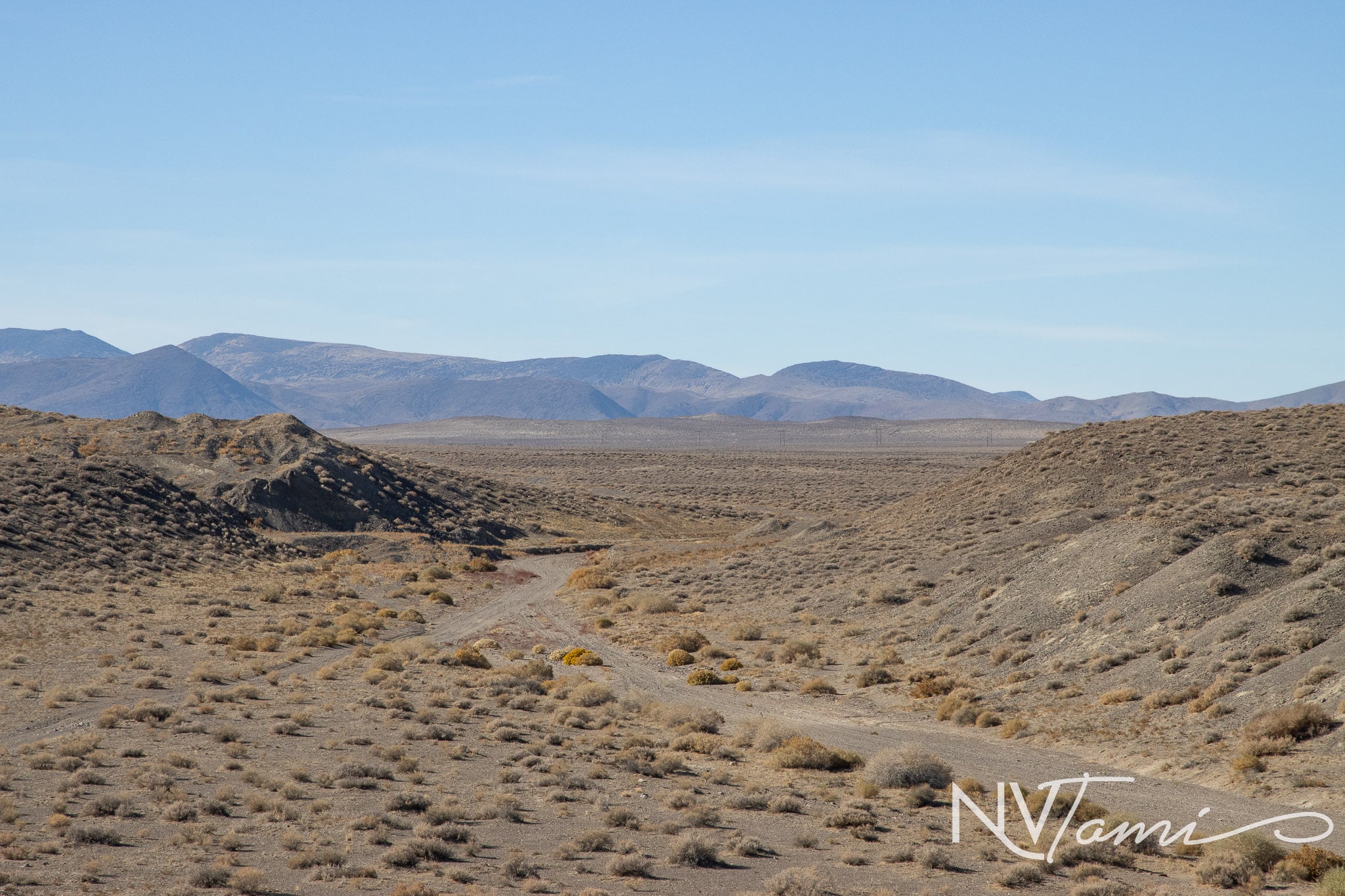
The cost & the Route
Chorpenning and Woodward rode the route along with employees and the mail. His brother, Dr. Frank Chorpenning, had already come west to handle the California side of the business. Based in Sacramento, he managed the western stations, including Genoa.
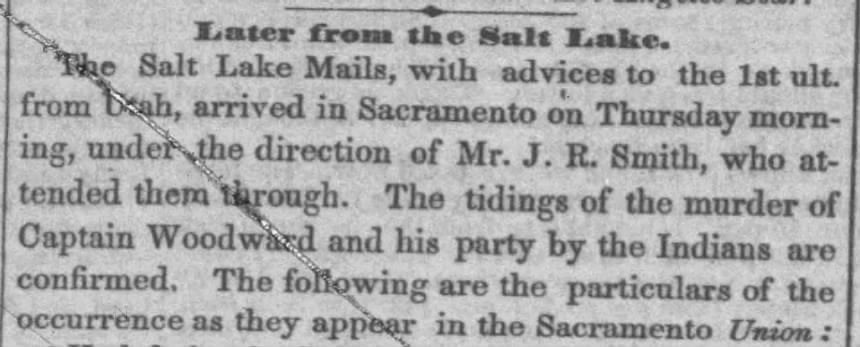
Tue, Jun 15, 1852
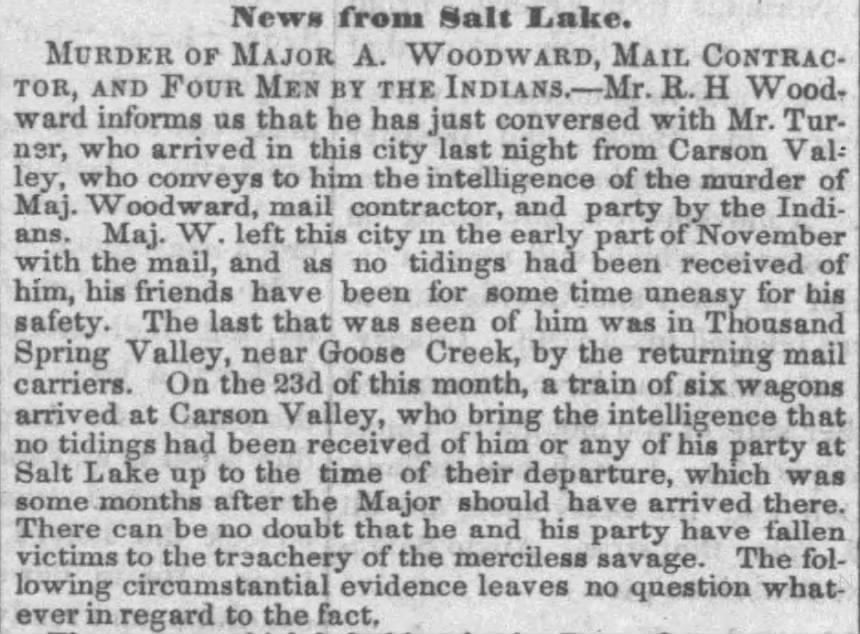
In the first year, Woodward was killed when his party was attacked by Native Americans. His body was found the following spring. The mail and the animals were long gone.
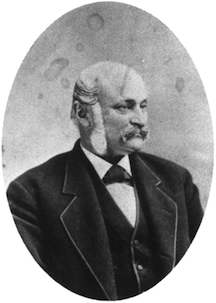
(Photo credit: Find a Grave)
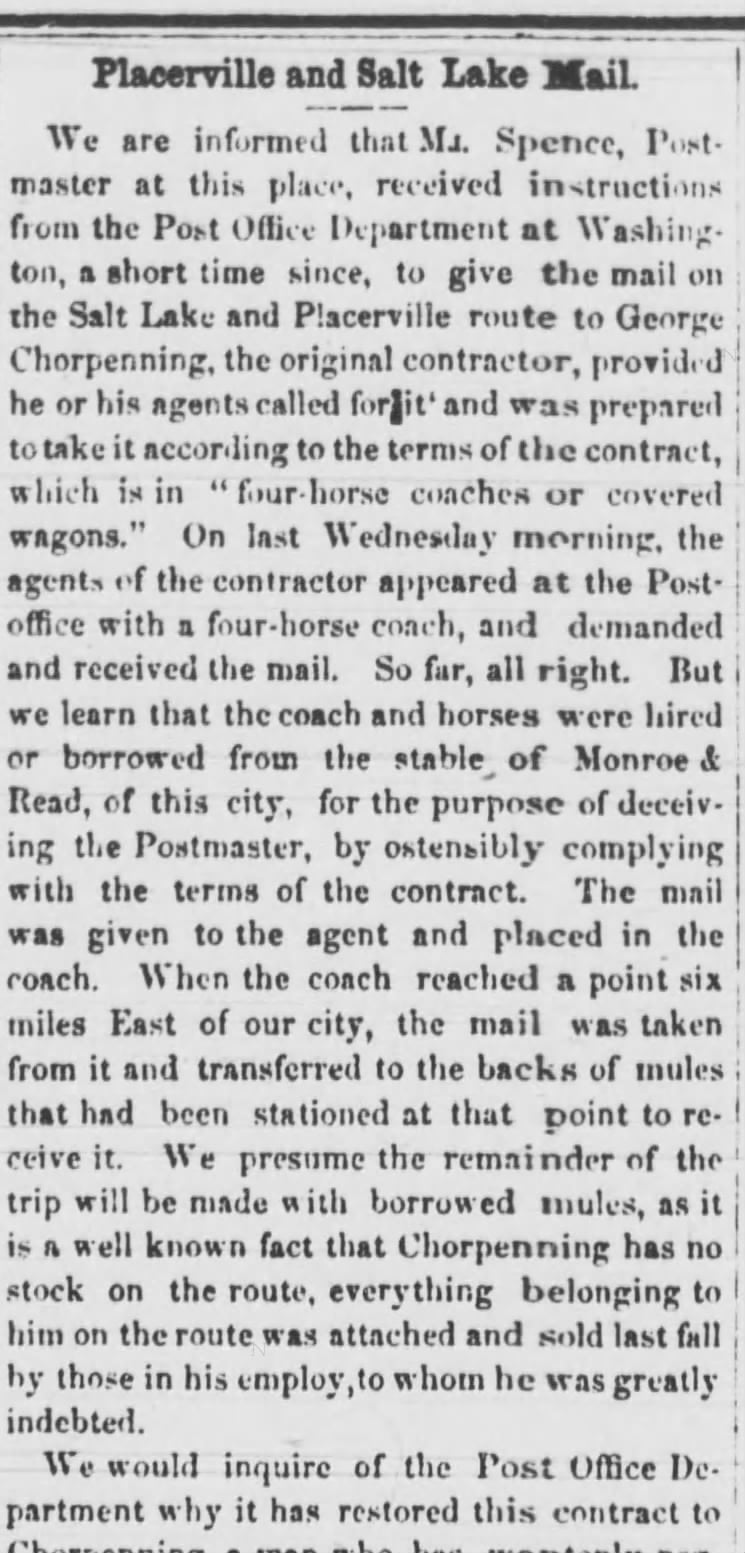
George Chorpenning kept the mail contract and renewed it. He lost more men, more stock, and more mail to weather and attacks. But he never quit the line.
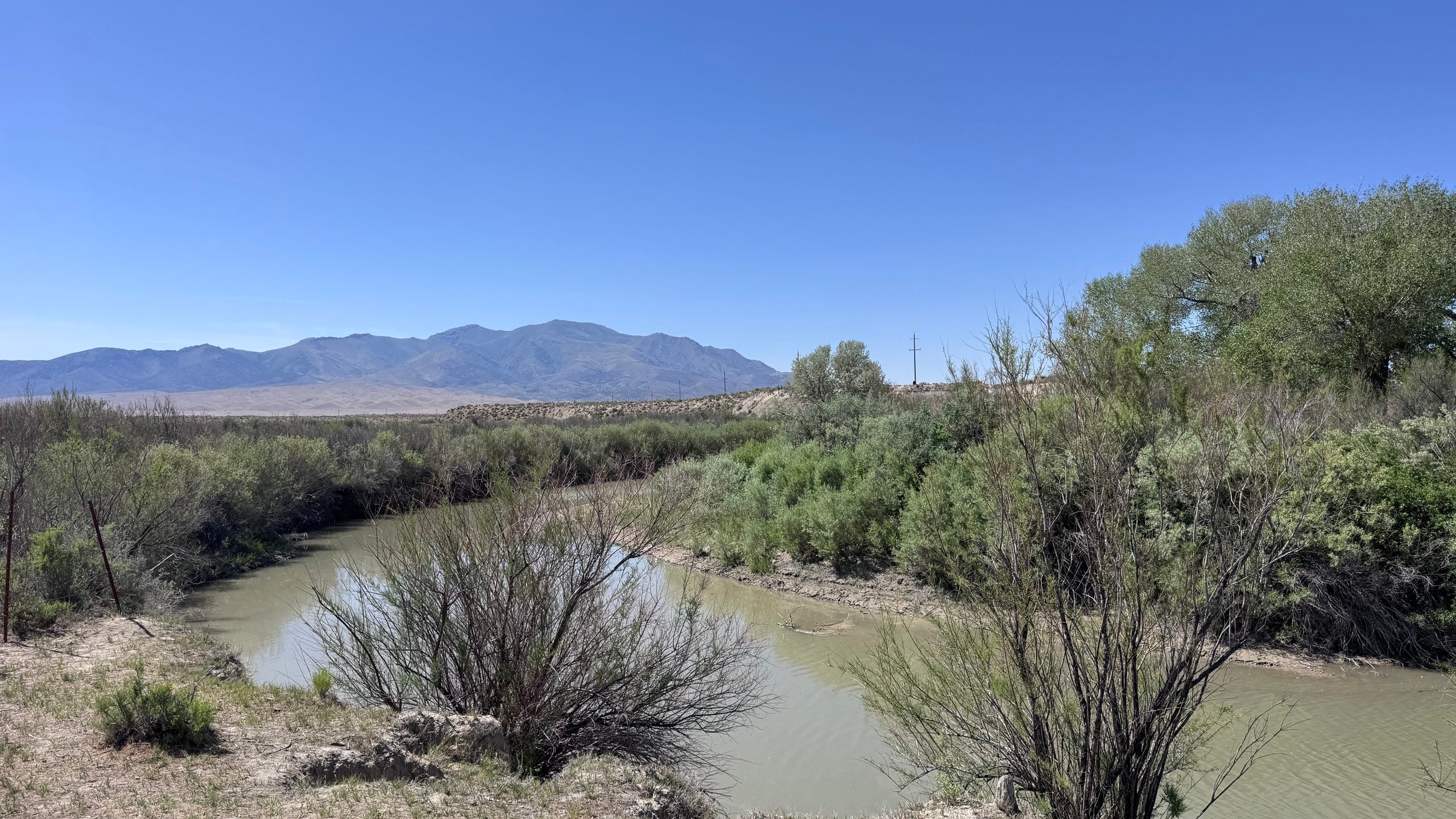
Every trip passed through Carson Valley. Headed east, they followed the Humboldt River. By 1858, he shifted to a more direct route through central Nevada, the same path the Pony Express would follow two years later.
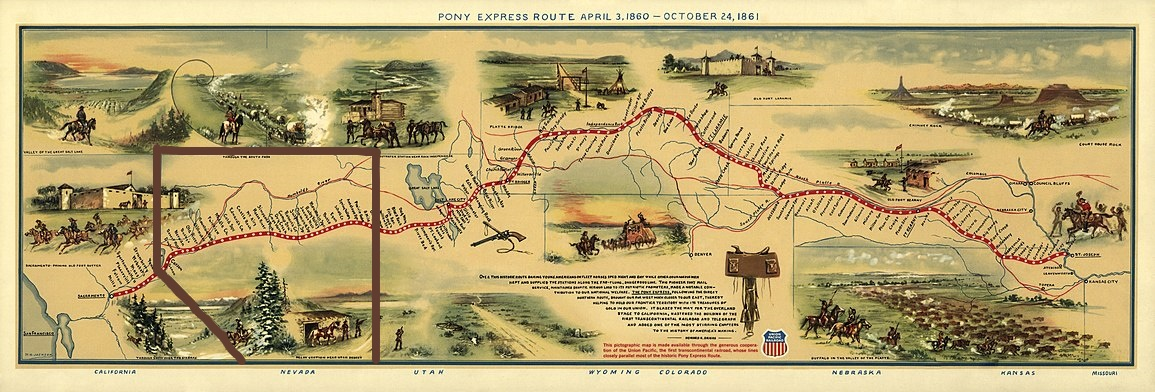
In the winter of 1852, a party of five men left California with ten horses and mules. In northeastern Nevada, in the Goose Creek mountains, the animals froze. With no food, the men lived on mule meat. They went four days without food, walked roughly two hundred miles through the snow, and staggered into Salt Lake City with the mail still on their backs.
Stations were spaced every twenty to forty miles. Each one needed men, saddle animals, wagons, and months of supplies. Chorpenning later said it cost about $200,000 to stock the whole line. But the cost was much higher. He lost his partner, about fifteen employees, and hundreds of mules and horses.
End of the Jackass Express
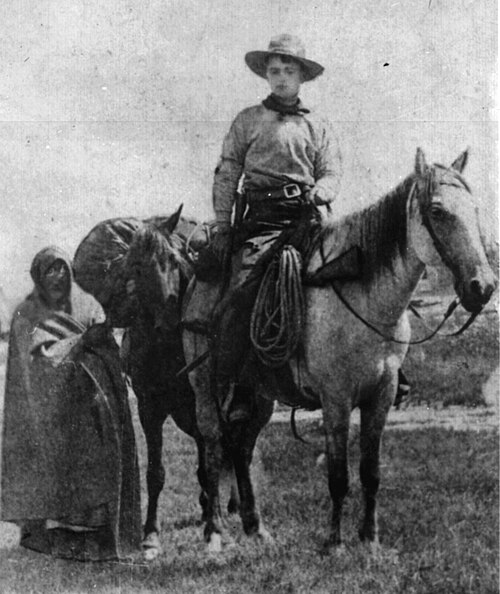
In 1860, the Post Office annulled Chorpenning’s contract for political reasons. Russell, Majors and Waddell took over many of the stations, the stock, and many of the men. They traded in the mules for ponies, turning the Jackass Express into the Pony Express.
Chorpenning spent the rest of his life fighting Washington for what he said he was owed. Congress later allowed a large claim, more than four hundred thousand dollars, then stopped the payment. He died in New York in 1894, still unpaid. He was buried in The Evergreens Cemetery in Brooklyn.
Dr. Chorpenning in AUrora
The Chorpenning family story in Nevada did not end with the mail. Dr. Frank Chorpenning was drawn to the boom at Aurora. He located the Polar Star mine. In Aurora, he practiced medicine, served as the coroner, and at least twice filled in as the acting sheriff.
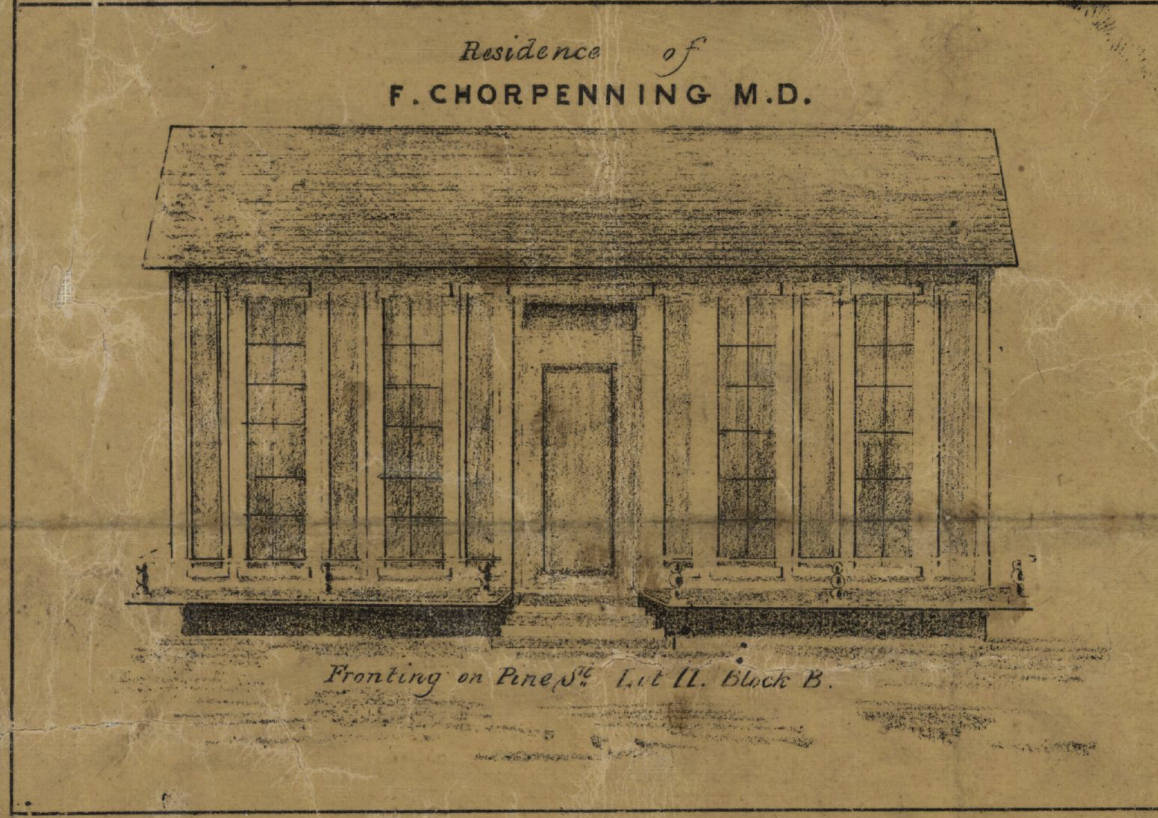
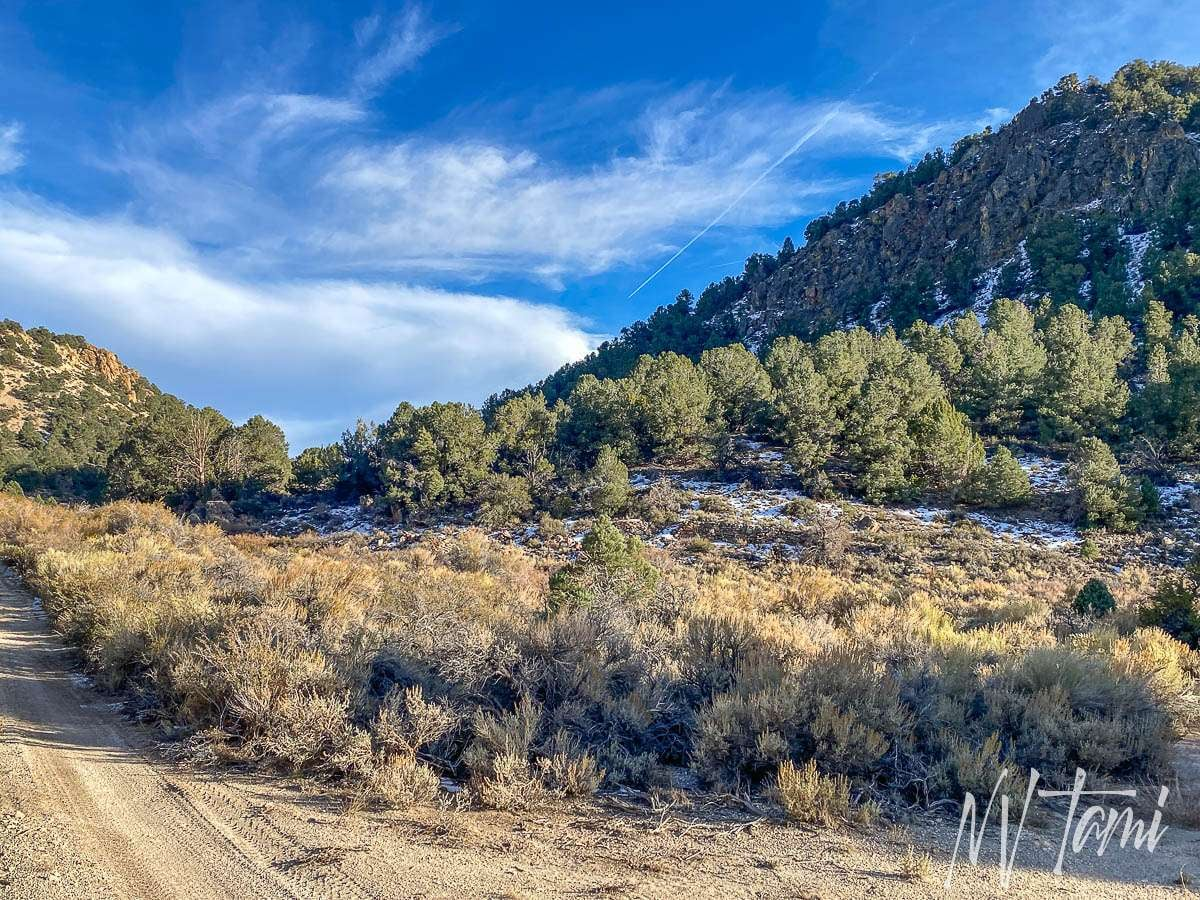
In the summer of 1862, during the Owens Valley troubles, he rode with troops from Camp Noble to care for settlers. The First Directory of Nevada Territory in 1862 reported that Dr. Chorpenning “rendered valuable assistance.”
On July 28, 1862, while he was back in Aurora, William Pooler shot him. The reason given in the papers was simple and ugly: Pooler believed the doctor had shown affection to his estranged wife.
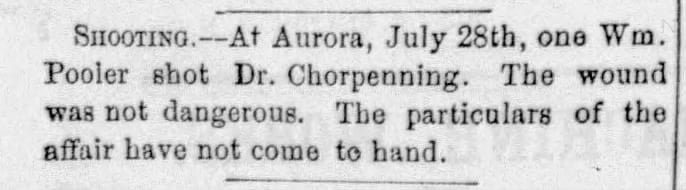
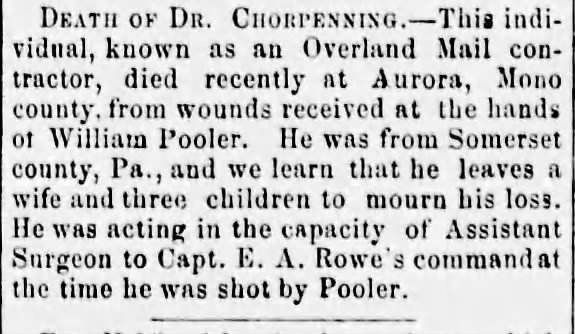
The wound was not thought to be fatal. Fifteen days later, Dr. Chorpenning was dead. The paper reported:
Dr. Chorpening, who was shot a few weeks since at Aurora, by a man named Pooler, on suspicion that he had committed one of the popular sins of the age to the injury of the avenger, has since died of his wound.
Deseret News, September, 3, 1862
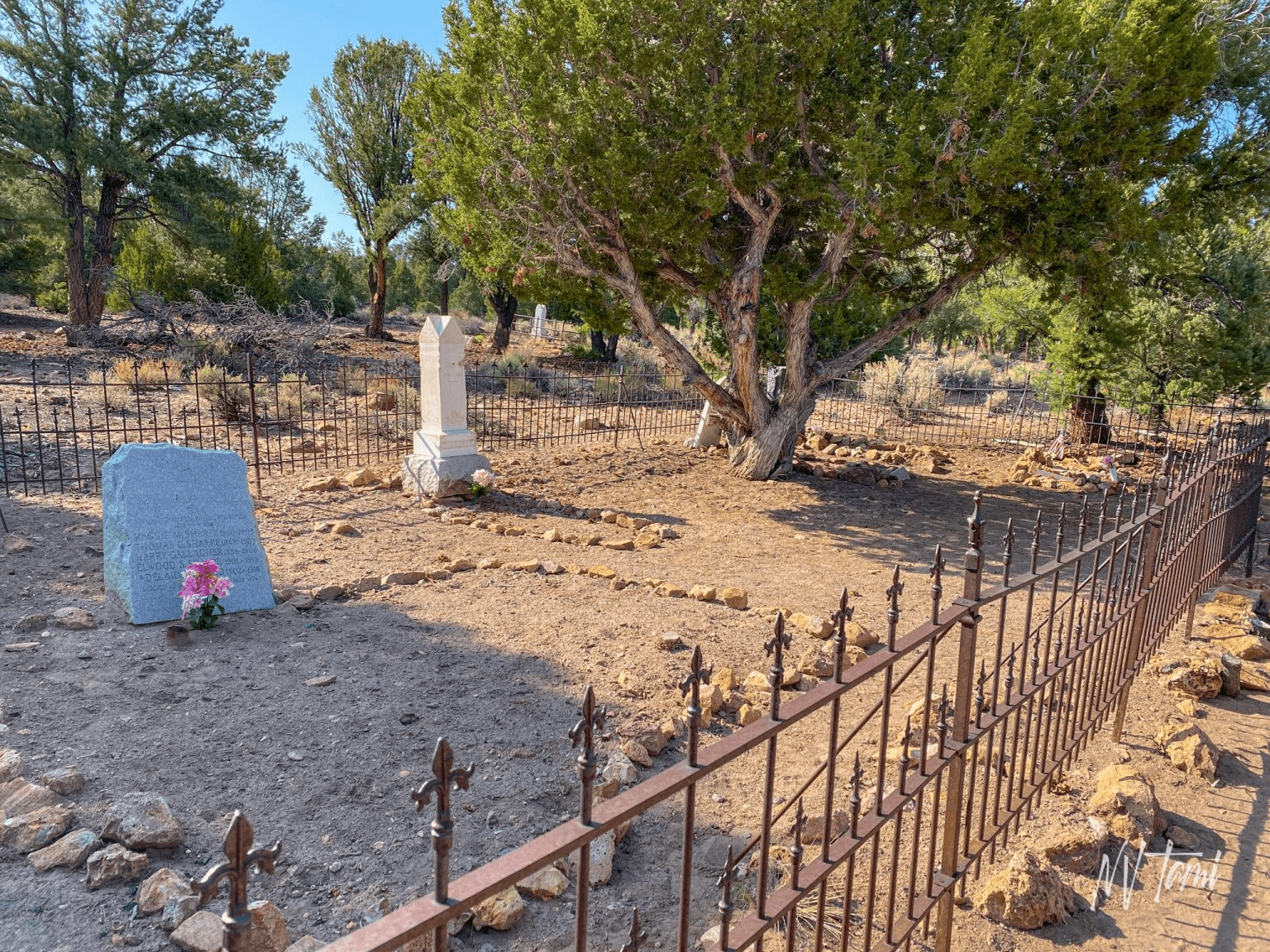
Dr. Chorpenning was buried at Aurora Cemetery. Esmerelda Rifles provided a military escort and band and the Odd Fellows participated in the burial. The town’s U.S. flag flew at half-mast, and the company’s colors were draped in mourning. A large procession followed the hearse to the graveyard, led by Mrs. Pooler, dressed in black. Any headstone was lost to time’s ravages.
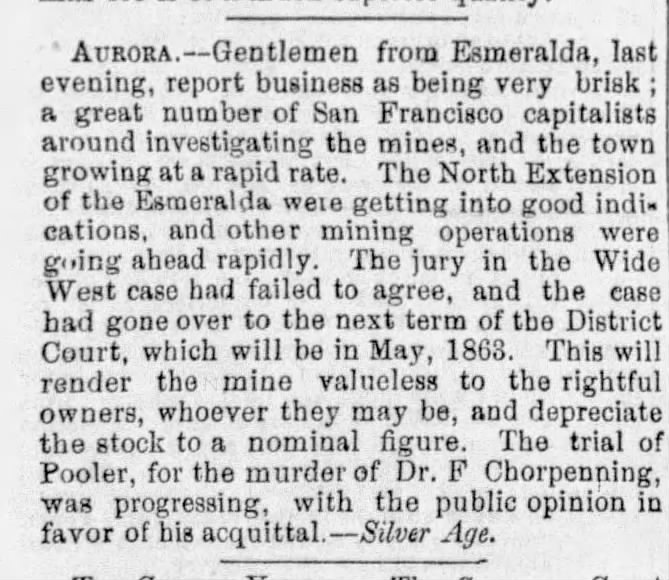
Pooler fled, then was caught. Local talk said he would be acquitted. The papers never printed a clear verdict.
The Jackass Express today
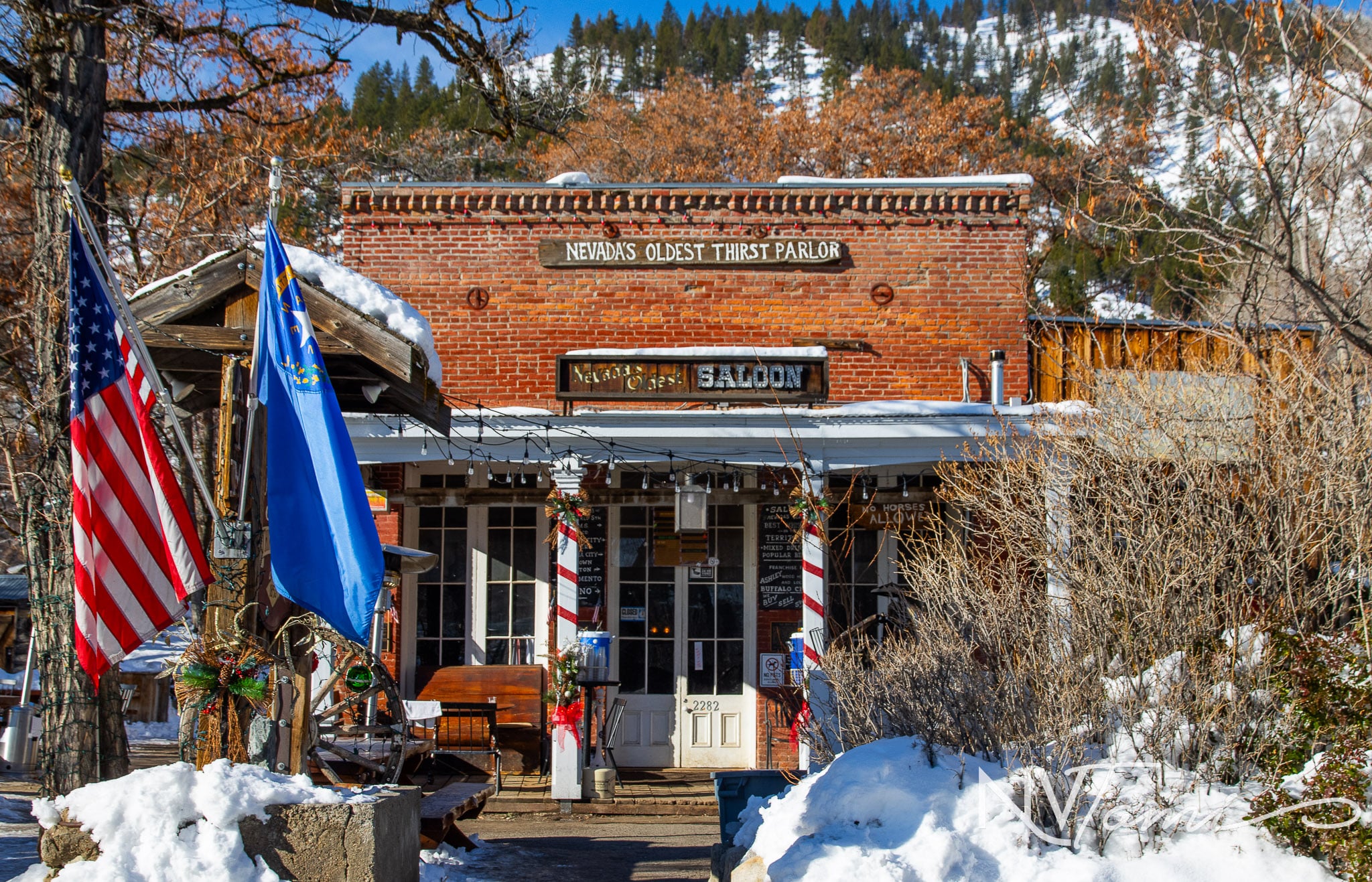
The next time you drive through Genoa, look for the Jackass Express marker at Nevada’s oldest thirst parlor. Before the Pony Express, the mules came first. And one of the men who made that road possible lost a brother in Aurora to a jealous bullet.
George Chorpenning and his mules carried the mail when almost no one else would.
That’s the Nevada story of the Jackass Express.
WANT MORE GHOST TOWNS?
For information on more than five hundred ghost towns in Nevada & California, visit the Nevada Ghost Towns Map or a list of Nevada ghost towns.
Learn about how to visit ghost towns safely.

References
- Alta California, August 20, 1862: report of Dr. Frank Chorpenning’s death in Aurora.
- Digital-Desert.com. “California to Salt Lake City – Notes.”
- First Directory of Nevada Territory, 1862.
- Find a Grave. George W. Chorpenning Jr. (Memorial ID 45196820).
- Genoa historical markers (Jackass Express / Pony Express) at Mormon Station and near the Genoa Bar.
- Hafen, LeRoy R. The Overland Mail, 1849–1869. NPS / Utah historical studies on Pony Express stations. OCTA (Oregon-California Trails Association) materials on the Jackass Mail and Humboldt route.
- Somerset Herald (Pennsylvania), April 11, 1894: obituary of George Chorpenning.
- Tooele Transcript Bulletin. “Desert Odyssey:
- The Pony Express” series (Parts 4 & 5, 2015 & 2022).
- U.S. Congressional Serial Set reports on George Chorpenning’s claims (House and Senate Committees on Indian Affairs and Judiciary, various sessions 1850s–1860s).
- Utahrails.net. “U.S. Mail in Utah, 1850–1869” and “Pony Express, 1860–1861.” Western Cover Society. Mails of the Westward Expansion, 1803–1861, Chapter 7.
- Wikipedia. “George Chorpenning.”


Leave a Reply