Labor Day weekend 2026 was a central Nevada loop. I worked the east side of the Toiyabes, dropped into Monitor Valley, followed the canyons of the Toquima Range, and came back through Big Smoky and the old Reese River camps. Ghost towns, ranch houses, a Forest Service station, and one canyon that earns its name.
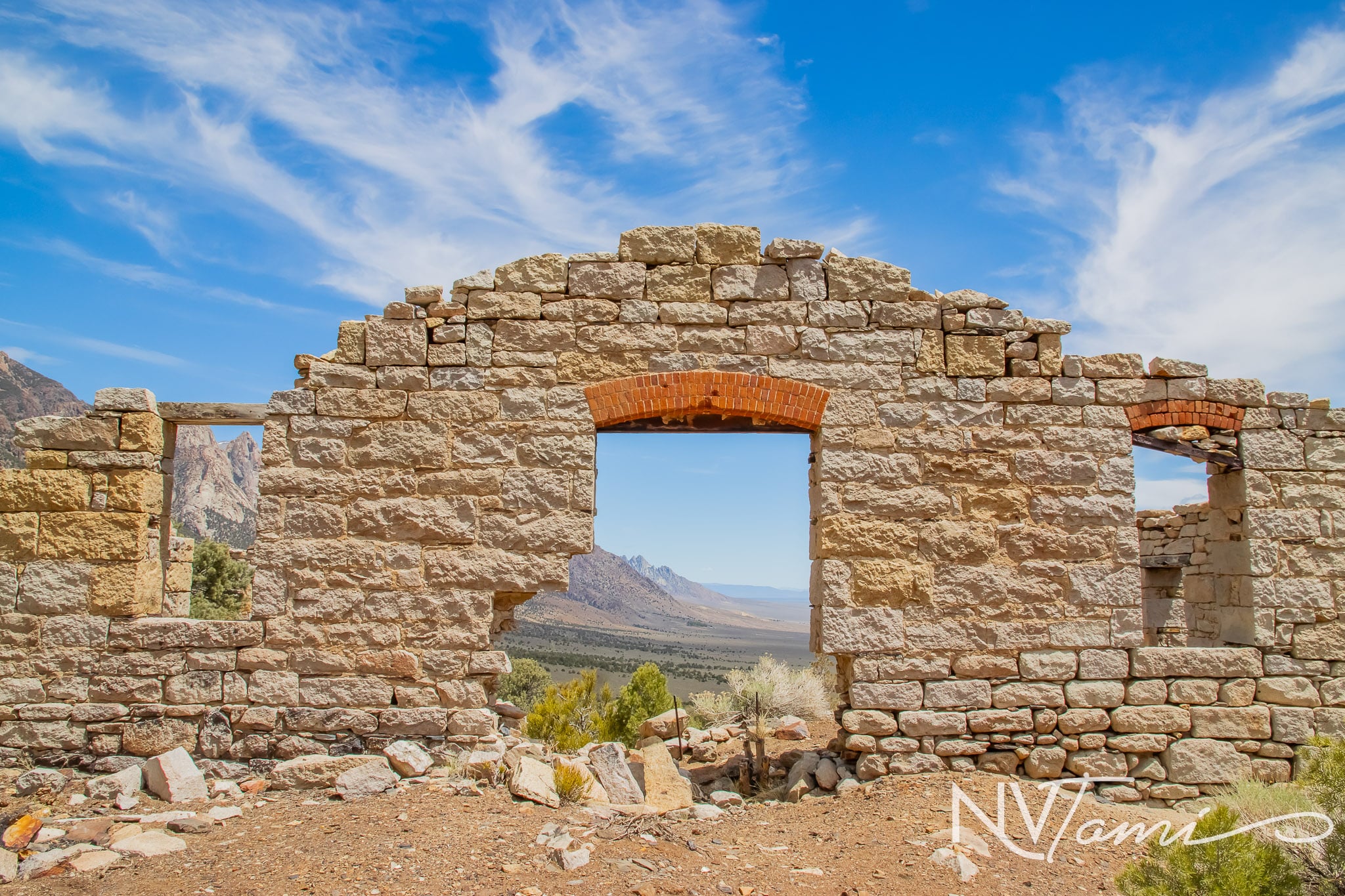
This is a trip report, not the full research article on any one of these places. A little history, a little of what is still standing, and room for the photographs.
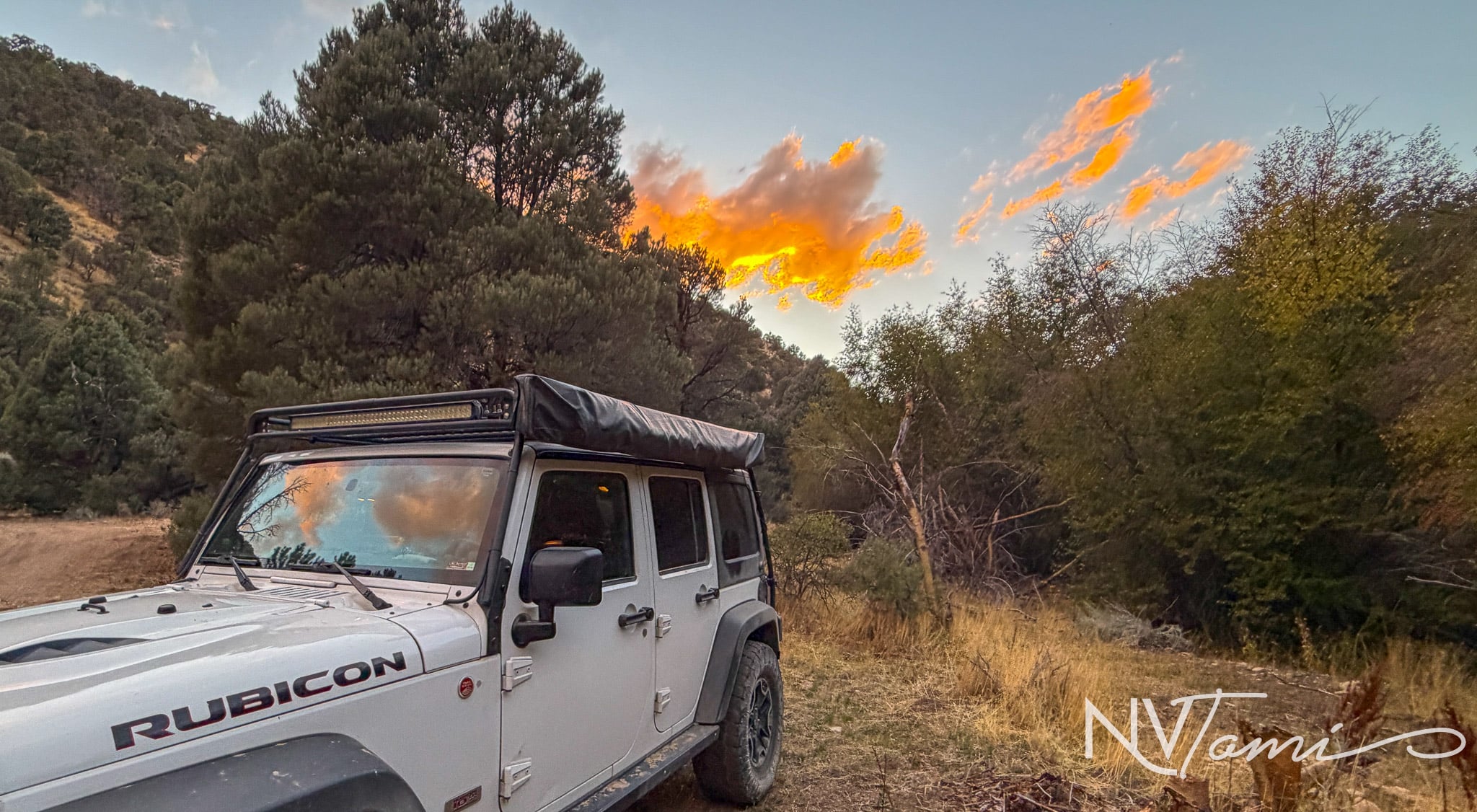
Geneva and the Upper Cabins
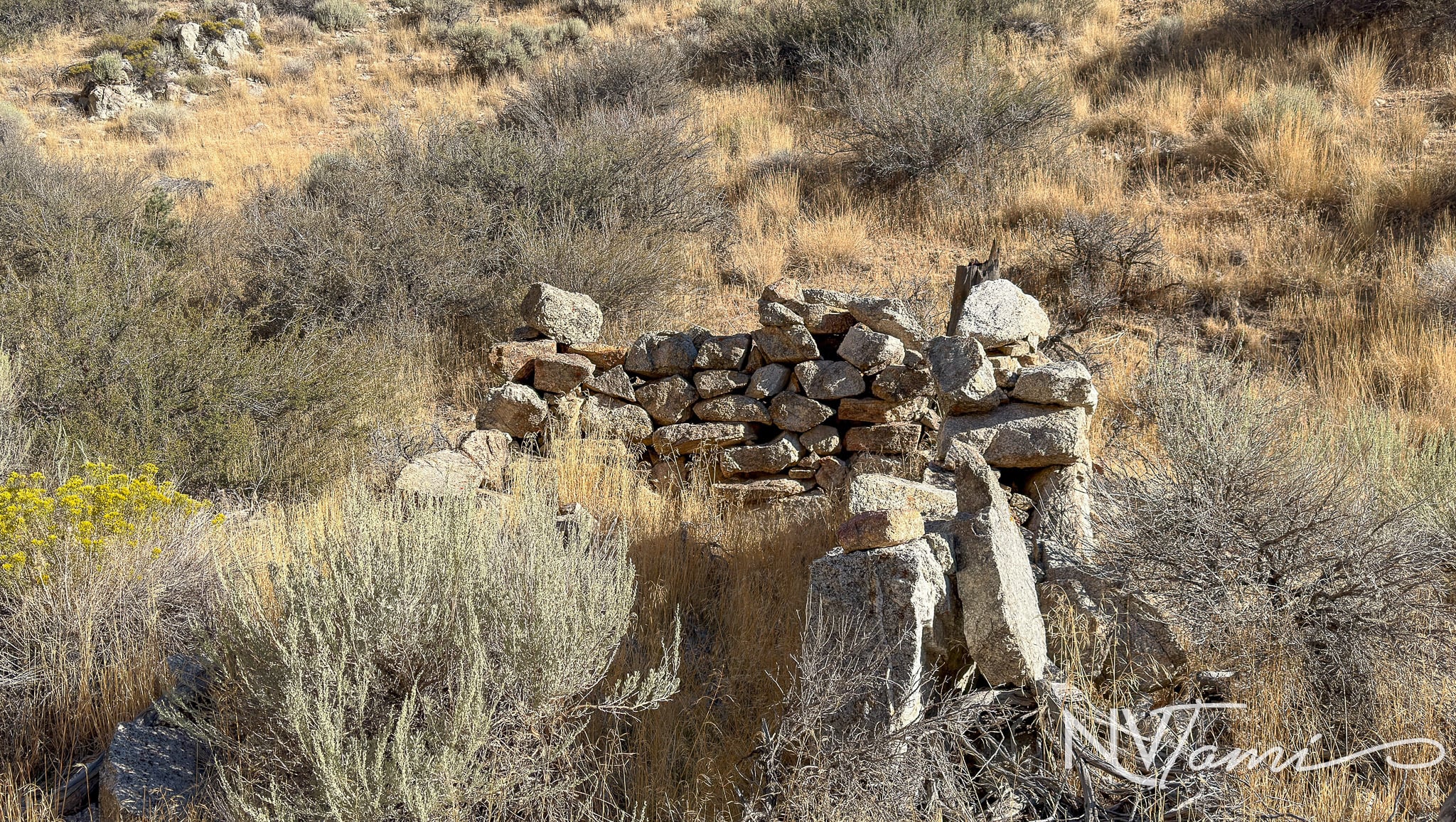
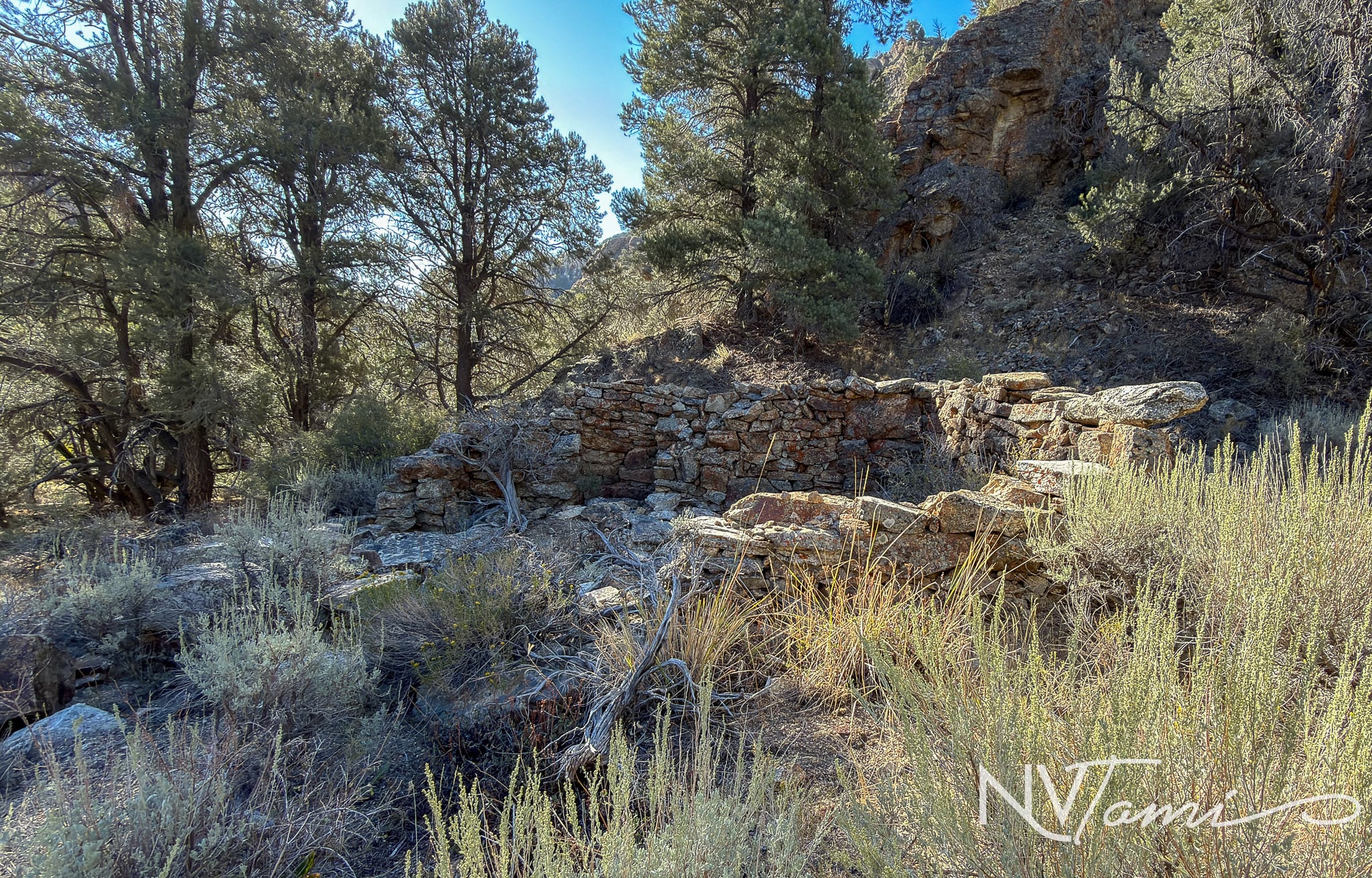
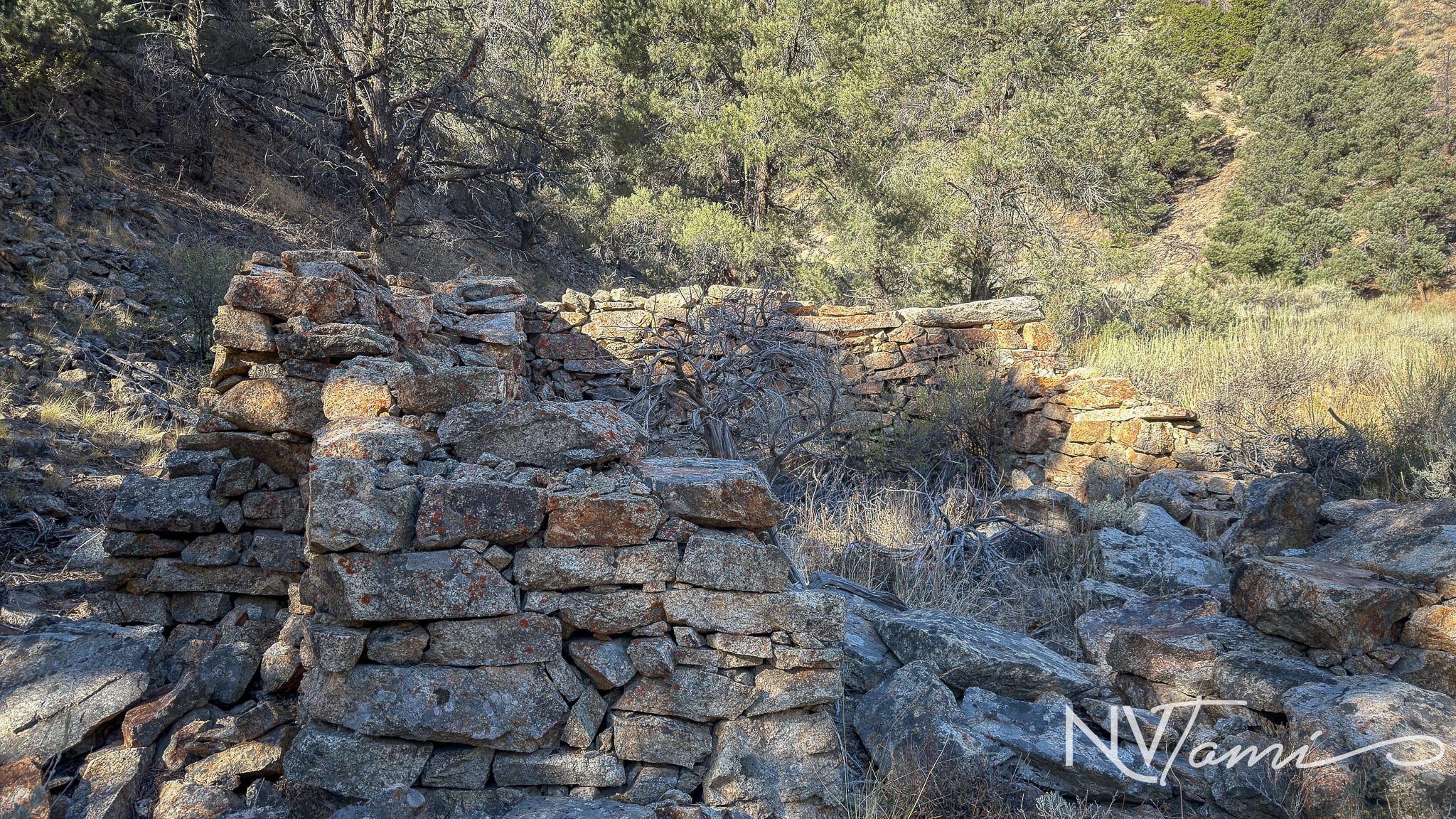
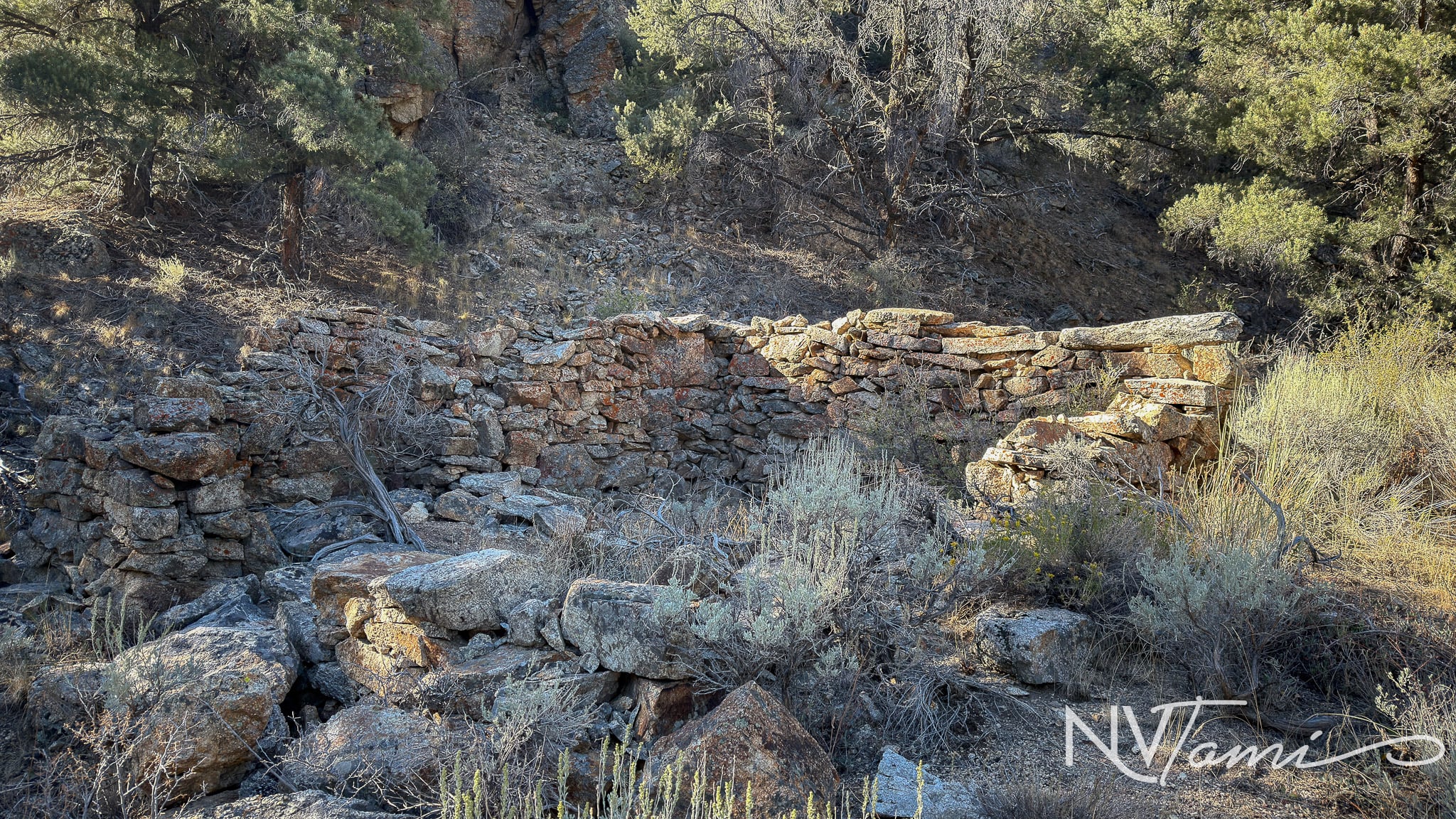
Geneva sits on the east side of the Toiyabe Range, above Big Smoky Valley along Birch Creek. In 1863, a prospecting party led by Charles C. Breyfogle located silver ore there. The townsite was laid out that November. By 1864 about 500 people were in camp, with a store, a saloon, a blacksmith shop, a stage office, and a hotel Breyfogle himself built. He did not stay. He moved on toward Death Valley, and the lost Breyfogle mine became one of the desert’s better legends.
The Big Smoky Mining Company put up a 20-stamp mill in 1865 after a strike on the Smoky Valley Ledge. Early assays ran high. The mill did not. It ran only a short time before low ore values shut it down. Geneva held on until late 1867, when the mines gave out. A post office opened June 20, 1867, and closed September 28, 1868. Machinery was pulled. Stone cabins are what the canyon kept.
Potts
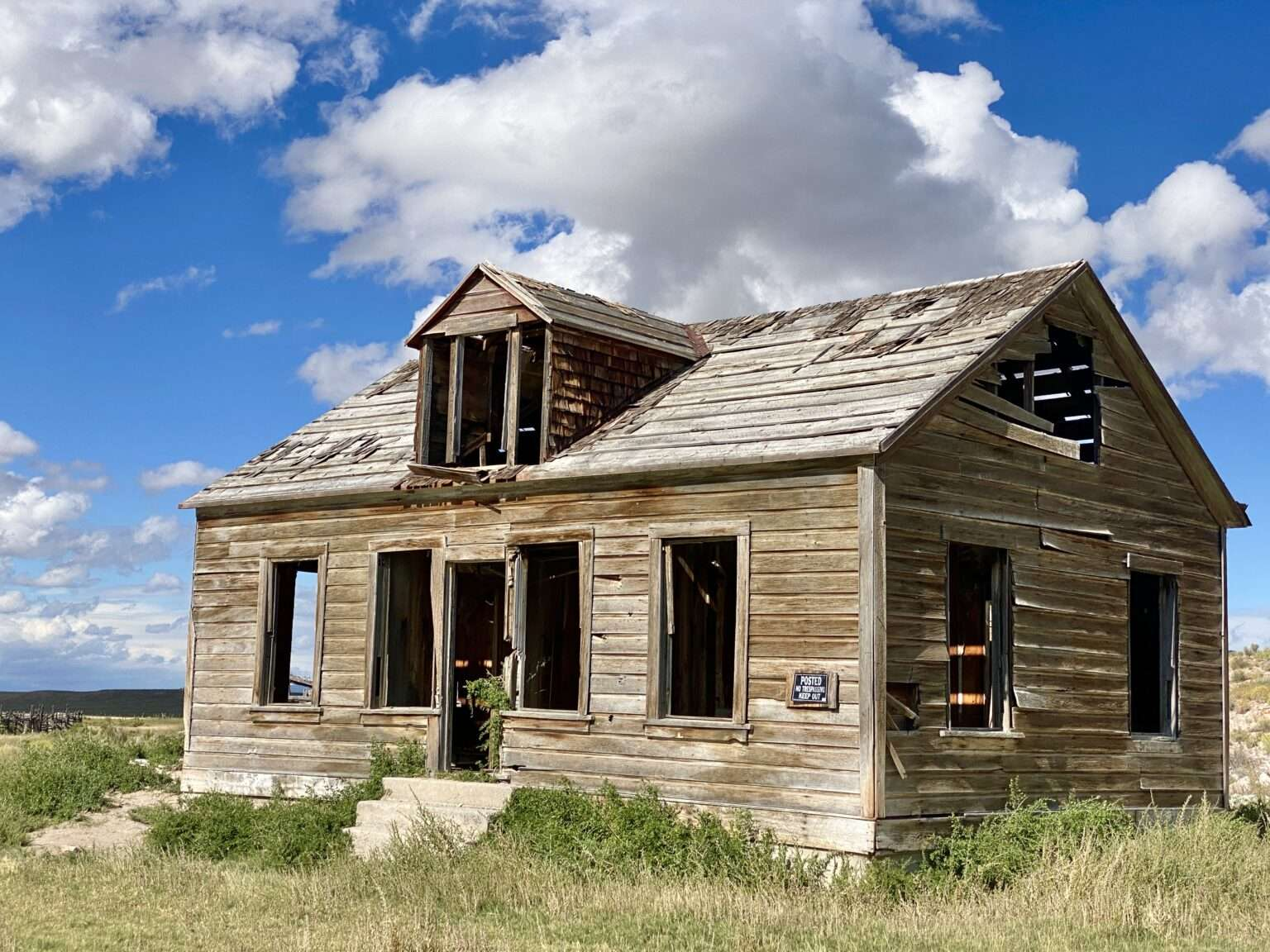
William Potts, a Scot, established his ranch in Monitor Valley in the 1870s. It grew into one of the better cattle outfits in the state and eventually took in the Butler, Morgan Creek, and Wilson ranches. Belmont, the nearest town, was a long haul. A post office was granted in 1893, but the grant was rescinded before it opened. It finally opened August 12, 1898, with members of the Potts family as postmasters, and ran until October 31, 1941.
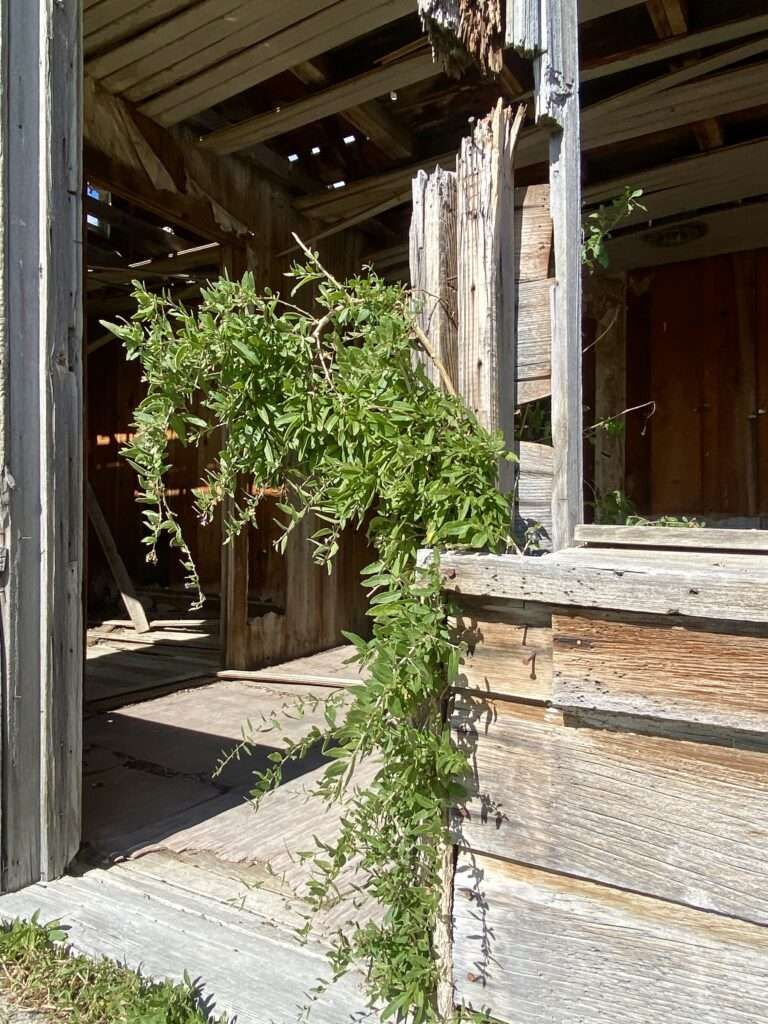
In September 1944, the family sold to Harvey Sewell and O. G. Bates. Headquarters shifted to the Wilson Ranch, and Potts was left behind. The old ranch house is still there. Hot springs nearby have been a soaking spot for years.
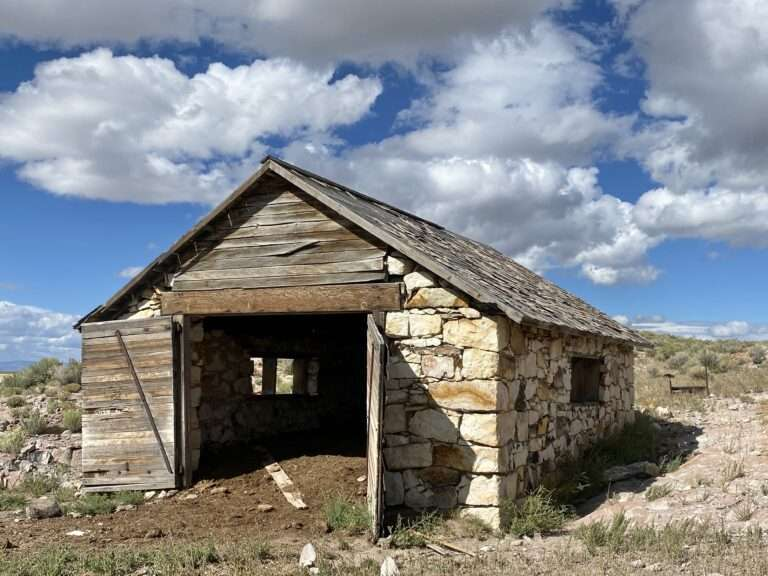
Blackburn Ranger Station
A short way from Potts is the Blackburn administrative site, the Forest Service station in Monitor Valley. The National Museum of Forest Service History labels a photograph of it as the first ranger station in Nevada. Whether or not that caption holds up under closer scrutiny, Blackburn is a reminder that the valley was not only about cattle and mining camps.
Stargo
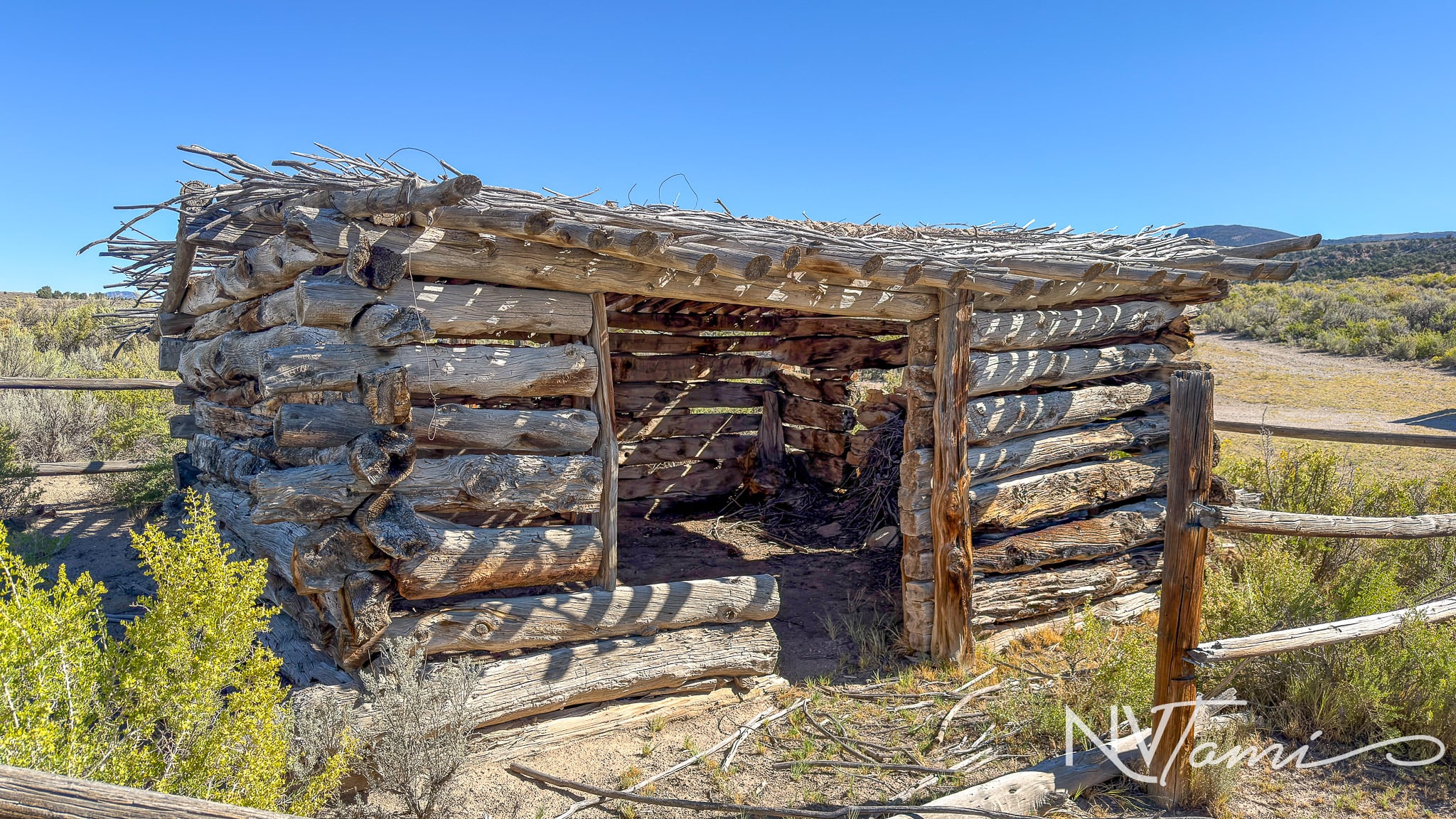
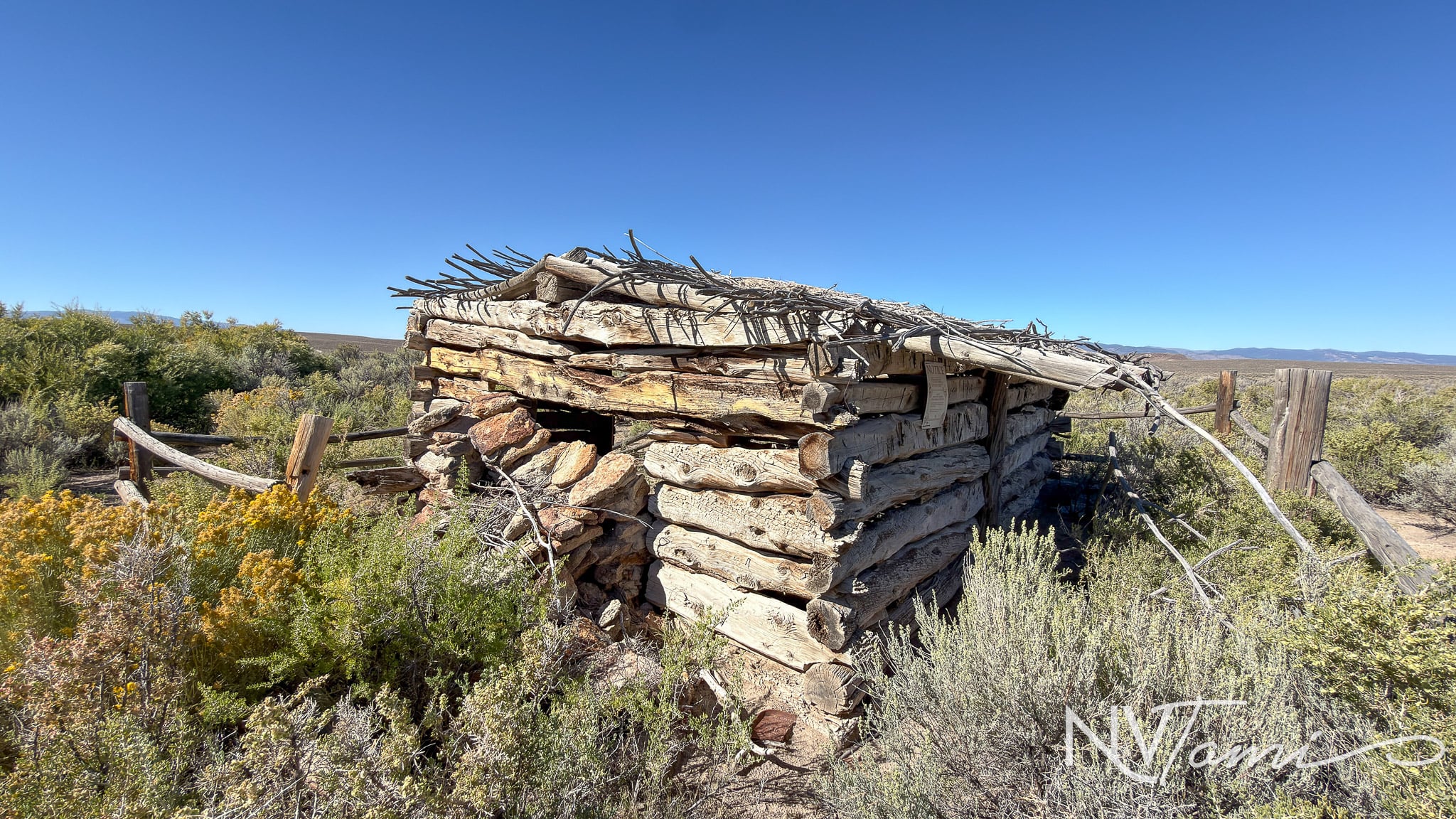
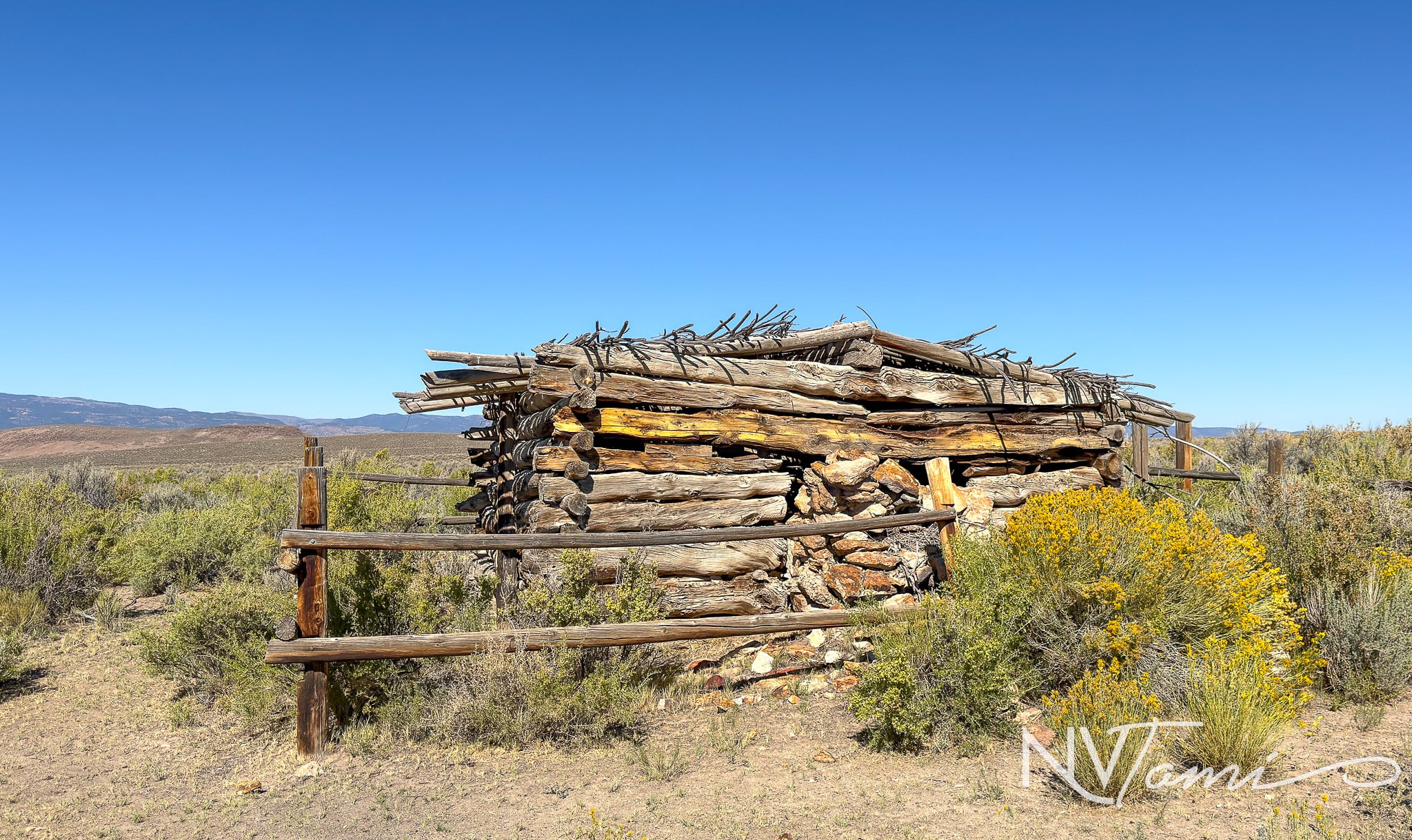
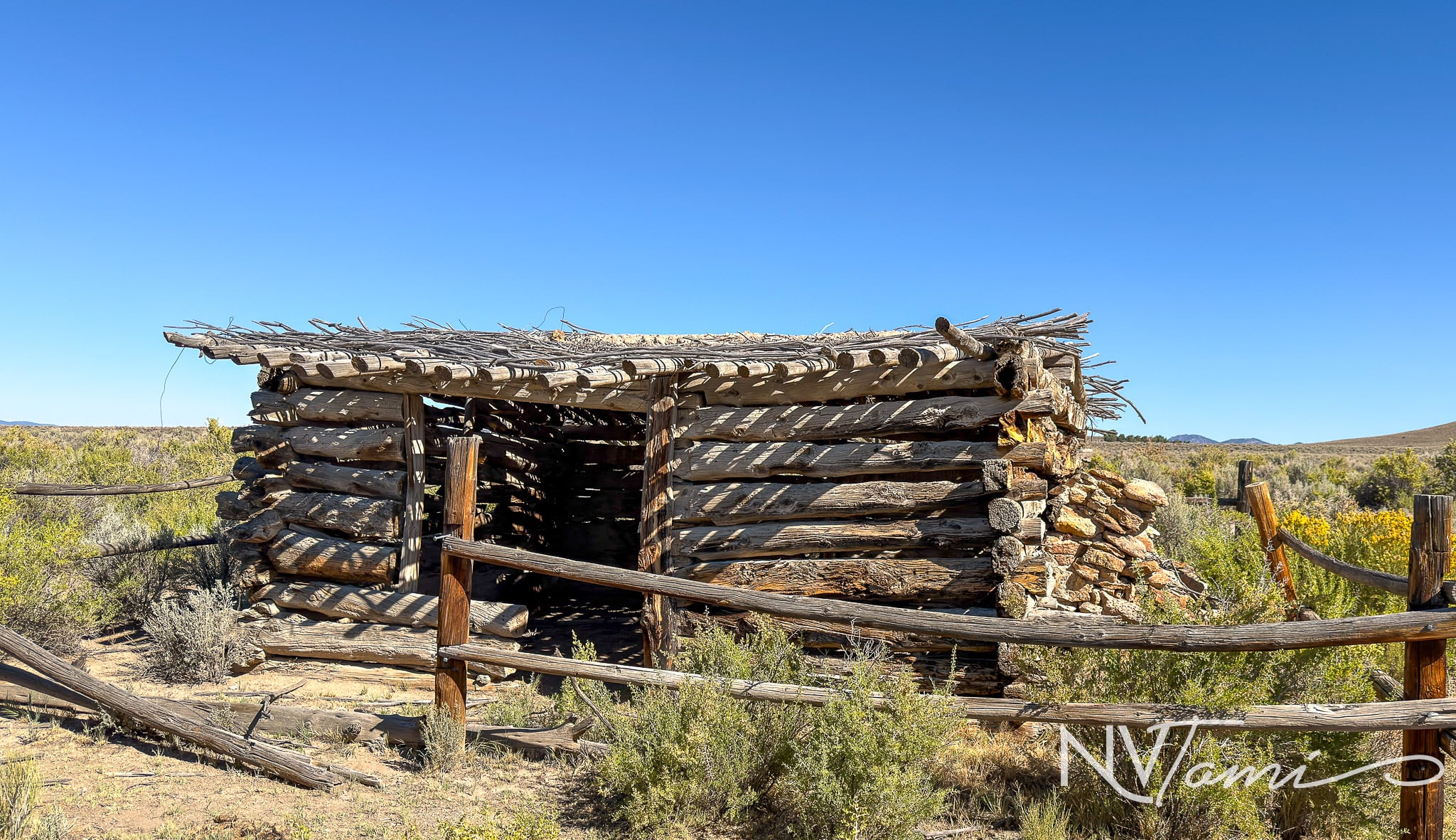
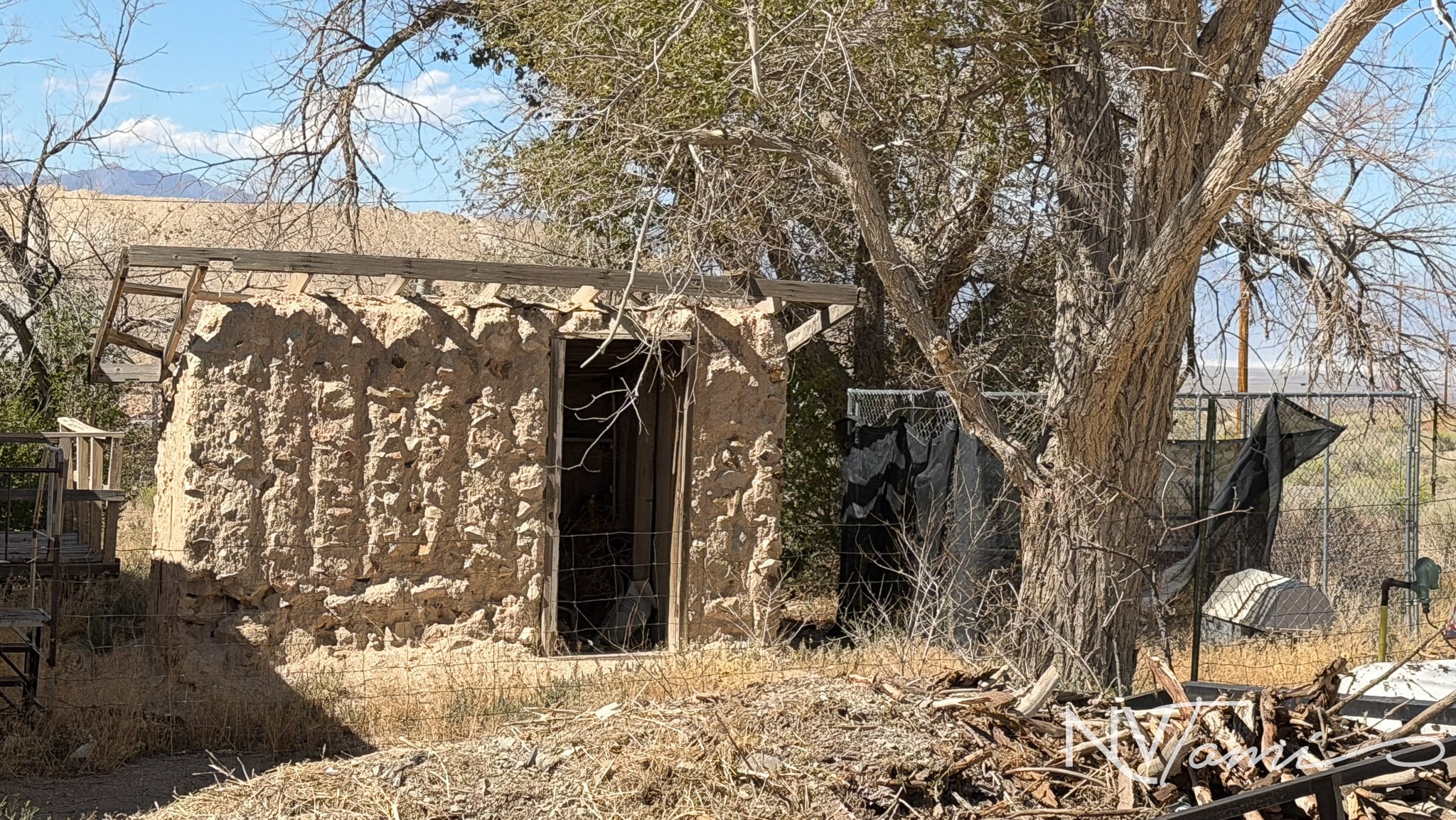
Stargo was a short story. Gold, silver, and lead were reported on Stargo Creek in Little Fish Lake Valley in December 1907, and a camp formed. No rich ore was found in any quantity. By 1910 Stargo had dropped off the maps. Shawn Hall’s note on it is about as final as a ghost town gets: hardly a trace other than a rock dugout.
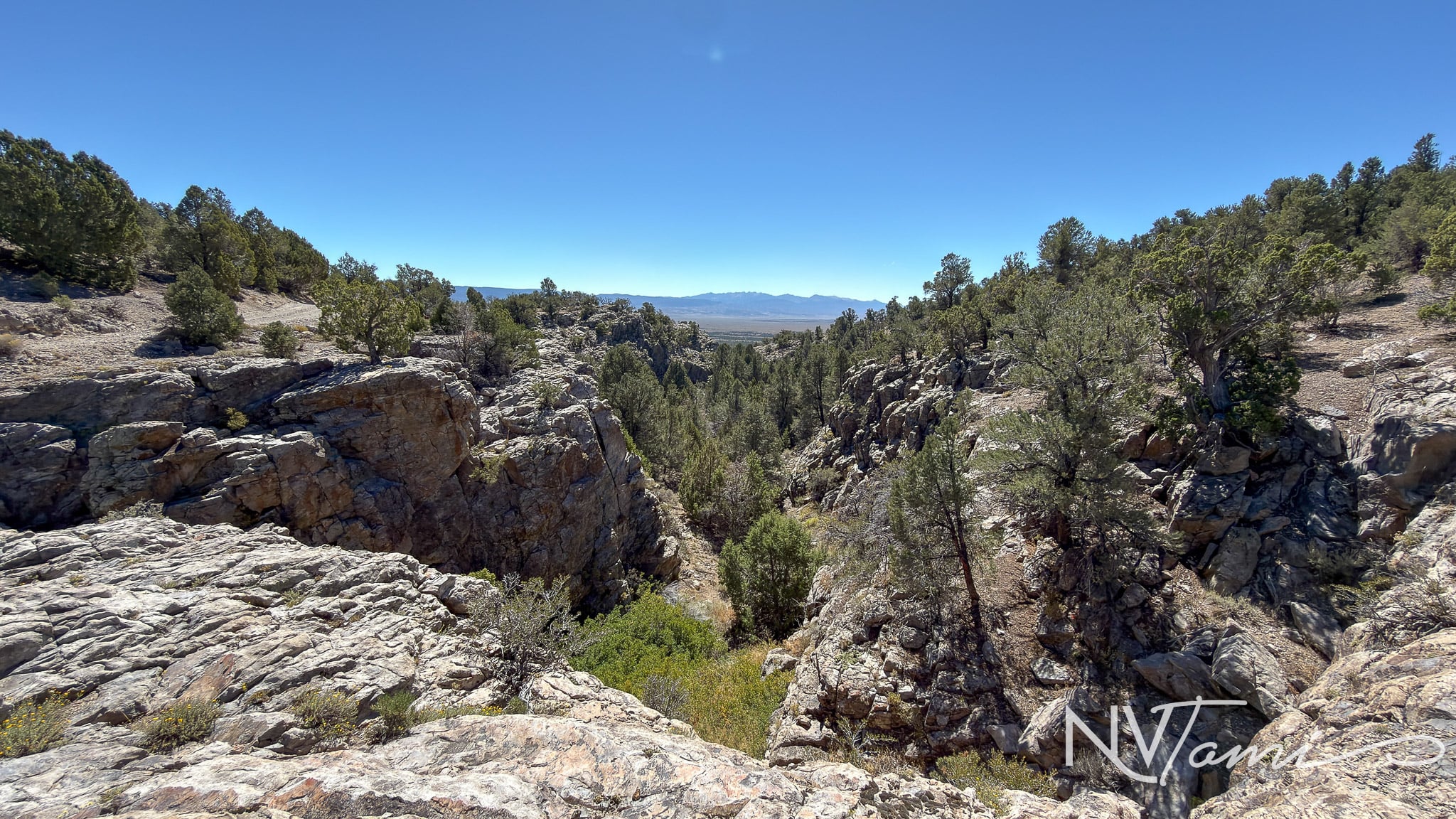
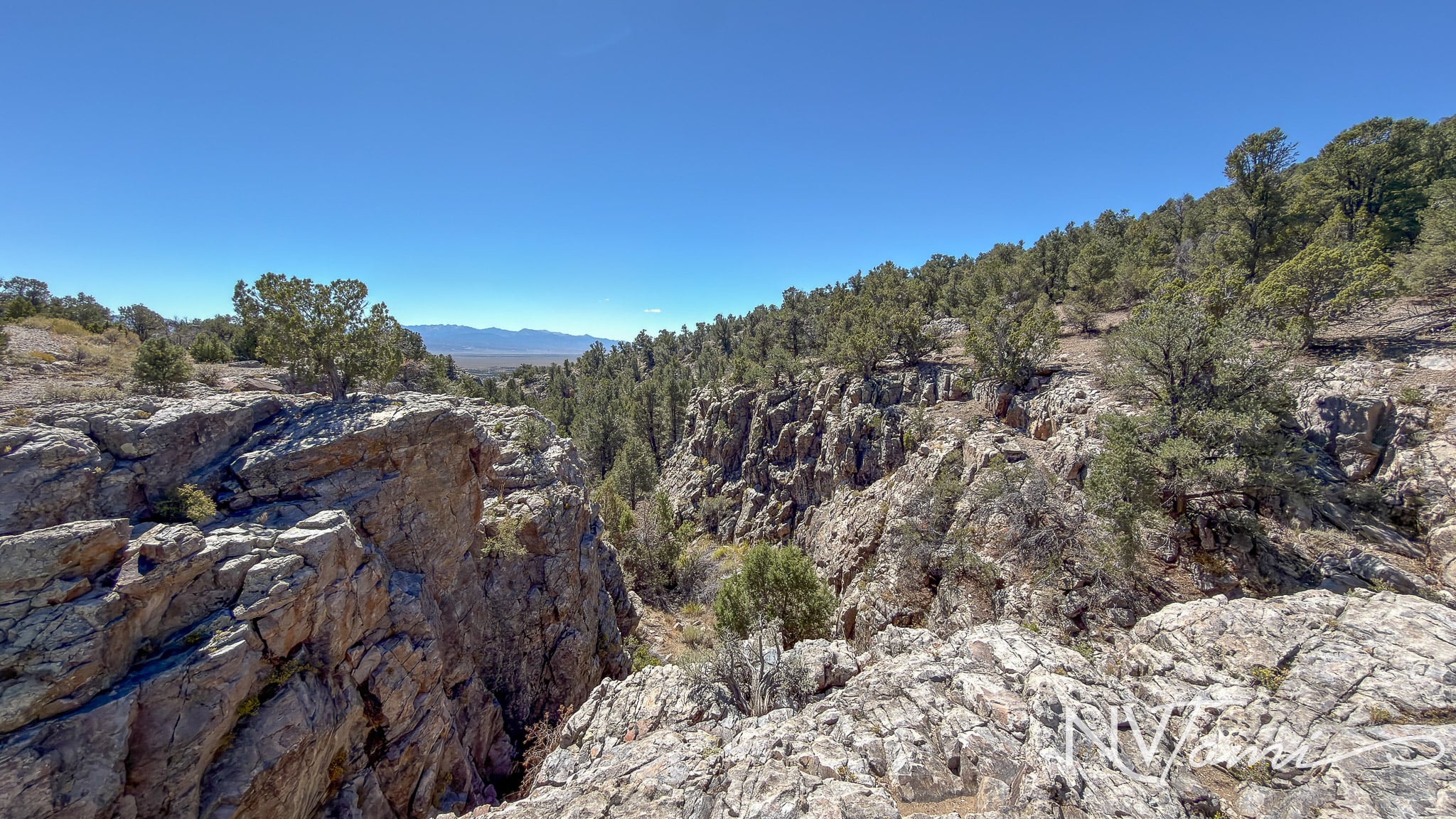
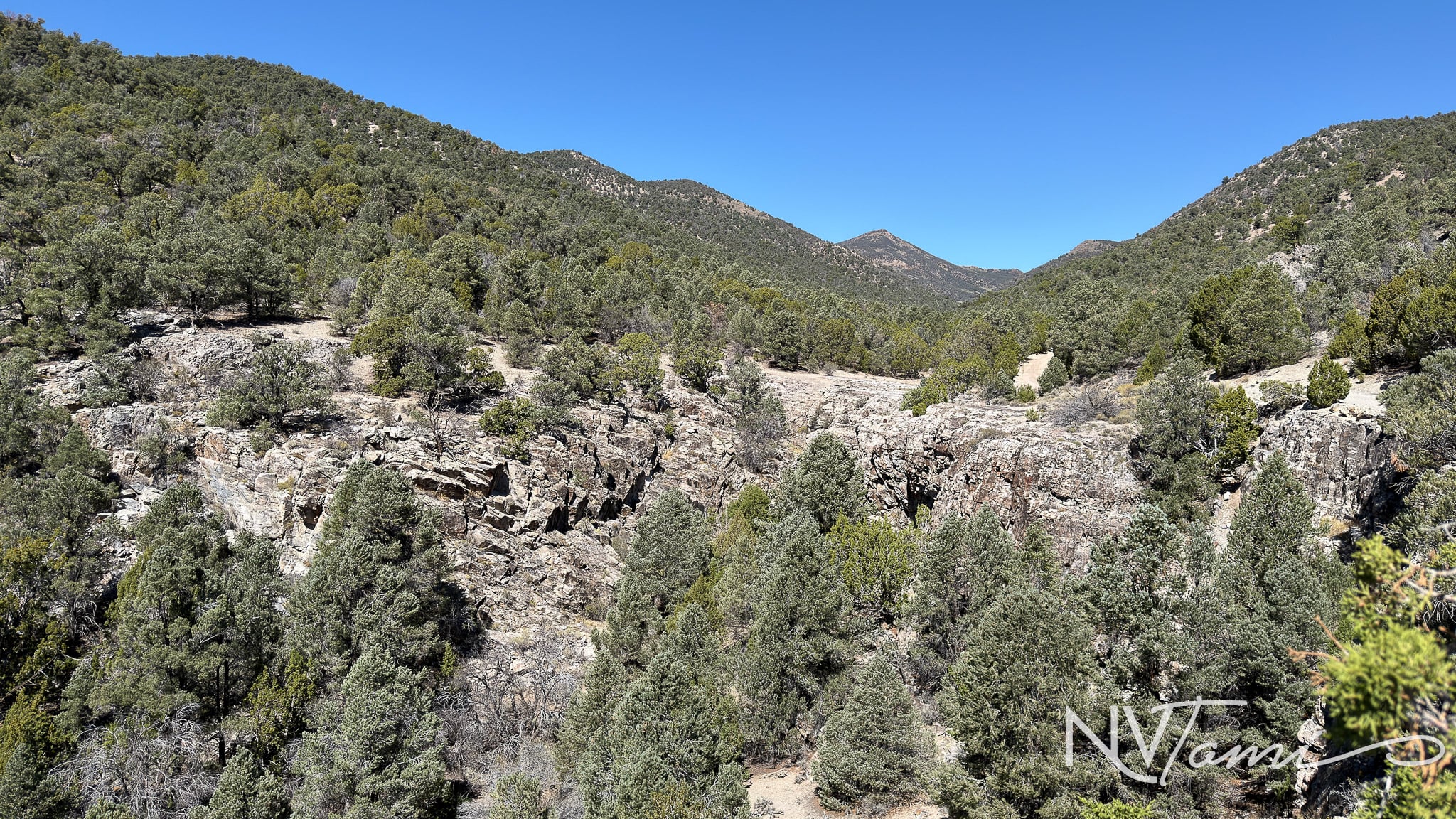
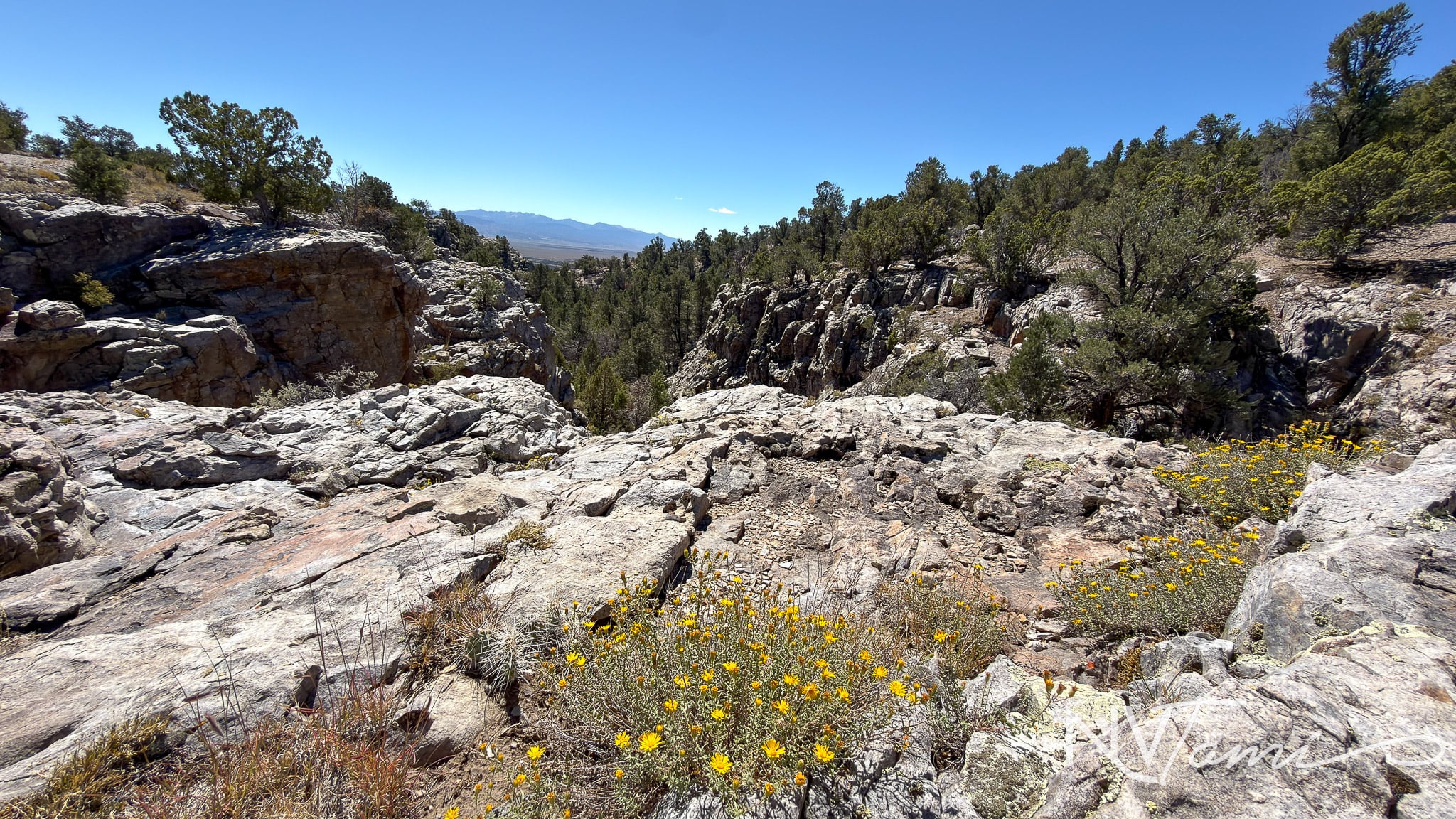
Miniature Grand Canyon
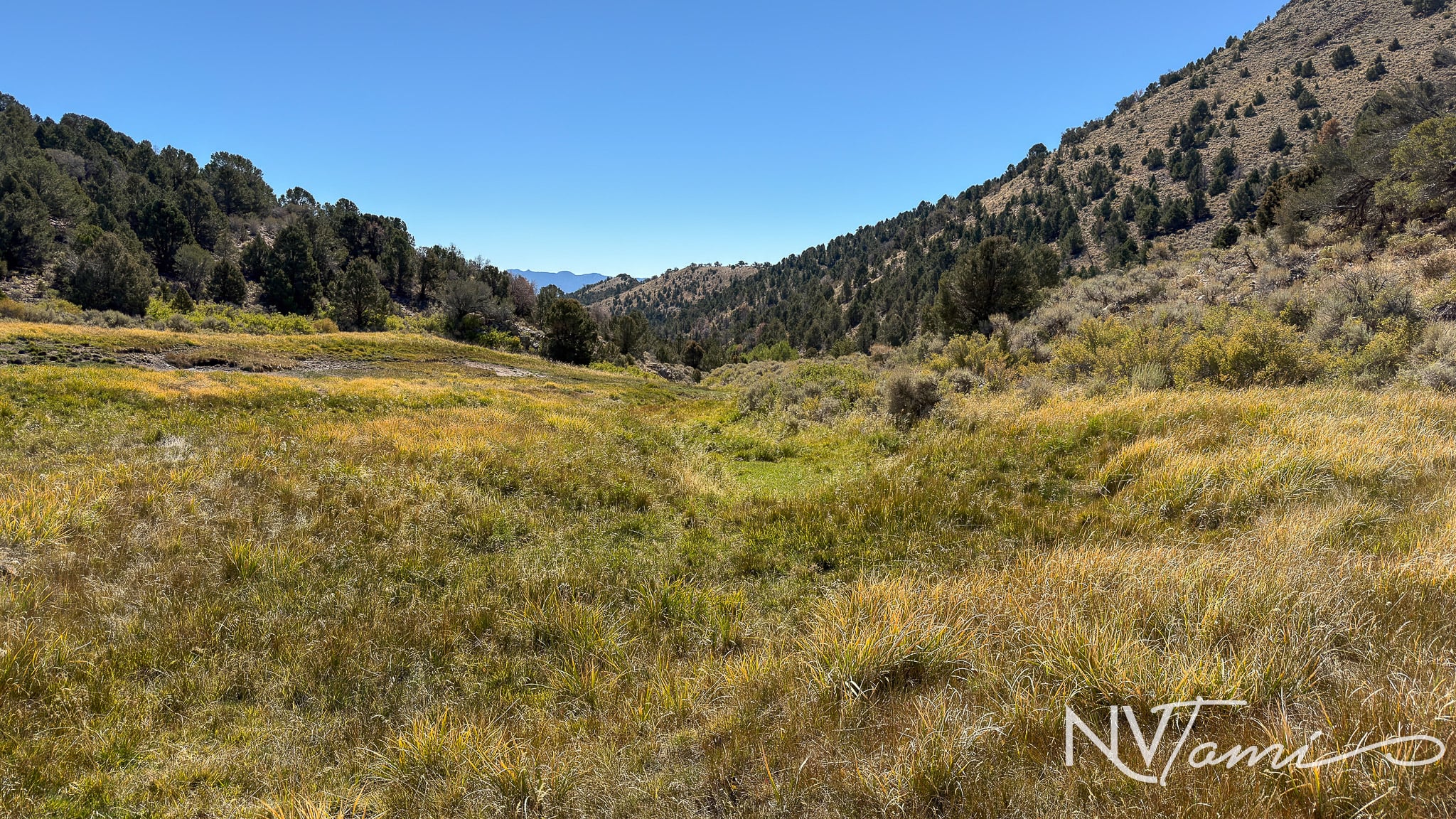
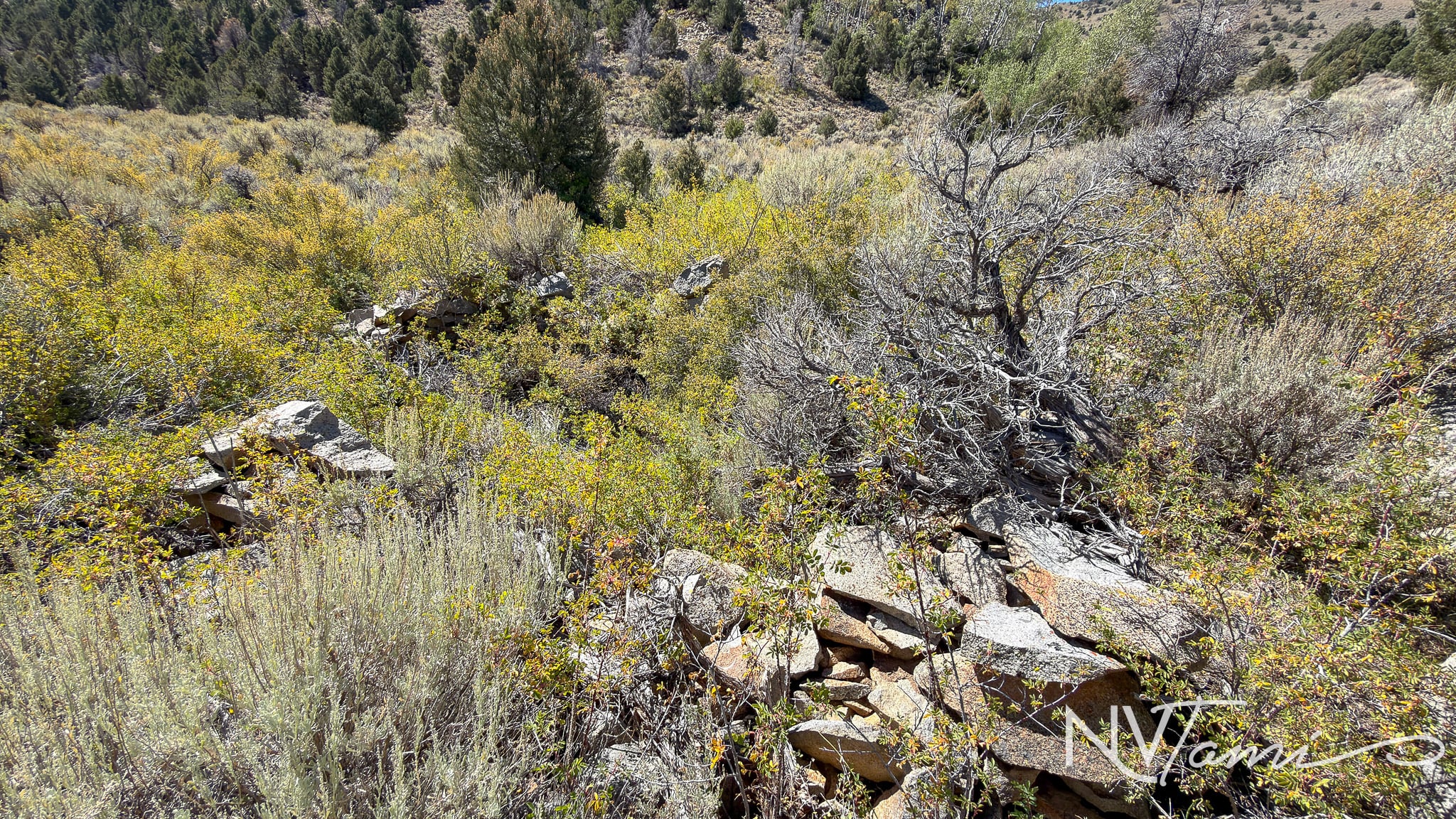
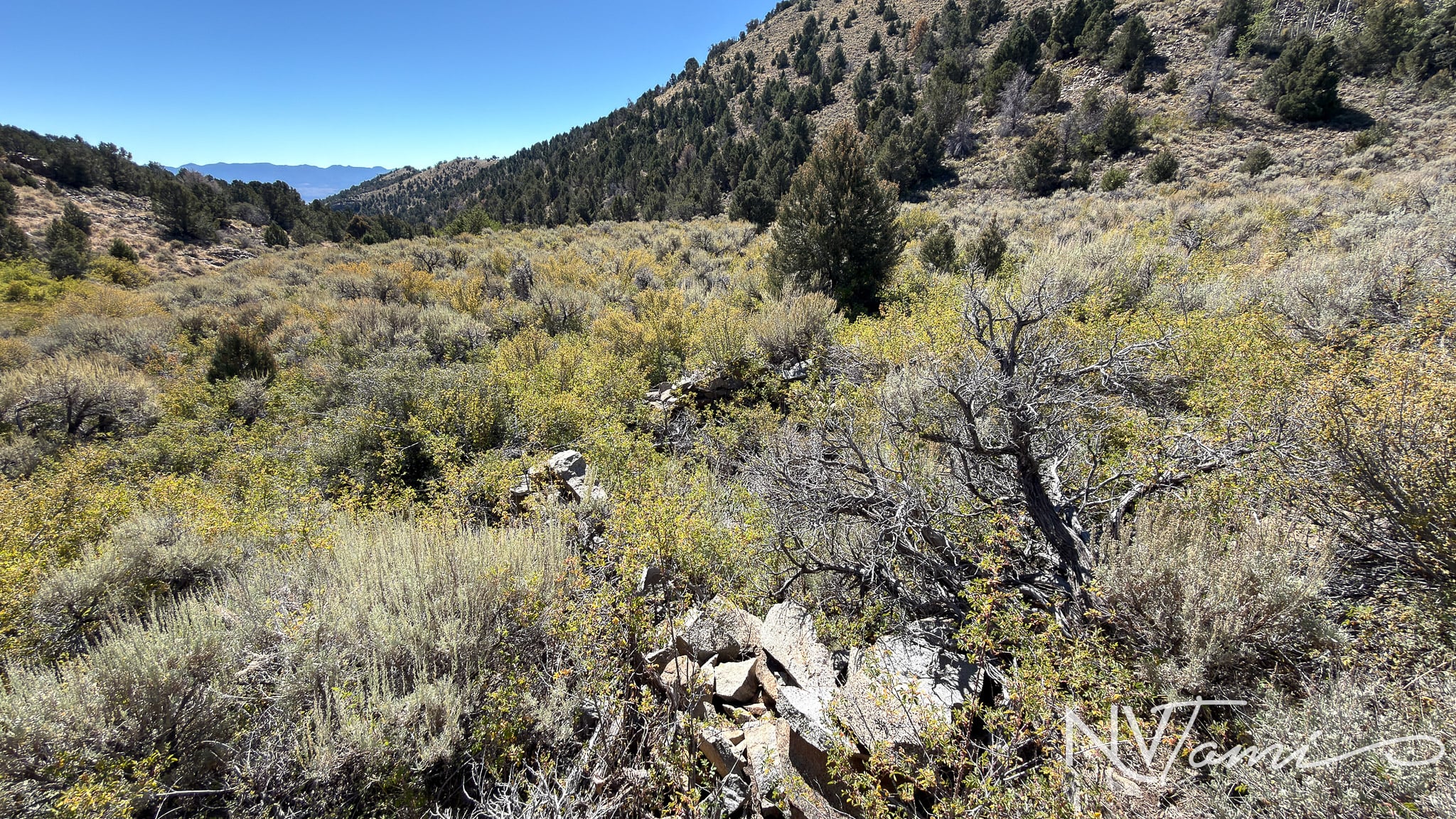
Have you heard of Nevada’s Miniature Grand Canyon?
It is not a mining camp. It is a creek canyon in the Monitor Range, on the east side of Monitor Valley, where water has cut a narrow opening through the rock. The walls close in, the creek drops over a few benches, and in a wetter season those benches become a short run of waterfalls. A good reminder that not every stop on a ghost-town loop was built by a stamp mill.
Tulle Creek Ranch
Tulle Creek Ranch is one of the Monitor Valley and Little Fish Lake ranch stops, the kind of place that kept miners and stockmen in groceries and water when the camps were too small to support a store. I want to dig further into who filed here and how long the house was lived in.
Clear Creek Ranch and Antelope
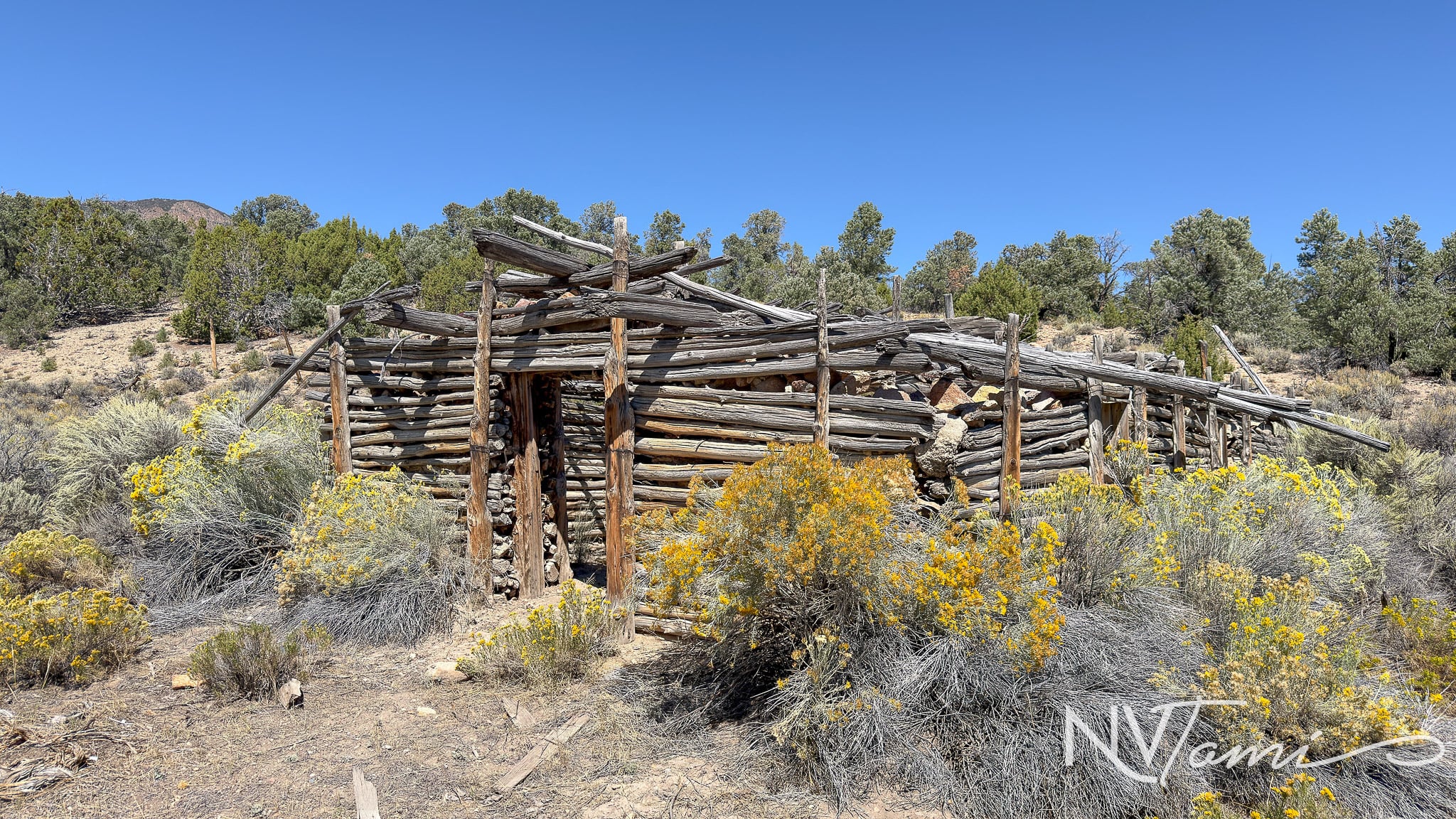
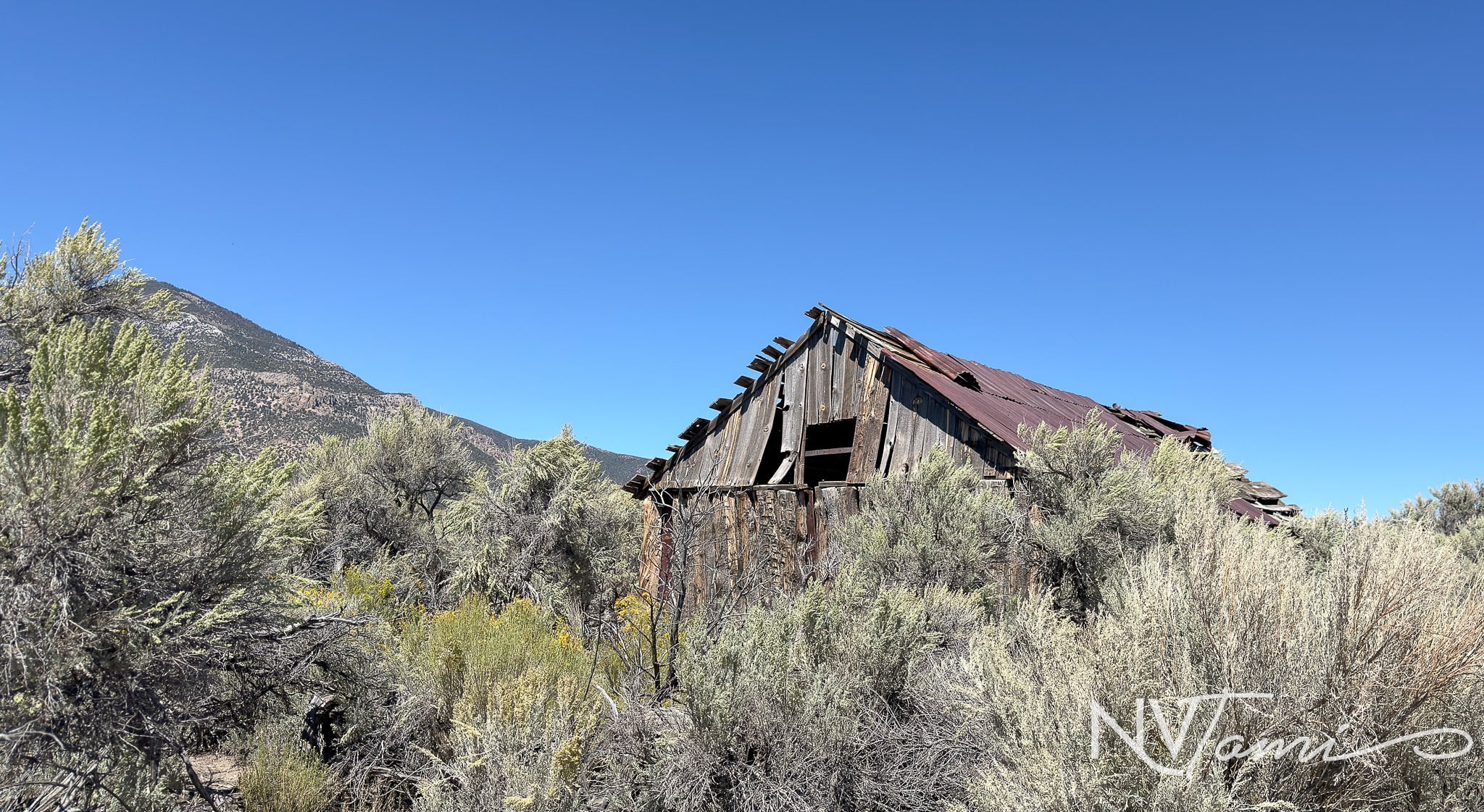
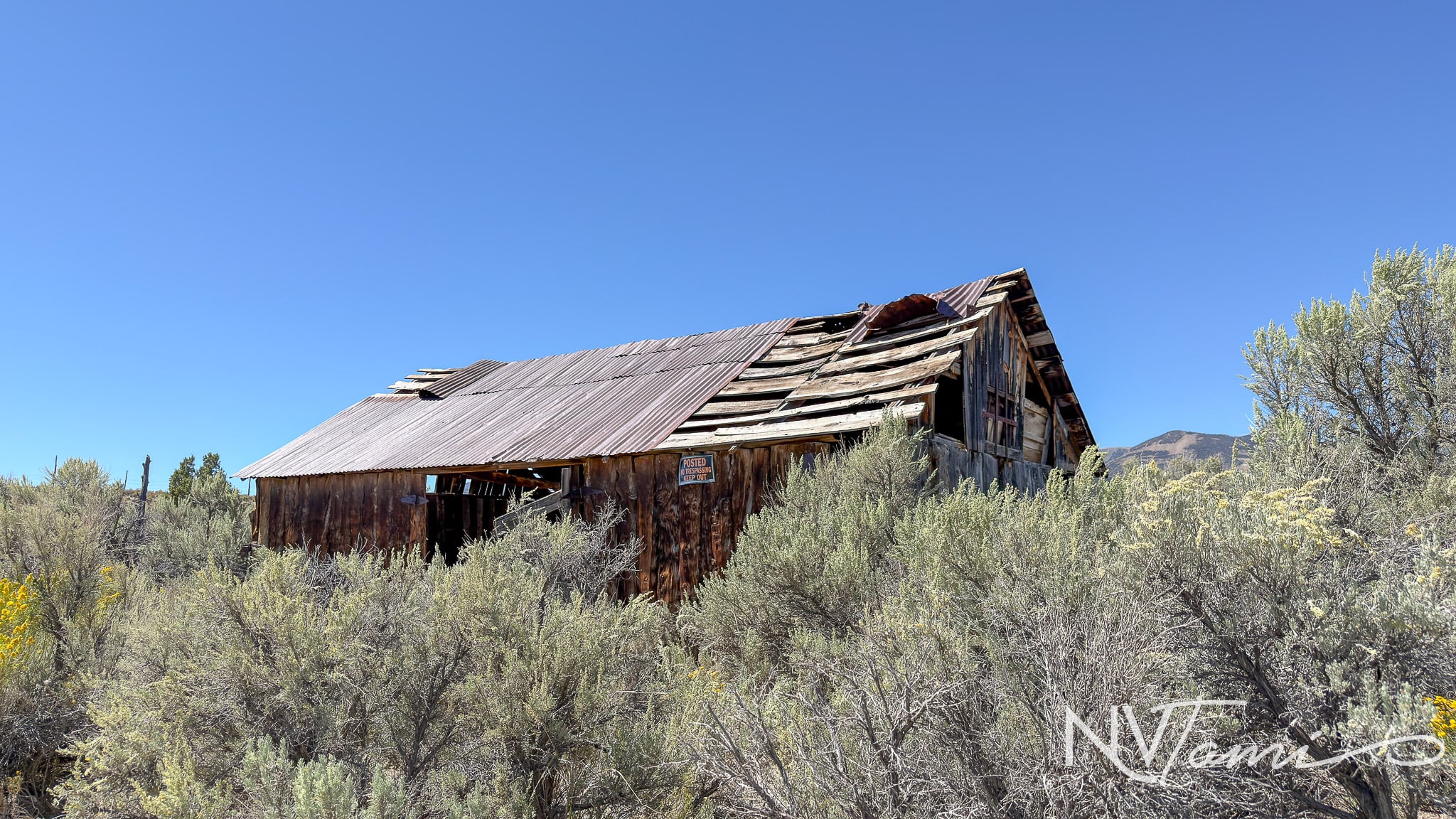
A small ranch had been active at Antelope since the 1870s. A settlement formed once mining picked up in Little Fish Lake Valley. A post office opened February 8, 1904, and closed July 31, 1908, after the camps at Danville, Stargo, and Lauville faded. Antelope went back to ranching. The ranch was abandoned in 1944.
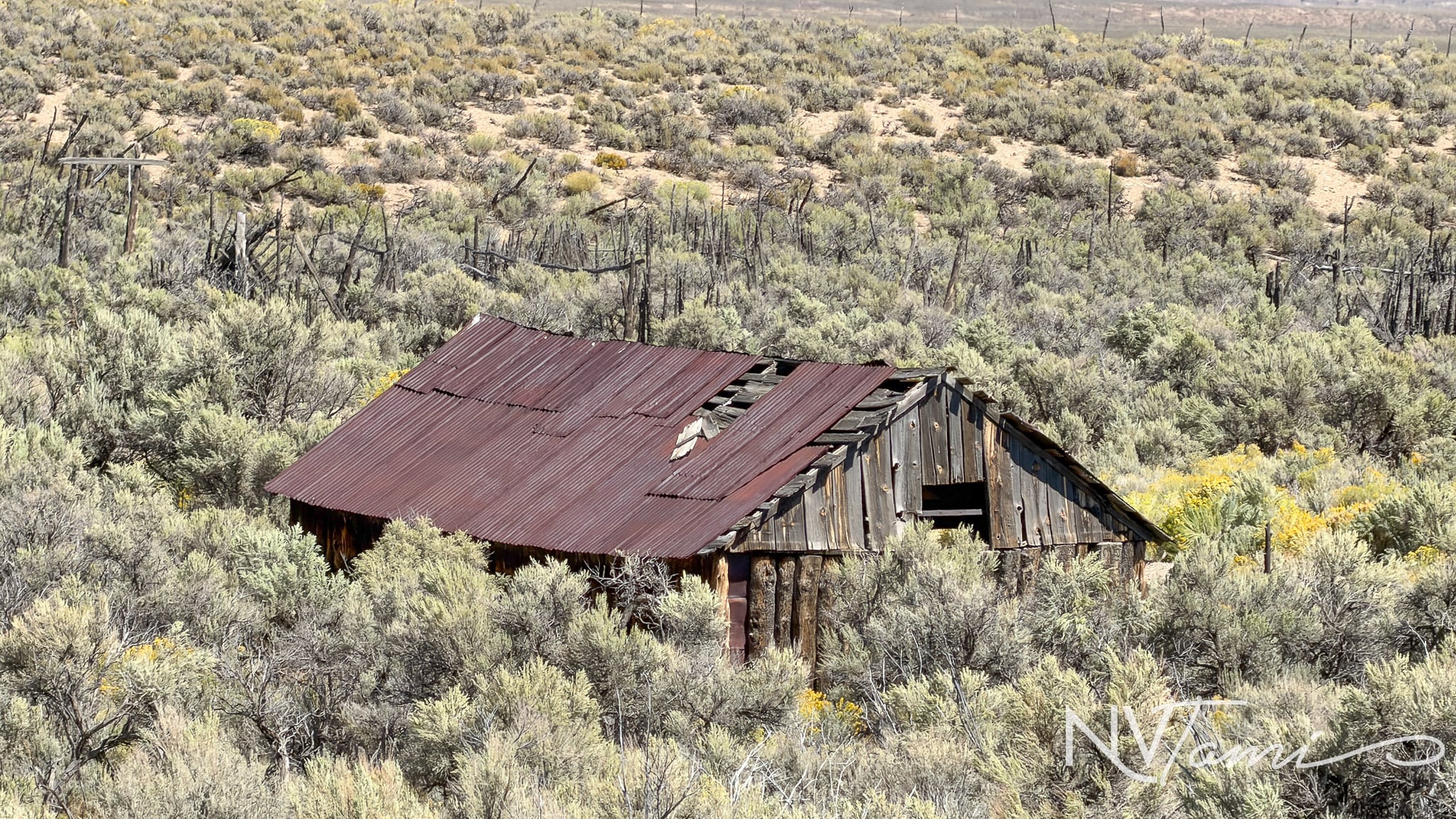
Lauville
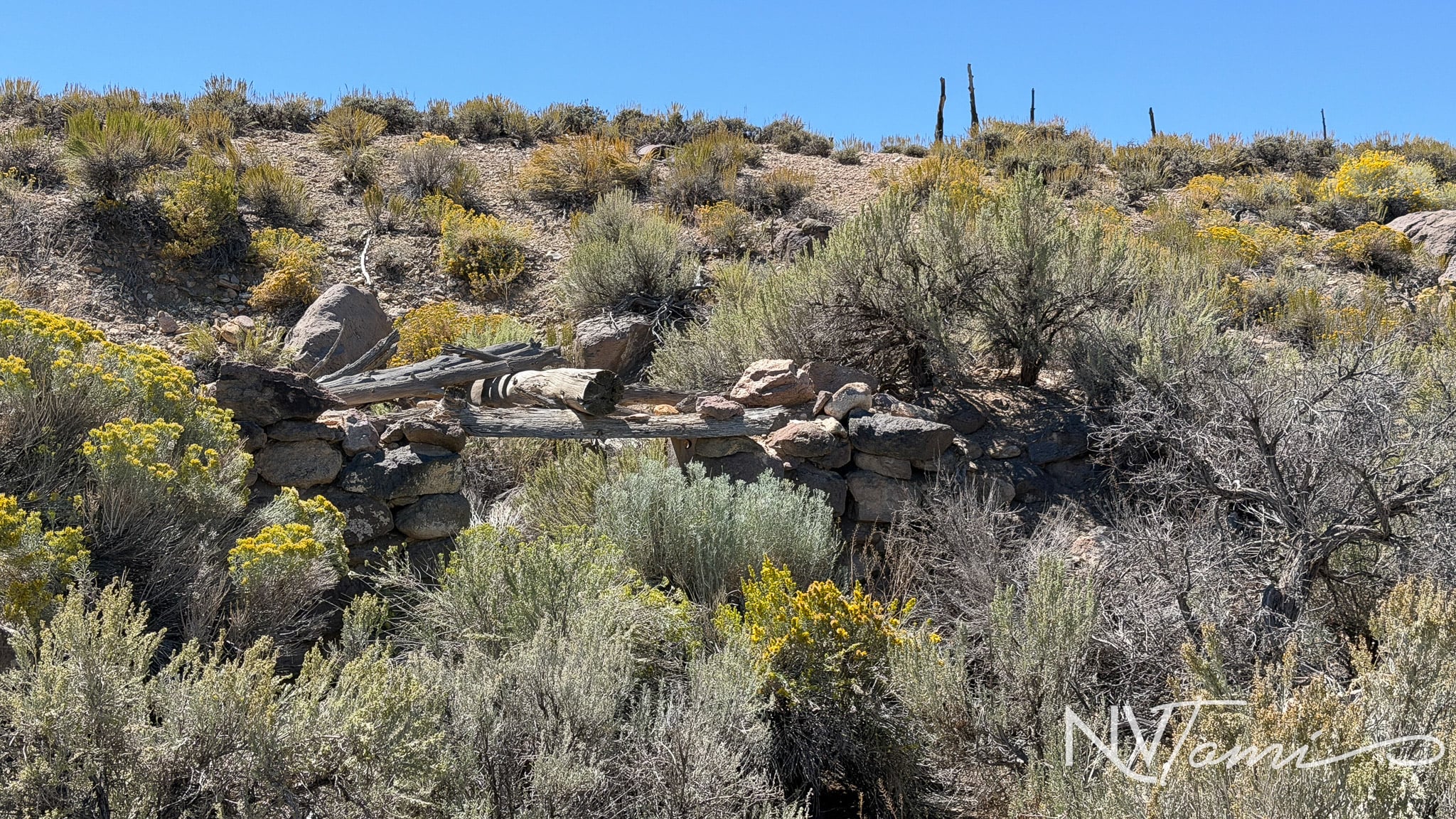
Lauville never got big enough to be called a town. No more than about fifteen people lived here, and that was in the early twentieth century. A few stone cabins and some tents were all it was. Fresh water is the reason anyone stopped. Lauville disappeared from the maps in 1912.
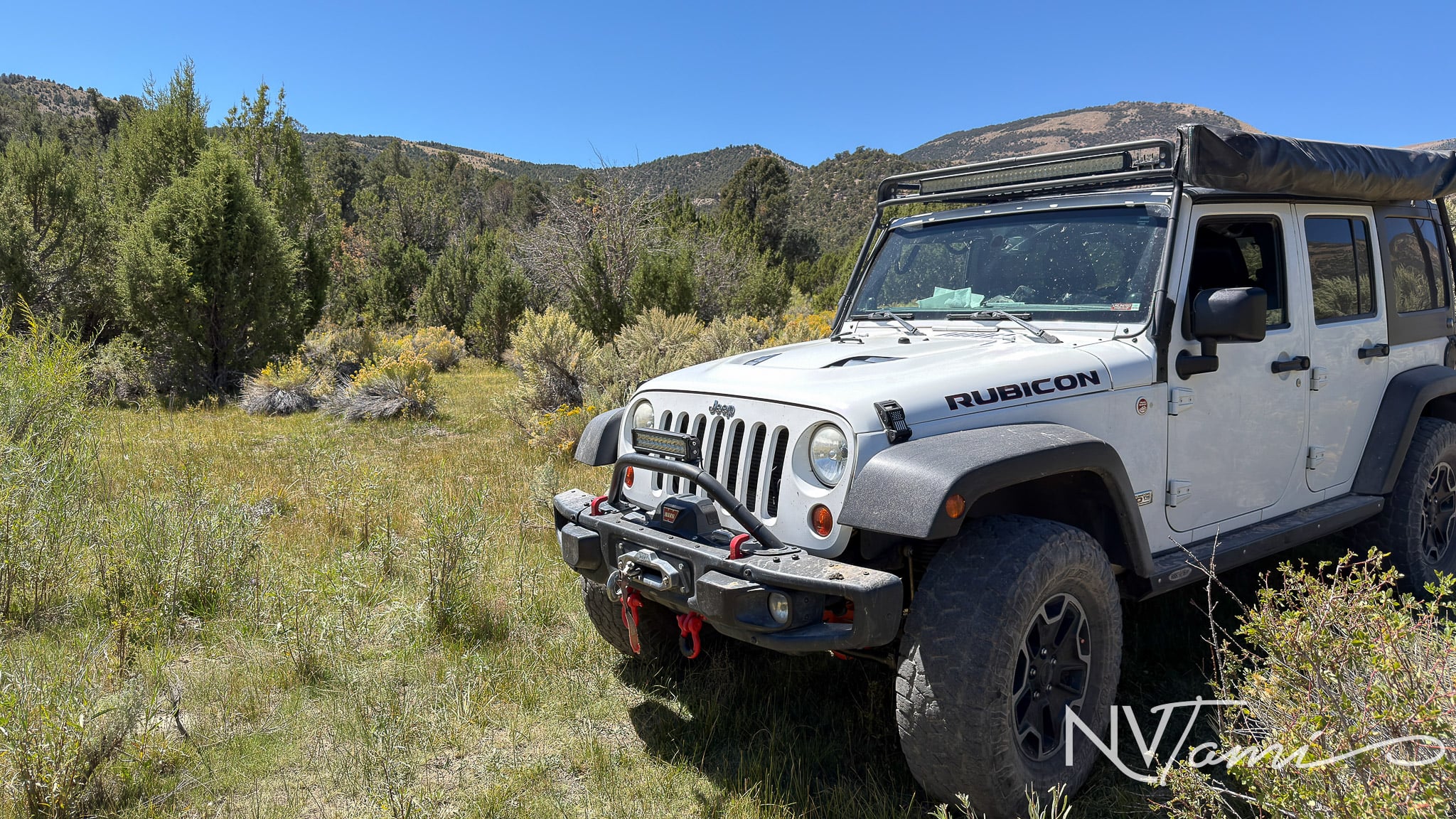
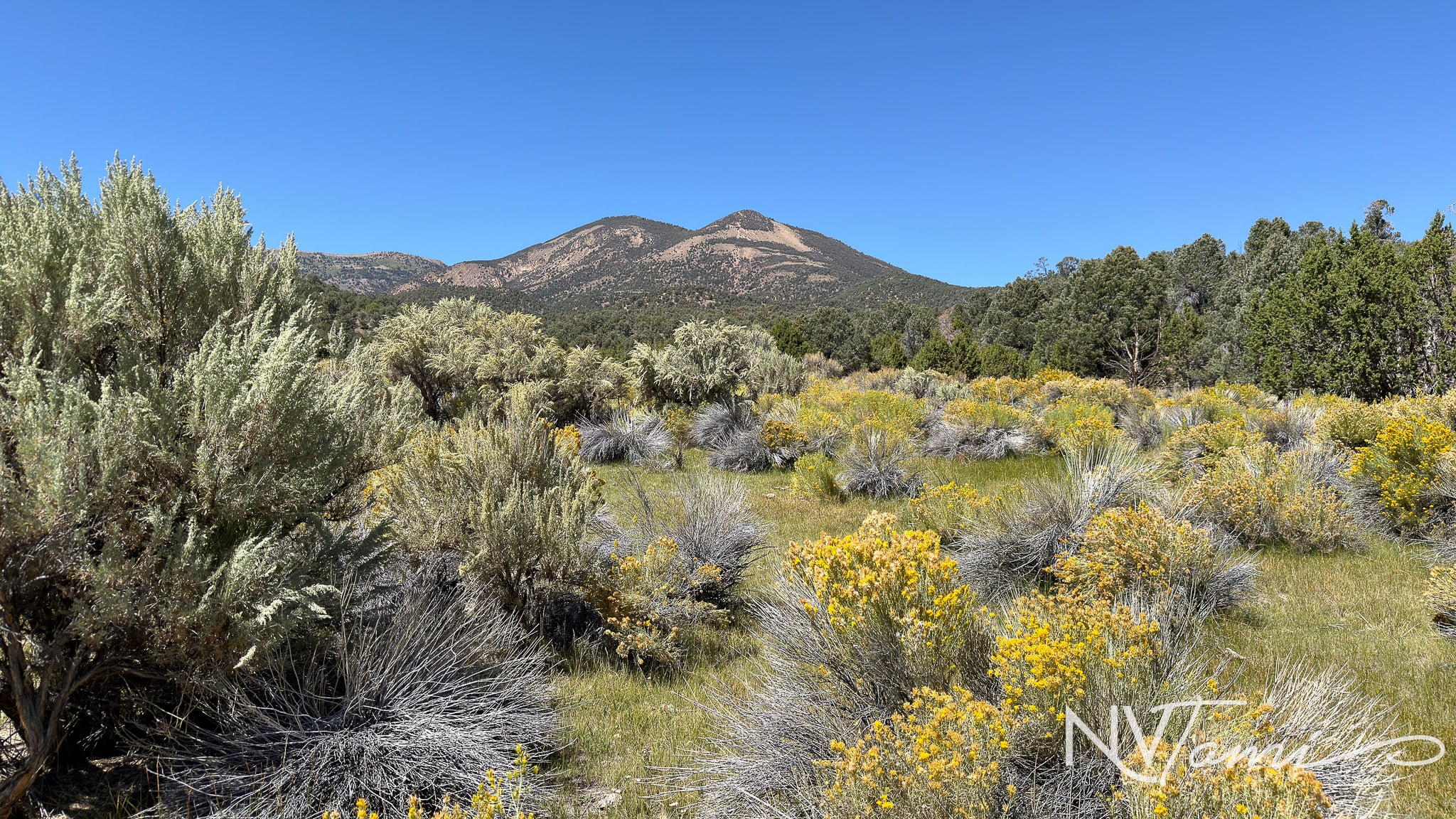
Danville
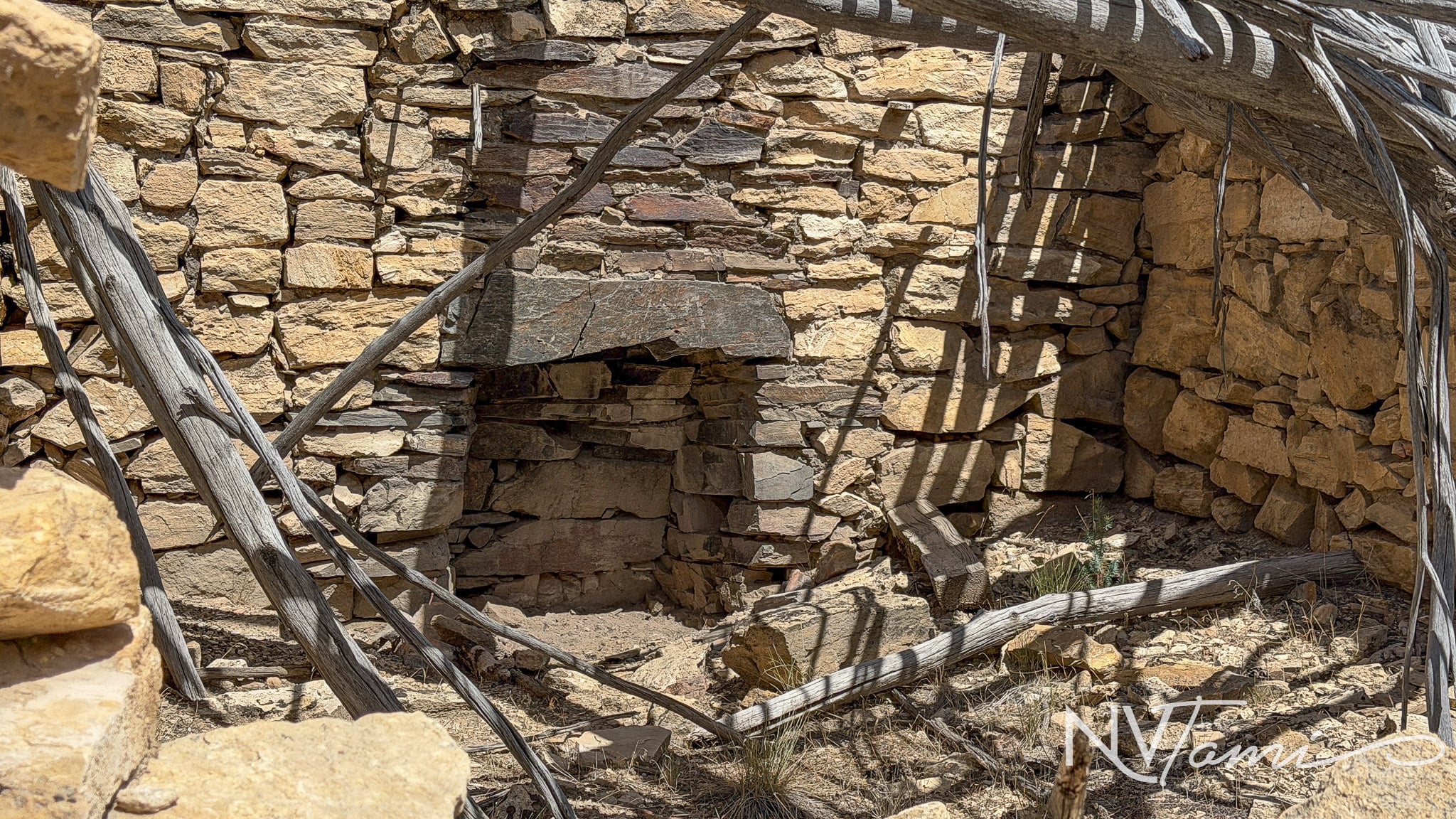
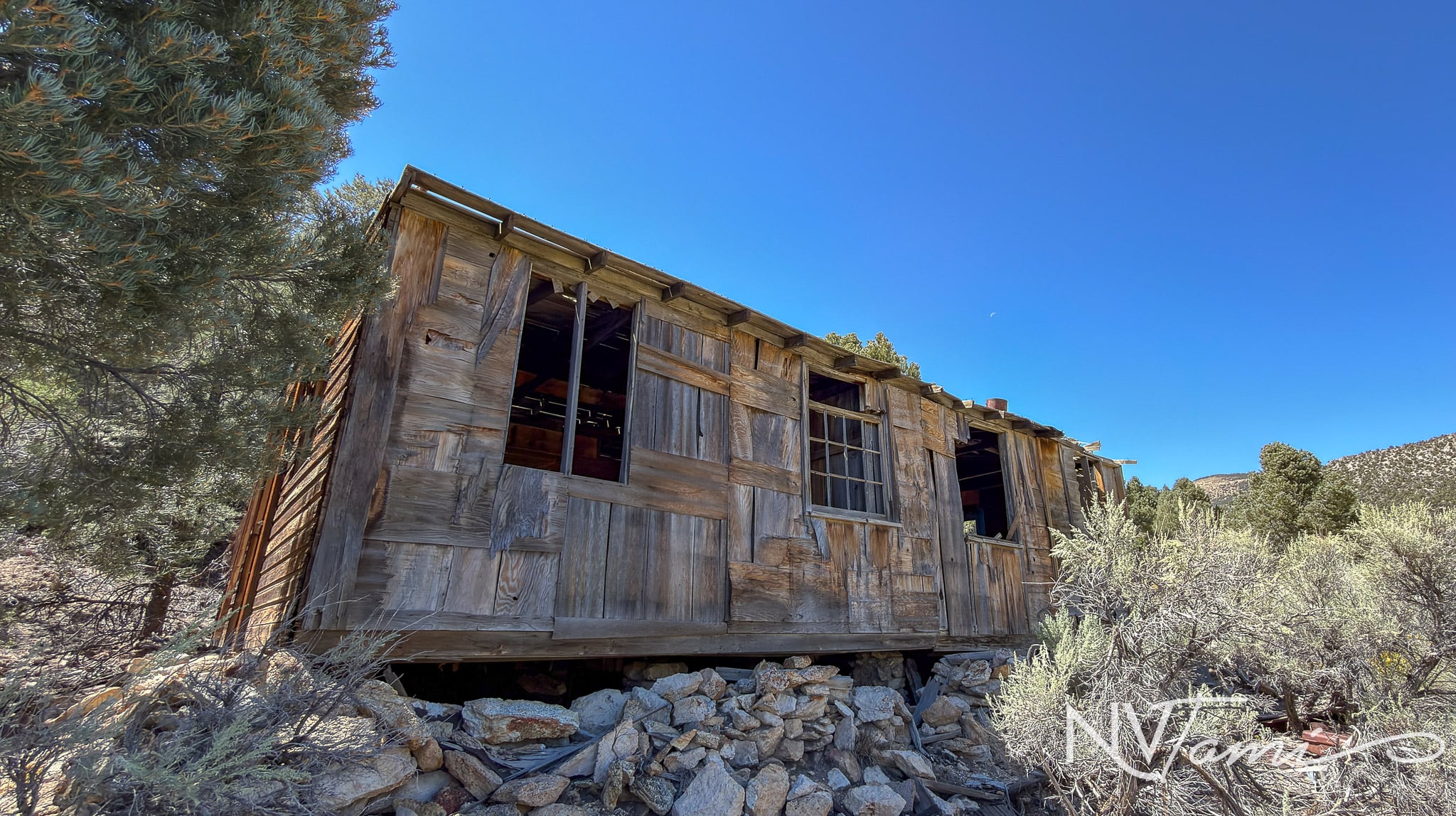
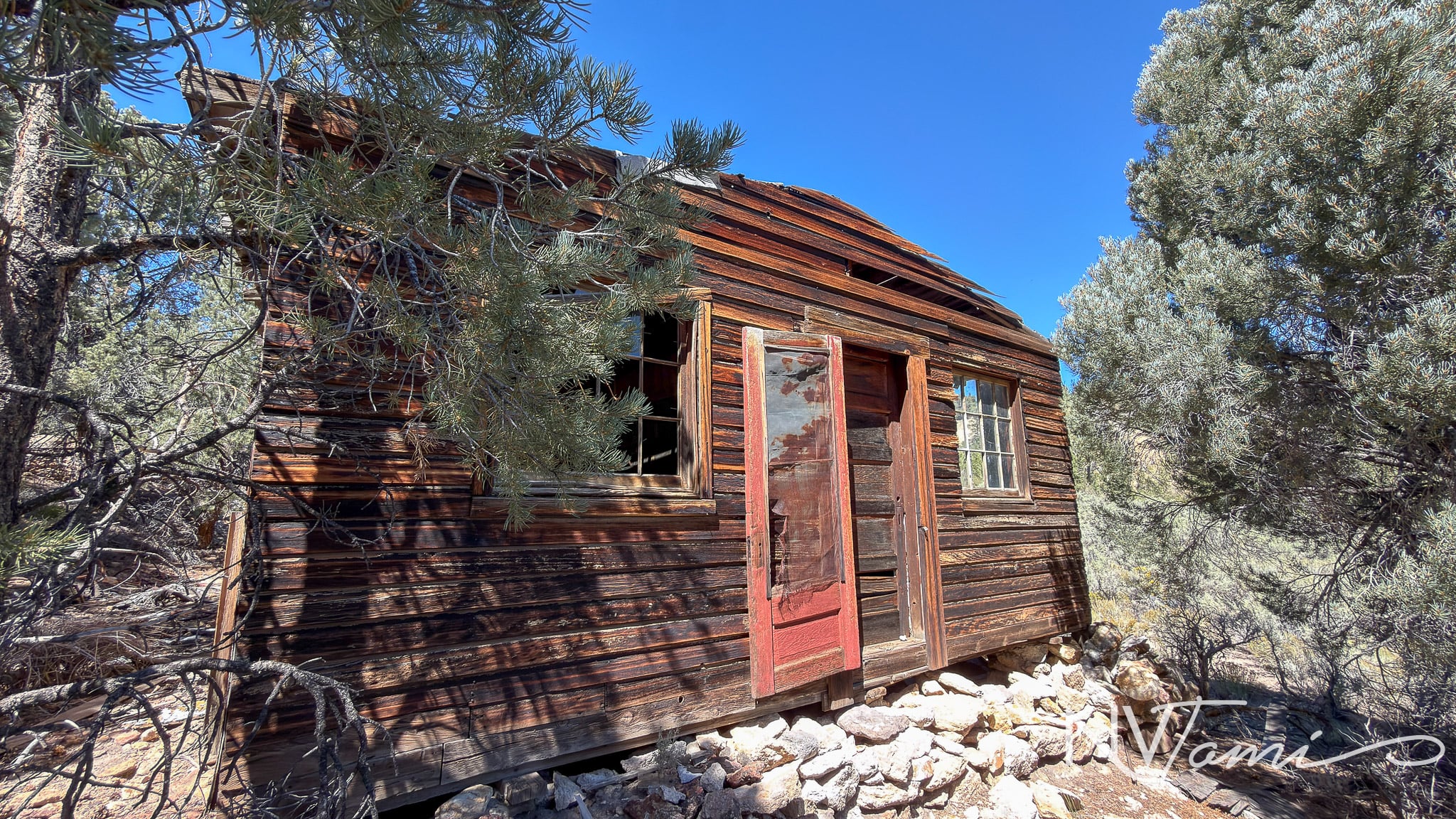
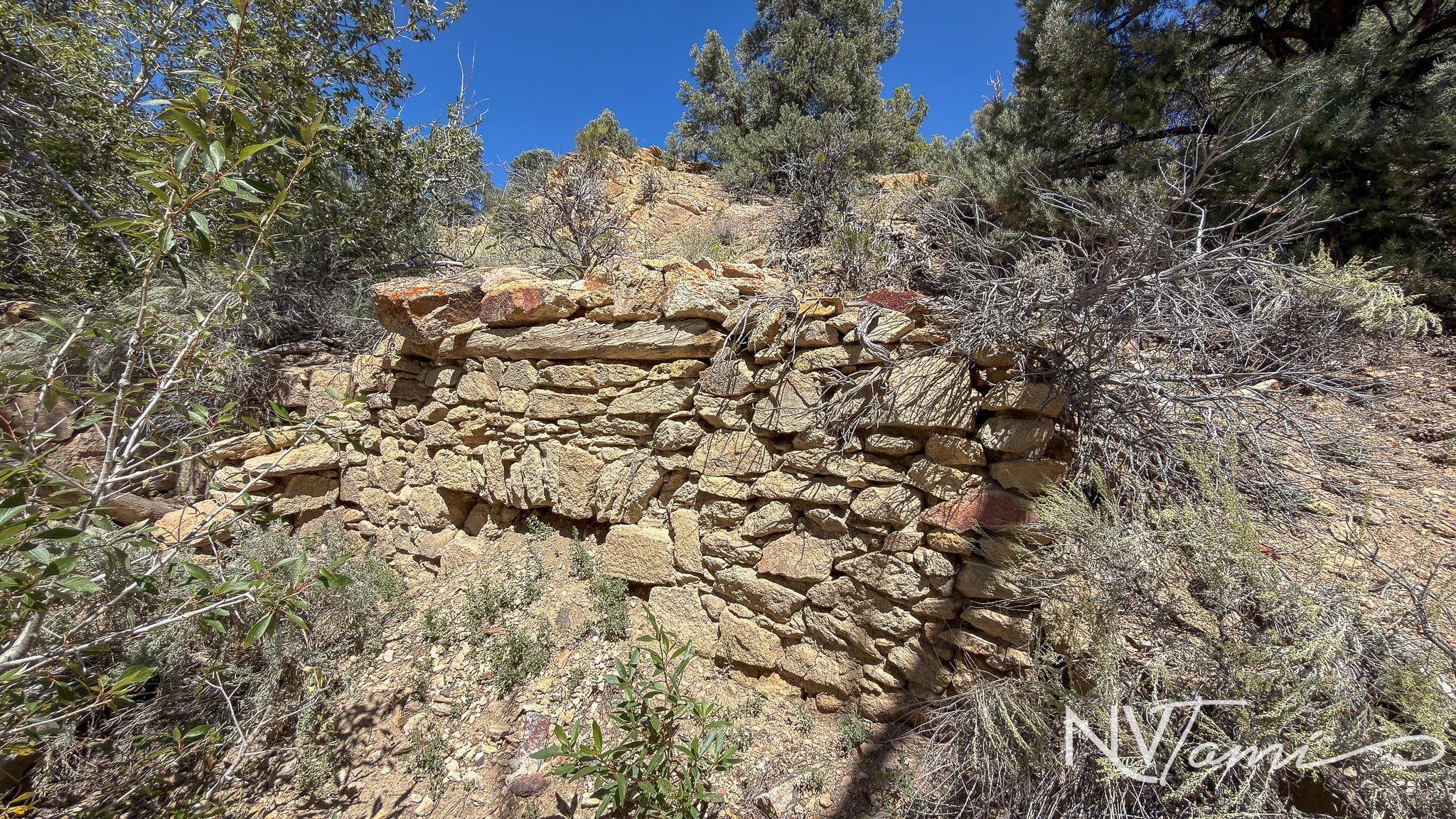
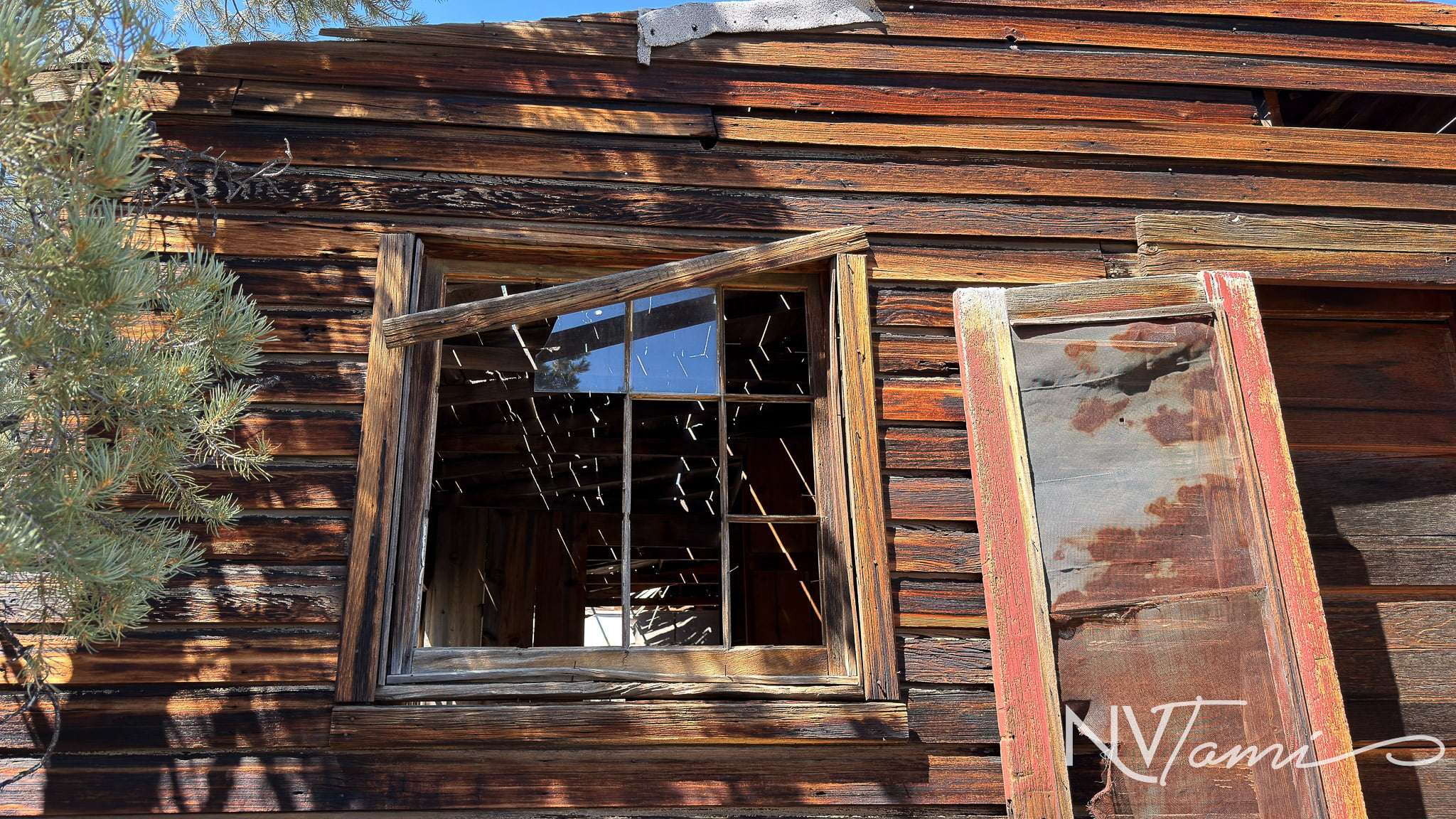
Silver brought people to Danville. Ore was found in 1866, and serious work started in 1870, when close to thirty miners were in the canyon. By January 1, 1882, five people were left. A new discovery in 1883 woke the camp for about a year. It was quiet again until 1909, worked into 1914, then waited for World War II. The last ore shipment left in 1949.
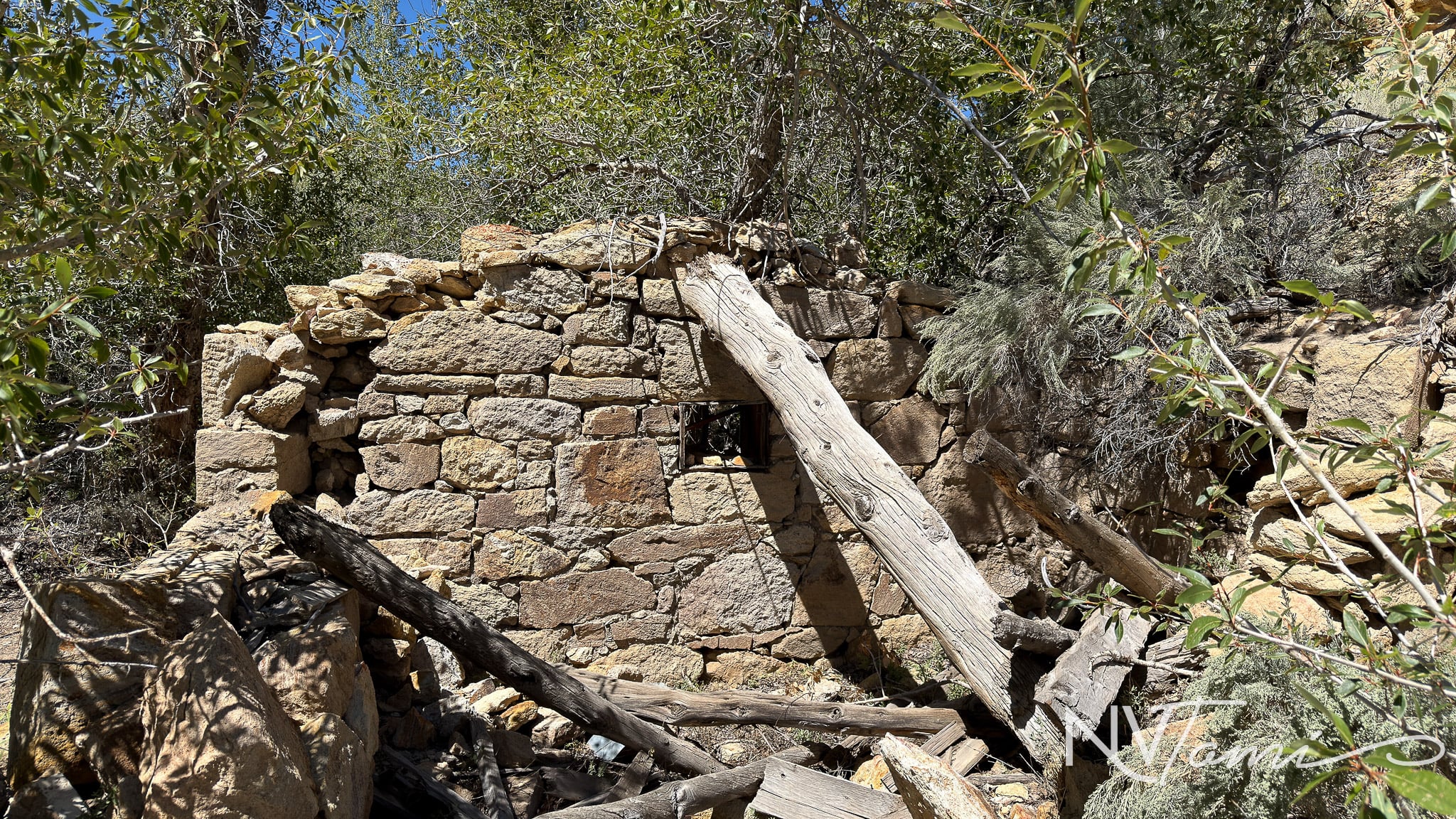
Wagon Johnnie’s Ranch
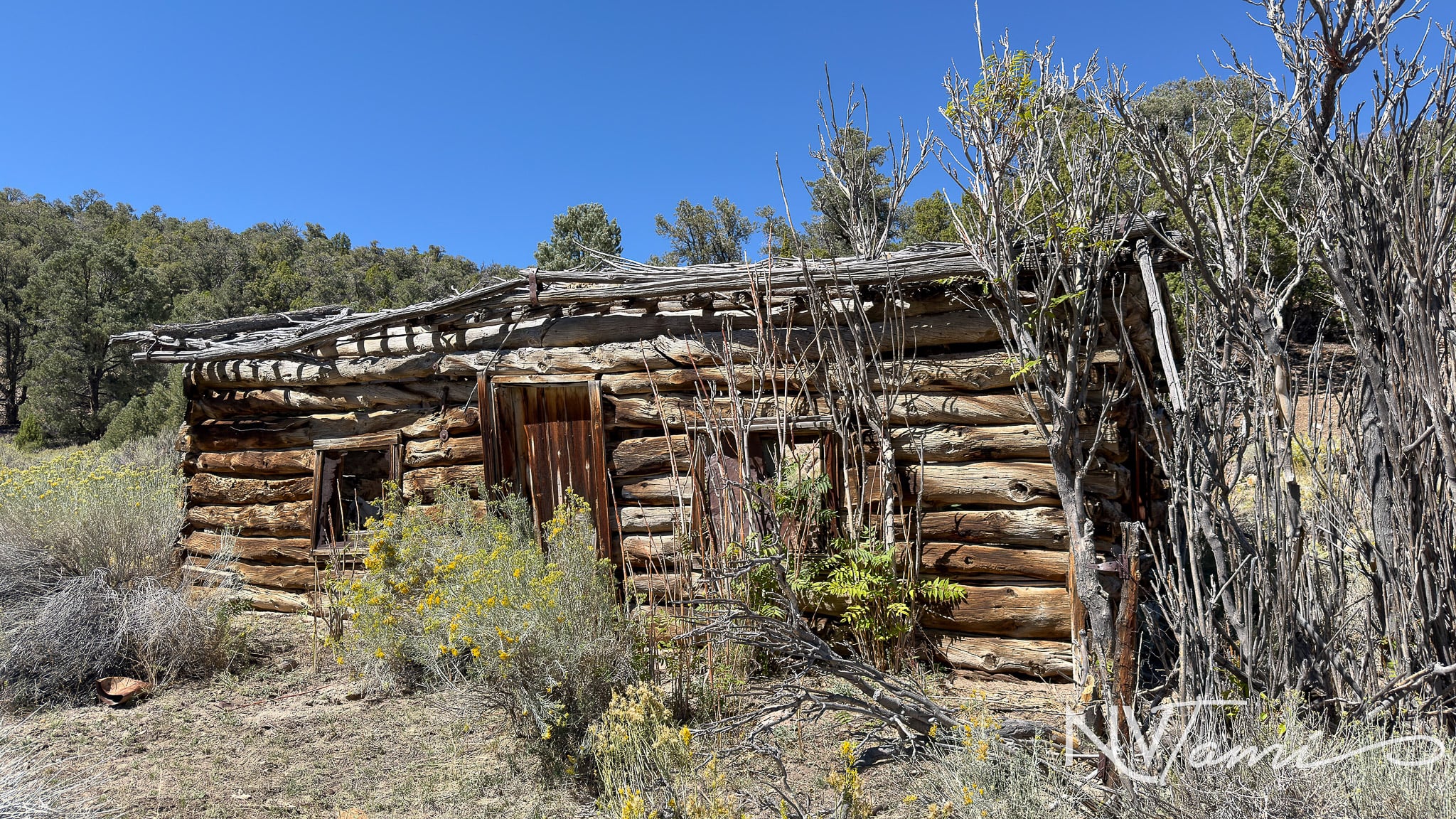
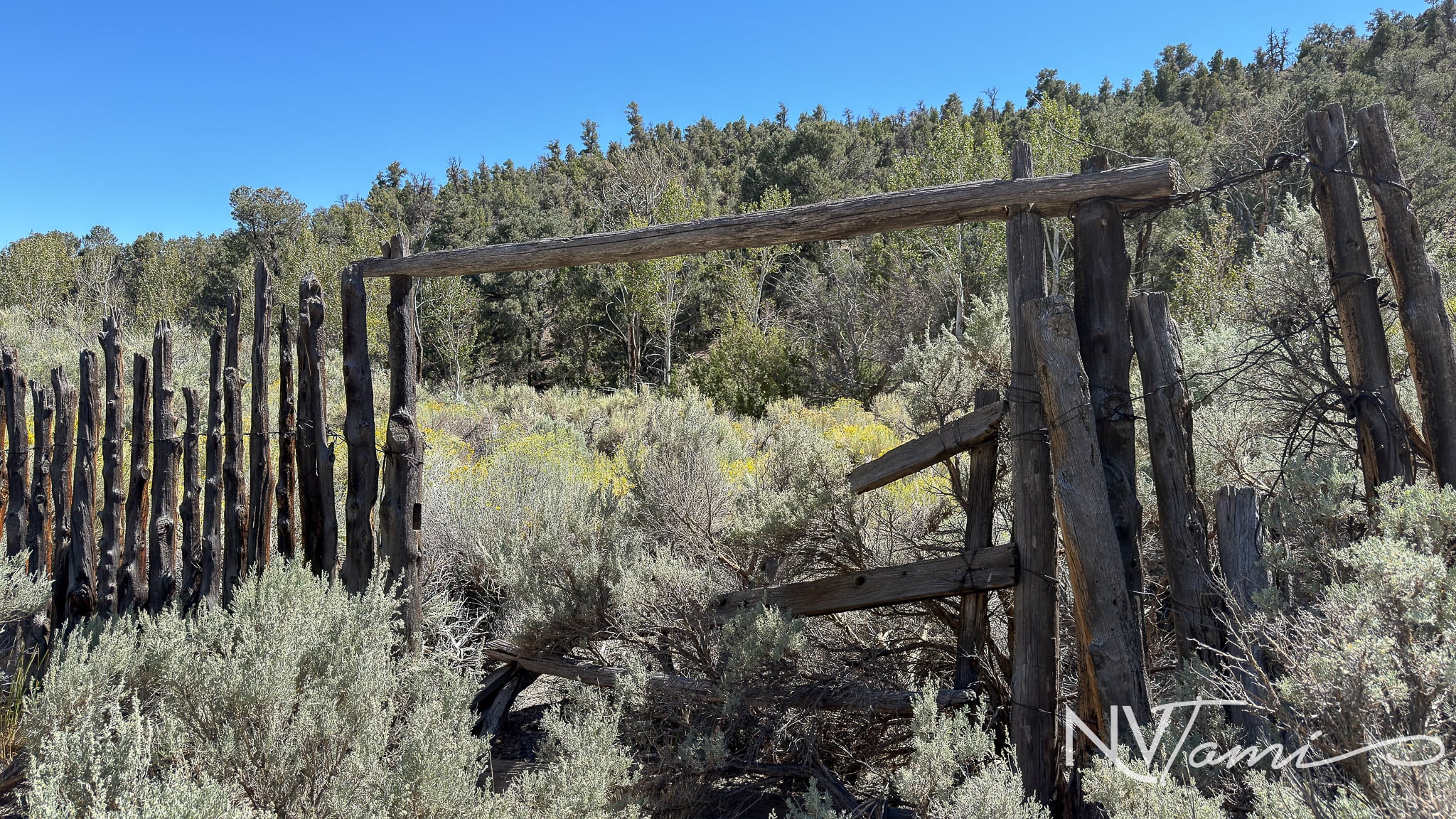
Wagon Johnnie’s Ranch sits in Danville Canyon, a few miles from the old post office and the mines. It is a ranch story more than a mining-camp story, and I want another pass through the records before I put a family name on the gate. Spelling varies: Wagon Johnnies and Wagon Johnnie.
Northumberland Mill
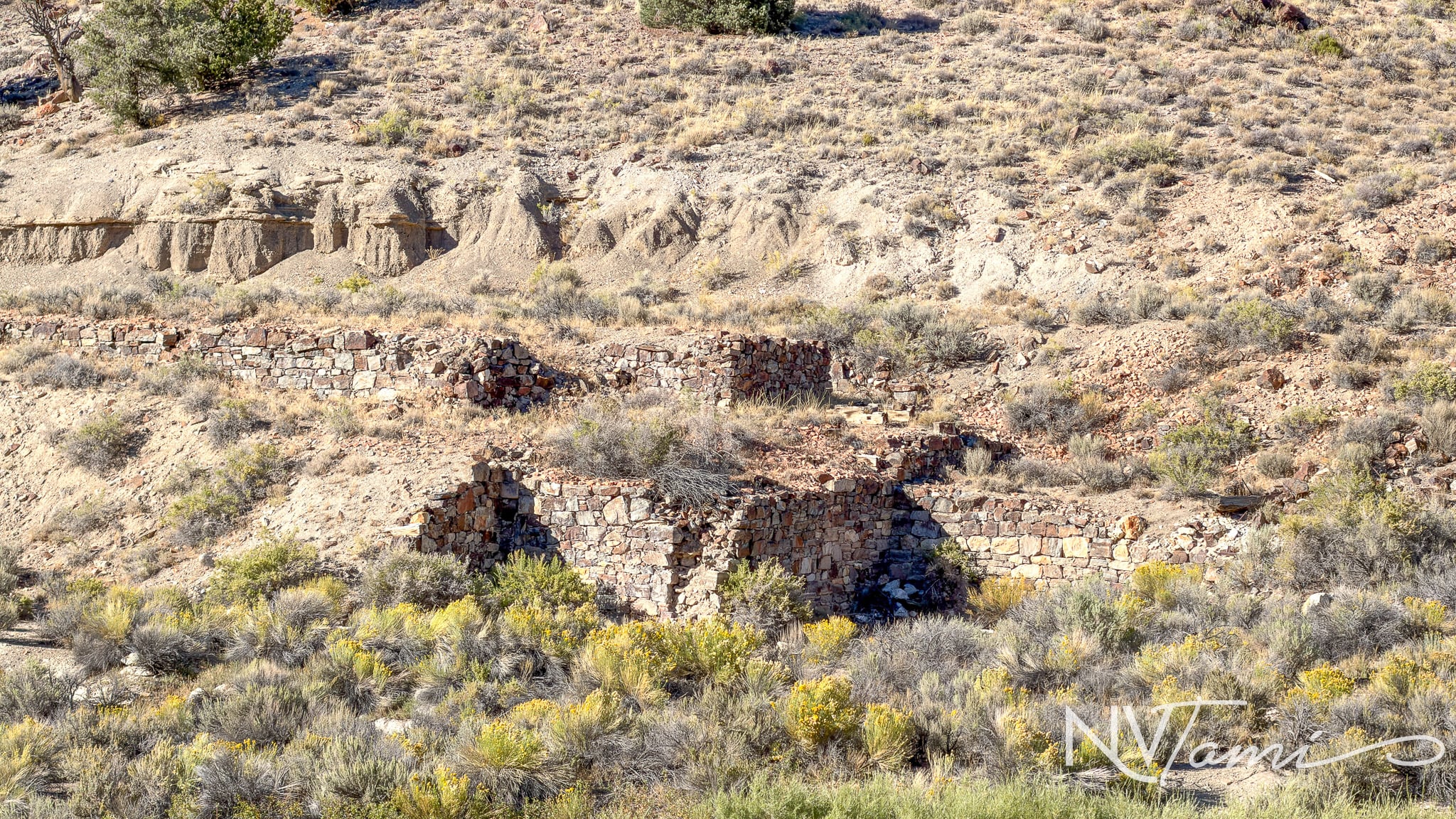
Depending on which newspaper you trusted in 1866, two different parties found silver on the east slope of the Toquimas that July. The ore did not hold, and the district was quiet by 1870. The Monitor and the Blue Bell revived it in the late 1870s. A town started in 1879, with a store, a boarding house, saloons, and a freight line to Austin. For a while the Belmont–Austin stage overnighted in town. A 10-stamp mill built in 1879 ran about three months. By 1881 the camp was empty again.
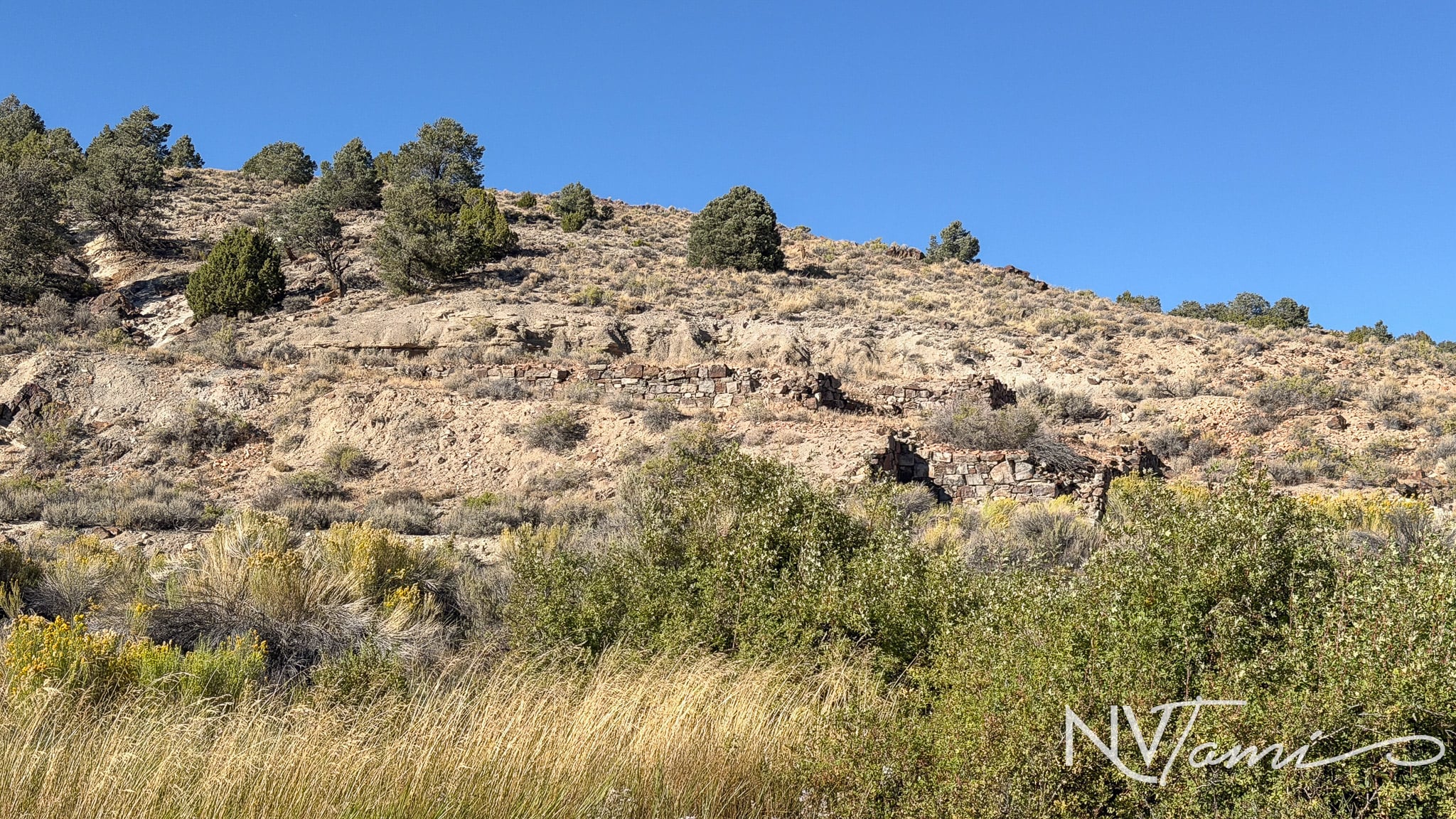
Gold changed the story in 1936. By 1939 the Northumberland Mining Company was in production and had built a camp for about seventy-five workers. In 1941 the open pit was yielding about 10,000 tons a month. World War II shut it down. Later, companies returned to the same ground.
Park Canyon
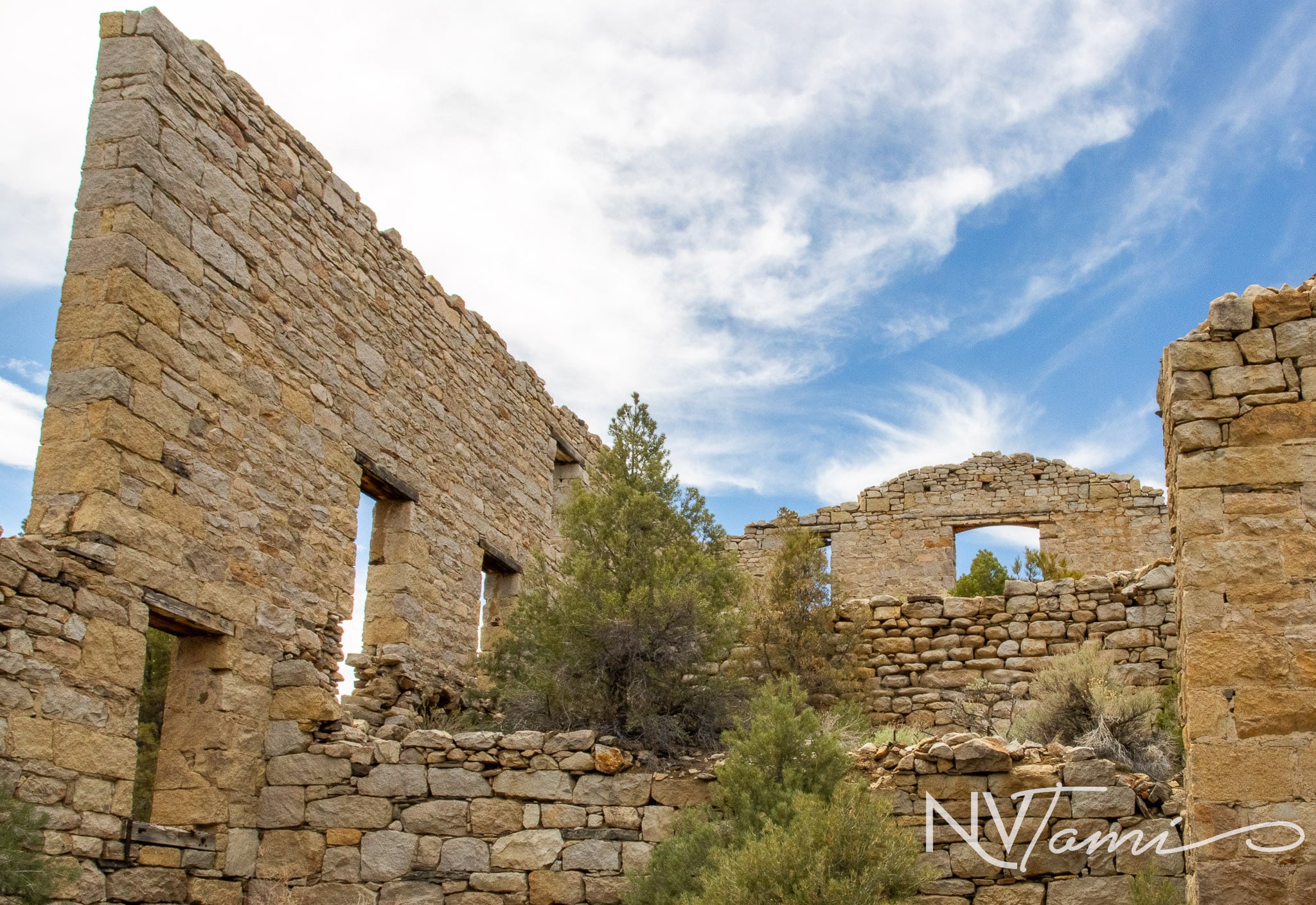
Park Canyon is a July 4th callback. On that trip I looked at Yankee Blade, where the mill was pulled in 1867 and moved to La Plata. The La Plata Company took that 10-stamp mill to Park Canyon the same summer and set it up in a brick-and-stone building. Ore from the North Twin River district had been going to Austin since the camp opened in 1865.
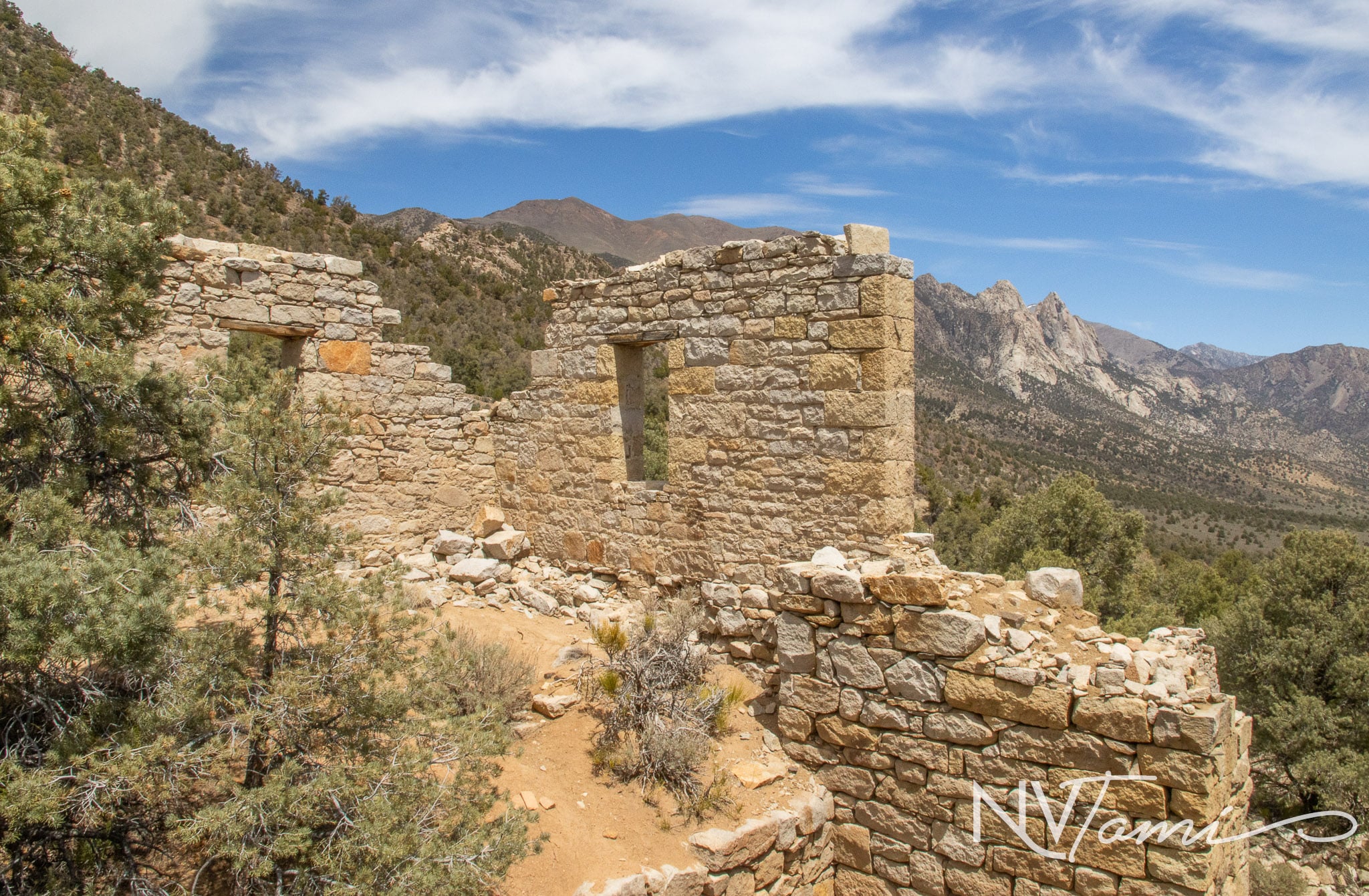
It came back in 1885. A post office lasted from January 25 to November 11, 1886. The longest revival started in 1905. A new 5-stamp mill ran in 1912 and 1913, and J. W. Lonn tried the old La Plata mill. By 1916 the canyon was quiet. One more try, 1937 to 1941, put an 800-foot tram and a 10-ton ore bucket on the Giant claim. The country-rock walls of the stamp mill are the reason to walk in.
Pueblo
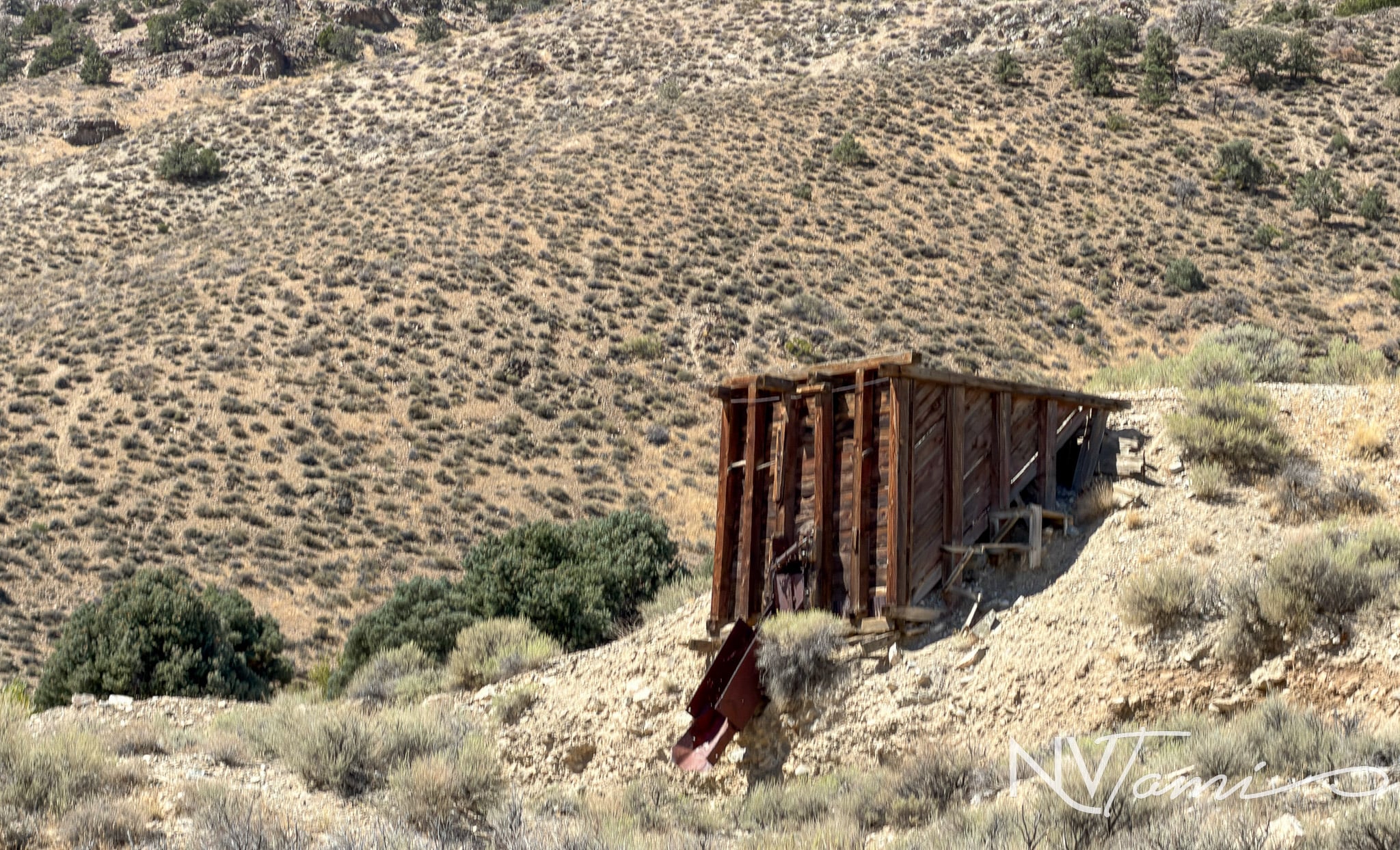
Pueblo was formed in 1862 on the heels of the Park Canyon discoveries and abandoned when nothing paid off. Shawn Hall tells the revival this way: in 1905, a prospector found a skeleton beside one of the two streams near the old townsite, an old gold pan next to the man, and dirt from the pan, in the story, assayed at $5,000 a ton. Within weeks, sixty tents were up. By 1906 the camp was said to hold nearly 500 people. The veins were shallow, and by the next summer Pueblo had emptied. I would pursue that skeleton story rather than treat it as mere campfire history.
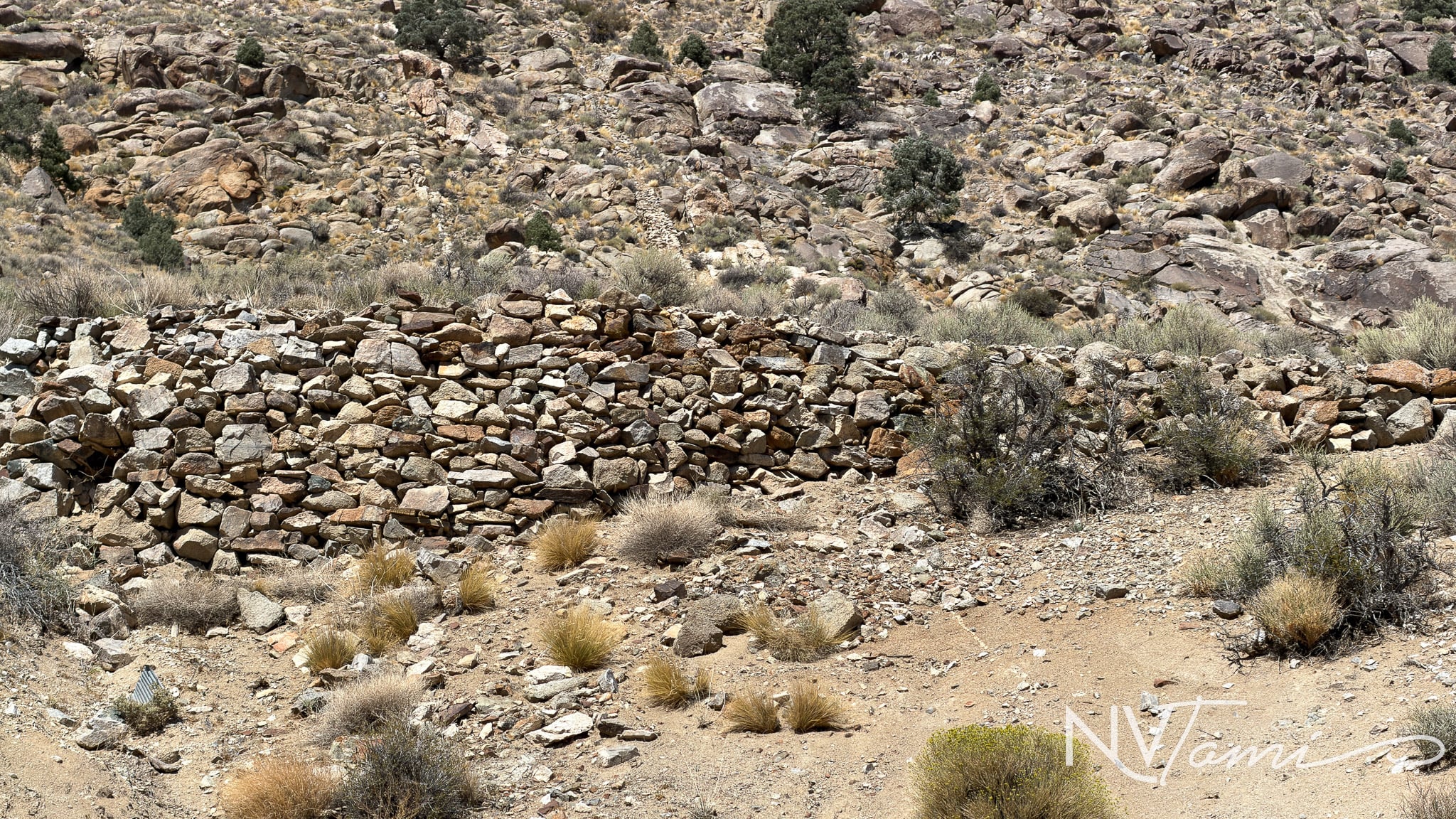
I’ve visited the ore bin before, but the rock was was new.
Wisconsin Canyon
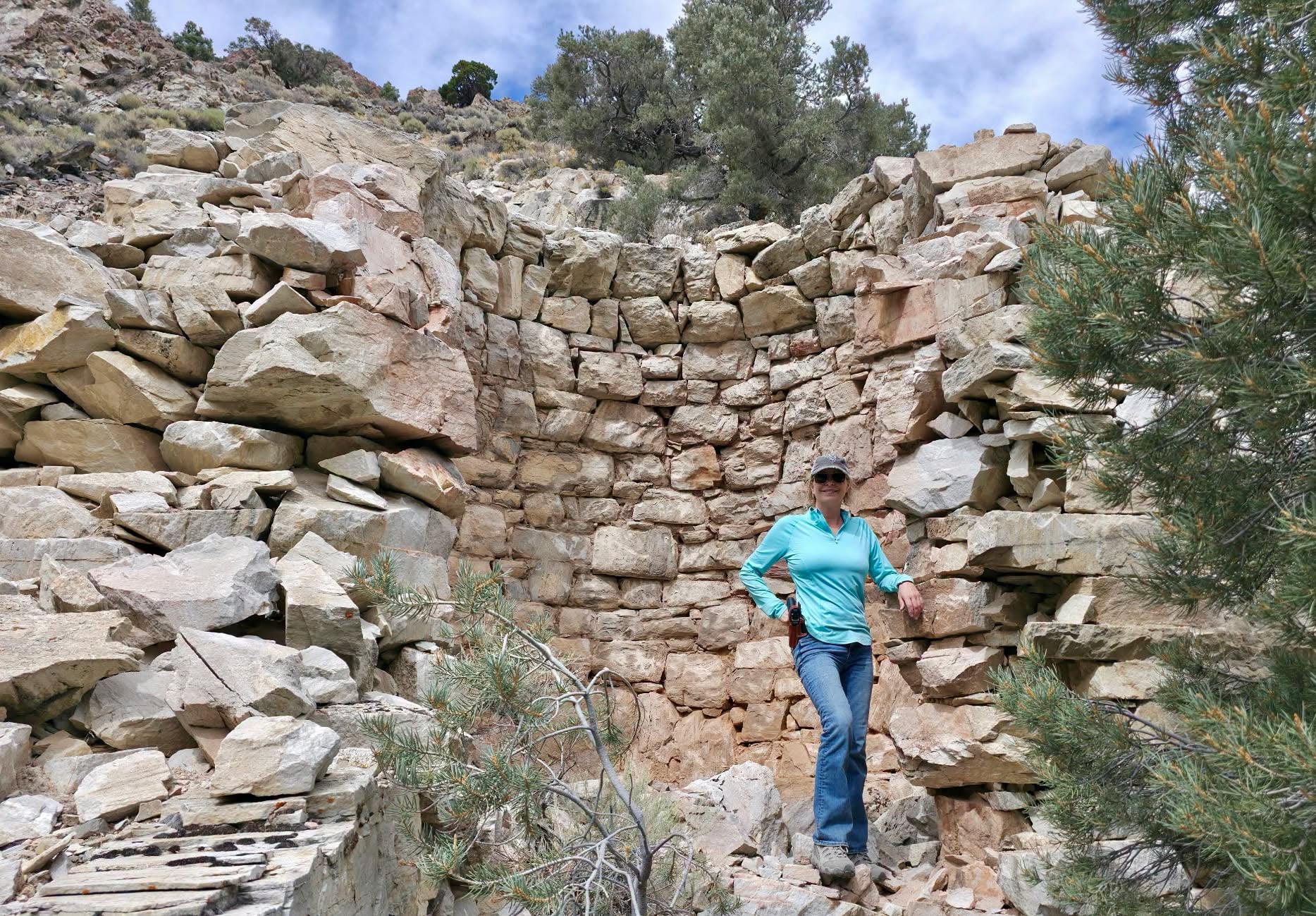
Wisconsin Canyon is one of the water canyons that made ranching in Big Smoky possible. By the 1860s, John L. Smith, on what became the Rogers Ranch and later part of the RO, was turning water out of Summit, Wisconsin, Ophir, and Last Chance creeks. The lasting use was hay and cattle for the boomtowns.
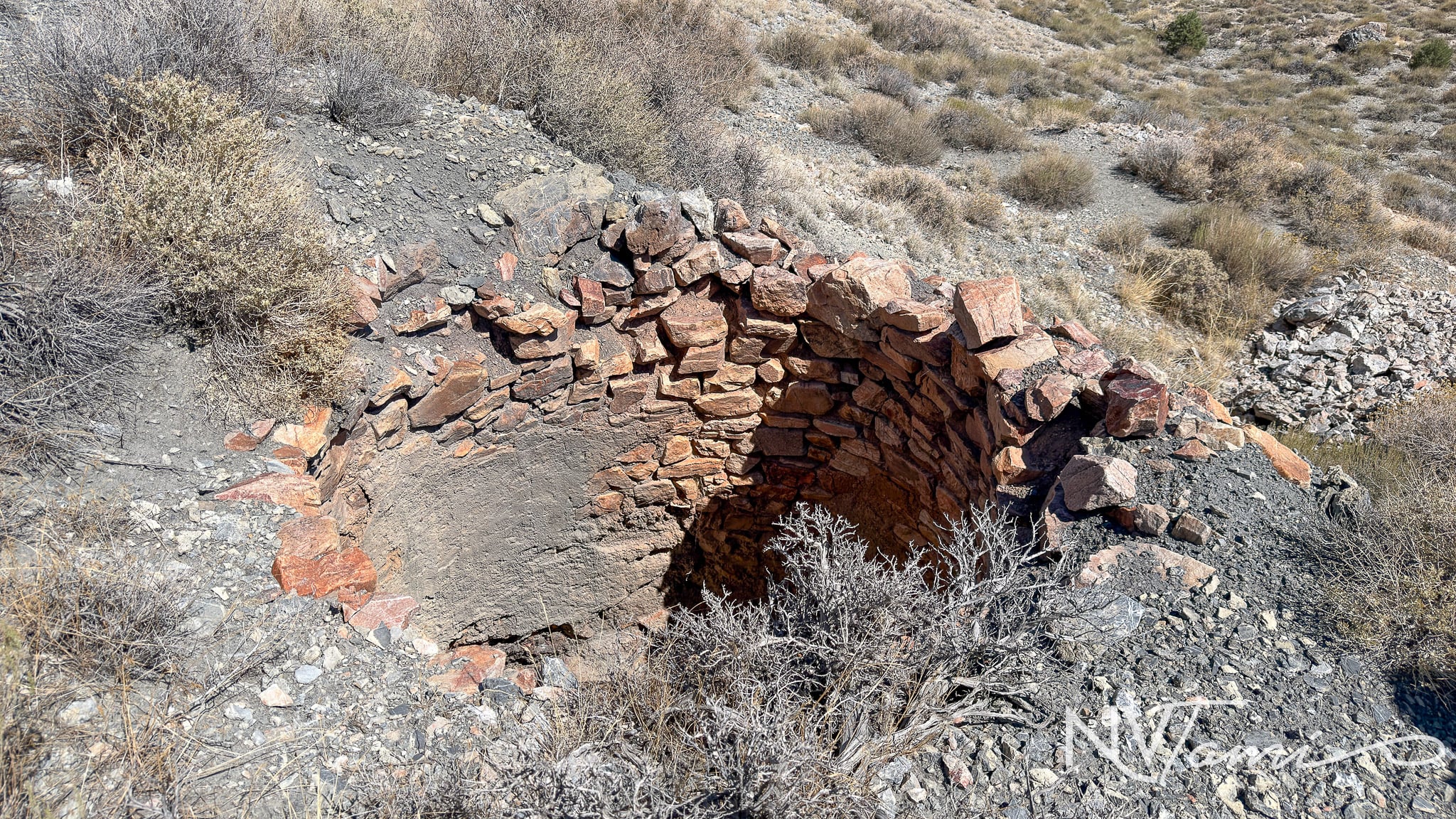
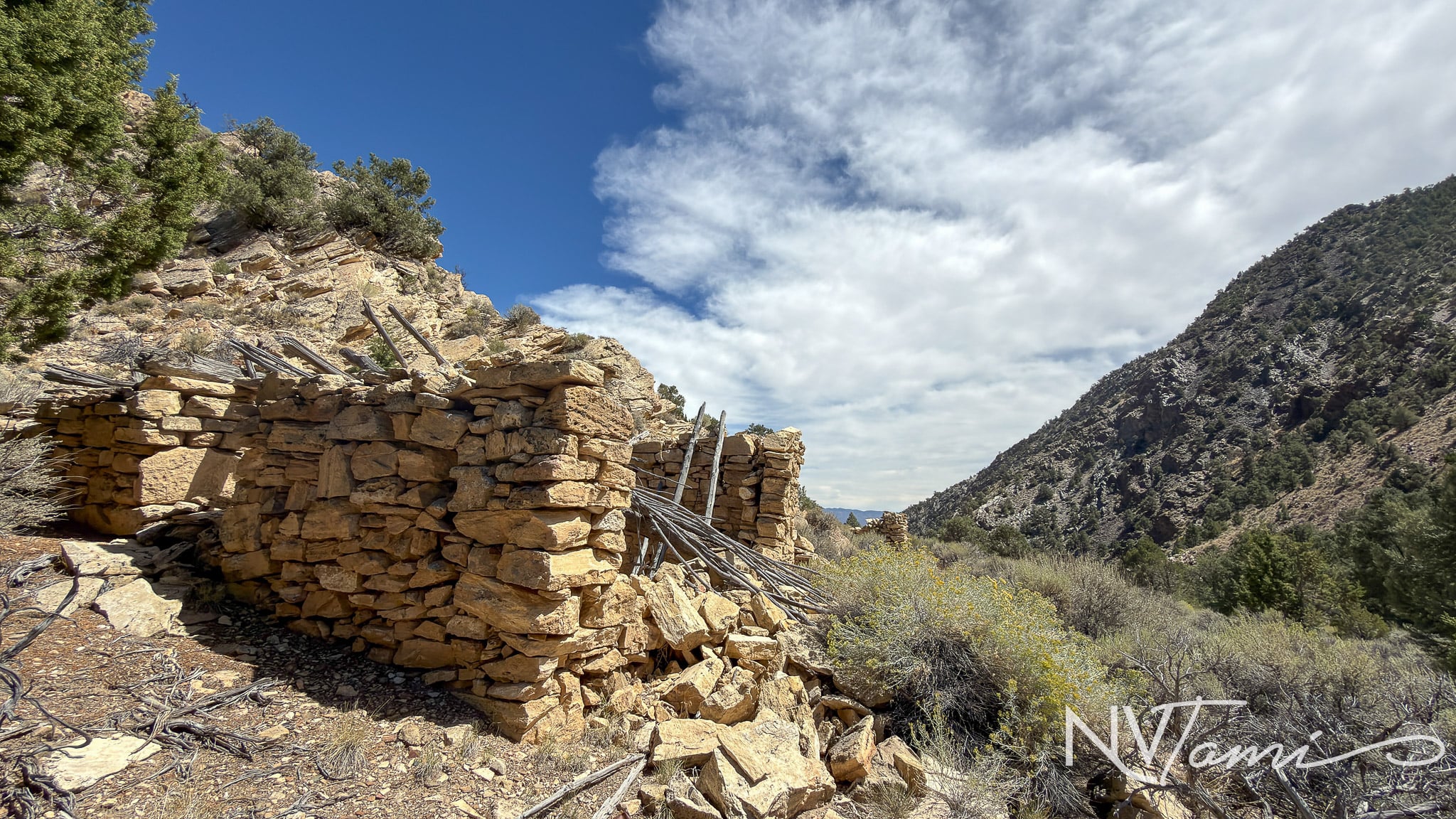
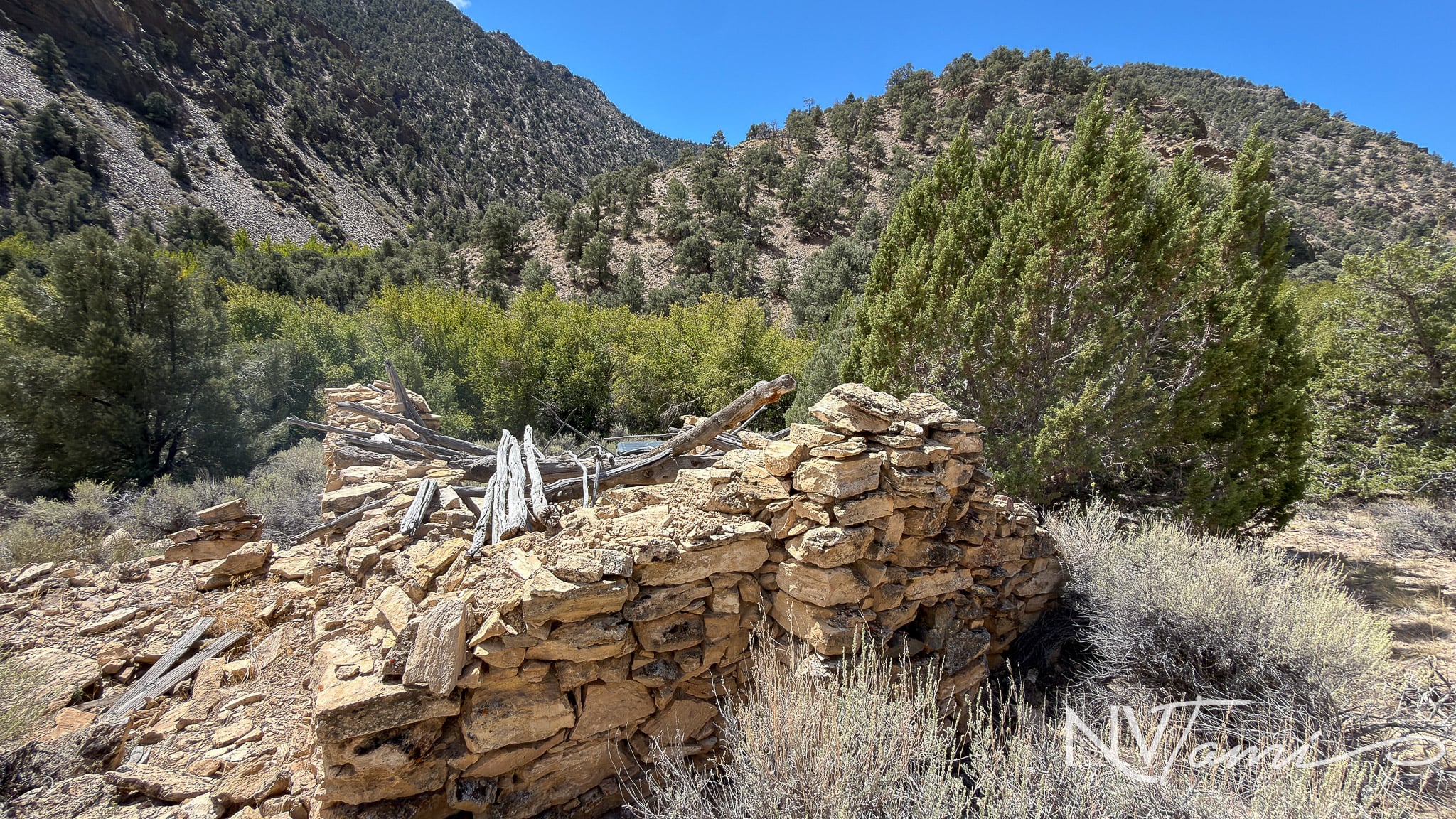
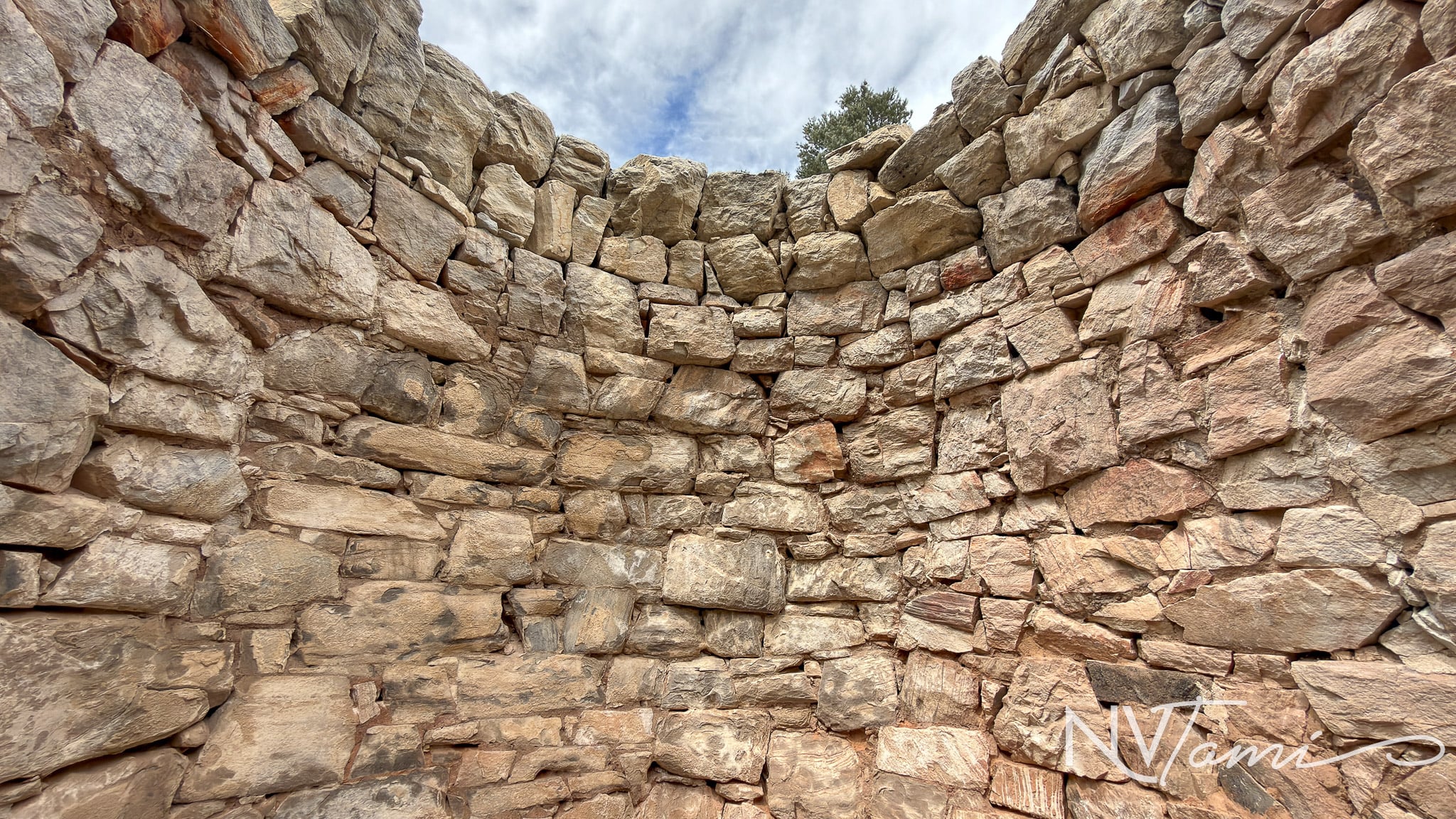
Searching for a kiln, we located another kiln, and a cool stone cabin.
Carvers
Carvers is not a ghost town. It is the small Big Smoky community that took the Carver name. Dick Carver, a county commissioner, was at the center of the 1994 Jefferson Canyon road fight with the Forest Service. Carvers is also the practical stop for anyone working Round Mountain and the old Toquima camps.
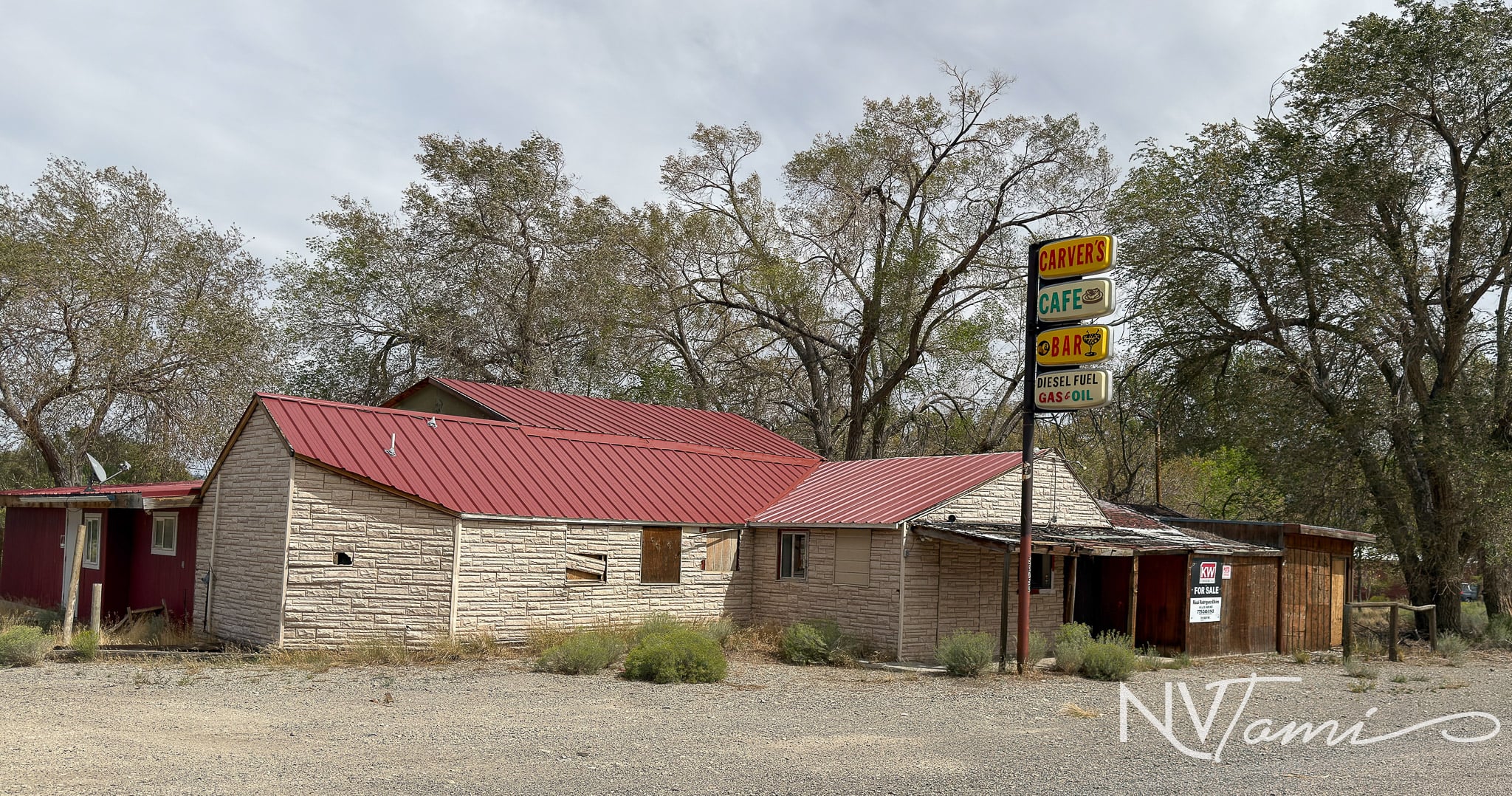
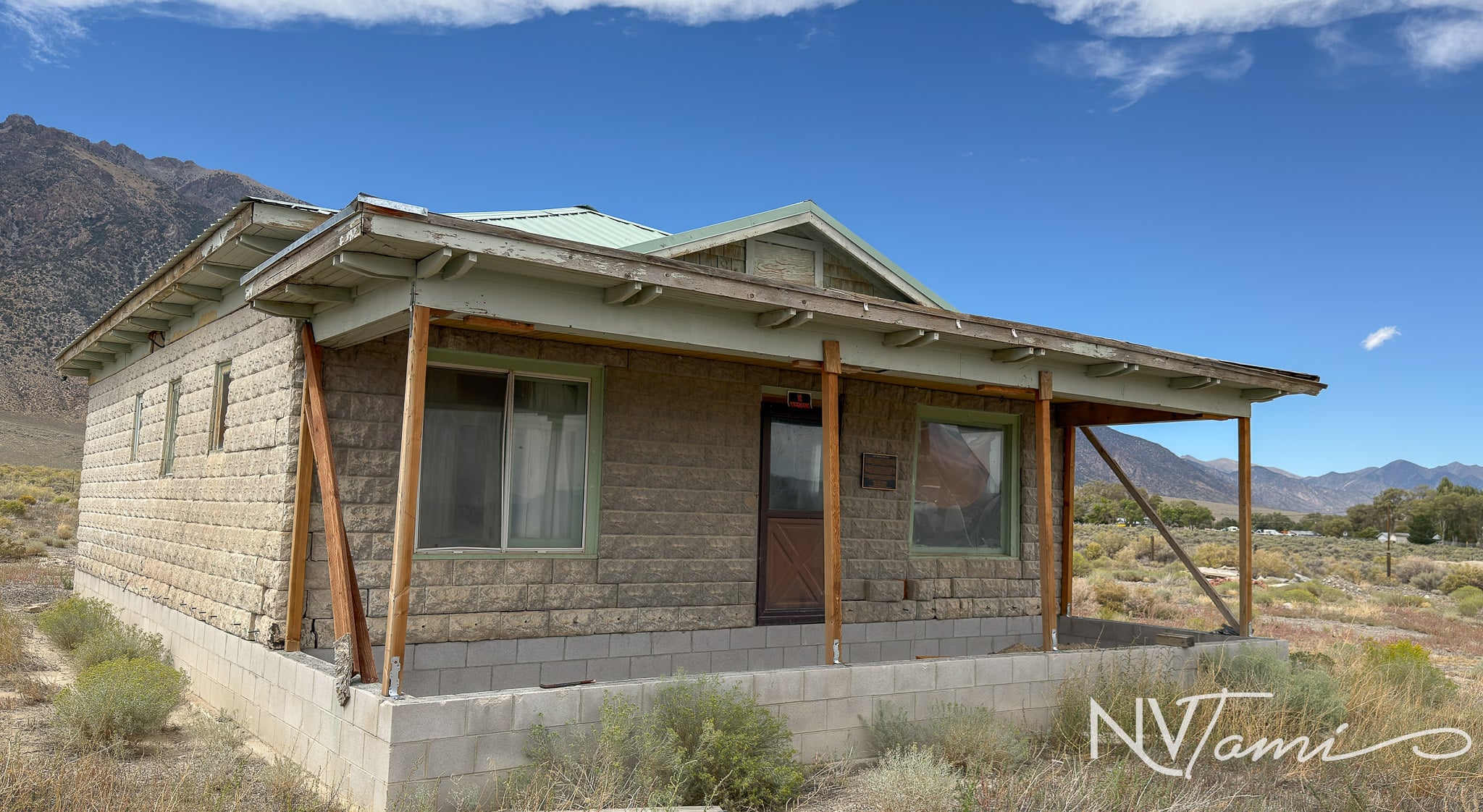
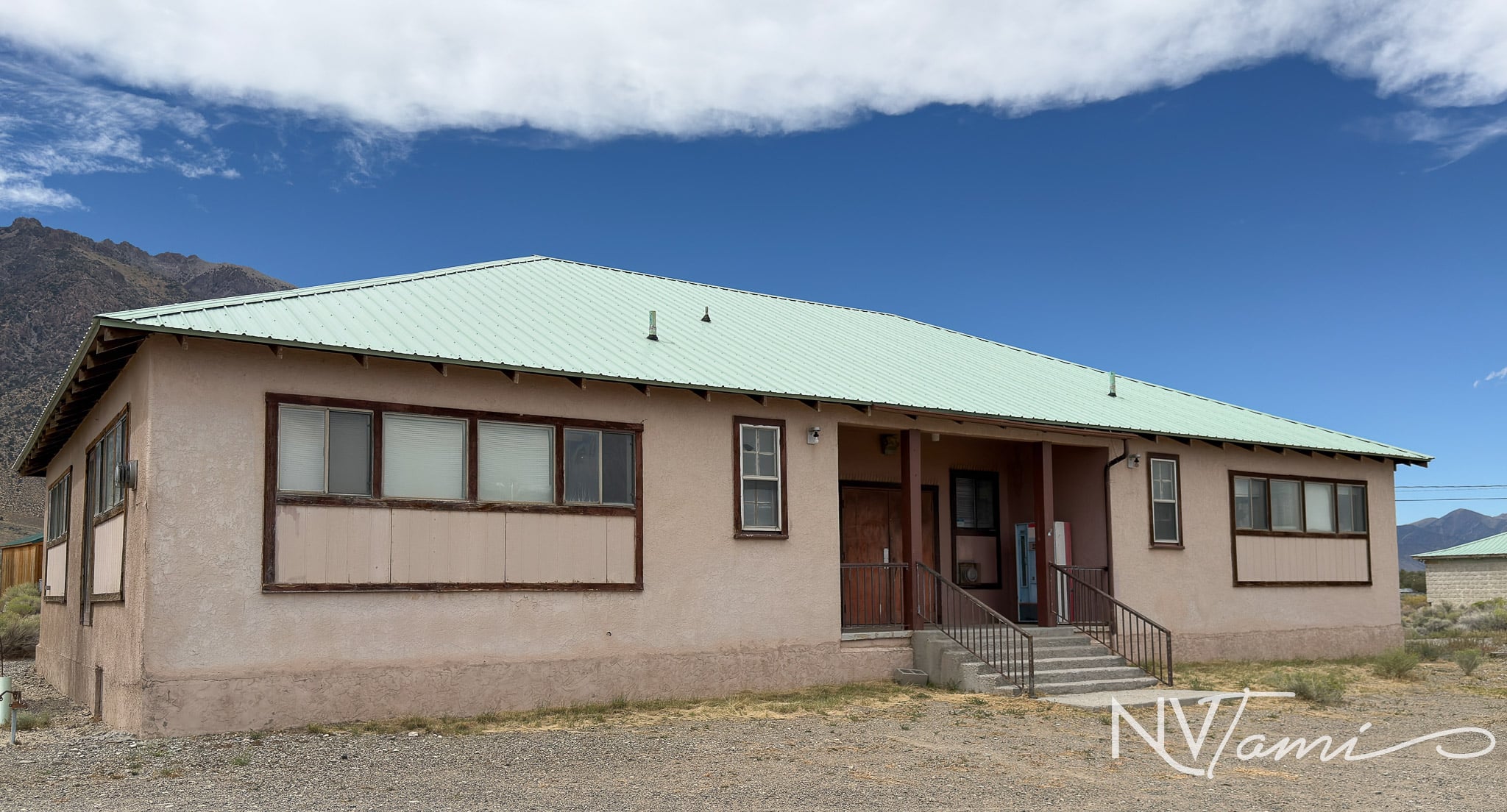
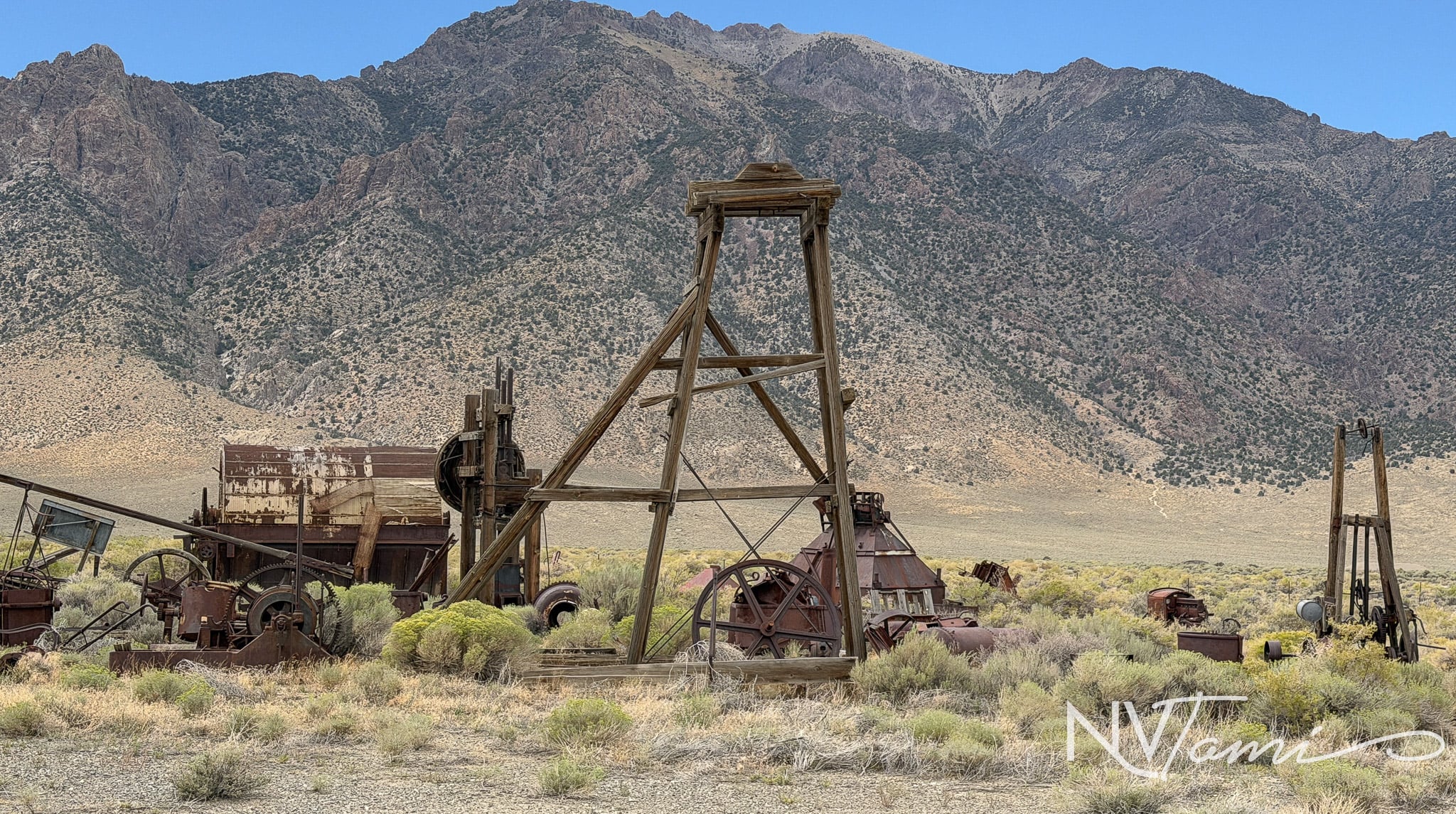
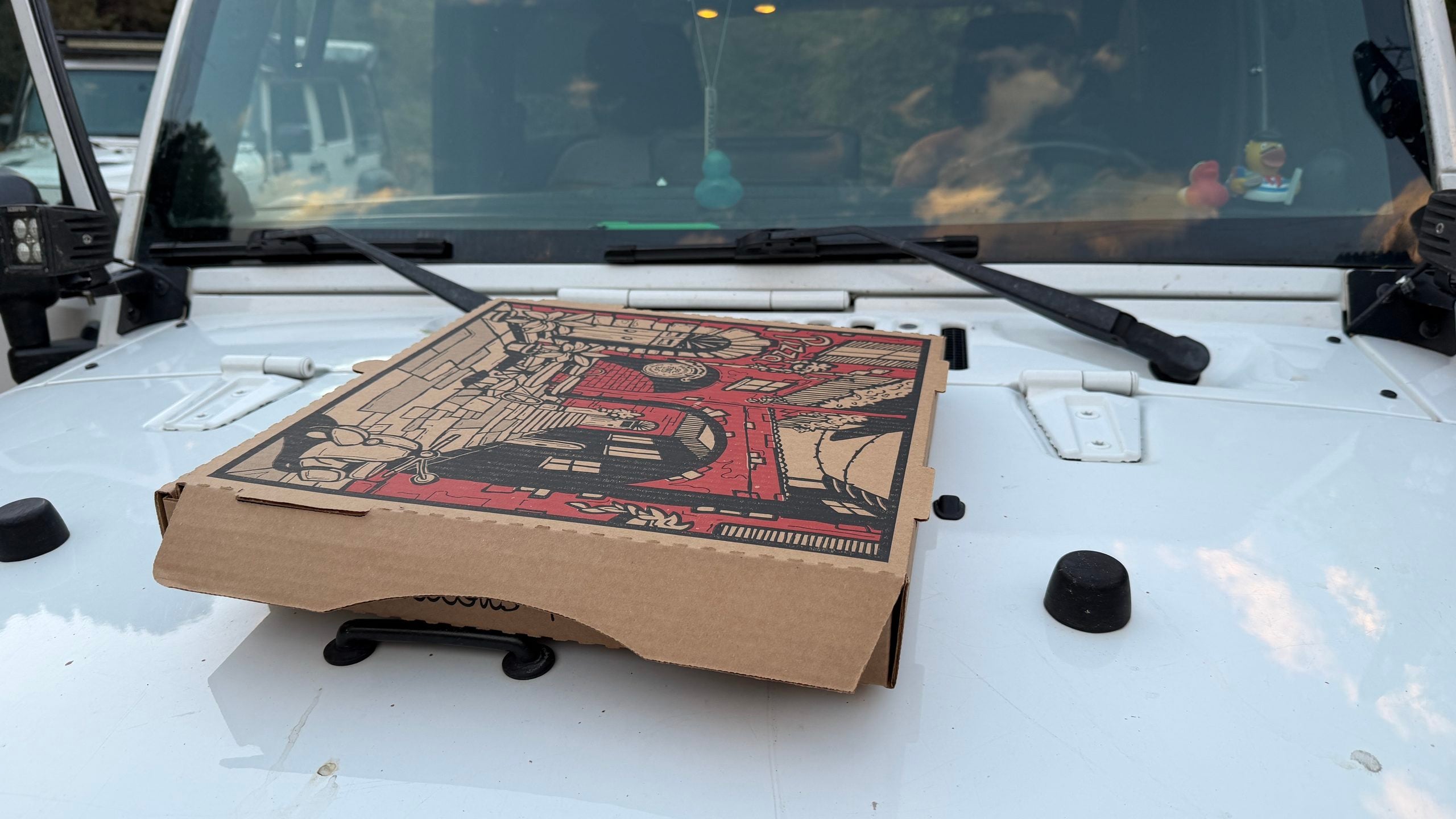
I’d like to return and visit the musuem… and pizza.
Round Mountain
Round Mountain is the town that did not die. Louis D. Gordon and his partners found gold here in 1906. Unlike Jefferson up the canyon, Round Mountain kept working. The modern mine is one of Nevada’s large gold operations. Most of these camps ended. This one scaled up.
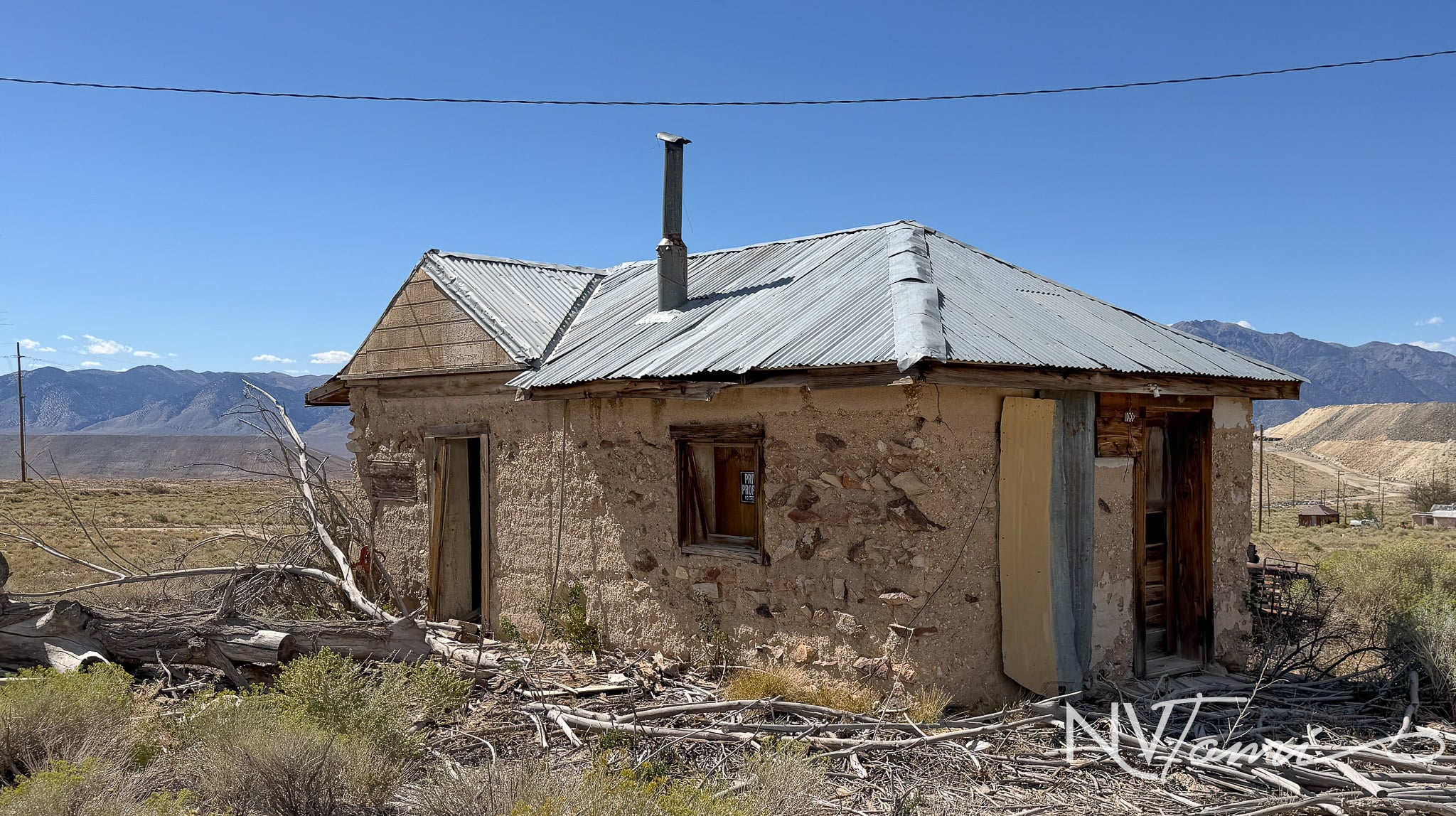
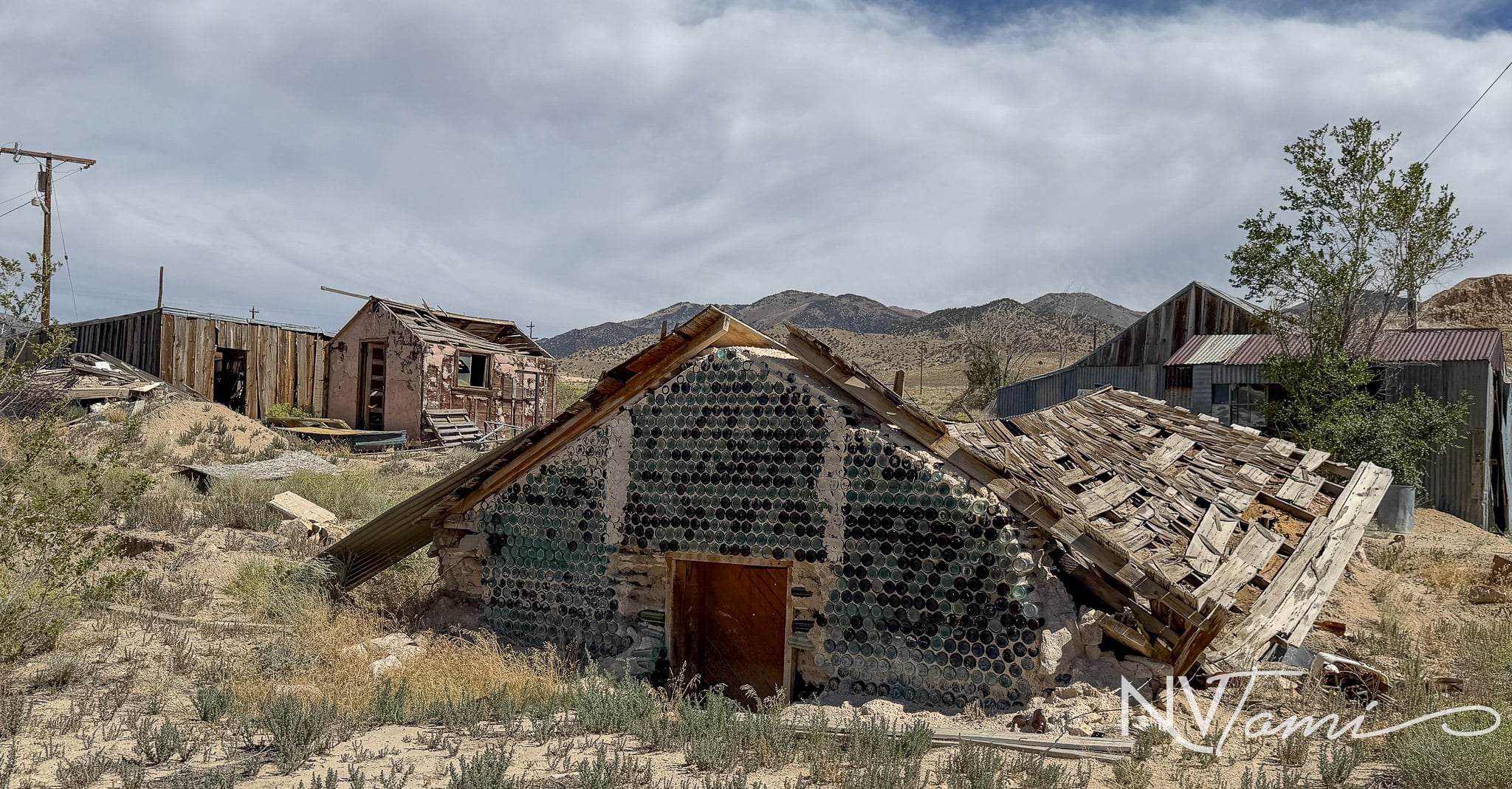
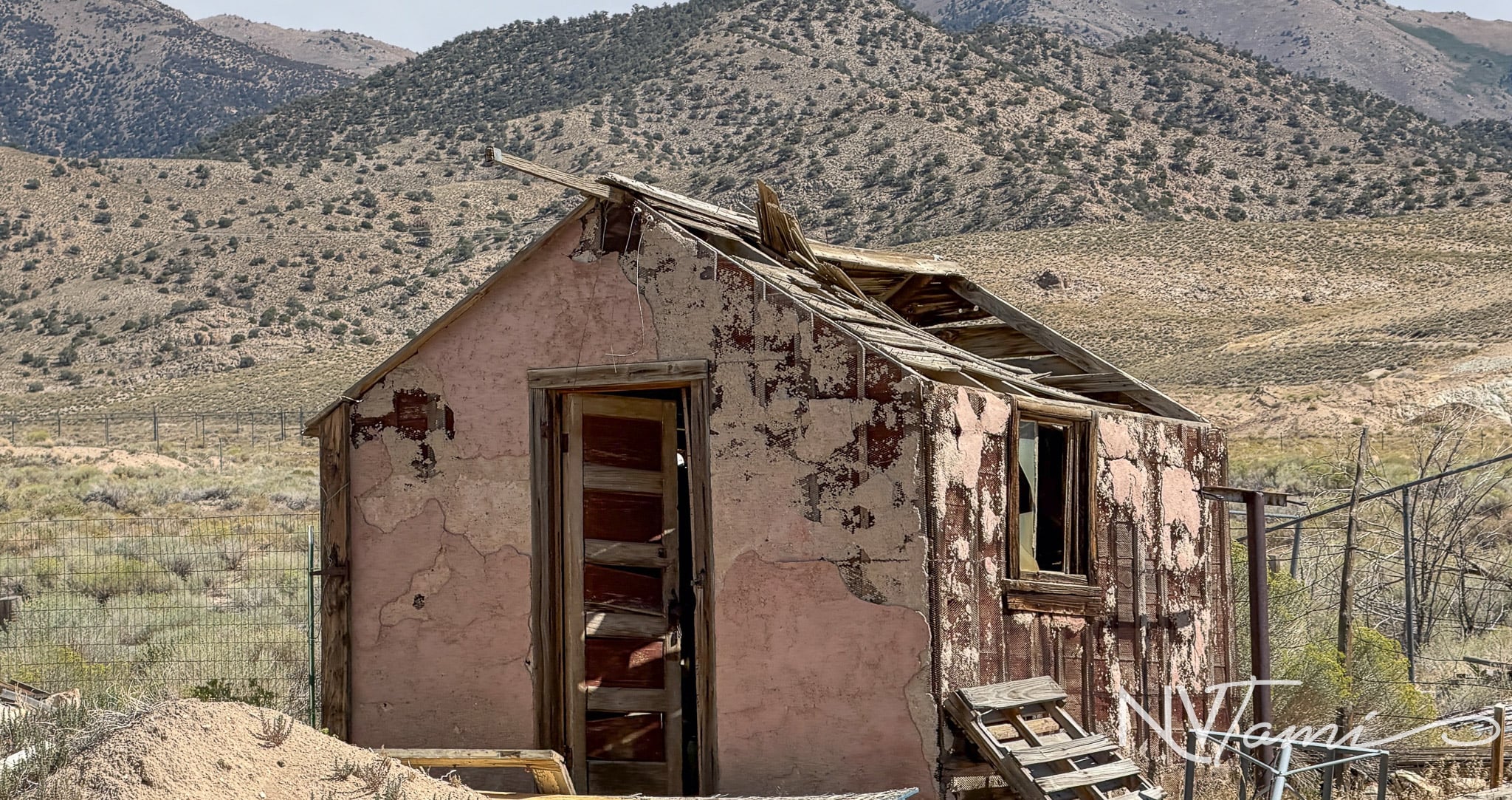
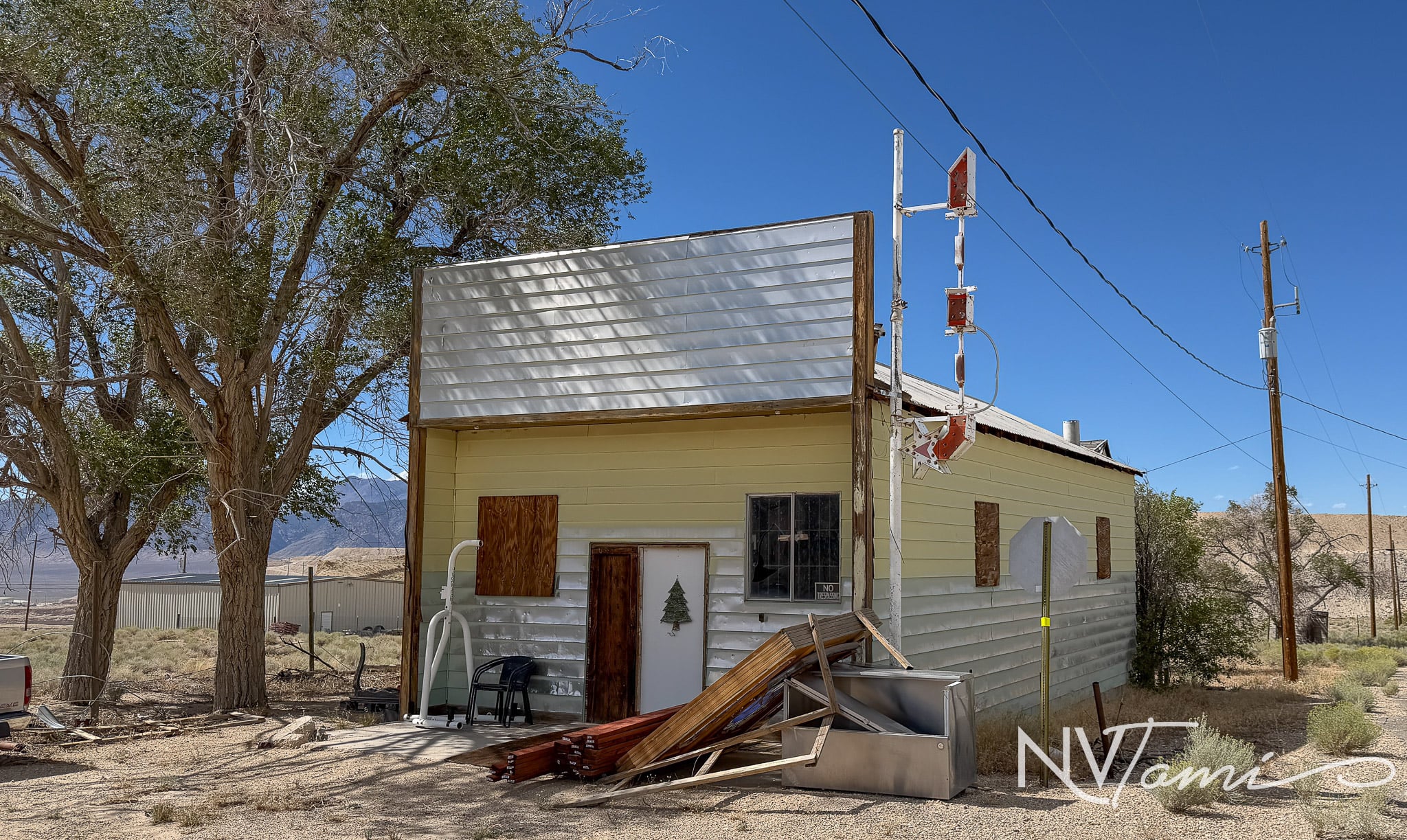
Jefferson
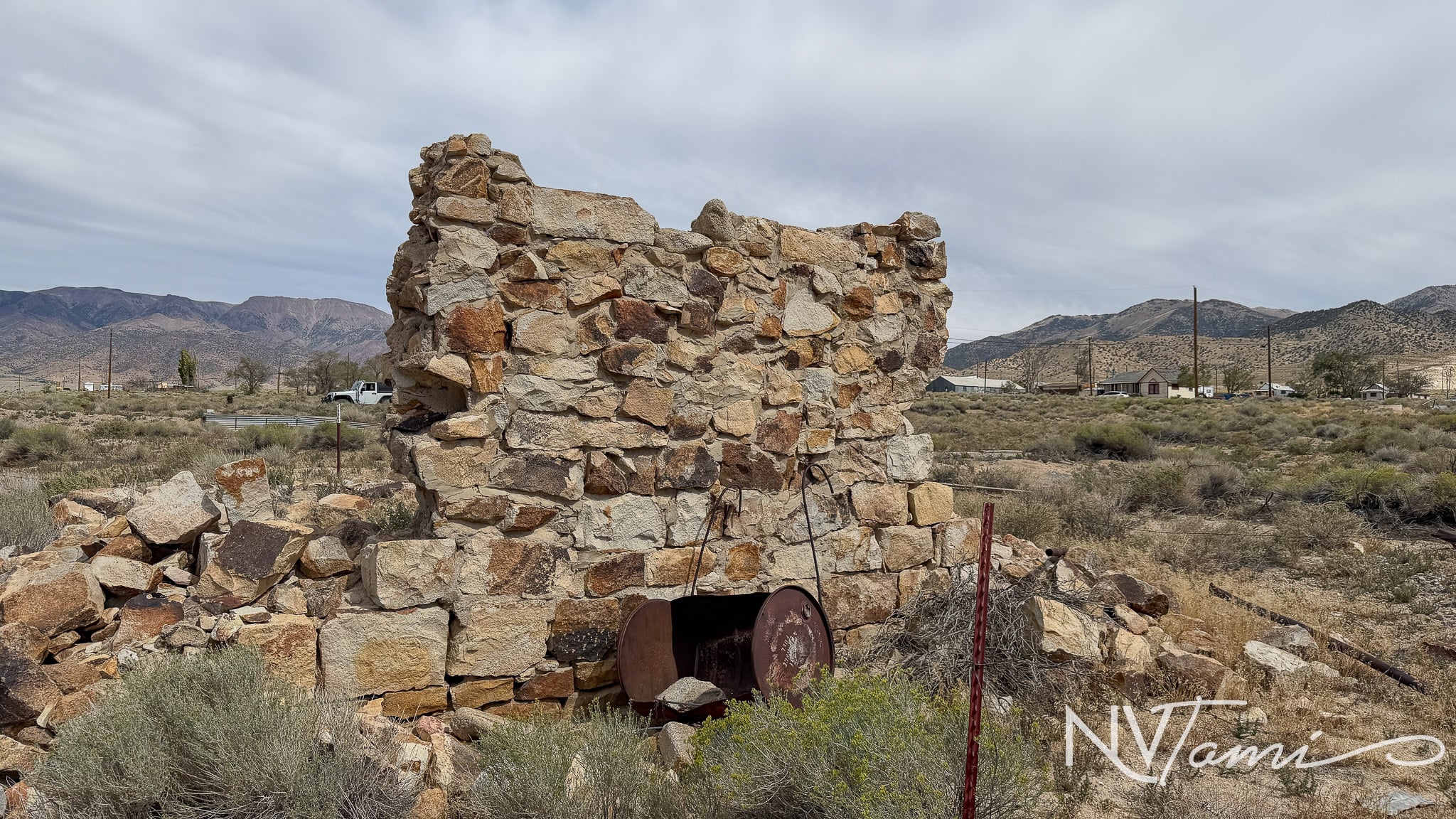
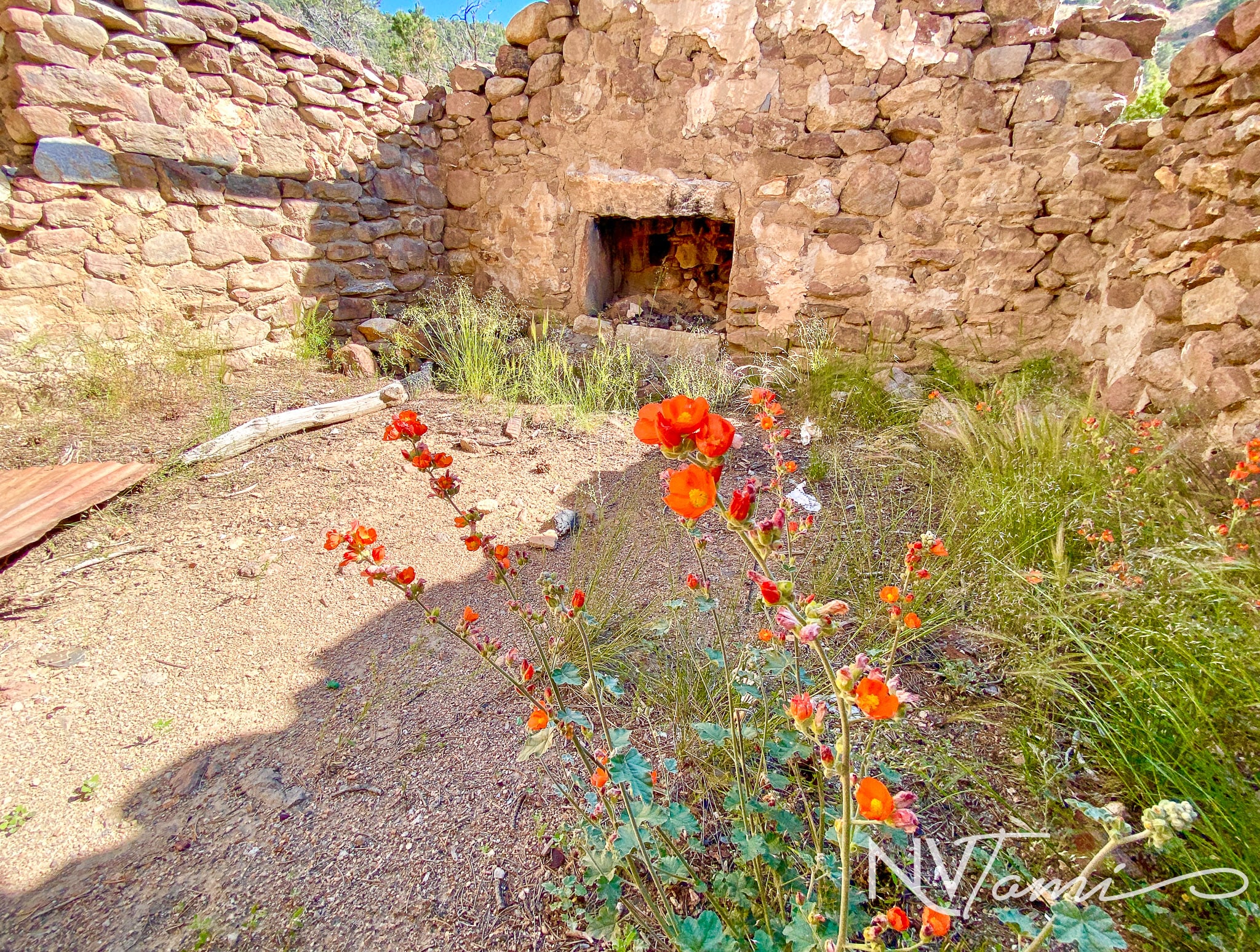
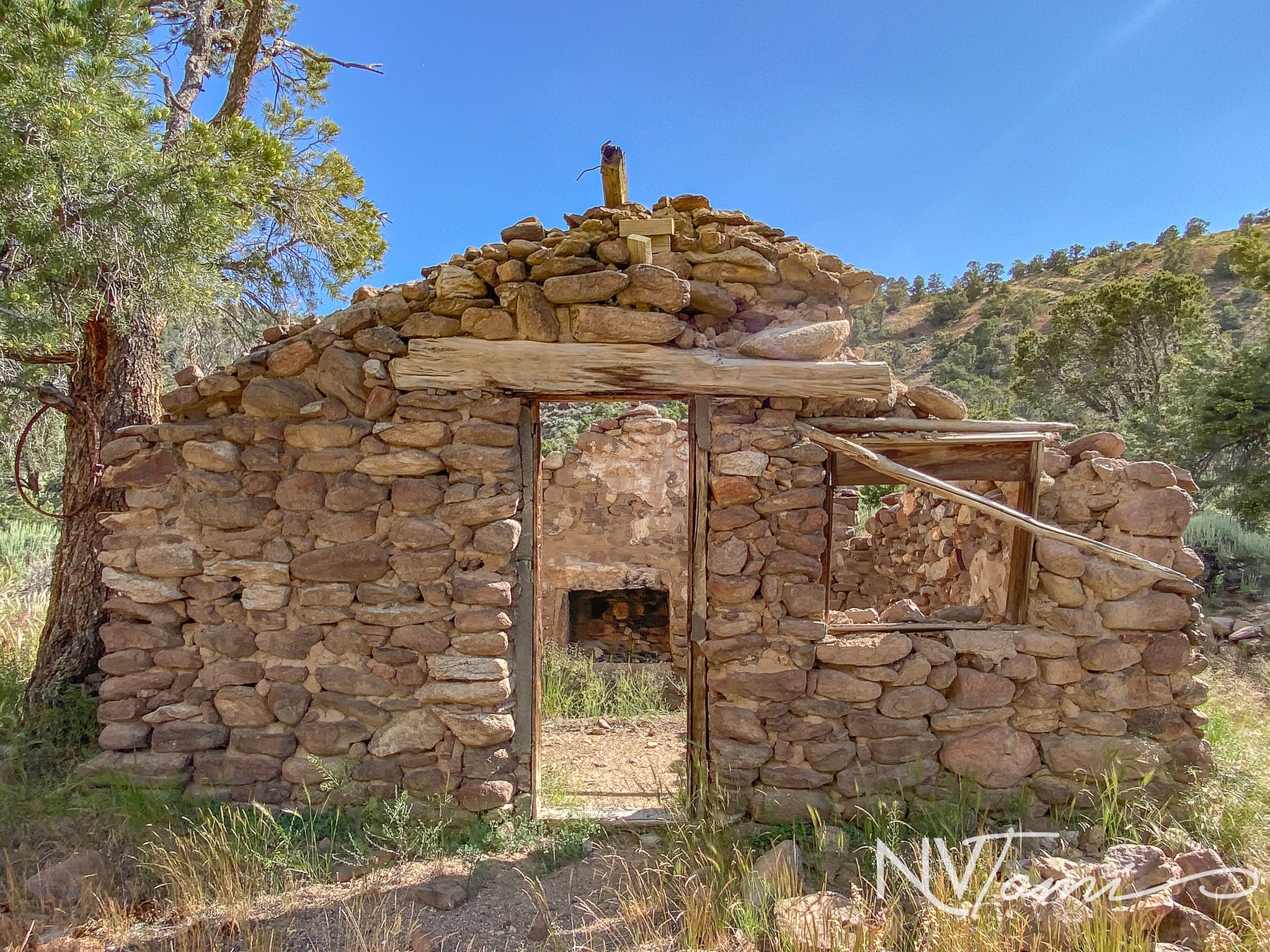
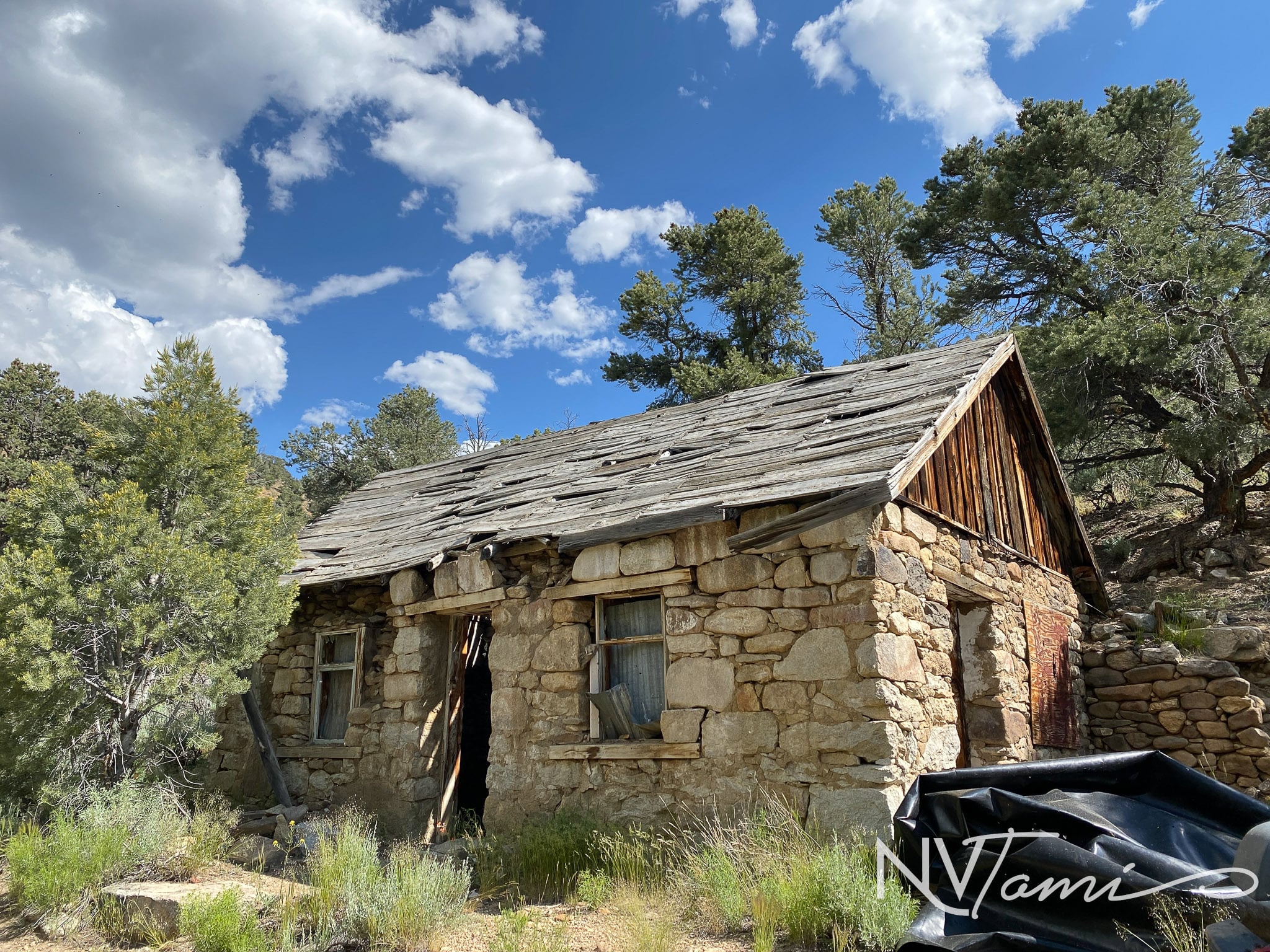
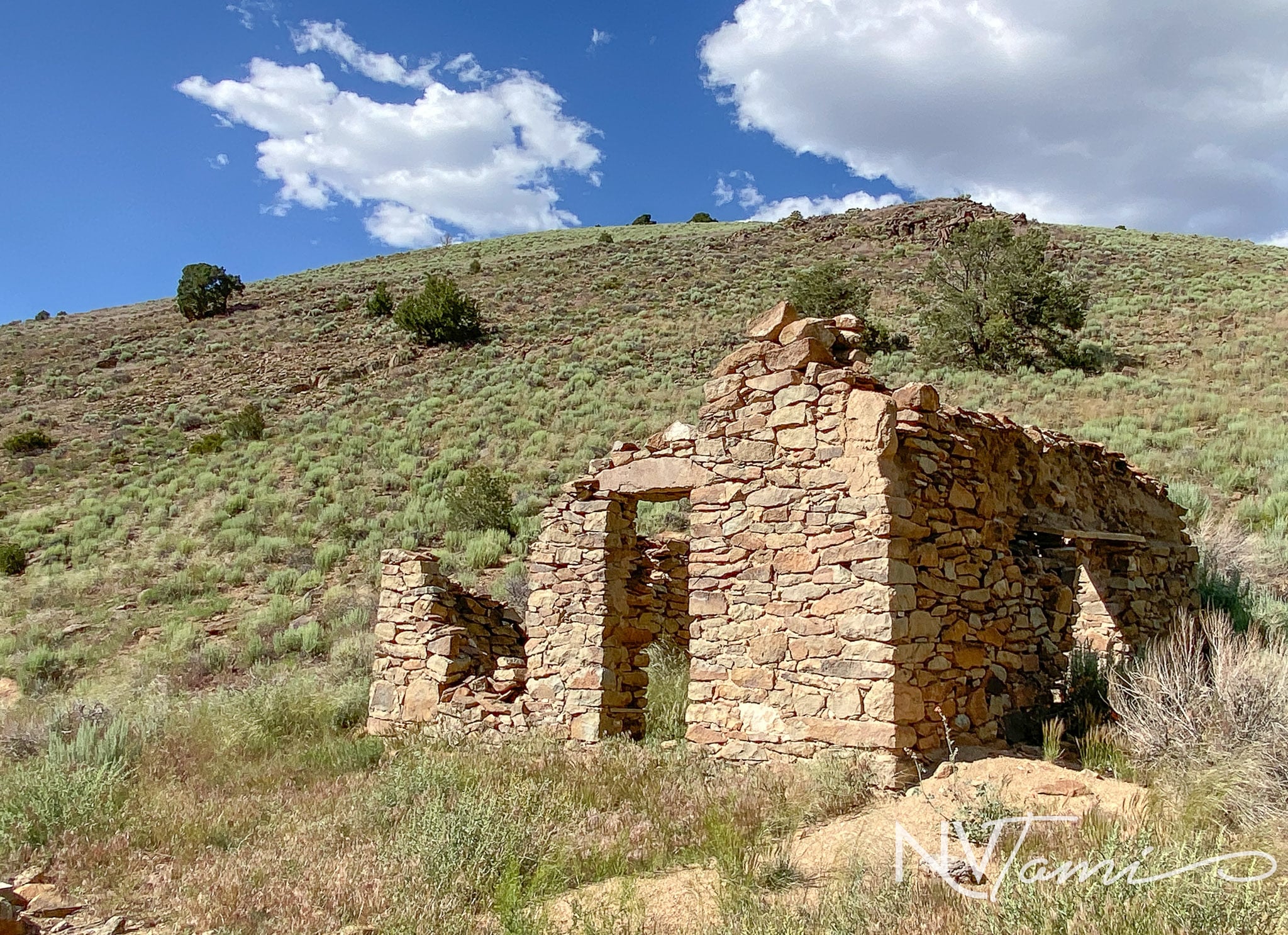
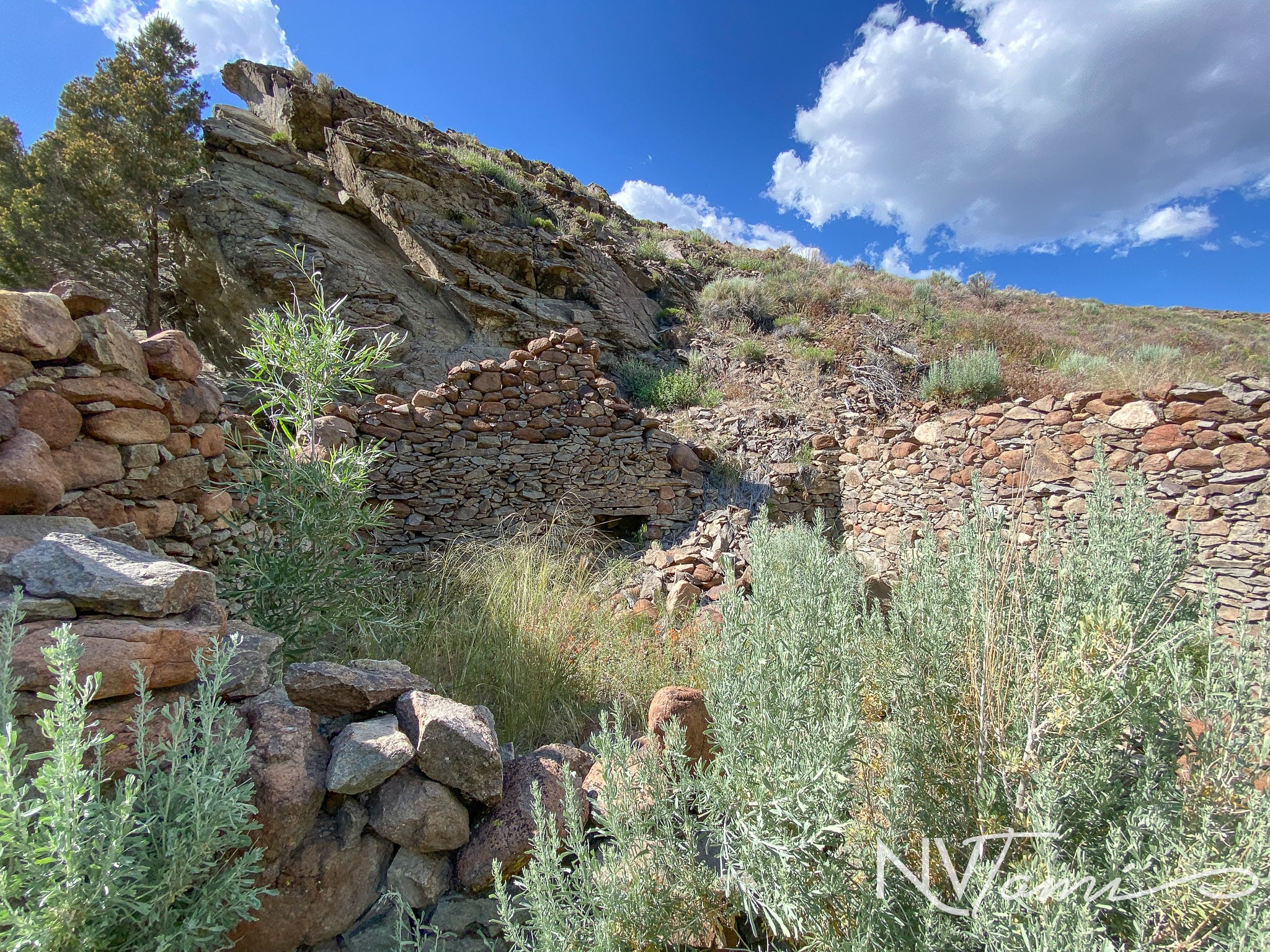
Jefferson was the queen city of the Toquima, and it is still the stop that takes a day.
A. V. Wilson and R. Chanrock found silver in Jefferson Canyon in 1865. Serious production waited until 1874, when two 10-stamp mills were built and the town split into two parts. Lower town, near the mills, had the mine office, a boarding house, and homes. The business district sat above the mill. The best years were 1875 and 1876. Your earlier notes put the peak above 1,800; Shawn Hall’s count is nearer 800, with about 600 votes cast in the 1876 election. Those two years produced about $1.5 million. Total production is usually given at about $2.3 million. Charles Stoneham, owner of the New York Giants, bought the mines in 1917 and ran a revival into 1919. Mining ended in the early 1930s. Mill ruins and a cemetery are still in the canyon, on national forest land.
Blue Spring
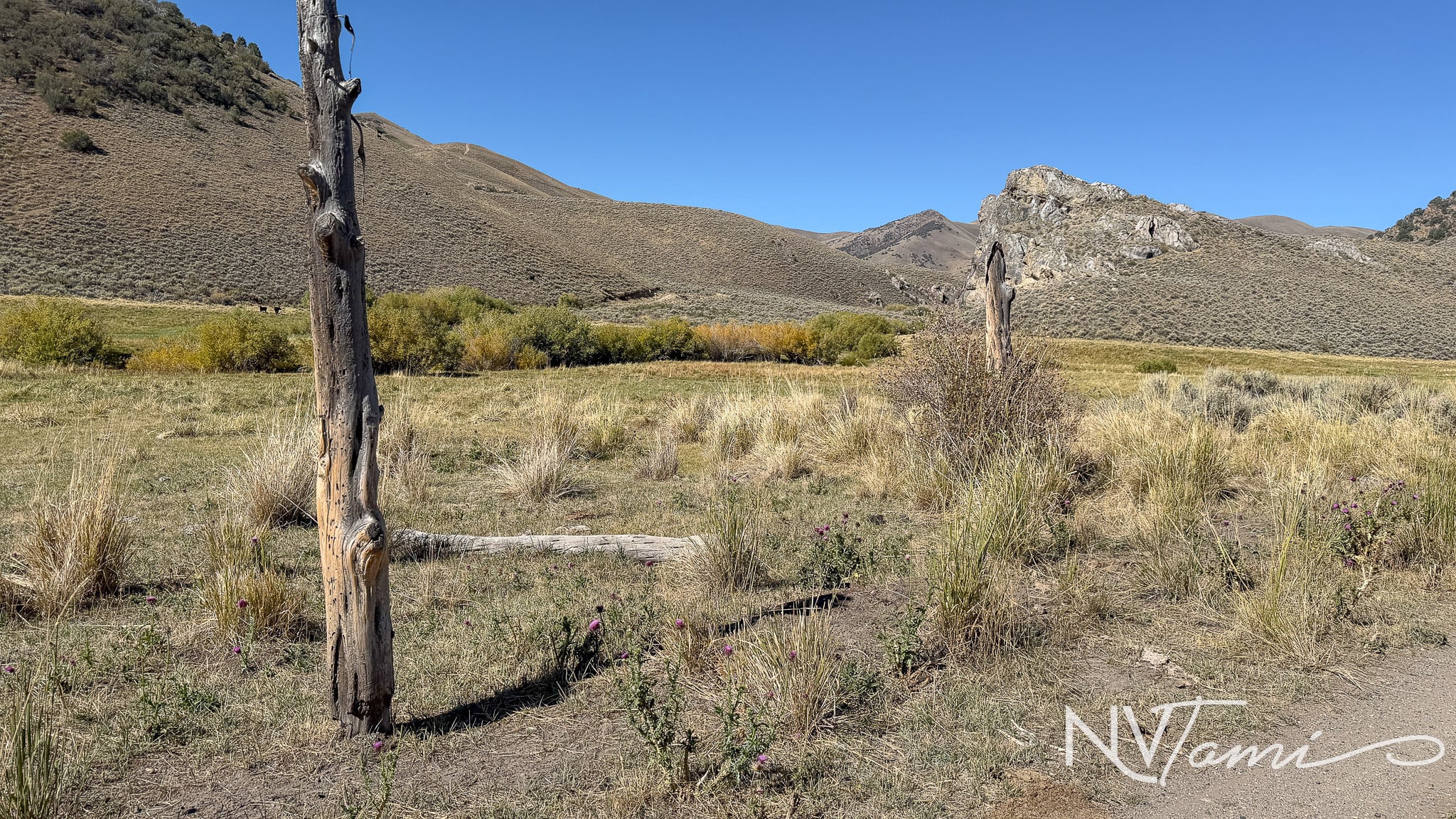
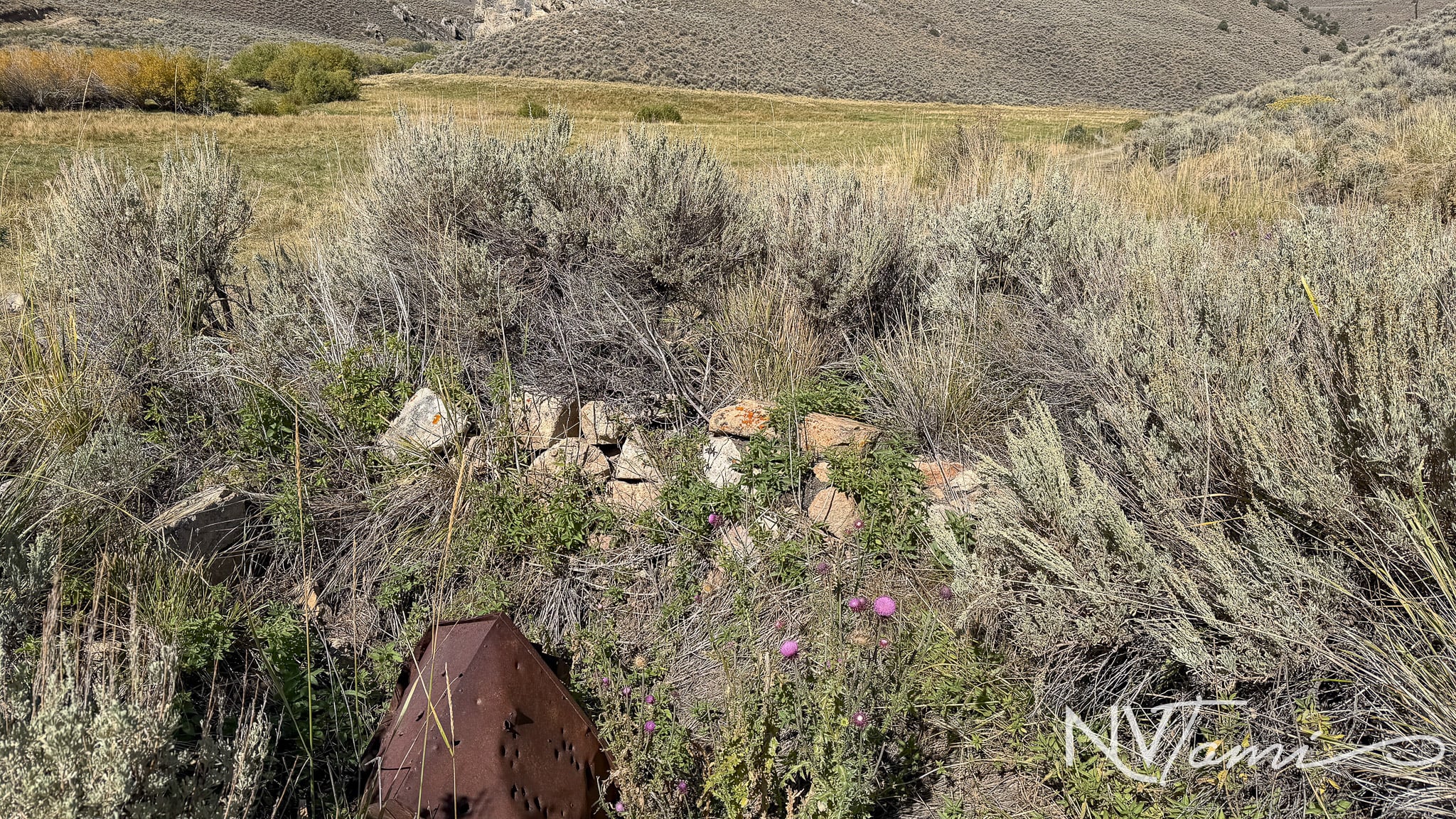
Blue Springs was one of the first agricultural claims in Big Smoky Valley, staked in 1864 along with Darrough’s Hot Springs and the Rogers Ranch. An account in the Bancroft scraps describes several pools in the 1860s, from about 20 to 80 feet across. The miners up Jefferson Canyon had to eat, and the valley ranches fed them.
Arena Ranch and the Bozam House
This site will take some reaserach to find information. We found old dugout though.
Lander City
The Bullion district remained quiet until 1880, when the camp of Lander, often called Lander City, was established. By 1883, close to 100 people lived there. Mills ran from 1883 to 1885. A school built in 1889 lasted until 1898. A 1906 revival peaked at about 75 people in 1907 and ended in 1909. The district was abandoned in 1921. Stone ruins mark the site. This is the mining camp, not the county.
Silly me, I forgot my camera when I jumped into Austins Jeep.
Hess Ranch
We made a quick stop at Hess Ranch. I’m glad I visited when I did last fall, it is now marked private property.
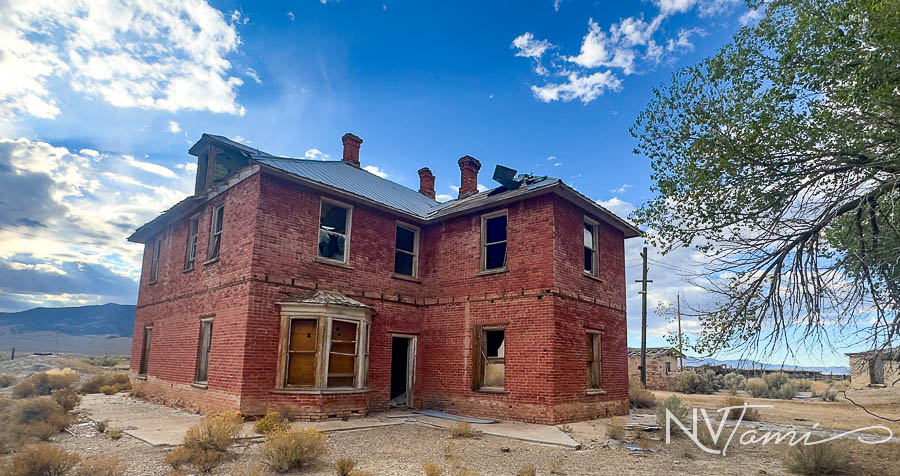
Jacob Hess started the ranch in the late 1800s. Following the death of his wife, the ranch was sold several times. The stately brick house was built in 1910, an upgrade from the original white house.
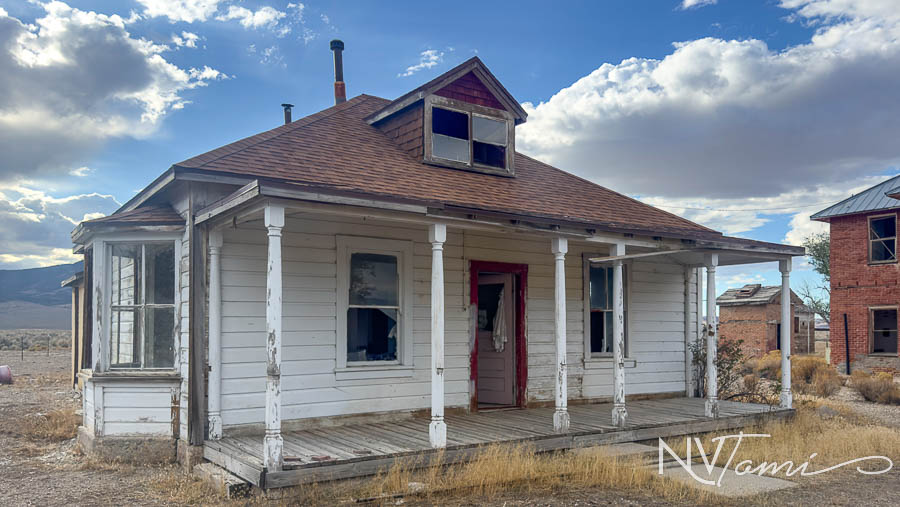
The Hess Ranch may be the most intact historic ranch in Nevada I have visited. It included the original and brick ranch house, multiple outbuildings, and corrals.
Webster and San Juan
San Juan had two lives, neither long. In 1862 prospectors found silver at the mouth of San Juan Canyon. The veins were shallow, and the camp folded in about a month. A claim filed in 1872 was tried again in the 1930s and produced nothing worth shipping. A last effort, 1947 to 1950, yielded about $11,000 in silver.
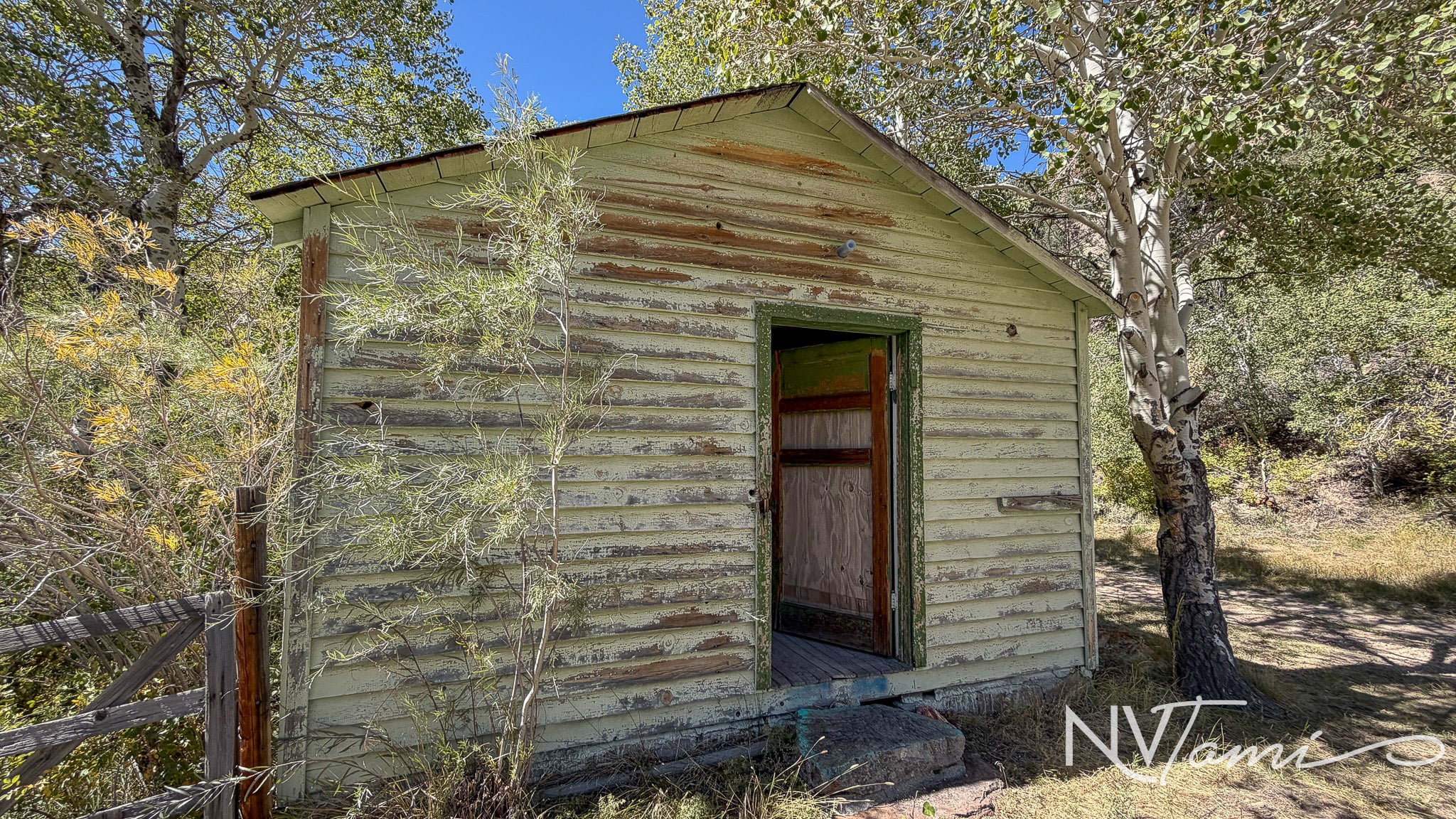
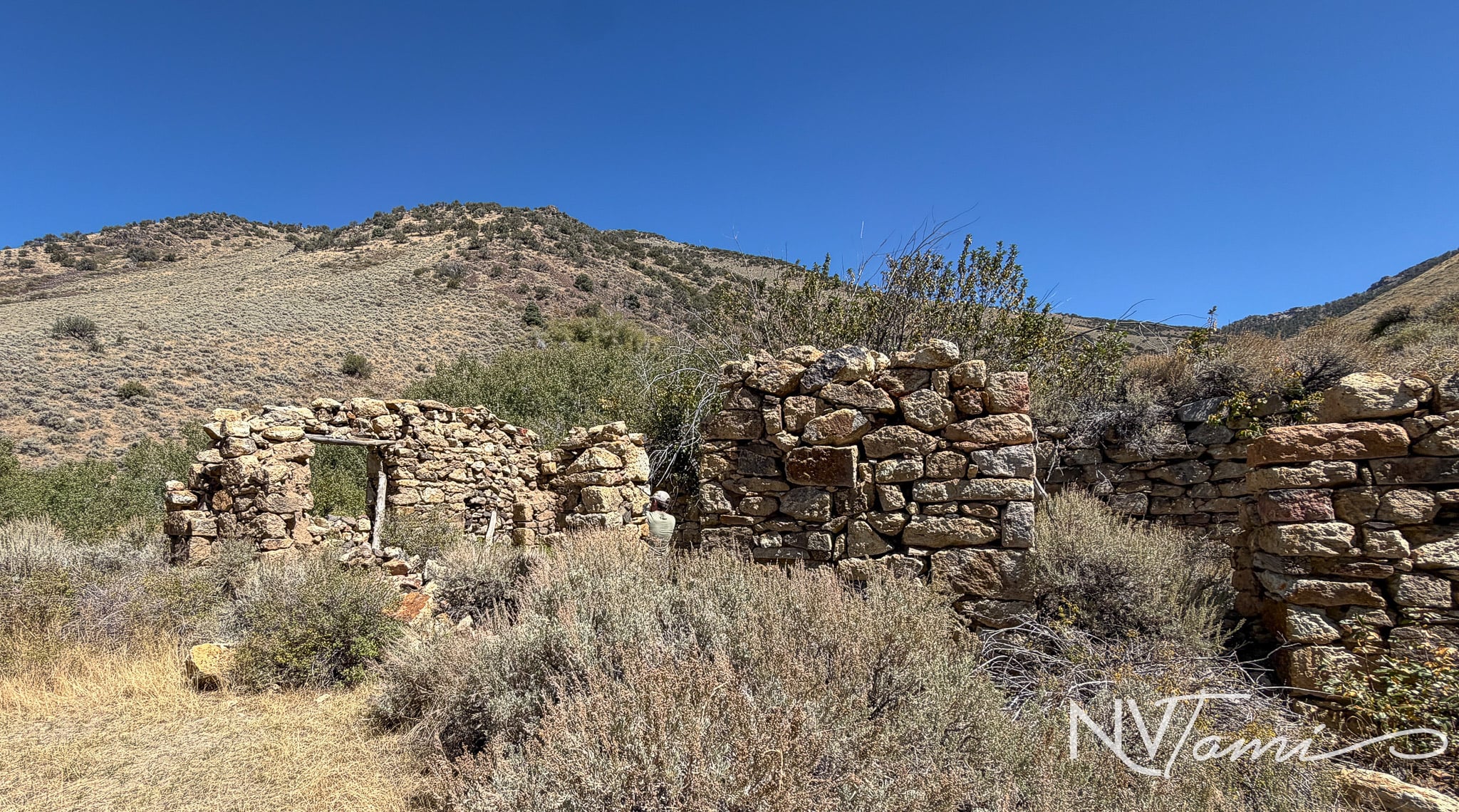
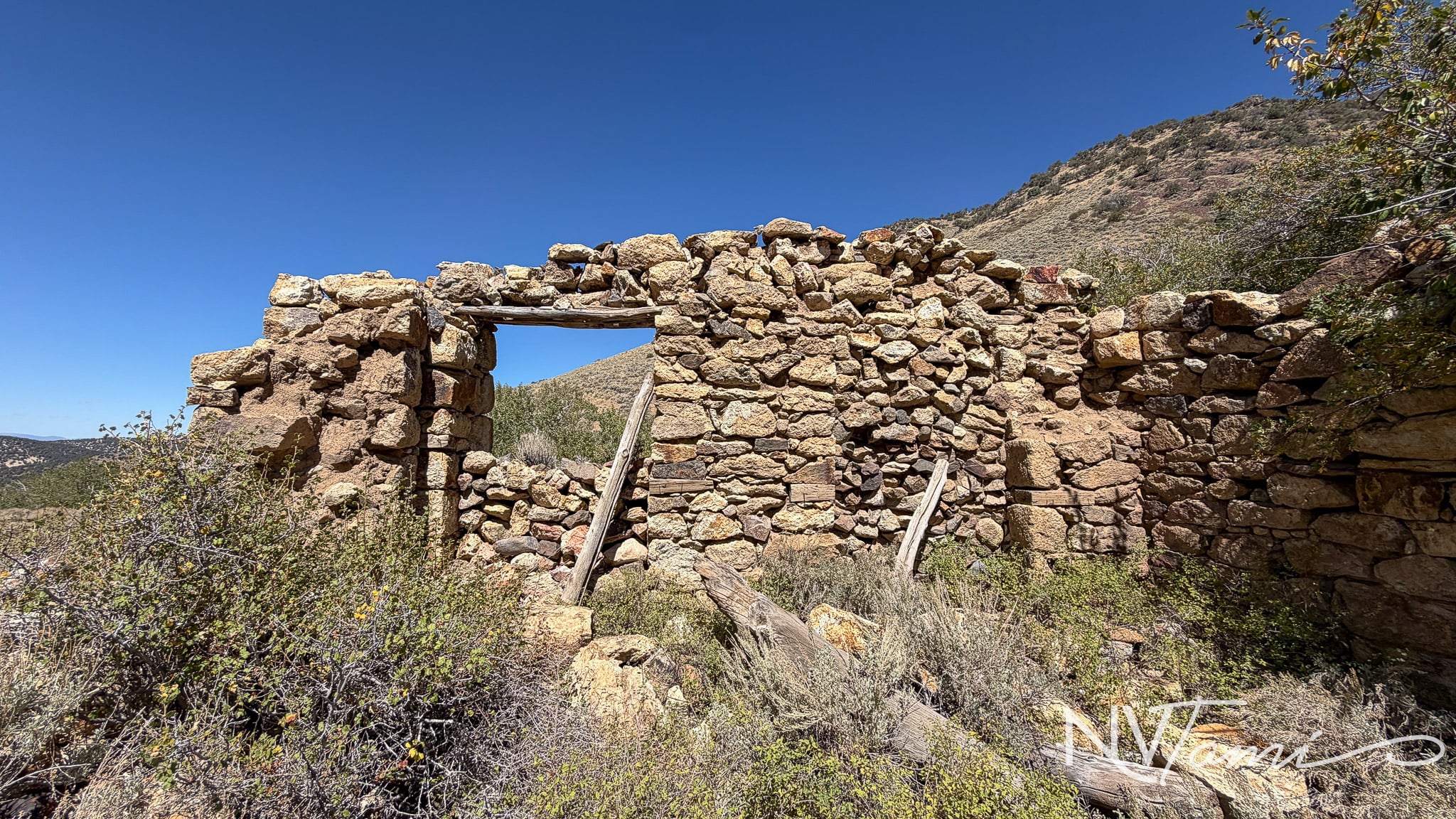
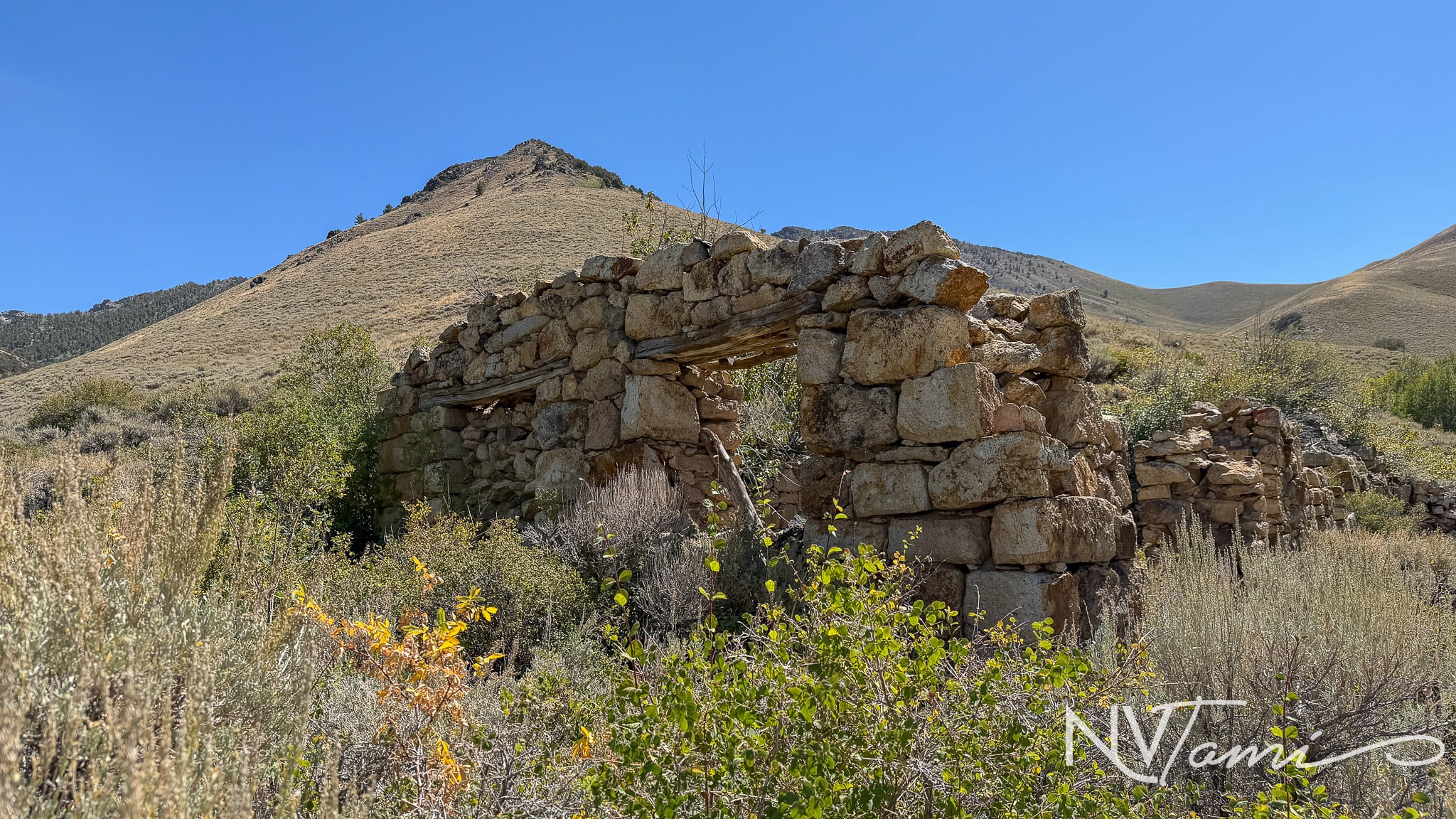
Austin, Nevada Expeditions, is looking into this treasure.
A note from Tami
Twenty-two stops, and still not a full article on any of them. The stone work at Danville, the mill walls at Park Canyon, and Jefferson’s two towns are the ones worth writing up properly. Several of these locations ranches are private. A photograph from the road is plenty.
Follow me on social media:


Leave a Reply