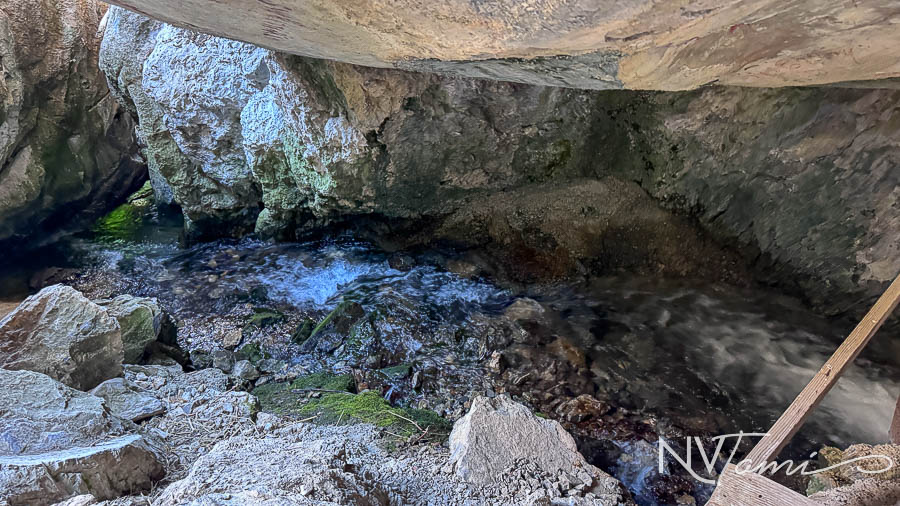
Nestled at the southern edge of Nevada’s remote Ruby Valley, Cave Creek is one of the Silver State’s lesser-known ghost towns. It was born from military necessity and sustained by whiskey and silver. What began as a rough settlement to serve soldiers at isolated Fort Ruby quickly developed its own colorful character, complete with a popular distillery known as “Old Commissary,” a short-lived mining boom, and a persistent local legend of soldiers who mysteriously drowned inside a mountain cave.
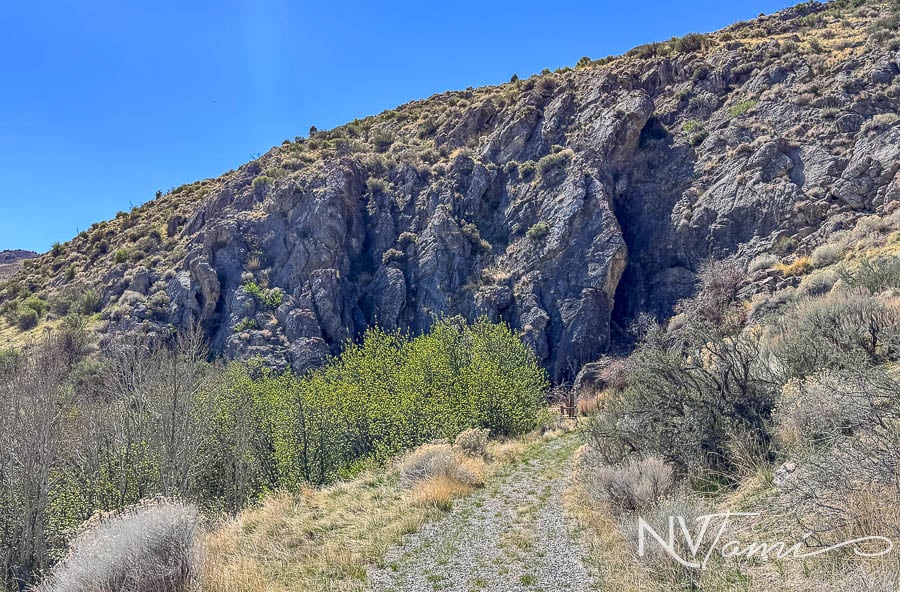
Today, little remains of the original town, yet its story weaves together threads of the Pony Express, frontier military life, mining, and the area’s later transformation into the Ruby Lake National Wildlife Refuge. Was the drowning tale simply frontier folklore, or did tragedy really strike in the depths of that crystal-clear spring? Even after extensive research, the mystery endures.
Ruby Valley Station & Fort Ruby
The first non-Native to settle in Ruby Valley was William “Uncle Billy” Rogers. Former sheriff of El Dorado County, California, he was appointed as the assistant Indian Agent and tasked with locating a site for a reservation.
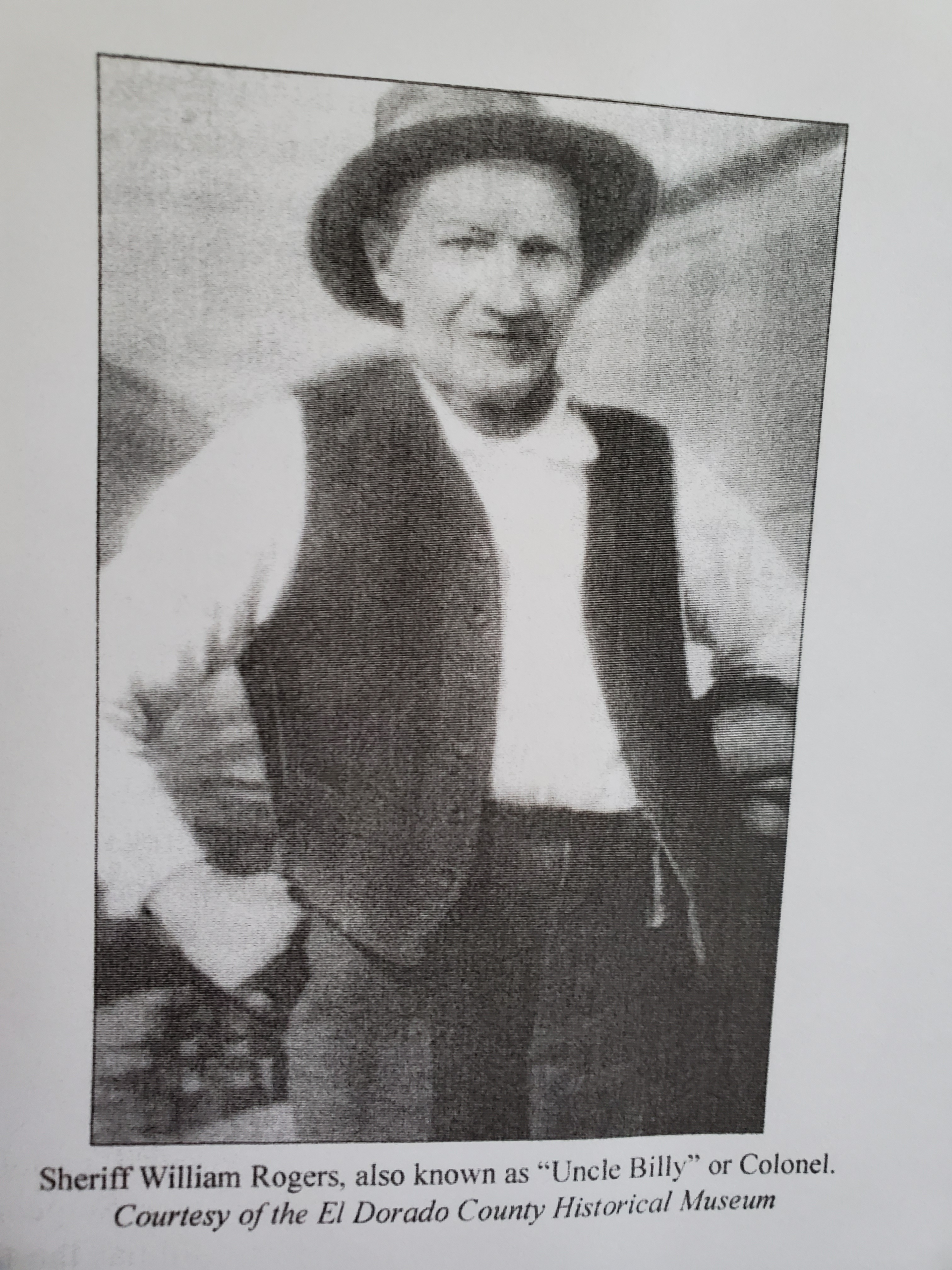
(Photo credit: El Dorado County Historical Museum)
Rogers’ site began serving as a station on the “Jackass Express” route in 1851. The Pony Express used the station between 1860 and 1861.
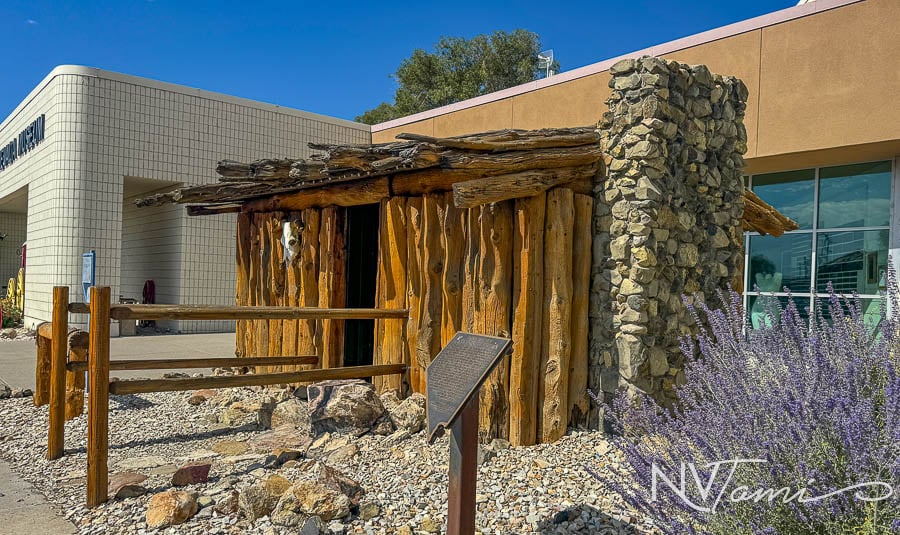
To protect travelers, mail carriers, and freight on the Overland Express route, Fort Ruby was established in 1862.
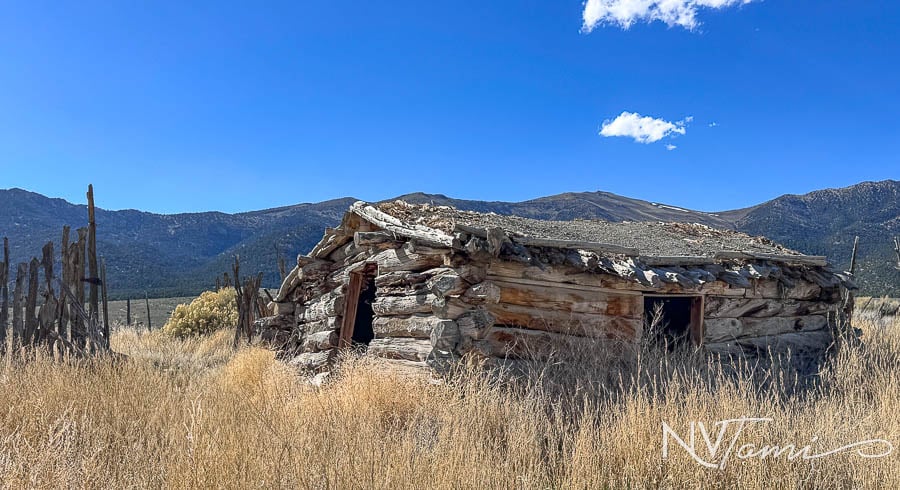
Fort Ruby was known as “the worst post of the west.” While most forts and camps were remote, Fort Ruby was even more isolated, at 120 miles from the nearest town. The first commander, Colonel Conner, describes Fort Ruby as “a bleak, inhospitable place.”
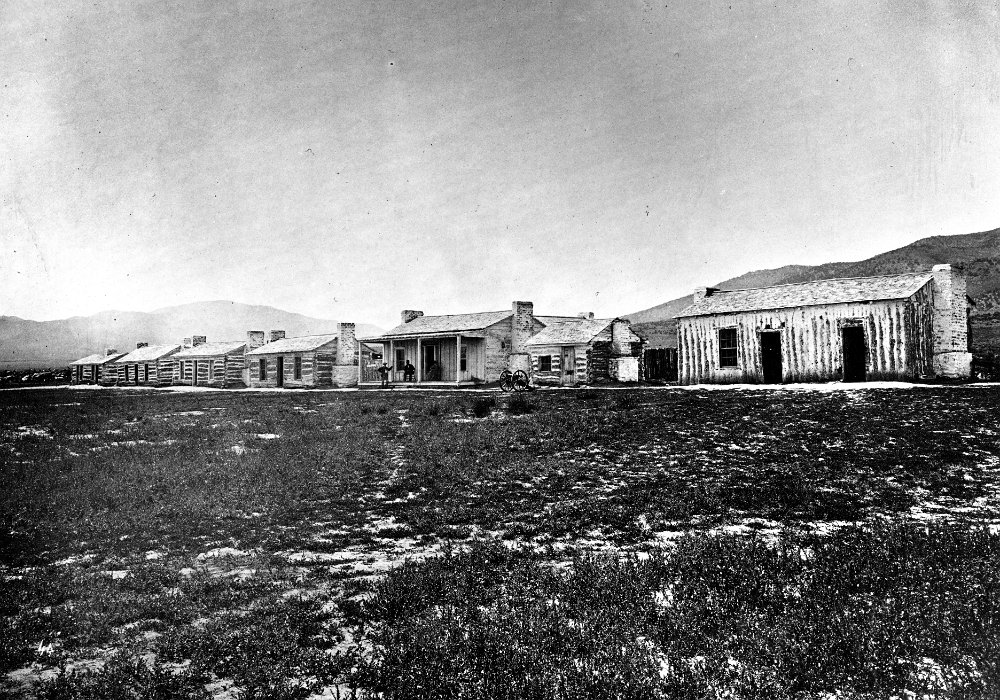
Soldiers were so desperate to escape Fort Ruby that they offered to forgo all back pay, $30,000 in total, if they could leave Ruby Valley and fight in the Civil War. In 1867, Captain George Walker received command of Fort Ruby. He promptly utilized his six months of furlough to avoid Fort Ruby. Not long after arriving at Fort Ruby, he died of apoplexy (stroke or hemorrhage).
Cave Creek
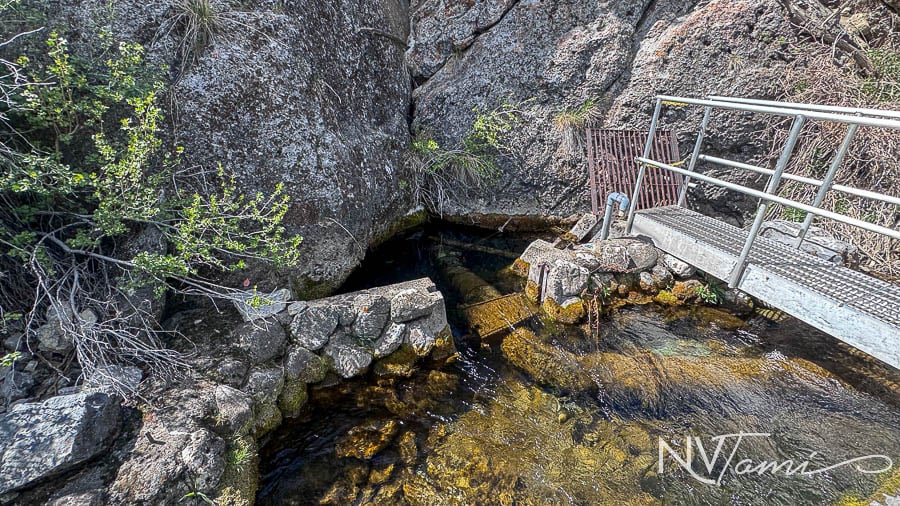
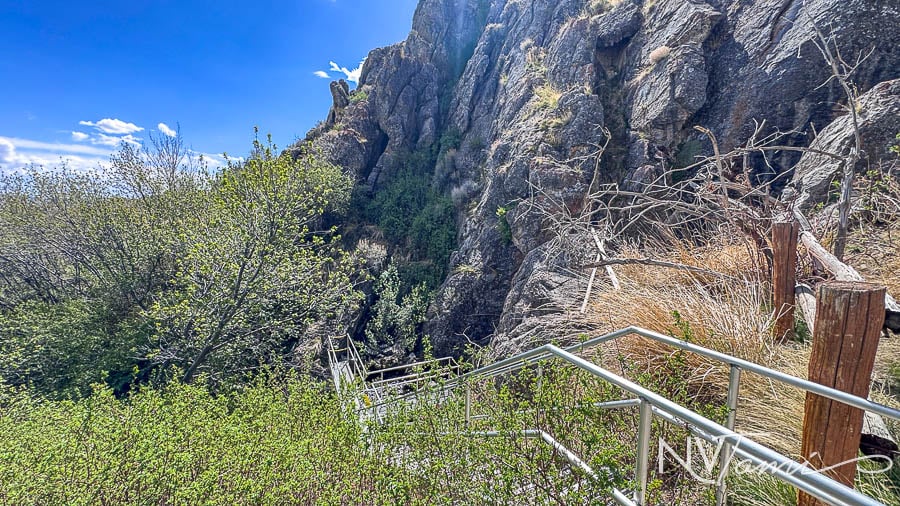
Once construction of Fort Ruby was complete, soldiers’ activities were limited. They explored Ruby Valley and prospected the Ruby Mountains. One group discovered crystal-clear water rushing from the mountainside. While exploring, they found a cave entrance and named the site Cave Creek.
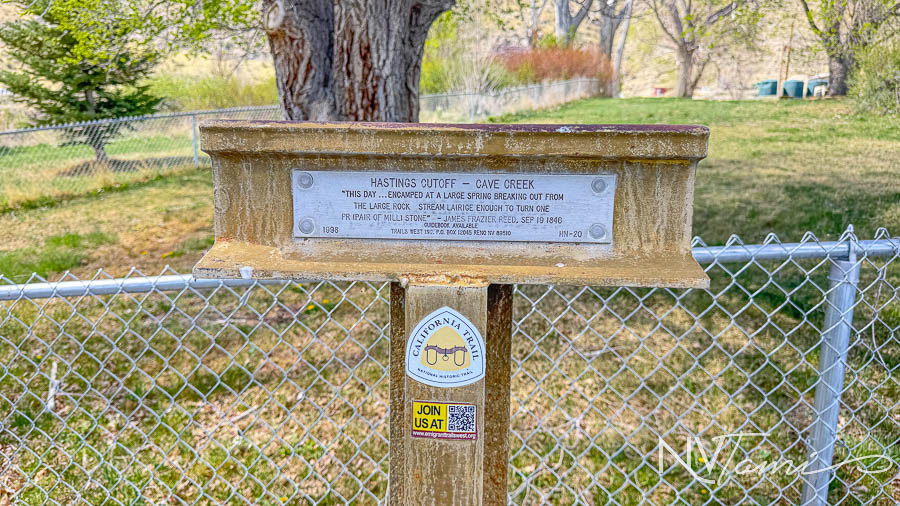
The first non-native to document Cave Creek was James Reed, of the ill-fated Donner-Reed Party. The emigrants were following the Hastings Cutoff and camped along the creek on September 19, 1846.
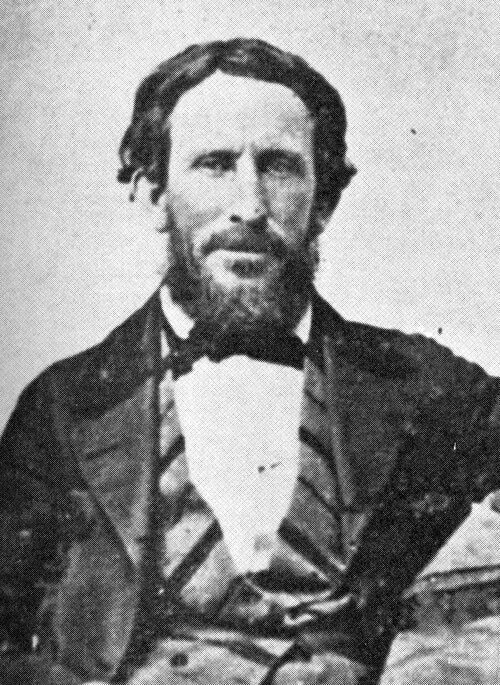
(Photo credit Wikipedia)
Cave Creek (Cave City)
A small settlement formed around the perpetual creek, named Cave Creek or Cave City. Sources differ on the settlement date: one report claims it was settled within 2 years of Fort Ruby’s establishment in 1862, placing it around 1864; another reference suggests a date closer to 1867.
Little is written about the early years of Cave Creek. Its main attraction was a distillery named “Old Commisary,” owned by Samuel Woodward and Michael Flynn.
…old rye and bourbon are dispensed to those who are depressed in spirits to arouse them.
Elko Independent, July 10, 1869
The fort and mining around Cave Creek spurred the town’s growth. By 1869, services included a restaurant and a saloon, owned by Woodwrd and Chester Griswold. Cave Creek had one of the 6 school in Ruby Valley. The Elko Independent reports that many residents paid in advance for a newspaper subscription. Colonel J. R. Moore and Lieutenant K. Gillman built a water-powered sawmill. Cave Creek did not have a post office during this time.
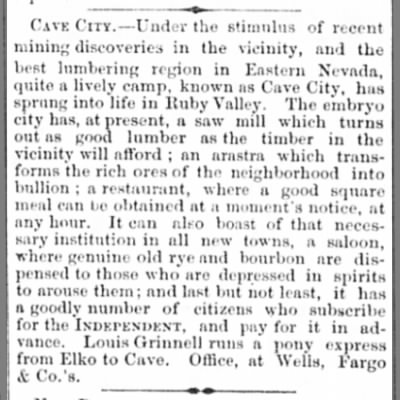
Sat, Jul 10, 1869
Mining at Cave Creek
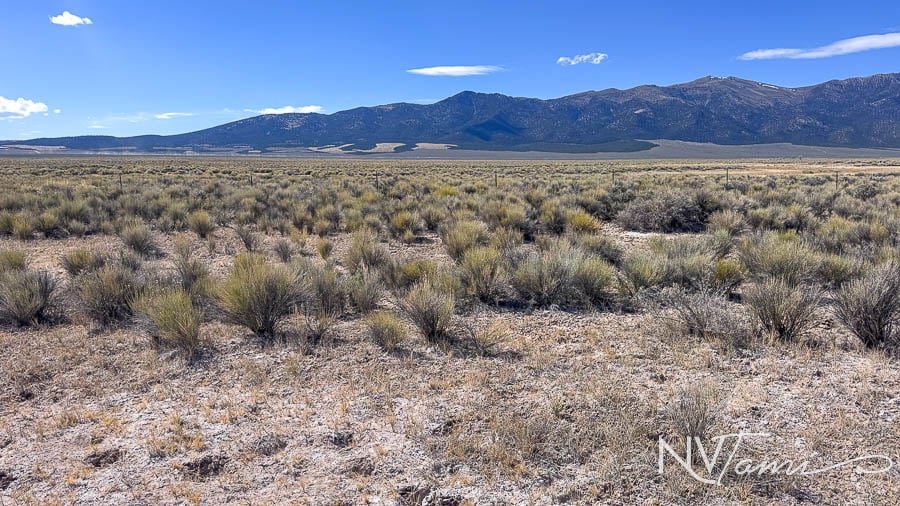
Soldiers from Fort Ruby prospected the Ruby Mountains. They discovered silver mines around Cave Creek, leading to the formation of the Cave Creek Mining District in 1869. An arrastra processed the ore, valued at $100 to $400 per ton. In 1870, the Daily Territorial Enterprise in Virginia City praised the Cave Creek mines, stating, “all we want is capital to work them.” Production was limited, and mining was abandoned soon after.
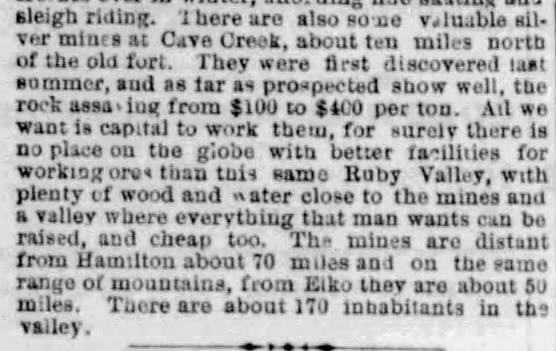
While mining ended, the ever-flowing creek was eyed by the mills at Mineral Hill. Due to a lack of water, they had to cease milling operations. To add a 30-stamp mill, they proposed laying a pipe from Cave Creek to Mineral Hill.
Drowning at Cave Creek?
The story most often told about Cave Creek is the drowning of soldiers from Fort Ruby. As the tale goes, four soldiers rowed into the cave. The boat capsized, one man escaped, but three drowned. One reference mentions that one of the drowned men was Private or Sergeant John W. Purdy, of Carson City. Another claims the rushing waters pushed the remains of one man out of the cave. The remaining bodies were not discovered until spelunkers, possibly Tom Short, explored the cave.
Mildred Breedlove, the Nevada State Poet Laureate, wrote about the drownings in 1963. She pens how the devil laughed over their struggles, and an angel watched over the one surviving man.
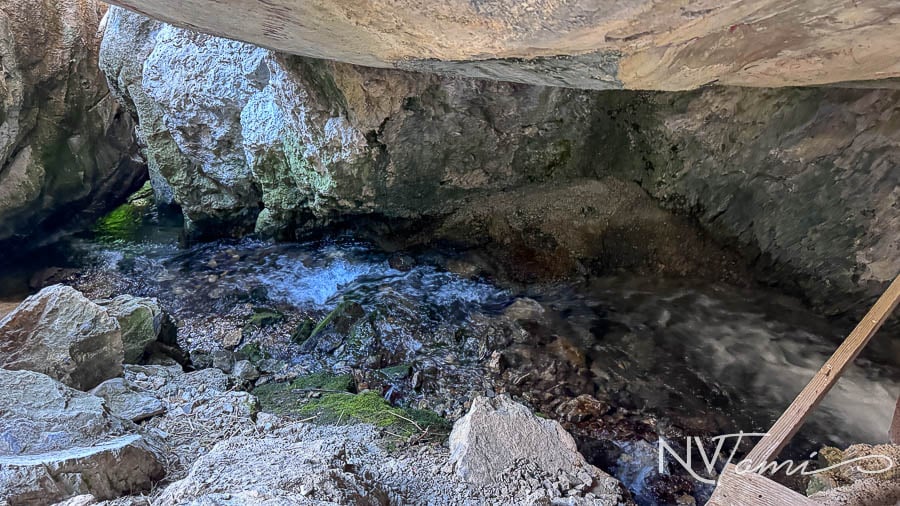
Did anyone drown in Cave Creek? The History of Nevada 1881 by Thompson & West is a compilation of early newspaper articles, interviews with pioneers, and visits to locations. There are no mentions of the incident. More period newspapers have been digitized, but again, there is no record of a drowning at Cave Creek.

Elko, Nevada • Mon, Aug 7, 1933
Another version of the story involves a love triangle. Two men from Fort Ruby, one an officer and the other enlisted, were in love with a girl from Cave Creek. To eliminate his competition, the officer sent the soldier to patrol a remote location. While he was gone, the girl and her family moved away from Ruby Valley. When the soldier returned, he was so distraught that he went into the cave and drowned.
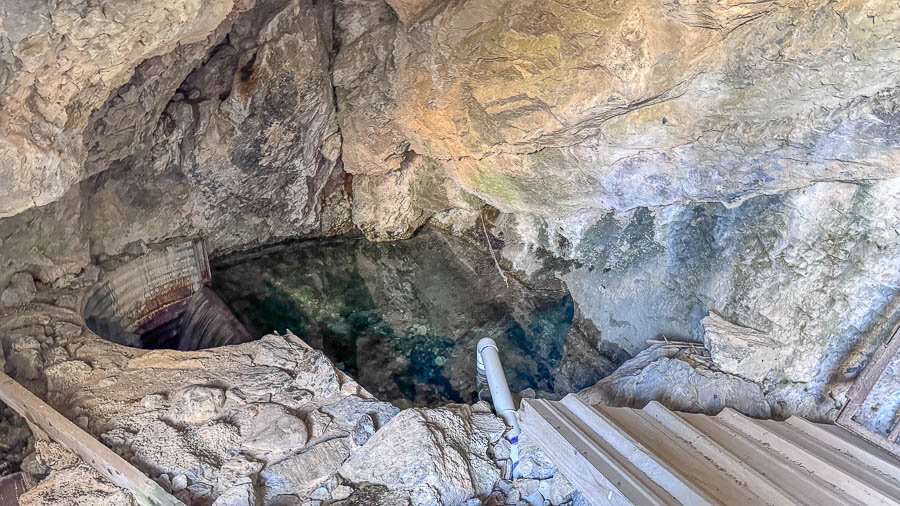
In 1933, the Elko Free Daily Press published an article recounting the Cave’s exploration in 1890. The author recounts the story told to him by Gay Dawley, who said he explored with Short and a schoolteacher. They “denied emphatically that there was any skeleton.” What the men discovered were crystals, stalagmites, and stalactites. They also came across a huge formation in the cavern, which they named the “great organ” because it resembled a pipe organ, and when struck, each section produced a different tone. Upon publication, readers wrote in questioning whether the story of the drowning was true.
Even with the recent digitization of newspapers, no stories about the drowning were found. All the mentions available are secondary sources. Did anyone drown at Cave Creek? Maybe, but maybe not. Unless new information is uncovered, it will remain another Nevada mystery.
End of Cave Creek
After the transcontinental railroad was completed in 1869, travel shifted to railways, and traffic on the Overland route declined, making the remote fort unnecessary. On March 10, 1869, the camp received orders to evacuate. By September 1869, Company I of the 9th Infantry had departed, abandoning Camp Ruby. Ranchers then purchased many of the buildings from Fort Ruby. Thomas Short relocated several of these buildings to his ranch at Cave Creek.
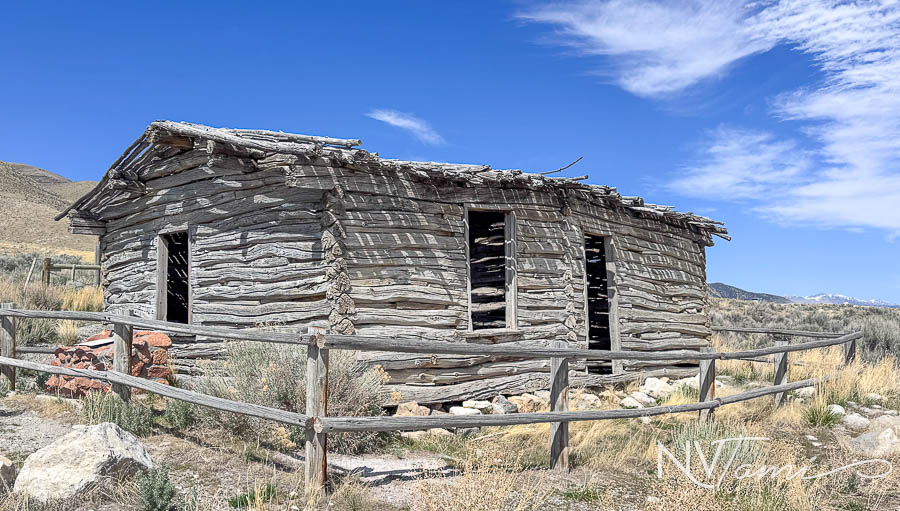
Mining supported Cave Creek for a time, but that soon ended. The town of Cave Creek became Cave Creek Ranch. In 1872, Thomas Short purchased the Cave Creek Ranch from George Williamson. Short sold the ranch to Jacob Bressman in 1882, then moved farther north into Ruby Valley. Bressman, along with his daughter Deby and her husband Lew (Lou) Benson, settled in Ruby Valley in 1880, a mile and a half south of Cave Creek. They had relocated from Eureka County, where they ran a freight business.
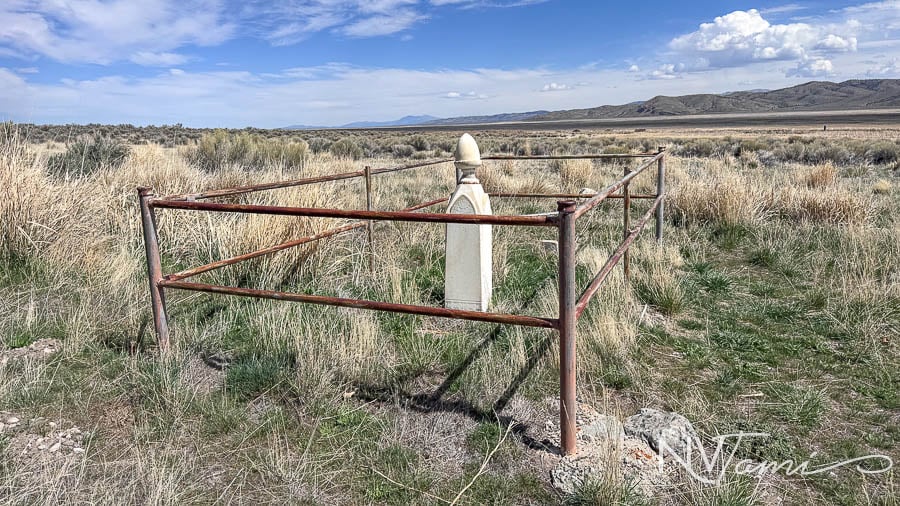
The Cave Creek post office opened at Bressman’s ranch on November 5, 1887. Lew Benson assumed the ranch following his father-in-law’s death in 1896. Following Benson’s death in 1927, Albert Hankins assumed ownership. The Cave Creek post office operated until April 30, 1929, when service was transferred to Ruby Valley.
Ruby Lake National Wildlife Refuge
In 1937, Hankins sold his ranch and marsh to the US Government. The following year, under President Franklin D. Roosevelt’s administration, Ruby Lake Migratory Waterfowl and Game Refuge was established.
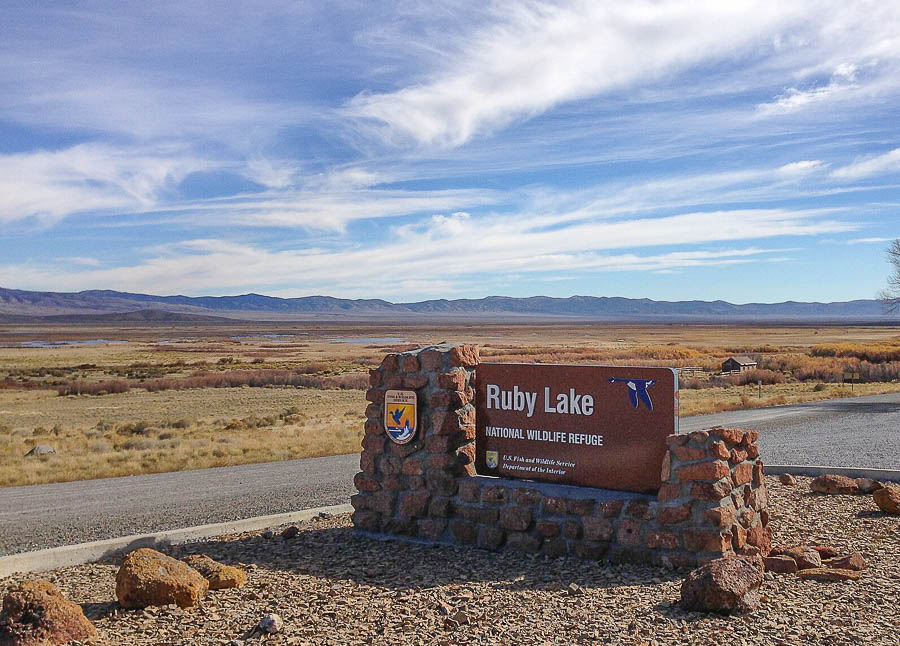
(Photo credit: Famartin)
At Ruby Lake, the Civilian Conservation Corps (CCC) developed wildlife habitat, headquarters, staff dwellings, roads, and recreational facilities. One of their main projects was the construction of dikes and infrastructure to harness water from Cave Creek.
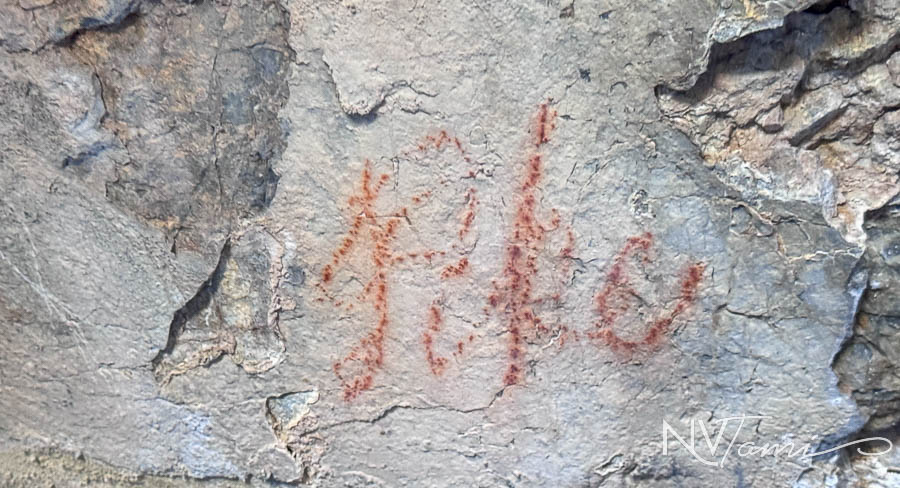
The CCC was a voluntary work-relief program from 1933 to 1942 that addressed unemployment during the Great Depression. Unemployed and unmarried men ages 18–28 could participate. The program focused on manual labor jobs relating to conserving and developing state and federal lands.
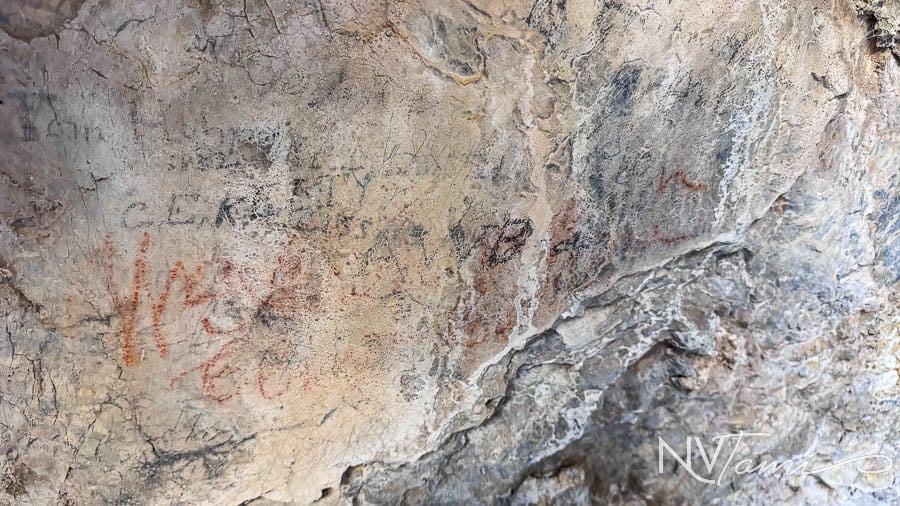
Due to the isolated location, it took two years to open the CCC Camp. Even then, the remote location wore on the boys and men. Many left stayed less than 6 months, and on one weekend, over 155 left. For those who remained, what kept them was the lure of learning to operate trucks and heavy equipment.
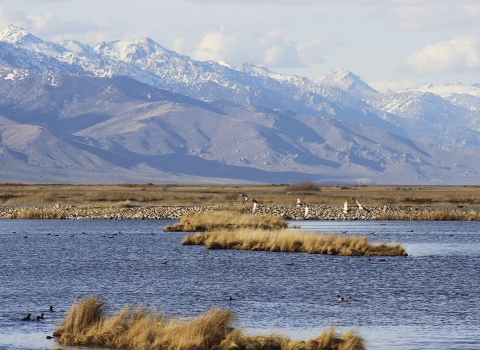
(Photo credit US Fish and Wildlife Services)
The Ruby Lake National Wildlife Refuge, as it is now known, grew to encompass 40,048 acres of meadows, marsh, and upland habitats. The land is now “a refuge and breeding ground for migratory birds and other wildlife.” Over 200 species of birds visit Ruby Lake NWR, including the Sandhill Crane.
WANT MORE GHOST TOWNS?
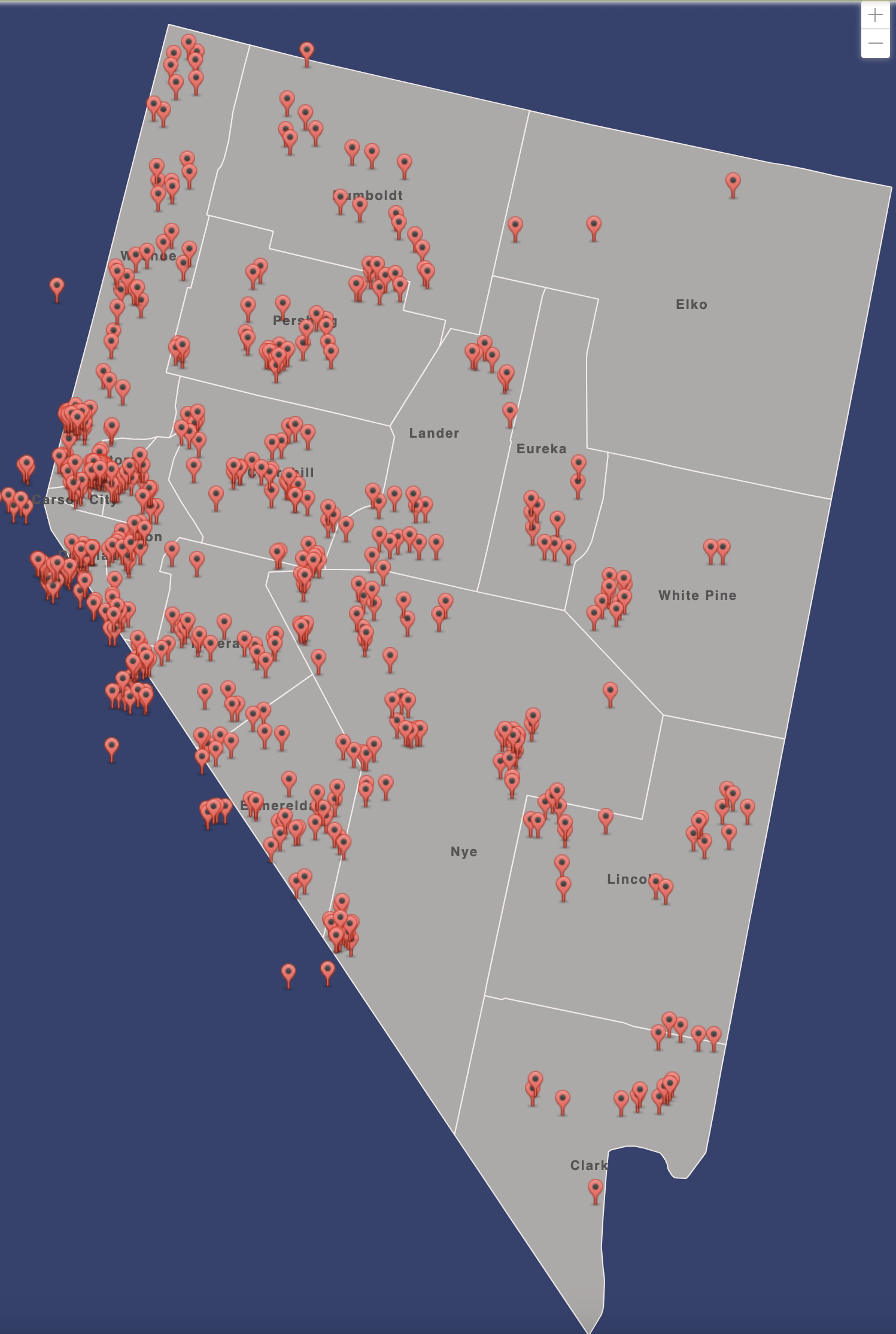
For information on more than five hundred ghost towns in Nevada & California, visit the Nevada Ghost Towns Map or a list of Nevada ghost towns.
Learn about how to visit ghost towns safely.
References
- Bloss, Roy S. Pony Express: The Great Gamble. Howell North, Berkeley, California, 1959.
- Carlson, Helen S. Nevada Place Names: A Geographical Dictionary. University of Nevada Press, Reno and Las Vegas. 1974.
- The Daily Appeal Sep 28, 1875
- Daily Territorial Enterprise Mar 16, 1870
- Daily Territorial Enterprise Jul 28, 1871
- DiCerto, Joseph J. The Sage of the Pony Express. Mountain Press, Missoula, Montana. 2002.
- The Elko Independent Jul 10, 1869
- The Elko Independent Feb 23, 1870
- The Elko Independent Jun 18, 1870
- Elko Daily Free Press Aug 7, 1933
- Gamett, James and Stanley W. Paher. Nevada Post Offices: An illustrated History. Nevada Publications. Las Vegas. 1983.
- Hall, Shawn. Connecting the West: Historic Railroad stops and stage stations in Elko County, Nevada. University Press, 2002.
- Hall, Shawn. Old Heart of Nevada: Ghost towns and mining camps of Elko County. University of Nevada Press, 1998.
- Hill, William E. Pony Express Trail: Yesterday and Today. Canton Press, Caldwell, Idaho. 2010.
- Kolvet, Renee Corona & Victoria Ford. The Civilian Conservation Corps in Nevada: From Boys to Men. University of Nevada Press, 2006.
- Nevada Bureau of Land Management. The Pony Express in Nevada. Nevada State Museum, 1996.
- Nevin, David. The Old West: Soldiers. Time Life Books, Alexandria, Virginia. 1974.
Paher, Stanley. Nevada Ghost Towns & Mining Camps. Nevada Publications, 1970. - Roberts, Robert B. Encyclopedia of Historic Forts: The military, pioneer, and trading posts of the United States. MacMillan Publishing Company, New York. 1988.
- Thompson, Thomas H and Albert Augstus West. History of Nevada, 1881. Introduction by David F. Myrick. Howell-North, 1958.


Leave a Reply