Poinsettia
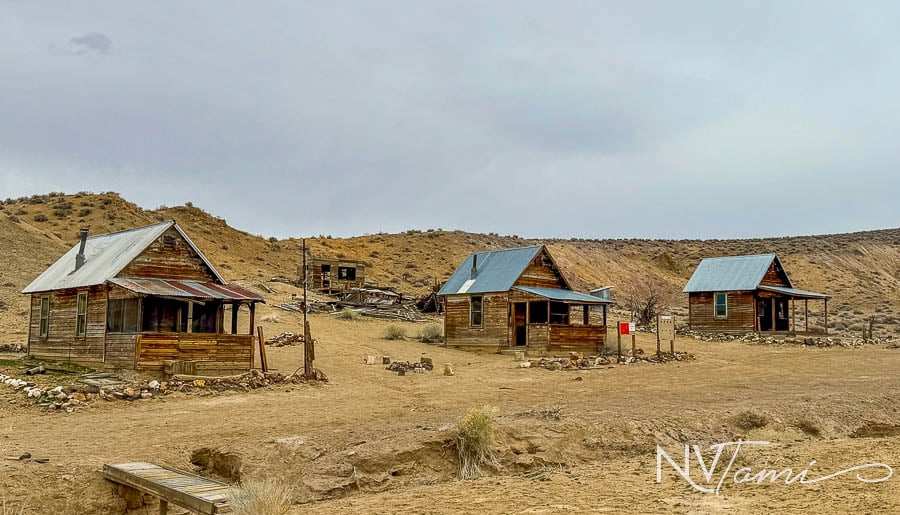
I finally made it to this biggie! It wasn’t in the plans for my annual President’s Day trip with Nevada Expeditions. Watching the weather radar, we changed plans and headed south. As soon as we made the decision, Poinsettia was top of my list. We had beautiful weather aside from the wind in exposed areas, which felt so cold!
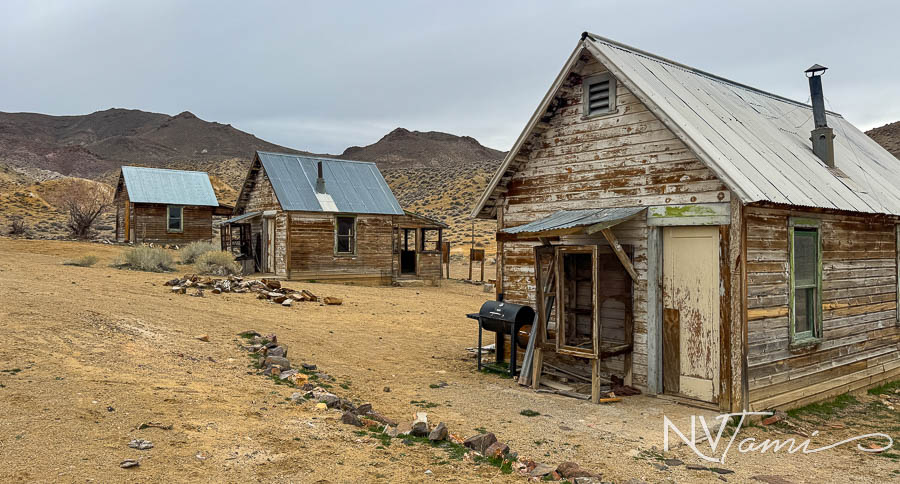
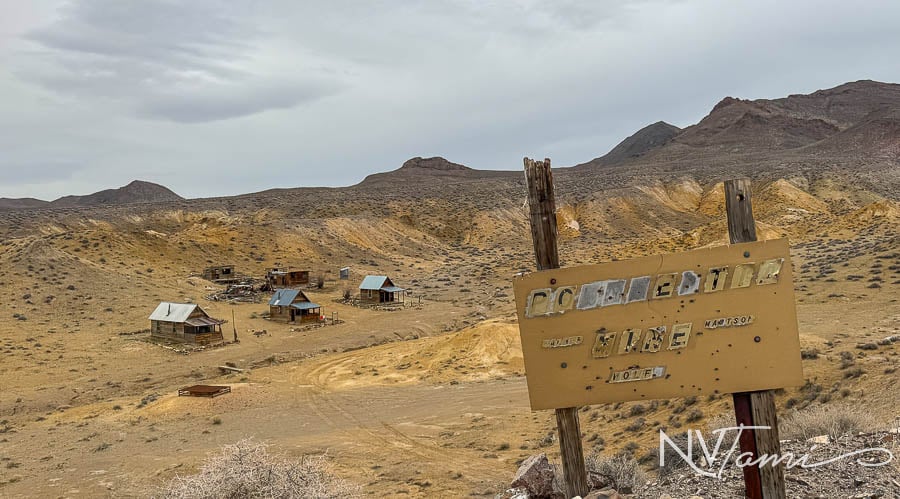
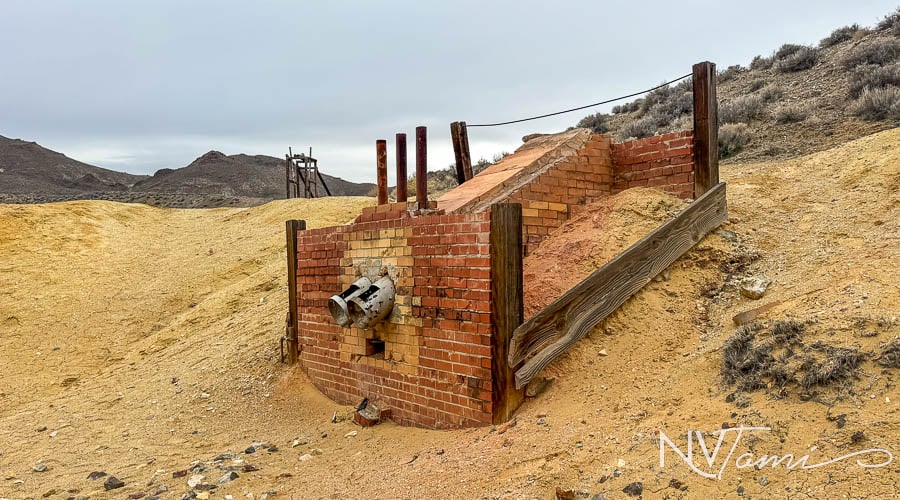
Poinsettia was a mercury mine discovered in 1929. Vet Baxter took over the claims in the early 1930s. Production was on a small scale until 1944, when the mining camp was built. Following Baxter’s death in 1973, the Boy Scouts took care of the camp. Sadly, the “saloon” burned.
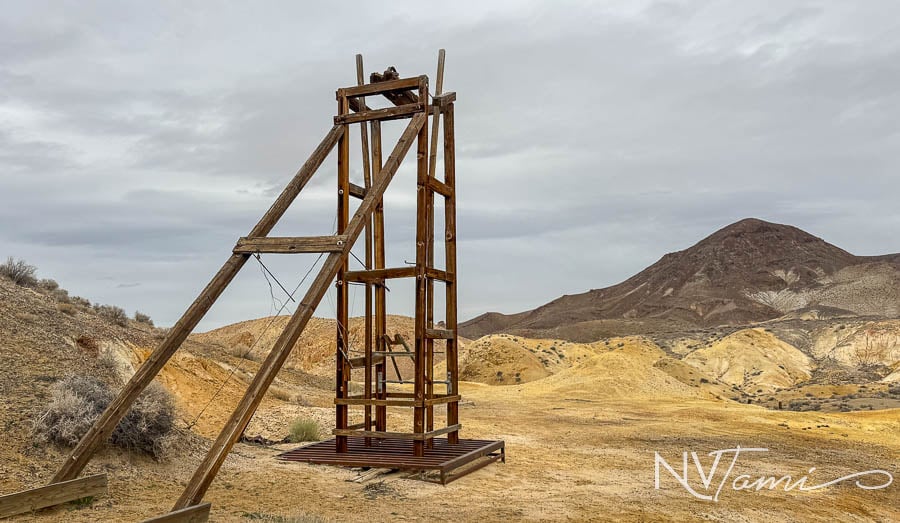
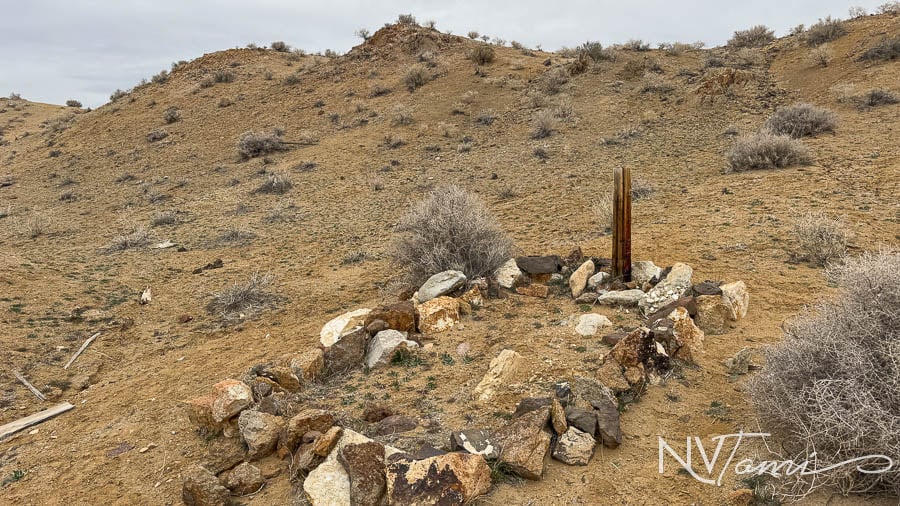
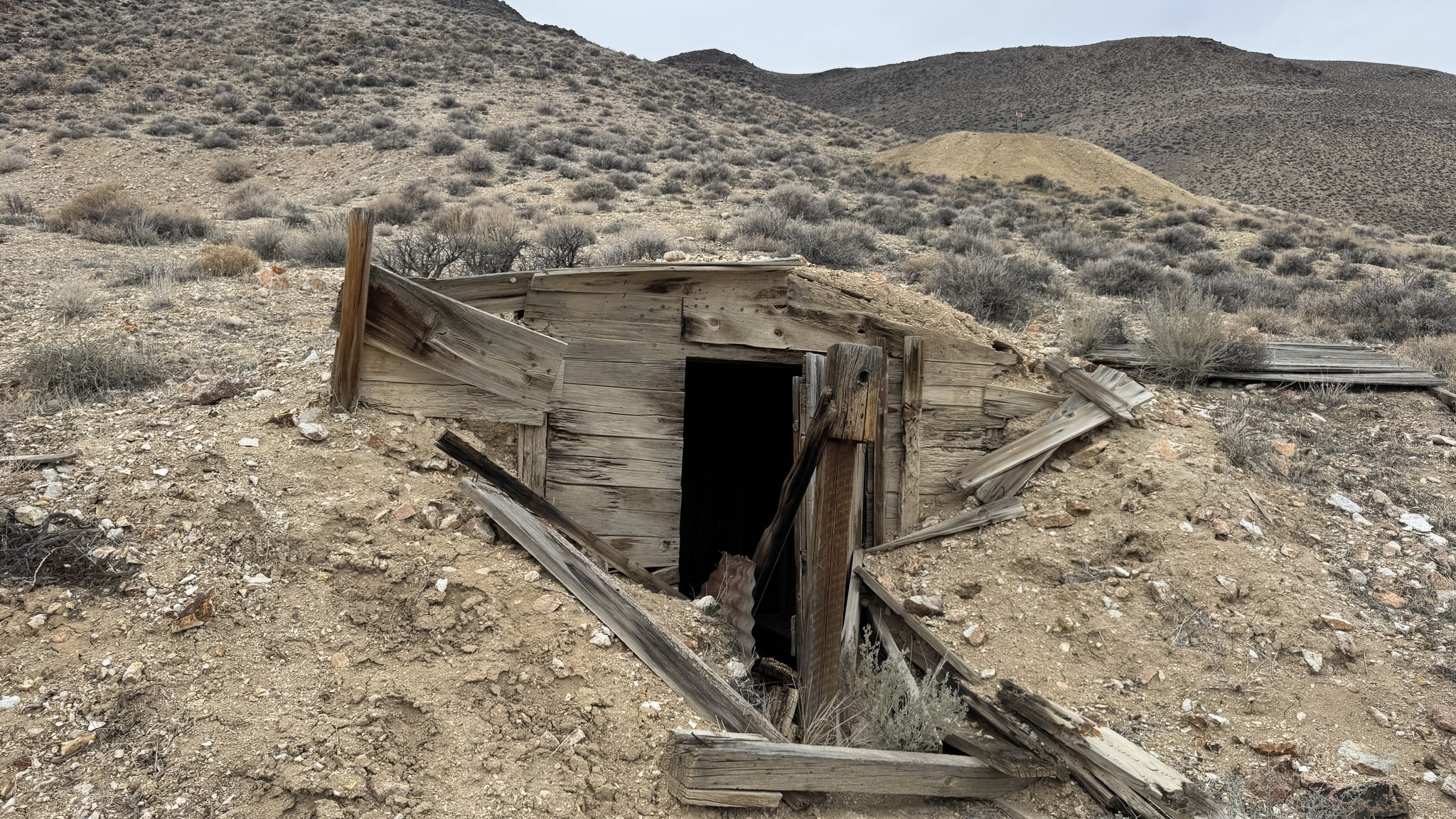
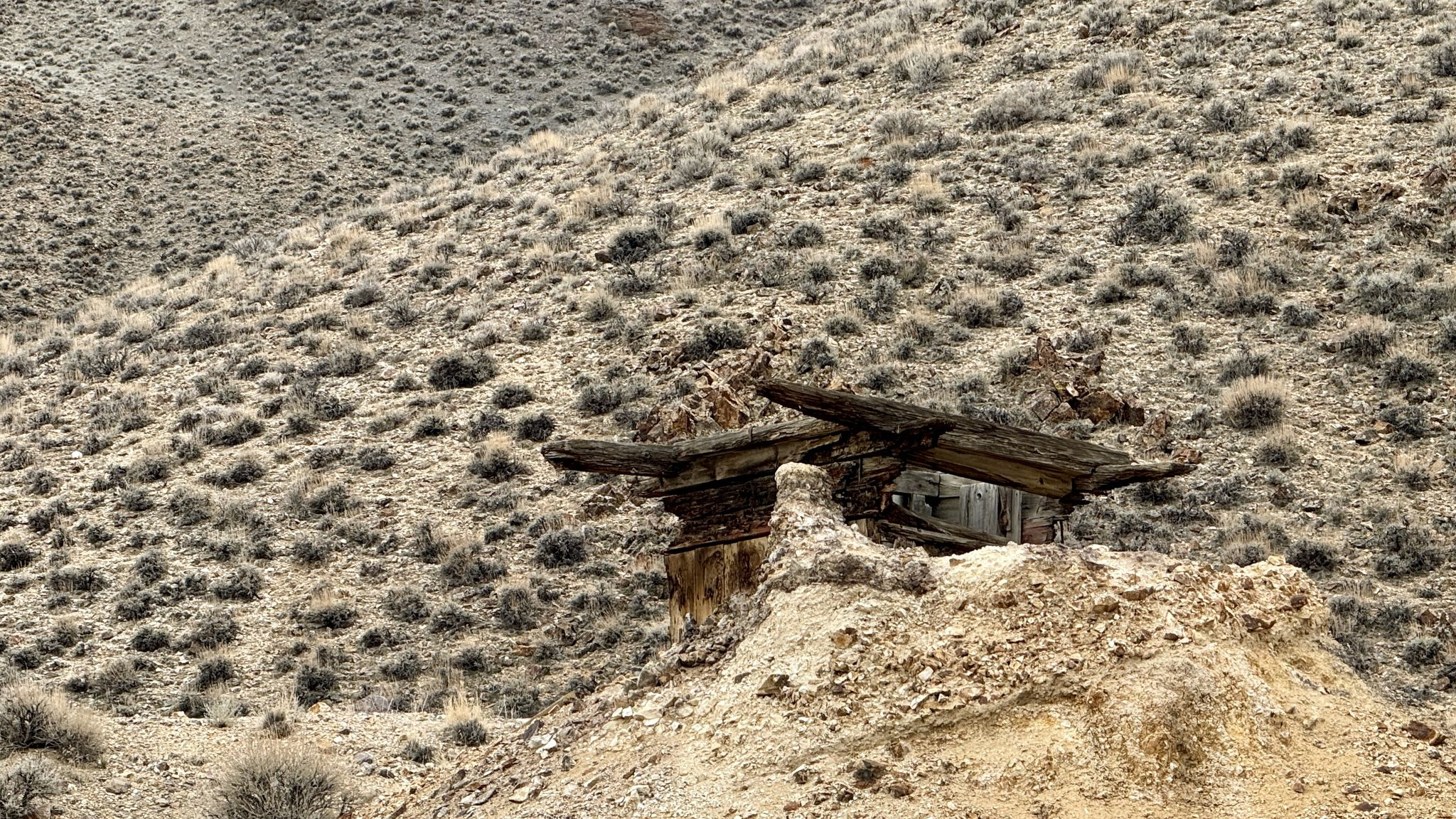
Blue Sphinx Mine
Prospectors from Rawhide discovered silver in 1908. Ore sent to Rawhide for milling
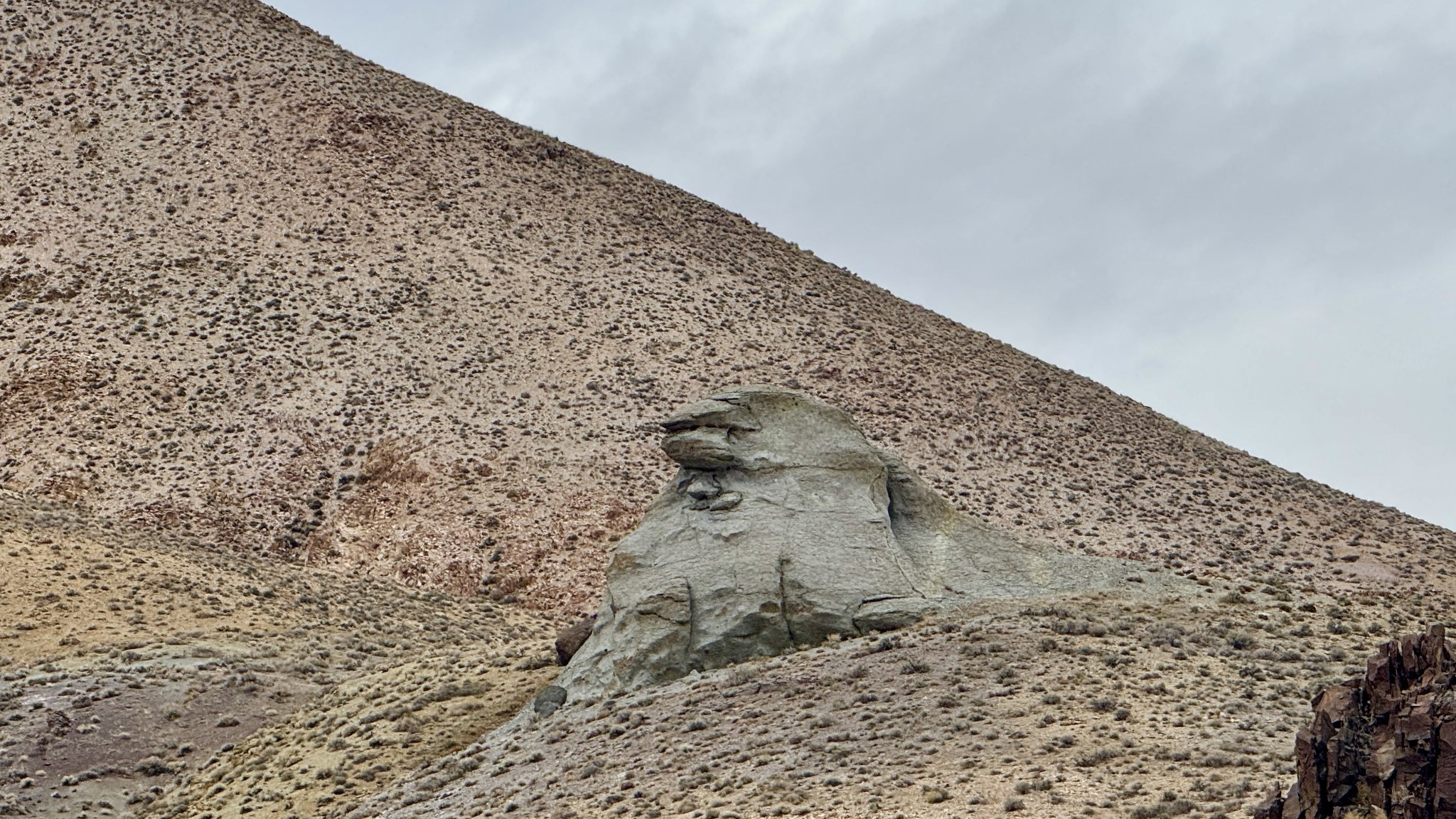
The Blue Sphinx was named after the unique rock formation near the mine. I can see why they thought it looked like the Sphinx from below, but from above it more closely resembles a giant monkey.
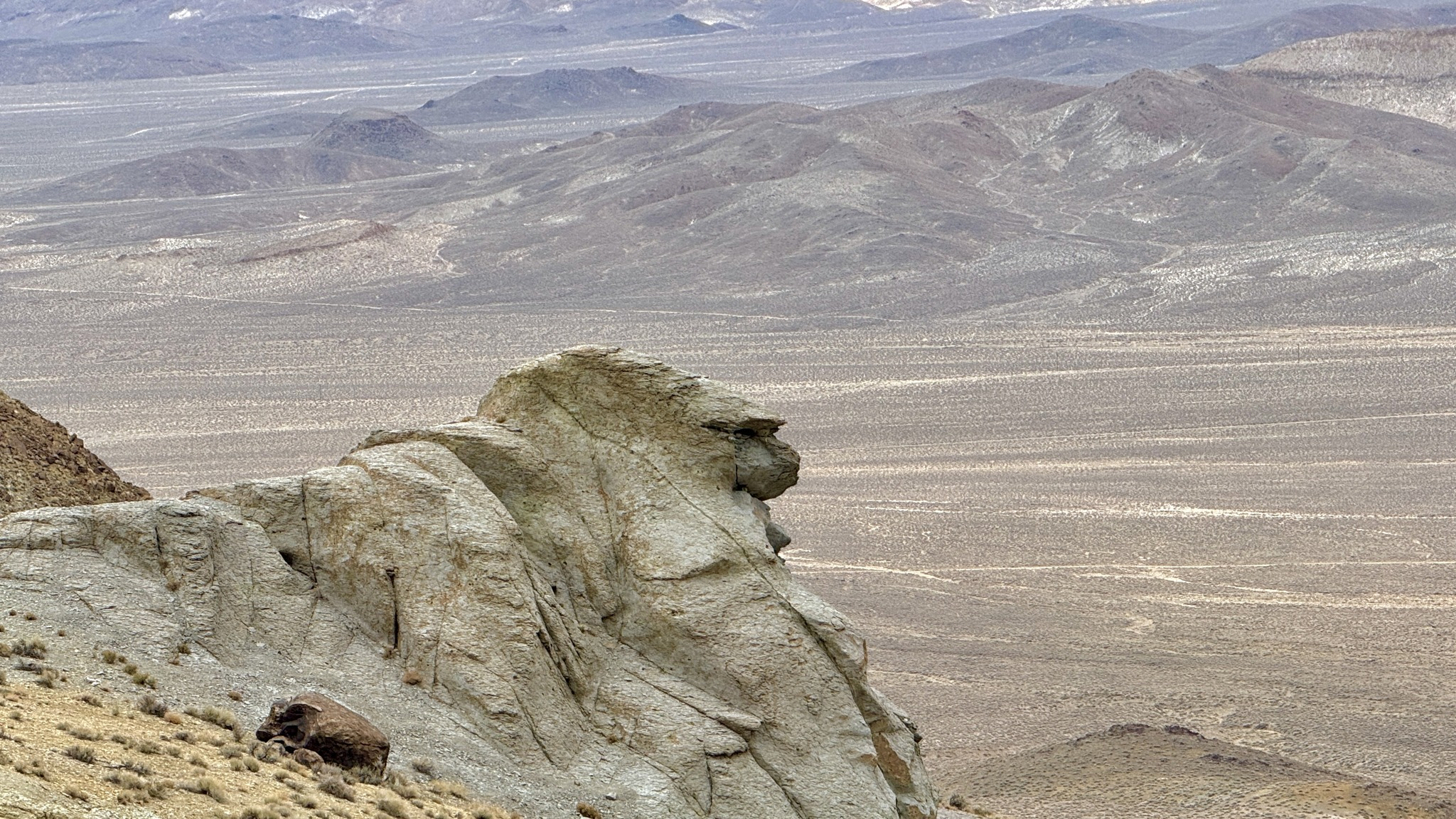
Not much remains at the mine, but the Sphinx is worth the trip.
Golen Pen Mine/Bovard
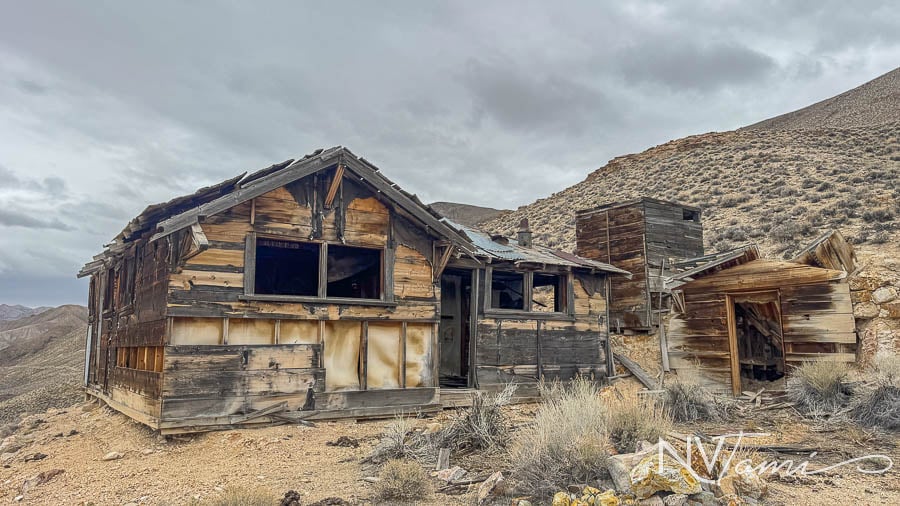
Prospectors discovered silver in 1908. Golden Pen was the largest producer in the area. A small camp of Bovard formed, primarily from residents of Rawhide. A fival camp of Lorena enticed some residents away, but Bovard retaliated by bribing water deliveries to skip Lorena. Lorena folded, but Bovard wasn’t too far benind.
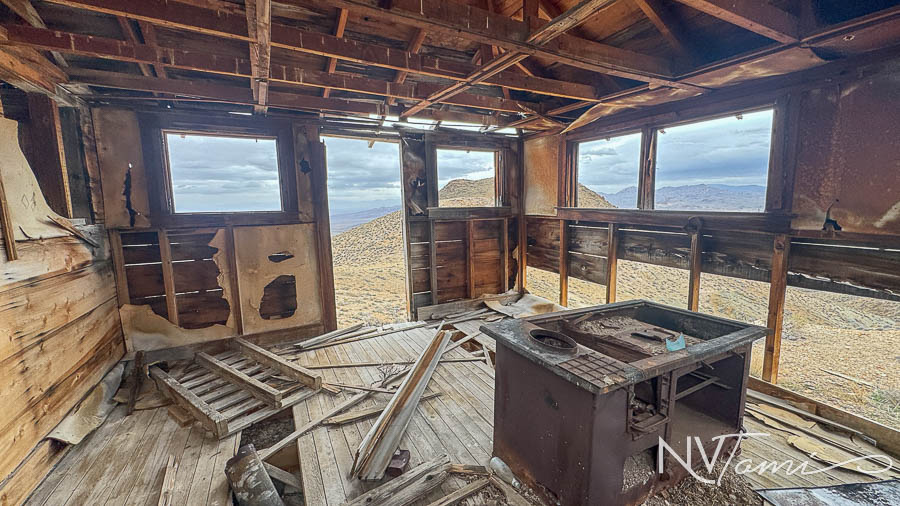
In 1920, Gold Pen Mines opened a twenty-ton mill, but it only operated a few months before closing.
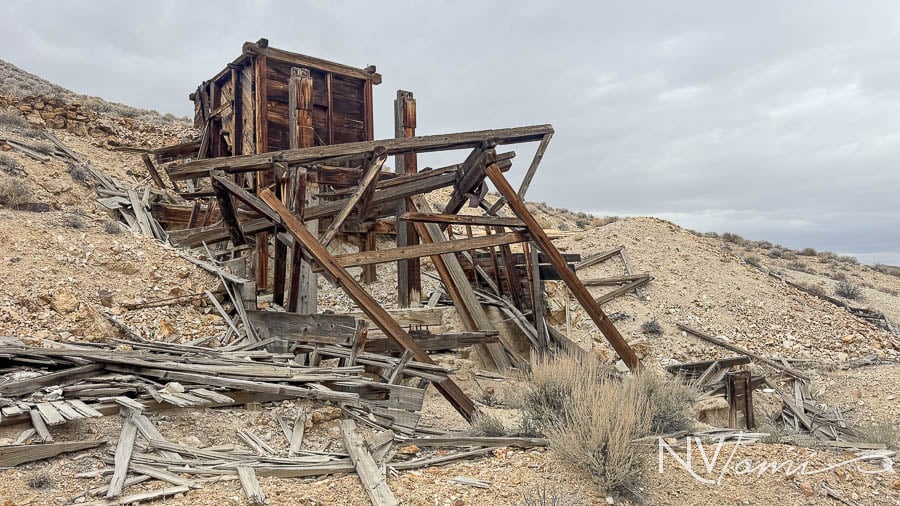
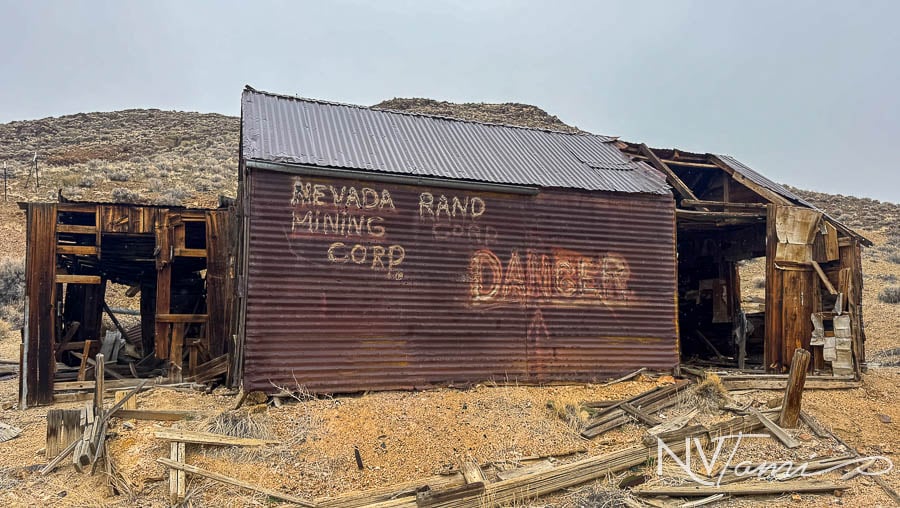
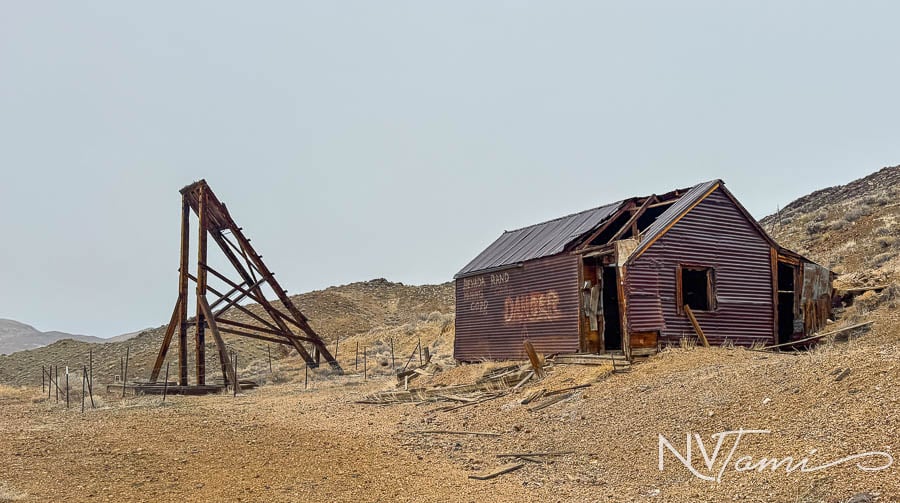
Nevada Rand Mine
Nevada Rand Mine sunk a prospect shaft in 1909. In the 1920s, this was expanded.
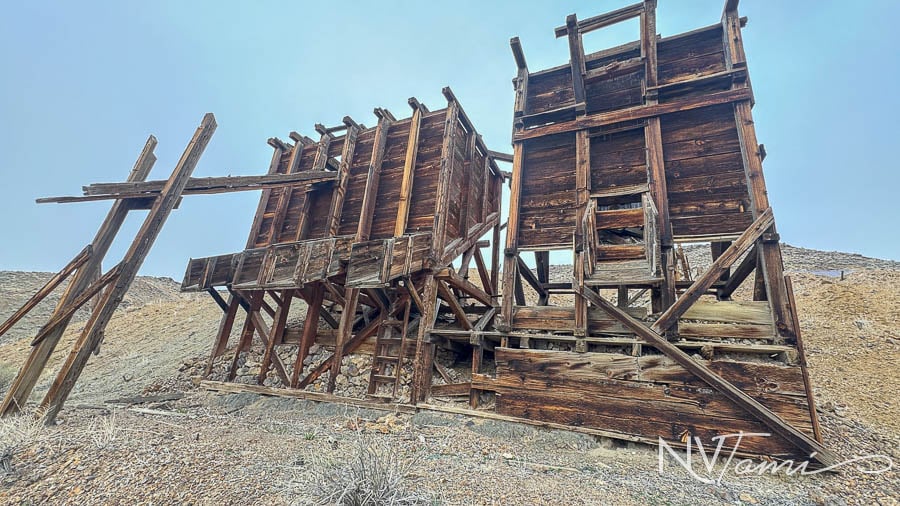
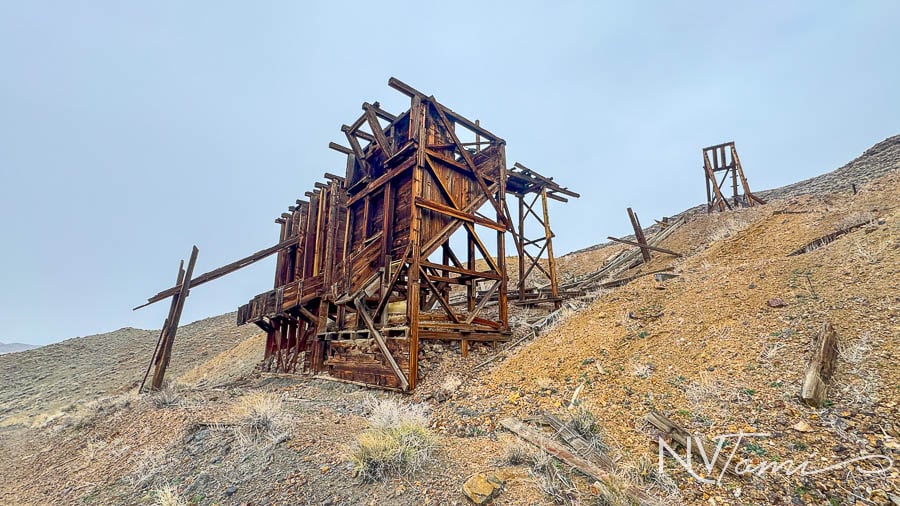
Walker Lake Carp Boat and Marina
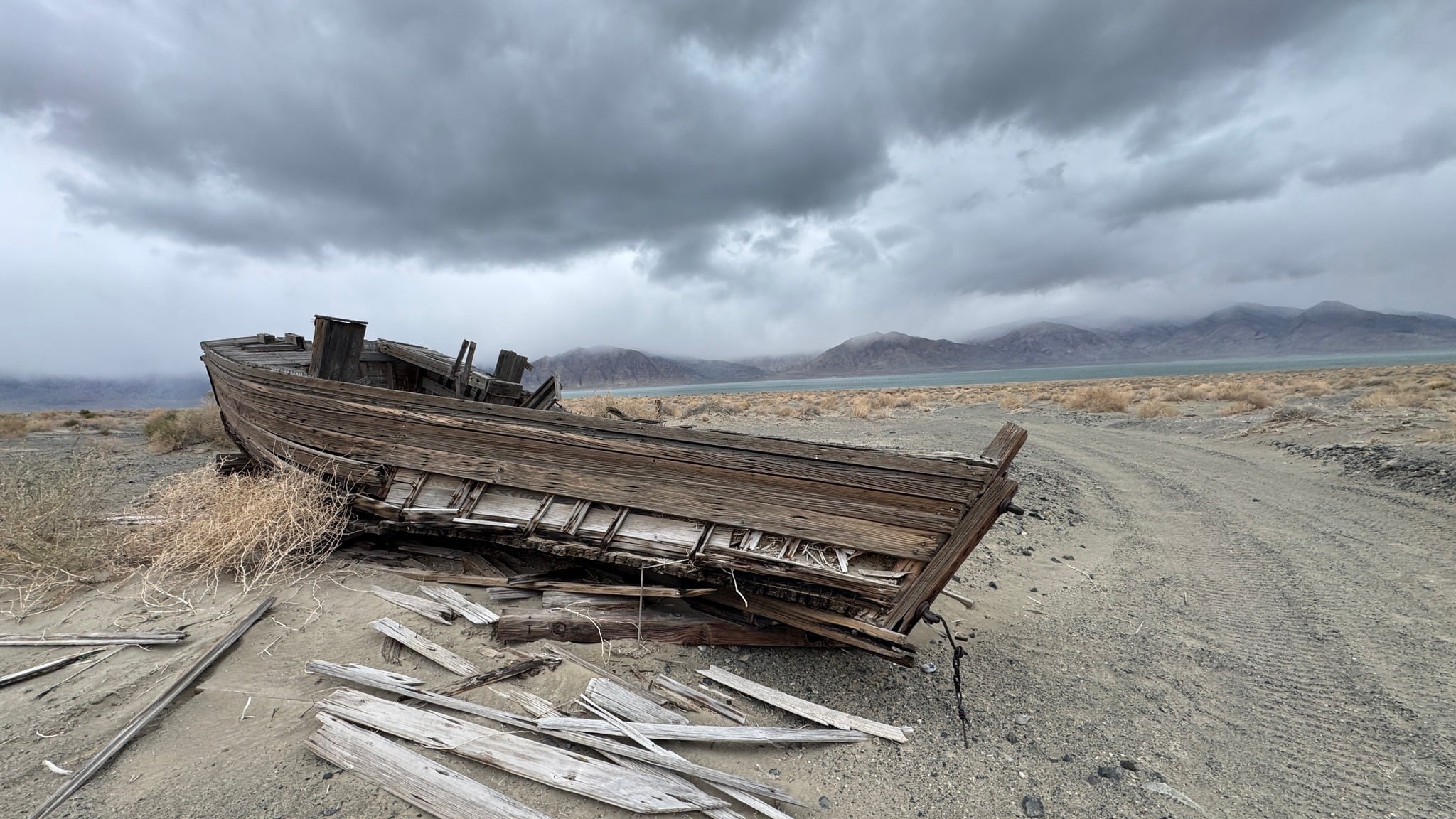
In the 1930s, Bradford Stinson had a commercial fishing business on the east side of the lake. Situated alongside the Southern Pacific Railroad, he could immediately ship orders, assuring freshness.
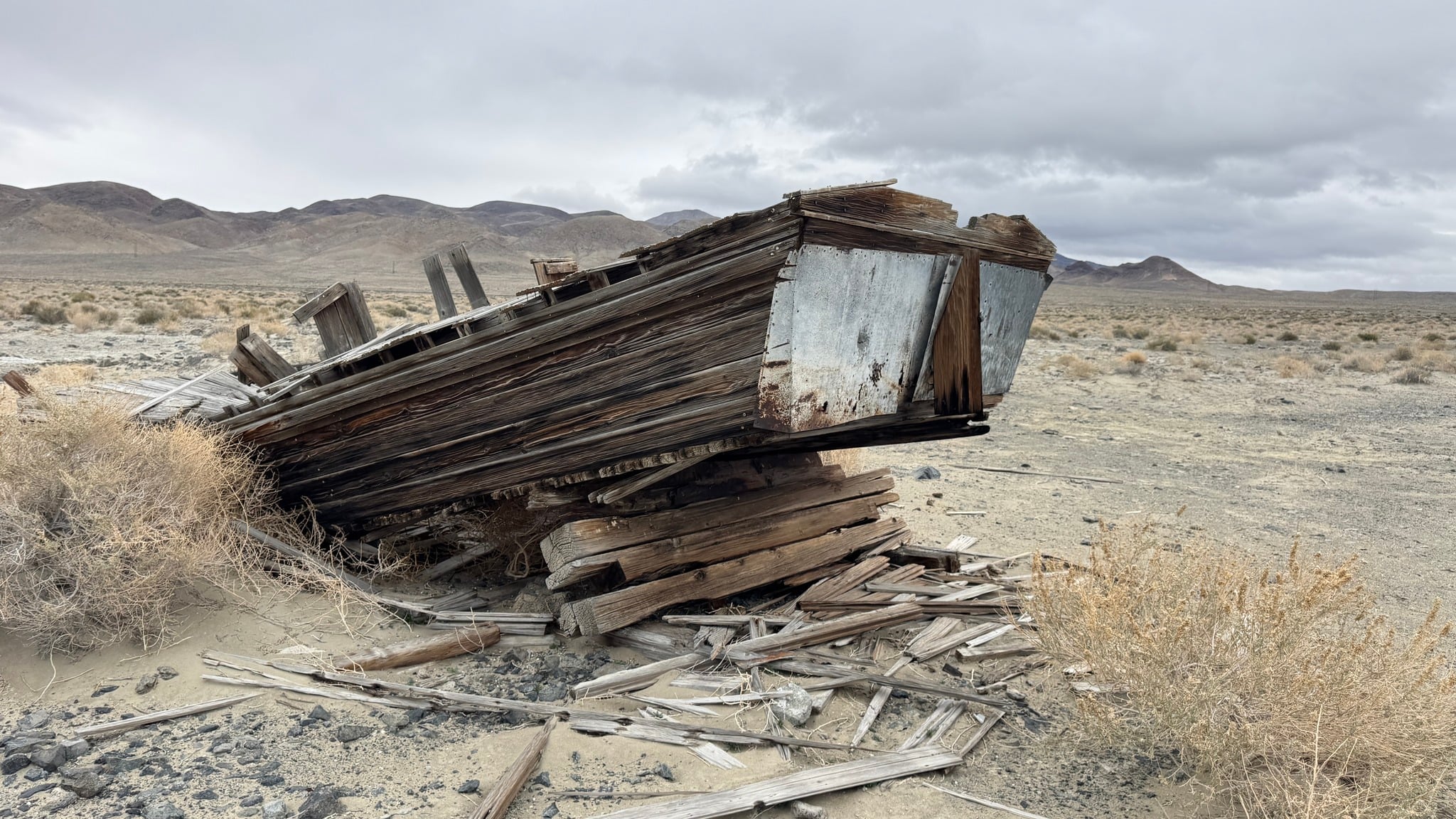
Water diversion has reduced Walker Lake to only 20% of its original volume, ending fishing on the lake.
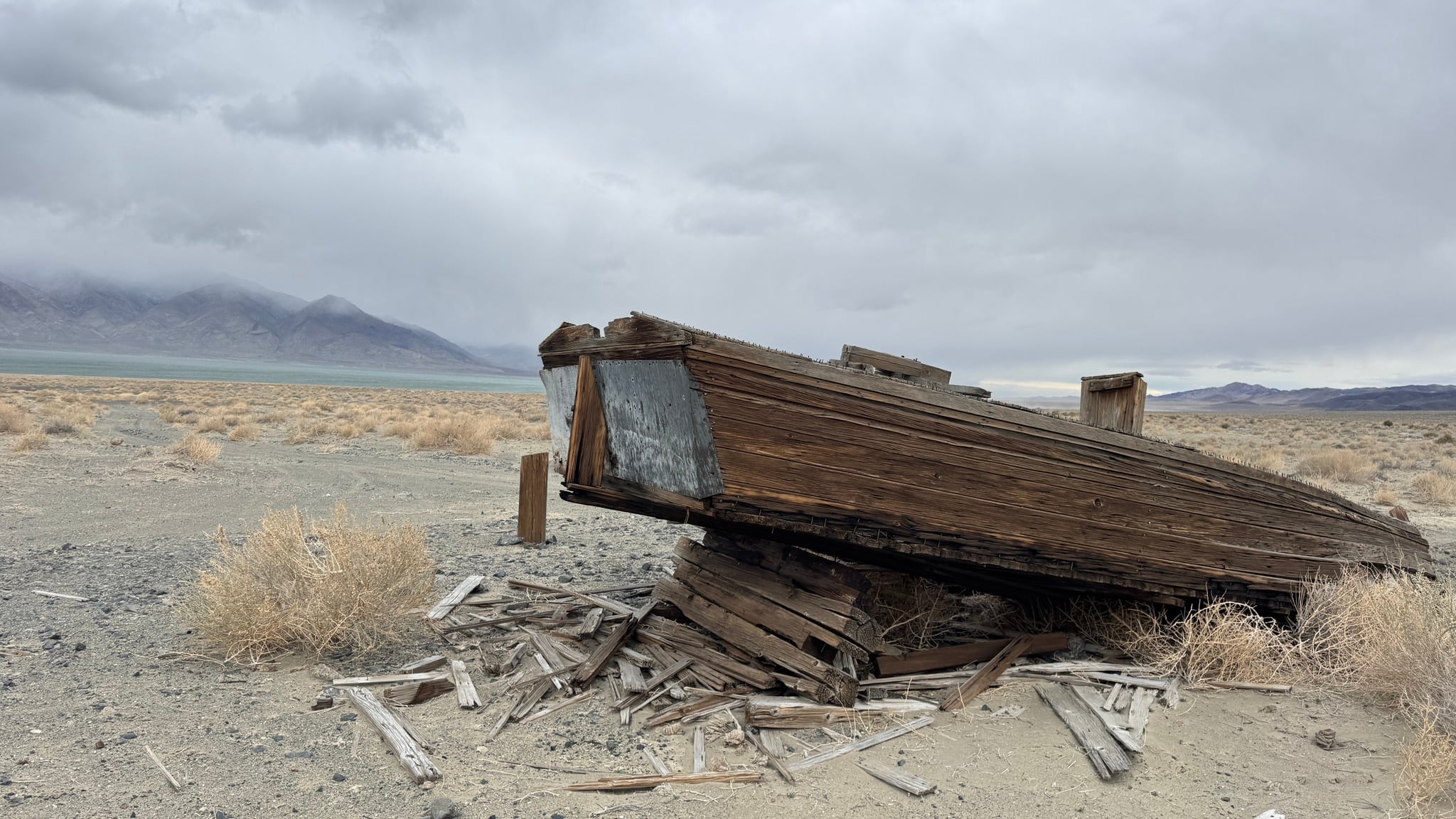
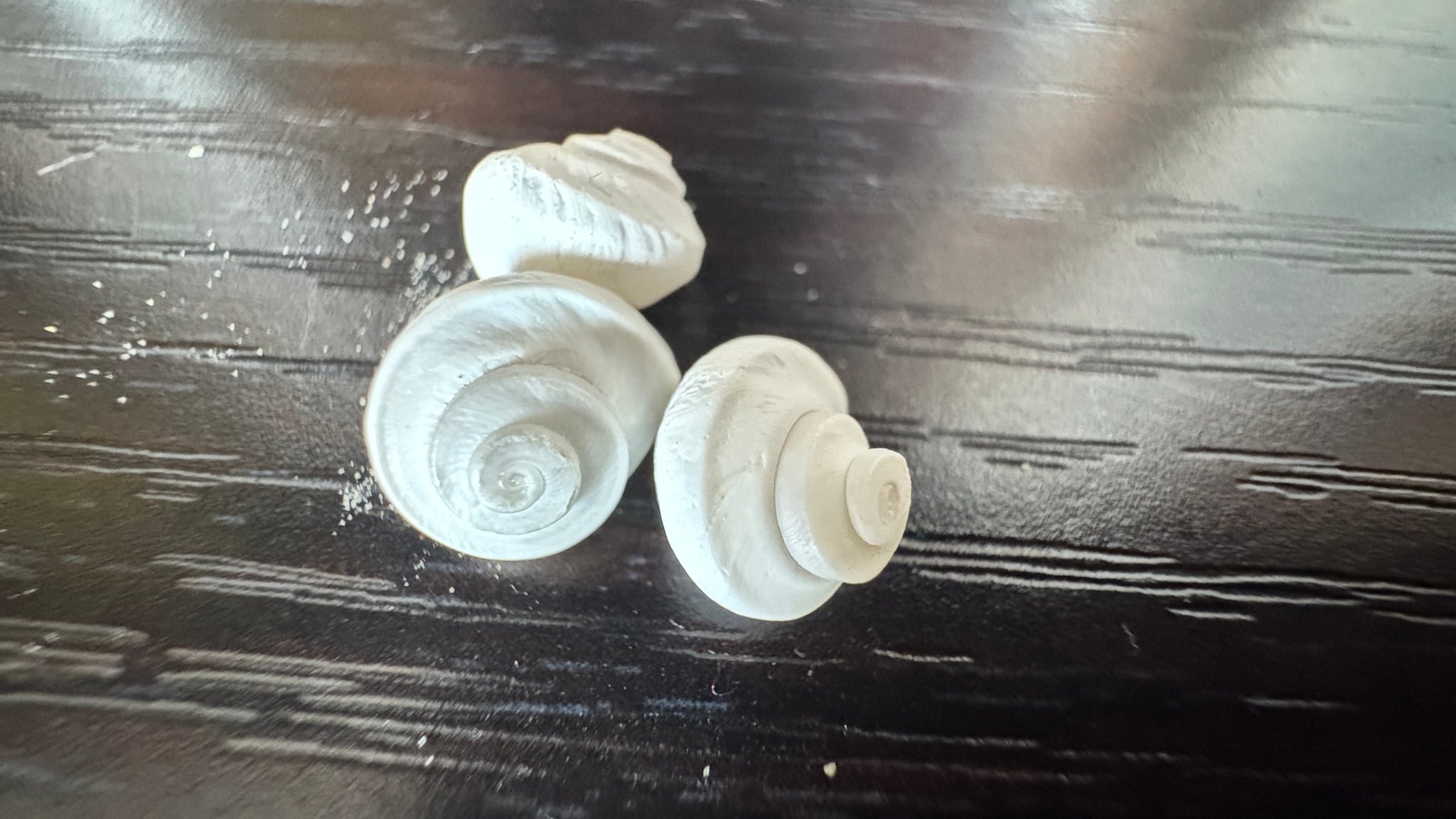
Look closely at the white spots on the ground. It isn’t hail, but it is the cutest tiny shells.
Glad I went before the storms hit!
Follow me on social media:


Lynn says
I’ve seen the Sphinx, and at that time I had no idea the Poinsettia mine was near. Last fall I attempted to go to the Poinsettia, and again in March. Fate had different plans for me, so I’ll have to try again at some point. Thank you for all of your hard work, writings, and explores!
Tami says
I hope you make it! This one had been on my list for sometime. It wasn’t hard to reach, just out there.
David A Sadewasser says
I agree with your comment that the rock top looks like an ape or monkey. Hopefully, it won’t erode like the Great Stone Face in New Hampshire.
Cliff says
Neat!
My stomping grounds. I’ve been to all three mines several times over the years. I’m glad I saw the Poinsettia Saloon before it burned down. It was pretty cool.
I always enjoy learning more about places I’ve been.
Thank You!
Tami says
I wish I had seen the saloon, such a sad loss.
Anonymous says
What a wonderful trip! Places I do not know. Love the Sphinx. Terrific pictures, as always!
Jeanne
Tami says
Thank you Jeanne!
terry says
it says walker lake has been reduced to 20%, when did this happen ?
Tami says
A number of years ago. Friends tell me they remember when it was fuller and boating and hanging out on the lake.
Bob Hansen says
Thank you for taking me on a trip through history and one I will probably never make 🙂
Tami says
I’m glad you got to follow along.