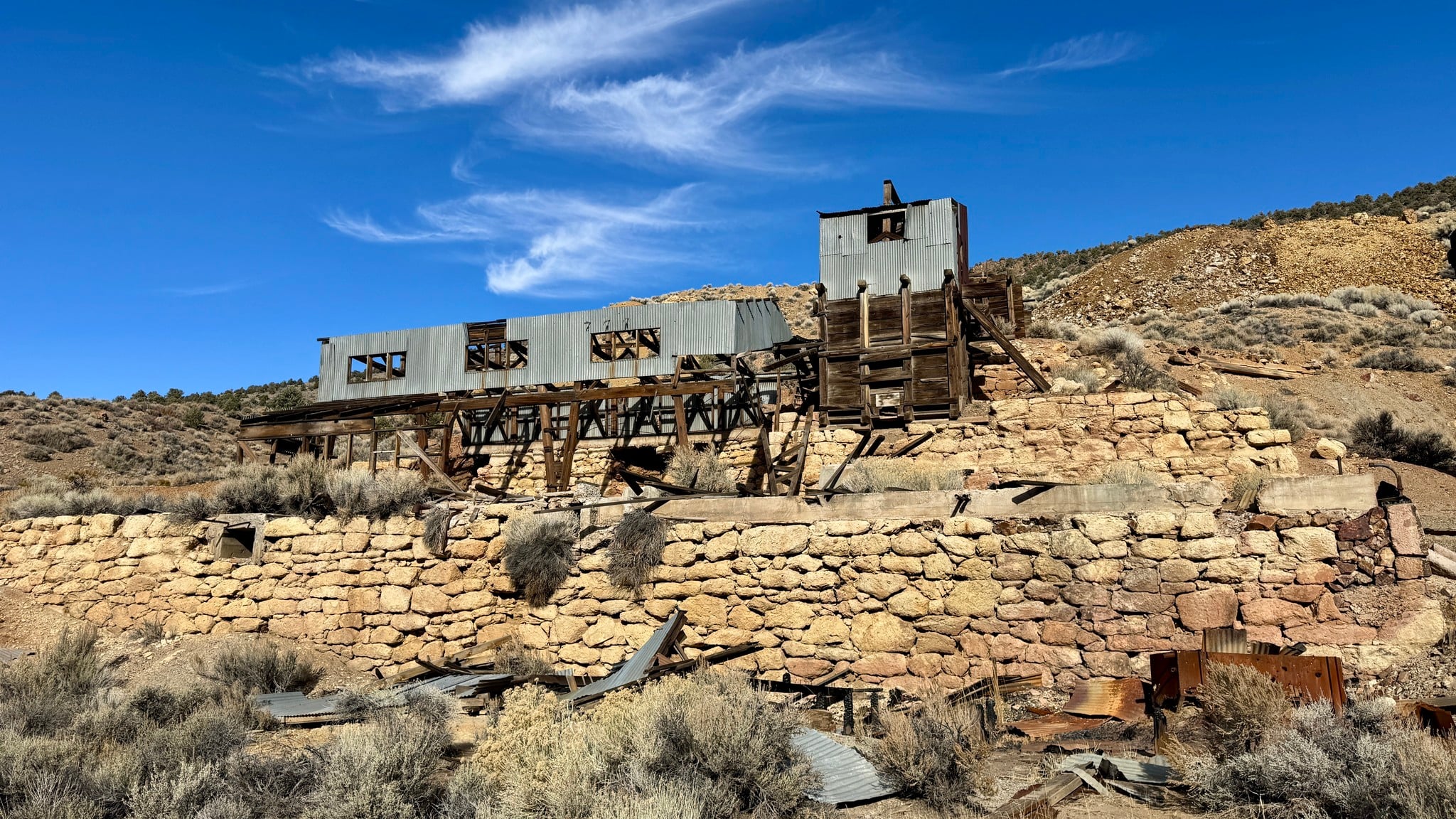
I got out a little in December between radiation treatments. I was a Passenger Princess with Nevada Expeditions and Baby Badger’s first time out since he got a new engine. Most of the weekend was spent putting a new radio in Honey Badger, but we played a little.
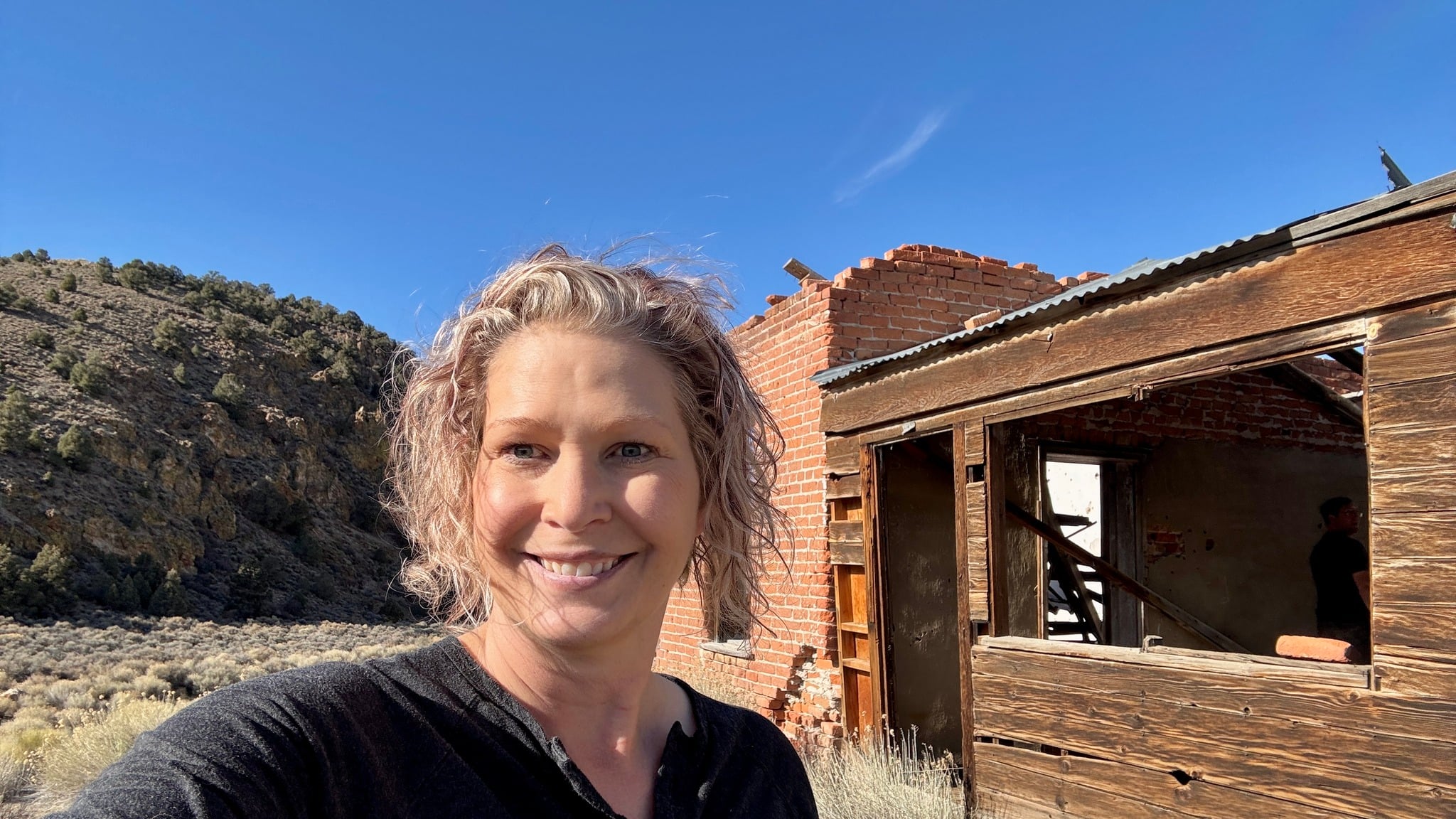
Grantsivlle
Grantsville is one of the biggies I hadn’t visited yet. We couldn’t have asked for a better weekend, sunny and 60!
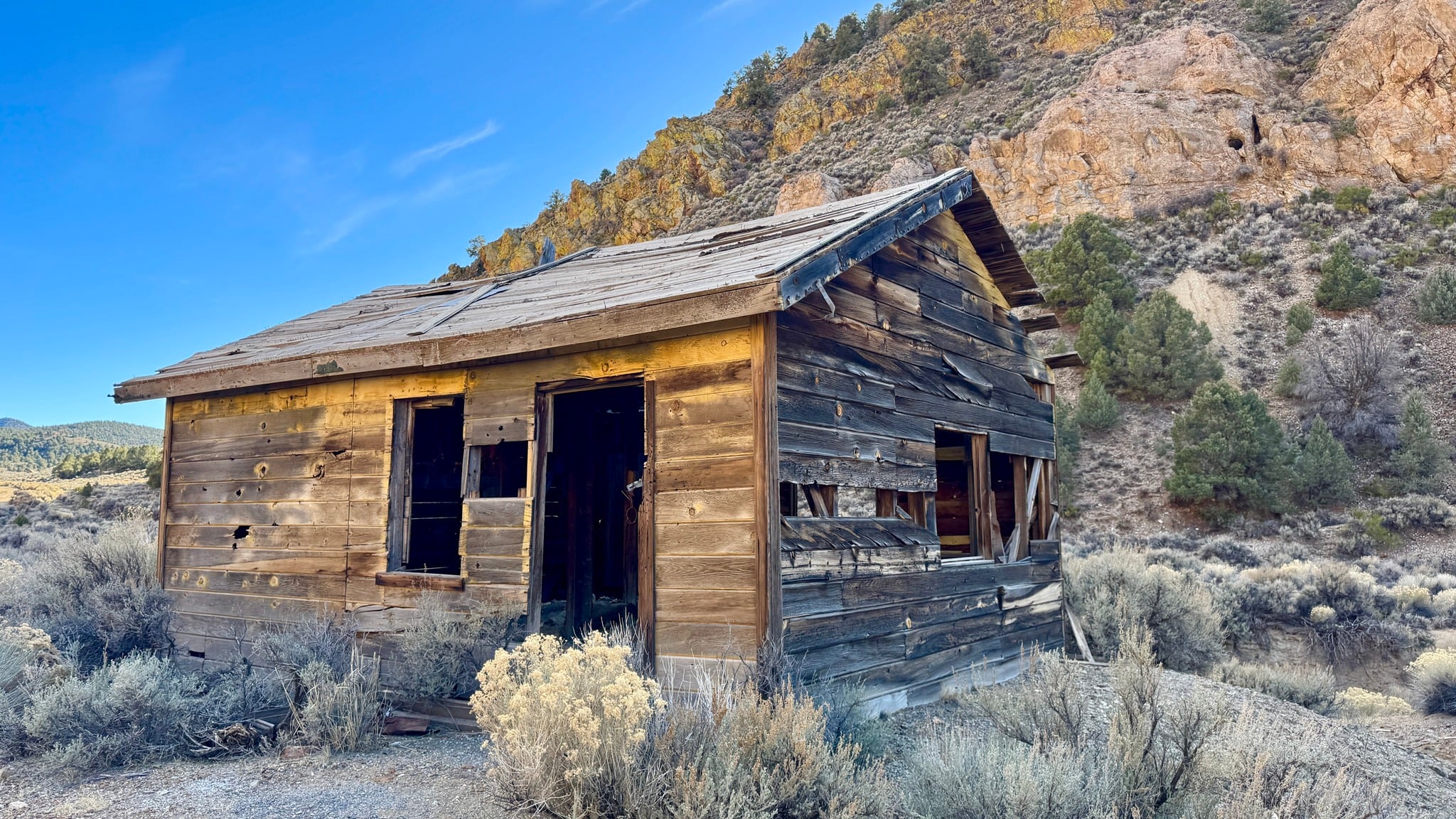
Activity faded by 1880, but some mining continued. Several revivals occurred in the 1920s. The last activity occurred during World War II, when tailings were reworked for lead. ll. The town grew to a population of 1,000 and included a post office, businesses, and a newspaper.
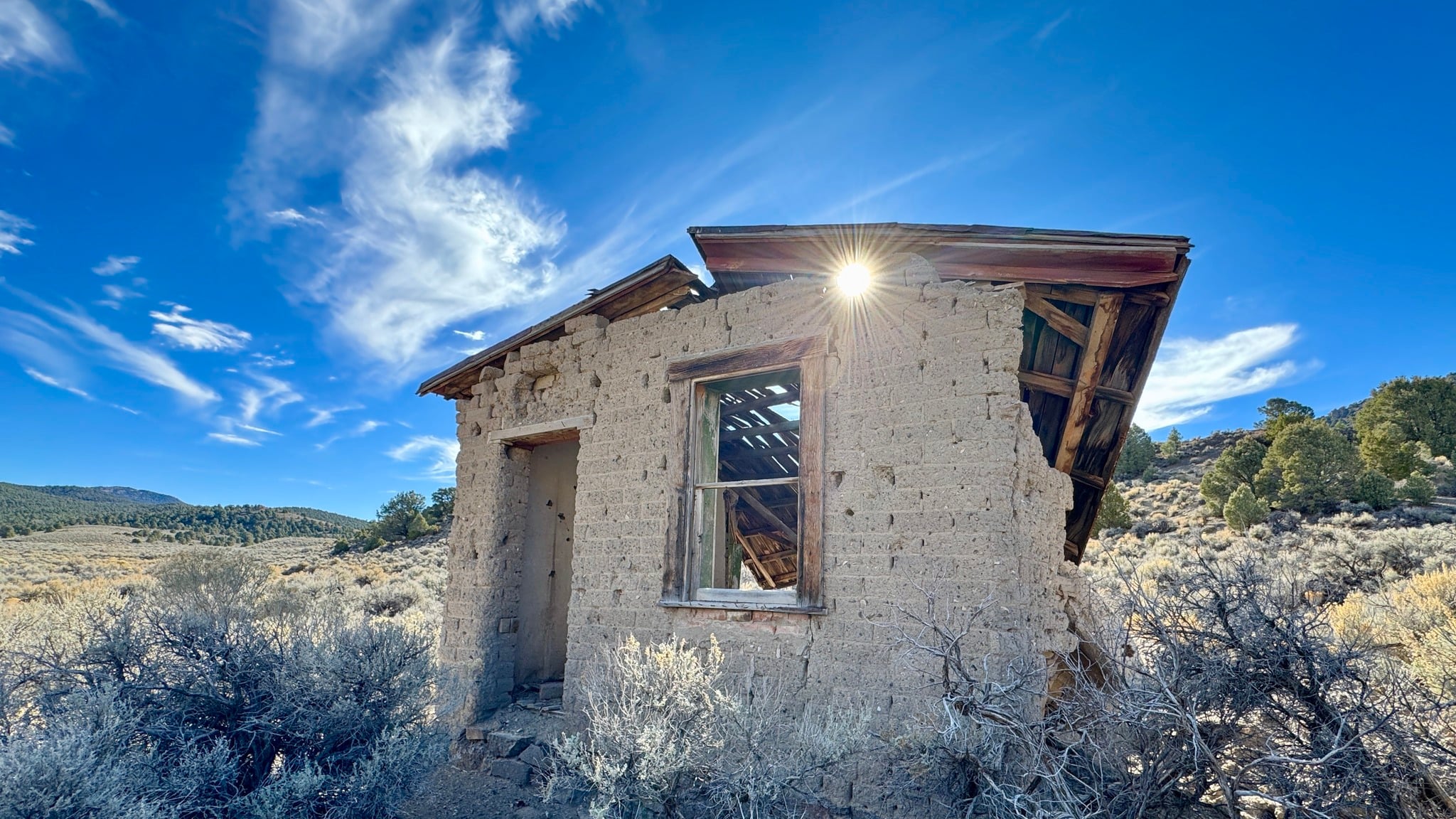
Activity faded by 1880, but some mining continued. Several revivals occurred in the 1920s. The last activity was during World War II, where tailings were re-worked for lead.
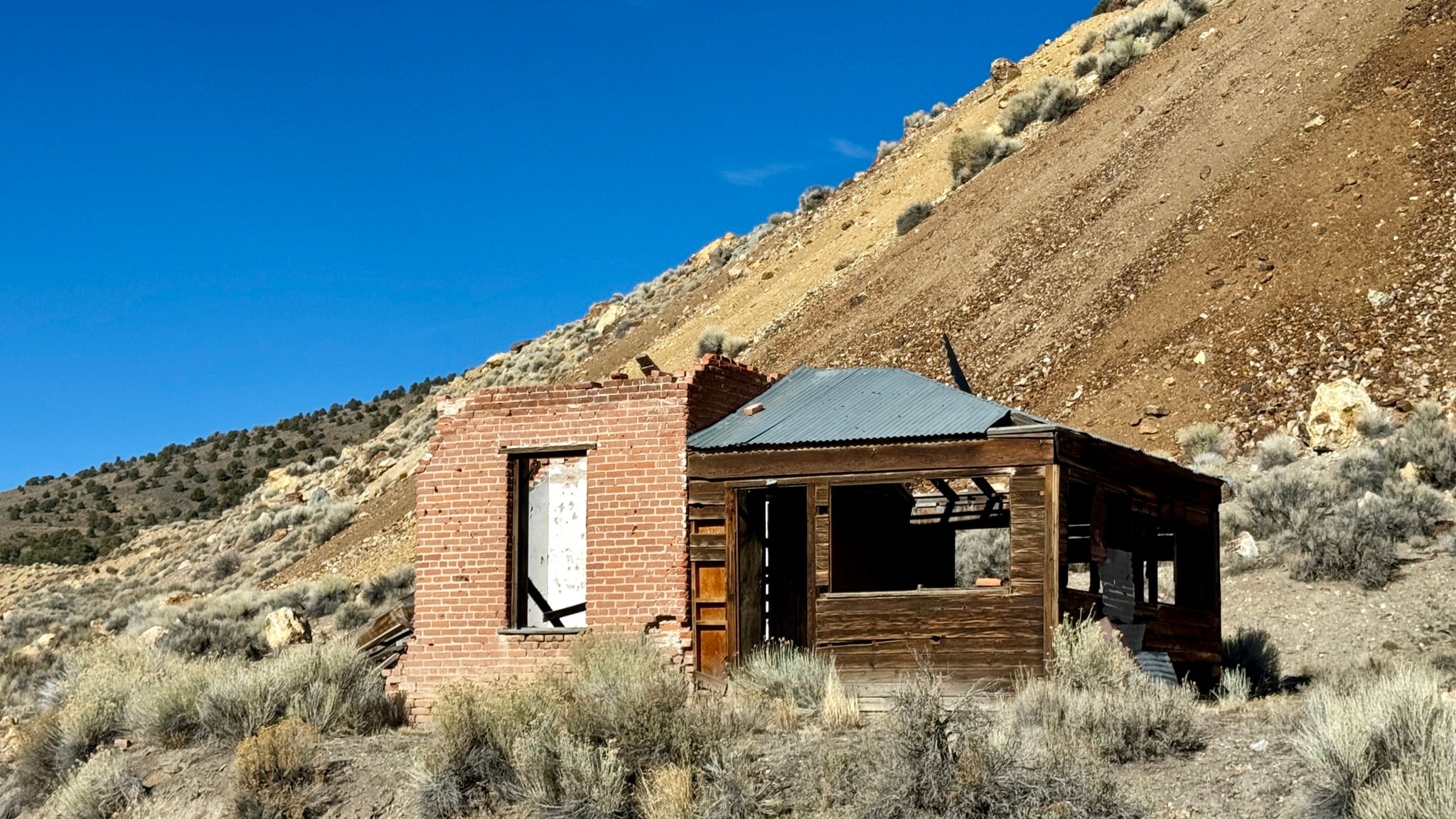
Gratnsville has a large variety of ruins. I want to go back when I’m feeling better and explore more.
Knickerbocker
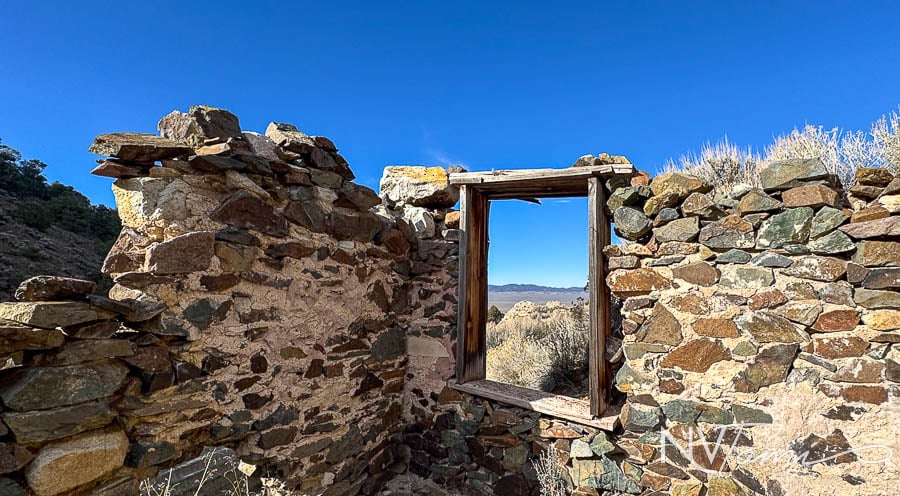
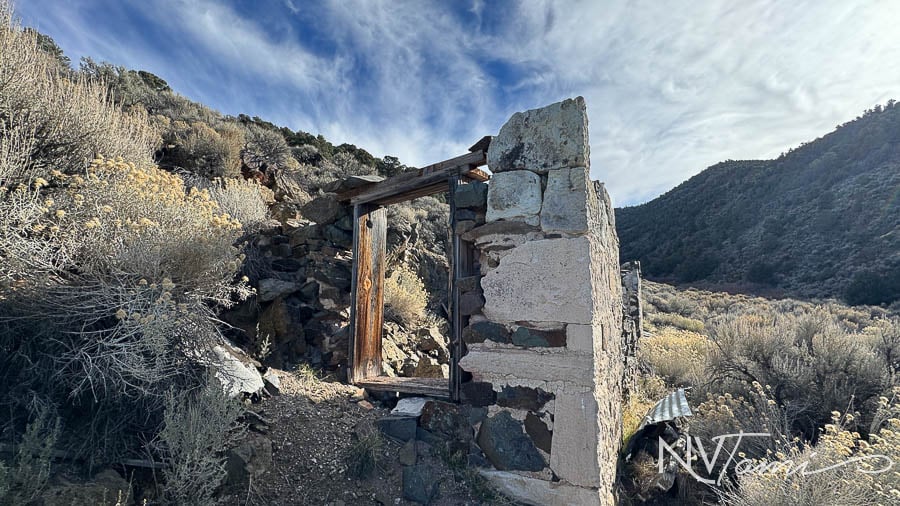
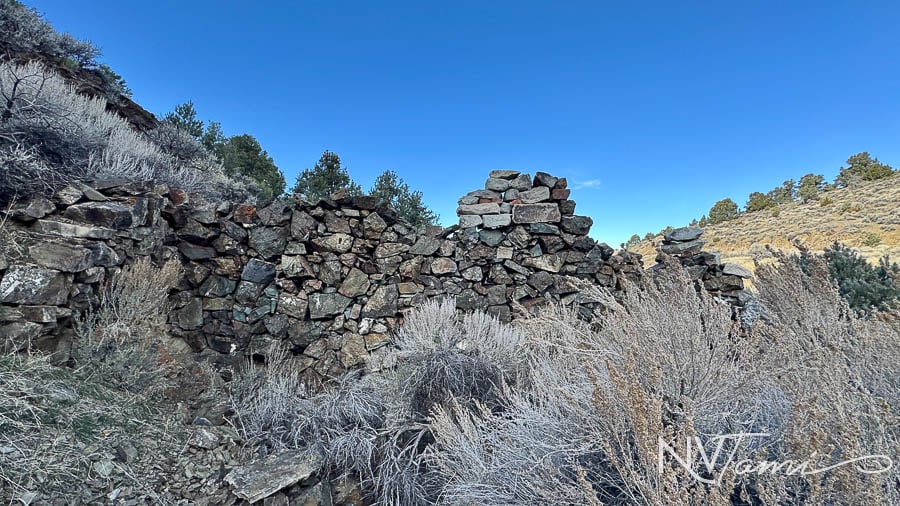
The Knickerbocker mill was built between 1865 and 1866. A mining camp formed below. The mill was twenty-samps with six furnaces. For almost a decade, it processed ore from Ione and Grantsville.
The mill closed but reopened in 1877 to process ore from the Ural in Grantsville. This time, it only operated for a year. A revival occurred in 1887 to work ore from Berlin. This time, the mill operated for two years. W.S. Gage reopened the mill in 1896, but it operated for only a year. The mill was disassembled and taken to Berlin in 1898.
Edgewood
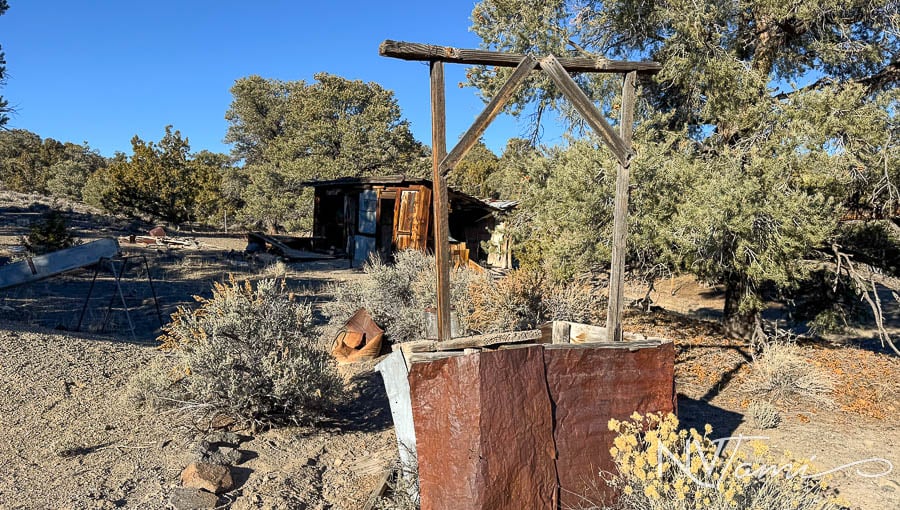
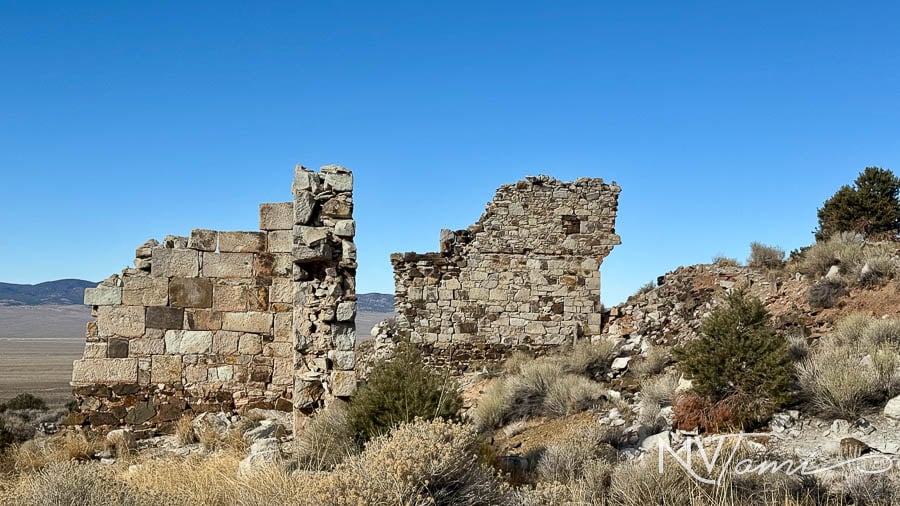
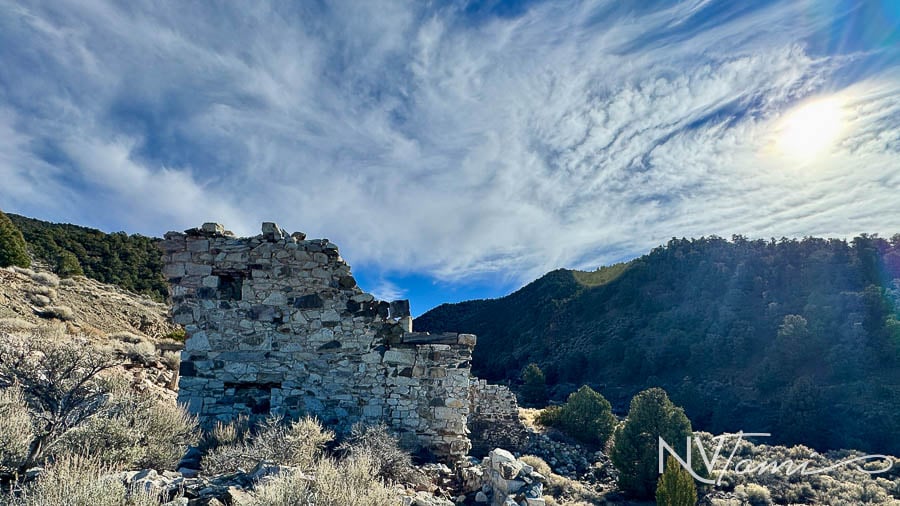
Edgewood was a competing townsite to Atwood, in the Fairplay Mining District. The town was laid out in 1905. Little became of the town, and it soon deteriorated into obscurity.
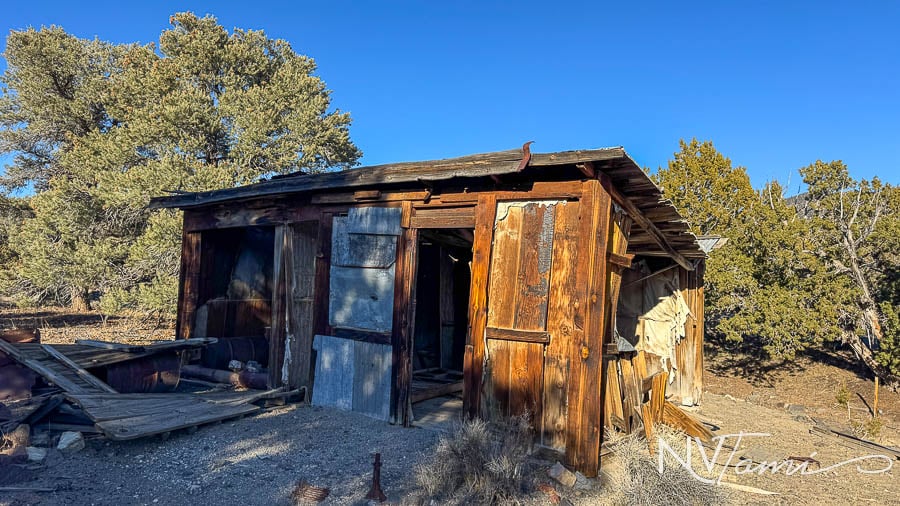
Little remains at the site of Edgewood. A few dugouts and debris fields.
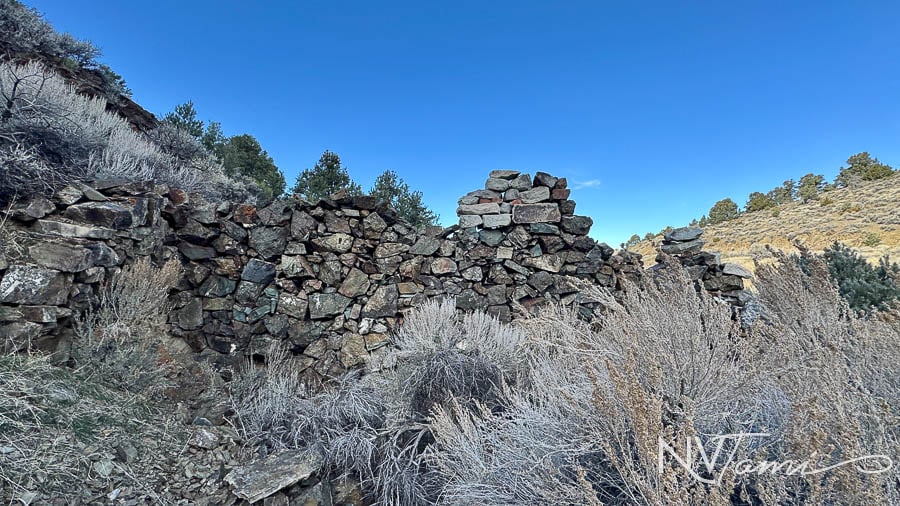
Nevada Expeditions knocked this one out of the park. Tucked in the hills above Edgewood is an amazing mining camp!
Follow me on social media:


Darryl K says
You’re showing all the I’d like to go. Now that I’m retired and have retirement van I can! Thank you for the information you have provided . You have done an amazing job!
Tami says
Thank you and I hope you have a great time exploring!
David A Sadewasser says
Hoping you feel better quickly, Tami! When you do go back to Grantsville, please take the time to make a visit to nearby Ione. One of my faves, and I’d love to know if it’s still being cared for, especially the little park across from the Ore House.
Tami says
Thanks. I visited Ione but it was a few years ago. I’d like to camp in that area again for a few days.
Cliff says
Always a fun place to visit. Years ago there was a mostly complete bulldozer in front of the mill. It was cut up and taken away when the scrapping craze was going on.
Tami says
So sad.
Brooksley Mihoch says
Thanks for the great article! Hope your feeling better soon.
Tami says
Thank you and glad you enjoyed the article.