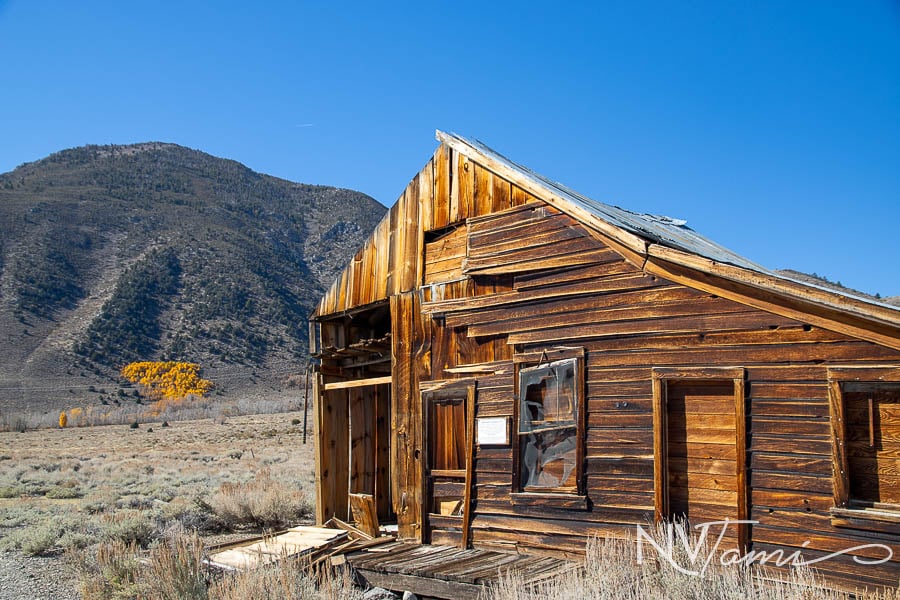
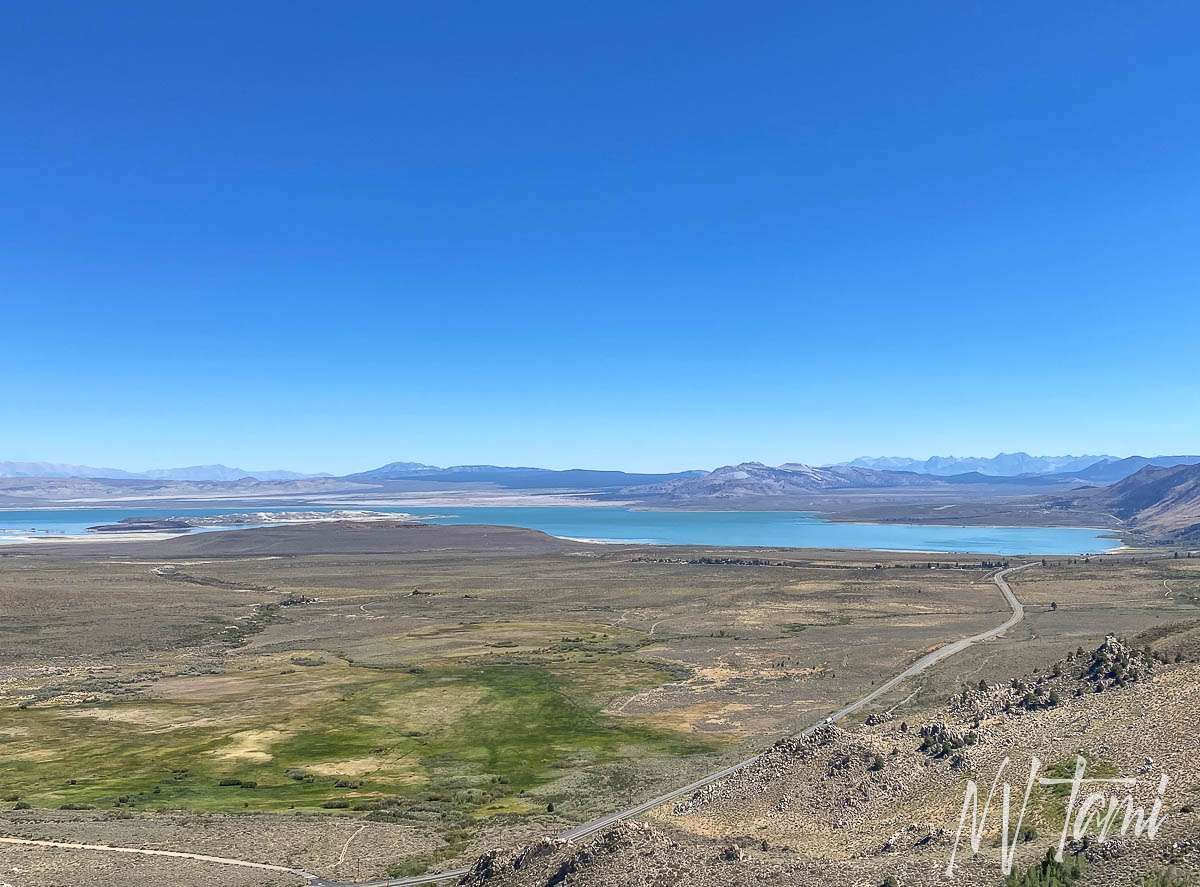
Filosena Ranch is one of the original homesteads around Mono Lake. The Filosenas raised produce and meat, keeping Bodie and the surrounding mines and towns fed. The kidnapping of a girl from a nearby Pauite camp and subsequent rescue by the men at the Filosena ranch set off a series of events, including arson, the murder of a young Sheriff, and a posse in a shoot-out with desperados.
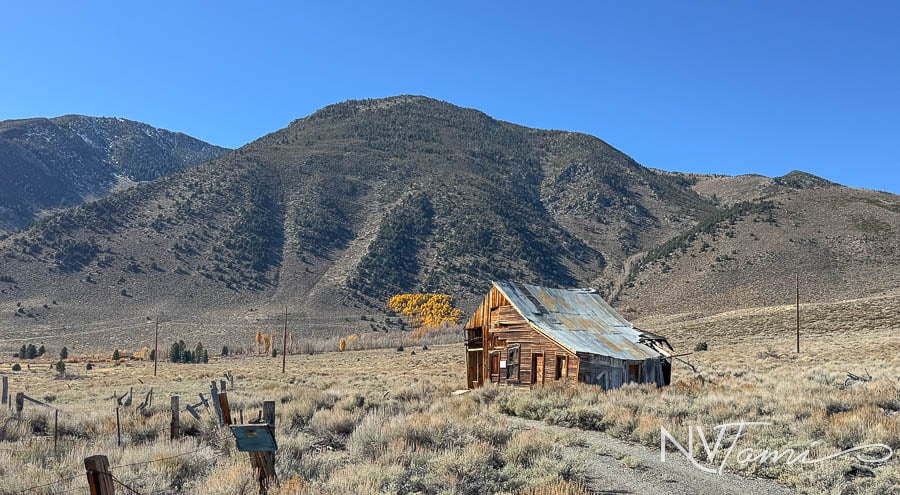
Now owned by the City of Los Angeles, the Mono Basin Historical Society is working to preserve its history.
Carlos Filosena
Carlos Filosena was raised in Italy. The wild child of the family, he smuggled salt and tobacco into Switzerland. Dreaming of the Gold Rush, he used his ill-gotten gains to purchase passage to America.
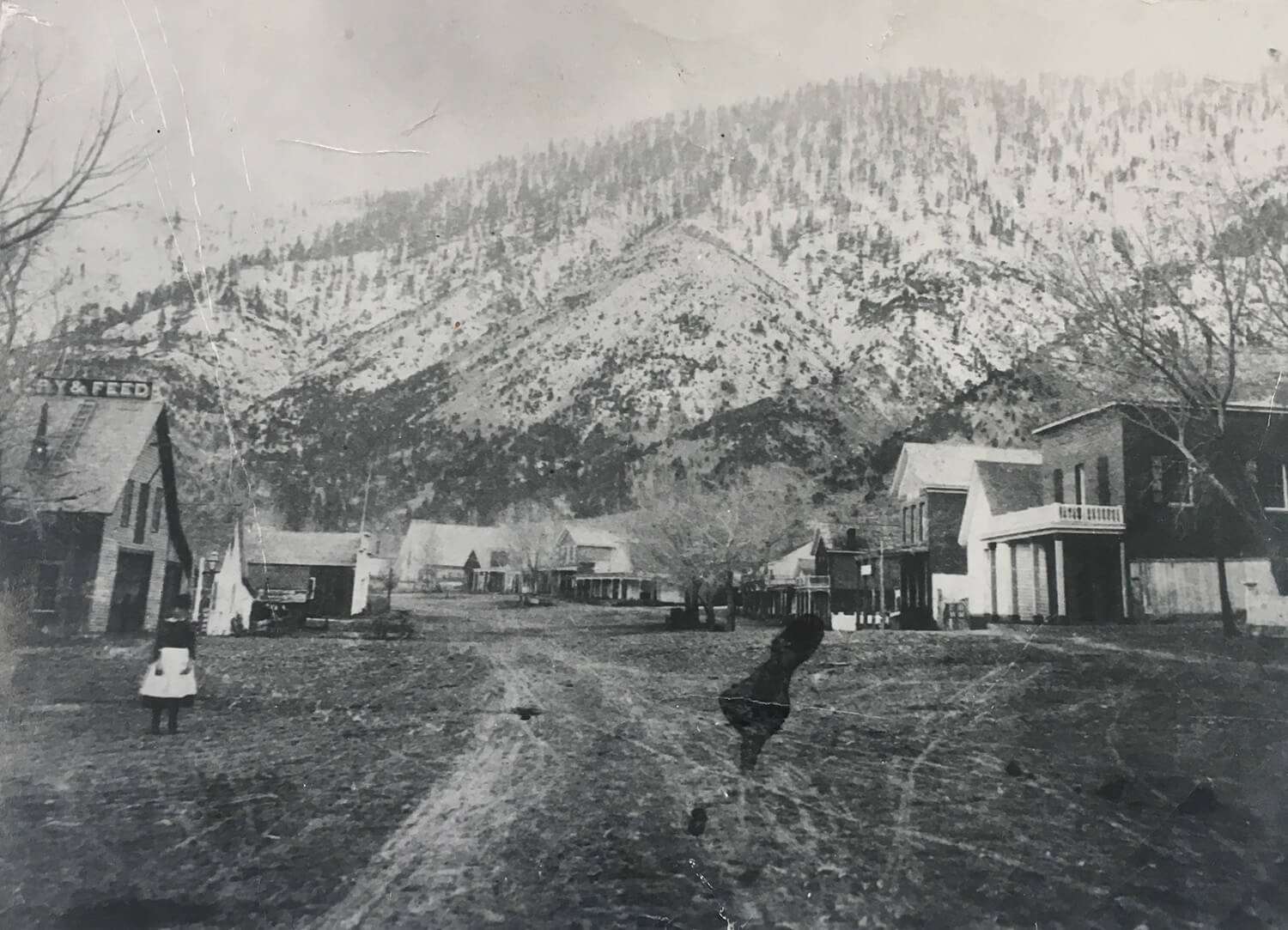
(Photo credit: Nevada State Parks)
Landing in Texas, Carlos worked as a cowboy. Riding on a cattle drive, he relocated to Nevada. Carlos settled in Genoa as a woodcutter, working in the Pine Nut Mountains. Eventually, several of his brothers, including Joseph, joined him in Genoa. After two heavy winters living in only a tent, Carlos and Joseph headed south to Mono Lake. They worked cutting wood for Mono Mills and later at the May Lundy mine. The brothers Americanized their names to Charlie and Jo.
Filosena Ranch
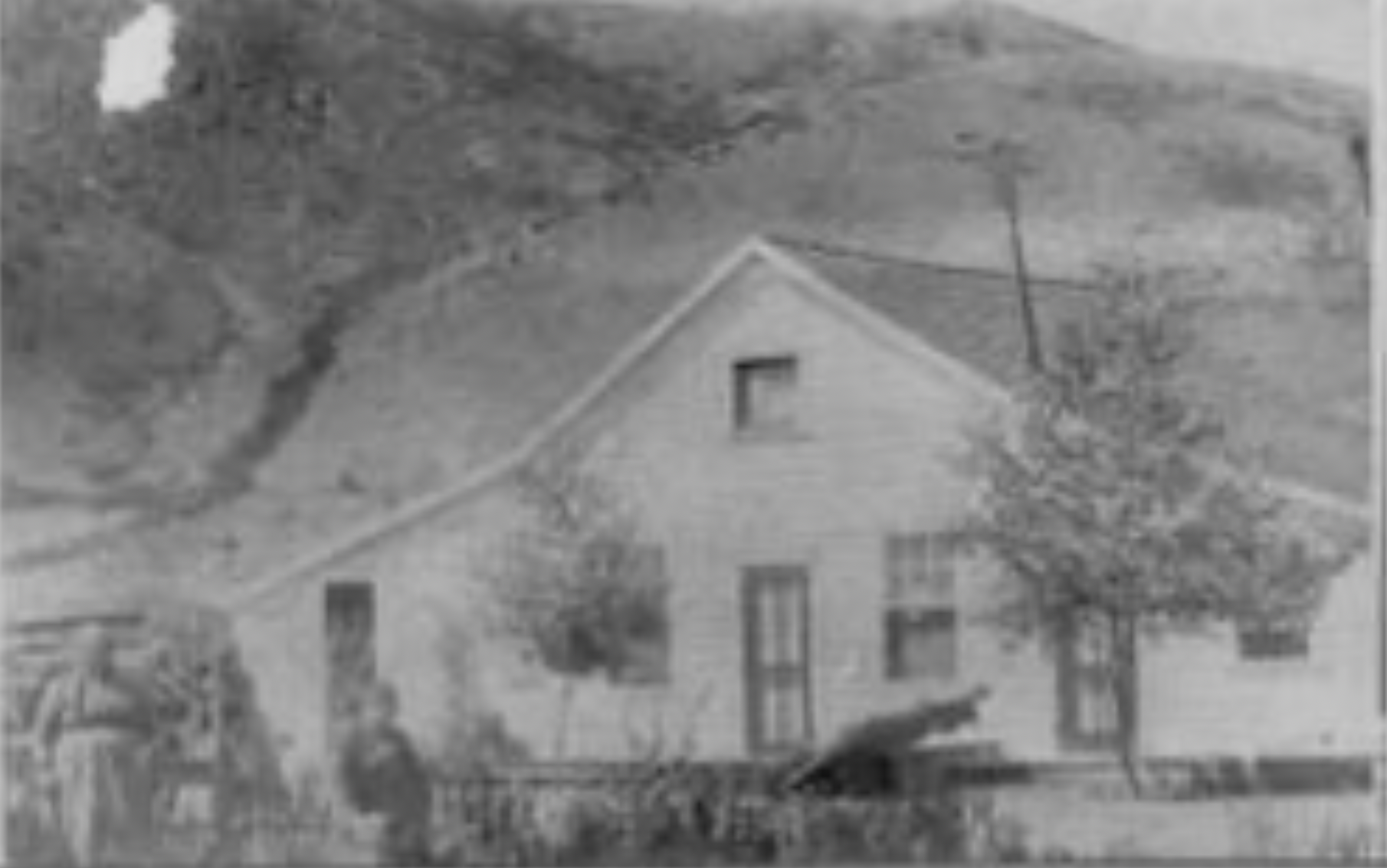
(Photo credit: Mono Basin Historical Society)
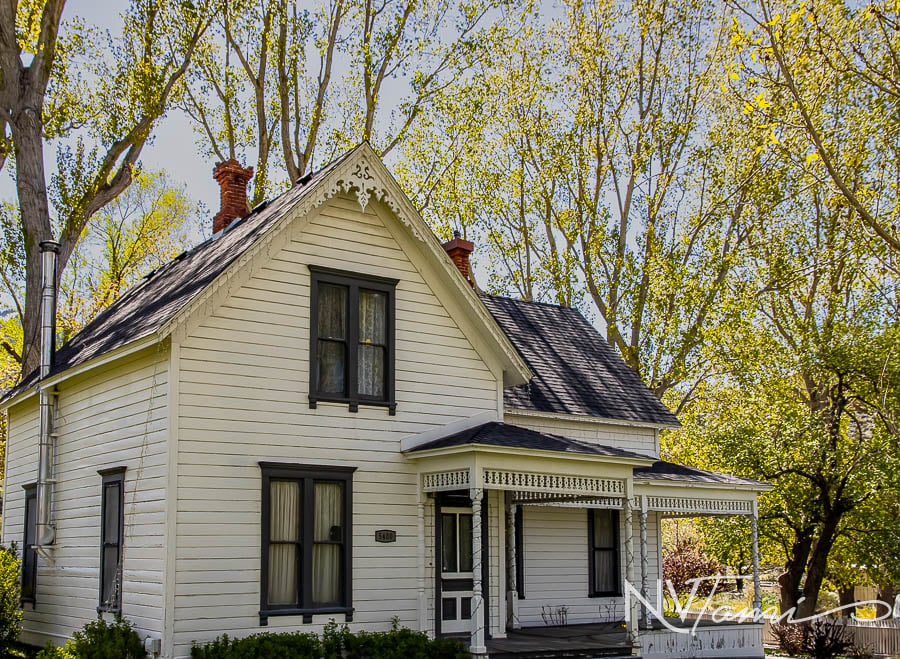
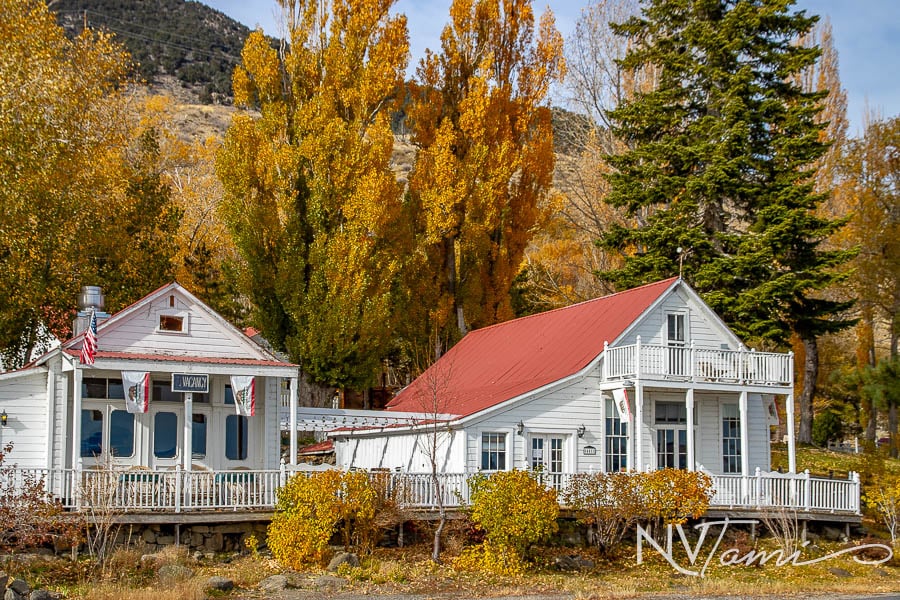
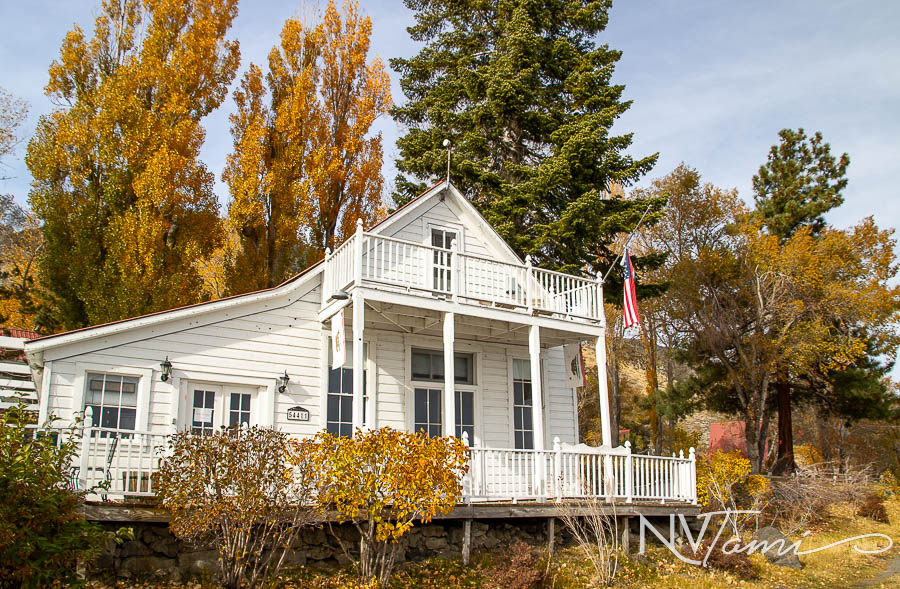
The Sierra reminded Charlie of the Alps, and he homesteaded 160 acres. He sent for his wife, Mary, and their children, Agnes and Peter, to emigrate from Italy. In 1885, Charlie built the family a grand house, painted bright white. It was two stories with a total of five bedrooms, a parlor, a milk room, and a connected room for the carriage and wood storage.
(Photo credit: Friends of Mono Lake Reserve)
A root cellar was out front to store vegetables, fruit, preserves, and beef and pork in barrels covered in salt. Behind the house was an orchard with cherry, pear, and apple trees.
Despite the serenity and beauty of their ranch and house, the relationship between Charlie and Mary was rife with fights. Charlie moved back to Nevada, where he worked for the Virginia & Truckee Railroad based in Lakeview. Following the divorce, Charlie married another Mary and had several more children.
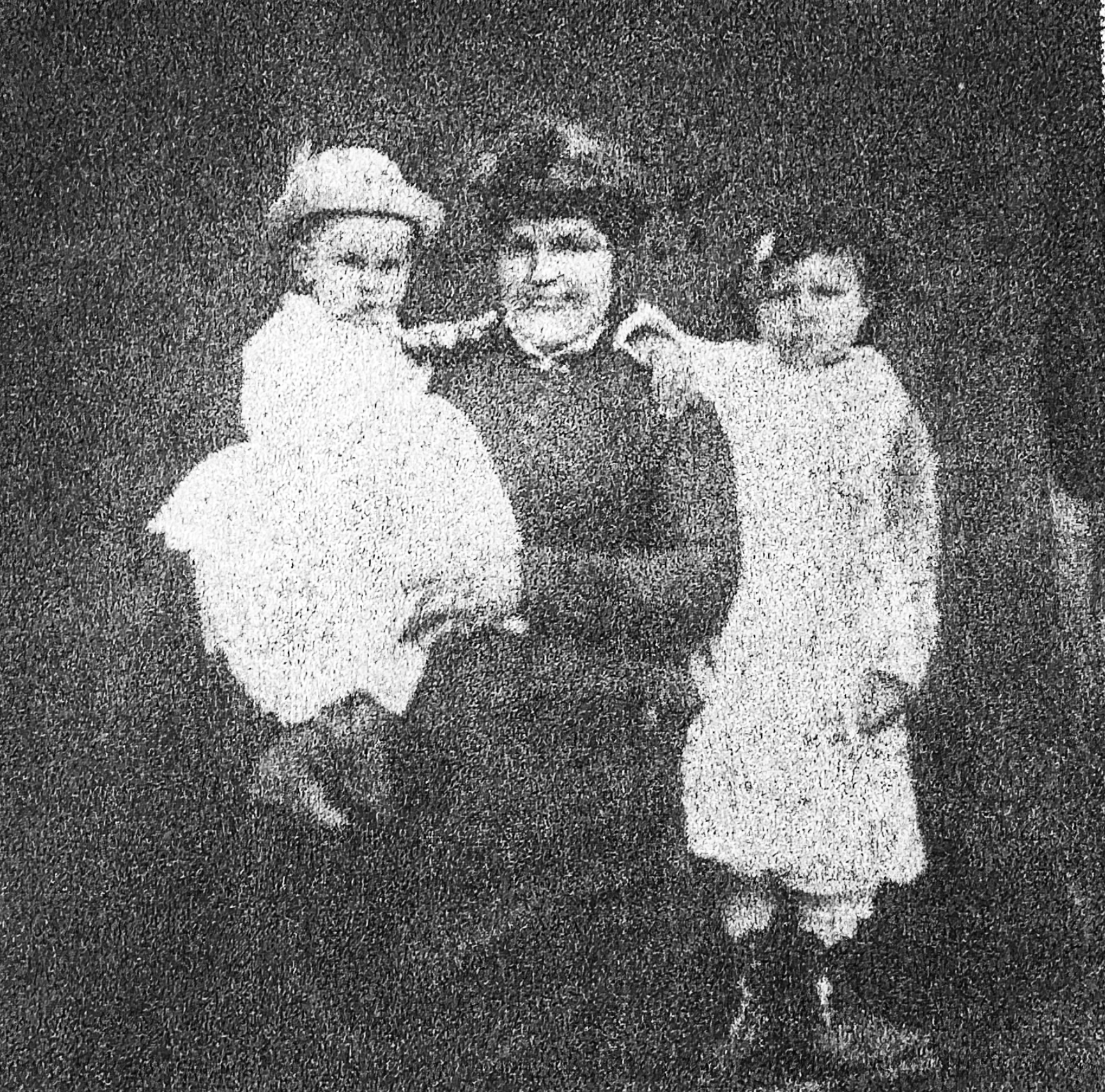
Mary Filosena
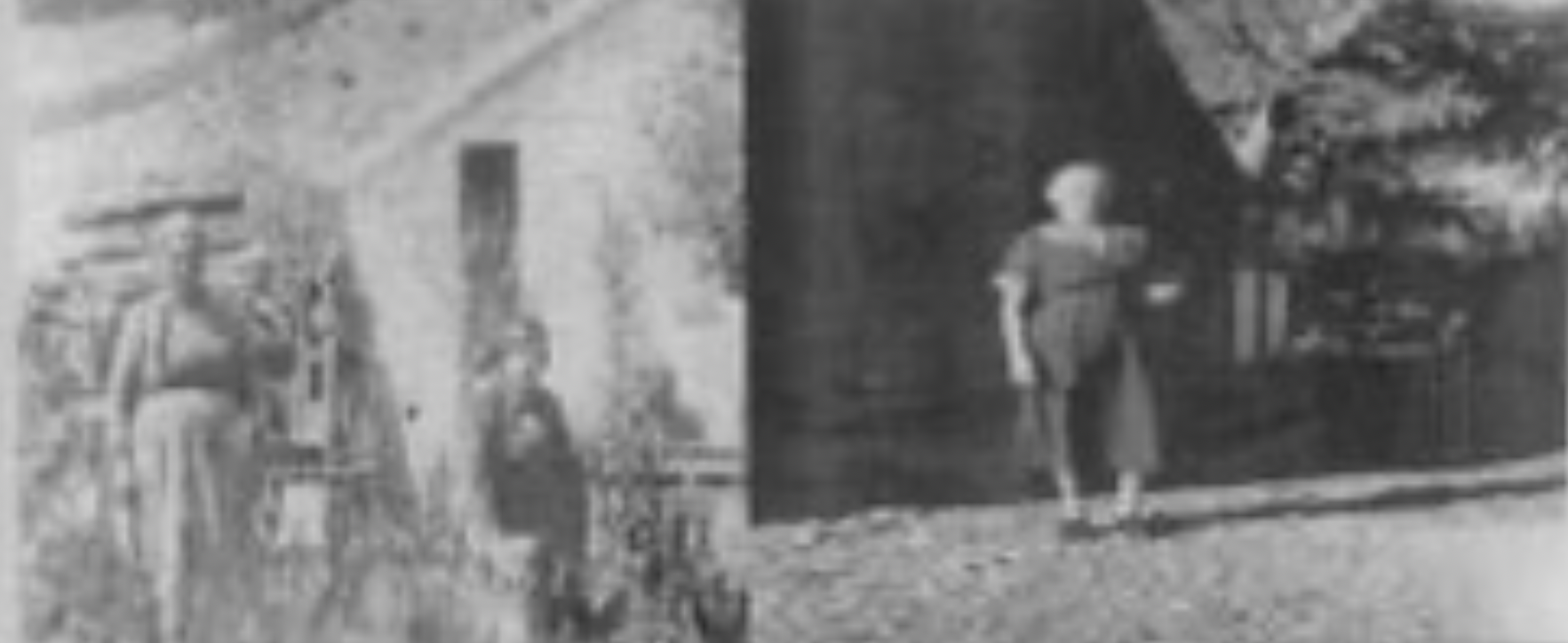
(Photo credit: Mono Basin Historical Society)
Falling in love with Mono Lake, Mary remained at the ranch with the children. She raised and sold produce to miners at Bodie, Lundy, and others through Hammond’s Station. Pete Roberts wandered past the ranch and used a dipper to drink the water that Mary kept out for visitors. Mary offered a portion of the produce in exchange for Pete’s help with the ranch work.
Charlie’s brother, Joe, continued to work at the May Lundy Mine. He visited Mary, and the couple fell in love, married, and had two children. In 1906, Joe was in a dispute with the Pauite chief over a trade, and then he got into trouble over a card game and had a visit from his boss at the mine. The next day, the family found Joe had tragically hanged himself in the barn. Pete stayed on, continuing to help Mary.
Mary stored her funds the old-fashioned way, under her mattress. During World War I, a War Savings Bonds and Stamps Committee visited the ranch. Mary was generous in her withdrawal and contribution. The committee thought one of her young pigs would make a delicious dinner to celebrate their collections. Mary’s son, Georgie, captured the pig and dropped it into a sack that Mary held. No one had thought to check the bag, and the piglet fell right out of the bottom, escaping being the guest of honor at the dinner table.
Mary died in 1931 and was buried next to Joe at the Mono Lake Cemetery.
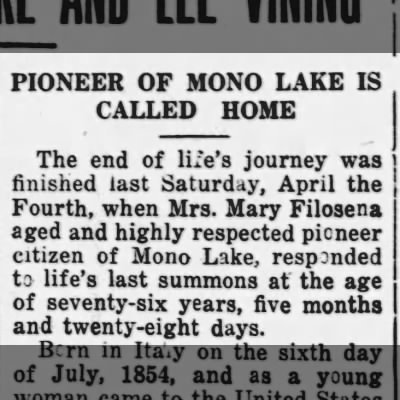
Mammoth Lakes, California
Sat, Apr 11, 1931

Assault and arson at Filosena Ranch
In 1915, Mono Lake developers hired laborers from Mexico to dig ditches. While most of the men were honorable, a few were not. Juan Francisco, age 50, and Theodore “Teddy” Solido, age 22, got drunk and kidnapped a girl, Sal, from the Piaute camp near Filosena Ranch.
Sal had been shopping at Hammond’s Station and headed back to camp. She stopped at the Filosena ranch, where she occasionally worked, and asked Mary for food. Taking her supplies, Sal continued her journey. As she approached the irrigation ditch, Juan and Teddy attacked, dragging her into it to assault her. Sal was a fighter, and her screams alerted those at the Filosena Ranch.
Pete Roberts came to Sal’s rescue. The assailants were holding her head under water in the ditch, in an attempt to drown her. Pete came running with a 12-gauge shotgun, hitting the men over the head with enough force to bend the barrel. George Filosena arrived, and they helped to revive Sal and escort her to the Pauite Camp.
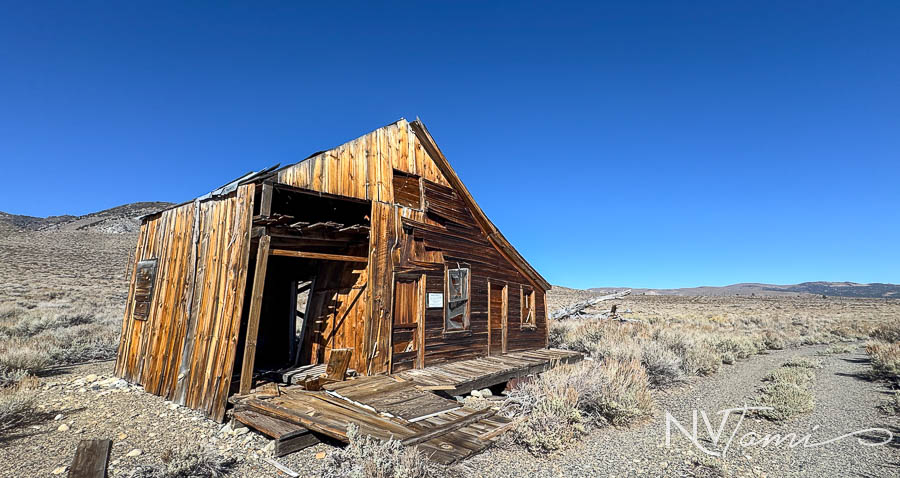
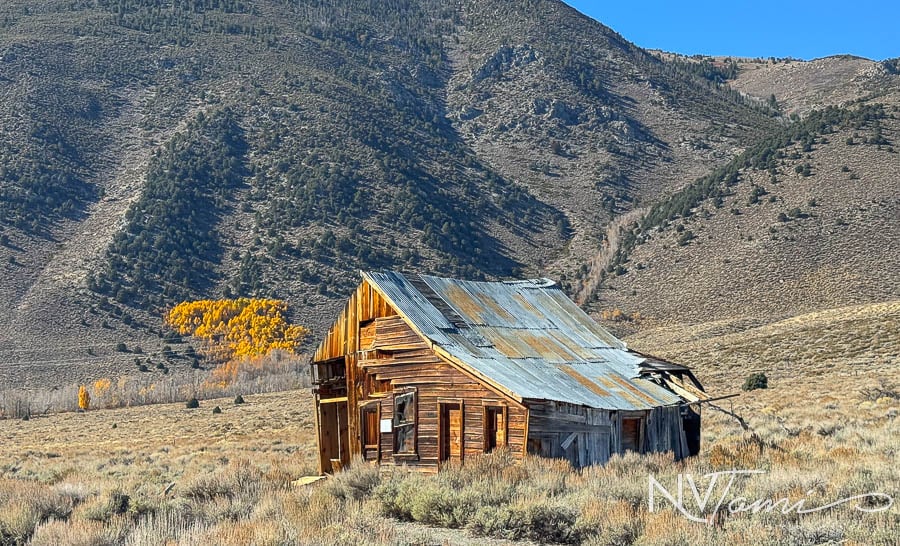
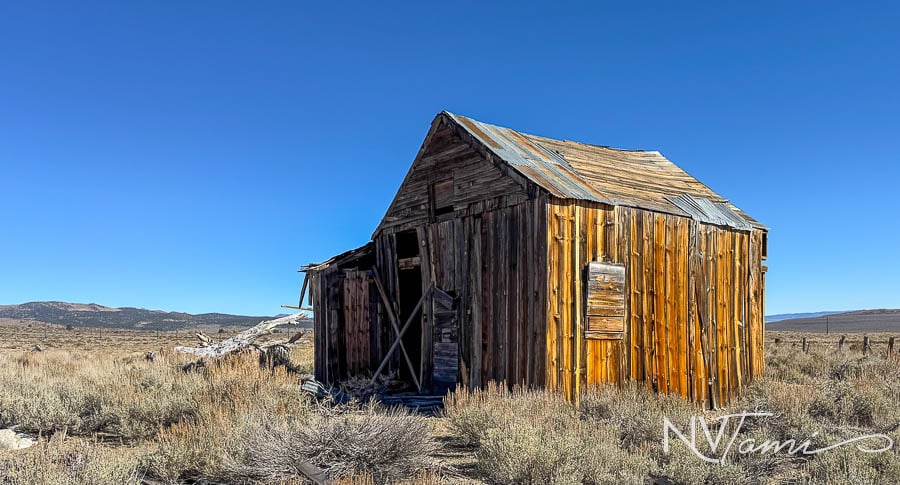
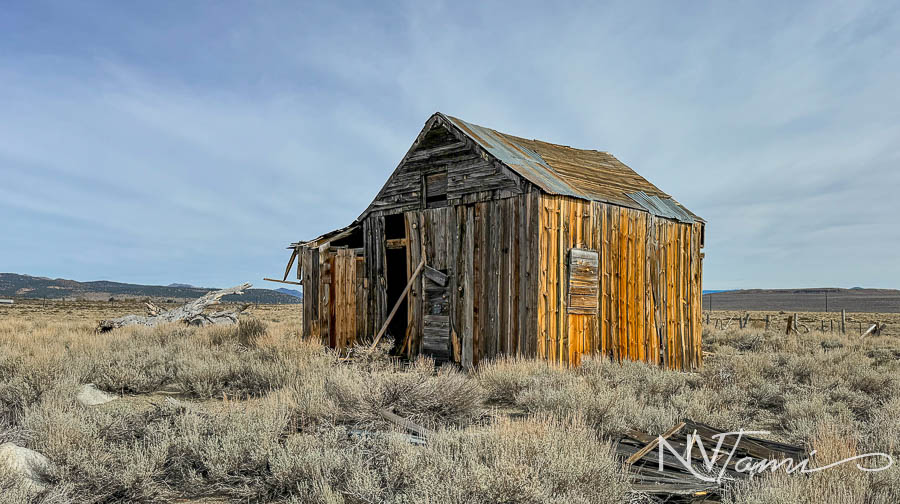
In retaliation, Francisco and Solindao attacked the Filosena ranch that night. Pete had been concerned about what might happen and spent most of the night outdoors on watch. Near dawn, Juan and Francisco arrived and set fire to the barn and stacked hay. Demanding that the family come out of the house, they dumped gasoline on the building and tossed a match. Mary and George escaped, using buckets of water to extinguish the fire. Pete worked to keep the attackers busy.
George rode to Deputy Albert Sylvester’s nearby ranch, then to another deputy’s house who had a telephone to alert Sheriff Dolan to the “Mexican Uprising.”
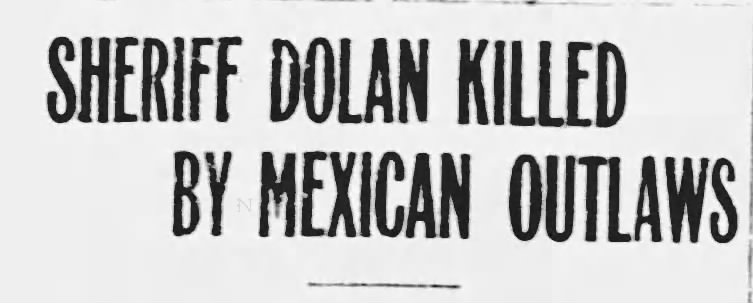
Mammoth Lakes, California • Sat, Jul 31, 1915Page 2
You can read the rest of the story about the events, including posses, shoot-outs, and the murder of Sheriff Dolan, in the article about Mono Lake. A new article dedicated to the events is coming soon.
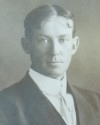
(Photo credit: Officer Down Memorial Page)
Filosena Ranch today
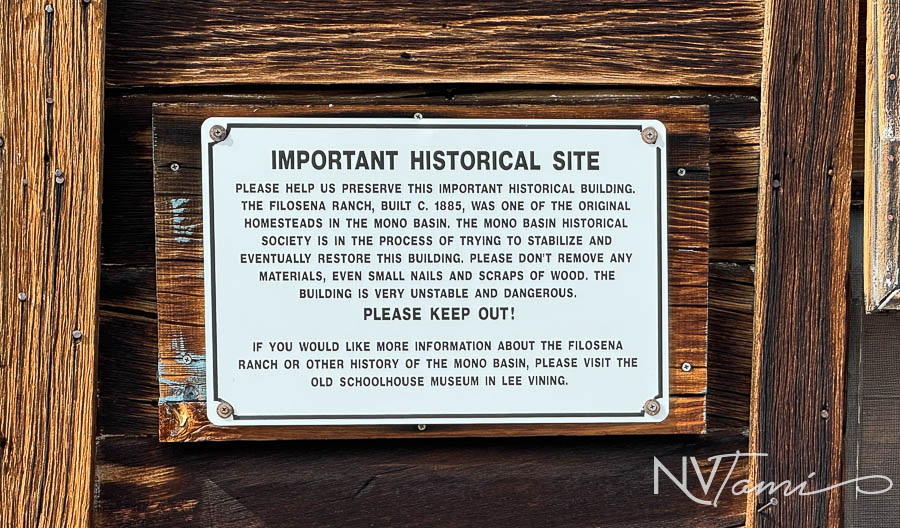
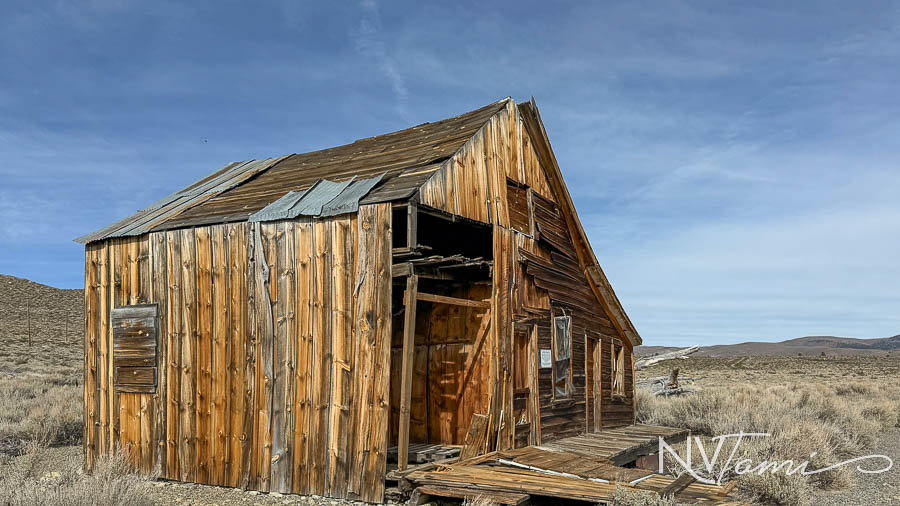
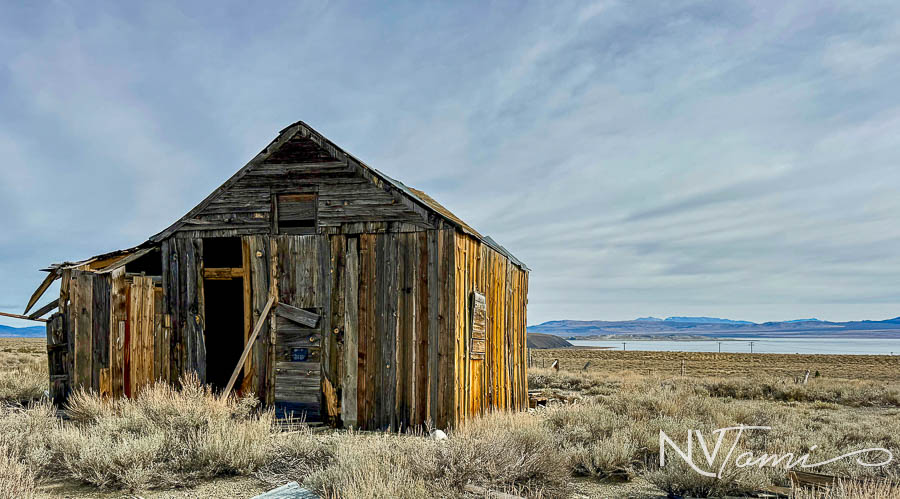
As with many of the ranches in Mono Basin, the property is now owned by the City of Los Angeles. In 1999, descendants of the Filosena family and community members stabilized the historic ranch house, preserving one of the oldest homesteads in Mono Lake. The Mono Basin Historical Society is working to restore the Filosena Ranch house.

WANT MORE GHOST TOWNS?
For information on more than five hundred ghost towns in Nevada & California, visit the Nevada Ghost Towns Map or a list of Nevada ghost towns.
Learn about how to visit ghost towns safely.

References
- Billeb, Emil W. Mining Camp Days. Howell North Books, 1968.
- Calhoun, Margaret. Pioneers for Mono Basin. Artemisia Press, 1984.
- La Braque, Lily Mathieu. Man from Mono. Lily Mathieu La Braque, 1984.
- Mono Herald and Bridgeport Chronicle-Union Jul 18, 1891
- Mono Herald and Bridgeport Chronicle-Union Jun 25, 1892
- Mono Herald and Bridgeport Chronicle-Union Jun 8, 1889
- Mono Herald and Bridgeport Chronicle-Union Nov 9, 1901
- Mono Herald and Bridgeport Chronicle-Union Mar 28, 1903
- Mono Herald and Bridgeport Chronicle-Union May 16, 1903
- Mono Herald and Bridgeport Chronicle-Union Oct 5, 1907
- Mono Herald and Bridgeport Chronicle-Union Sep 26, 1908
- Mono Herald and Bridgeport Chronicle-Union. Jul 31, 1915
- Mono Herald and Bridgeport Chronicle-Union Feb 12, 1916
- Mono Herald and Bridgeport Chronicle-Union Apr 11, 1931
- Mono Herald and Bridgeport Chronicle-Union Sep 17, 1942
- Mono Herald and Bridgeport Chronicle-Union Fri, Aug 3, 1956
- Owens Valley History
- The Review-Herald Aug 26, 1999
- Wedertz, Frank S. Mono Diggins: Historical Sketches of Old Bridgeport Big Meadows and Vicinity. Chalfant Press, 1978.


Leave a Reply