In September, I headed with Nevada Expeditions to visit my son in Elko. My son wanted to revisit Jarbidge, which he hadn’t seen since he was a toddler when we stayed at the B&B.
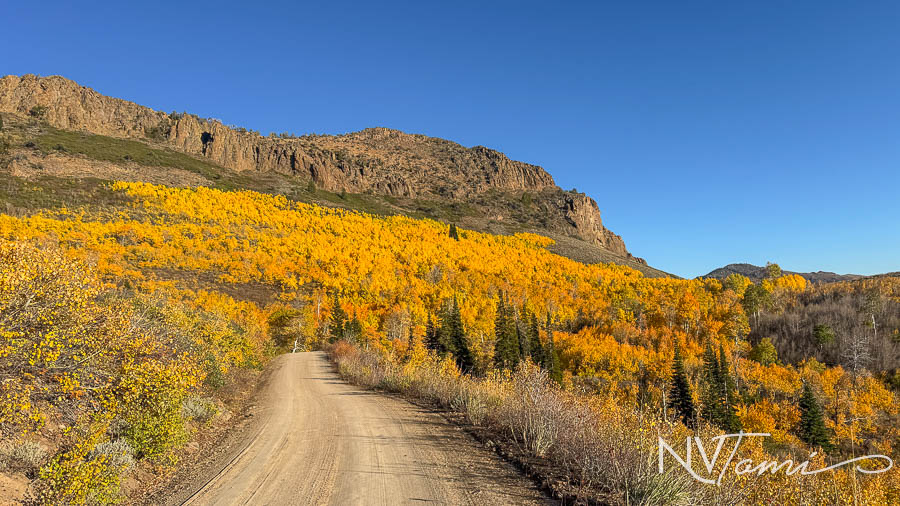
Jarbidge is a long drive, but we visited sites along the way.
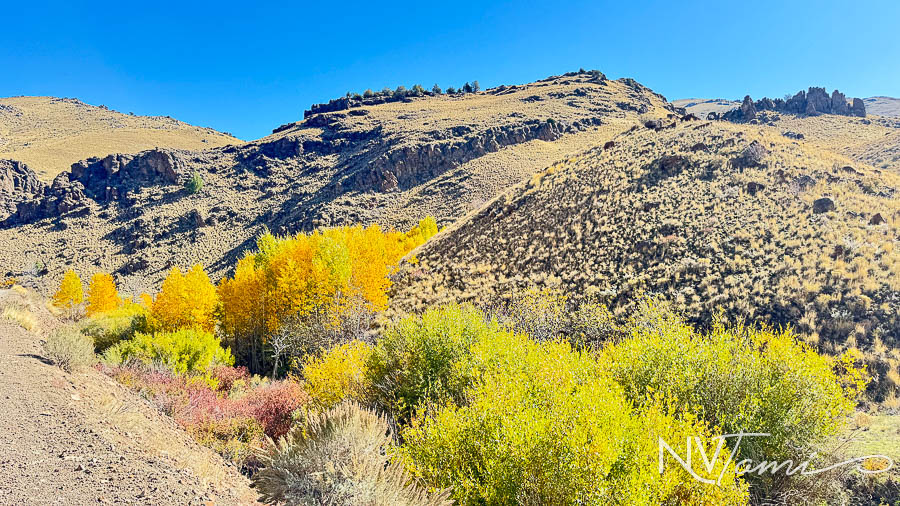
It was a beautiful but cool fall weekend.
Gold Creek
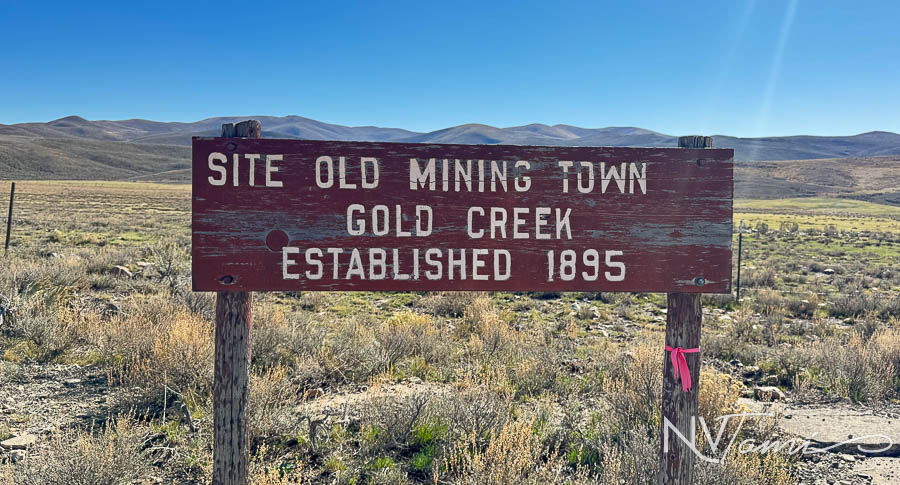
Following discoveries of ore in 1869, several towns started, including Bruno City and Penrod. The area was worked until around 1895, primarily by Chinese miners.
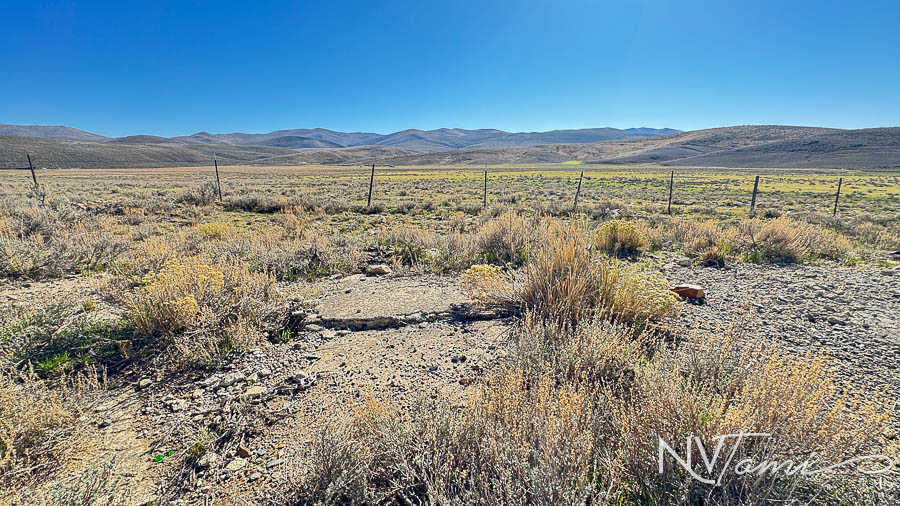
Gold Creek was east of the original townsite. By 1897, the population was around 500. The town included a post office, a three-story hotel, boarding houses, stores, and a newspaper. A stage connected Gold Creek to Elko.
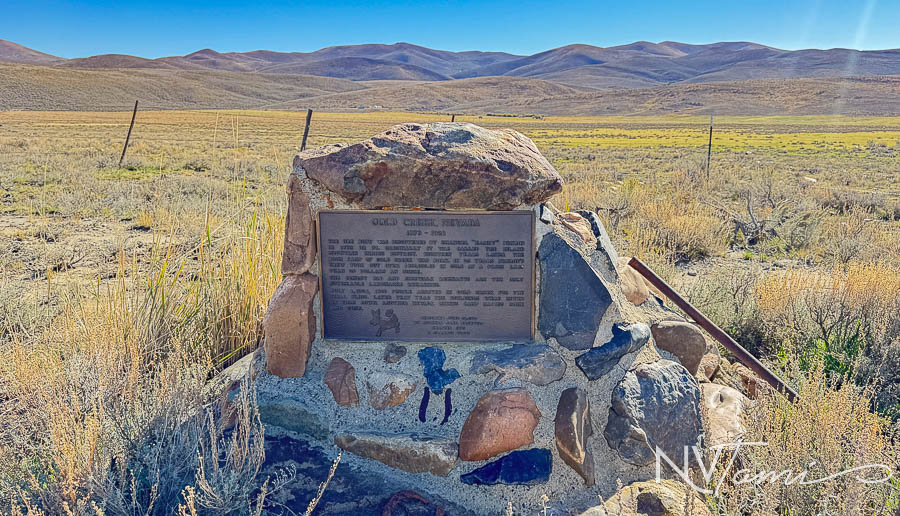
Minig soon declined, and by the turn of the century, most businesses and residents moved on. A handful remained and the post office operated until 1929.
Gold Creek Ranger Station
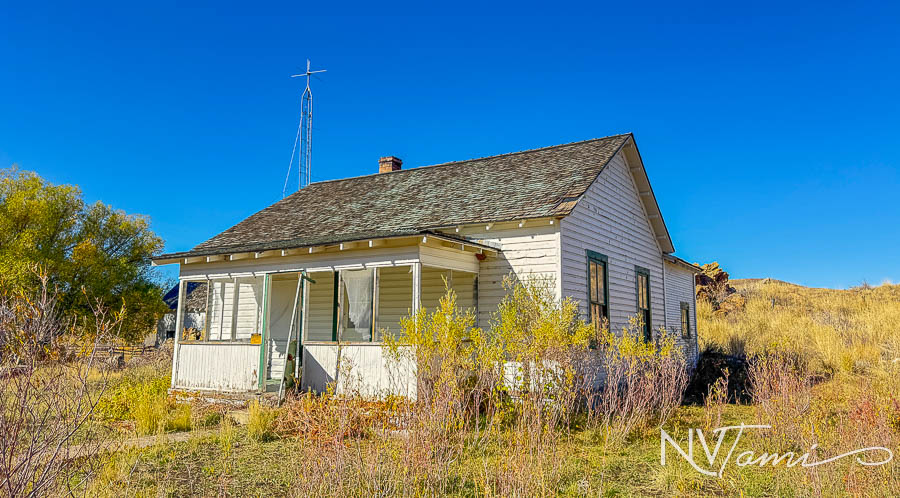
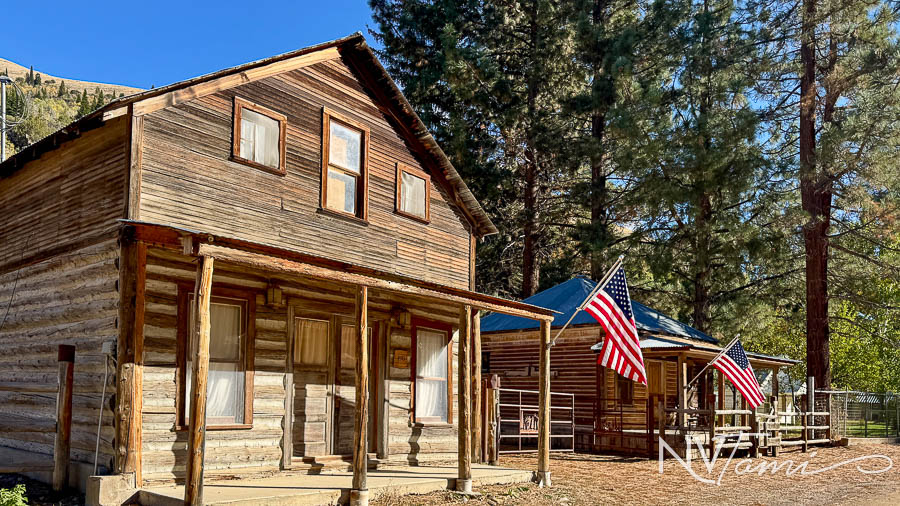
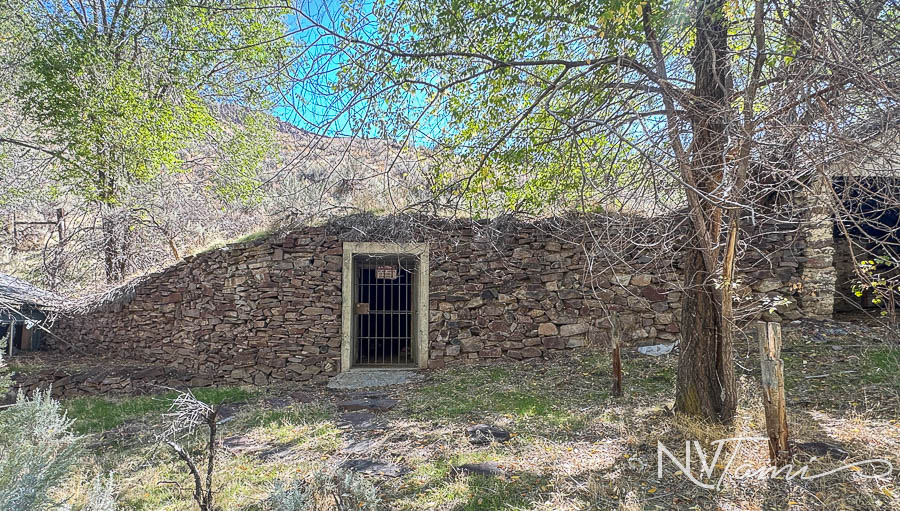
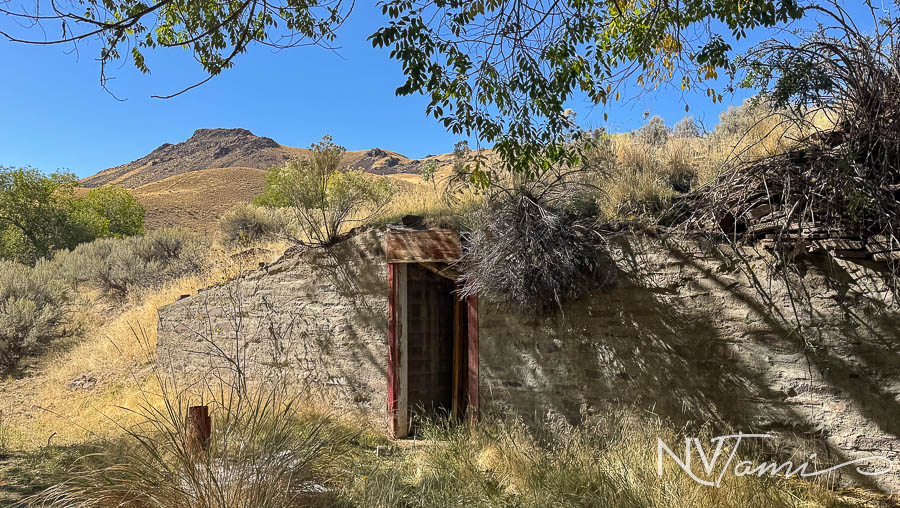
The Ruby Mountains Forest Reserve (later Humboldt National Forest) built the ranger station in 1910 to administer the reserve. The original building was a combination office and house. Additional buildings included a root cellar, barn, and outhouse.
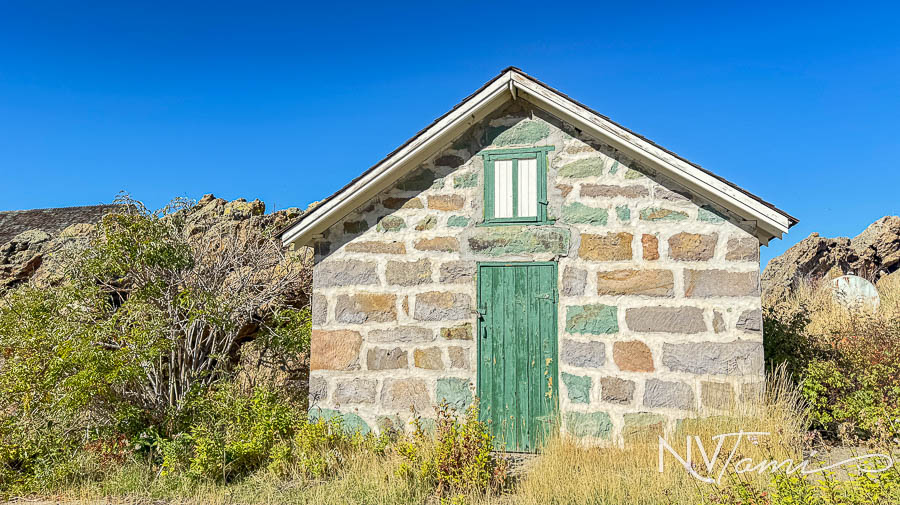
The building was expanded in 1915 and served as the reserve’s headquarters.
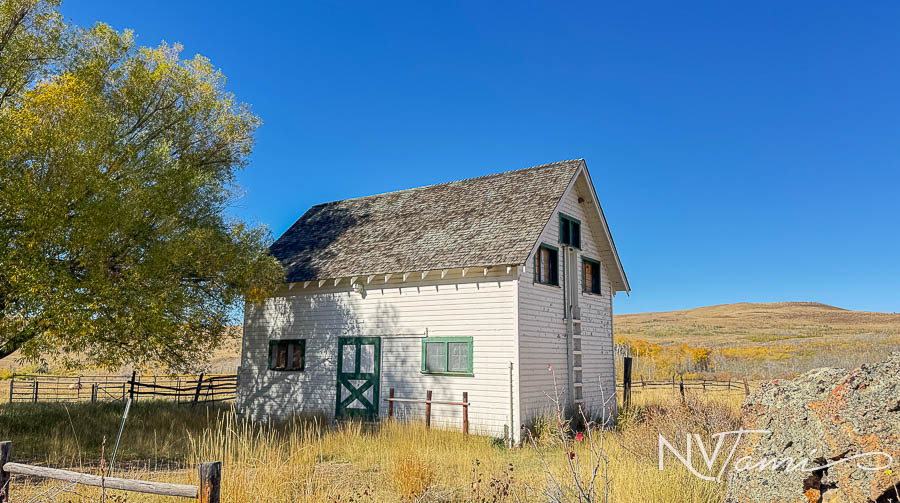
The Civilian Conservation Corps expanded the site in the 1930s. They enlarged the root cellar using stone from the Hammond Mine. Three tourist cabins were all relocated from other locations.
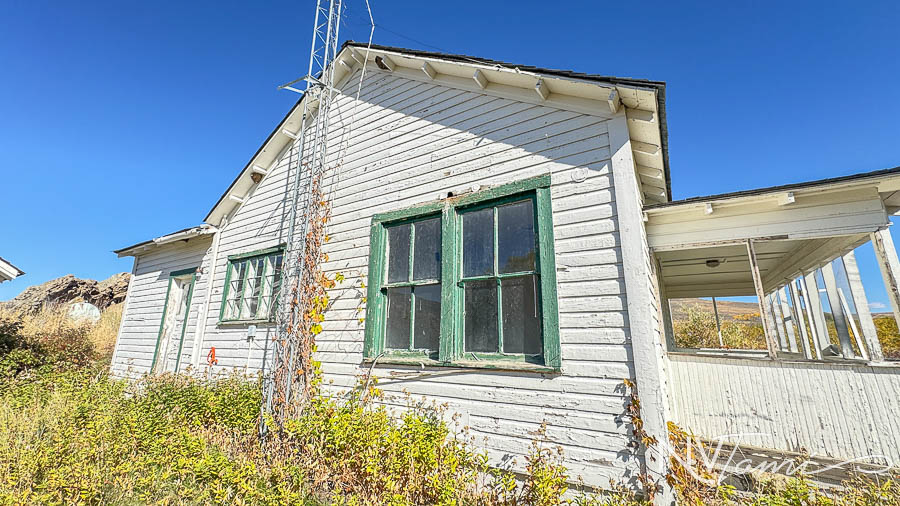
Gold Creek Rancher Station was placed on the National Registry of Historic Places on September 15, 1992.
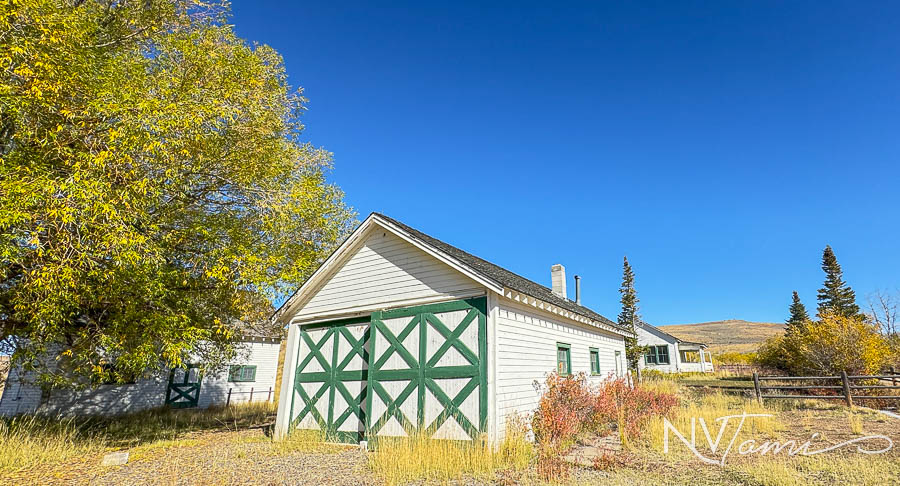
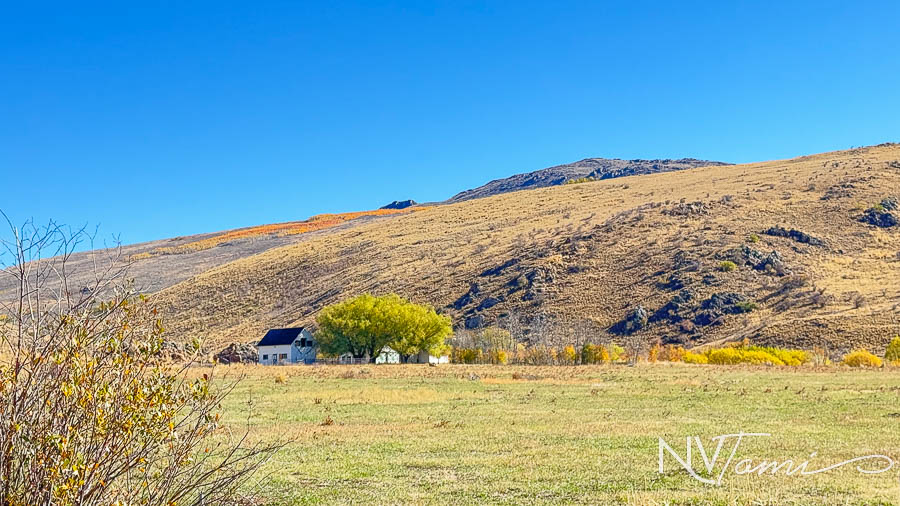
Stonewell Ranch
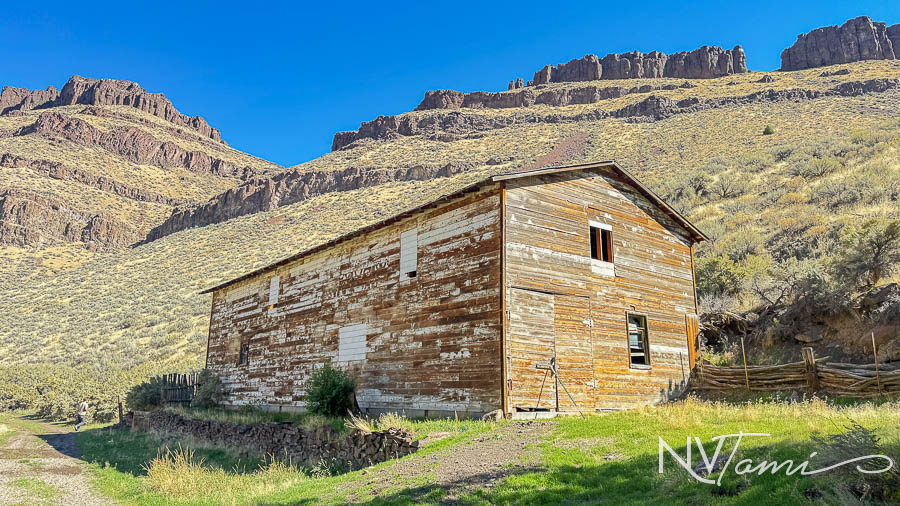
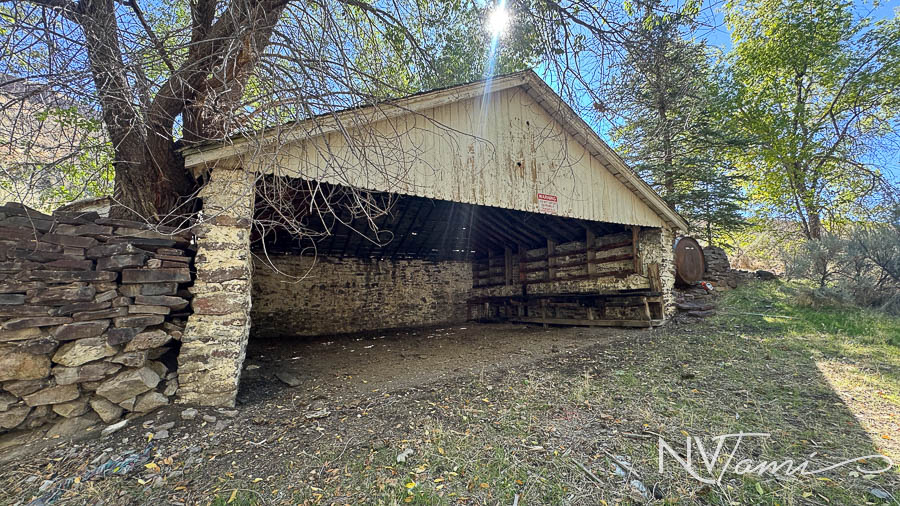
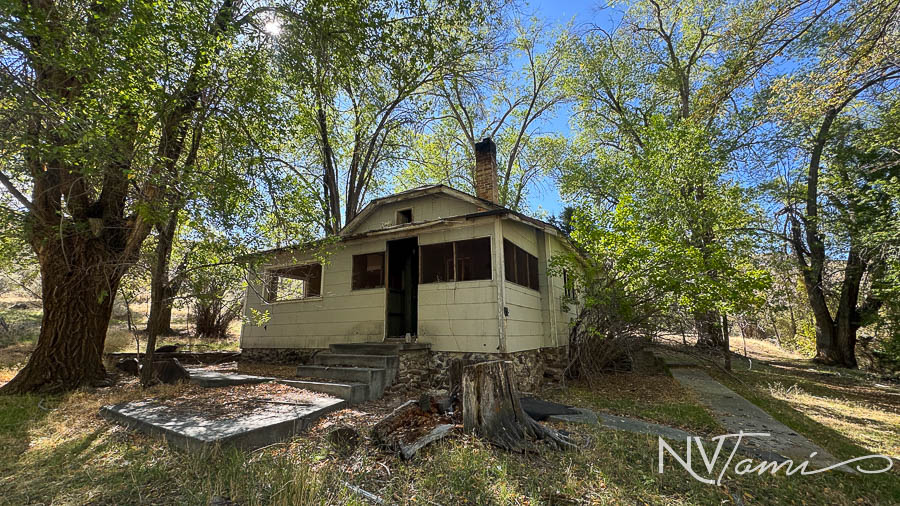
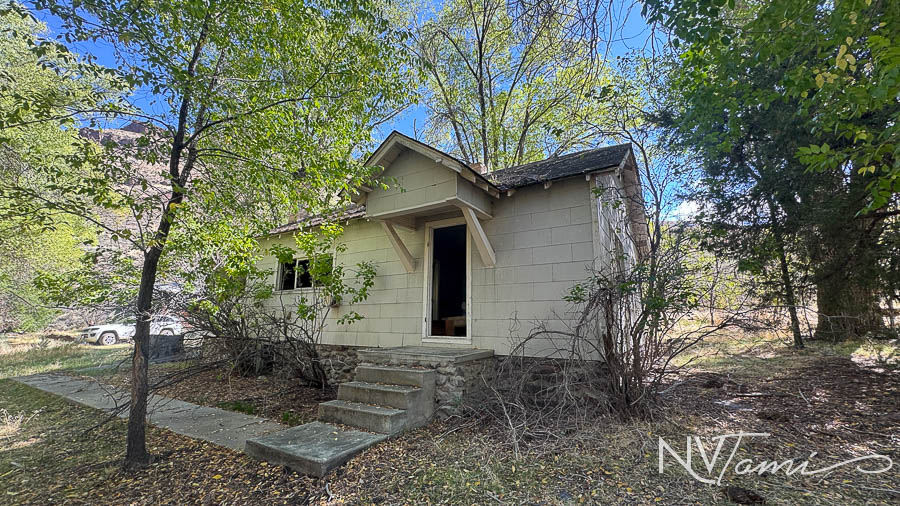
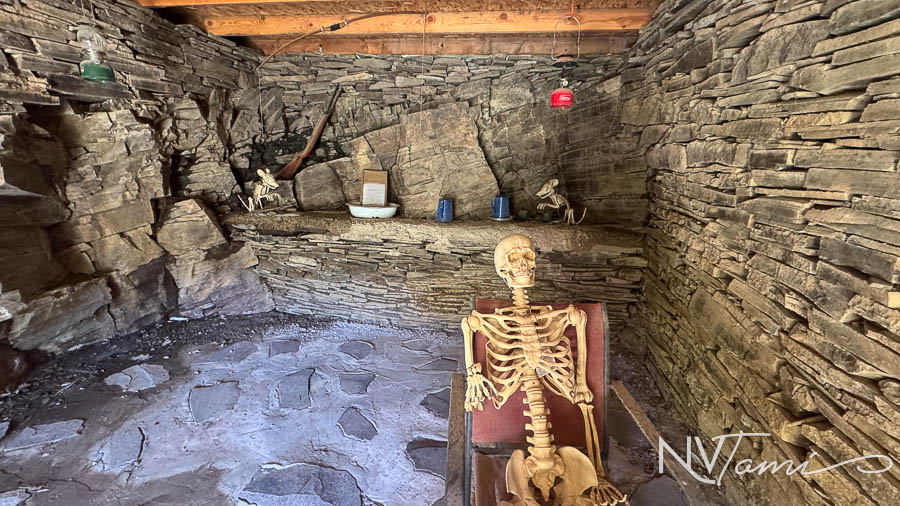
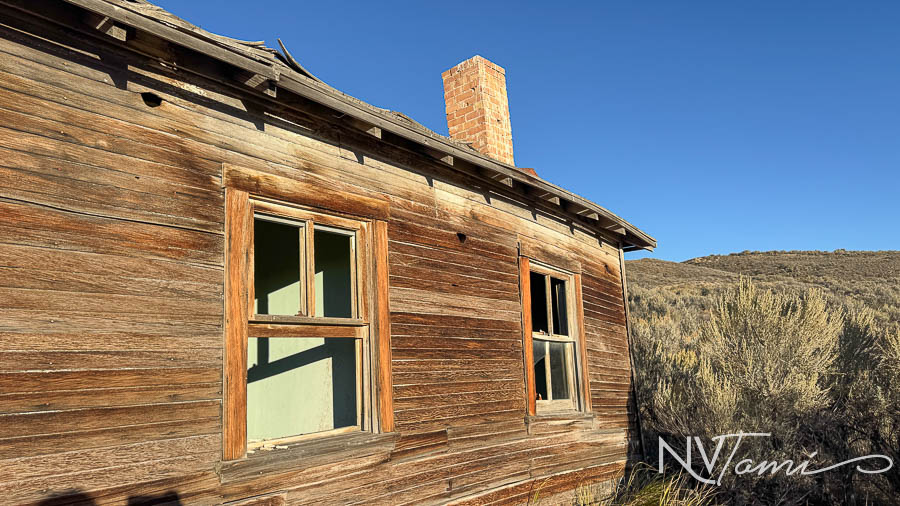
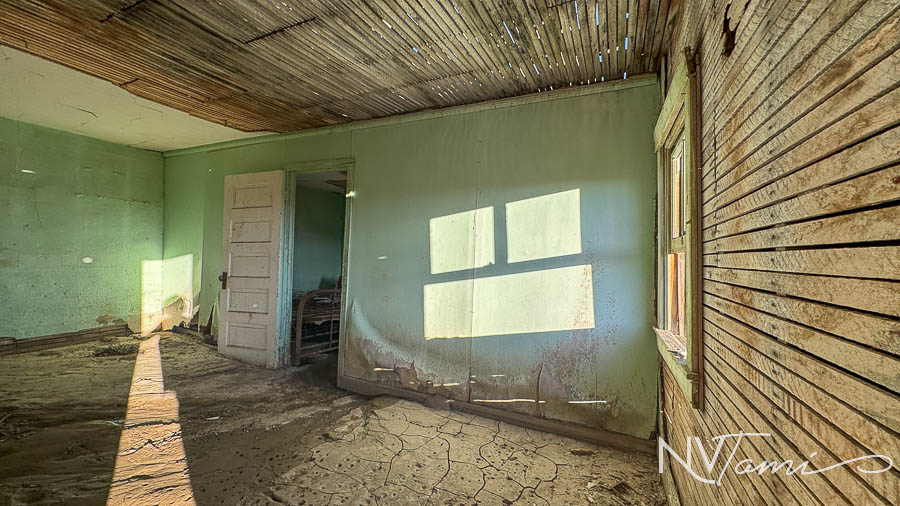
Ranches were first settled around Rowland in the 1880s. One of the early ranchers was Dan Murphy, of the Murphy-Steens-Townsend emigrant party, the first to cross the Sierra in 1844. Murphy had a herd of 20,000. No history on this ranch, but it is super cool and a bit creepy.
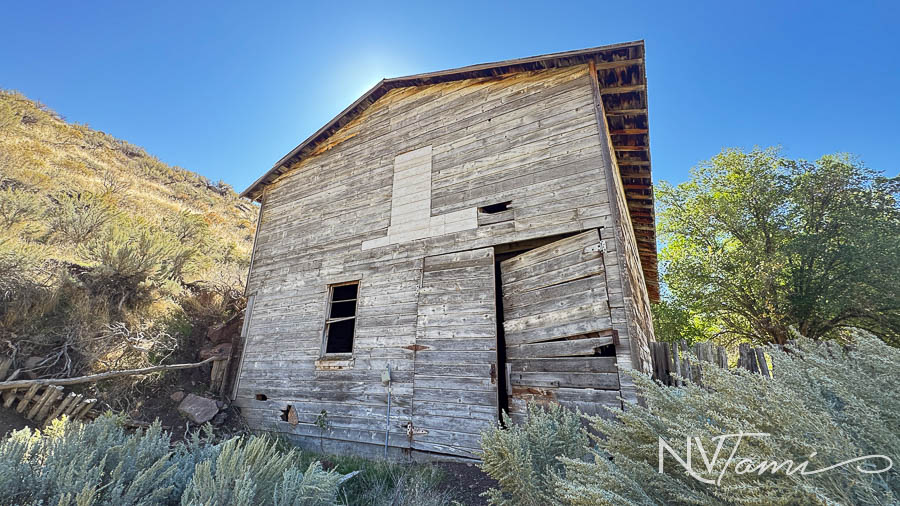
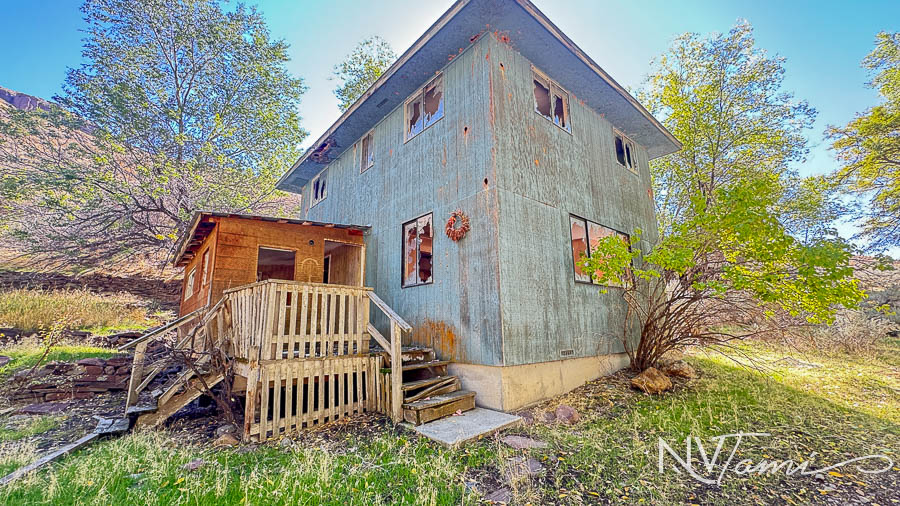
Buesta/Rowland
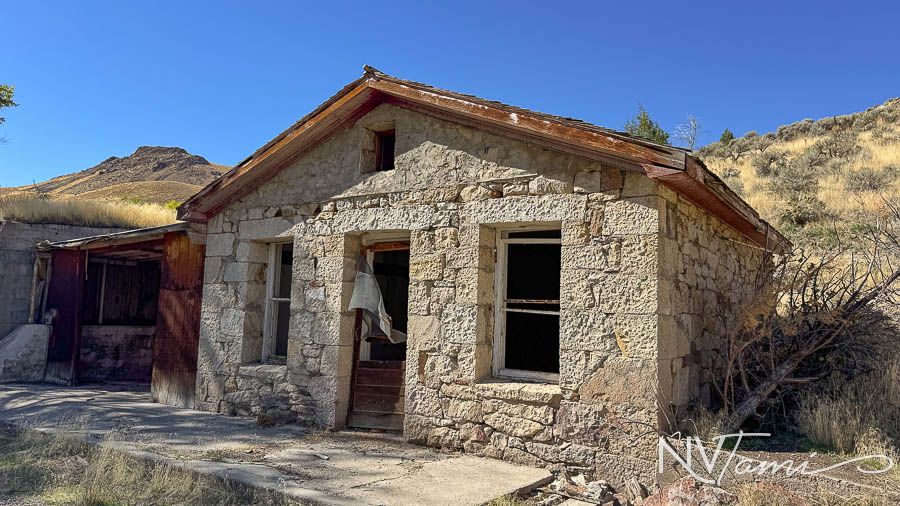
In 1896, a post office opened at the Taylor Ranch to serve the local ranchers. The name was Buesta, a combination of local rancher names. Service was between Buesta and Gold Creek. The office closed in 1898.
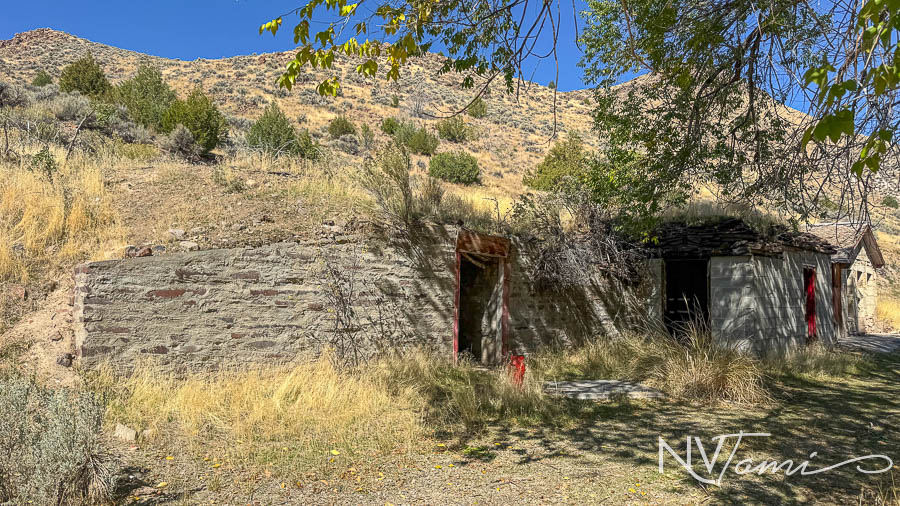
A new post office, Rowland, opened in 1900, named in honor of Rowland Gill. The post office was at the Scott House, which had an adjacent store, assay office, and saloon. Given its remote location and harsh winters, the store was the lifeblood of the area.
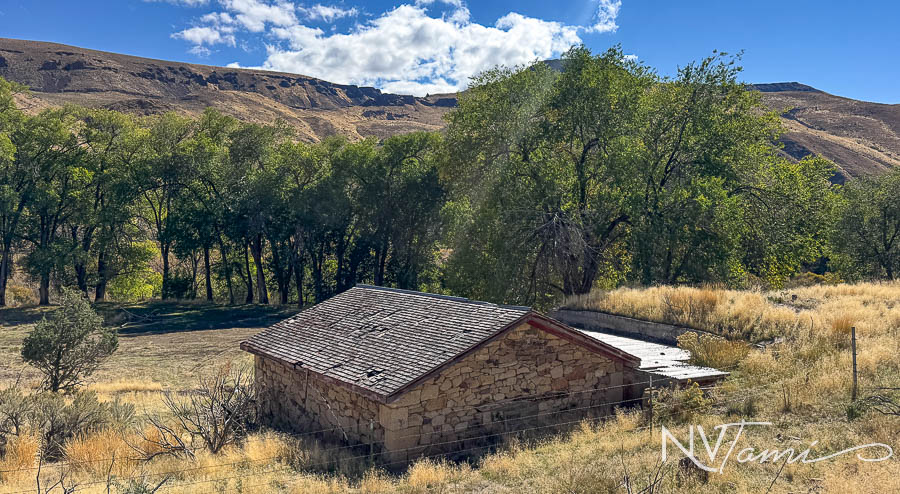
A school opened in 1900 at the Scott home as they had nine children. Additional schools opened in the area.
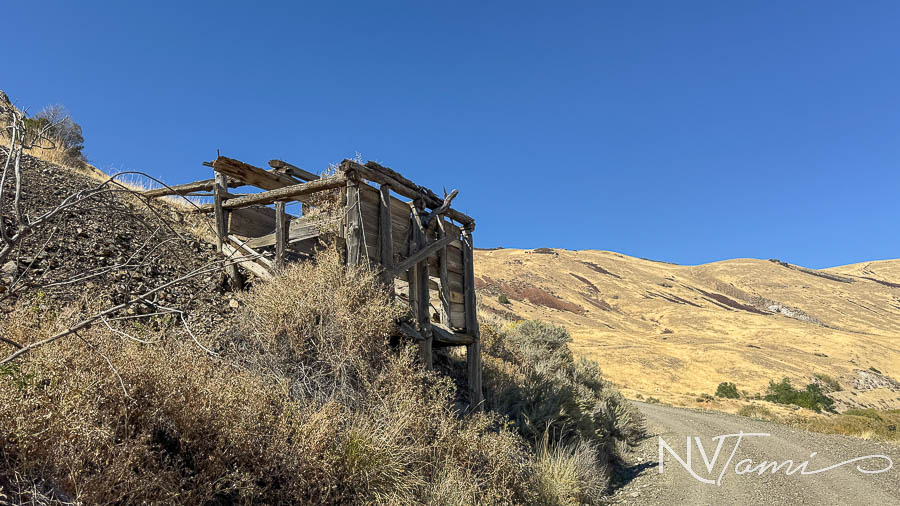
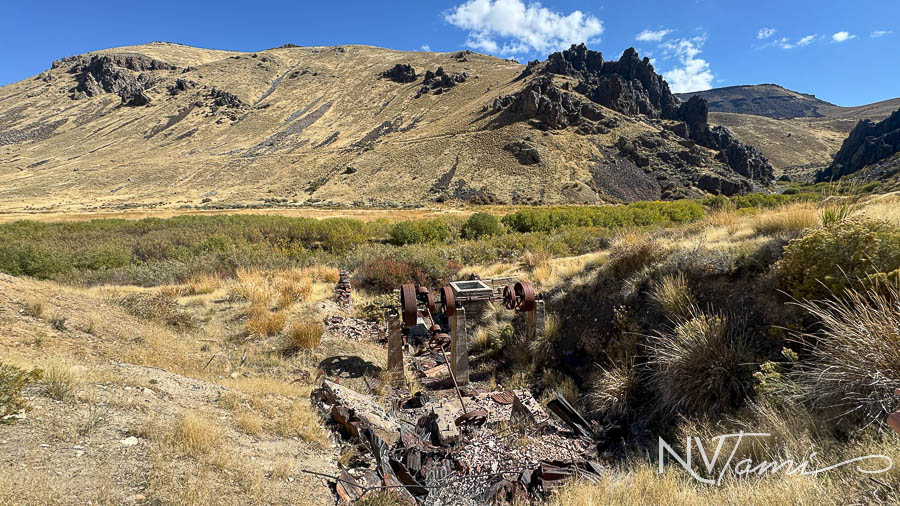
Scott dreamed of a mine’s location. in 1926. Finding rich ore, he opened the Bruneau mine and mill. The rich ore did not last and the dream died within a year.
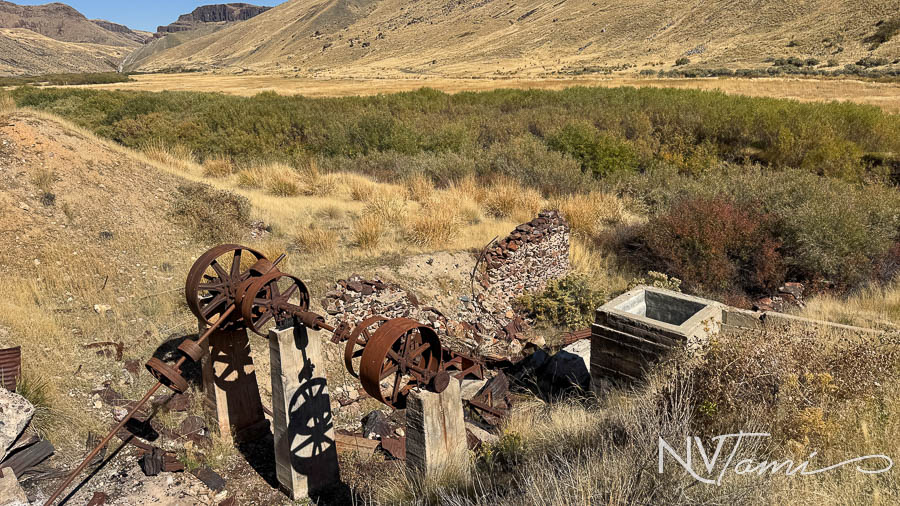
Following Scott’s death in 1930, his wife sold the property and mine. Prospectors reopened the mine and mill, and the school and post office moved to this location. The mine only worked sporadically until 1939. A store and post office stayed open until 1942.
Murphy Hot Springs, Idaho
I had seen pictures of this adorable little town, so we jumped into Idaho. I was a little confused because there was a large, hot spring in Murphy, Idaho, where we used to visit when we were growing up.
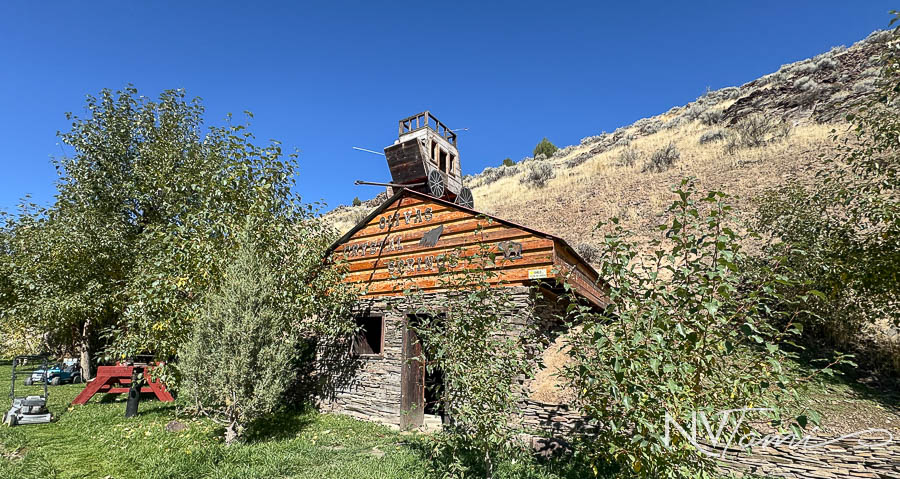
Native Americans were the first to use the warm waters. In 1880, Kittie Wilkins and her brother stumbled on the hot springs while searching for stray horses. Their father, John, built a house in 1885, and a small community grew up around it. Katie discovered a large gold nugget in the 1890s.
Word got out, and the rush was on. Mining camps popped up around the area. Patrick Murphy obtained the springs and opened Murphy Hot Springs, a resort. Mining declined, but the town held on and continues to draw visitors to enjoy the warm water.
Jarbidge
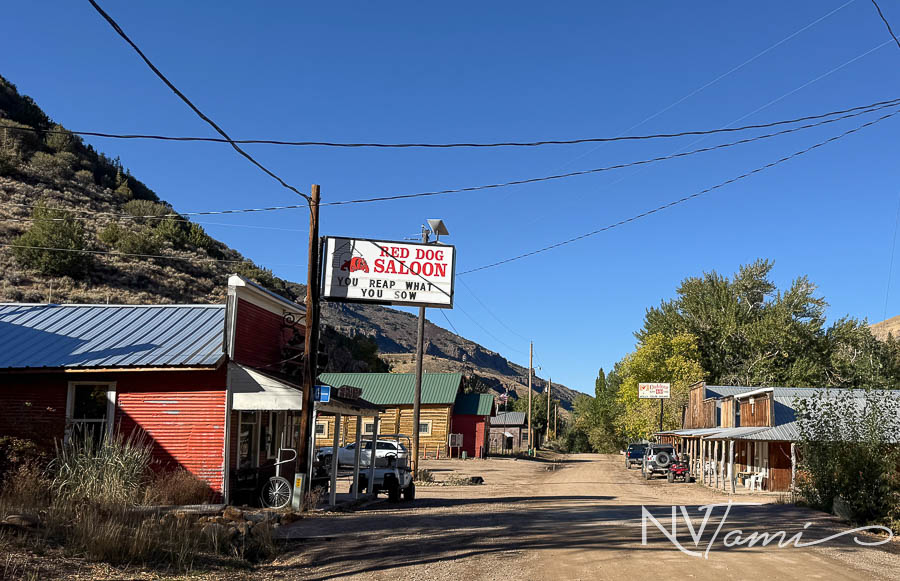
What the Hell’s a Jarbidge?
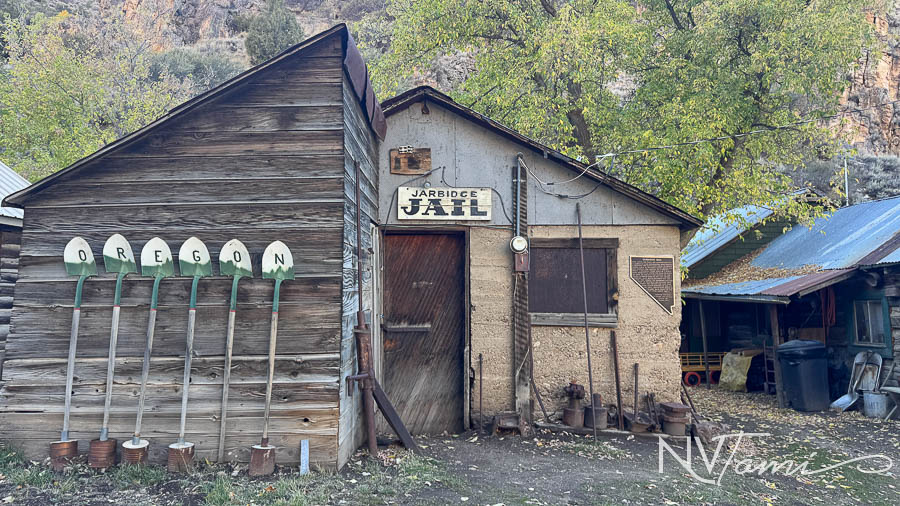
I first visited Jarbidge around 2005 when my son was a toddler. Baby in tow, I didn’t get a lot of time to explore. His one wish, living in Elko, was to return and check out the little town. This time, I got to explore and even have a drink with the Kid, dang, that makes me feel old!
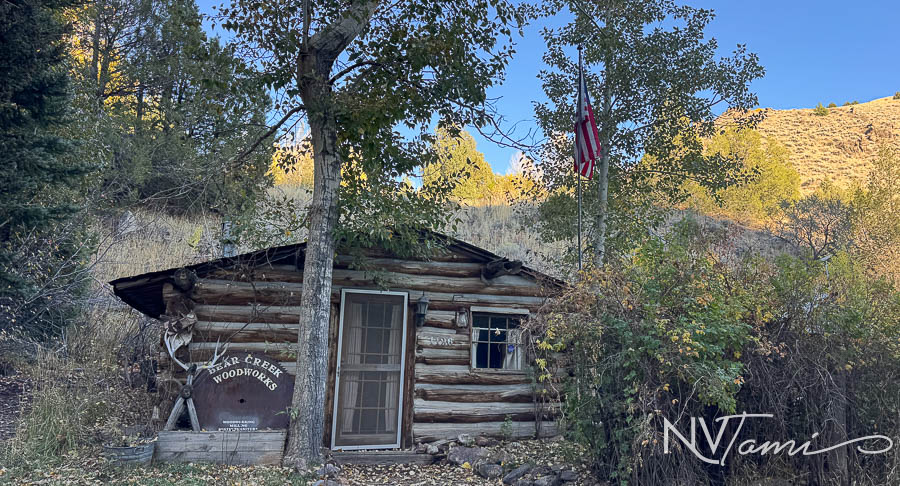
I’m going to do an episode for Radio Goldfield about Jarbidge and the last stage robbery. Jarbidge goes down as the friendliest town I have visited. I met 1/3 of the year-round population, meaning 5 people! Everyone was welcoming and fun to talk with. The part-timeers waved as we walked around town.
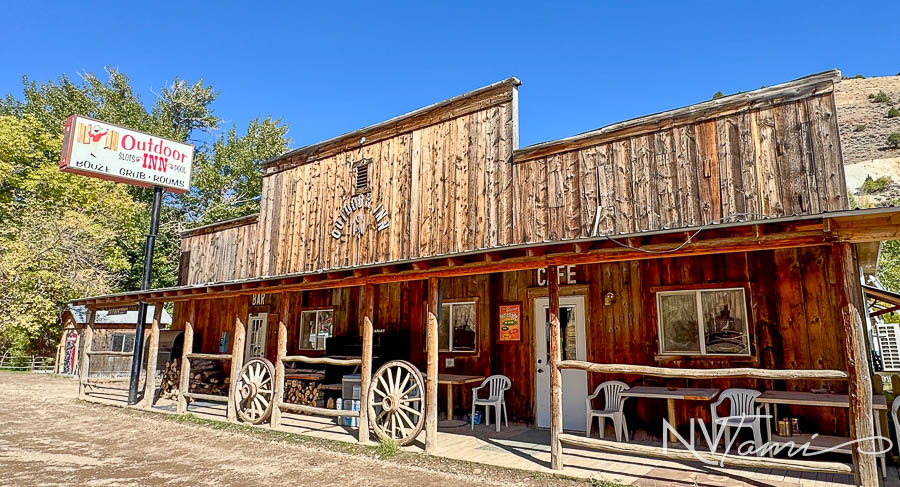
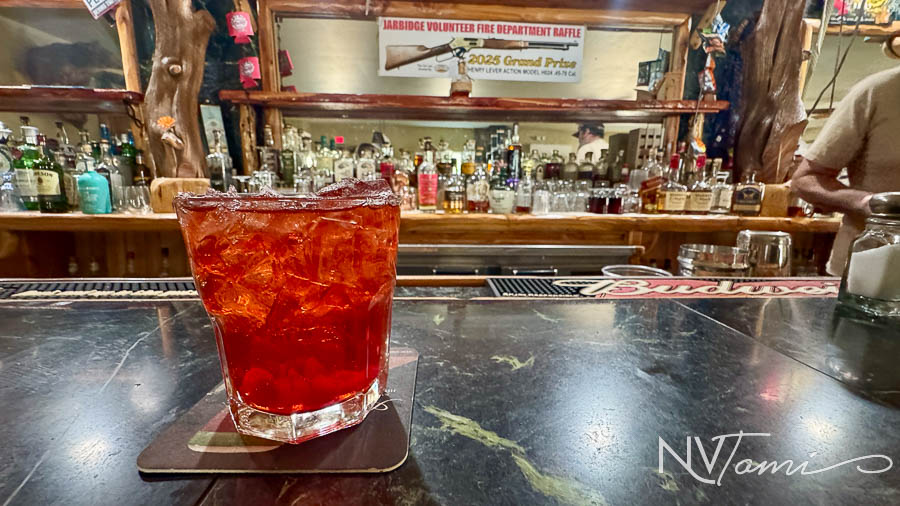
We had great burgers, onion rings, and homemade ice cream at the Outdoor Inn. Then Jas, the owner, twisted my arm into enjoying a drink. OK, he didn’t have to twist very hard I love old-fashioned drinks, and he created one for me using Two Bitch Bourbon (my favorite) and orange Jim Beam.
Full and relaxed, we headed to Jane’s Gift Shop. She has a great selection of items, including books, clothing, and jewelry. The Kid got books and a T-shirt, and I picked up what might be my new exploring hat and, of course, a “What the Hell’s a Jarbidge” sticker for Honey Badger.
Jarbidge is derived from T’Sawhawbitts, the Shoshone Word for “devil.” They believed the giant creature would gather visitors to his canyon in a basket, take them to his camp, and eat them for dinner. The name evolved to Ja-ha-bich, and finally to Jarbidge. While there is a bridge in Jarbidge, there is no “bridge” or second “r” in the name.
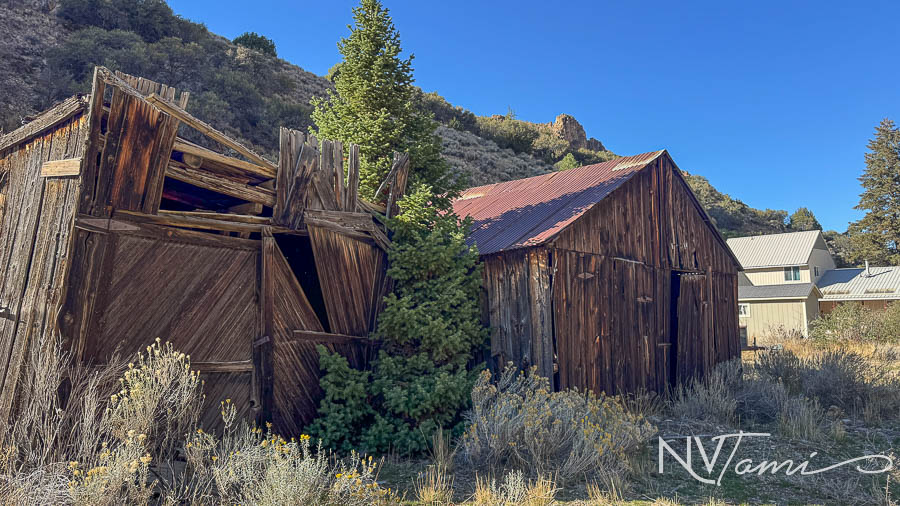
In 1908, Congress created the Humboldt National Forest and built a ranger station at Mahoney. Prospectors discovered gold the following year, and the little canyon became one of the last major gold rushes of the Old West. Jarbidge is the site of the last stage robbery in 1916.
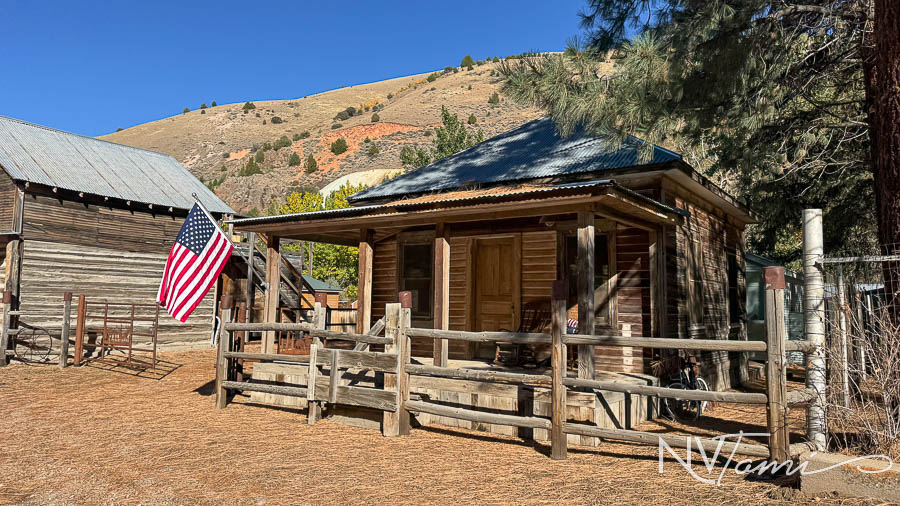
The boom didn’t last long, and many moved on. However, Jarbidge continues to attract a handful of year-round residents and is popular with hunters, explorers, and visitors. Tami’s Tip: It is a heck of a long way from Elko or Twin Falls, so allow a long day, or better yet, stay a few nights.
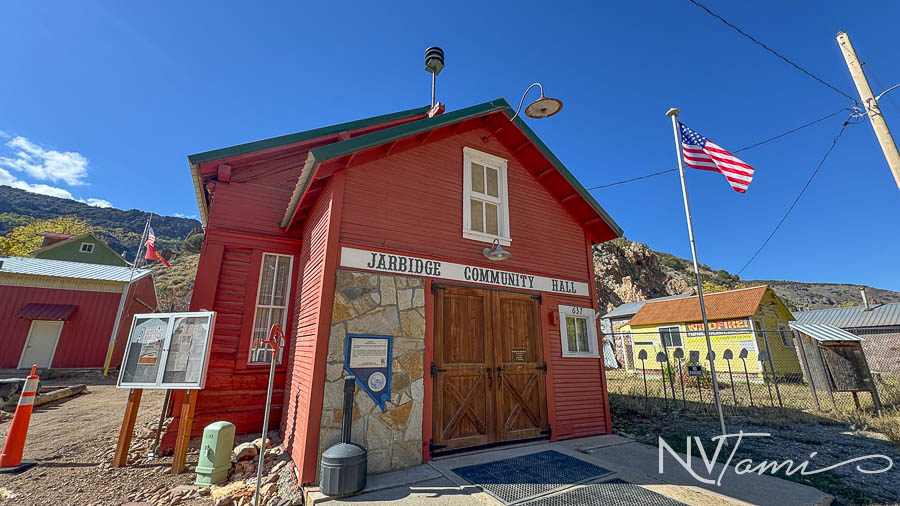
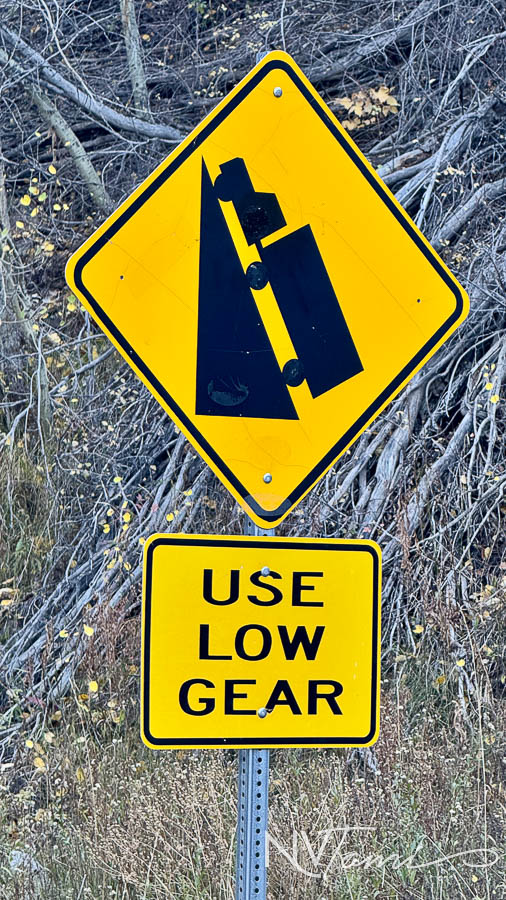
Climbing the hill out of Jarbidge. S**t, that was a steep climb.
Mahoney Ranger Station
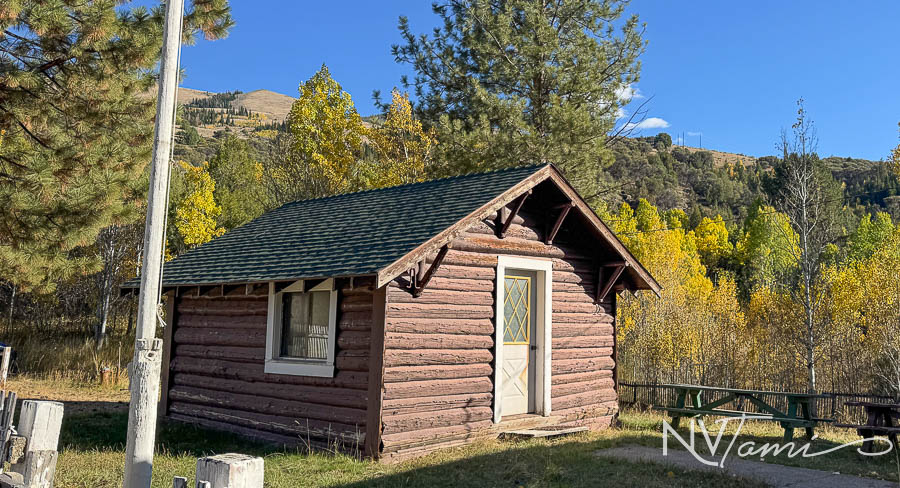
Some say Bill Mahoney developed the site in 1898. Others, including the USFS, credit William Perkins for developing the site in 1902 and later selling it to Mahoney.
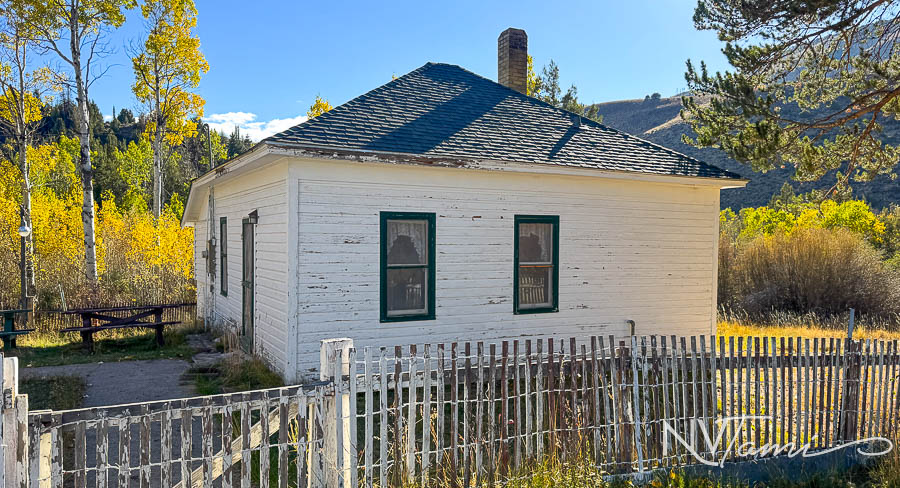
The log cabin was taken over by the Forest Service in 1909. They used the cabin as a remote administrative office and housing. That year, Ranger Fred Lancaster and Assistant Ranger Will H. Tremewan lived at Mahoney Station part of the year. Ranger A. W. Garrison lived at the station over the winter of 1909.
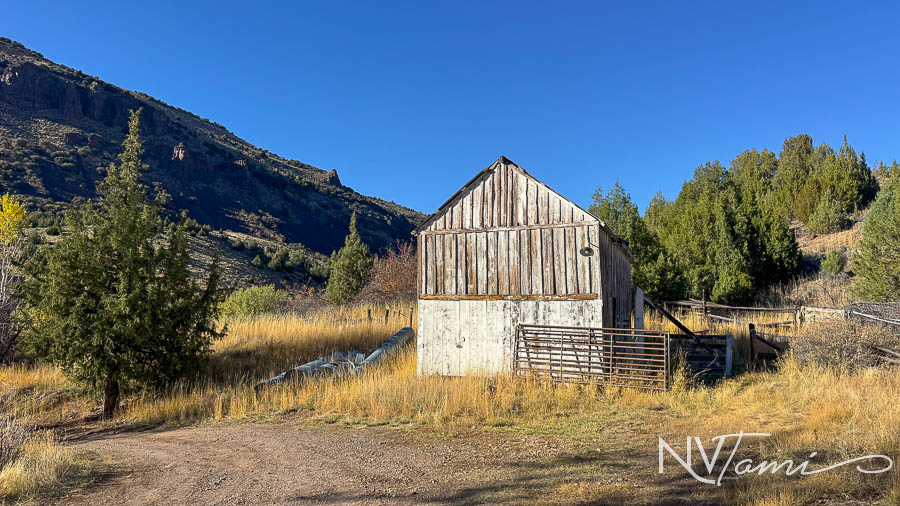
In 1911, a second home was built, and the first structure became an office.
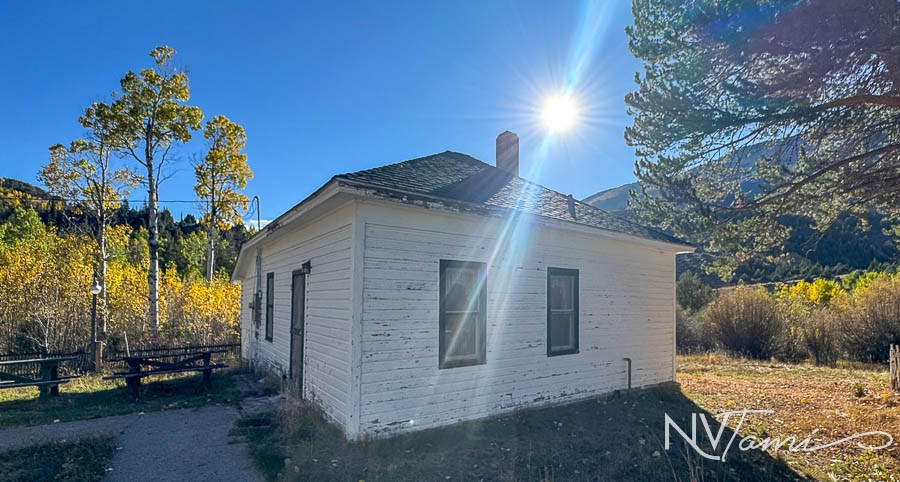
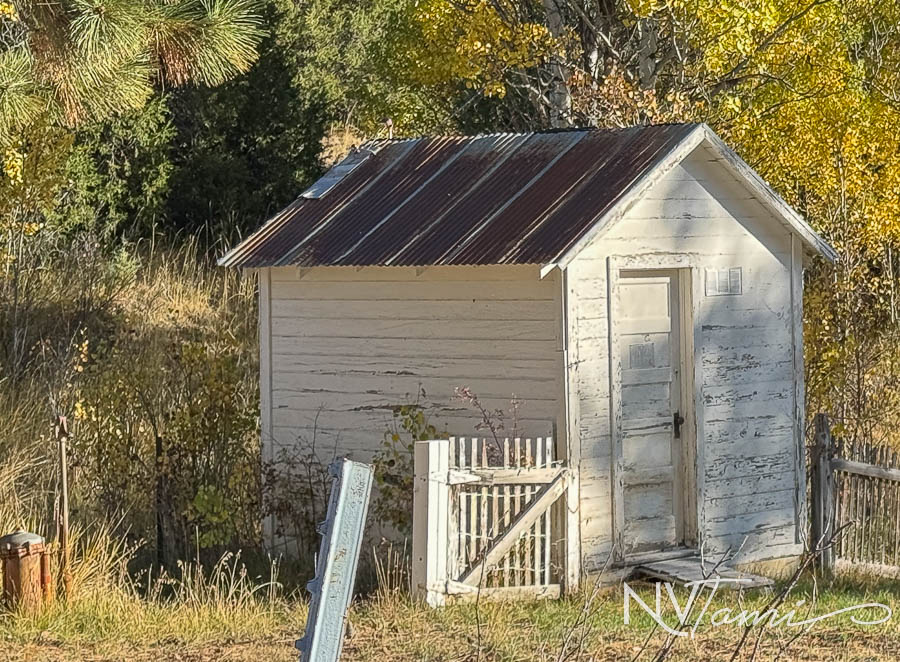
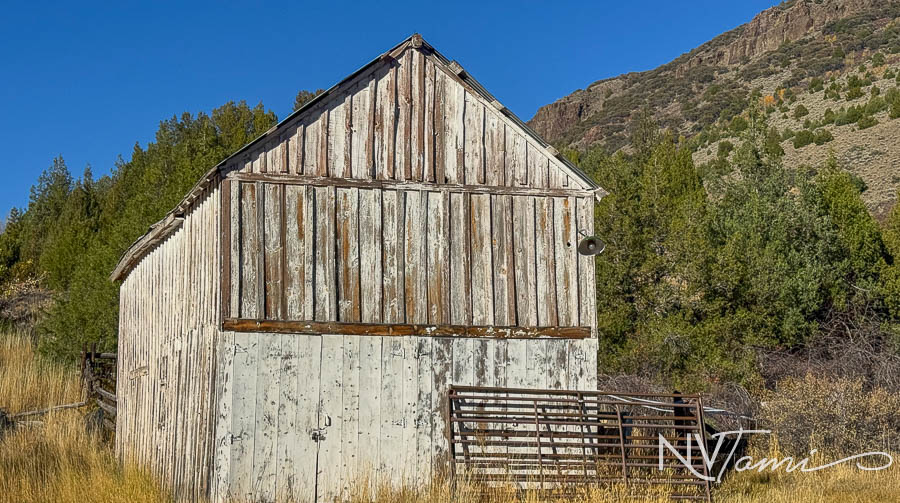
Prospectors had worked the area in the 1860s with little success. This all changed in 1909 when David Bourne found a rich ore outcropping. The station was used into the 2000s.
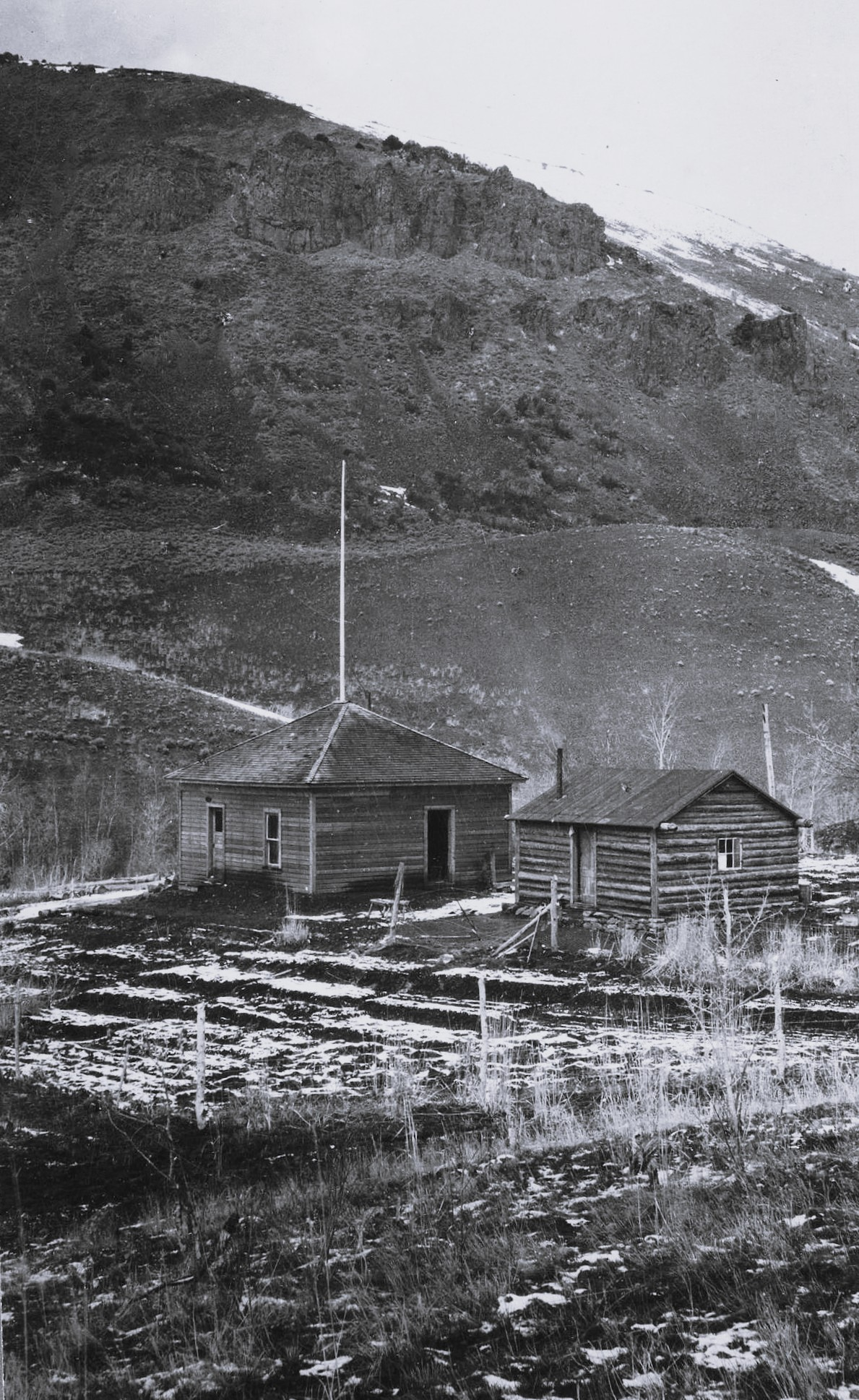
Pavlak
I’ll have to revisit Pavlak next trip and dig into it. The site of the old mill is now a camping spot so I only got a few photos.
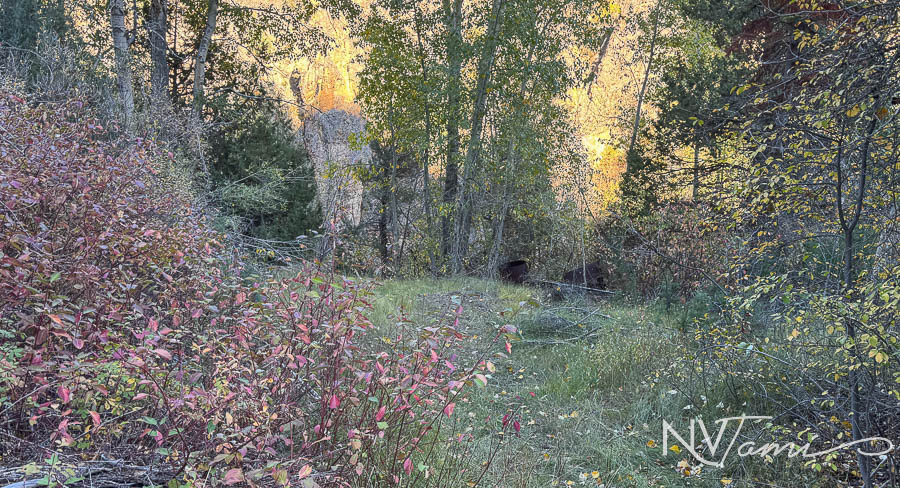
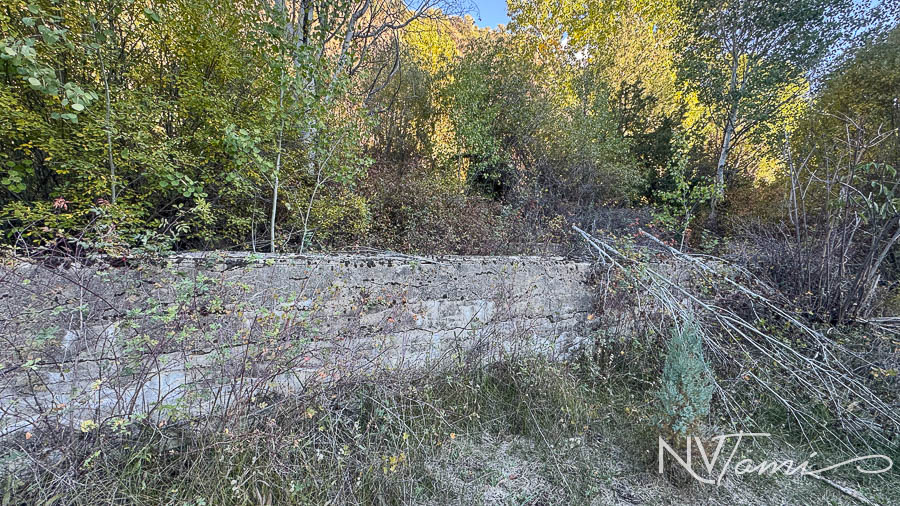
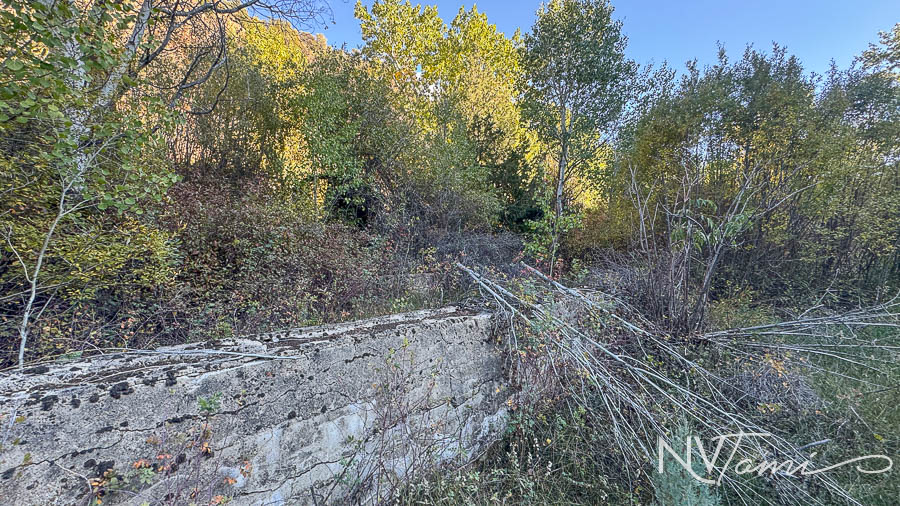
Charleston/Bryan School
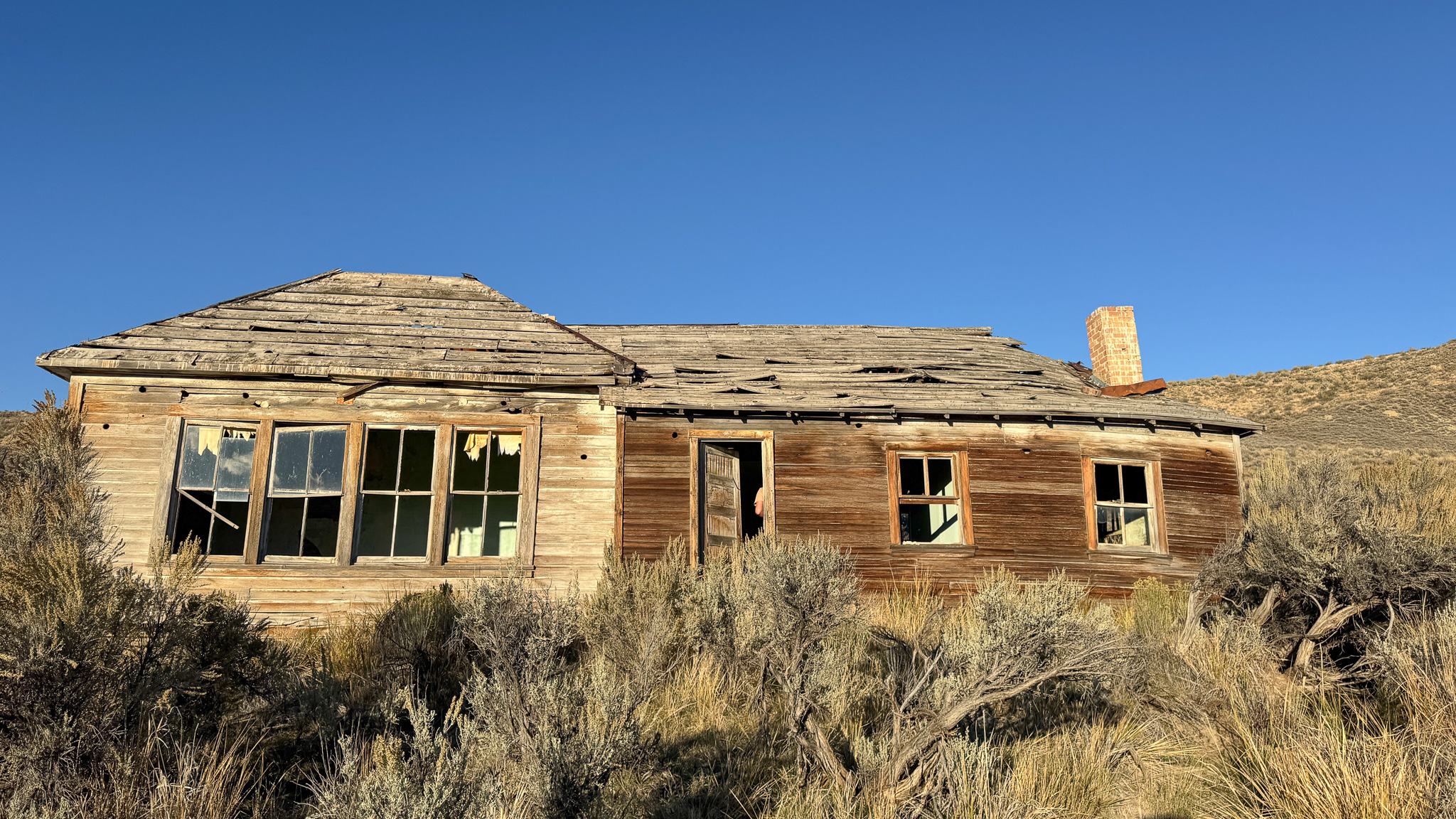
Wow, this amazing ghost town will take time to sort through and dig for information! Charleston is a Wild West town, including murder, mayhem, theft, and vigilante justice!
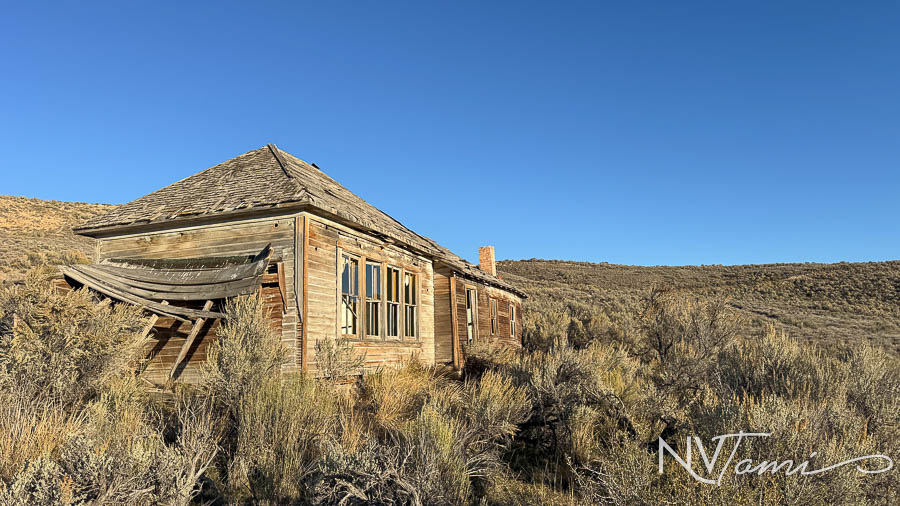
The very basics are that Charleston began as Mardis when George Mardis discovered placer gold there in 1876. A town soon grew to include a store, school and saloons. Mardis was a wild and woolly town. It declined after the murder of its founder, and by 1883, most had moved on.
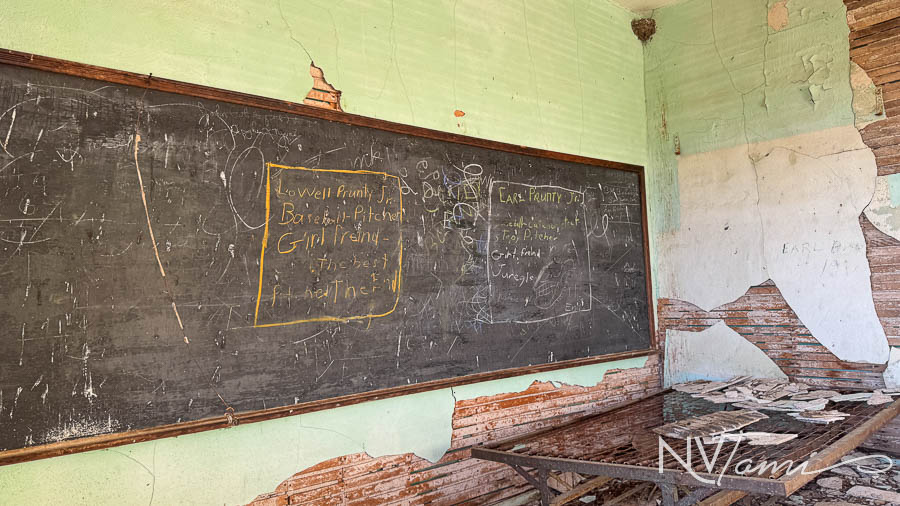
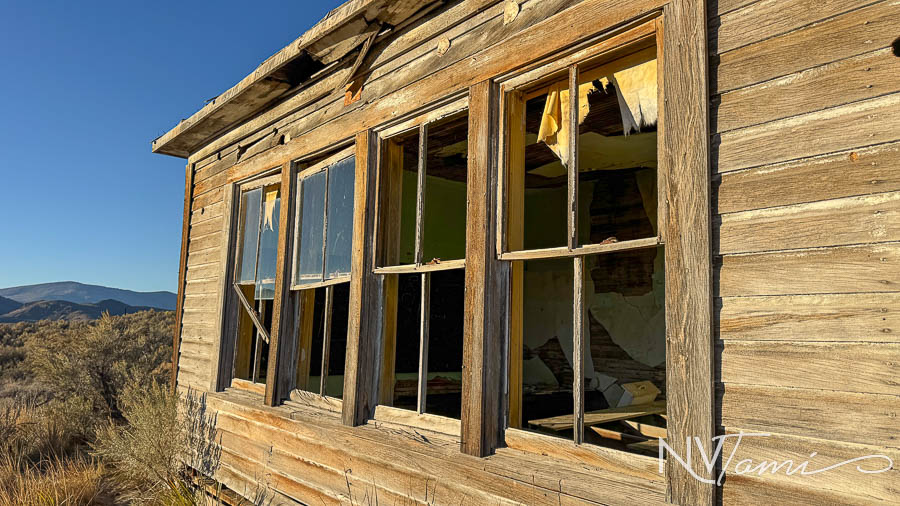
By 1886, the town again grew, and a post office opened under the name Bayard. The post office closed in 1889. In 1895, the town had another rebirth and opened a post office named Charleston. Mines were inconsistent producers and the next decades are filled with ups and downs. The community grew to revolve around agriculture. In the early 1900s, the Bryan school opened. Today, it is one of the only reminders of Charleston.
Phew that was a long day!
Follow me on social media:


Randy Jay Braun says
Well done, Tami! I started following your adventures about a year ago. I recently retired from a long career as a professional photographer, and now I am an amateur gold miner, immigrant trails historian, and metal detectorist living in Truckee. Perfect fit! Thanks for all that you do. ~Randy B.
Tami says
So glad you are following along! If you haven’t seen it, there is a gold prospectors group that has some claims. Comstock Gold Prospectors I think. Enjoy retirement!